REVIEW · BALI
Ubud: Balinese Cooking Class at an Organic Farm
Book on GetYourGuide →Operated by Bali Farm Cooking School · Bookable on GetYourGuide
Skip the postcard Bali routine and cook. This Ubud class blends a local market start, an organic farm harvest, and a hands-on kitchen session for six Balinese dishes. I like how it’s not just watching and eating, it’s learning the logic behind the flavors.
Two things I especially like: you shop for ingredients at a real morning market, and you cook multiple dishes with a take-home recipe book and PDF. One thing to consider: it’s an 8-hour day with shared cooking stations, so if you want a private, quiet setup, this may feel busy.
Small-group format matters here. The class keeps group size to a maximum of 14, with cooking stations shared between 2 people. Also, the farm experience isn’t set up for wheelchair access, and pets aren’t allowed.
In This Review
- Key highlights to know before you go
- From Ubud market morning to organic farm kitchen
- Picking your vegetables is the whole point
- Shared cooking stations: hands-on, but do plan for teamwork
- What you’ll cook: Base Gede and the Balinese flavor system
- Regular menu: six dishes with classic meat, fish, and spice-paste foundations
- Vegetarian menu: gado gado, opor tempe, and vegan sate lilit
- The people running your day: guides, chefs, and clear teaching
- Price and logistics: is $32 really good value?
- Timing tips: choose morning if you want the full Balinese rhythm
- What to bring (and what to expect from the farm kitchen)
- Who this is best for (and who might not love it)
- Should you book this Ubud organic farm cooking class?
- FAQ
- How long is the Ubud Balinese cooking class?
- Does the class include a market visit?
- What is the price per person?
- What do you cook during the class?
- Is there a vegetarian option?
- What’s included in the price?
- How big are the groups?
- Is it wheelchair accessible?
- Are pets allowed?
- Can I cancel for a full refund?
Key highlights to know before you go
- Morning market tour (included on the morning option) to see fruit, veg, and everyday ingredients up close
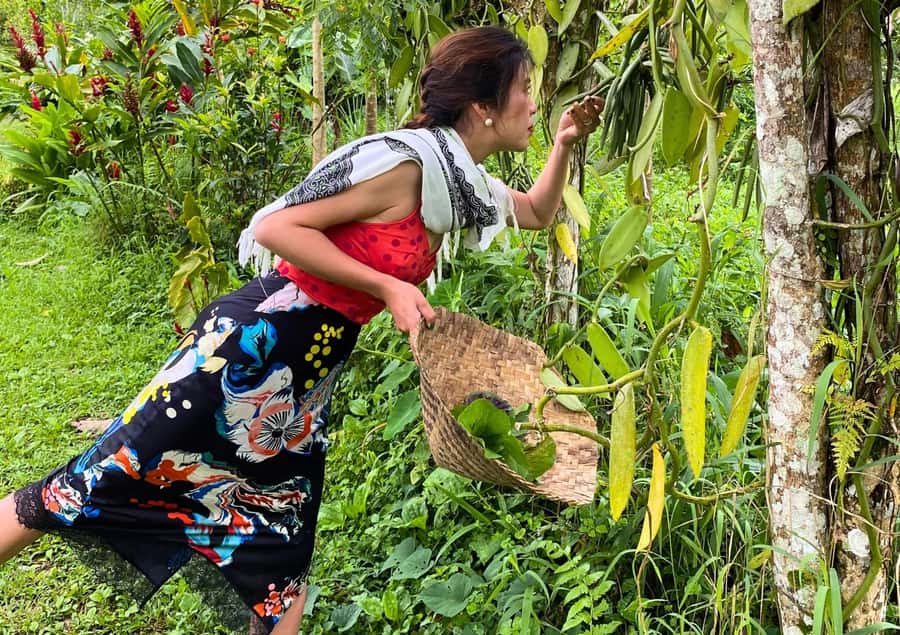
- Organic farm tour + harvesting so you cook with the produce you picked
- Six dishes (regular or vegetarian) with a Balinese spice base like Base Gede
- Recipe book + downloadable PDF so you can recreate the dishes at home
- Shared station setup keeps things social and hands-on, but not private
- Ubud shuttle transfer included, which helps you avoid the logistics headache
From Ubud market morning to organic farm kitchen
This is the kind of Bali day plan that feels practical from the first hour. You meet up in Ubud, then you head out with a shuttle that’s included, which is a relief in traffic-heavy areas. If you choose the morning class, you’ll start with a local market visit before you ever touch a stove.
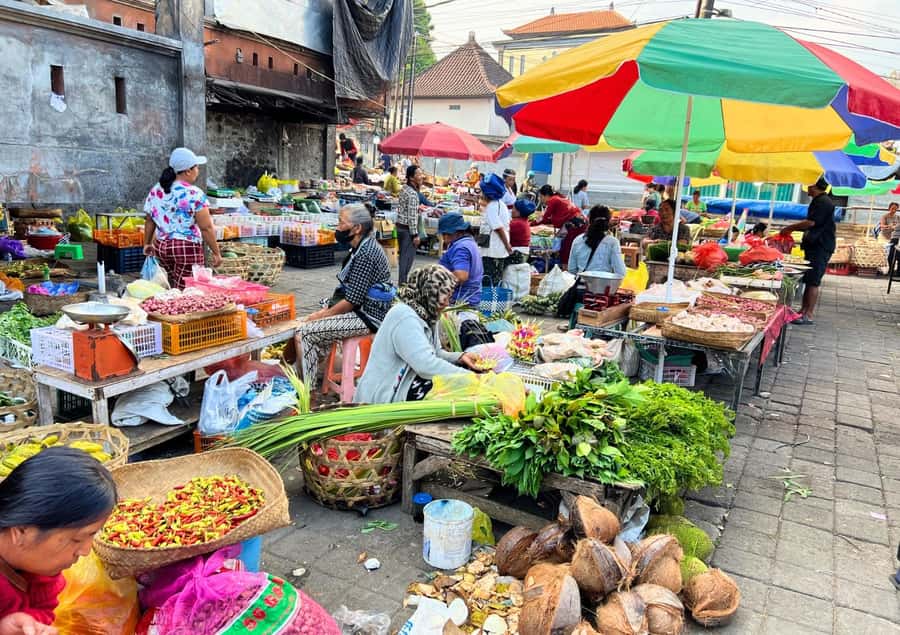
The market part is more than a quick look. You get taken around to see how people buy and sell daily ingredients early in the day. You also taste local fruit during the process, which helps your brain switch from tourist mode to foodie mode fast.
After the market (morning option), you move to the organic farm. On arrival, you get a welcome coffee or tea plus a light breakfast. In real life, that tends to mean fruit and small bites, and it sets you up well for the work ahead.
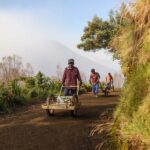
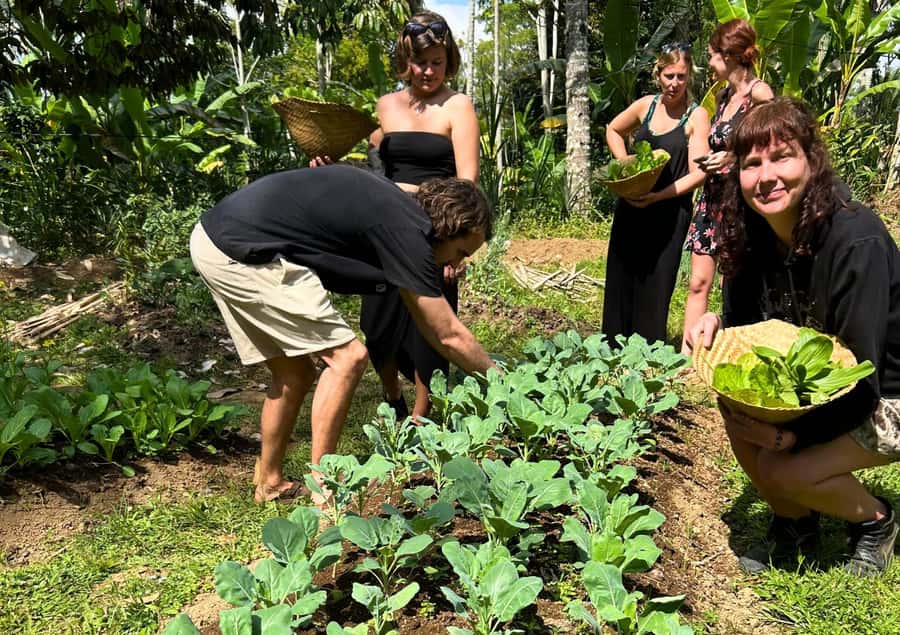
Then comes the farm tour and an explanation of how a Balinese family uses the natural resources around them. You’ll collect vegetables for your class too, which is a big deal. You’re not just learning recipes—you’re learning why certain ingredients are used and when they show up on a local plate.
You can also read our reviews of more tours and experiences in Bali.



Picking your vegetables is the whole point
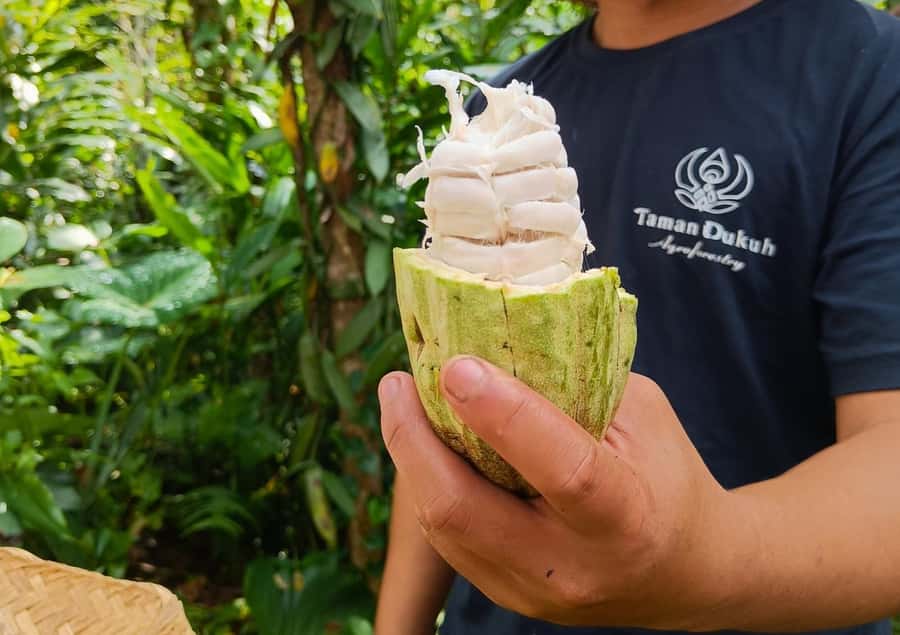
The harvesting stage turns the cooking class from a demonstration into a farm-to-table lesson. When you pick ingredients yourself, you pay attention. You notice texture, aroma, and how ingredients behave when chopped, pounded, fried, or boiled.
It also makes the rest of the day easier to follow. When the chef explains how to build flavor—especially the spice paste base—you already have a sense of what you’re working with. That’s one reason this experience gets such consistently high marks: it’s not abstract.
One more practical win: picking and prepping is part of the pacing. You’re not stuck in one room the whole time. You walk through the farm, you see how produce grows, and you transition naturally into cooking.
A quick heads-up from how these sessions are run: farms often do multiple groups per session (you might share timing with 2 or 3 groups). That doesn’t make it chaotic, but it does mean you’ll feel the day in a steady rhythm—walk, learn, cook, eat—without long downtime.
Shared cooking stations: hands-on, but do plan for teamwork
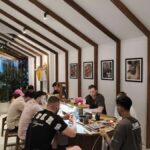
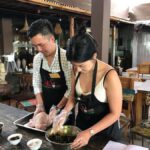
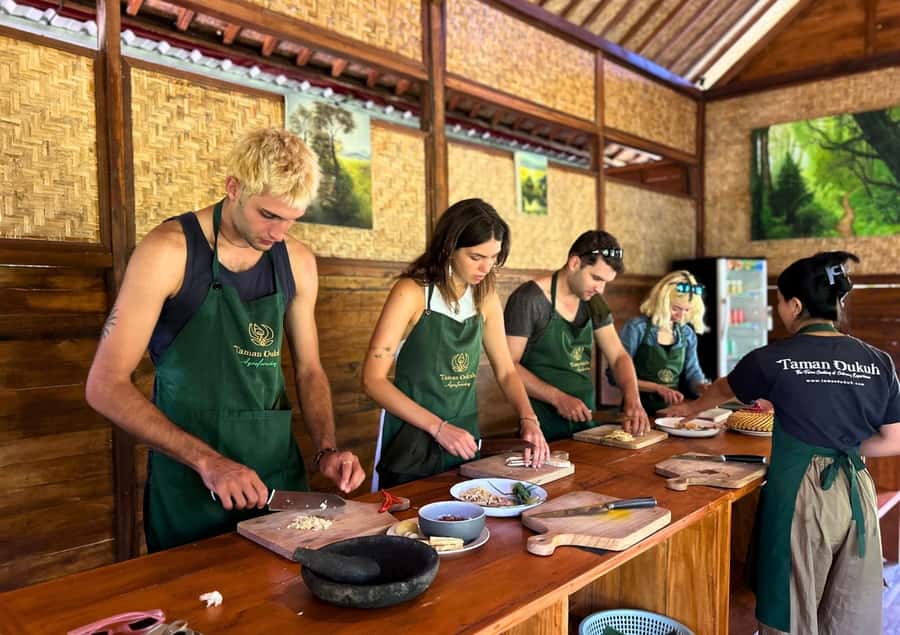
The class is hands-on, but it’s not a solo kitchen lab. Each cooking station is shared between two people, and the group cap is 14. Practically, that means you’ll cook alongside someone at your station, swapping tasks as the chef moves the class through each dish.
This format is great if you like learning by doing. It also tends to keep energy high, since you’re not waiting for your turn the whole time. Based on how people describe the experience, the staff’s main job is to keep each station moving so you don’t get stuck staring at a cutting board.
Because you’re sharing a station, you’ll want to bring a flexible attitude. If you’re the type who wants to control everything, you might feel mild friction with a partner. If you’re friendly and open, it’ll feel like a mini cooking team.
What you’ll cook: Base Gede and the Balinese flavor system
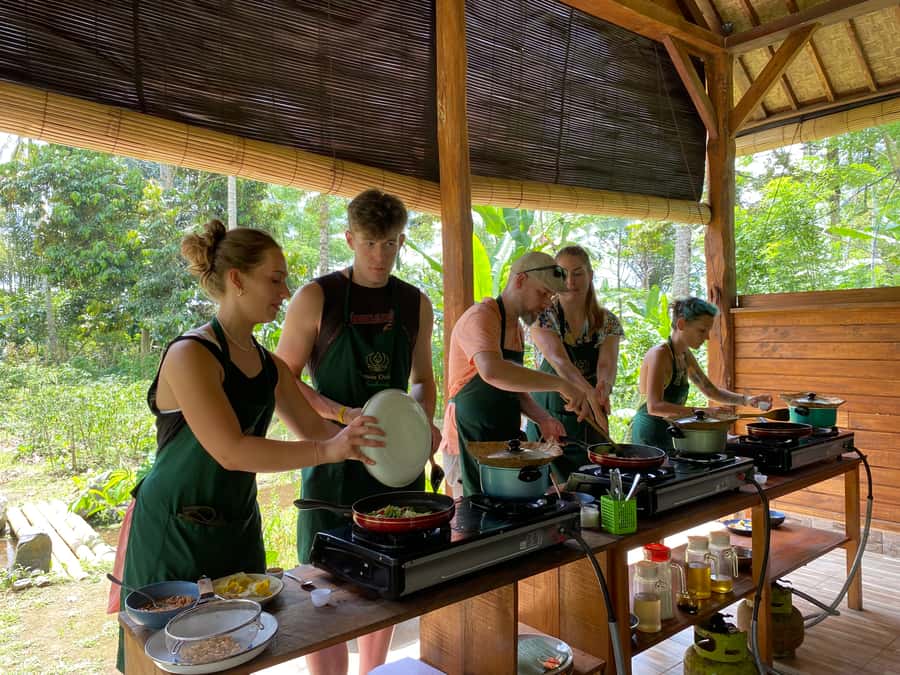
Balinese food is built on layered flavor. This class teaches that with an anchor dish: Base Gede, a traditional spice paste. You’ll make it whether you choose the regular menu or the vegetarian menu.
Once Base Gede is in your hands, the rest of the dishes start making sense. You’re not memorizing separate recipes from scratch. You’re seeing how the same flavor foundation can become curry, sauce, seasoning, and stuffing.
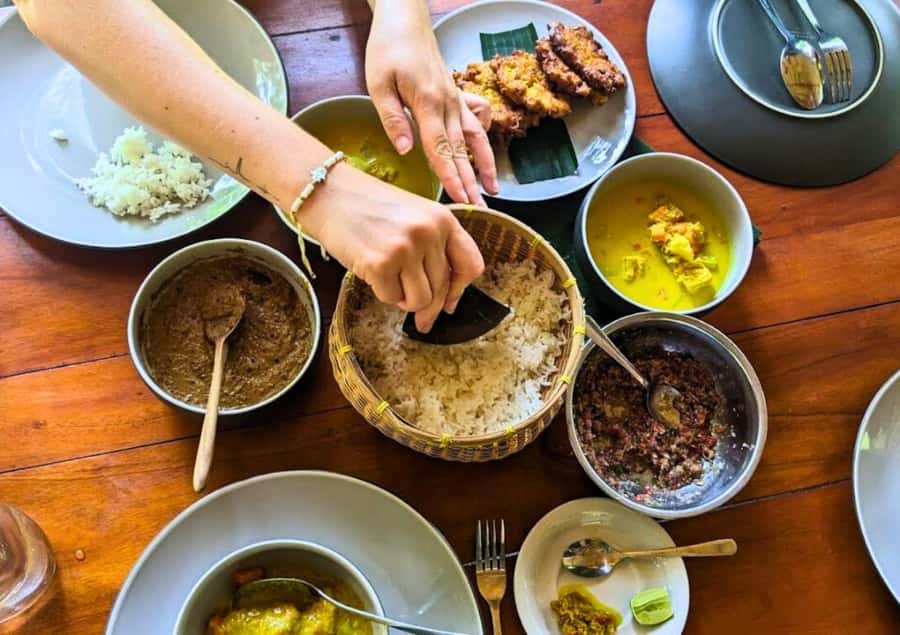
From there, the class guides you through multiple dishes, typically structured like: starters, mains, and a dessert. Even better, you get to eat what you cook, not just admire it. One reason people get excited about this format is the day ends with full plates you already worked on with your own spices and prep.
Regular menu: six dishes with classic meat, fish, and spice-paste foundations
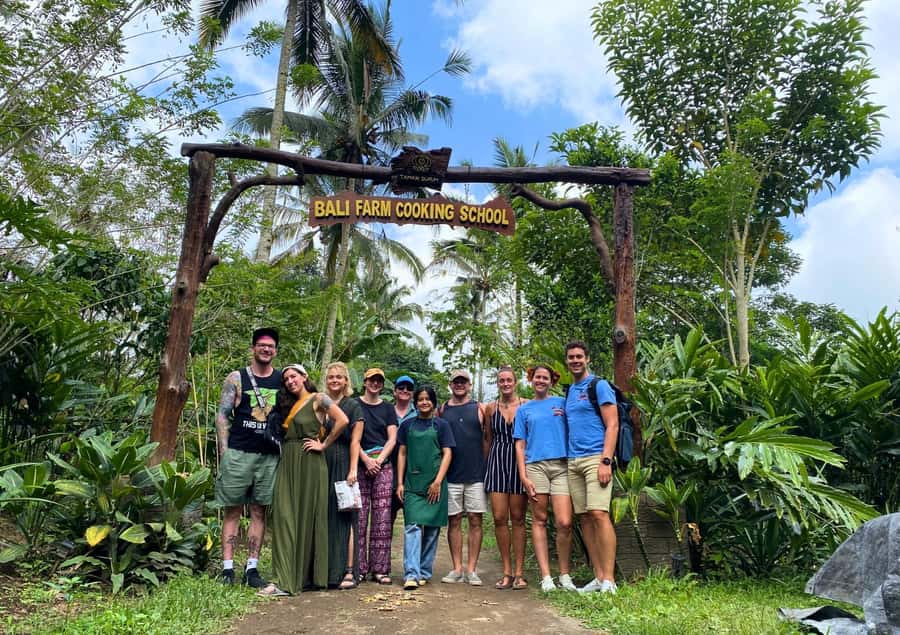
If you choose the regular menu, you’ll cook a set of traditional Balinese dishes that cover salty, spicy, savory, and sweet.
Here’s what’s on the regular menu:
- Base Gede (spice paste)
- Sayur Urab (mixed green salad with coconut and spices)
- Opor Ayam (Balinese chicken curry)
- Sate lilit (traditional kebab made with meat, coconut, and spice paste)
- Pindang base tomat (fish with tomato sauce)
- Tempe asam manis (sweet-sour tempe)
- Dessert: Pisang goreng or Bubur injin
A few practical notes that help you manage expectations. First, you’ll likely taste coconut and spice combinations in more than one dish. That’s normal here and part of how Balinese cooking stays coherent.
Second, dessert gives you a sweet finish that feels local rather than generic. Pisang goreng (banana fritters) tends to be a crowd favorite, while bubur injin (black rice pudding) brings a different texture and flavor profile—thicker, sweeter, and more filling.
Also, keep an eye on how the class handles heat. The dishes are flavorful, but there’s still room for personal preference in how spicy you like things. You can ask questions while cooking, especially when seasoning is adjustable.






Vegetarian menu: gado gado, opor tempe, and vegan sate lilit
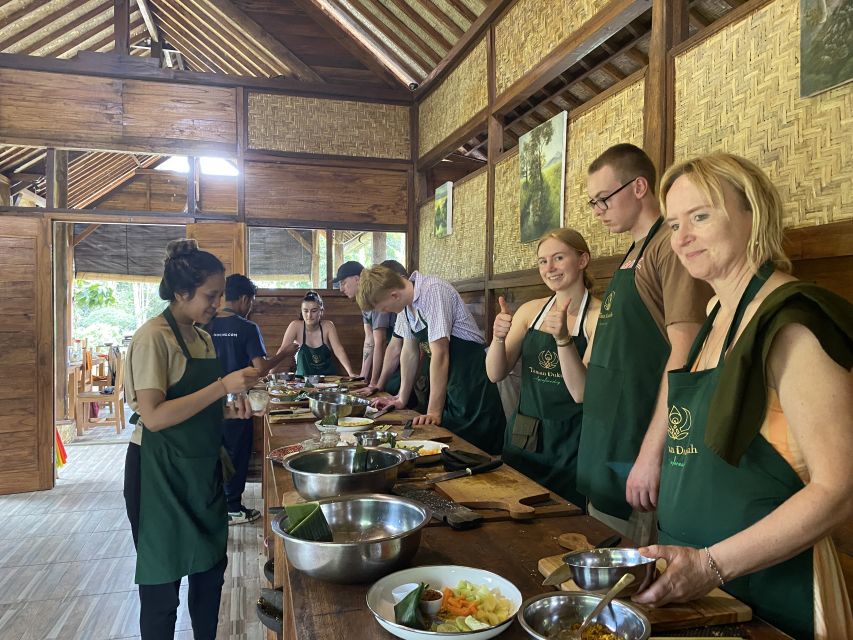
The vegetarian menu is not a bland swap. You still get key Balinese elements like Base Gede, coconut, peanut sauce, and that sweet-sour balance.
Your vegetarian menu includes:
- Base Gede
- Gado gado (blanched vegetables with traditional peanut sauce)
- Opor tempe (Balinese tempe curry)
- Bergedel (fried corn with Balinese spices)
- Tempe asam manis (sweet and sour tempe)
- Vegan sate lilit (made with jackfruit and spice paste)
- Dessert: Pisang goreng or Bubur injin
What I like about this menu for you is variety. You get fried, saucy, and salad-style dishes, so it’s not just one cooking technique repeated. You also get tempe in more than one form—again reinforcing the flavor logic of the meal.
The standout here is vegan sate lilit with jackfruit. If you’ve only had sate as skewers made with meat, this is a reminder that Balinese cooking can keep the spirit of a dish while changing the ingredient.
And if you’re traveling with someone who eats meat, you’ll still have a full day. The class is set up for both menu types, so dietary needs aren’t treated as an afterthought.
The people running your day: guides, chefs, and clear teaching
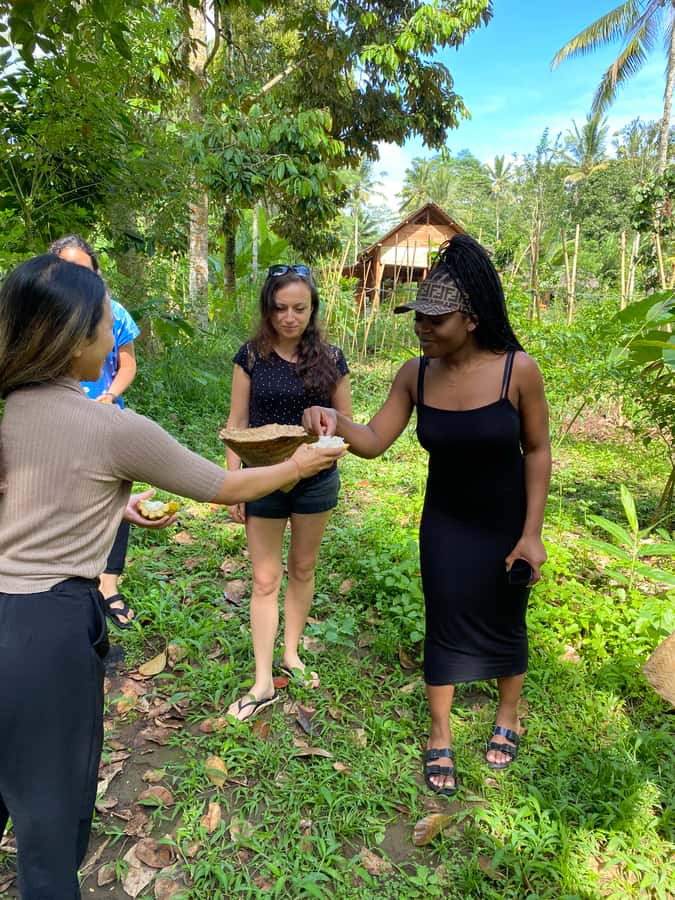
This class often shines because of its leadership. In past sessions, I’ve seen real names pop up from participants—like chef Buda and guide Depi—and people consistently describe the instruction as organized and friendly.
That matters because cooking classes can go one of two ways: either they rush, or they explain enough that you can recreate food later. Here, you’re given recipe support in two formats: a recipe book you keep and a downloadable PDF with the latest recipes. That’s the difference between eating a great meal and leaving with something you can actually cook at home.
You may also get a guide who keeps things light and practical. Names like Wayan and Wayun appear in participants’ accounts, and there’s also mention of transport support from a driver named Rudi. Even if your exact guide differs, the pattern seems consistent: the staff focuses on keeping you moving and helping you understand what you’re doing.
Another small but valuable touch: some people mention receiving photos or videos during the experience. Even if that’s not the whole point, it makes it easier to remember ingredients you might forget later—like the exact look of a spice paste base.
Price and logistics: is $32 really good value?
At $32 per person, this class is priced like a bargain for what you get. You’re not only paying for cooking instruction. You’re paying for transport from Ubud, market time (morning option), farm time, harvesting, drinks, and the meals built from what you cook.
Eight hours is long, but the time is used. You’re not stuck in a single chair. The day has built-in transitions: market, farm tour, harvesting, then cooking, then eating. That structure helps you feel like each hour earns its keep.
Still, there’s a reality check. The farm is not in the center of Ubud. One account notes about an hour drive from the meeting point. That means you should expect traffic at the end of the day, especially if you’re heading back during peak times.
So your “worth it” equation comes down to what you want:
- If you want a food-focused day with skills you can repeat, this is a strong value.
- If you want a short afternoon activity, it might feel too long.
Timing tips: choose morning if you want the full Balinese rhythm
If you’re deciding between time slots, pick based on the experience you want most. The local market tour is included for the morning class, and people really notice the difference. The market visit sets a tone for the day: fresh produce, early trading energy, and fruit tastings that feel genuinely local.
One participant even suggested the 7:15am class for maximum cultural time—basically, more hours in the real rhythm of the day and less time in tourist bubbles.
If you’re the type who likes quiet mornings, morning wins. If you want a slower start or you have plans later in the evening, you might prefer another starting time. Just know the market tour is tied to the morning option.
What to bring (and what to expect from the farm kitchen)
You’re cooking outdoors or in open-air farm spaces, so dress like you’re spending time on a working farm. That usually means clothes you can get a little dirty and shoes that handle uneven ground. If it rains, you might still be walking around. One person mentioned receiving umbrellas when it was rainy.
You’ll also likely do a decent amount of standing and moving. The day is long, and it includes walking the farm and then cooking in shared stations. Bring a water bottle if you like, but mineral water is provided during the class.
Most importantly: expect teamwork. Shared stations mean you’ll chop and stir with someone next to you. It’s a friendly setup, but it’s not a solo experience.
Who this is best for (and who might not love it)
This is ideal for you if:
- You want authentic Balinese dishes and not just a cooking show
- You care about ingredients and want to pick produce yourself
- You’ll enjoy learning how spice bases like Base Gede work
- You want a vegetarian option that still feels full and varied
It may not be the best fit if:
- You need wheelchair access (it’s not suitable)
- You travel with pets (pets aren’t allowed)
- You hate sharing a station or dislike group settings
- You’re short on time and can’t spare an 8-hour day
Should you book this Ubud organic farm cooking class?
Yes, you should book it if your goal is real cooking skills, not just a meal. The combination of market tour, farm harvesting, and six-dish instruction is strong for the price. The take-home recipe book and PDF make the class practical, since you can recreate what you learned instead of letting it fade after the day ends.
If you’re on the fence, use two questions:
1) Do you want to buy, harvest, and cook the food yourself?
2) Are you okay with a shared-station setup and a full 8-hour schedule?
If you answered yes to both, this is one of the best ways to spend time in Ubud with your appetite and your skills getting an upgrade at the same time.
FAQ
How long is the Ubud Balinese cooking class?
The experience lasts 330 minutes, which is about 8 hours.
Does the class include a market visit?
Yes, a local market tour is included on the morning class option.
What is the price per person?
It costs $32 per person.
What do you cook during the class?
You cook 6 authentic Balinese meals. The exact dishes depend on whether you choose the regular menu or the vegetarian menu.
Is there a vegetarian option?
Yes. You can choose a vegetarian menu, with dishes like gado gado, opor tempe, and vegan sate lilit (jackfruit).
What’s included in the price?
Included are the Ubud shuttle from the meeting point, the organic farm tour, harvesting fresh ingredients, a hands-on cooking class, a recipe book (plus a downloadable PDF), mineral water, coffee or tea during the class, and the meals you cook. The market tour is included for morning classes only.
How big are the groups?
It’s a small group experience with a maximum of 14 people. There may also be 2 or 3 groups running in each session.
Is it wheelchair accessible?
No, it is not suitable for wheelchair users.
Are pets allowed?
No, pets are not allowed.
Can I cancel for a full refund?
Yes. You can cancel up to 24 hours in advance for a full refund.