REVIEW · TOKYO TOWER
Tokyo Tower: Admission Ticket
Book on GetYourGuide →Operated by LINKTIVITY Inc. · Bookable on GetYourGuide
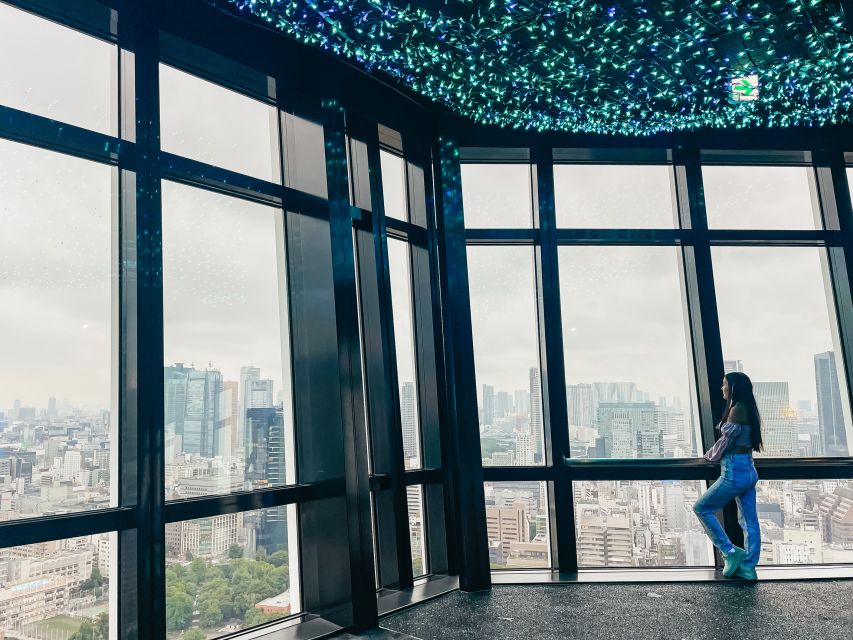
Tokyo Tower keeps stealing the skyline show. Built in 1958, the red icon sits near Hamamatsucho, making it a simple hop from anywhere, and the Main Deck delivers wide panoramic views.
I like the option to go up on the Top Deck Tour for 360° sights and built-in context about the tower’s past. One consideration: the top level can be shut or the tour can be canceled for safety when winds or heavy snow roll in, and the ticket is non-refundable.
Inside, Foot Town keeps the time from feeling too rushed, with shops, cafes, and interactive stops, plus an optional RED TOKYO add-on. If you time it right, you’ll also catch the tower’s light show as the day turns.
In This Review
- Key things you’ll notice
- Tokyo Tower tickets: where the red icon fits in your Tokyo plan
- Getting to Hamamatsucho and the Foot Town complex
- Main Deck at 150m: panoramic Tokyo without overcomplicating it
- Top Deck Tour and Summit Access at 250m: 360° views plus context
- Foot Town inside: shops, cafes, and interactive stops
- The night lighting by Ishii Motoko: when the tower turns into a show
- Practicalities: last admission, lines, and small-group vibes
- Price and value: what $9 actually buys you
- Who should book Tokyo Tower, and who might skip it
- Quick booking advice: should you book this Tokyo Tower ticket?
- FAQ
- What is the price of the Tokyo Tower admission ticket?
- What height levels do I get with this ticket?
- What are the business hours and last admission time?
- Can the Top Deck Tour be canceled once I arrive?
- Are coin lockers available, and until when can I use them?
- Is the ticket refundable or reissuable if lost?
Key things you’ll notice
- Hamamatsucho access makes Tokyo Tower easier than it looks on a map
- Main Deck sits at 150m (490 feet) for big-city panoramas
- Top Deck Tour adds Summit Access at 250m (820 feet) and 360° views
- Mount Fuji can appear on clear, sunny days
- Ishii Motoko lighting runs from sunset to midnight, with seasonal color shifts
- QR entry can help you avoid extra ticket-line hassle at the entrance
Tokyo Tower tickets: where the red icon fits in your Tokyo plan
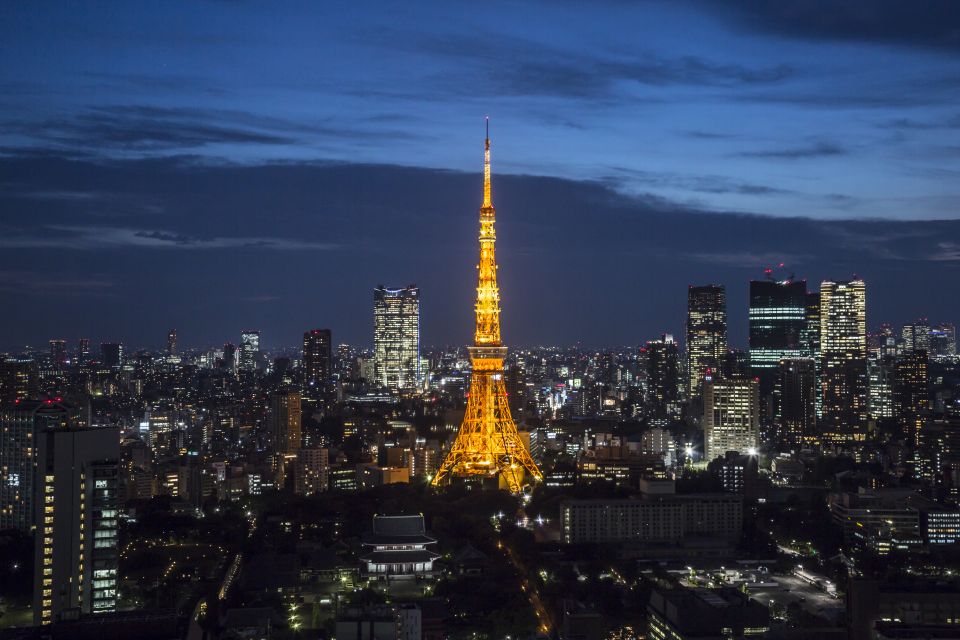
Tokyo Tower is one of those sights that works at two speeds. You can do it fast (go up, get your skyline photos, grab a souvenir, and move on). Or you can linger (daylight views, sunset changeover, then the lighting from evening until late).
This admission gives you access to the Main Deck at 150m. If you choose the option that includes the Top Deck Tour, you’ll also reach the higher observation level at 250m for a tighter, higher-feeling perspective.
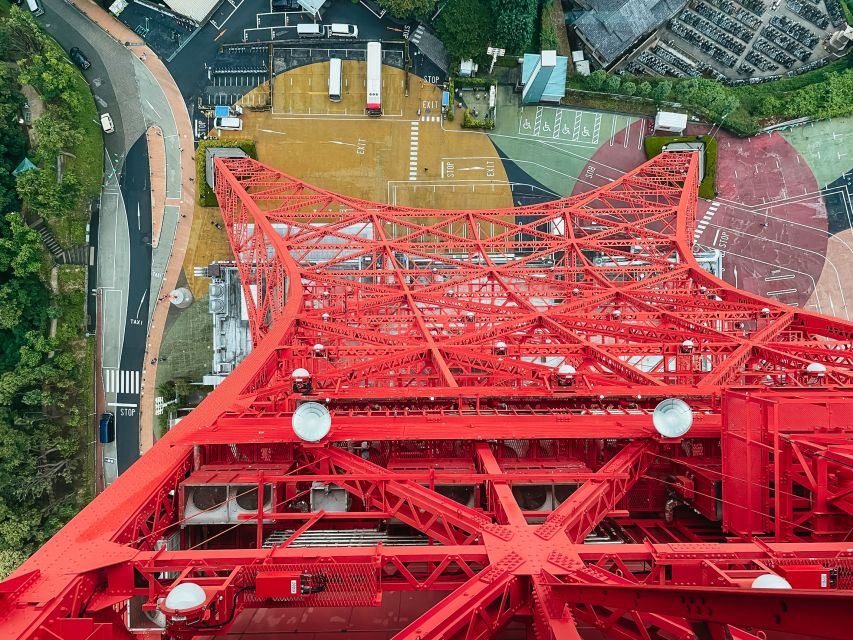
Location helps a lot. The tower sits in central Tokyo and it’s near the JR line station Hamamatsucho, so you won’t burn half a day just getting there and back. One extra detail I appreciate: the tower is bright red by day, so even if you arrive slightly lost, it’s hard to miss once you’re in the area.
Getting to Hamamatsucho and the Foot Town complex
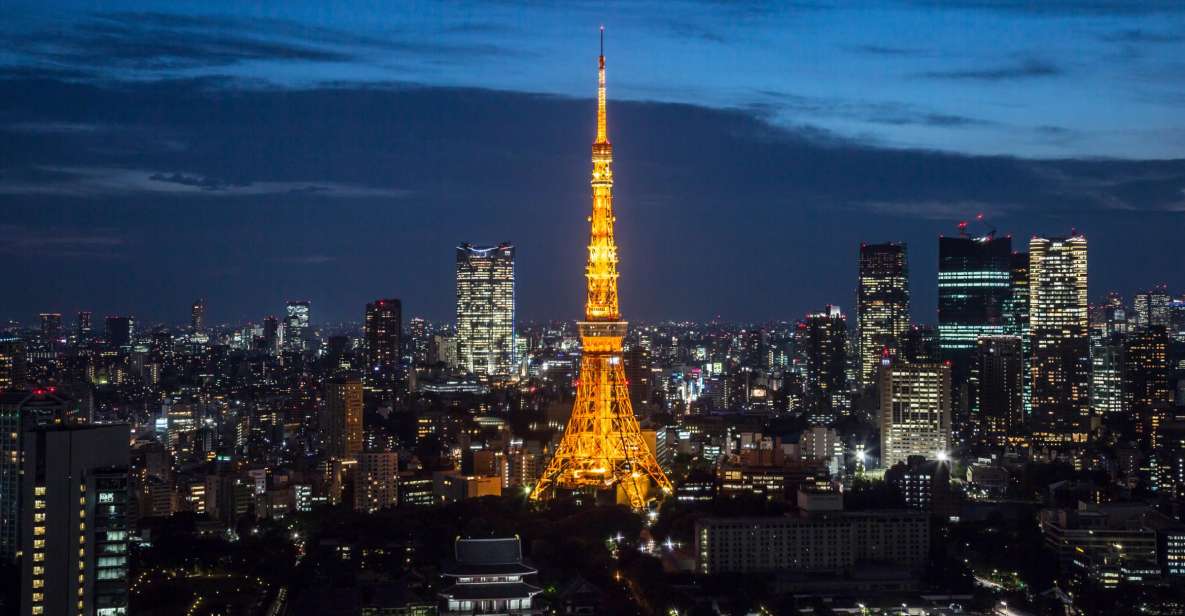
Tokyo Tower’s area is all about flow. You’re not just stepping into a viewing deck; you’re stepping into a whole building area (Foot Town is the key zone you’ll interact with before and after you ride up).
If you’re using a map app, you can plug in these coordinates for the meeting location area: 35.658750485895034, 139.7455817626003. In practical terms, it helps you anchor your route so you’re not wandering in circles around multi-level streets.
Storage is limited but useful. Coin lockers are available on the 1st floor of Foot Town, and they’re open from 9:00 AM to 11:00 PM. The big practical catch: you can’t store luggage overnight there. So pack light for the rest of your Tokyo day, or plan to retrieve anything before the locker hours end.
Also keep in mind that entry/usage can be restricted during high congestion. That’s not unusual in Tokyo, but it can change how quickly you move once you arrive, especially on peak evenings.
Main Deck at 150m: panoramic Tokyo without overcomplicating it
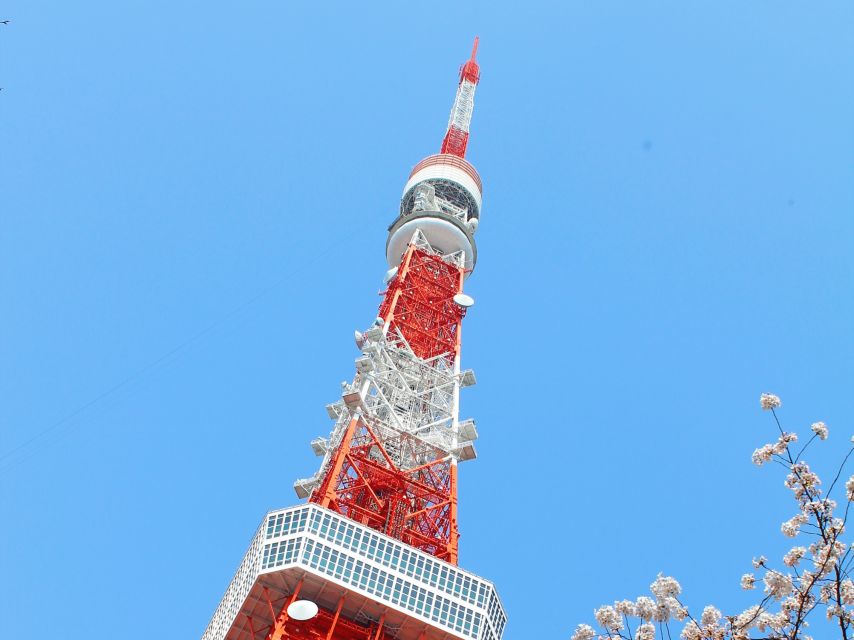
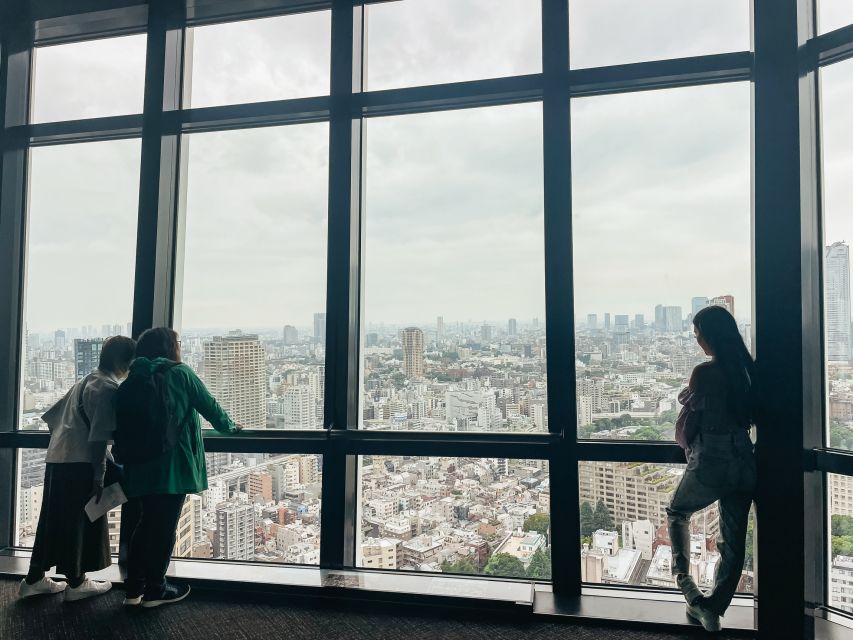
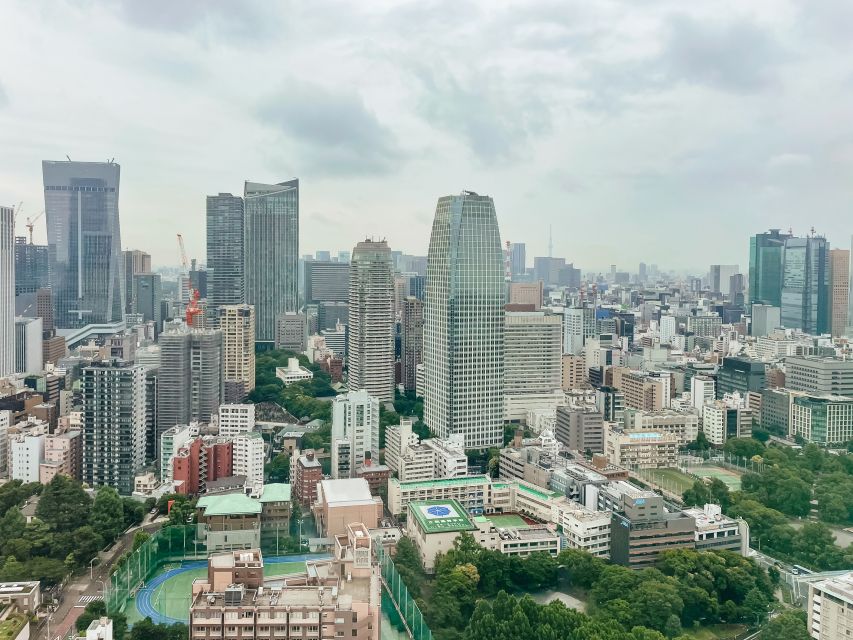
The Main Deck is where Tokyo Tower most people’s first visit makes sense. It sits at 490 feet (150m), which is high enough to make the city feel dramatically layered without turning the whole experience into a full-on fear-of-heights test.
From up there, you get panoramic views of Tokyo and its surroundings. On sunny days, you may even spot Mount Fuji. That’s the kind of “worth waiting for” moment that makes a photo from Tokyo feel different than a generic city skyline shot.
Time strategy matters. Daytime is great for orientation: you can identify neighborhoods and rivers/major roads. Evening is where Tokyo Tower starts to feel special because the city becomes a grid of light, and the tower’s own illumination adds a second layer to your photos.
One more small tip: if you’re trying to decide on the fly between just Main Deck or Main Deck plus Top Deck Tour, start by thinking about your appetite for height. The Main Deck already gives you the tower effect, and the upper level is a bonus.
Top Deck Tour and Summit Access at 250m: 360° views plus context
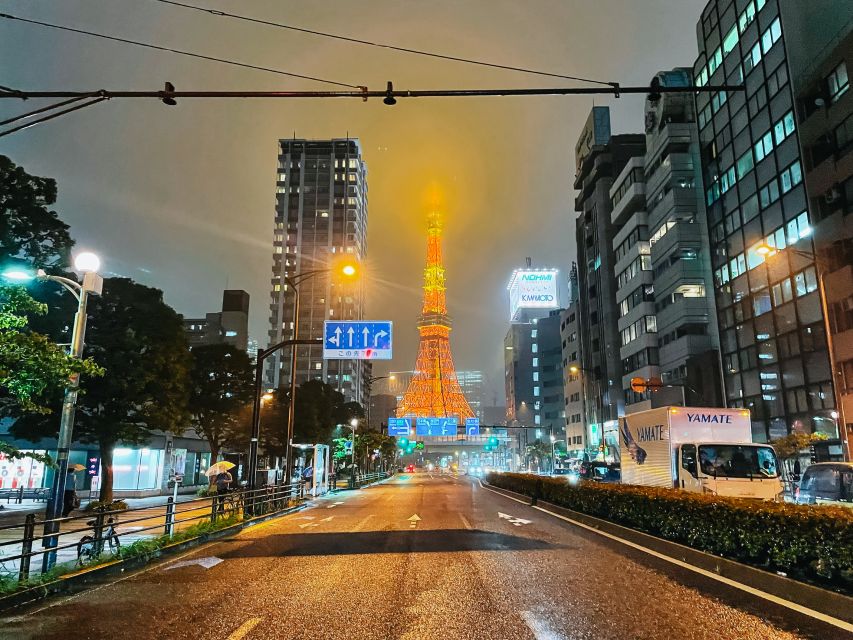
If you want the “wow” factor to peak, choose the option that includes the Top Deck Tour. Summit Access rises to 820 feet (250m) and is designed around a full 360° view experience.
This is also where the tower becomes more than a photo stop. The Top Deck Tour includes information and history-style context that helps you understand what you’re looking at. Instead of feeling like you’re only checking a box, you’re seeing Tokyo through the lens of how the tower is meant to frame the city.
The tradeoff is weather. The Top Deck Tour may be canceled due to severe conditions like strong winds or heavy snow, or for safety-related equipment inspections. That means you should treat the higher deck as a bonus you hope for, not a guarantee. The Main Deck typically remains the foundation of your visit.
There’s another practical note if you’re worried about movement inside the tower: one detail mentioned in feedback is that you can walk down the last bit with 333 steps. That’s not the worst thing in the world, but it is something to factor if you have mobility limits or you’re visiting with kids who tire easily.
Foot Town inside: shops, cafes, and interactive stops
A Tokyo Tower visit isn’t only about glass elevators and railings. You’ll find shops, cafes, and interactive exhibits inside, and that matters if you arrive earlier than you want to go up, or if weather turns.
Foot Town is also where you can reset your pace. After you come down from the decks, you’re not stuck just staring at other tourists. You’ve got places to browse, grab a snack, and kill time until the light show timing feels right.
If you’re choosing combos, there’s an optional amusement element: RED° TOKYO TOWER. When that option is selected, you can get a 1-hour trial ticket for RED° TOKYO TOWER as part of the package. Even if you’re not an amusement-park person, it can be a nice “do something different” break between viewpoints.
Souvenir hunting is part of the loop too. You’ll find plenty of Tokyo Tower-themed shopping, and that’s often where the most touristy feeling (and the most photo-ready goods) shows up. I’d still call it worth a quick look—just set a budget before you start browsing so it doesn’t turn into a spending marathon.
The night lighting by Ishii Motoko: when the tower turns into a show
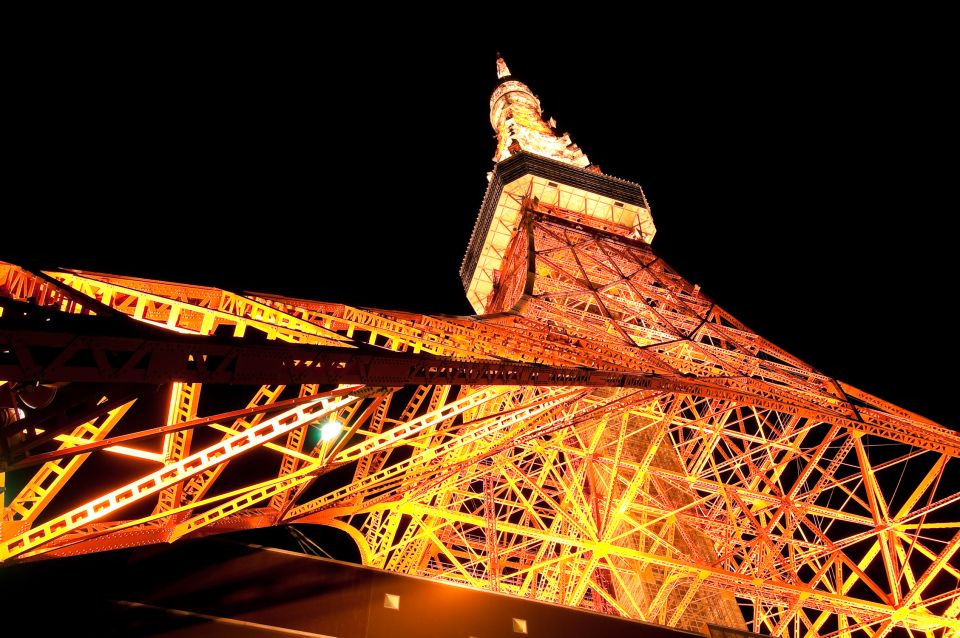
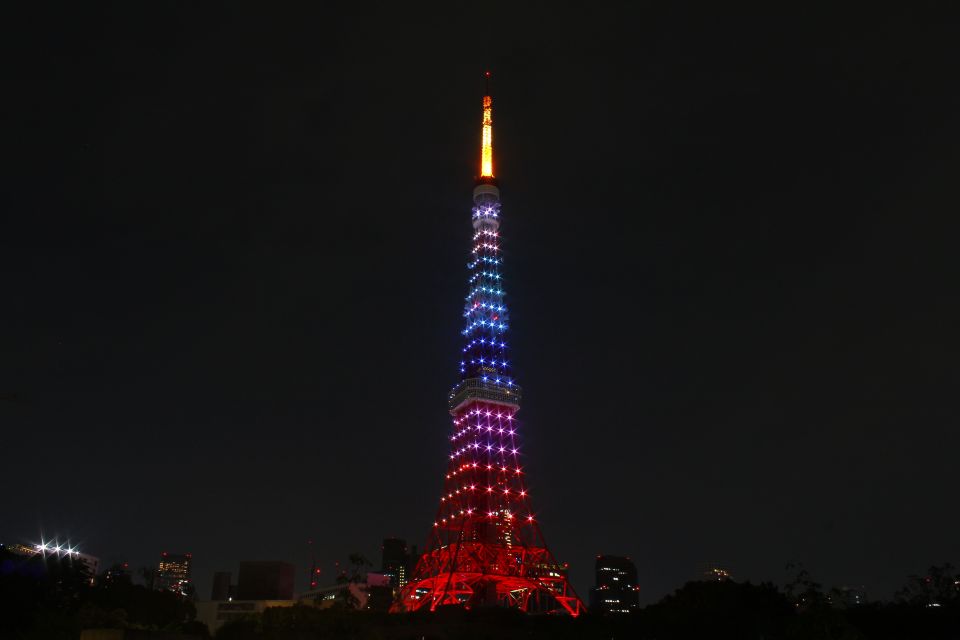
Tokyo Tower’s lighting program is one of the most memorable parts, because it’s not random glow. The lighting concept is designed by Ishii Motoko, and it runs between sunset and midnight.
Even better, the light color changes with seasons:
- Burning bright white in summer
- Orange in spring, autumn, and winter
So your visit isn’t just day vs night. It’s season plus time of evening. In winter, for example, the orange tones can make the red tower look even warmer against the darker sky. In summer, the white light makes the structure feel sharper and more electric.
If you’re trying to plan the “perfect” moment, don’t rush straight to the deck the moment you arrive. I like arriving with a cushion so you can watch the shift—city daylight softens, then the streets start turning into lines of lights, and the tower lighting kicks in. That transition often creates the most satisfying photos because Tokyo changes while you’re watching.
Practicalities: last admission, lines, and small-group vibes
Hours are generous. Business hours run 9:00 AM to 11:00 PM, with the last admission at 10:30 PM. That means Tokyo Tower can work as:
- an afternoon break,
- a sunset plan,
- or a late-evening “we still have time” activity.
Validity is also flexible depending on the option and availability. The ticket listing notes a validity range of 1 hour to 3 days, with starting times depending on what you select. In plain terms: check the option details you’re buying so you know whether you’re locked into a tight entry window or you have more room to choose your timing.
In terms of on-site process, feedback includes an easy QR workflow—scan at the entrance, then proceed. That’s the kind of upgrade that can save you minutes that you’d rather spend staring out at Tokyo.
Also, this experience notes small group available. That can help with pacing. If you’re someone who gets overwhelmed by large crowds, small-group setups tend to feel calmer when moving through the tower area.
A few specific names have come up in booking feedback for small-group guidance: Sawaki and Elene were mentioned as tour guide names, with comments about fun, history context, and keeping things moving. If your booking includes a guide, that’s usually a sign the time won’t feel like just standing in lines with no story.
Price and value: what $9 actually buys you
At $9 per person, Tokyo Tower is a strong value for Tokyo skyline time. The key is to understand what’s included at that price point.
You’re getting Main Deck access at 150m. That alone is already the core experience: big views at a classic height, easy timing, and plenty to do around the tower.
Where value changes is in what you add:
- If you want the higher level, you’ll need the option that includes Top Deck Tour and Summit Access at 250m.
- If you bundle with RED TOKYO, you may also pick up a 1-hour trial ticket for that indoor experience.
- There’s also mention of a combo option that can include a Tokyo Subway Ticket (only when selecting the Tokyo Tower and Tokyo Subway Ticket combo).
So the smart budgeting move is simple: decide whether your main goal is just a viewpoint (Main Deck) or a full “tower + story + highest views” visit (Top Deck Tour option).
Also, your ticket isn’t refundable, and it can’t be reissued if lost or damaged. That sounds obvious, but in practice it matters for value. Print the confirmation (or save it offline), keep your QR code safe, and don’t treat this like a spare plan.
One last value indicator: the overall rating shown is 4.6 from 3,661 reviews. That doesn’t guarantee perfection on your exact day, but it does suggest the basics—views, access, and on-site flow—tend to deliver.
Who should book Tokyo Tower, and who might skip it
This fits best if:
- you want a classic Tokyo photo without a complicated schedule,
- you like viewpoint time at one central, easy-to-reach location,
- you’re the type who enjoys a “good enough” plan that still rewards you with the best photos at night.
It can also be a budget-friendly alternative if you’re comparing Tokyo observation towers. One feedback note specifically called it a cheaper alternative to Skytree, and I agree with the logic: Tokyo Tower gives you a different vibe, more traditional structure energy, and often a lower ticket barrier for a similar goal (high views).
You might skip (or at least choose Main Deck only) if:
- you’re visiting when weather is likely to be rough, since the higher Top Deck Tour can be canceled,
- you need an experience with guaranteed movement to the top at all costs,
- you hate height experiences. One note called it scary for someone who dislikes heights, even though the views were still worth it. Main Deck is already high, so don’t assume it will feel mild.
Quick booking advice: should you book this Tokyo Tower ticket?
Yes—book it if you want reliable skyline time in central Tokyo and you can handle weather uncertainty. I’d especially book if you’re aiming for a sunset-to-night visit, because the lighting (sunset to midnight) is a big part of why Tokyo Tower works.
If you’re on the fence about the higher level, use this rule of thumb: if you love 360° views and you don’t mind the risk of weather-related changes, go for the Top Deck Tour option. If you’d rather keep your plan simple and stable, stick with Main Deck and spend your time enjoying Foot Town and the changing city lights.
FAQ
What is the price of the Tokyo Tower admission ticket?
The price listed is $9 per person.
What height levels do I get with this ticket?
You get access to the Main Deck at 150m. Access to the higher 250m deck is included only when you select the option that includes the Tokyo Tower TOPDECK TOUR.
What are the business hours and last admission time?
Business hours are 9:00 AM to 11:00 PM, with the last admission at 10:30 PM.
Can the Top Deck Tour be canceled once I arrive?
Yes. The Top Deck Tour may be canceled due to severe weather such as strong winds or heavy snow, or for safety-related equipment inspections.
Are coin lockers available, and until when can I use them?
Coin lockers are available on the 1st floor of Foot Town, and they’re available from 9:00 AM to 11:00 PM. Luggage can’t be stored overnight.
Is the ticket refundable or reissuable if lost?
The activity is non-refundable, and the ticket cannot be reissued if it’s lost or damaged.