REVIEW · HOI AN
Hoi An: Vietnamese Coffee Culture and Coffee Making Class
Book on GetYourGuide →Operated by Hoian Handicraft Tours · Bookable on GetYourGuide
Vietnamese coffee turns out to be simple to learn. In this Hoi An workshop, you get the how and the why behind café culture, from crop-to-cup brewing with a Phin filter to tasting several signature styles.
I especially like the hands-on format. You are not just watching coffee being made. You follow steps, build your drinks, and then sip what you created alongside tea and a cookie.
One caution: you will drink a lot of coffee in about 2 hours. If you are sensitive to caffeine, plan to eat beforehand, and keep your pace.
In This Review
- Quick take: what makes this coffee class worth your time
- Hoi An coffee culture, explained through drinks you can actually make
- Silk lantern meeting point and a smooth 2-hour flow
- The start: herbal tea, coffee stories, and a game plan for your tasting
- Crop-to-cup lessons: why roasting and condensed milk matter
- The Phin filter method: your new at-home superpower
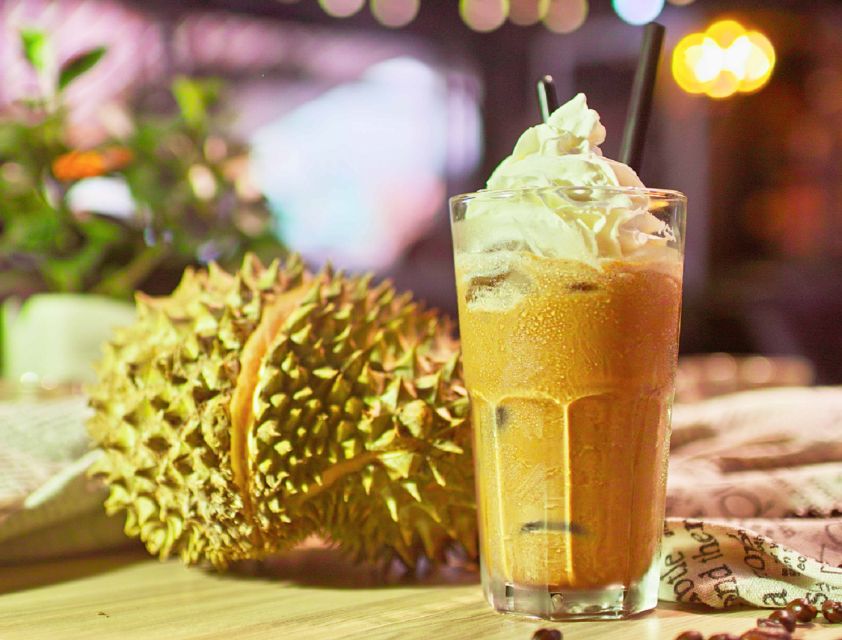
- Making the drink lineup: black, happy white, Hue salt, coconut, and Hanoi egg coffee
- What the tasting teaches you (and how to not waste your drink time)
- Who’s teaching, and why the mood helps you learn
- Recipes and a mini Phin to take home
- Price and value in Hoi An: why $14 can work
- Who should book this workshop, and who should skip it
- Should you book the Hoi An Vietnamese coffee making class?
- FAQ
- How long is the Hoi An Vietnamese coffee making class?
- What coffee styles will I make during the workshop?
- Is hotel pickup included?
- What should I bring to the class?
- Is the workshop wheelchair accessible?
- What is the cancellation policy?
Quick take: what makes this coffee class worth your time
- Phin brewing practice: you learn the metal filter method you can recreate at home
- A signature lineup of Vietnamese styles: black, happy white, Hue imperial salt, coconut, and Hanoi egg coffee
- Crop-to-cup storytelling: you connect flavor to process, including roasting and condensed milk
- Small group setting: limited to 10 participants, with English and Vietnamese support
- Take-home tools and recipes: you get a mini Phin and recipe cards to repeat the drinks later
Hoi An coffee culture, explained through drinks you can actually make
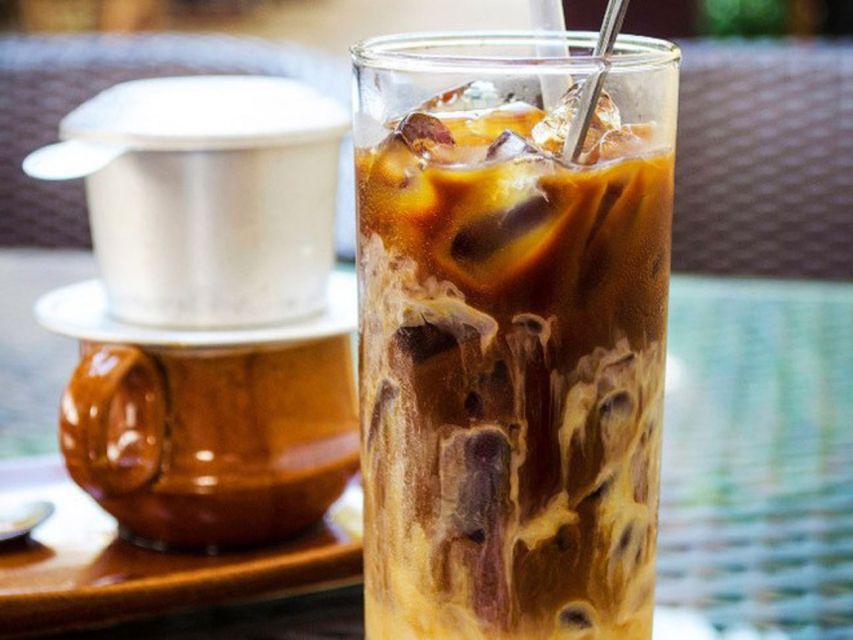
Hoi An has a way of making everyday things feel like part of the culture. That is what I like about this workshop: it treats coffee as more than a beverage. It becomes a set of techniques and stories, tied to how people live, chat, and linger in cafés.
The class is built around Vietnamese coffee reality. You will work with dark roast beans, condensed milk, and the classic Phin drip method. Then you will taste how small changes in ingredients and timing create totally different moods in the cup. If you like learning by doing, you will feel the difference fast.
And yes, there is a local story angle too. You get context on how café culture became so central in Vietnam, with a guide helping you connect flavors to history and daily life.
You can also read our reviews of more tours and experiences in Hoi An.


Silk lantern meeting point and a smooth 2-hour flow
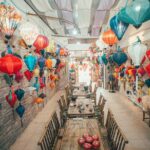
You meet at a workshop space decorated with lots of silk lanterns. Look for the signboard that reads COFFEE MAKING WORKSHOP. It is an easy landmark, and it sets the tone right away: this is meant to be friendly and relaxed, not stiff.
The experience runs about 2 hours and keeps the group small, limited to 10 participants. That matters. In a big group, a hands-on class can turn into watching from the side. Here, you get enough space to actually make the drinks and get help while you work.
There is no hotel pickup, so you will need to make your own way to the meeting point. The good news: Hoi An is compact, and getting around locally is usually pretty straightforward.
You will also hear the instructor in English and Vietnamese, plus you get an English audio guide. So if your Vietnamese is still in progress, you are not stuck.
The start: herbal tea, coffee stories, and a game plan for your tasting
Before the coffee starts, the workshop begins with a cup of special herbal tea. It is a nice setup because it keeps the morning or afternoon from feeling like nonstop caffeine right away.
Then the guide talks you through the coffee journey. The focus is on traceable process: where the coffee comes from (crop side), how it is handled, and how that ends up tasting the way it does. This is one of the most practical parts of the experience. When you understand what changed in the chain, the flavors stop feeling random.
The room also tends to have music playing, and the vibe is comfortable. In this class, the humor is part of the teaching. You will usually laugh while you learn, which is not just pleasant. It helps you remember steps like roasting timing and drip behavior with the Phin filter.
Crop-to-cup lessons: why roasting and condensed milk matter
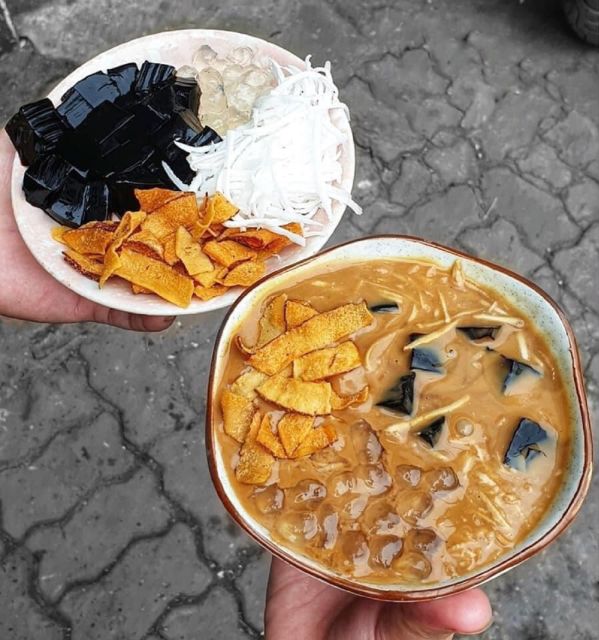
At some point, you will build the foundation for all the drinks you make. This is where the workshop earns its place.
You learn how local brewing works using the Phin filter, and why the method creates a slow, concentrated extraction. With Vietnamese coffee, that concentration is the point. It is what makes the coffee hold up against sweet additions like condensed milk.
You also hear about roasting, specifically the dark-bean approach that pairs well with condensed milk. It is not just trivia. If you ever tried making Vietnamese coffee at home with different roast levels, you know flavors can shift. This class gives you a roadmap for why their version works.
The Phin filter method: your new at-home superpower
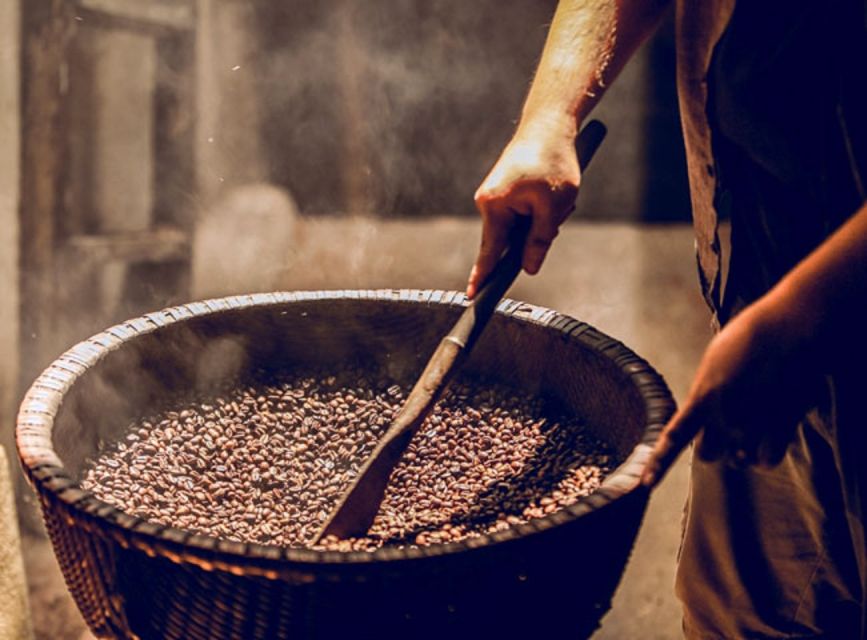
If you take only one skill from the class, make it the Phin technique.
A Phin is a small metal filter that sits on top of your cup and slowly drips hot coffee through grounds. That slow drip is what shapes the final strength and texture. During the workshop, you get guided instruction on how the process works and what you are aiming for.
By the end, you do not just know the steps in theory. You also get a mini Phin filter to take home. So you can practice without hunting down gear later.
That is a big value point for the price. For about $14 per person, you are paying for instruction plus tools plus drinks plus take-home recipes. In other words, you are not just paying for tasting.




Making the drink lineup: black, happy white, Hue salt, coconut, and Hanoi egg coffee
This is the fun part. You will prepare and taste a lineup of Vietnamese coffee styles, built on a similar coffee base but shaped by different additions and methods.
Here is what you can expect to make and try:
- Black coffee: the baseline flavor, useful for noticing how sweetened styles transform taste
- Happy white coffee: sweet and creamy, usually built around condensed milk balance
- Hue imperial salt coffee: a salted twist that changes how sweetness and roast notes land on your tongue
- Coconut coffee: a tropical profile that makes the coffee feel lighter
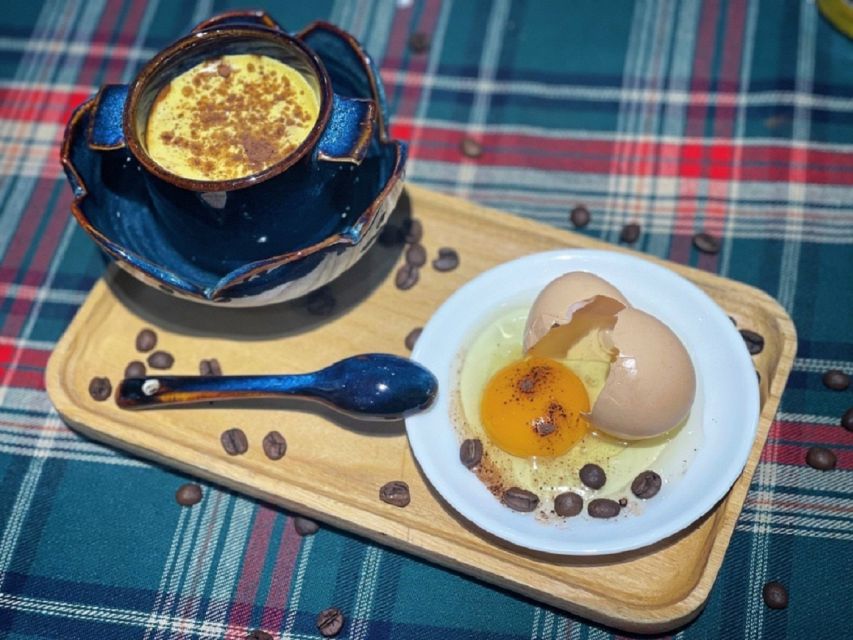
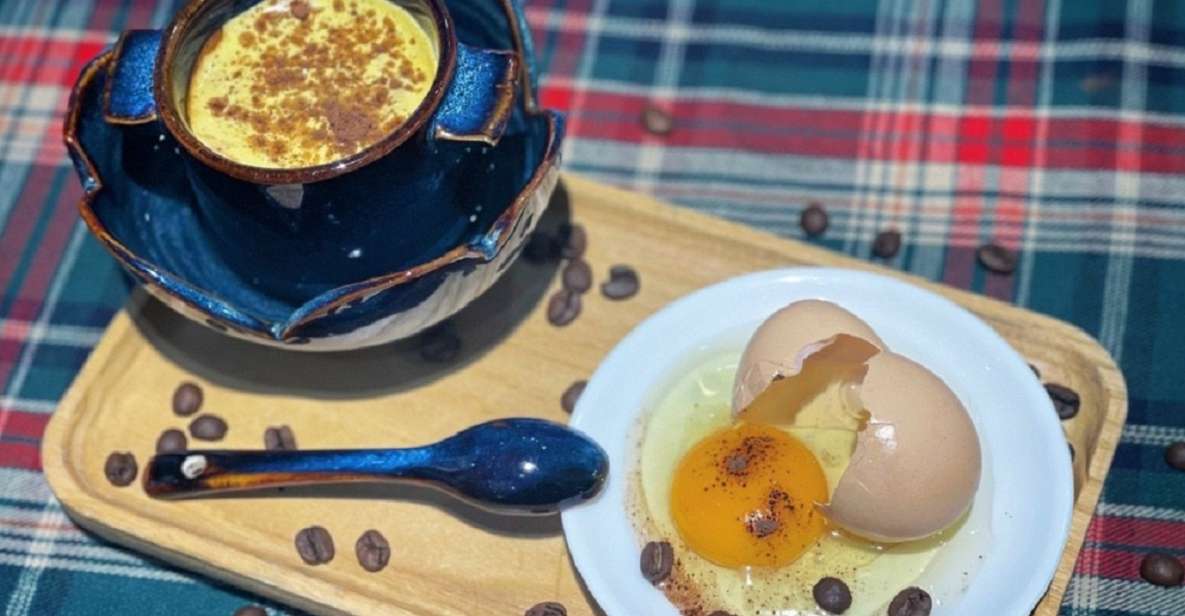
- Hanoi egg coffee: the famous egg-based style that gets its texture from careful mixing and timing
Egg coffee is the one that tends to feel most mysterious at first. You might also hear it takes a while because of how the egg mixture is treated and how long you need to wait for it to develop the right texture before serving. The workshop makes that wait feel less like a hassle and more like part of the craft.
If you are a coffee lover, this lineup helps you build a mental map quickly. You learn what changes when you swap milk, add salt, switch to coconut, or use the egg foam method.
What the tasting teaches you (and how to not waste your drink time)
Drinking five cups in a short session could sound like overkill. But the tasting is not random. Each drink is there to teach you something.
As you go, pay attention to these differences:
- How sweet condensed milk softens acidity and emphasizes roast
- How salt coffee sharpens flavor contrast
- How coconut changes aroma more than you expect
- How Hanoi egg coffee shifts mouthfeel and creates a richer top layer
The class typically ends with coffee and a cookie, so you get a small break and a snack to steady things. Still, if you are sensitive to caffeine, keep a slower pace on the last couple of drinks.
One small practical hint: eat before you arrive. Several people emphasize that the caffeine load is real, and having food in your stomach makes the experience more comfortable.
Who’s teaching, and why the mood helps you learn
This workshop is run by a family-style operation, and you may meet hosts named Tan and Le. The hosting approach is playful, with humor used as a teaching tool. It helps the group stay engaged and makes technical steps easier to follow when you are doing them with your hands.
You might also hear them talk about their roots in coffee production, including that their coffee comes from their grandfather’s farm. That detail makes the process feel less like a generic demo and more like a craft passed down.
The guides speak English and Vietnamese, and the instruction style is built for a mixed group. You do not need to be a coffee expert to keep up.
Recipes and a mini Phin to take home
This class gives you more than a memory. You get:
- Coffee-making recipes to use later
- A mini Phin filter as a take-home tool
- Enough instruction to recreate the basic method
This is what turns it from a fun afternoon into something you can repeat. If you want a practical souvenir, this is one of the better kinds.
The recipes also help you avoid the common at-home problem: guessing proportions and wondering why it tastes different. Since the class focuses on steps like roasting style and condensed milk mixing, your first attempt at home has a better chance of matching what you tasted.
If you have dietary needs, be aware that there is not necessarily a full vegan workaround for the egg component in egg coffee. In other words, the egg style is still egg-based, and non-dairy options may not match the same recipe behavior. If that matters to you, ask ahead of time so there are no surprises.
Price and value in Hoi An: why $14 can work
At $14 per person for about 2 hours, the math is pretty good because you are paying for several things at once:
- instructor-led, hands-on brewing practice with the Phin method
- tasting multiple Vietnamese coffee styles
- ingredients and tools used in class
- tea and a cookie
- a take-home mini Phin and recipe cards
If your plan in Hoi An is mostly walking, sites, and meals, this adds a skill you can bring home. Even if you only make one or two styles later, you still get your money’s worth.
Who should book this workshop, and who should skip it
You should book if:
- You want a hands-on activity that feels cultural, not touristy
- You like learning craft methods you can replicate
- You drink coffee and want to understand the Vietnamese flavor logic
- You want a small-group class with English support
You might skip or choose carefully if:
- You are very caffeine-sensitive, since you will drink multiple coffees in a short window
- You want a fully egg-free menu, since egg coffee is part of the signature lineup
- You prefer a quiet, sit-back lecture style (this is more active and social)
Also note the experience is not suitable for people over 95 years. If you are traveling with older relatives, check your needs and how comfortable they would be with participation and caffeine intake.
Should you book the Hoi An Vietnamese coffee making class?
My take: book it if you want coffee as a skill, not just a sip. The combination of Phin practice, a clear drink lineup, and take-home tools makes this one of the more practical experiences in Hoi An.
If you are worried about caffeine, plan your timing. Eat beforehand, drink water between cups, and pace yourself. If you do that, the class feels like an enjoyable, guided workshop, not a caffeine sprint.
If you want a cultural activity that ends with something useful you can repeat at home, this one fits.
FAQ
How long is the Hoi An Vietnamese coffee making class?
The class lasts 2 hours.
What coffee styles will I make during the workshop?
You will prepare and taste black coffee, happy white coffee, Hue imperial salt coffee, coconut coffee, and Hanoi egg coffee.
Is hotel pickup included?
No. Hotel pickup and drop-off are not included.
What should I bring to the class?
Bring a camera.
Is the workshop wheelchair accessible?
Yes, it is listed as wheelchair accessible.
What is the cancellation policy?
You can cancel up to 24 hours in advance for a full refund. You can also reserve now and pay later.