REVIEW · HANOI
Hanoi: Incense Village, Hat, Lacquer Tour & City Highlights
Book on GetYourGuide →Operated by Tinny Travel Co.Ltd · Bookable on GetYourGuide
Incense hits you the moment you step off. This Hanoi experience is built around seeing incense and conical hats made by hand, then finishing with optional Train Street photos or classic city stops.
I like that you do more than watch. You get hands-on time to paint a hat, and you also get time in the incense village for photos and close-up views of how everyday items are made. The other thing I love is how family-workshop focused the visits feel, from the hat demonstration to the incense process.
One consideration: the ride and timing can vary. In larger groups the bus can feel cramped, and you may come back later than the printed schedule.
In This Review
- Key things that make this tour worth your time
- Choosing your version: half-day crafts, half-day city highlights, or full-day art stops
- Getting picked up in Hanoi Old Quarter (and what that really means)
- Conical hat village: watch, paint, and bring home your own souvenir
- Quang Phu Cau incense village: from scratch making to fragrant village scenes
- Lacquer art village (full-day option): the slow craft and hands-on painting chance
- Train Street add-on: the best way to fit it in without rushing
- If you choose the city highlights option: Tran Quoc, Ho Chi Minh Mausoleum area, Temple of Literature, water puppets
- Price and value: why the $16 figure is believable for what you get
- Pacing, group size, and the “timing reality” of Hanoi day trips
- What to bring (and the small things that make a big difference)
- Should you book this Hanoi tour?
- FAQ
- How long is the half-day crafts tour?
- What’s included in the half-day crafts route?
- Can I paint a conical hat and keep it?
- Is lunch included?
- What does the full-day tour add?
- Does the tour include water puppet tickets?
- Is Train Street part of the tour?
- Are there extra costs for holidays or lacquer painting?
- What should I bring, and are there any restrictions?
Key things that make this tour worth your time
- Hands-on hat painting: you decorate a conical hat and take it home
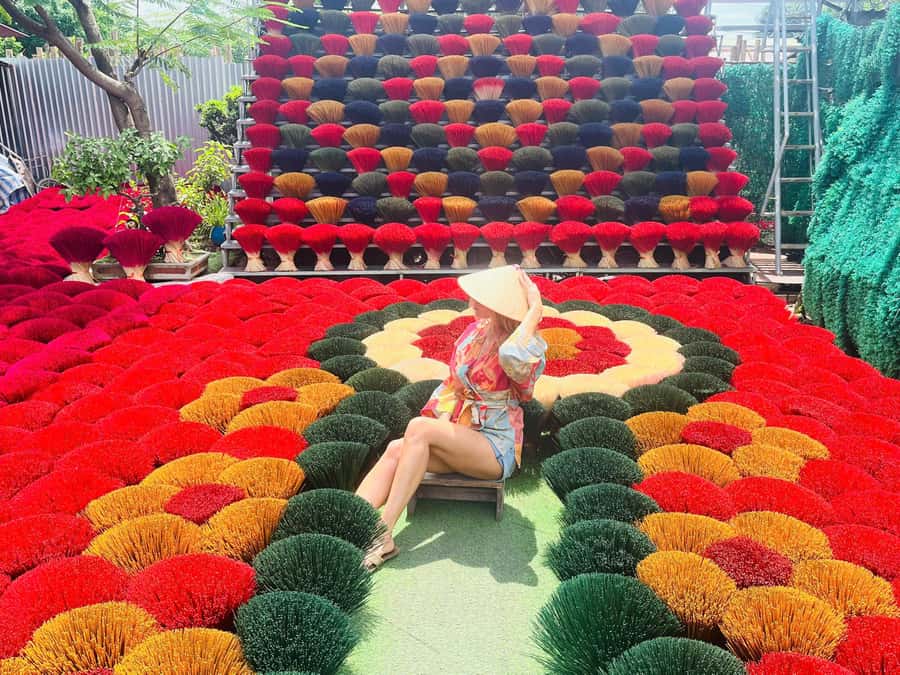
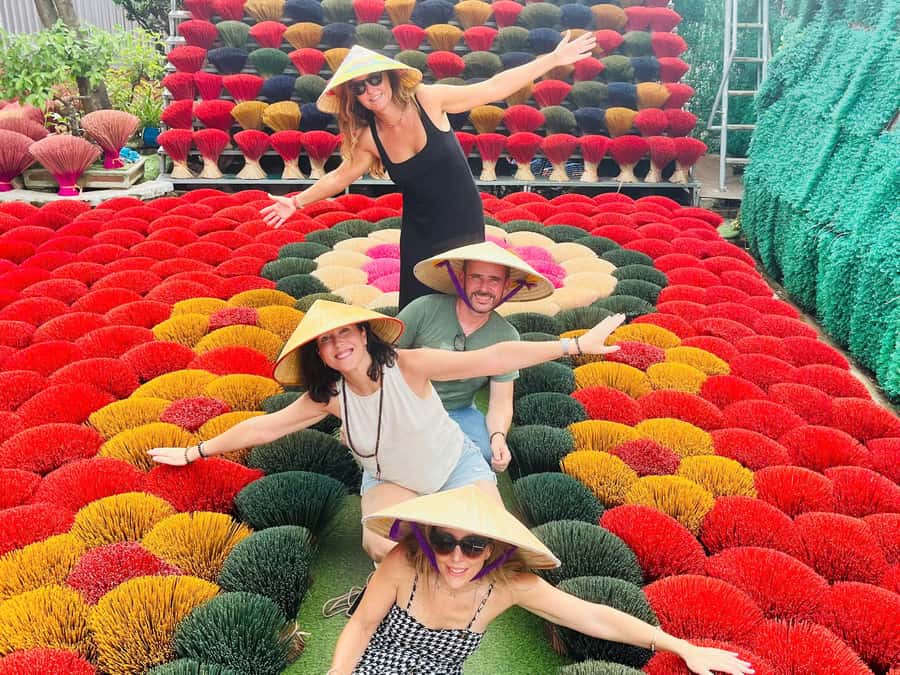
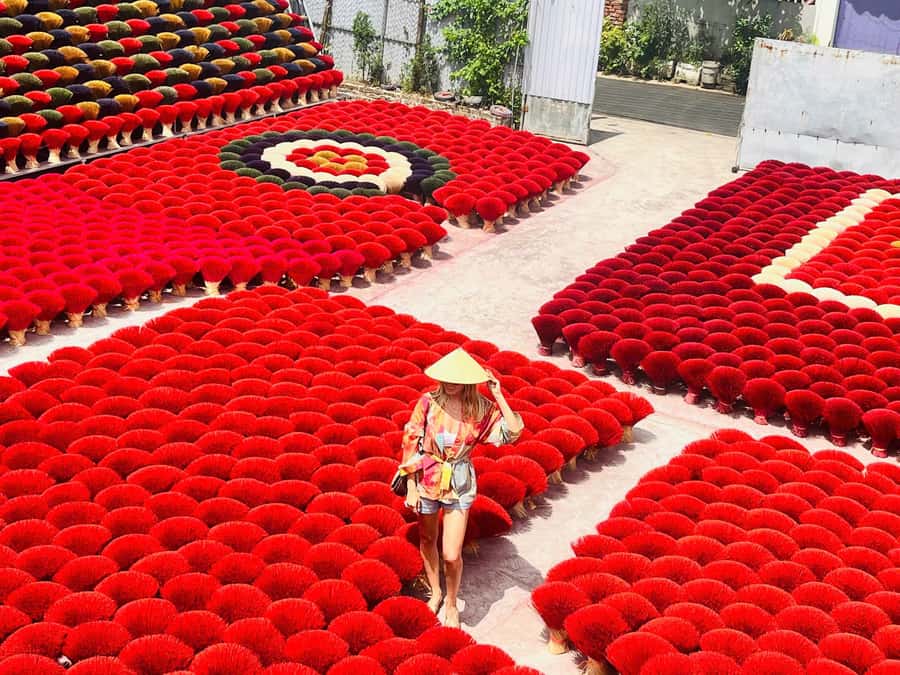
- Quang Phu Cau incense village photos: colorful, close-up scenes that are great for pictures
- Family-scale incense making: you see materials turned into sticks from scratch
- Optional Train Street stop: drop-off time to grab coffee and explore at your own pace
- Full-day adds lacquer craft: see how lacquer products are produced and try painting
Choosing your version: half-day crafts, half-day city highlights, or full-day art stops
This tour comes in options, so pick the one that matches your energy level.
If you want a quick cultural break with hands-on crafting, choose the half-day crafts route. It runs about 6 hours, with two start times: 7:45 to 13:30 (morning) or 11:45 to 17:30 (afternoon). You’ll visit two villages: conical hat making and the incense village, then Train Street is optional.
If your afternoon is best spent on major sights, choose the half-day city highlights with water puppet show option. Pickup is in the Old Quarter area and the tour starts at 2:00pm. You’ll go to Tran Quoc Pagoda on Golden Fish Island, the Ho Chi Minh Mausoleum area at Ba Dinh Square (with time for a front-of-mausoleum photo), the Temple of Literature, and then a 50-minute water puppet show at the Water Puppet Theater.
If you want more craft variety, the full-day option is 8:00 to 16:30 and adds a third workshop: lacquer craft. Full-day includes a home-cooked lunch, plus conical hat, incense, and lacquer sessions, and an optional Train Street drop-off.
You can also read our reviews of more tours and experiences in Hanoi.



Getting picked up in Hanoi Old Quarter (and what that really means)
Pickup is designed for convenience: you’re collected by bus from your hotel in the Hanoi Old Quarter area, then dropped back near the end. Most of the time this is exactly what you want. You skip the stress of organizing transport to rural craft villages.
That said, you should know what some people report in practice: groups can be large, and the bus can feel full and cramped. If you’re sensitive to tight seating, try picking the earlier start time (morning) when people tend to be less restless, and bring water because you may be on the move most of the day.
The upside is that the tour keeps things organized enough that you’re not bouncing between sites on your own. You’re on a set path, with an English-speaking guide and entrance fees covered for the stops on the route.
Conical hat village: watch, paint, and bring home your own souvenir
This is one of the best parts because it turns a craft lesson into a keepable object. The conical hat village stop is known for hat-making for over 300 years. You’ll start by watching how conical hats are made, which is often a mix of traditional materials, careful shaping, and consistent finishing.
Then comes the fun part: you decorate your own hat. You paint it yourself, and you bring it home as a souvenir. That matters for two reasons.
First, it makes the time feel practical. You’re not just standing around while someone talks. You’re creating something with your hands. Second, it gives you a reason to slow down and look closely. When you’re painting, you notice details you would otherwise ignore, like how the surface takes color and how the finishing affects the final look.
Solo travelers also seem to get extra help here. Several guides are known for being proactive with photos, including offering to take pictures so you’re not stuck asking strangers.
Quang Phu Cau incense village: from scratch making to fragrant village scenes
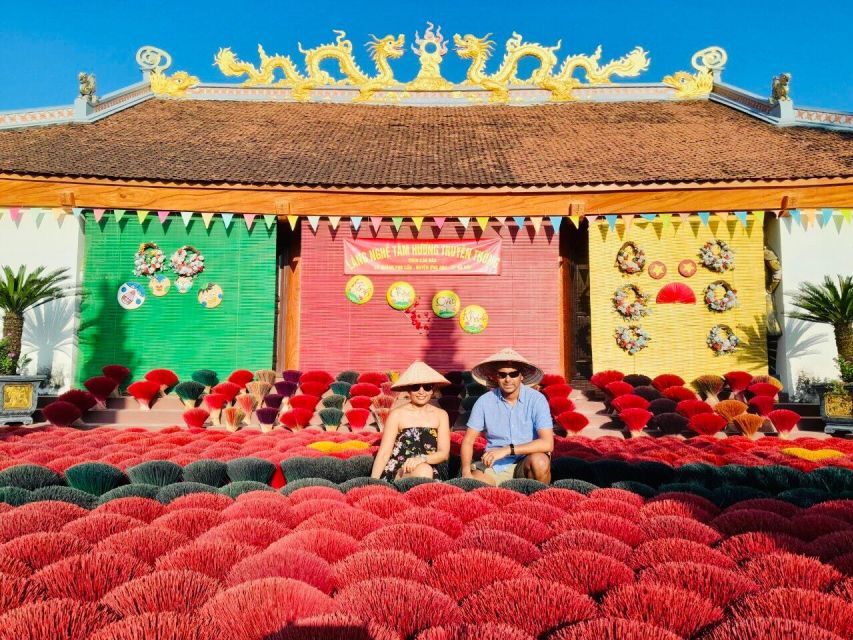
The incense village visit is the emotional centerpiece of the day for many people, and it’s easy to see why.
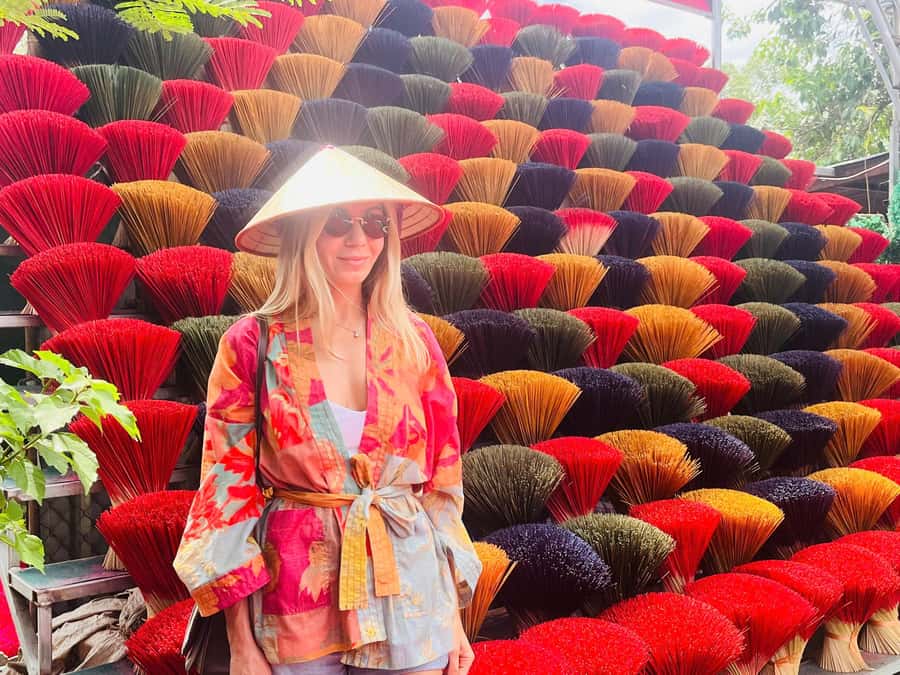
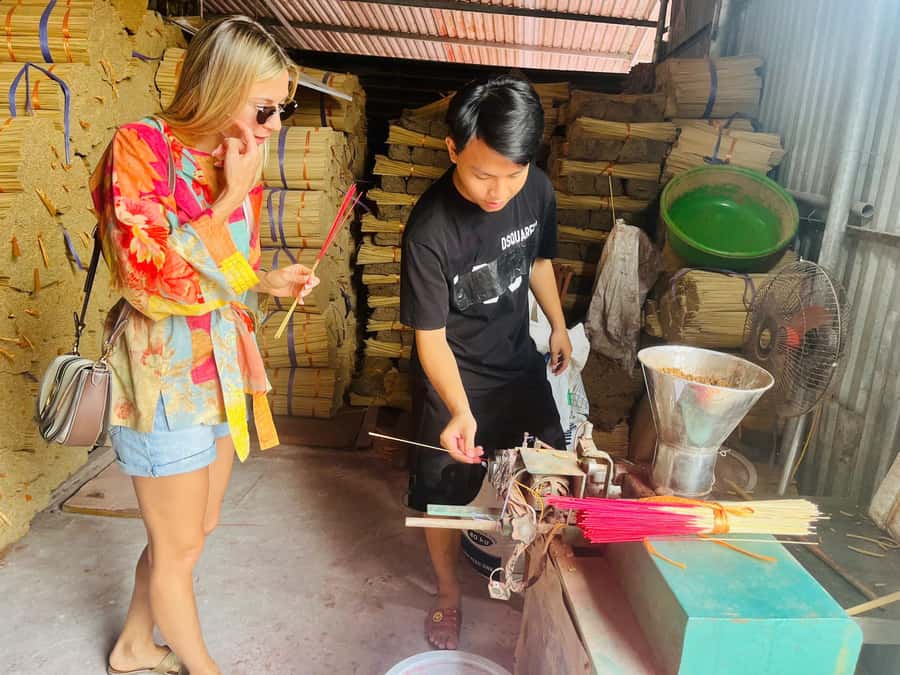
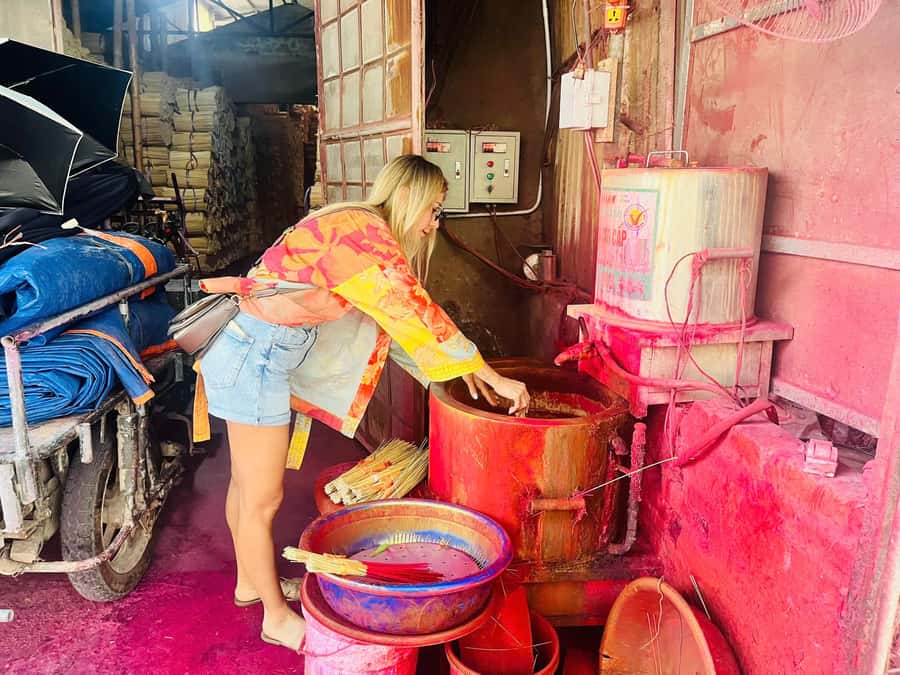
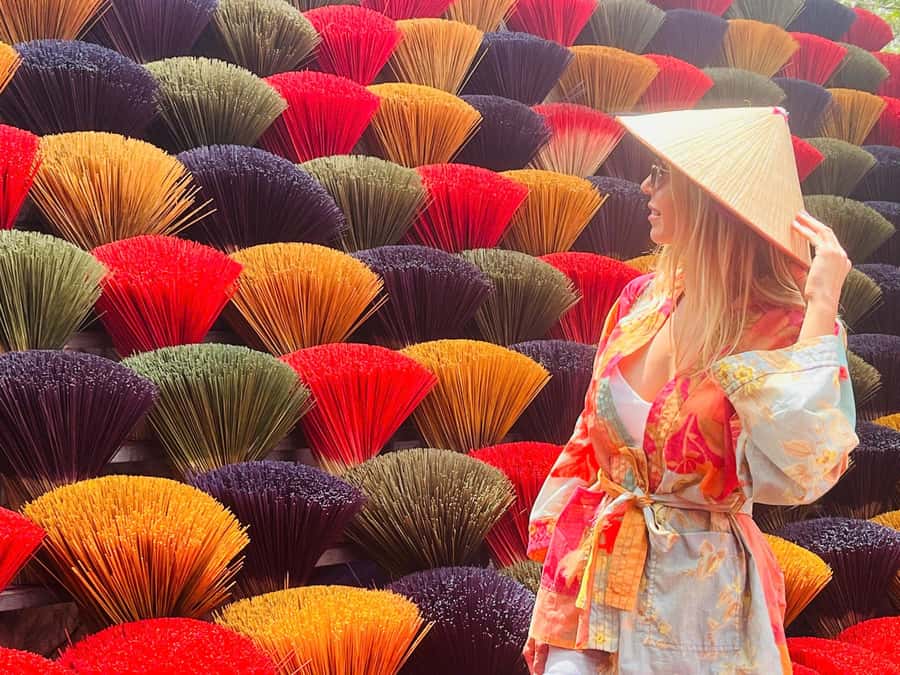
This part centers on Quang Phu Cau incense village, where incense has been produced for more than 100 years. You walk into the center of the village and see locals making incense at an artisanal, family scale. You’re not just looking at finished products. You learn how incense is made from scratch—watching how inputs become sticks, and getting a glimpse of the everyday work behind the smell.
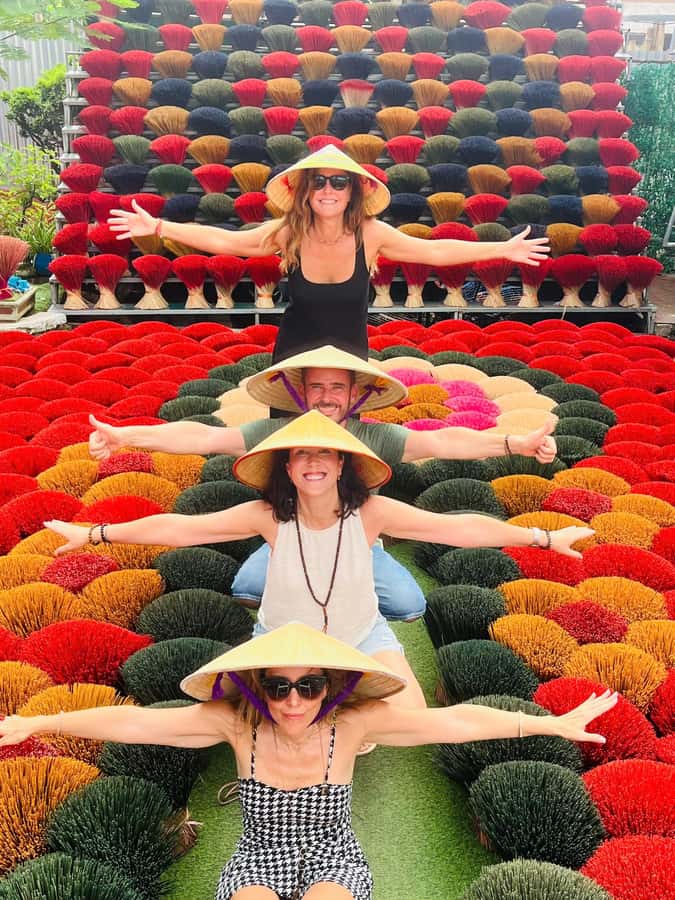
It’s also a photo stop. The village has dense, colorful details that make great images, especially in humid weather where the scene feels alive. You’ll even get a selfie photo opportunity (a small thing, but it saves you from scrambling for a decent shot).
A quick practical note: if you’re sensitive to strong odors, be prepared. Incense is the point, and you’ll be close to the process.
Lacquer art village (full-day option): the slow craft and hands-on painting chance

If you choose the full-day route, you’ll add the lacquer art-making village. This stop is different from incense and hats because lacquer is all about patience and layering.
You’ll observe and learn from artisans at a large family-run factory, then visit a local artist house in the village where you learn about the production process. There’s also a chance to paint a lacquer yourself.
Important money detail: the lacquer piece for painting is not included. That means you’ll likely pay for the painting item used during the workshop. Entrance fees are covered, but the specific lacquer object for painting is listed as separate.
If you want variety in your day, this is the add-on that keeps the full-day option from feeling like “just more of the same.” Incense is fragrant and rhythmic. Hats are hands-on and fun. Lacquer is slower, more detail-focused, and often more visually dramatic once it dries.






Train Street add-on: the best way to fit it in without rushing
Many people include Train Street in their Hanoi trip for the iconic photos, but the trick is not to make it the whole day.
Here, Train Street is optional and works best as an add-on at the end. After the craft village visits, you can be dropped off around there, then you can enjoy coffee and explore on your own before heading back by taxi or Grab.
This approach is smart. It avoids the classic problem of being herded through a photo spot on a tight timer. You get a pocket of time where you can slow down, check crowds, and decide when to walk near the tracks.
Just remember: coffee and anything you do there are at your own expense.
If you choose the city highlights option: Tran Quoc, Ho Chi Minh Mausoleum area, Temple of Literature, water puppets
The half-day city highlights route is a good match if you want real Hanoi landmarks without a long slog across town.
You start with Tran Quoc Pagoda on Golden Fish Island at West Lake. Then you go to Ho Chi Minh Mausoleum in Ba Dinh Square. The plan includes walking in front of the mausoleum while hearing history about Uncle Ho, plus time for a front-of-mausoleum memory picture.
Next comes the Temple of Literature, described as the first university of Vietnam, established in the 11th century. It’s one of the best “big history” stops that still feels human-sized, because you can actually walk it and take in the details.
Then you finish with a 50-minute water puppet show. This is included if you select this option, and it’s a classic choice because it’s different from what most people do in craft villages: it’s performance, sound, and storytelling.
Price and value: why the $16 figure is believable for what you get
The listed price is $16 per person, which is low enough that you should think “value,” not “luxury.” The tour’s value comes from three practical parts:
1) Pickup and drop-off from the Old Quarter area by bus
2) An English-speaking guide plus entrance fees in the plan
3) The hands-on souvenir element: a conical hat per person (and you paint it)
That combination is what makes the price feel fair. You’re not only paying for transportation. You’re paying for guided access, entry costs, and a workshop activity that ends with a physical item you keep.
Full-day also includes home-cooked lunch, which is a real cost saver compared with grabbing food at random between stops. Still, because the exact add-on costs for lacquer painting (and personal extras) are not included, you should budget a little buffer if you plan to paint lacquer or buy drinks.
Pacing, group size, and the “timing reality” of Hanoi day trips
This kind of craft-and-sights trip works best when it’s paced like a proper afternoon, not a sprint. Most feedback points to good organization and guides who keep things moving without turning it into a blur.
You’ll see patterns across the guides’ styles. People highlight guides like Danny, Lilly, Anna, Lana, Jay, Louisa, David, Hanh, Brian, Bob, Cung, Huyan, and Cuong. Common strengths show up: humor, clear explanations, and willingness to help with photos—especially for solo travelers who want pictures without awkward pauses.
Two realistic considerations:
- Bus comfort can be a weak spot when the group is large.
- Timing can run slightly long compared with the written schedule. In one case, the return was later than expected, but it didn’t derail the experience.
So if you have a tight dinner reservation, plan some flexibility.
What to bring (and the small things that make a big difference)
Bring comfortable shoes. You’ll be walking around villages and through public sights, including Golden Fish Island at West Lake and the Temple of Literature complex.
If you’re sensitive to smells, pay attention to this note: in many craft stops, artisans use acrylic paint and lacquer paint, and there can be noticeable odor. If scents are an issue for you, consider it before booking.
Also:
- You’ll get one water bottle per person. Still, it never hurts to grab extra water once you’re on your own time later.
- Pets are not allowed.
- This tour is listed as not suitable for wheelchair users and not suitable for pregnant women.
If you choose the half-day crafts option, it includes no lunch, so eat beforehand or bring a snack so you don’t end up hungry during the village walks.
Should you book this Hanoi tour?
Book it if you want a Hanoi day that’s hands-on and not just sightseeing. I especially think it’s a strong choice if you care about cultural crafts—incense making, conical hat painting, and possibly lacquer craft—and you like the idea of taking home something you made yourself.
Skip it (or choose a different option) if you know you’ll hate crowded transport. Also skip if paint/lacquer smells are a deal-breaker for your comfort.
If you want an easy win: choose the half-day crafts route when you’re new to Hanoi and want a calmer break from the Old Quarter chaos. Choose full-day when you want the most variety. Choose half-day city highlights when you’d rather spend time on major landmarks and a water puppet show than additional workshops.
FAQ
How long is the half-day crafts tour?
It’s about 6 hours. The morning option runs roughly 7:45–13:30, and the afternoon option runs roughly 11:45–17:30.
What’s included in the half-day crafts route?
You visit two villages: the conical hat craft village and the incense craft village. There’s no lunch, and Train Street is optional at the end.
Can I paint a conical hat and keep it?
Yes. The included conical hat/person is for you to decorate by painting it at the craft stop, and you can take it home as a souvenir.
Is lunch included?
Lunch is included only in the full-day option. It’s described as home-cooked.
What does the full-day tour add?
The full-day option adds a lacquer art-making village, along with visits to the conical hat and incense village. You can also paint lacquer at the local artist house.
Does the tour include water puppet tickets?
Yes, but only if you choose the city highlights option with Water Puppet Show. The show is listed as 50 minutes.
Is Train Street part of the tour?
Train Street is optional. Depending on the option, you may get a drop-off so you can explore and have coffee on your own, then return by taxi/Grab.
Are there extra costs for holidays or lacquer painting?
Holiday surcharges can apply: $5 per person on specific holidays such as New Year, Lunar New Year, Christmas, and national holidays. Also, the lacquer piece for painting is not included.
What should I bring, and are there any restrictions?
Bring comfortable shoes. Pets are not allowed. The tour is listed as not suitable for wheelchair users and not suitable for pregnant women. Also note that acrylic paint/lacquer paint is used at most places, so strong smells may be an issue for some people.