REVIEW · HANOI
Hanoi Cooking Class: Culture, Local Market & Meaning CSR Impact
Book on Viator →Operated by Rose Kitchen Cooking Class · Bookable on Viator
Market smells, then lunch you helped make. This Rose Kitchen class in Hanoi mixes a local market walk with cooking in a garden villa, and the meal you eat is tied to real CSR work. I really like the hands-on ingredient shopping and the step-by-step kitchen teaching that makes Vietnamese food feel doable. I also like the built-in extras, from the herbal tea welcome to the fruit wine tasting. One thing to consider: you should expect a full 4.5-hour block and a group format, so individual attention can vary depending on how many people are in your session.
What makes it especially appealing is how the experience balances food and meaning. Guides like Maxie, Aroma, Alex (Trung), and Simon show up in the class vibe as energetic cultural storytellers, and the kitchen setup stays practical and clean. You cook classic dishes such as bun cha, mango salad, spring rolls, and fresh summer rolls, then you sit down and eat what you made. If you want a totally silent, private cooking session, you might feel better booking a private upgrade instead.
In This Review
- Key highlights
- Market Walk in Hanoi: Where Your Shopping Skills Start
- Hotel Pickup and the Rose Kitchen Garden Villa Setup
- The Hands-On Menu: What You’ll Actually Cook
- Lunch or Dinner at the Table: Fruit Wine and Full Plates
- CSR Impact: When Your Cooking Day Supports Local Change
- Why the $39 Price Feels Fair in Hanoi
- Small-Group Feel: The Difference Clear Hosting Makes
- Practical Tips So You Get More Out of Your Cooking Day
- Who Should Book This Cooking Class (and Who Might Skip It)
- Should You Book Rose Kitchen in Hanoi?
- FAQ
- How long is the Hanoi cooking class?
- Is there a morning and an afternoon option?
- Do they pick you up from your hotel?
- Is a market visit included?
- What will I cook during the class?
- Is there a vegetarian option?
- What food and drinks are included?
- Do I receive recipes or digital materials?
- Is luggage storage available?
- Can I get a full refund if I cancel?
Key highlights
- Market walk first, so you buy the ingredients with context, not guesses
- Garden-villa cooking space with air-conditioning and all equipment provided
- You cook then eat a full lunch or dinner, plus seasonal fruit and mineral water
- Homemade fruit wine tasting and a herbal tea welcome drink
- CSR included in the price, supporting cancer patient meals, child education, and jobs for ethnic minority women
Market Walk in Hanoi: Where Your Shopping Skills Start
The best part of this class starts before the stove ever turns on. You begin with a market walk to learn what Vietnamese cooking actually relies on: seasonal vegetables, herbs, proteins, and the small choices that change flavor. This is where you get your bearings fast. You see what people buy for daily meals, and you learn what to look for when you’re comparing similar items.
In practice, this market segment works because it teaches more than shopping. Your guide explains how ingredients behave in Vietnamese cooking. For example, herbs aren’t just garnish, and noodles aren’t one-size-fits-all. The people leading the class tend to be fluent in the food culture angle too. Names you might run into include Maxie and Aroma, who are known for explaining what you’re seeing in a way that’s easy to remember once you get to the cutting board.
One practical tip: wear shoes you can stand in for a bit. Market time is active, and you’ll likely do some walking while you browse and help choose ingredients for your menu.
You can also read our reviews of more tours and experiences in Hanoi.



Hotel Pickup and the Rose Kitchen Garden Villa Setup

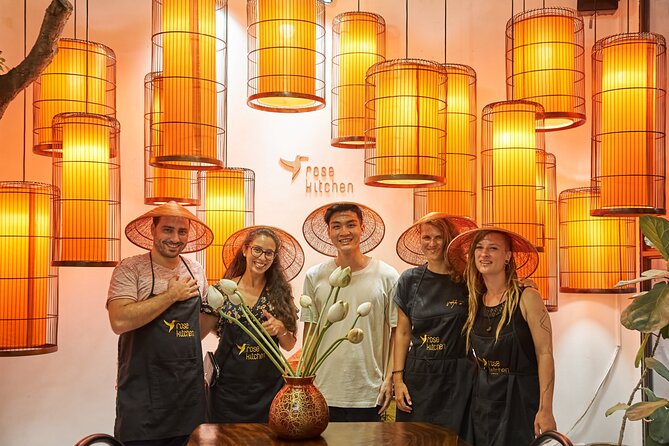
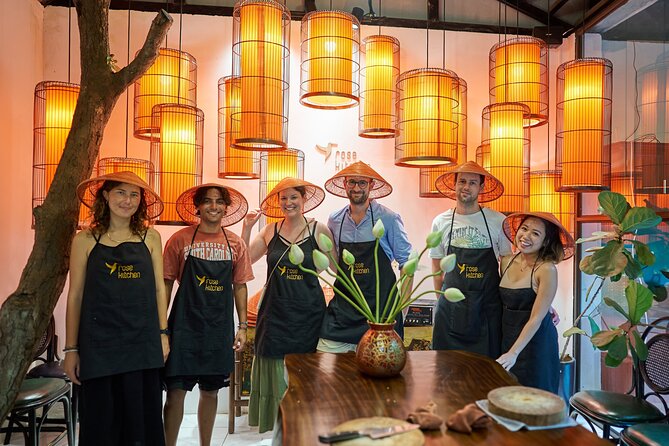
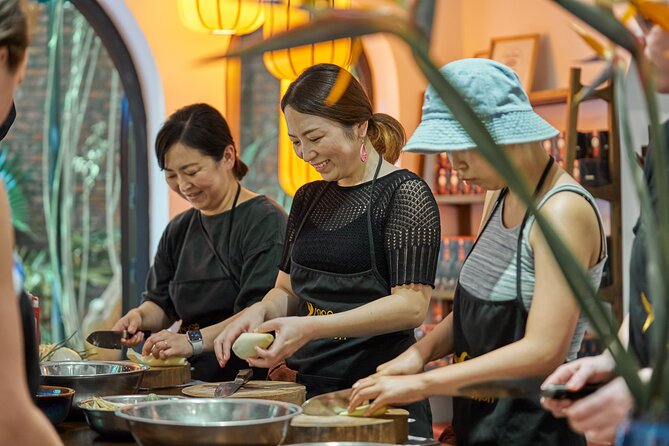
After the market, you head back to the Rose Kitchen cooking space. The experience is set up for comfort: air-conditioned cooking and dining areas, with utensils and equipment already waiting for you. You also get unlimited mineral water, so you’re not trying to pace yourself while you’re sweating, tasting, and chopping.
The garden-villa feel matters. Even though this is a structured class, the environment often reads more like a home-style gathering than a factory lesson. That vibe shows up in the way chefs and hosts run the stations—clear directions, friendly corrections, and encouragement to participate. If you’ve ever taken a cooking class where you watch more than you cook, this one usually feels more involved.
There’s also a useful convenience layer. Hotel pickup and drop-off within Hanoi’s Old Quarter are included, which saves you the hassle of figuring out transport for a 4.5-hour activity. If you’re carrying shopping bags or have extra luggage, there’s free luggage storage available upon request, including storage up to 3 days (helpful if you’re moving hotels or leaving Hanoi later).
The Hands-On Menu: What You’ll Actually Cook
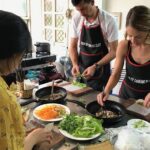
This is not a lecture tour where you taste a sample and call it done. You prepare dishes step-by-step, and the class is built around a set menu that you can recreate later.
From the course description and the dish list people talk about, you should expect classic Hanoi-style Vietnamese favorites. Common examples include:
- bun cha
- mango salad
- fresh summer rolls
- spring rolls
- stir-fried vegetables
- traditional noodles
- egg coffee (often mentioned alongside the cooking day)
Which specific dishes you cook can depend on your session, but the structure stays consistent: you’ll learn technique first, then you cook, then you eat. Guides and chefs like Alex (Trung) and Simon are praised for clear instruction and pacing, so even if your knife skills are rusty, you’re not left behind.
Here’s what I like about the way the teaching tends to work. You don’t just learn what to add—you learn why. That matters with Vietnamese cooking because balance is everything: herbs versus acidity, salt versus sweetness, and how fresh ingredients should smell when they’re ready. When you understand those basics, you can adapt the recipe at home even if you can’t buy the exact brand of sauce.
If you need a vegetarian option, that’s available. Tell them dietary requirements when you book, and you should get a plan that fits. Vegetarian/vegan class options are also mentioned as bookable upgrades.
Lunch or Dinner at the Table: Fruit Wine and Full Plates
Once you finish cooking, you sit down to a full Vietnamese meal. Your session determines whether it’s lunch or dinner, but the idea is the same: you don’t just sample—you eat what you made. Plus, you get seasonal fruits served after the meal.
This meal section is where the class rewards you most. It’s easy to forget that cooking classes can be awkward: you do a lot of work, then someone serves food that doesn’t match your effort. Here, it’s tied to the menu you cooked. That means you’re eating something that has your fingerprints on it, even if a chef handled the trickiest steps.
Two extras are worth highlighting:
- a complimentary welcome drink of herbal tea
- a complimentary tasting of the kitchen’s signature homemade fruit wine
The fruit wine is small but memorable. It gives you a taste of something local beyond the usual coffee and bottled tea. And because the class includes unlimited mineral water during the experience, you’re not stuck rationing liquids while you work.
Pro tip: don’t schedule a heavy meal right before you arrive. You’ll end up comfortably full by the end.
CSR Impact: When Your Cooking Day Supports Local Change
The Rose Kitchen model is built around CSR, and the impact isn’t tucked away in fine print. The experience is positioned to support ongoing projects through bookings, including:
- monthly charity meals for cancer patients
- educational programs for disadvantaged children in remote regions
- sustainable employment for ethnic minority women who serve as butlers
For you, that means your payment becomes more than entertainment. You’re funding meals, education, and jobs, all connected to the way the business operates. It’s the kind of impact you can explain to friends back home without turning it into a speech.
It also changes the tone of the day. When a company ties hospitality to community support, you tend to feel it in the way people host and teach—more like a partnership than a transaction.


Why the $39 Price Feels Fair in Hanoi
At $39 per person, this class lands in the value zone because so much is included. You’re not paying only for cooking instruction. You’re paying for:
- market time (walking + ingredient selection)
- pickup and drop-off in the Old Quarter
- a full Vietnamese lunch or dinner
- unlimited mineral water
- herbal tea welcome + fruit wine tasting
- equipment, utensils, and a guided cultural storyteller
- a digital guidebook, and a digital certificate available on request
If you compare that to the typical cost of a market meal plus a cooking workshop with separate transport, it starts to look like a bargain. The real value is convenience. Hanoi can be easy to navigate, but getting logistics right for a half-day activity takes planning. Here, pickup and drop-off reduce that friction.
Also, the length matters. About 4 hours 30 minutes is long enough to actually learn technique and eat a real meal. Short classes often leave you hungry and under-taught. This one is built to finish with food and competence.
Small-Group Feel: The Difference Clear Hosting Makes
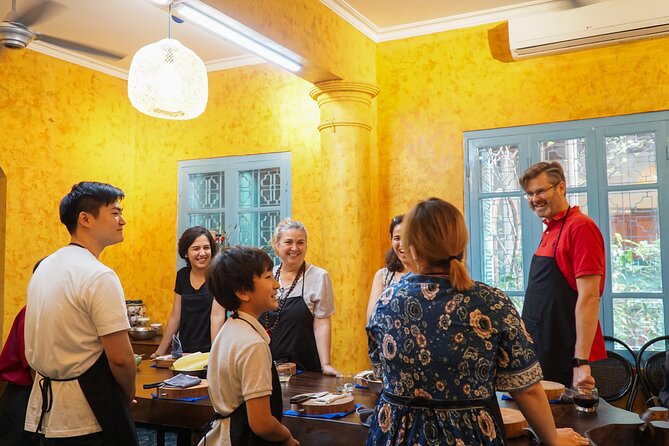
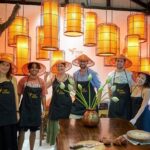
The class caps at a maximum of 100 travelers, but the day-to-day experience usually feels more human than that number suggests. Many of the positive experiences mention a warm, welcoming atmosphere and group friendliness. Names like Maxie, Aroma, Alex (Trung), and Simon come up repeatedly for energy and clarity, which tells you something important: you’re likely to be actively guided, not left to figure things out alone.
If you’re traveling solo, that social comfort helps. If you’re with family, that guidance matters even more. One review highlights how the host worked to keep a young child safe while still letting him participate. That kind of attention usually makes a class feel more respectful and less chaotic.
Practical Tips So You Get More Out of Your Cooking Day
You’ll have a smoother time if you plan for the rhythm of market-to-kitchen:
- Bring comfortable shoes and light layers. You’re walking and cooking.
- Eat a light breakfast or lunch beforehand. The meal at the end is substantial.
- If you have dietary needs, tell them when booking so the menu can be adjusted.
- Expect the class to run in all weather conditions. Dress appropriately for Hanoi’s rain and humidity.
One more useful detail: there’s a digital guidebook with must-try local eats and favorite hangouts. That’s handy after class, when you want to eat your way through what you just learned.
And if you want to cook at home again, look for the fact that recipes may be sent after the session. At least some recent classes included recipes shared within about 24 hours, which makes practice easier once you return.
Who Should Book This Cooking Class (and Who Might Skip It)
This is a great fit if you want:
- hands-on cooking, not just tasting
- market context so you understand ingredients, not only steps
- a practical Hanoi experience you can replicate at home
- a class that connects food with real CSR support
It might be less ideal if you:
- want a quiet, private, one-on-one lesson without group timing
- dislike market walking or hands-on cooking steps
- prefer very minimal time commitments in a single place
For families, the setup can work well because the hosts emphasize safety and participation.
Should You Book Rose Kitchen in Hanoi?
Yes, I’d book it if your goal is to leave Hanoi with more than photos. For $39, you get a full meal, hotel pickup within the Old Quarter, market shopping context, and a cooking day built around technique. The CSR component is a bonus that feels grounded, not ornamental.
Book it especially if you’re the type of person who wants to understand why recipes work. The best sessions feel like you’re learning to cook Vietnamese food, not just copying a dish once. If you’re picky about diet, specify your needs early and consider a vegetarian-focused session.
If you want a fun, structured half-day that ends with real comfort food—and a clear reason it matters—this one is worth your time in Hanoi.
FAQ
How long is the Hanoi cooking class?
It’s approximately 4 hours 30 minutes.
Is there a morning and an afternoon option?
Yes. You can choose either a morning or an afternoon class.
Do they pick you up from your hotel?
Pickup and drop-off are included within Hanoi’s Old Quarter.
Is a market visit included?
Yes. You’ll start with a market walk to explore and buy ingredients.
What will I cook during the class?
You’ll prepare Vietnamese dishes such as spring rolls, stir-fried vegetables, and traditional noodles, and sessions may include items like bun cha, mango salad, and fresh summer rolls.
Is there a vegetarian option?
Vegetarian options are available. Tell the operator your dietary requirements at booking. Vegetarian/vegan classes are also available to book.
What food and drinks are included?
You’ll get a full Vietnamese lunch or dinner (depending on your session), a herbal tea welcome drink, unlimited free mineral water, a tasting of homemade fruit wine, and fresh seasonal fruits after the meal.
Do I receive recipes or digital materials?
You receive a digital guidebook, and a digital certificate is available on request. In some cases, recipes are provided after the class to help you cook at home.
Is luggage storage available?
Yes. Free luggage storage is available upon request, and it’s listed as up to 3 days.
Can I get a full refund if I cancel?
Free cancellation is available. If you cancel at least 24 hours in advance, you get a full refund. If you cancel less than 24 hours before, the amount paid is not refunded.