REVIEW · HANOI
Hanoi: Master the Art of 4-6 Signature Vietnameses Coffees
Book on GetYourGuide →Operated by PhotheSoul · Bookable on GetYourGuide
Coffee in Hanoi has a habit of turning skeptics into fans. This workshop puts you at the counter, with 4–6 Vietnamese signature coffees and real, lived-in neighborhood energy. What makes it interesting is the format: you do not just watch brewing. You grind, brew, whisk, taste, and adjust in a home setting in the Old Quarter.
I especially like that the hosts teach you how locals taste and tune coffee, not only how to follow steps. In sessions led by guides such as Jade or Eddie, you’ll learn why each cup tastes the way it does, and how the same base recipe can land sweeter, bolder, or stronger depending on preference. The one thing to consider is that you’ll likely drink several cups in a short time, so if you are sensitive to caffeine or super sensitive to bitter flavors, pace yourself.
In This Review
- Key highlights to look for
- A Hanoi Coffee Workshop in a Real Old Quarter Home
- What You’ll Make: Six Vietnamese Coffee Styles, One Skills Lesson
- Black Coffee (a baseline, not a punishment)
- Brown Coffee (a familiar flavor, Vietnamese way)
- Egg Coffee (the whisking magic)
- White (Silver) Coffee (smoother, milk-forward style)
- Coconut Coffee (smooth, a little sweet, very drinkable)
- Salted Coffee (sweet with a savory edge)
- Hands-On Brewing: Phin Filter, Whisking, and Real Adjustment
- Central Highlands Beans and Fresh Ingredients That Change Everything
- The Old Quarter Meeting Point and How Timing Works
- Comfort and Small Details That Make It Easier
- Price and Value: Why $22 Can Be More Than a Drink
- Who This Works Best For (and Who Might Hesitate)
- Should You Book This Hanoi Coffee Workshop?
- FAQ
- How many Vietnamese coffees will I make?
- How long is the experience?
- What is the price?
- Does the workshop include coffee and recipes?
- Will I just watch, or can I do the brewing myself?
- Where do I meet for the workshop?
- What languages are used during the class?
- Is it a small group?
- Is free cancellation available?
- Is childcare or wheelchair access available?
Key highlights to look for
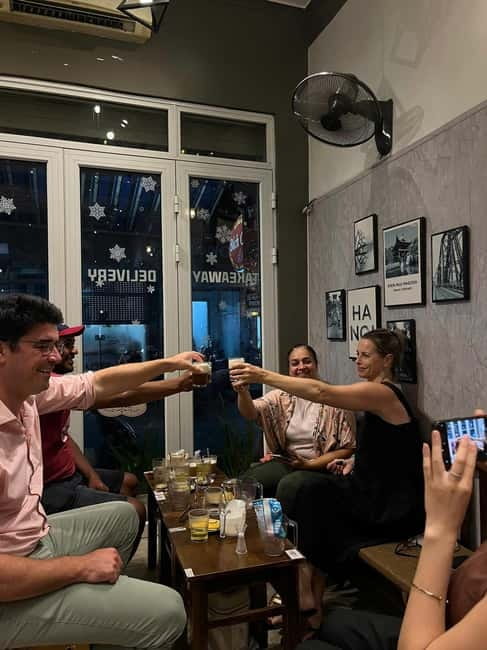
- A lived-in Hanoi home experience with a pace that feels local, not staged
- Hands-on brewing for 4–6 signature coffees, including classics like Egg and Coconut
- Taste-and-adjust lessons that help you reproduce the flavors at home
- Fresh, not pre-made ingredients (eggs, milk, coconut) plus ceramic tools
- Small groups (max 10) so you can ask questions while you work
- A guide plus a photographer to capture the process, not just the final cups
A Hanoi Coffee Workshop in a Real Old Quarter Home
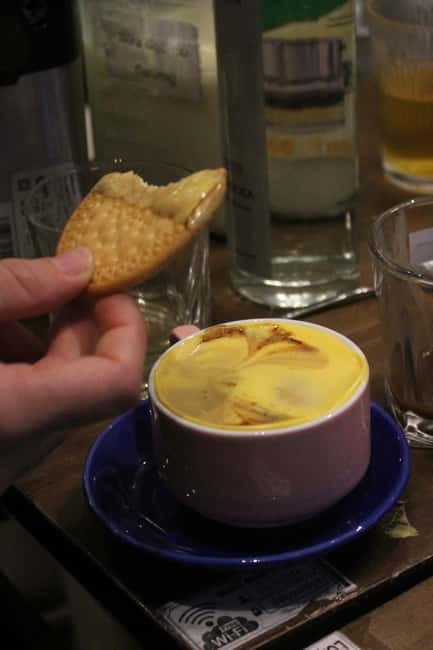
This is not one of those cookie-cutter classes where everyone stands at arm’s length from the action. You walk off the street and into a space where people actually live. You feel it right away: ceramic tools on the tables, ingredients prepped daily, and voices drifting from the everyday life outside. It’s casual in a good way. You’re not performing. You’re participating.
I like that the group size is kept tight, limited to 10 participants. In practice, that means you get attention while you’re doing the work, not waiting for a quick photo moment. It also makes the tastings feel like a shared experiment—someone tastes, adjusts, then shares what changed. That’s where the learning sticks.
And yes, the room has air conditioning. Hanoi can be hot, and this keeps the experience comfortable instead of sweaty and rushed. Clean restrooms and sterilized utensils also matter more than you’d think when you’re actively handling tools, liquids, and foamy mixtures.
You might even notice the small local details—like the ceramic tools tied to local pottery villages, and the way foam texture and ground feel are treated like part of the recipe, not random outcomes. That’s a big reason the workshop feels authentic.
You can also read our reviews of more tours and experiences in Hanoi.



What You’ll Make: Six Vietnamese Coffee Styles, One Skills Lesson
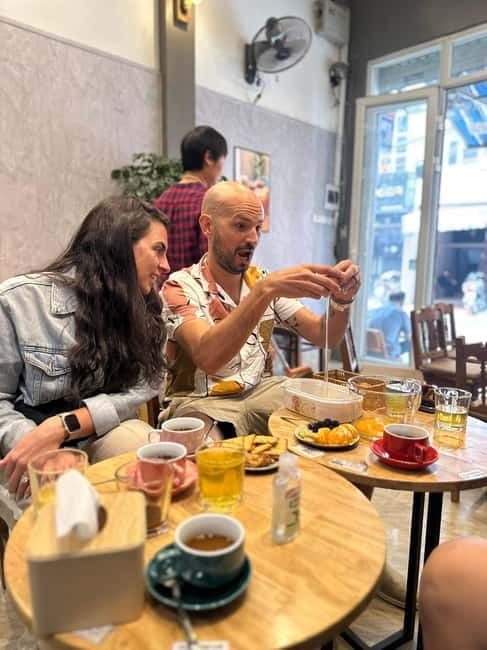
The workshop centers on making 4–6 iconic Vietnamese coffees. Exact selections can vary, but the signature lineup includes Black, Brown, Egg, White (silver), Coconut, and Salted Coffee. If that sounds like a lot, it is. But the structure makes it manageable: each cup teaches a technique, and each technique reinforces how Vietnamese coffee is adjusted to taste.
Black Coffee (a baseline, not a punishment)
Even if you do not usually drink black coffee, this one often surprises people. Vietnamese black coffee is usually about strength and body, with a flavor profile that can feel different from what many people expect from elsewhere. The key lesson is how locals balance bitterness, not just how hot or how long.
Brown Coffee (a familiar flavor, Vietnamese way)
Brown coffee is typically where you’ll see how sweetness and roast character work together. Instead of thinking of it as a different drink, treat it as a control dial—how to steer flavor intensity without losing the core Vietnamese profile.
Egg Coffee (the whisking magic)
Egg coffee is famous for a reason: the foam and custard-like texture change the whole drinking experience. You’ll learn how to get the right thickness and how the mixture behaves once it hits coffee. This is less about technical showmanship and more about learning a repeatable texture target.




White (Silver) Coffee (smoother, milk-forward style)
White or silver-style coffee is where you’ll see Vietnamese coffee meet the kind of creaminess people expect from milk-based drinks. You’ll taste how milk changes perceived bitterness, and you’ll practice tuning strength so the coffee does not get swallowed.
Coconut Coffee (smooth, a little sweet, very drinkable)
Coconut coffee is a frequent favorite. The lesson here is balance: rich coconut flavor plus coffee strength. It’s also one of the best “bridge” drinks if you find plain coffee too intense. Several people in the experience data called Coconut a standout, often describing it as rich and smooth.
Salted Coffee (sweet with a savory edge)
Salted coffee isn’t about making coffee taste like food. It’s about how salt rounds off bitterness and enhances sweetness. If you’ve ever had the feeling that something tastes slightly flat, this is the concept—small adjustments change everything.
Across all of these, the real value is that you are not just copying a recipe. You’re practicing taste control. You can make the same coffee style come out sweeter, bolder, or stronger while still staying true to the signature drink.
Hands-On Brewing: Phin Filter, Whisking, and Real Adjustment
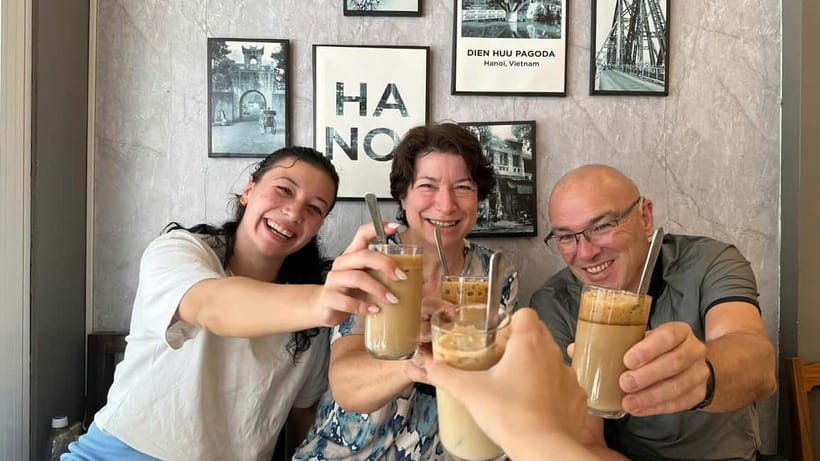
The workshop is built around active participation. You grind. You brew. You whisk. You taste. Then you adjust.
You’ll learn practical control points you can use later:
- how bitterness shows up and how to correct it
- how to control strength so it tastes balanced instead of harsh
- how to tweak sweetness so it matches your preference
One of the clearest takeaways is the way locals do it without fancy equipment. You might hear instructions that are essentially about flavor logic: watch the result, change one variable, then compare. That is why this class feels useful instead of just fun.
If you want the “this is what I’ll do at home” part, focus on what you’re taught about brewing and tasting together. The hosts aim to explain why each step affects the final flavor. The outcome is that you leave with a set of methods, not just a memory of what the cups tasted like.
Also, there’s something quietly great about grinding coffee yourself in the middle of Hanoi’s Old Quarter rhythm. The smell hits fast. Then you start noticing how foam texture and coffee concentration evolve as you work.
Central Highlands Beans and Fresh Ingredients That Change Everything
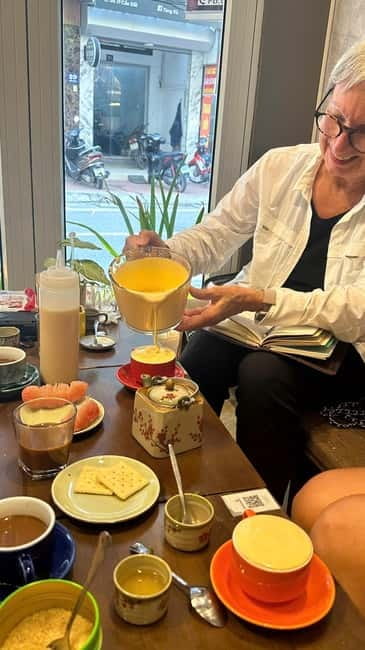
Vietnamese coffee flavor is not an accident. The workshop uses Vietnamese specialty coffee beans, sourced from Vietnam’s Central Highlands. You’ll also hear that seasonal harvests matter—coffee changes throughout the year—so the experience isn’t one static flavor that never varies.
Ingredients are prepared daily, including eggs, milk, and coconut. There’s no shortcut with artificial flavors or pre-made mixes. That approach matters because the texture and aroma cues you learn are tied to real ingredients, not a flavored substitute.
You’ll also get ingredient explanations with easy home-friendly substitutes. This is one of the best parts for practical travelers. It means you can still make the drinks after you go home, even if you cannot find the exact same brand or item. The goal is not perfection. The goal is to recreate the flavor direction.
The Old Quarter Meeting Point and How Timing Works
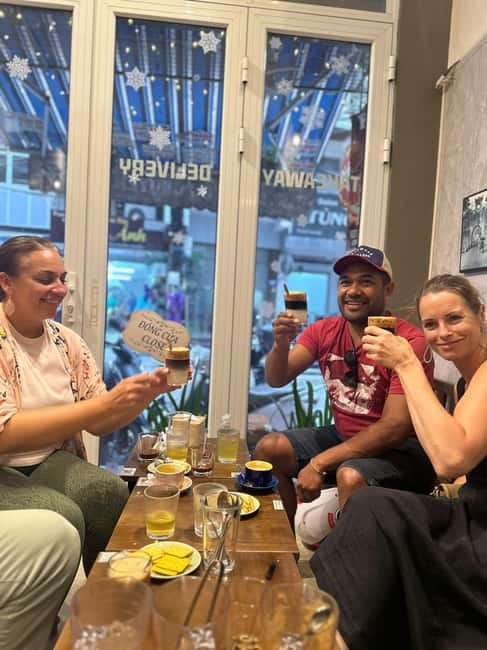
You meet in the Old Quarter at a cozy local café tucked into a peaceful corner. The location is convenient to major sights: near the Hanoi Opera House, the Red River, Vinh Tuy Bridge, and the French Quarter. In other words, you can plan this as a morning or afternoon anchor without feeling stuck in one neighborhood bubble.
Duration is typically 1 to 2 hours. That range matters because it changes your schedule planning. If you’re on a tight itinerary, treat it as a focused, short stop. If you have more time, give yourself breathing room before and after—because you will taste a lot, and you may feel the caffeine kick.
Comfort and Small Details That Make It Easier
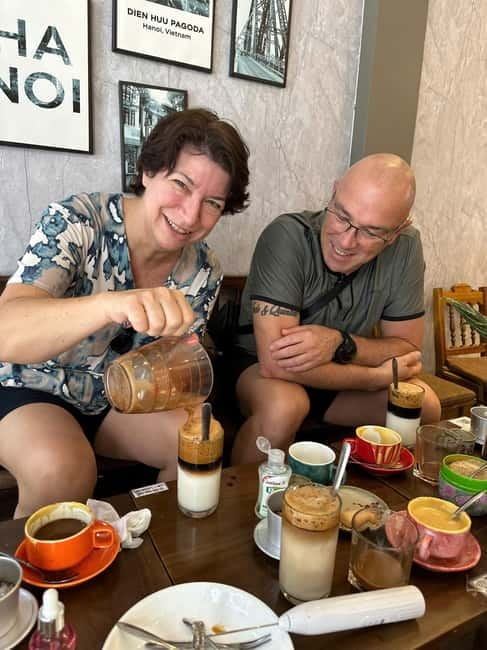
This workshop is set up with comfort in mind while still staying true to the home setting. You get air conditioning for warmer days, clean restrooms, and sterilized utensils plus a dishwasher. That last part is a quiet win if you care about cleanliness while actively using ceramic tools and handling ingredients.
There’s also a pet-friendly garden space. Depending on your session, you might feel the home’s everyday charm. One bonus detail you might notice is that hosts can include small local touches that make the space feel lived-in, not museum-like.
If you’re traveling with kids, there is childcare service available. Wheelchair accessibility is also listed, which helps if mobility needs affect your plans.
And because the included setup includes a photographer (your instructor), the experience is likely to capture the process, not just a posed cup at the end.
Price and Value: Why $22 Can Be More Than a Drink
At $22 per person for 1–2 hours, you’re paying for more than coffee. You’re paying for:
- a small group format (max 10)
- hands-on guidance while you brew multiple styles
- ingredient-based explanations
- full recipes and more
The value really shows up in what you take home. Most people leave with confidence to reproduce at least several of the styles. The workshop is designed so the methods translate to your kitchen, including advice on balancing bitterness and controlling strength without fancy gear.
If your goal is to taste Vietnamese coffee, you can do that elsewhere for less. But if your goal is to learn the why behind the flavors and the how to adjust them later, this price starts to look very fair. You’re also not just learning one coffee. You’re learning a set of control techniques that apply across multiple signature drinks.
Who This Works Best For (and Who Might Hesitate)
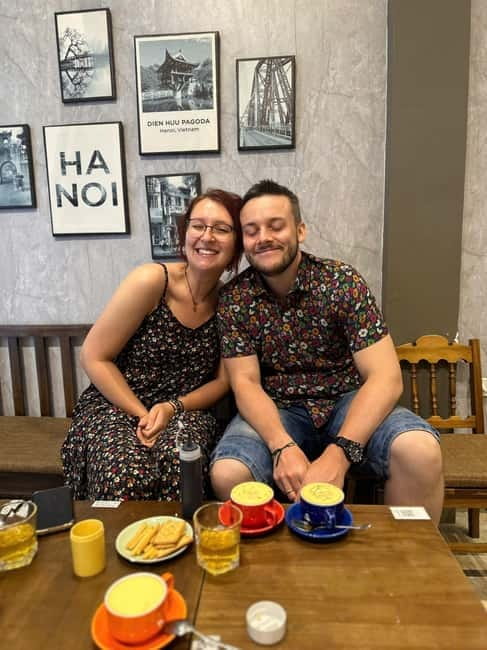
This class fits best if you like hands-on activities and you want practical skills, not just a tasting flight. It also works well if you want Hanoi through a local lens—coffee culture explained in the context of daily life, family knowledge, and the way tastes shift across time.
If you care about history, the hosts share stories that connect coffee styles to Hanoi mornings and older cafés. Some guides you might meet, based on session leads you could be assigned, include Jade, Eddie, Daisy, Jessica, Mint, Tyler, Zoey, and Ngoc. People consistently highlight that the instruction is clear and friendly, and that the hosts make space for questions while you’re working.
If you are extremely selective about caffeine or you already hate bitter flavors, the main hesitation is simply volume. You’ll likely taste multiple coffees back-to-back. The fix is easy: go slow, sip instead of gulp, and ask your guide to help you adjust sweetness or strength so the cups stay comfortable for you.
Should You Book This Hanoi Coffee Workshop?
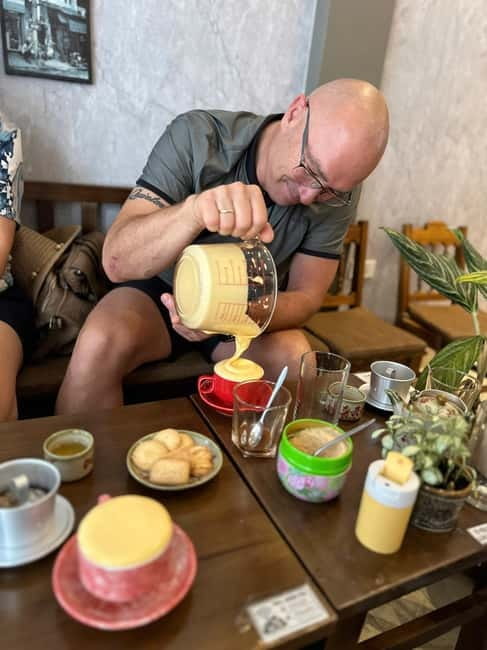
I’d book it if you want an authentic Hanoi activity that’s practical when you’re back home. The hands-on structure, the taste-and-adjust teaching style, and the fact that you make several signature Vietnamese coffees make it a stronger deal than a typical café tour.
Skip it or choose a gentler pace if you know you cannot handle strong coffee or you prefer very mild flavors. But even then, styles like Coconut and Egg can be a good way in.
If you’re in the Old Quarter anyway, this is an easy add-on that turns coffee from something you order into something you can actually recreate. And that is the kind of souvenir that keeps paying off long after your trip ends.
FAQ
How many Vietnamese coffees will I make?
You’ll make 4–6 signature Vietnamese coffees, including options like Black, Brown, Egg, White (silver), Coconut, and Salted Coffee.
How long is the experience?
The workshop lasts 1 to 2 hours.
What is the price?
It costs $22 per person.
Does the workshop include coffee and recipes?
Yes. Coffees and teas are included, and you receive full recipes and more.
Will I just watch, or can I do the brewing myself?
You do hands-on work. You’ll grind, brew, whisk, taste, and adjust as you make each coffee.
Where do I meet for the workshop?
You meet at a cozy local café hidden in a peaceful corner of the Hanoi Old Quarter, near the Hanoi Opera House, the Red River, Vinh Tuy Bridge, and the French Quarter.
What languages are used during the class?
The instructor speaks Vietnamese and English.
Is it a small group?
Yes. The group is small, limited to 10 participants.
Is free cancellation available?
Yes. You can cancel up to 24 hours in advance for a full refund.
Is childcare or wheelchair access available?
Childcare service is available, and the experience is listed as wheelchair accessible.