REVIEW · HANOI
From Hanoi: 2-Day Sa Pa Ethnic Homestay Tour with Trekking
Book on GetYourGuide →Operated by Go Asia Travel · Bookable on GetYourGuide
Rice terraces and a family dinner in the mountains. This 2-day Sa Pa homestay trek takes you through the Muong Hoa Valley with an English-speaking guide, then sends you back on a modern sleeper bus. You also get real face-time with ethnic communities in villages like Lao Chai and Ta Van, not just a quick photo stop.
I especially like the way the trek is guided end-to-end, with support and cultural context along the way. In my notes, the English guides named here (Sua, Tung, Soso, Trung, Gom) are repeatedly praised for clear communication and friendly energy. And I love that the day is built around the rice terraces and mountain villages, ending with a homestay dinner prepared by the host family.
One consideration: weather and trail conditions can change fast in Sa Pa. If you get fog or rain, expect muddy footing and views that may be softer than you hoped.
In This Review
- Key highlights you’ll feel on this tour
- Why Muong Hoa Valley feels more real than a quick Sa Pa day trip
- Price and value: what $64 covers, and what to budget for
- Day 1: Hanoi to Sa Pa on the sleeper bus, then rice terraces and Lao Chai to Ta Van
- Day 1 vibe check: costumes, village stops, and why the timing feels right
- Night in Ta Van: what homestay life is really like (and how to prepare)
- Day 2: breakfast, bamboo forest trekking, Giang Ta Chai Bridge, and back to Sa Pa for lunch and a shower
- Trekking difficulty: what it feels like, and who should think twice
- The guides: English support, humor, and local storytelling
- Cultural encounters and the craft-sales reality
- Food: what’s included, and what to expect at the homestay table
- Transport comfort: sleeper bus on the modern route vs. basic rides
- Who this tour suits best
- Should you book this homestay trekking tour in Sa Pa?
- FAQ
- What’s the duration and when does it start?
- Is the sleeper bus between Hanoi and Sa Pa included?
- What’s included for meals?
- Where do I sleep, and what’s the homestay like?
- What trekking gear should I bring?
- Do I need to bring cash?
- Who should avoid this tour?
- Can I bring pets?
Key highlights you’ll feel on this tour
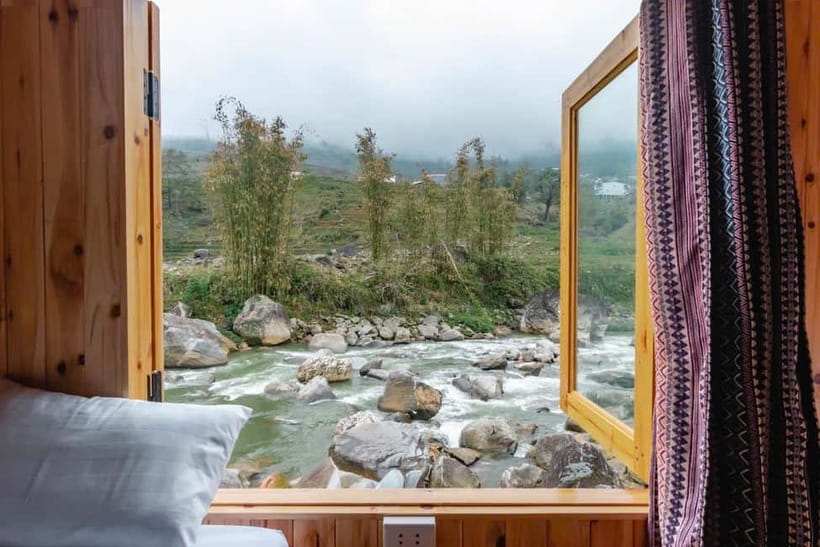
- Muong Hoa Valley trekking through rice terraces, stream paths, and bamboo forest
- Ta Van homestay stay with family food and a basic-but-clean setup
- English-speaking guides such as Sua, Tung, Soso, Trung, and Gom (based on what’s been shared)
- Modern sleeper bus rides between Hanoi and Sa Pa via Lao Cai, with optional upgrade vibes
- Village viewpoints including Lao Chai and panoramic moments near Giang Ta Chai
Why Muong Hoa Valley feels more real than a quick Sa Pa day trip
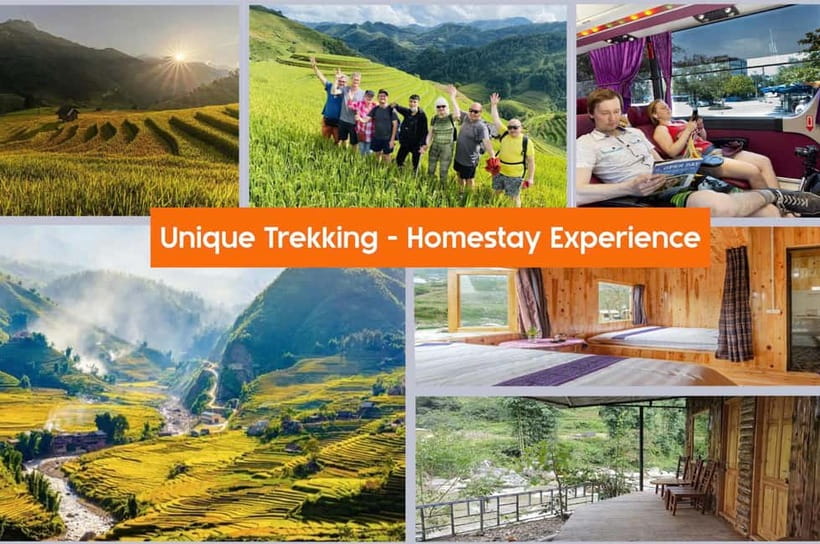
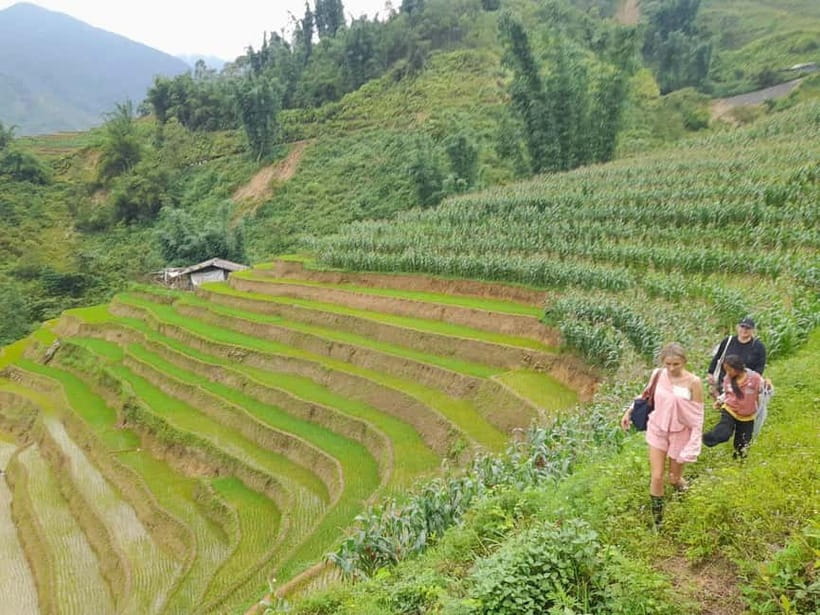
Sa Pa is famous for views, but it’s the valley rhythm that makes this route special. You’re not only looking at the mountains. You’re walking through the working countryside—rice terraces, streams, and village paths that connect communities.
The tour’s structure matters. You start with travel that actually gets you into the hills with less stress (a sleeper bus overnight), then you spend a full day trekking with stops that make sense geographically. By the time you reach Ta Van for the night, you’ve already earned the calm of the homestay.
You can also read our reviews of more tours and experiences in Hanoi.


Price and value: what $64 covers, and what to budget for
The listed price is $64 per person for a 2-day package. For this area, that price is strong because it bundles the hard parts: transport between Hanoi and Sa Pa (round-trip is noted as optional), a guide, homestay accommodation in Ta Van, entrance tickets to Lao Chai/Ta Van villages, and most meals.
Here’s what’s included in plain terms:
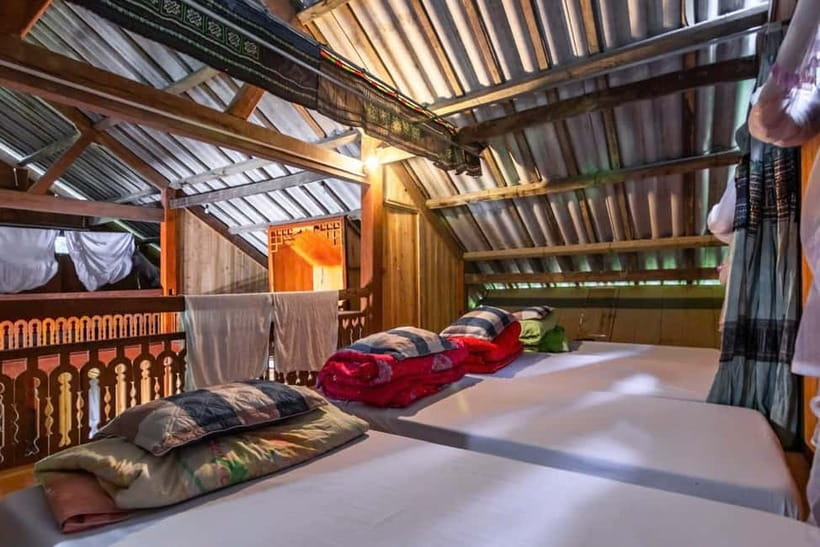
- Homestay in Ta Van with a single mattress (basic setup; clean water and fresh food are noted)
- 2 lunches, 1 dinner, 1 breakfast
- Local guide in English
- Entrance ticket(s) to Lao Chai and Ta Van village
- Car from Giang Ta Chai back to the hotel on day 2
And here’s what you should expect to pay extra for:
- Drinks during meals
- 8% government tax
- Single room surcharge: $5 per person (listed)
- Holiday surcharges (listed for specific peak dates)
- Travel insurance (not included)
If you’re budgeting tightly, this tour still works because you’re not paying separately for a guide plus meals plus a homestay night. If you’re the type who wants a quieter ride and more sleep, consider any sleeper bus upgrade you’re offered, since some travelers mention luxury sleeper cabins made a difference.
Day 1: Hanoi to Sa Pa on the sleeper bus, then rice terraces and Lao Chai to Ta Van
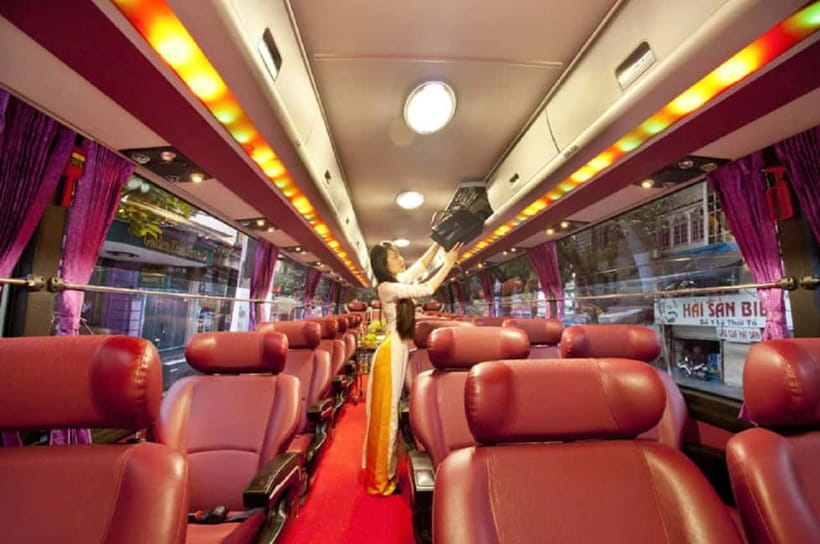
Day 1 starts with an overnight-style commute. You hop on the sleeper bus from Hanoi to Sa Pa via Lao Cai in the morning. When you arrive, a representative meets you at the bus stop, helps you get to your hotel area, and you get time to relax.
Then comes the part that turns the day from travel into an actual trek: lunch in Sa Pa (local dishes), followed by walking through the rice terraces and along the Muong Hoa Stream. This is where you’ll notice the pace change. The trails are narrow, the scenery shifts with each bend, and the guide can point out how village life connects to the land.
Next you reach Lao Chai, a Black Hmong village area set with Hoang Lien Son in the background. From there, you continue toward Ta Van village to check into your homestay and meet the family.
A few practical notes that matter for comfort:
- You’ll want hiking shoes. The walk can be muddy, especially if the weather turns.
- Bring cash (VND). Booking/payment systems can be unreliable once you’re deeper into Sa Pa.
- Luggage handling is planned: you can store your bag in the bus trunk, keep what you need for the trek with you, and retrieve your bags back on day 2.
Day 1 vibe check: costumes, village stops, and why the timing feels right
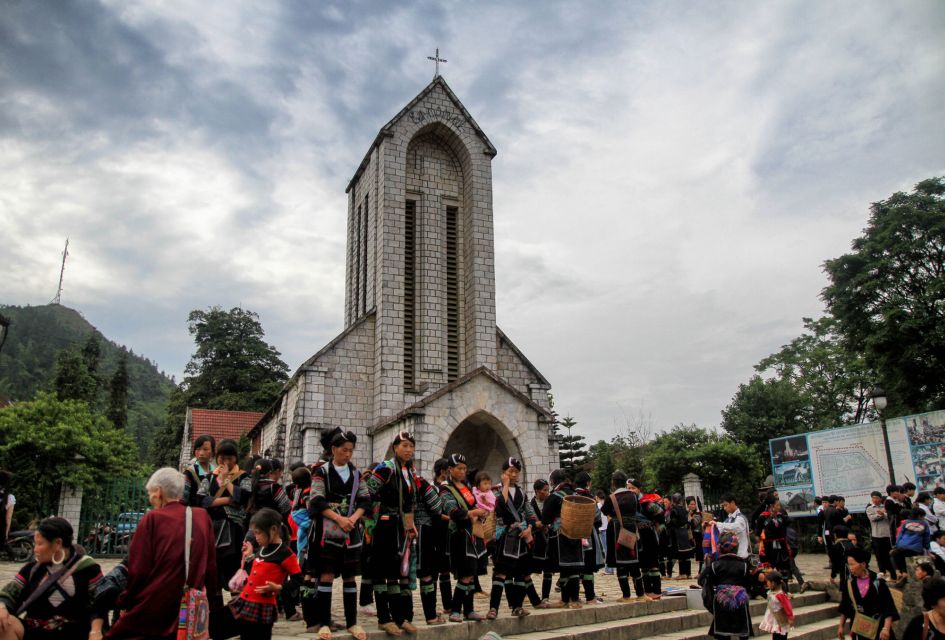
The village stops aren’t just scenery. You’ll see traditional clothing associated with groups such as the Hmong, Dao/ Dzao, and Tay. The tour uses these cultural encounters as context while you walk, so it feels like part of the route rather than a separate show.
One more thing I appreciate about this kind of day plan: it’s paced so you’re not exhausted before your homestay. Even if you’re tired from travel, you get enough time to eat, rest, and settle in before the next day’s trek.
Night in Ta Van: what homestay life is really like (and how to prepare)
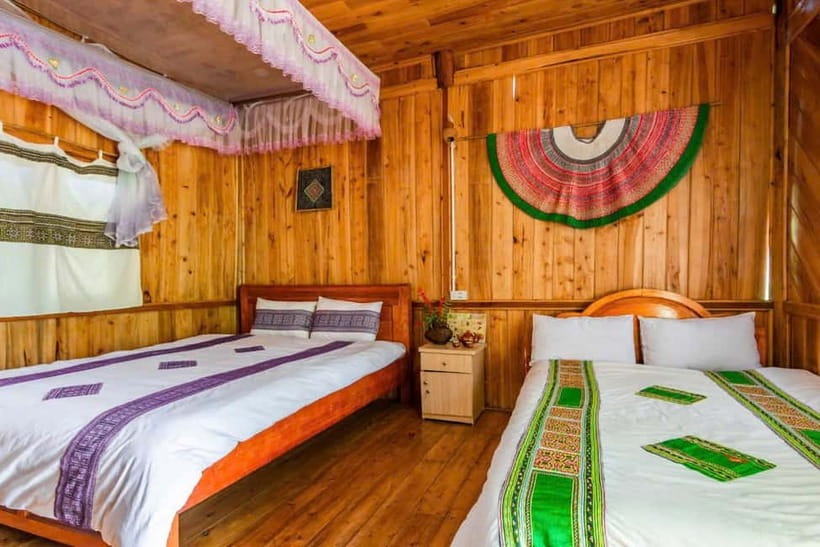
The Ta Van homestay is described as basic, with culture facilities that aren’t fancy. But it’s also described as clean enough to be comfortable: clean water and fresh food are provided.
You’ll be sleeping on a single mattress, and the experience can feel more personal if you’re in a smaller group. Some people also mention the option for a private room if you pay the single supplement—so if privacy matters to you, that’s worth factoring in.
Two practical comfort tips from real-world experience:
- Plan for village sounds at night. One note shared here recommends earplugs if you’re a light sleeper.
- Expect the homestay to feel “lived-in.” If you want modern hotel quiet and marble bathrooms, this isn’t that.
Still, this is exactly why the homestay works. You’re not just visiting a village. You’re spending the night inside the daily rhythm—sharing a meal, talking with the family if you get the chance, and watching life continue after the tourists thin out.



Day 2: breakfast, bamboo forest trekking, Giang Ta Chai Bridge, and back to Sa Pa for lunch and a shower
Day 2 begins with breakfast prepared by the family, then another morning trek—this time through rice paddies and a bamboo forest. You’ll also get a panoramic view of Giang Ta Chai village before crossing the Giang Ta Chai Bridge.
After the bridge moment, you’re not walking straight back the whole way. A bus/car takes you back toward Sa Pa for lunch and a shower, then you head back to Hanoi.
At the end, the bus drops you at the meeting point, and from there you’ll get yourself to your hotel independently.
This day is shorter than the first in many cases, and it tends to shift between easier sections and more demanding climbs/descents. If you want a “do-able but memorable” second morning, this format usually fits.
Trekking difficulty: what it feels like, and who should think twice
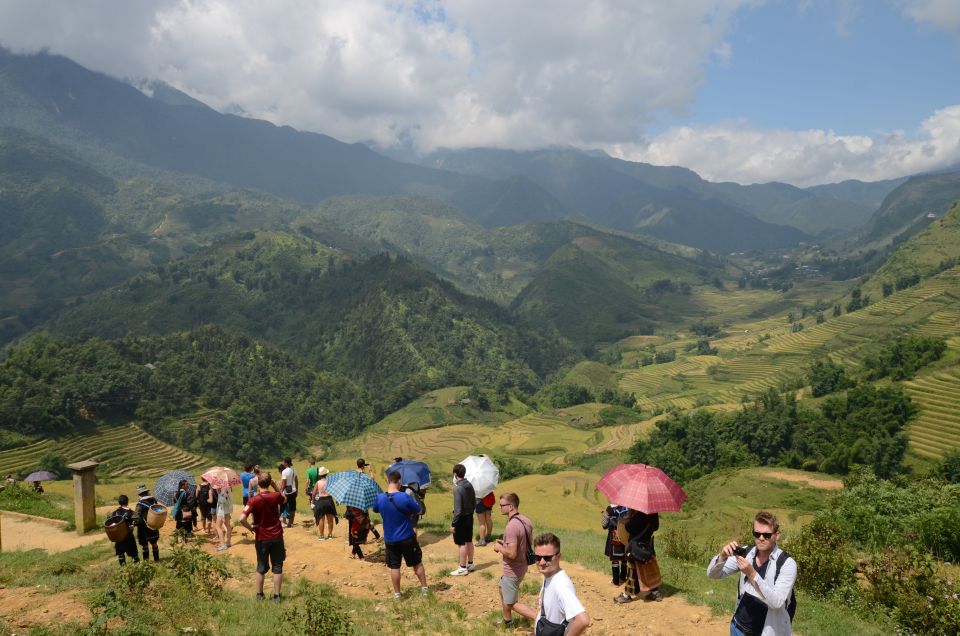
This is not a flat nature walk. It includes uphill and downhill walking, and you’ll be on uneven ground. One note states the trek is around 14 km across two days, and another mentions a first-day walk of about 10 km, mostly downhill, with the second day involving more uphill.
So here’s my blunt guidance for your body:
- If you have knee issues, expect the downhill portions to be the hardest part.
- If it rains, trails can become muddy and misty, which can reduce visibility at viewpoints.
- If you enjoy walking steadily for hours, you’ll likely find the effort satisfying.
A funny-but-true detail: people in simple sandals can be out there moving confidently. That doesn’t mean it’s easy, but it does show the path is something locals know well.
The guides: English support, humor, and local storytelling
The standout of this tour style is the guide relationship. Multiple guide names show up—Sua, Tung, Soso, Trung, Gom—and the pattern is consistent: friendly, patient people who explain what you’re seeing and how mountain life connects to the landscape, the seasons, and the villages.
In practice, that means you’re not guessing. When the guide talks about what you’re seeing—terraces, village roles, local nature—you get a clearer picture of why each place matters.
It also helps that communication is strong before and during the trip. People mention WhatsApp contact for confirmation and check-ins, so if something feels off you’re not stuck wondering.
Cultural encounters and the craft-sales reality
One part of Sa Pa village trekking that you should plan for: handmade craft selling. During the walk and village visits, you may be approached by women from the hill tribes with items for sale.
This can be genuine and friendly, and it can also get pushy. In the notes you shared here, some people handled sales well while others felt uncomfortable with insistence. My advice is simple:
- Be polite but firm.
- Don’t engage if you don’t want to buy.
- Keep your energy for the trail.
If you do want to buy something, the best move is to treat it like a cultural purchase, not a forced one. Decide before you’re standing there tired and muddy—then you’ll feel in control.
Food: what’s included, and what to expect at the homestay table
Food is a big reason this tour works well for people. You get two lunches, one dinner, and one breakfast, including meals from the homestay family and meals in Sa Pa at the start/finish.
One note calls out the dinner as the best meal during a Vietnam trip so far. Another suggests the homestay and included meals are meat-friendly, though veggie options might be available.
So I’d go in with realistic expectations:
- You’ll likely eat local dishes with meat as a common ingredient.
- If you’re vegetarian, you should ask in advance about options, since the tour data doesn’t guarantee specific menu substitutions.
Transport comfort: sleeper bus on the modern route vs. basic rides
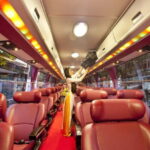
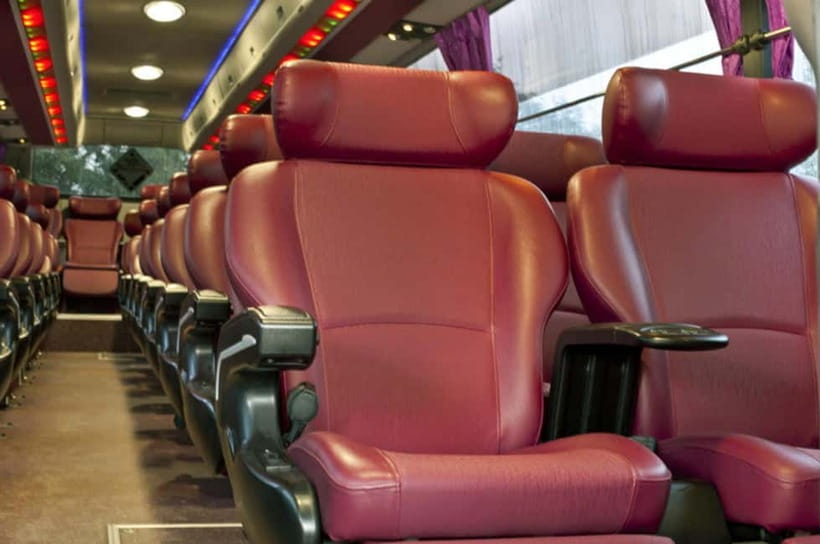
This tour highlight includes the modern sleeper bus experience on the new highway route between Hanoi and Sa Pa via Lao Cai. The big benefit is you arrive ready to start the day without burning a full day on roads.
Some people even mention optional “luxury sleeper” upgrades that offer more individual cabin comfort, and one note suggests those upgrades helped light sleepers. So if sleep is important to you, it’s worth considering the bus upgrade option when you book.
Either way, the sleeper bus is part of the “2-day” value because it replaces two separate travel days with one planned overnight segment.
Who this tour suits best
This 2-day Sa Pa homestay trek is ideal if you want:
- Real village time, including a night in Ta Van rather than a day-trip loop
- An active route with rice terraces and bamboo forest
- A guide who can explain what you’re seeing in English
- A travel style that blends transport, trekking, and local meals into one package
It’s not a great fit if you:
- Have mobility impairments or use a wheelchair (not suitable)
- Need fully accessible walking routes
- Have knee problems and don’t want downhill strain
- Want a strict hotel-style comfort level (homestay is basic)
Also, children under 6 aren’t suitable on this tour.
Should you book this homestay trekking tour in Sa Pa?
If your goal is to see Sa Pa as more than a viewpoint town, I’d book it. The combo of Muong Hoa Valley trekking, village stops, and a Ta Van homestay night is the sweet spot. For $64, you’re getting the guide, meals, a night with local families, and planned transport without having to stitch everything together yourself.
But if you’re extremely weather-sensitive, hate muddy trails, or need low-impact walking, you should think carefully. In fog and rain, the experience still feels worthwhile for the culture and daily life, but some of the best sightlines can soften.
If you want the best outcome: pack proper shoes, bring cash, and keep expectations grounded. You’re not buying a hotel vacation. You’re buying two days of walking with a mountain community—and that’s what makes it memorable.
FAQ
What’s the duration and when does it start?
The tour runs for 2 days. Starting times can vary depending on the option you choose, so you’ll want to check availability for the departure timing.
Is the sleeper bus between Hanoi and Sa Pa included?
A round-trip bus ticket between Hanoi and Sa Pa is listed as optional in the included details. The tour highlight also includes a modern sleeper bus experience via Lao Cai.
What’s included for meals?
You’ll receive 2 lunches, 1 dinner, and 1 breakfast during the 2 days. Drinks during meals are not included.
Where do I sleep, and what’s the homestay like?
You stay in a homestay in Ta Van village. Accommodation is basic with a single mattress, and the homestay provides clean water and fresh food.
What trekking gear should I bring?
You’re advised to bring hiking shoes, sunglasses, sunscreen, insect repellent, and cash.
Do I need to bring cash?
Yes. You should bring cash in Vietnamese Dong because banking systems in Sa Pa can be unreliable. US Dollars, Euros, and Australia Dollars are accepted.
Who should avoid this tour?
The tour is not suitable for children under 6, and it’s also not suitable for people with mobility impairments or wheelchair users.
Can I bring pets?
No, pets are not allowed.