REVIEW · HANOI
5 Traditional Dishes Hanoi Cooking Class with Market Trip
Book on Viator →Operated by Apron Up Cooking Class · Bookable on Viator
Your dinner starts in Hanoi’s market. This class pairs a smart Hanoi’s largest market shopping trip with hands-on cooking, and I really like the way you learn by doing rather than watching. I also like the practical payoff: you cook five dishes (pho bo, bun cha, nem ran, papaya salad, plus egg coffee or chocolate) and then eat the results with Vietnamese rice vodka. One possible drawback is the schedule is tight, so some components may be prepared in advance to keep the class moving.
In Hanoi’s Old Quarter, you meet your English-speaking chef, then the pace turns into a team sport. The instructors are often named in feedback—Perla, Vy, Emmy, Lynn, Coco, Bella, Sunny, Winnie, and Kim—and the common thread is clear step-by-step teaching with a fun, interactive vibe.
In This Review
- Key Things I’d Bet You’ll Care About
- Old Quarter Start at 8 P. Gia Ngư: How the Class Gets You Oriented Fast
- Hanoi’s Largest Market Trip: Buying the Right Ingredients Teaches You the Flavor Logic
- Cooking 5 Traditional Dishes: The Pace, the Stations, and the Skill Mix
- Vegetarian Version and Non-Red Meat Adjustments
- Pho Bo and Bun Cha: Learning Hanoi’s Signature Comfort Foods
- Nem Ran and Papaya Salad: The Hands-On Texture and Balance Lessons
- Egg Coffee (or Chocolate) Plus Rice Vodka: Eating Like You Mean It
- Small Group Dynamics: Why Max 10 Travelers Matters
- Price and Value: Is $35.07 Worth It in Hanoi?
- Who Should Book This Class (and Who Might Skip It)
- Tips Before You Go: Get the Most Out of the Market-to-Meal Flow
- Final Verdict: Should You Book This Hanoi Cooking Class?
- FAQ
- Where is the meeting point for this cooking class?
- How long is the cooking class and market trip?
- What dishes are included in the class?
- Is there a vegetarian option?
- Are rice vodka and coffee included?
- Is hotel pickup and drop-off included?
- Do you get anything to take home?
- What is the group size limit?
- What is the cancellation refund rule?
Key Things I’d Bet You’ll Care About
- Market shopping is part of the lesson, not a quick photo stop.
- Five-dish menu covers the mix of soup, noodles, fried snacks, salads, and Hanoi-style coffee.
- Small groups (max 10) keep the class practical and hands-on.
- Dietary flexibility: vegetarians and non-red-meat eaters learn a vegetarian version.
- You eat what you cook, with coffee/tea and Vietnamese rice vodka included.
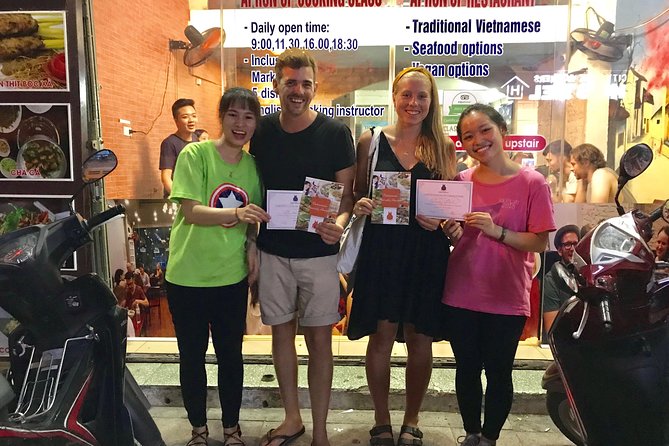
- You leave with a cookbook and certificate, so it’s more than just a one-night meal.
Old Quarter Start at 8 P. Gia Ngư: How the Class Gets You Oriented Fast
Most Hanoi food days start with a plan, and this one starts with a point on the map: 8 P. Gia Ngư, Hàng Bạc, Hoàn Kiếm (then you’re back there at the end). That simple “meet and return” structure matters because you’re spending your energy on cooking, not coordinating logistics across the city.
The class lasts about 3 hours 15 minutes. That’s long enough to shop, cook, and sit down, but short enough that you’ll feel the momentum from the first minute. The group is capped at 10, which is a big deal in a cooking class—more hands mean more waiting, and fewer hands means everyone gets called up to the station.
You’ll also want to know what isn’t included: there’s no hotel pickup or drop-off. If you’re staying in the Old Quarter, that’s usually convenient. If you’re farther out, you’ll want to budget a little travel time to reach the meeting point.
You can also read our reviews of more tours and experiences in Hanoi.


Hanoi’s Largest Market Trip: Buying the Right Ingredients Teaches You the Flavor Logic
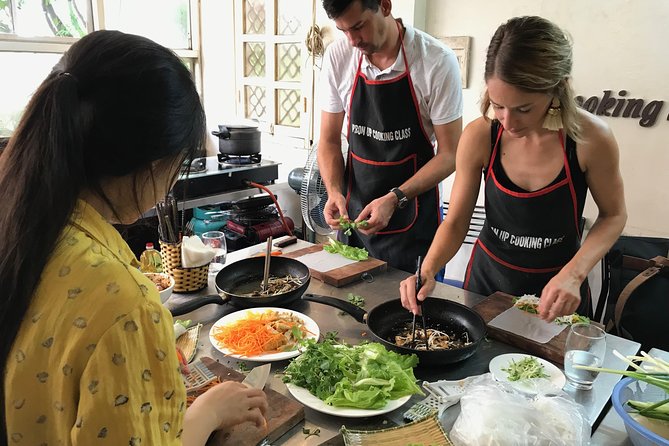
After meeting your instructor in the Old Quarter, you head to Hanoi’s largest market. This is where the class becomes more than dinner entertainment. Instead of learning recipes as a list, you learn why ingredients matter—how produce ripeness affects a salad, how herbs change aroma, and how spice choices steer the final taste.
The market portion is also practical for what you’ll actually do later. When you select items yourself—rather than having them handed over—you build a mental shopping guide for your next attempt at these dishes at home. You’ll also see how Vietnamese cooking leans heavily on fresh herbs and balanced seasoning, not just heat.
A small caution: market navigation can feel chaotic if you’re sensitive to crowds or close quarters. The class is organized, but you’ll still be walking through a real market environment with real smells and real movement.
Cooking 5 Traditional Dishes: The Pace, the Stations, and the Skill Mix
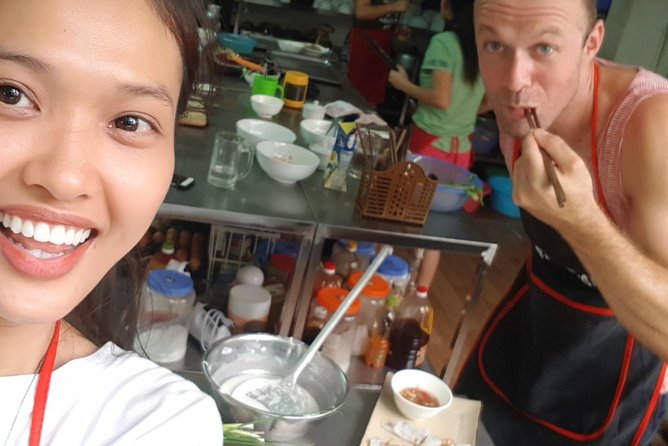
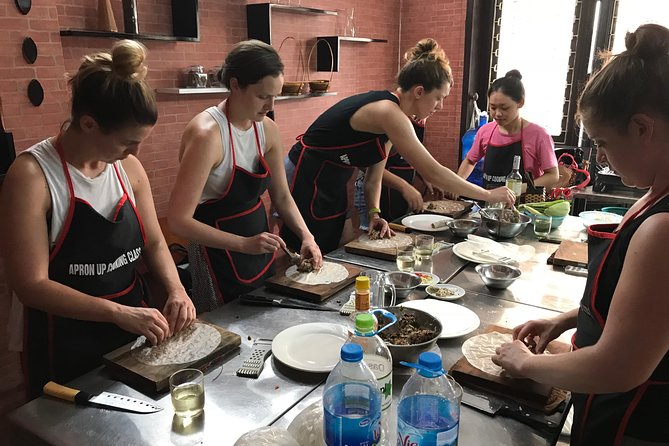
Back at the studio, you cook several authentic dishes and eat together. The menu is clearly set: Pho bo (beef noodle soup), Bun cha (Hanoi BBQ pork noodle), Nem ran (fried spring roll), papaya salad, and egg coffee/ chocolate.
What makes this format useful is the mix of skills:
- Soup and noodles teach broth-building and how seasoning travels through liquid.
- Bun cha brings a smoky, grilled component into the noodle bowl world.
- Spring rolls focus on wrapping and frying technique.
- Papaya salad emphasizes freshness and tangy-salty-sweet balancing.
- Egg coffee (or chocolate) gives you a Hanoi dessert-style finish.
Because it’s only about 3 hours 15 minutes, you may not do every single prep step from scratch. Some feedback points out that certain parts—like cooking one component—may be handled so you still stay active and the whole meal lands on time. That’s not a deal-breaker; it’s the tradeoff for fitting five dishes into one session.
The good news: the instruction is designed to keep you participating at key steps, and multiple instructors are praised for clear English and interactive guidance.
Vegetarian Version and Non-Red Meat Adjustments
If you’re vegetarian or you don’t eat red meat, you still join the full class experience. You’ll learn vegetarian versions of the menu dishes. That’s important because it means you’re not just sitting out while others cook.
Pho Bo and Bun Cha: Learning Hanoi’s Signature Comfort Foods
Let’s start with the big comfort classics.
Pho bo (beef noodle soup) is more than noodles and broth. You’re learning the foundation of Vietnamese soup: how hot liquid carries seasoning, how the beef flavor becomes part of the overall taste, and how the balance stays clean instead of heavy. Even if you don’t cook every prep element yourself, you’ll leave with a clearer sense of what makes pho taste like pho.
Bun cha (Hanoi BBQ pork noodle) brings a different logic. The dish is built around contrast: grilled or BBQ-style pork character, noodles, fresh herbs, and a sauce that ties it together. In a class like this, you’ll also learn how these components are timed so they come out together. That’s a real-world cooking skill—because at home, the hardest part isn’t the recipe, it’s timing.
One practical heads-up: some parts may be prepared for you to hit the class schedule. So if you’re hoping to grind every component from zero, set expectations. You’ll still learn the structure and the key flavor decisions.


Nem Ran and Papaya Salad: The Hands-On Texture and Balance Lessons
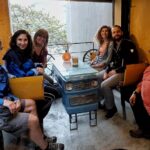
Nem ran (fried spring roll) is where hands-on work shines. Fried foods are unforgiving, and spring rolls give you a strong lesson in wrapping and cooking technique. You’ll see how small choices influence texture—thicker wrapping can change how crispness lands, and heat control matters for color and crunch.
Then you get papaya salad, which is a whole different kind of cooking lesson: balance. A papaya salad is all about the push-pull between tang (from sour elements), sweetness, saltiness, and herb perfume. In class settings, the biggest takeaway usually isn’t just the ingredient list—it’s how you judge flavor while mixing, tasting, and adjusting.
This is also a dish where vegetarian versions can translate nicely, since the core lesson is balancing dressing and freshness rather than relying on meat flavor.
Egg Coffee (or Chocolate) Plus Rice Vodka: Eating Like You Mean It
After cooking, you sit down and enjoy what you made. Coffee and/or tea are included, and you’ll also have Vietnamese rice vodka with the meal.
This is a smart pairing for two reasons:
- It makes the class feel like a complete experience, not a half-finished workshop.
- It gives you a chance to taste how the dishes work as a set—soup comfort, BBQ noodle satisfaction, crunchy spring rolls, tangy salad, and then the sweet finish.
Egg coffee is a classic Hanoi move, and the menu also offers egg coffee or chocolate. That’s helpful if you want to avoid coffee flavors or if you simply prefer something sweeter and milder.
If you’re watching your drinking, you can still treat the rice vodka as a tasting element. It’s included, but the main point is the meal and the learning.
Small Group Dynamics: Why Max 10 Travelers Matters
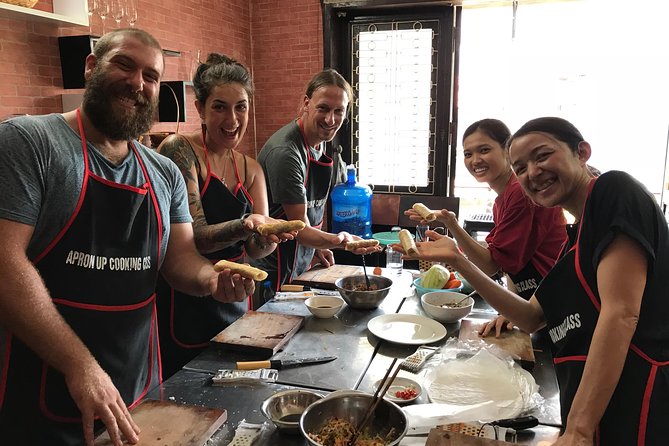
When a cooking class caps at 10, your experience stays active. You’re not stuck waiting for a turn with the wok or a cutting board. You’re also more likely to get direct help when you hit a snag.
Feedback repeatedly highlights this kind of class rhythm—people mention interactive cooking, working in small teams, and instructors who keep everyone moving. The same feedback also mentions that multiple dishes are happening at once, which is part of the excitement and part of the reason some steps may be handled by staff.
If you do best with structure and support, this size is a plus. If you prefer a slower, one-dish-per-hour format, you might find the pace fast—but that’s the tradeoff for fitting five dishes into the session.
Price and Value: Is $35.07 Worth It in Hanoi?
At about $35.07 per person, you’re paying for a lot of components packed into 3+ hours:
- a market trip with an English-speaking chef
- ingredients and cooking for five traditional dishes
- coffee/tea and Vietnamese rice vodka
- a cookbook and certificate
In Hanoi, you can certainly eat well for less. But cooking classes are different: you’re buying instruction, ingredient selection guidance, and a meal that you make yourself. That value jumps when you’re staying only a short time and want a high-impact food experience without extra planning.
The other value factor is group size. A max-10 class means you’re not paying for a big crowd experience where half the time disappears into waiting.
Who Should Book This Class (and Who Might Skip It)
This is a strong fit if you:
- want a hands-on way to understand Hanoi food
- like learning with tasting and practical guidance
- want a structured dinner plan without extra research
- appreciate a small-group class atmosphere
You might consider a different option if you:
- hate fast pacing and prefer slow, step-by-step teaching for one dish at a time
- are extremely picky about hygiene. One piece of feedback flagged hygiene concern, so if that’s a deal breaker, ask the instructor how the cooking area and ingredients are handled and use your own judgment.
Tips Before You Go: Get the Most Out of the Market-to-Meal Flow
A few practical moves will make your session smoother:
- Bring a good appetite. The class is designed so you eat what you cook, and portions add up.
- If you have dietary restrictions or allergies beyond vegetarian needs, mention them clearly before you arrive. Feedback includes notes about dietary adjustments.
- Wear shoes you can stand in for a while. Market walking and studio time both involve moving.
- Expect multiple stations and simultaneous cooking. It’s part of how they manage five dishes in one sitting.
And here’s the simple strategy I’d use: pay attention in the market, then focus on technique during cooking. If you do that, the cookbook won’t just be something you own—it’ll be something you actually use later.
Final Verdict: Should You Book This Hanoi Cooking Class?
I’d book this if you want one memorable night in Hanoi that goes beyond eating. The market trip makes the food choices feel grounded, and the hands-on cooking of pho bo, bun cha, nem ran, papaya salad, and egg coffee (or chocolate) gives you a well-rounded taste of Hanoi.
If your top priority is slow, detailed instruction for only one dish, you might find the schedule brisk. But for most people, the tight timing is exactly what makes it feel efficient and fun—especially in a small group.
If you like the idea of shopping like a local and leaving with a cookbook you’ll actually want to cook from, this is one of the better-value ways to spend an evening in Hanoi.
FAQ
Where is the meeting point for this cooking class?
The tour meets at 8 P. Gia Ngư, Hàng Bạc, Hoàn Kiếm, Hà Nội 08404, Vietnam.
How long is the cooking class and market trip?
The duration is approximately 3 hours 15 minutes.
What dishes are included in the class?
The menu includes Pho bo (beef noodle soup), Bun cha (Hanoi BBQ pork noodle), Nem ran (fried spring roll), papaya salad, and egg coffee or chocolate.
Is there a vegetarian option?
Yes. Vegetarians and non-red-meat eaters learn vegetarian versions.
Are rice vodka and coffee included?
Yes. Coffee and/or tea are included, and rice vodka is included.
Is hotel pickup and drop-off included?
No. Hotel pickup and drop-off are not included, and the tour ends back at the meeting point.
Do you get anything to take home?
Yes. You receive a cook book and a certificate.
What is the group size limit?
The class has a maximum of 10 travelers.
What is the cancellation refund rule?
You can cancel for free up to 24 hours in advance for a full refund. If you cancel within 24 hours of the start time, there is no refund.