REVIEW · KANAZAWA
Kanazawa: Kenrokuen Tea Ceremony Experience
Book on GetYourGuide →Operated by 兼六亭 Kenrokutei · Bookable on GetYourGuide
Tea etiquette starts at a fountain. In Kanazawa’s Kenrokuen garden, the Kenrokutei tea room gives you a clear look at how a tea ceremony flows, step by step.
You watch a master perform the ritual, then you get time to join in and make matcha yourself.
I love two things most: the watch-and-do format (you don’t just stand there), and the chance to taste real wagashi sweets alongside matcha in a quiet setting. The room is removed from outside distractions, so the experience feels focused and calm.
One thing to plan for: this is held inside Kenrokuen, but the Kenrokuen entry fee (320 yen) is separate. Also, the tea room itself doesn’t show the garden, so you’ll want to see the views before or after.
In This Review
- Key Things I’d Block Time For
- Kenrokuen Kenrokutei: What This Tea Ceremony Really Means
- Meeting at the Fountain and Getting Oriented Fast
- The One-Hour Flow: Watch, Follow, Then Make Matcha
- 1) Historical and etiquette explanation
- 2) The master performs the ceremony
- 3) Your turn: learn to make matcha
- 4) Sweets and tasting
- 5) Photos and a calm wrap-up
- Where the Garden Fits In (And Where It Doesn’t)
- Price and Value: Why $35 Can Make Sense
- Who This Tea Ceremony Is Best For
- Small Practical Tips That Make It Smoother
- Book It or Skip It: My Take
- FAQ
- Where do I meet for the Kenrokuen tea ceremony?
- Is the Kenrokuen garden entrance fee included in the tour price?
- How long is the tea ceremony experience?
- Is the tea ceremony taught in English?
- Can I take photos during the tea ceremony?
- What is included in the $35 per person price?
- What is not included?
- Are there age limits?
- If I have trouble sitting on the floor, can I use a chair?
- What happens if I’m late to my reservation?
- Can I cancel and get a refund?
Key Things I’d Block Time For
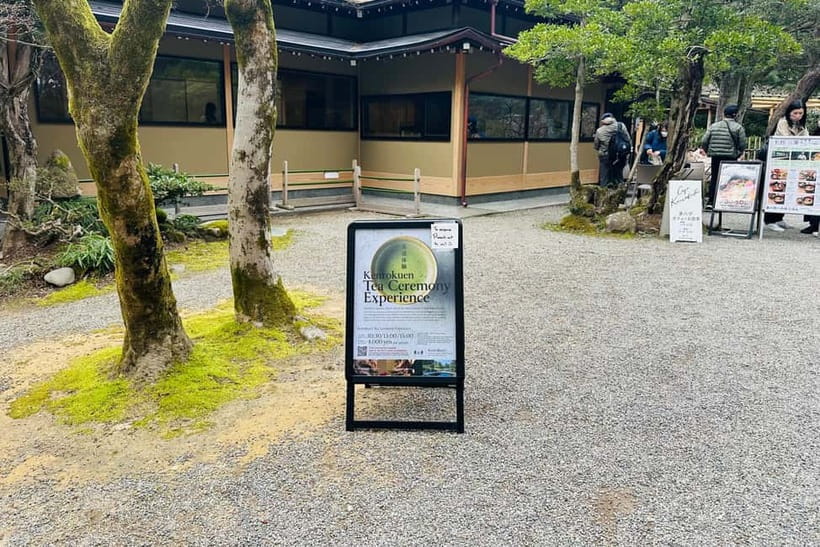
- Kenrokutei inside Kenrokuen Garden: you get a historic setting tied to Lord Maeda’s hospitality tradition
- Proper procedure, not just a demo: you’ll follow instructions for how to behave in the room
- Hands-on matcha making: you’ll whisk your own tea with help
- Wagashi sweets from a traditional confectioner: a few carefully chosen bites, not an afterthought
- English guidance throughout: explanations are built for non-Japanese speakers
- Photos allowed: you can capture the moment for your memory
Kenrokuen Kenrokutei: What This Tea Ceremony Really Means
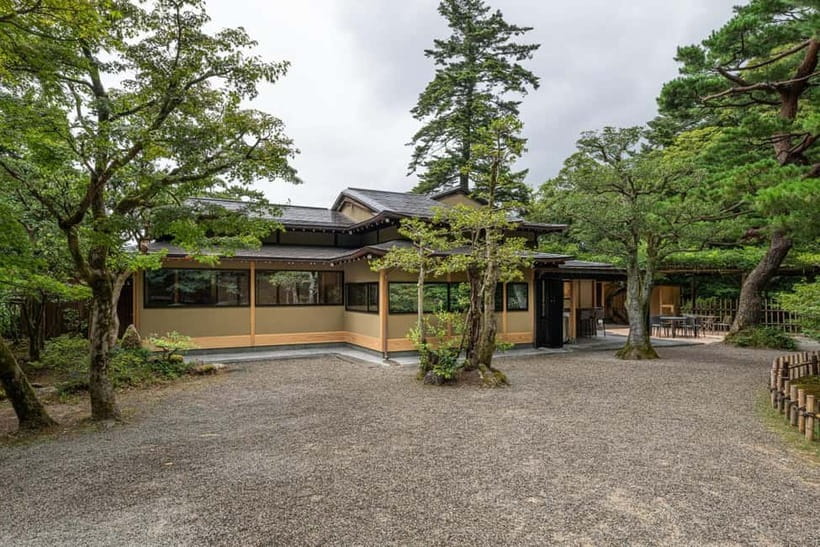
This experience is a practical slice of Japanese tea culture. It’s not a mystery ritual you’re supposed to guess at. You’re guided through the purpose of the steps, then you’re taught how to act so you can participate without feeling lost.
The setting helps. You meet at Kenrokutei, a historic tea place where important guests were entertained by Lord Maeda. That matters because the tea ceremony wasn’t made for spectacle. It’s about manners, pacing, and attention—down to how you hold utensils and how you respond to the host.
Inside the tea room, you’ll notice something important: it’s designed for focus. You don’t come here for scenery. You come here for the ritual itself. If you want the garden views, you’ll get them separately by exploring Kenrokuen before or after your tea time.
You can also read our reviews of more tours and experiences in Kanazawa.
Meeting at the Fountain and Getting Oriented Fast
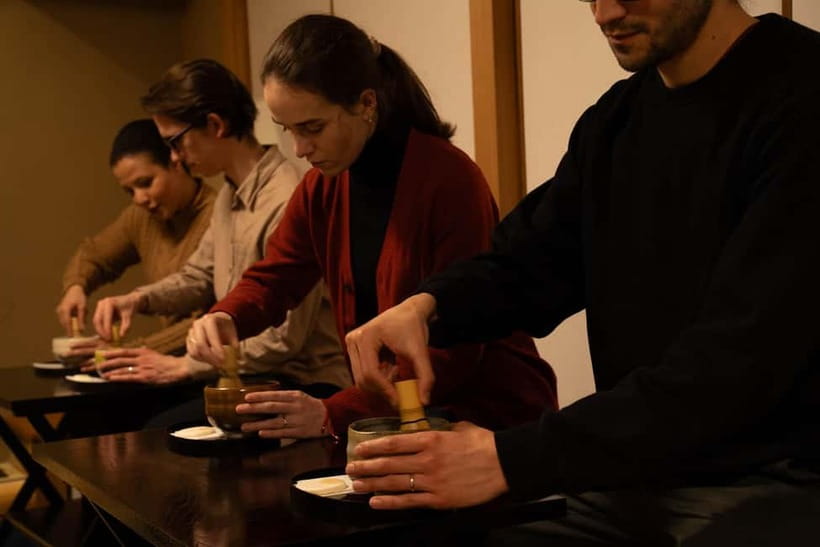
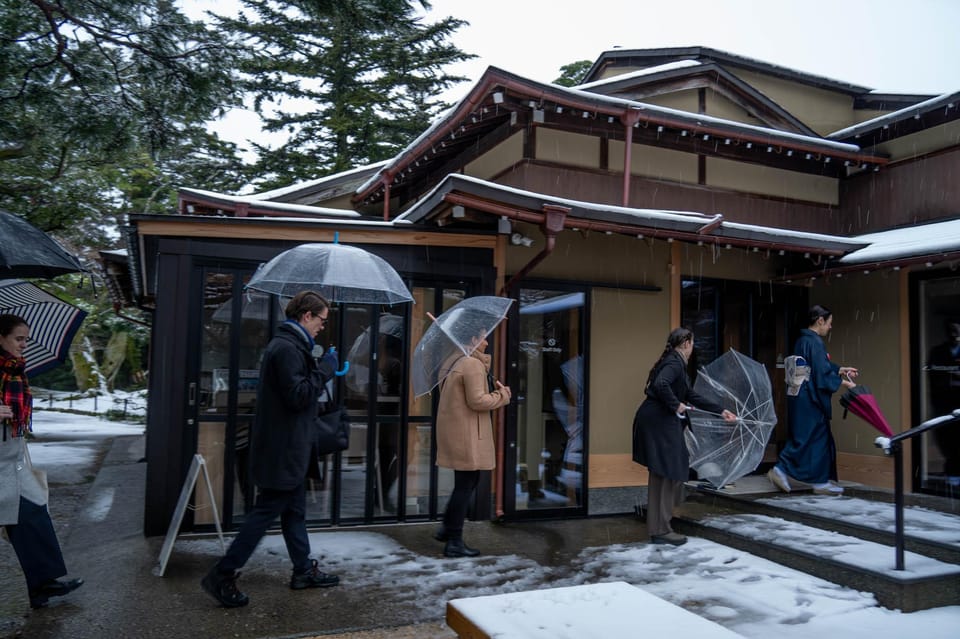
Your meeting point is in Kenrokuen Garden, at the fountain in front of Kenrokutei. It’s one of those locations that feels easy once you’re there, but you still want to arrive on time so you’re not rushing.
A couple details I’d take seriously:
- You should be punctual. If you arrive more than 10 minutes late after the start time, your reservation is canceled.
- This is held at the same time as other groups, and the event is meant to be quiet and enjoyable.
In practice, that means you’ll likely feel the group atmosphere: calm, not silent, but respectful. There’s also an option if floor seating is tough. You can request a chair if you have difficulty sitting on the floor, which makes this much more comfortable than many traditional-style experiences.
The One-Hour Flow: Watch, Follow, Then Make Matcha
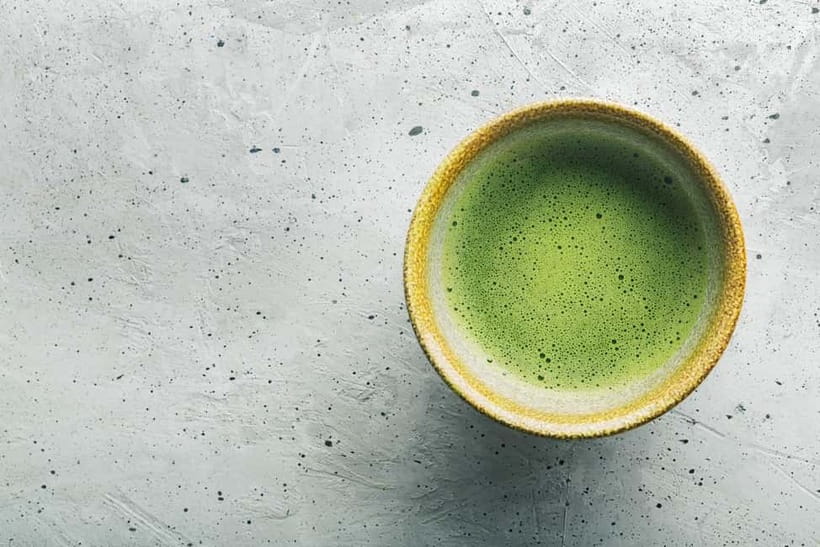
The experience runs about 1 hour, and it’s structured so you don’t lose the thread. Here’s how it typically unfolds.
1) Historical and etiquette explanation
You’ll start with an explanation of the way of tea—what the ceremony is trying to communicate, and how to behave in the room. The guide also provides context around the tradition. Some sessions include history that can reach back to periods like the Edo era, which gives the ritual more weight than matcha as just a drink.
This part is more than trivia. If you understand why people move carefully and speak softly, the ceremony stops feeling like a performance and starts feeling like a conversation with manners.
2) The master performs the ceremony
Then the master handles the full procedure. You’re seated with the group and you’ll follow along with what you’re seeing.
What I like about this format is that it’s structured for first-timers. You don’t have to know the terms in advance. You just need to listen and follow the cueing. Many guides are clear during the process, and people often say they felt relaxed once explanations connected each gesture to meaning.
3) Your turn: learn to make matcha
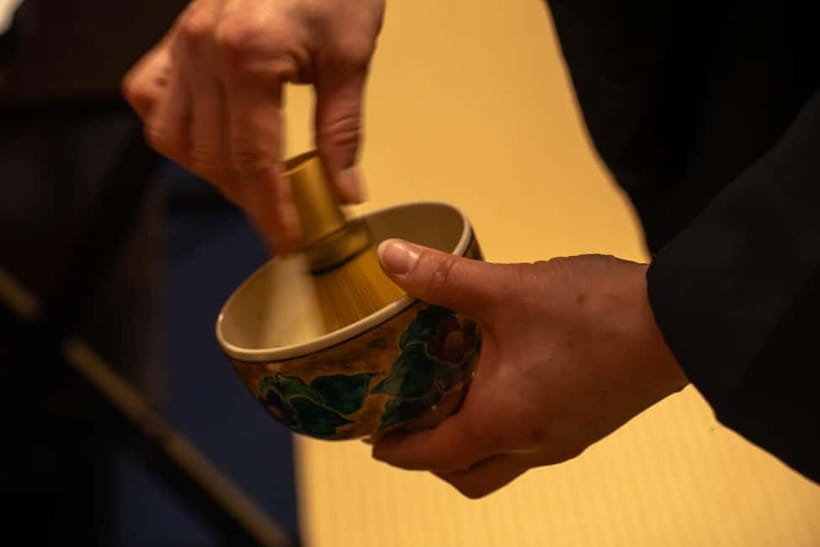
After you’ve watched the core flow, you’ll try making the tea yourself—with guidance. This is one of the biggest value points of the session.
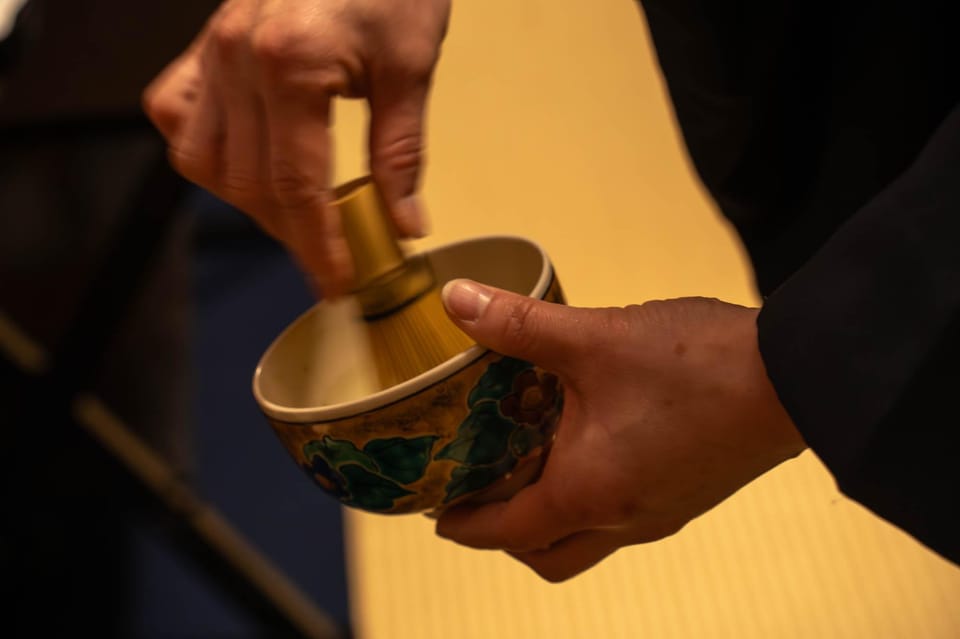
Matcha making looks easy until you’re holding the whisk and trying to get the right texture. You’ll feel that quickly. But the good news is you’re not thrown in alone. You’re helped, so the goal isn’t perfection. The goal is learning the method enough to appreciate what you’re tasting.
4) Sweets and tasting
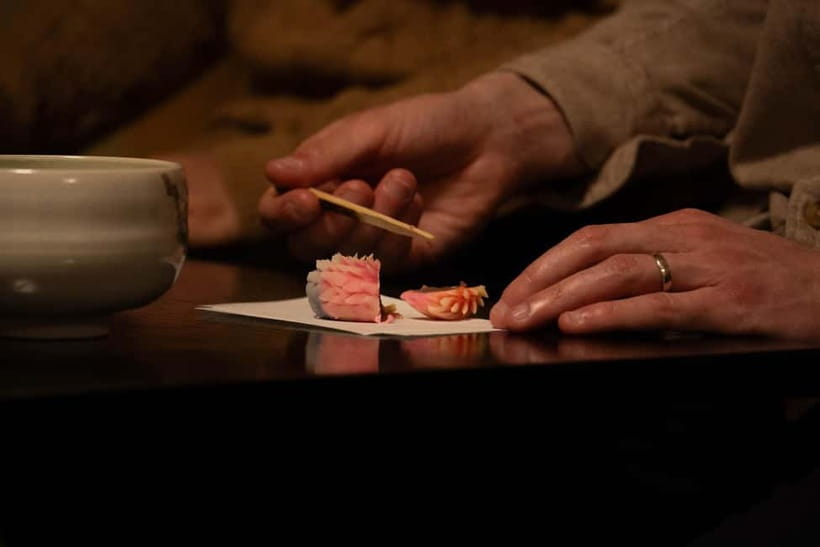
Wagashi sweets come as part of the experience, made by a well-regarded confectioner. You’ll taste a few traditional bites designed to pair with matcha.
This pairing matters because matcha isn’t always what people expect. If you’ve only had sweetened tea drinks, the ceremonial matcha can feel more direct and earthy. The sweets help balance that and make the flavor progression make more sense.
5) Photos and a calm wrap-up
Photos are allowed, so you can capture the moment without feeling like you’re breaking rules. The ceremony is also designed to be unhurried within that one-hour window, so you’re not usually left staring at the exit while your brain catches up.
Where the Garden Fits In (And Where It Doesn’t)
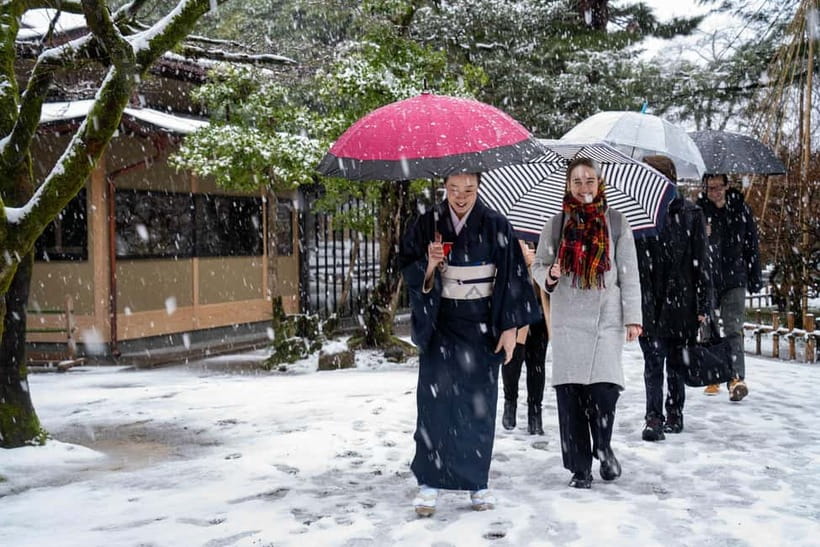
Kenrokuen is the reason you’re in Kanazawa, and the garden is absolutely worth your time. But here’s the practical catch: the tea room doesn’t provide a view of the garden.
So treat the experience like this:
- Visit Kenrokuen first, so the garden is still part of your day’s mood.
- Or visit it after the tea ceremony, when you’ll have more energy to walk around and enjoy the scenery.
Also, remember the garden entry fee is separate: 320 yen to enter Kenrokuen. Your tea ceremony ticket doesn’t include it.
That extra cost is the one part you can’t ignore when judging value. Still, it can be worthwhile because you’re using Kenrokuen twice in spirit—calm ritual inside, then nature outside.
Price and Value: Why $35 Can Make Sense
At $35 per person for a one-hour English-guided tea ceremony, you’re paying for more than matcha and a seat.
Here’s what you actually get:
- The ceremony experience itself (with guidance)
- Japanese sweets (wagashi)
- A photograph
- Time to both watch and participate in matcha making
A key value point is the balance between depth and time. Many full tea ceremonies can stretch for hours. This one is built to deliver the core ritual and etiquette clearly in about an hour. You get the “how it works” experience without committing a huge chunk of your day.
If you love structured cultural activities—ones where you learn meaning, not just “do this and drink that”—this price is easier to justify. If you only want garden photos and casual sightseeing, it may feel like less of a priority.
Who This Tea Ceremony Is Best For
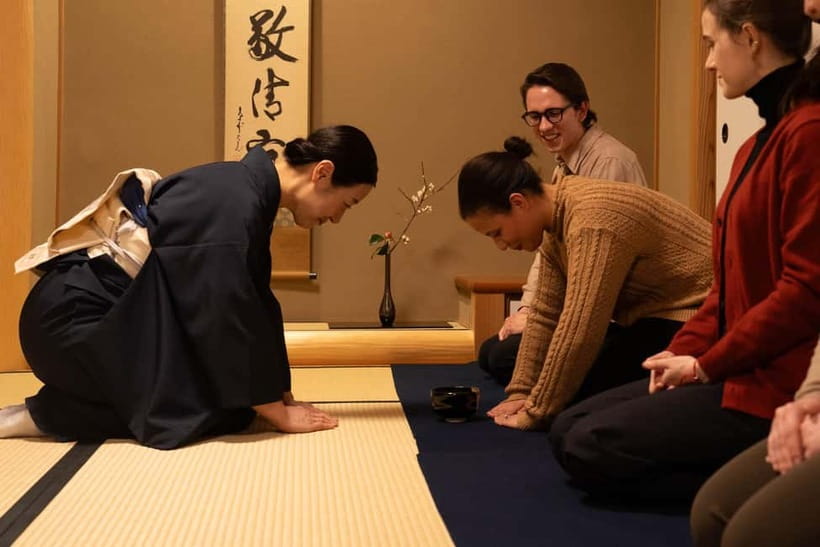
This is a strong fit if:
- You’re curious about Japanese etiquette and want to know what you’re doing and why
- You like calm, seated cultural experiences with clear instruction
- You want a hands-on activity (making matcha) rather than a passive show
- You appreciate matcha enough to want to try it properly
It’s a weaker fit if:
- You want the tea room itself to be a scenic viewpoint (it isn’t)
- You’re bringing children under 8. The activity is only for ages 7 and older, and it’s marked not suitable for children under 8.
For people with seating limits, the chair option makes a difference. If kneeling on the floor is a problem for you, request the chair ahead of time when possible.
Small Practical Tips That Make It Smoother
A few things that can help you get more out of the ceremony:
- Plan your garden time around it. Since you won’t see Kenrokuen from the room, your walking time matters.
- Arrive early enough to be calm, not rushed. The 10-minute lateness rule is real.
- Watch your posture and pace during the ceremony. The whole experience is about deliberate movement, and the guide will cue you if you need help.
- If you’re worried about language barriers, English instruction is included. Translation into other languages is possible, but it requires a private reservation so the main group experience stays quiet.
Book It or Skip It: My Take
I’d recommend booking this tea ceremony if you want a focused, well-paced introduction to Japanese tea culture in a historic setting. The combination of watching the master, getting instruction, making matcha yourself, and tasting wagashi is exactly the kind of experience that turns a “nice activity” into a memory you can explain later.
Skip it only if your top priority is garden scenery from inside the room, or if you’re traveling with children under 8. Also, factor in that Kenrokuen entry fee separately, so your total day cost is really the ceremony ticket plus 320 yen.
If you’re doing Kanazawa justice, this is an easy cultural win.
FAQ
Where do I meet for the Kenrokuen tea ceremony?
Meet in front of the fountain inside Kenrokuen Garden. Your meeting place is Kenrokutei.
Is the Kenrokuen garden entrance fee included in the tour price?
No. You need to pay the Kenrokuen entry fee separately (320 yen). This activity ticket does not include it.
How long is the tea ceremony experience?
The duration is 1 hour.
Is the tea ceremony taught in English?
Yes. The instructor provides instruction in English.
Can I take photos during the tea ceremony?
Yes. You are allowed to take photographs to keep a memory of the moment.
What is included in the $35 per person price?
Included are the tea ceremony, sweets, and a photograph.
What is not included?
Kenrokuen entry fees are not included.
Are there age limits?
Participants must be aged 7 years old or older. The activity is not suitable for children under 8.
If I have trouble sitting on the floor, can I use a chair?
Yes. You can request a chair for the tea ceremony if you have difficulty sitting on the floor.
What happens if I’m late to my reservation?
If you arrive more than 10 minutes late after the starting time, your reservation will be canceled.
Can I cancel and get a refund?
Yes. Free cancellation is available up to 24 hours in advance for a full refund.