REVIEW · TOKYO
Tokyo: Fast & Furious Tokyo Drift III Experience
Book on GetYourGuide →Operated by Tokyo Turismo Ltda · Bookable on GetYourGuide
Tokyo at night gets loud in the best way. This Fast & Furious-style JDM run threads together real car meets and Tokyo icons on one 3–4 hour loop, from Daikoku PA to Tokyo Tower and Shibuya energy. I love the fact that the night is built around actual enthusiast stops, not just photo spots, and I love that you ride in high-performance cars with drivers who know the flow of traffic. One thing to consider: it’s not private, and you can’t count on picking a specific car—availability depends on what’s on hand that night and who’s driving.
You’ll meet your driver at one of two starting points and then set off with a fleet big enough to feel like a rolling event. A lot of riders rave about the host energy and the driving confidence—names that come up include Joji and Enes, plus guides like Hiro, Marcelo, Taiga, Ken, Akira, and Sato—because the night usually feels organized and exciting. The tradeoff is that it’s shared with other passengers and there are stops where time can be tighter if the group has to split across a couple of rides.
In This Review
- Key Highlights You Shouldn’t Skip
- A $150 Tokyo Night Built Around JDM Culture
- Meeting Points and the Shared-Tour Reality (Read This Part Carefully)
- Daikoku PA: The Free-Entry Car Meet Moment
- A-PIT Autobacs: Shopping Like a Local (30 Minutes Means Choose Wisely)
- Rainbow Bridge and Tokyo Bay Views You Can Actually Feel
- Tokyo Tower or Shibuya Crossing: Picking Your Skyline Mood
- The Driving: Thrill, Control, and What the Reviews Indicate
- Cars You Might Ride: The Dream List (With a Reality Check)
- Midnight Run Option: Faster Night, Less Sightseeing
- Price, Value, and How to Get the Best 3–4 Hours
- Who Should Book This Tour (And Who Should Skip It)
- Should You Book Tokyo Fast & Furious Tokyo Drift III?
- FAQ
- FAQ
- How long is the Tokyo Drift III experience?
- How much does it cost?
- Where do I meet the guide?
- Is hotel or Airbnb drop-off included?
- Do I get to pick the exact car I ride in?
- Is there an entry fee for the Daikoku Parking Area car meeting?
- How long do we stop at A-PIT Autobacs?
- Does the tour include Rainbow Bridge and Tokyo Tower?
- What languages are available for the guide or driver?
- What should I bring, and is it safe for everyone?
Key Highlights You Shouldn’t Skip
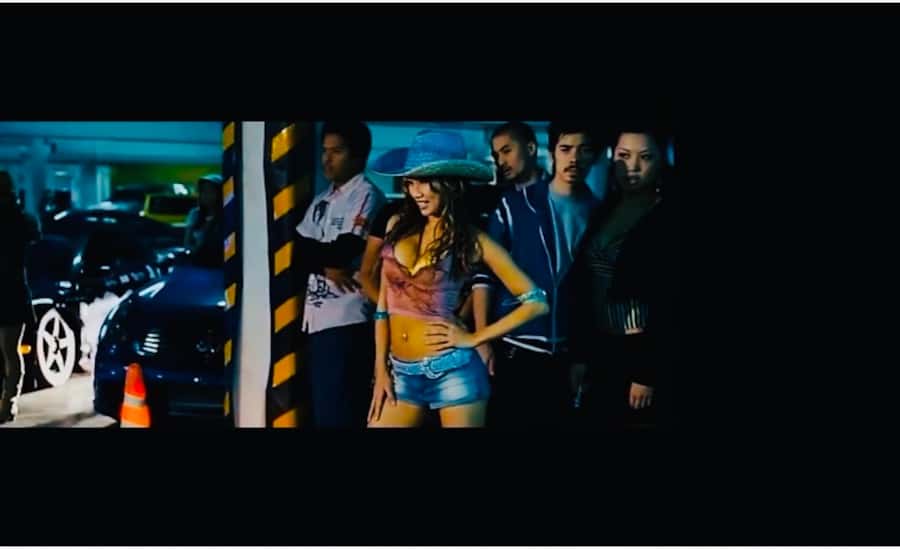
- Daikoku Parking Area car meeting with free entry and that late-night “Tokyo car scene” vibe
- A-PIT Autobacs Shinonome shopping stop for around 30 minutes at one of Tokyo’s biggest car-supply stores
- Rainbow Bridge photo timing for Tokyo Bay and Odaiba views before the night peaks
- Tokyo Tower or Shibuya-focused moments for skyline atmosphere (varies by option and route flow)
- English/Portuguese/Spanish/Japanese/Tagalog driver support so you’re not stuck guessing
- Free hotel/airbnb drop-off anywhere inside Tokyo’s 23 wards
A $150 Tokyo Night Built Around JDM Culture
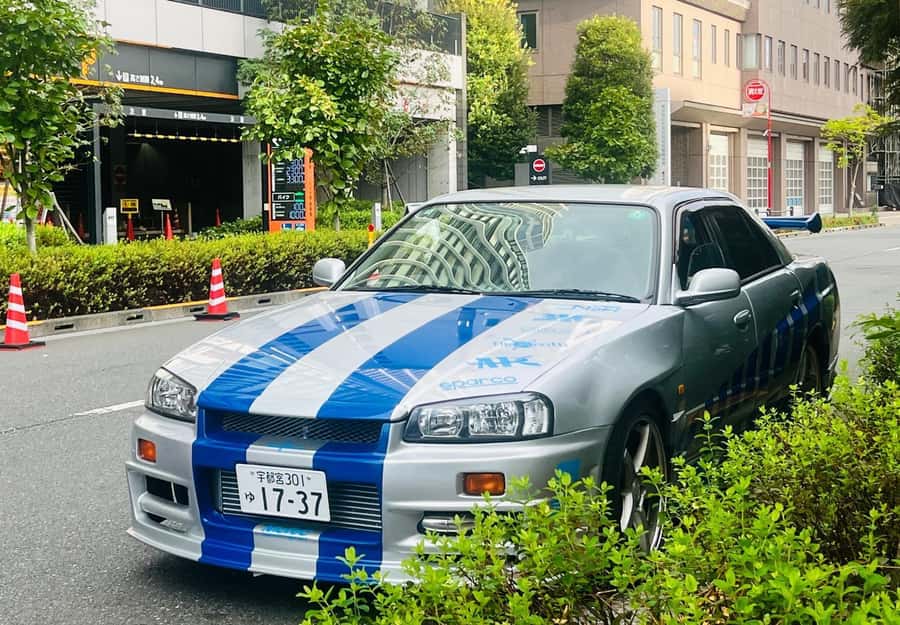
Let’s talk value first. At $150 per person for roughly 3–4 hours, you’re paying for three things: an efficient night route, transport in a performance car, and access to “insider-feeling” car culture stops like Daikoku PA and A-PIT Autobacs. Add fuel and tolls (included), plus a free drop-off back in central Tokyo areas, and it stops looking like a random sightseeing shuttle and starts looking like a ticket into a scene.
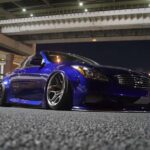
The tone of the night is pure car-enthusiast. You’re not just seeing Tokyo from a bus window. You’re riding through iconic stretches and then getting out around car people, where you’ll notice the details: modified cars, meet-hangout energy, and that specific Japanese mix of orderly organization with high horsepower.
If you’re expecting a slow, sightseeing-style pace, adjust your mindset. This is a night drive with planned stops. It’s more about movement and moments than lingering all over town.
You can also read our reviews of more tours and experiences in Tokyo.
Meeting Points and the Shared-Tour Reality (Read This Part Carefully)
You’ll choose one of the two start options:
- FamilyMart, Fujisoft – Akihabara Office
- Autobacs Shinonome
Show up at least 15 minutes early. They’ll tolerate delays up to 15 minutes, and there’s a strong “no one left behind” approach if something goes sideways—message them by WhatsApp if you have any trouble before the departure window.
Now for the shared-tour part that affects your experience: this is not private. The tour runs daily with a fleet that can be roughly 10 to 50 cars, and passenger seating is limited per ride. The data you’re given also notes that each driver only takes three people, so the group moves as a set of small car units rather than one enclosed group in one vehicle.
What this means for you: you’ll get a real night of Tokyo and car culture, but you may not get to control things like which exact car you ride in or how much time you spend in any one “front seat” position if your group is split across cars.
Daikoku PA: The Free-Entry Car Meet Moment
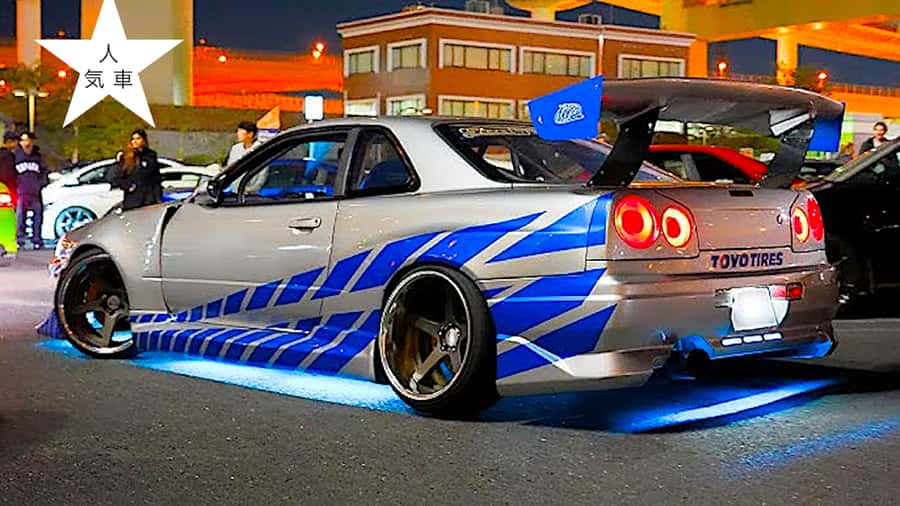
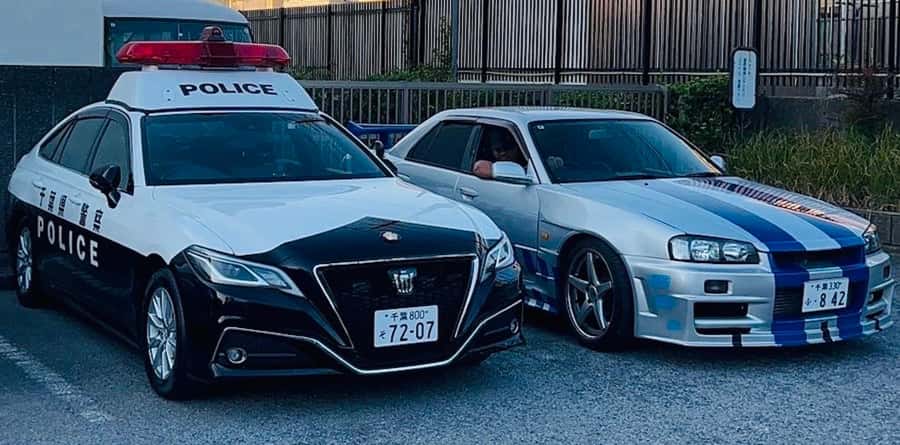
The heart of the night is Daikoku Parking Area. This is the stop where the whole tour earns its nickname. You arrive expecting big-city scenery, but what you get is a concentrated slice of Japanese enthusiast culture—cars lined up, people watching builds, and that late-night Tokyo feeling that feels cinematic even without trying.
Good to know: entry is free for the car meeting here. That matters, because it keeps the tour from feeling like you’re paying extra just to see the scene. You also get about 1 hour at this stop, which is long enough to walk, look closely, and take photos without feeling rushed.
Two practical tips:
- Bring your camera and plan to shoot at both angles—some of the best photos come from slightly farther back, not right up against cars.
- Keep an eye on your comfort. Walking around in the night, plus waiting for the group to regroup, can be cold depending on season.
A-PIT Autobacs: Shopping Like a Local (30 Minutes Means Choose Wisely)
After Daikoku, you’ll hit A-PIT Autobacs. The planned shopping window is about 30 minutes, and the key detail is that it’s positioned as a major car-supply store in Tokyo.
This is the stop for:
- Accessories or parts you can actually bring home
- Souvenirs that feel like they belong to the car world, not generic tokyo kitsch
- Just browsing what Japanese car shops stock for real enthusiasts
But 30 minutes goes fast. If you want to buy something specific, make a decision early. If you’re browsing, set yourself a simple mission: one category (like merch, tools, or small parts), then go.
If your group is split across cars, you’ll also want to stay close to your driver’s instructions so you’re not the person everyone has to wait for at the exit.
Rainbow Bridge and Tokyo Bay Views You Can Actually Feel
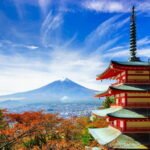
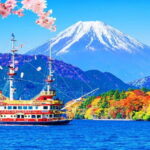
One of the tour’s most photogenic moments is passing over Rainbow Bridge. The payoff is the view over Tokyo Bay toward Odaiba. Even if you’ve seen Tokyo from other angles, this specific kind of crossing—night lighting + water + skyline—makes the city feel huge.
The way this works practically: you’re on the road, the views show up around the timing window, and then you move on. That means you don’t need to be a photographer to get good shots—you just need to be ready when your driver says the timing is on.
If you’re sensitive to car motion, bring that up in your head early. You’re in a performance car, and it’s a night drive. The view is worth it, but don’t treat this like a calm harbor cruise.
Tokyo Tower or Shibuya Crossing: Picking Your Skyline Mood
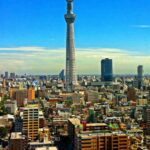
After the bridge and car-meet energy, the tour shifts into skyline mode. You’ll either get a Tokyo Tower photo stop with visiting and about 20 minutes of free time, or you’ll get Shibuya as a pass-by moment.
Tokyo Tower works well if you want:
- Classic skyline photos
- A bit of time to step out, look up, and reset
Shibuya as a pass-by is more about the vibe than long exploration. It’s still worth it because Shibuya at night feels like Tokyo turning up the lights and moving at warp speed. But you shouldn’t plan on using it as your main shopping or wandering district.
Also note the Midnight Run option can change what you see. If you choose a midnight-focused variation, sightseeing like Tokyo Tower and shopping like A-PIT may not be included, depending on the option you booked.
The Driving: Thrill, Control, and What the Reviews Indicate
This tour lives or dies by driving quality, and the names that repeatedly come up in the experience include Joji, Enes, Hiro, Marcelo, Taiga, Ken, Akira, and Sato. Riders describe drivers as attentive to comfort and confidence behind the wheel, with lots of emphasis on safety and control—even while still pushing the thrill.
Here’s what you should expect based on the provided details:
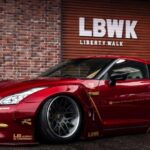
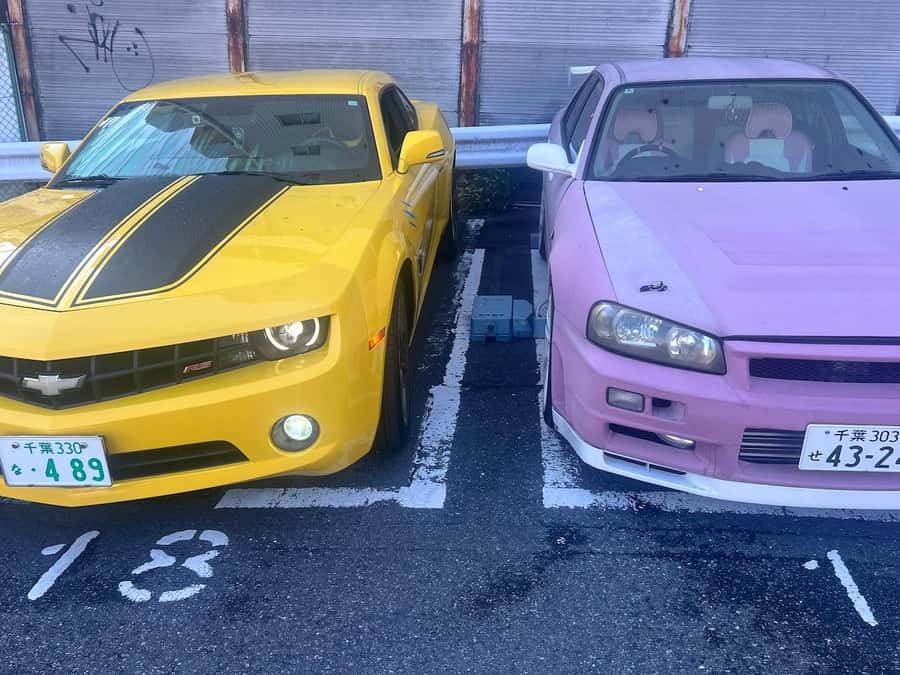
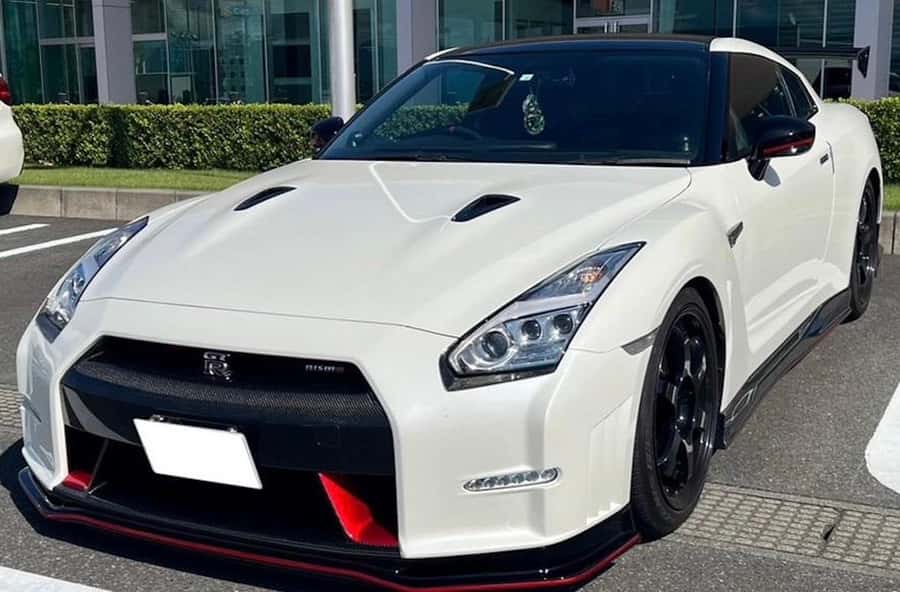
- You’ll ride in a fleet of performance JDM cars (the lineup can include vehicles like a Nissan GT-R Nismo described around 700 HP, GTR34/GTT34, Evos, Civic Type R, Lexus, Subaru STI, and multiple Nissan and Mazda models)
- Your exact car depends on what’s available and who’s driving that night
- The tour is designed for excitement, but not reckless chaos—drivers know the routes and prioritize passenger well-being
One useful detail: some drivers are more conversational than others, and language fluency can vary depending on the specific driver. English, Portuguese, Spanish, Japanese, and Tagalog are listed, but they also state they can’t guarantee fluency for every language (example languages named include German, Italian, French, and Arabic). In practice, basic English can work in many cases, but don’t plan on a deep personal interview with your driver in every situation.
A couple of practical notes that came through in the feedback:
- Traffic can affect how much high-speed or drifting you feel. You’re in Tokyo roads, not a closed track.
- Because it’s shared and includes multiple stops, the time at each spot can mean you don’t all experience the same “ride-front” moment equally. The tour still aims to make it fair, but the physics of shared cars and shared timing are real.
Cars You Might Ride: The Dream List (With a Reality Check)
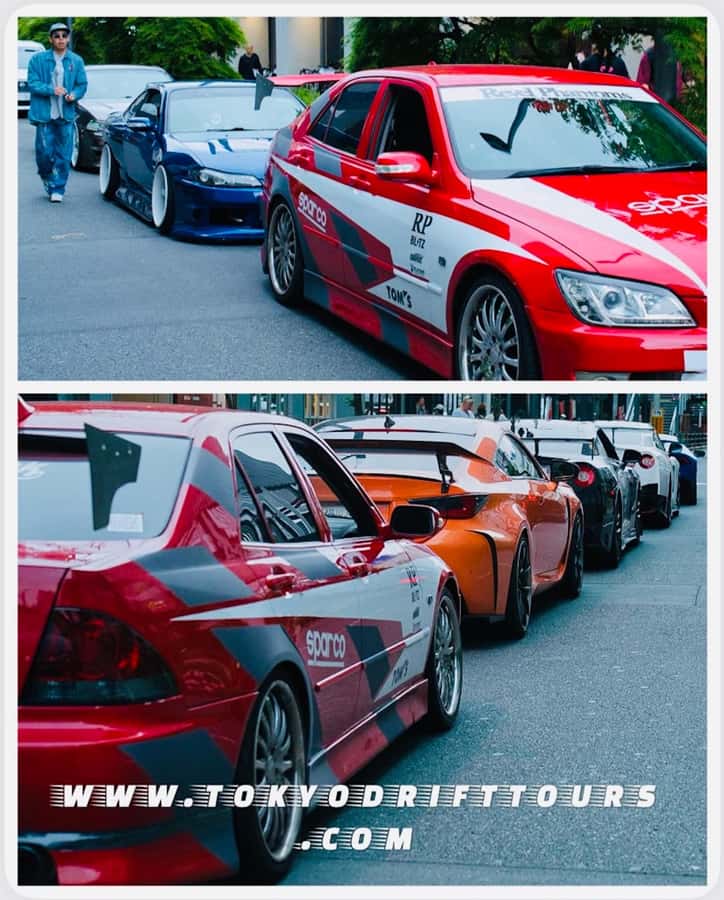
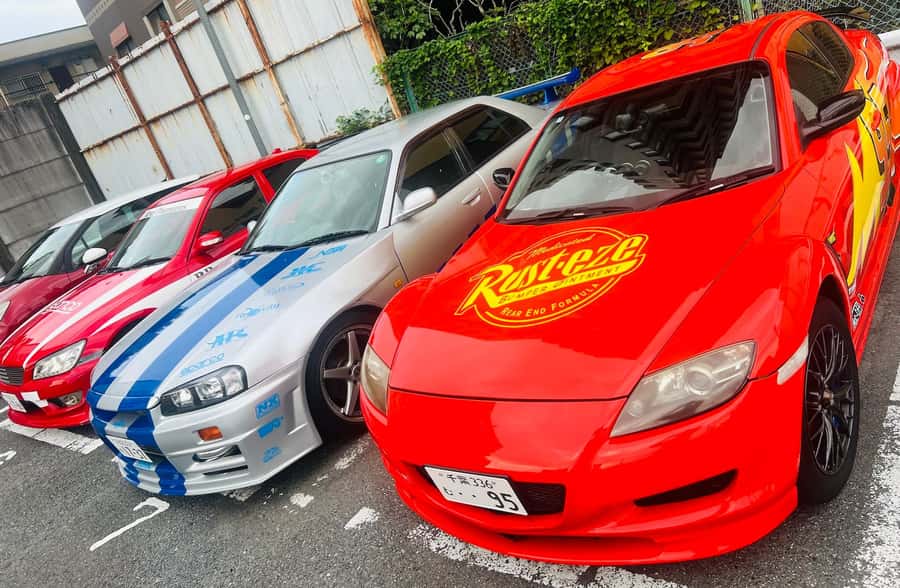
The tour advertises a serious dream lineup: names like Brian O’Connor Skyline 34, Evo 10, Evo 7, Civic Type R, GTR34/GTT34, Nissan GTR35-R Nismo 700 HP, GTR35 Black Carbon, plus RX-8, Subaru STI, and even “icon” style builds referenced in the info (like a Lighting MacQueen RX-8 concept and other named builds).
But there’s an important line in the info you should treat as gospel: you can’t request and guarantee a specific car. Availability depends on reservation date and daily driver/car conditions.
So how do you make this work for you? Go with a simple expectation:
- You’re buying the experience of the night route and the car-meet scene.
- Your exact car is a bonus if it matches your wishlist.
That mindset keeps you from leaving disappointed if your dream car isn’t on the lot that night.
Midnight Run Option: Faster Night, Less Sightseeing
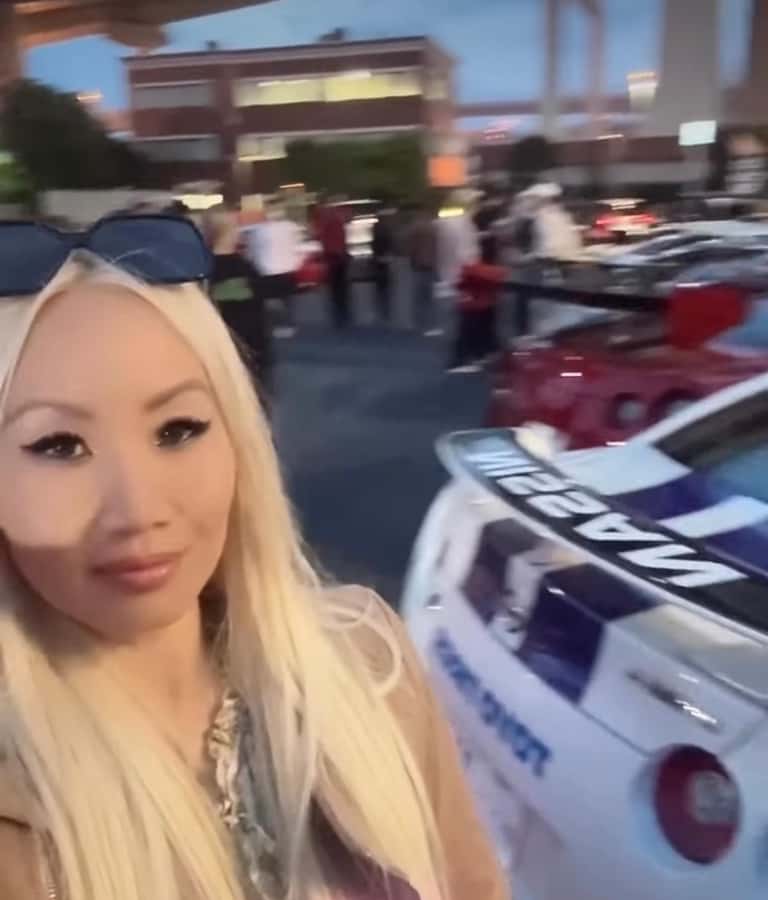
The info includes a Midnight Run option that focuses on the ride. It notes that this option can be no sightseeing (Tokyo Tower) and no shopping (A-PIT Autobacs).
If you want more car-time and less stop-time, the midnight variation sounds aligned. If you want your night to include both skyline time and the famous shopping stop, stick with the standard run.
In other words: choose based on what you’ll miss more—views and shopping, or pure driving and meeting vibes.
Price, Value, and How to Get the Best 3–4 Hours
Let’s make this practical so you maximize your night.
What you’re getting for the money:
- Iconic stops tied to Tokyo’s night energy: Rainbow Bridge, Daikoku PA, Tokyo Tower or Shibuya, plus the big car shop stop
- Fuel and toll fees included
- Drop-off inside Tokyo 23 wards included
- A driver team that’s set up for multiple languages (with real-world variability)
What you should do to get a better experience:
- Wear comfortable clothes and comfortable shoes. You’ll walk and regroup at night.
- Charge your phone and camera. At Daikoku and on Rainbow Bridge, you’ll want photos.
- Use WhatsApp notifications. The tour explicitly recommends activating them, especially if messages need to go out before departure.
- Don’t wait until the last second to find your start point. Meeting rules are time-based.
Also, keep a weather mindset. The info notes they run normally even when highways are closed or snowing, but weather can affect how many cars show up at the meet. That can change the visual “peak” of the car scene. Still, you’re generally not getting the same kind of empty tour you’d get with an operator that cancels everything when it’s messy.
Who Should Book This Tour (And Who Should Skip It)
This tour fits best if you:
- Love cars and want to see Tokyo through the lens of the JDM scene
- Want a night drive with scheduled stops that feel like a real event
- Appreciate organized chaos—car meets can be busy, but the tour is structured
- Want a quick, high-impact way to cover multiple iconic locations in one go
Skip it if you:
- Are pregnant or have heart problems, since the tour isn’t considered suitable for that
- Want a gentle, low-adrenaline sightseeing day
- Need guaranteed fluency in a specific language beyond what’s listed (the info says they can’t guarantee certain languages)
Should You Book Tokyo Fast & Furious Tokyo Drift III?
I’d book this if you’re the type who looks twice at modified cars and actually likes the idea of meeting places like Daikoku PA. The route makes sense for a first Tokyo night that still feels different from the usual walking-and-museum plan. And the included drop-off within Tokyo 23 wards, plus fuel and tolls, makes it feel more like a complete night out than a “transport-only” add-on.
I’d think twice if you need total control over which car you ride or if you’re expecting equal “front seat excitement” across stops. Because this is shared and timing depends on traffic and group flow, the experience will vary a bit from night to night.
If you go in with the right expectation—car culture as the main event—you’ll likely leave with the kind of Tokyo story people tell for years.
FAQ
FAQ
How long is the Tokyo Drift III experience?
It lasts about 3 to 4 hours.
How much does it cost?
The price listed is $150 per person.
Where do I meet the guide?
There are two start options: FamilyMart, Fujisoft – Akihabara Office, or autobacs Shinonome. The exact meeting point may vary depending on the option booked.
Is hotel or Airbnb drop-off included?
Yes. There is a free drop-off at accommodation inside Tokyo 23 wards.
Do I get to pick the exact car I ride in?
No. The info says they cannot guarantee a specific car because availability depends on your reservation date and daily driver/car factors.
Is there an entry fee for the Daikoku Parking Area car meeting?
No. Daikoku Parking Area entry is free.
How long do we stop at A-PIT Autobacs?
Shopping at A-PIT Autobacs is scheduled for about 30 minutes.
Does the tour include Rainbow Bridge and Tokyo Tower?
Rainbow Bridge is included as part of the route. Tokyo Tower is included in the standard version with a photo stop and free time, while the Midnight Run option can remove Tokyo Tower sightseeing.
What languages are available for the guide or driver?
Languages listed are English, Portuguese, Spanish, Japanese, and Tagalog.
What should I bring, and is it safe for everyone?
Bring a passport or ID card. It is not suitable for pregnant women or people with heart problems.