REVIEW · HOI AN
Cooking Class Hoi An:Local Market, Basket Boat, Fishing & Cooking
Book on Viator →Operated by Hoi An Cooking Class · Bookable on Viator
Hoi An has a way of turning food into a full-day adventure. This class strings together a Hoi An market stop, a bamboo basket boat ride in Cam Thanh, and a hands-on cooking lesson that leaves you with recipes. I love how organized the flow is, and I love that the chef teaches you how ingredients work together, not just what to do. One thing to consider: the boat and canal time can feel a bit like an activity day, and fishing results may vary by the conditions that day.
You’ll start with pickup in central Hoi An and have the option of morning or afternoon. Expect a small group (up to 12), a welcome drink, and bottled water, plus a meal that matches what you cook. My only caution is simple: if you’re expecting a long, heavy-duty fishing session, plan to treat the fishing part as a fun tryout rather than a guaranteed catch-fest.
In This Review
- Key things I’d plan around in this Hoi An cooking class
- The 4.5-hour rhythm: how the day keeps moving
- Meeting at Hội An Post Office and getting to the eco-area
- Hoi An market shopping: learning what to buy (and how to shop)
- Cam Thanh eco-village: nipa palms, gift-making, and bamboo basket boats
- Net fishing and purple crabs: what you’re trying, not what you’re guaranteeing
- Welcome drink, family-style meal, and the countryside reset
- The cooking lesson: how the chef teaches technique, not just recipes
- Eat what you make: why the meal feels like part of the lesson
- Recipes you can actually use at home
- Who should book this Hoi An experience
- Price and value: why $28.90 can make sense here
- Should you book this Hoi An cooking class?
- FAQ
- How long is the cooking class in Hoi An?
- Is pickup included?
- Do you offer morning and afternoon classes?
- How many dishes will I cook?
- Do I get to eat what I cook?
- What activities are included besides cooking?
- Is water included?
- What group size should I expect?
- Can I cancel for a refund?
Key things I’d plan around in this Hoi An cooking class
- Small group size (max 12) means more chance to ask questions while you cook.
- Market shopping first helps you understand what you’re buying and why.
- Cam Thanh bamboo basket boats are part sightseeing, part local tradition.
- Net fishing and purple crabs give you a hands-on canal experience.
- 4 cooking dishes, 8 foods to eat stretches your meal beyond the obvious.
- Recipes at the end help you cook again at home without guessing.
The 4.5-hour rhythm: how the day keeps moving
This experience runs about 4 hours 30 minutes, and you’ll choose a morning or afternoon time slot. Pickup is offered from central hotels, so you don’t have to worry about taxis or timing. After the lunch/dinner, you’re dropped back at the start point area.
What I like about this timing is that it avoids the usual “half day that drags.” You get outside time (boats and the canal), a structured ingredient phase (the market), and then the main event (the cooking). For a short trip to Hoi An, that’s a smart way to pack in variety without feeling chaotic.
You can also read our reviews of more tours and experiences in Hoi An.


Meeting at Hội An Post Office and getting to the eco-area
The tour starts at the Hội An Post Office area, which is a convenient anchor point for getting to and from central neighborhoods. Once you meet, you’ll move toward Cam Thanh’s eco-style surroundings, where a nipa palm setting sets the tone for the day.
The practical value here is that you’re not hunting for a random address. And because pickup is offered (for central hotels), you can keep the morning lighter if you prefer not to navigate Hoi An’s streets right at the start.
Hoi An market shopping: learning what to buy (and how to shop)
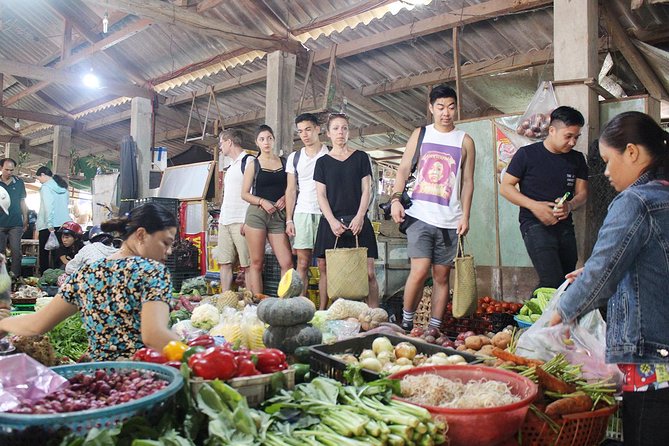
One of the best parts of this type of cooking class is the market stage. You’ll walk through Hoi An Market with your guide and learn how to pick ingredients used in Vietnamese cooking. You’re not just sampling things—you’re seeing what real shoppers look for.
In the kitchen, you’ll benefit from this because the chef can connect your choices to techniques and flavor logic. Several guides are described as good teachers here, including Chef Hai and LyLy, and the common thread is ingredient clarity: what a vegetable is, why it’s used, and how it behaves when cooked.
A quick reality check: the market portion is likely to be efficient rather than slow strolling. If you want a long market wander beyond ingredient shopping, you might still enjoy a bit of independent time before or after the class.
Cam Thanh eco-village: nipa palms, gift-making, and bamboo basket boats
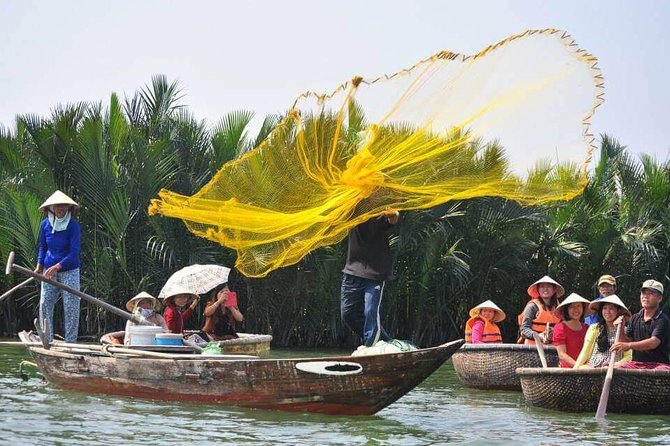
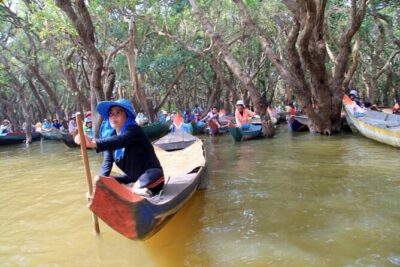
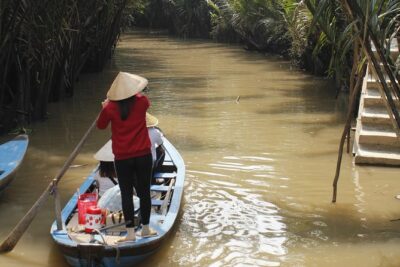
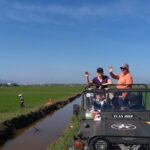
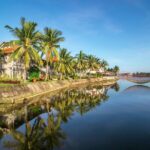
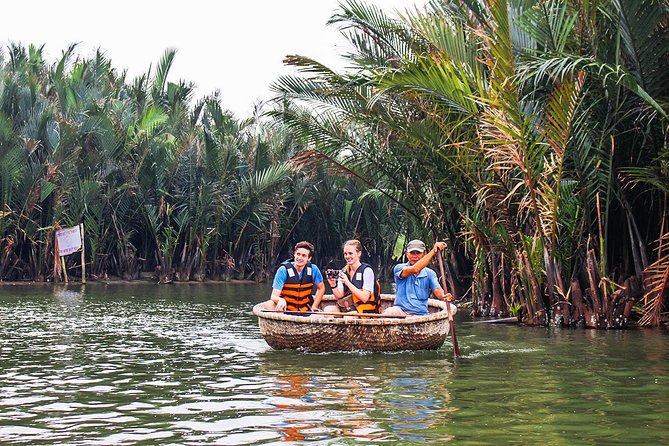
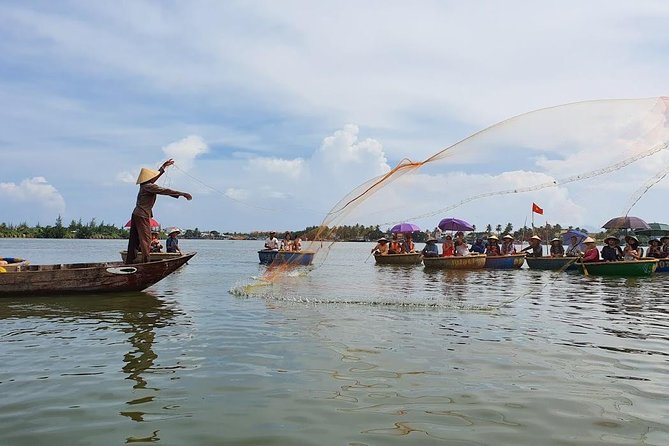
Cam Thanh’s eco-area is the “scene setter.” You’ll spend time around nipa palm forest settings and use bamboo basket boats to move through the water channels.
Beyond photos, the boat ride teaches you the shape of the landscape. You’ll get a feel for how these canals work and why locals developed water-based traditions here. Some parts of the experience also include handmade items made from nipa palm leaves—things like hats, watches, and rings—so you can take home a small reminder of where you spent your time.
The boat segment is fun, and it’s also a good pacing break before the cooking. Do note one fair concern: at least a couple people found the boat experience more tourism-friendly than deeply “hands-on” in fishing terms. If you go in expecting a major cooking curriculum plus a side of local scenery, you’ll likely be happy.
Net fishing and purple crabs: what you’re trying, not what you’re guaranteeing
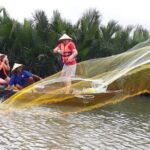
The canal activity is built around traditional net fishing and a tryout that includes “purple crabs.” You’ll throw a net and try your luck in the channel, guided by the team who runs the day.
Here’s the practical way to think about it: fishing is weather and water dependent, and not every day produces the same results. One key consideration is that even when the activity is described as fishing, it may lean more toward “learn and try” than “everyone hauls in dinner.”
If you’re okay with that mindset, this part is genuinely memorable. It adds a physical connection to the day, and it makes the meal feel earned rather than simply ordered.

Welcome drink, family-style meal, and the countryside reset
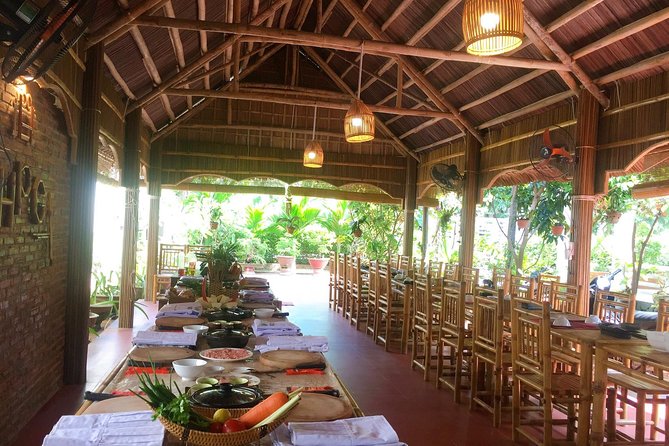
Before the cooking starts in earnest, you’ll have a welcome drink at a family restaurant by bamboo housing style, in a countryside setting. You also get bottled water, which is a small detail that matters when you’re out in the sun and moving between locations.
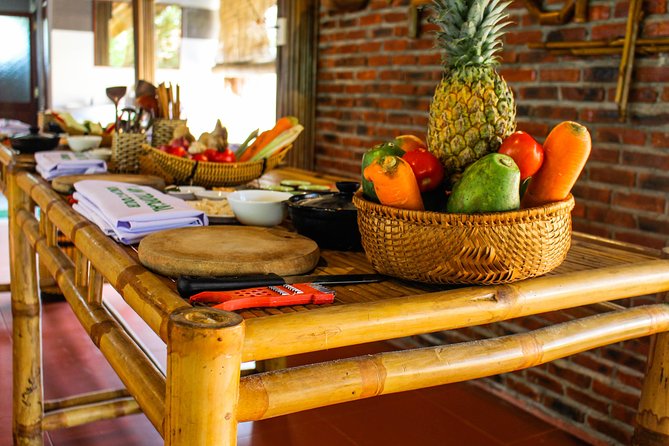
This reset matters because it shifts you from “tour mode” to “food mode.” After market walking and boat time, you’re not just hungry—you’re ready to cook. You’ll also eat what you prepare, and the class is described as delivering 4 cooking courses and 8 Vietnamese foods total, which means the meal is larger than a simple “one plate per person” setup.
The cooking lesson: how the chef teaches technique, not just recipes
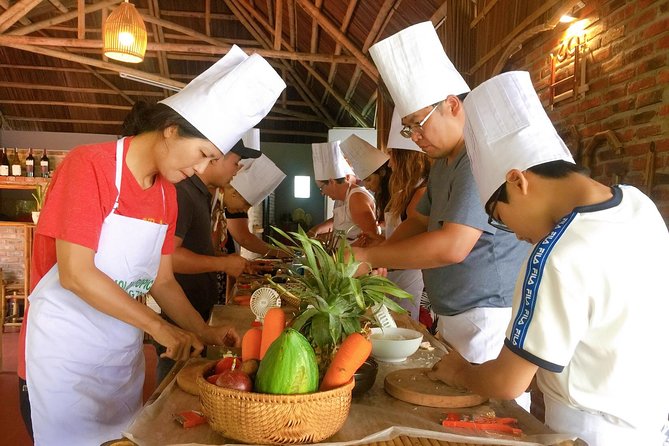
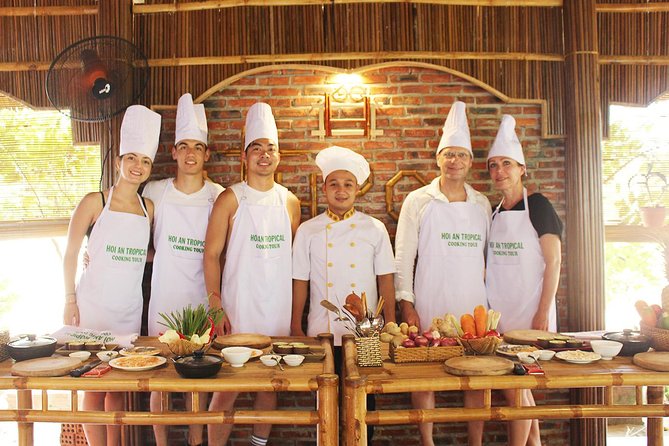
The main event is the cooking session, led by a chef who explains the differences among ingredients and traditional methods used in Vietnamese cooking. Names you might see in the program include Chef Hai, Chef Hy Hy, Chef Haa, Phuong, and guides like LyLy or Li/Lý, but the consistent idea is hands-on instruction with clear explanations.
You’ll cook four different Vietnamese dishes. What I like about this format is that you learn the “how” behind the flavors. Instead of memorizing steps, you understand why certain vegetables and ingredients show up and what they do for taste and texture.
This is also where a good teacher makes a difference. Many guides are praised for patience and humor, and that matters if you’re not an experienced cook. If you can follow a recipe at home, you’ll likely be able to keep up here, especially with small-group attention.
Eat what you make: why the meal feels like part of the lesson
A cooking class only works if you eat the result. In this one, lunch or dinner happens as part of the experience, and you’ll enjoy the food you made. Since the program includes extra foods beyond the four dishes, the meal feels generous, not minimal.
This matters for value. At $28.90 per person, you’re not just paying for a kitchen session. You’re also paying for transportation support (pickup), a guided ingredient selection walk, eco-area activities, and a full eating experience that uses what you learned.
One more practical note: don’t overdo breakfast if you can help it. The food is substantial, and you’ll want room for the dishes and extras.
Recipes you can actually use at home
At the end, you’ll receive recipes so you can cook Vietnamese food with family and friends later. This is one of the smartest parts of any cooking class, because it turns a fun day into a skill you can repeat.
I also like that the recipes come after the chef has taught the methods. It reduces the guesswork when you try again at home. You’ll remember the ingredient lessons from the market stage, and that makes the recipes feel less like a random list.
Who should book this Hoi An experience
This works well if you want an active half day that still centers on cooking. It’s also a strong choice if you like cultural context through food: market shopping, water traditions in Cam Thanh, and a cooking lesson tied to real ingredients.
You’ll likely enjoy it if you:
- Want a small group experience rather than a big bus day
- Plan to eat in Hoi An and want more than casual street food
- Like hands-on activities (boats, net tryouts, cooking at a shared station)
- Prefer a class with recipes so the experience doesn’t vanish after your flight
If you’re mainly looking for a long, deep fishing day, you may find the canal time short. If you’re mainly after a market-only food crawl, you might also choose to add your own browsing time elsewhere—this is designed to support cooking, not replace wandering.
Price and value: why $28.90 can make sense here
At $28.90, the value comes from the bundle. You’re paying for:
- Central pickup support (for many hotels)
- A market visit with ingredient guidance
- Cam Thanh activities, including bamboo basket boating
- A net fishing tryout in the canal area
- A welcome drink plus bottled water
- Hands-on cooking for 4 dishes and a meal that includes 8 foods
- Recipes to take home
In other words, you’re not just buying a cooking class. You’re buying a complete food day: learn ingredients, do the tradition, cook, and eat. For many visitors, that combination is exactly what makes the cost feel fair.
Should you book this Hoi An cooking class?
If you want a fun, organized day that mixes culture and technique, I’d say yes, book it. The market stop and the chef-led instruction are the backbone, and the boat and canal time add memory-making moments that make the cooking feel grounded in place.
Do it if you’re flexible about fishing being a tryout. And do it if you appreciate recipes and practical guidance you can use again later. If you’re expecting a fishing-focused tour or a super-long free-form market wander, you may want to adjust your expectations—or pair this with additional time in Hoi An on your own.
FAQ
How long is the cooking class in Hoi An?
It lasts about 4 hours 30 minutes.
Is pickup included?
Pickup is offered from hotels in central Hoi An.
Do you offer morning and afternoon classes?
Yes, you can choose either a morning or an afternoon class.
How many dishes will I cook?
You’ll learn to make 4 different Vietnamese dishes.
Do I get to eat what I cook?
Yes. The experience includes lunch/dinner, and you’ll enjoy the foods made during the class.
What activities are included besides cooking?
You’ll visit Hoi An Market, ride a bamboo basket boat in Cam Thanh, and try traditional net fishing in the canal.
Is water included?
Yes. A welcome drink and bottled water are included.
What group size should I expect?
The tour has a maximum of 12 travelers.
Can I cancel for a refund?
Yes. You can cancel up to 24 hours in advance for a full refund. If you cancel less than 24 hours before, the amount paid won’t be refunded.