REVIEW · HOI AN
Hoi An Countryside: Guided Morning or Afternoon Bicycle Tour
Book on GetYourGuide →Operated by Heaven and Earth Bicycle Tours · Bookable on GetYourGuide
Hoi An gets its attention for temples and lantern streets, but this tour gives you something quieter and hands-on. You’ll pedal from town out into the Song Thu river delta for a flat, scenic ride made of short hops between villages, islands, and water crossings. The best part is that it’s not only biking: you’ll try real local crafts and food from a family home.
I especially like the mix of bike time and water time. Expect local ferries, plus a 40-minute boat ride back toward Hoi An (about 45 minutes by boat is mentioned in the tour flow), with a slower pace that makes the countryside feel like it’s yours for the day. I also like how the guiding keeps things interactive, with guides such as Thai, Na, Tuan, Huy, Tram, and Phuong showing you what’s happening in workshops and homes.
A possible drawback: the route is meant to be easy and culturally focused, not a hard workout, and the optional lunch time (available on the morning tour) is also a big part of the day. If you’re hoping for more cycling and less “stops,” consider the afternoon option—or be ready for a slower rhythm.
In This Review
- Quick highlights: what makes this ride special
- From lanterns to river deltas: why this tour feels different
- The route in plain terms: 9 km biking plus ferry and boat time
- Craft stops you can actually try: mother-of-pearl, mats, and boat-building
- Lunch at a traditional family home: what you’re really paying for
- Bike comfort and weather prep: small details that change everything
- Morning vs afternoon: how to pick the right departure
- Morning option
- Afternoon option
- Price and value: is $28 actually fair?
- Who should book this countryside bike tour
- Should you book it? My practical call
- FAQ
- How long is the bike tour?
- Is lunch included?
- How far do we bike?
- What language is the guide?
- What should I bring?
- Are bicycles, helmets, and water included?
Quick highlights: what makes this ride special
- Small group (max 10), which makes it easier to hear your guide and move at a comfortable pace
- Flat, manageable cycling around islands and villages (about 9 km / 5.5 miles)
- Hands-on craft moments, from mother-of-pearl inlay to traditional mat weaving
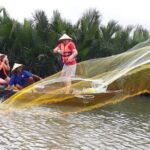
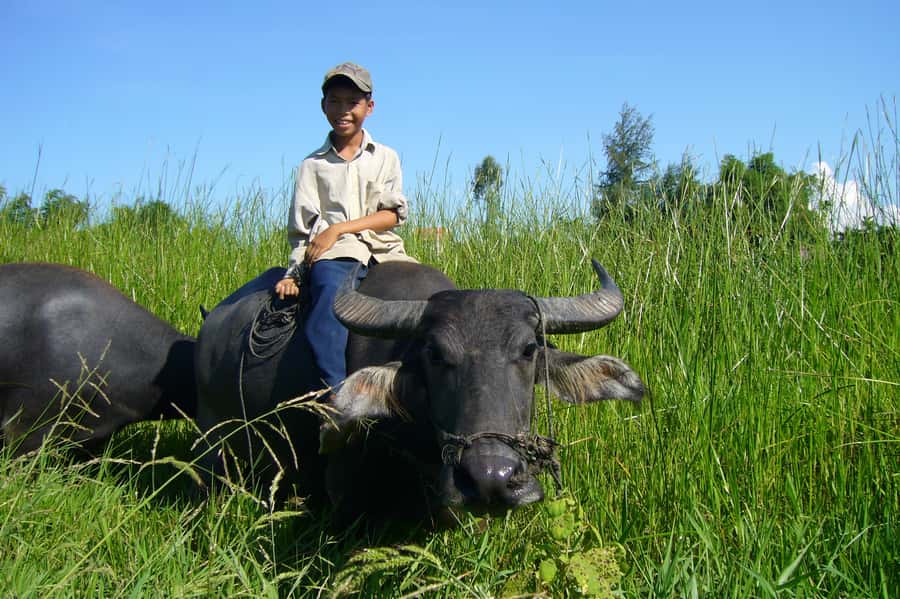
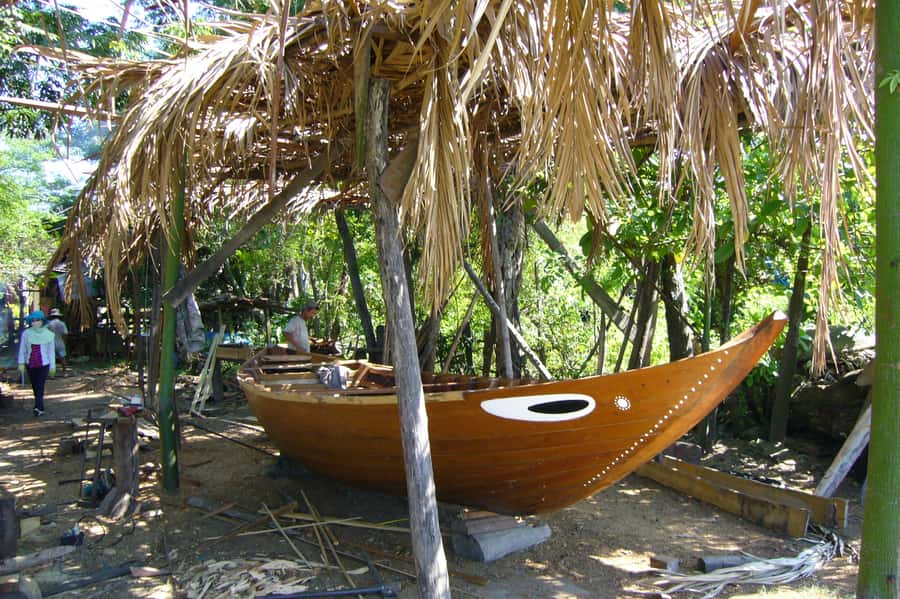
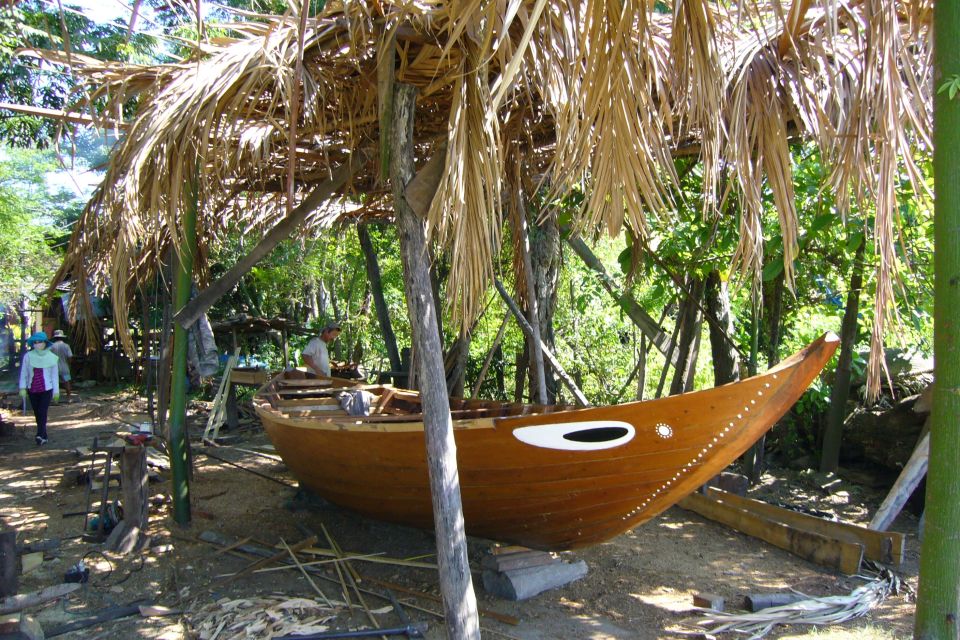
- Basket-boat experience, including meeting boat builders and actually testing a basket boat
- Rural crossings by ferry and (when available) floating bridges, so the day feels truly local
- Optional home-cooked lunch at a traditional family house on the morning departure
From lanterns to river deltas: why this tour feels different
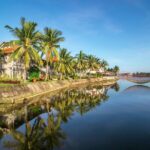
Most Hoi An days are built around the same loop: old town lanes, photo stops, and ticketed sights. This one breaks that pattern quickly. In a few hours, you move from the energy of town into a water-and-village world shaped by the Thu Bon and Song Thu river systems.
What makes it work is the pacing. The ride is short and mostly flat, so you’re not spending the day redlining your legs. Instead, you can look around, ask questions, and notice details that you’d miss on a bus window or a standard half-day tour.
Two things I’d call out for value:
First, the hands-on craft stops. You don’t just watch. You get a real feel for the work—like seeing how bamboo or weaving materials turn into something used at home. Second, the water crossings. They’re not “extra.” They’re part of how the region moves people and goods, so the whole day reads like daily life, not a staged route.
You can also read our reviews of more tours and experiences in Hoi An.



The route in plain terms: 9 km biking plus ferry and boat time
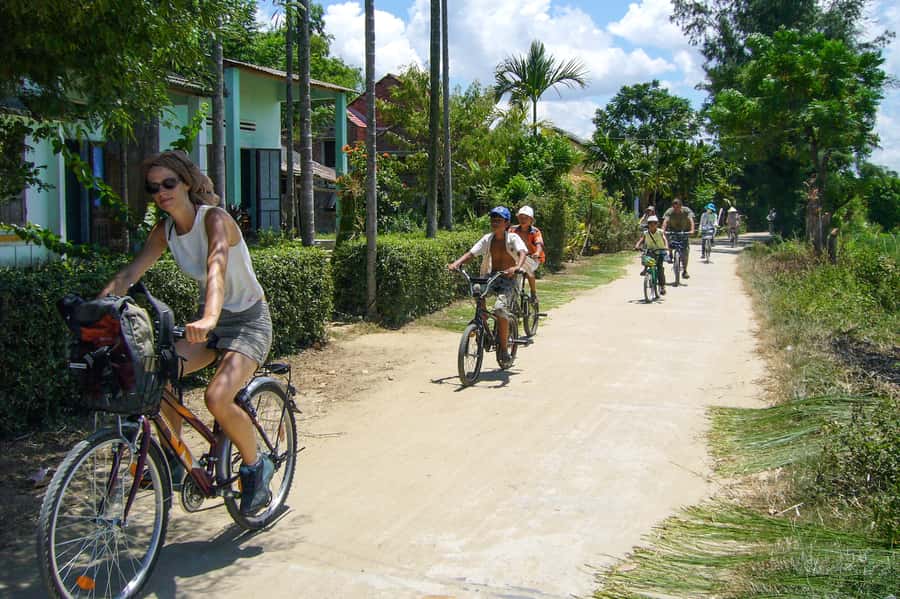
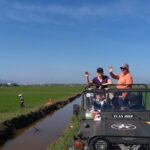
This is designed as a loop-style countryside outing, mixing land and water. You’ll start in/near Hoi An, then head toward the islands and waterways of the delta area. The cycling segment is about 9 km (5.5 miles), and it’s described as leisurely.
Here’s the structure you should expect:
- Short cycling legs between villages and islands
- Local ferry crossing (this is specifically mentioned as a river crossing you’ll do)
- Floating bridges when available (not guaranteed, but included when the conditions allow it)
- A boat return on the Song Thu river delta that’s about 40 minutes, and sometimes described as roughly 45 minutes in the tour flow
One practical upside of this mix: you’re not stuck in one kind of travel mode the whole day. On the bike, you get close views of rice fields, homes, and small workshop areas. Then the ferry/boat breaks up the day with a calmer rhythm—great when the heat is strong.
The other practical point: because the group is small (10 max), you’re less likely to feel like you’re moving through a conveyor belt. You can slow down at a craft stop, and your guide can keep the group together without stress.
Craft stops you can actually try: mother-of-pearl, mats, and boat-building
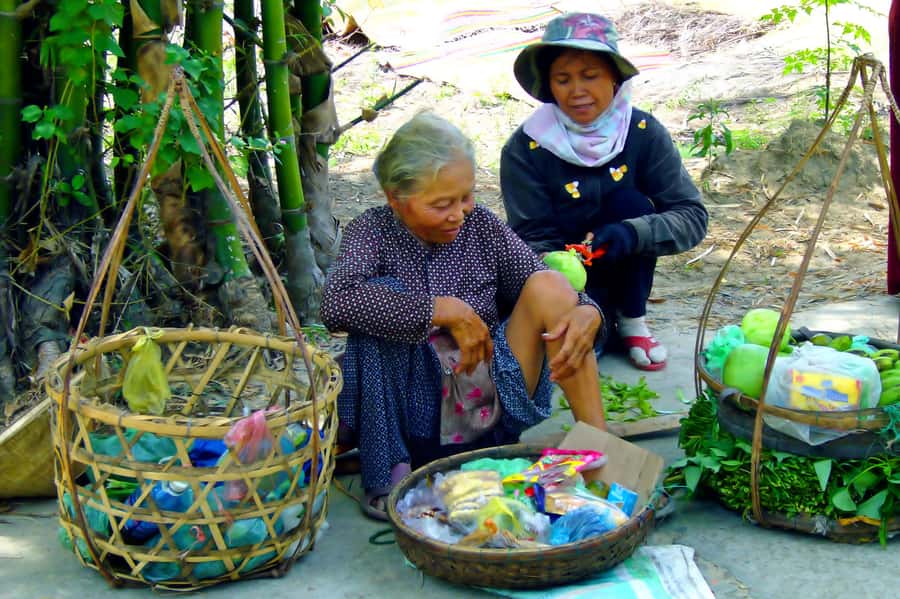
This tour’s standout is the workstations you visit. The day is built around crafts tied to local skills that still matter—sometimes more than the souvenir version of them.
Here are the key stops you should look for in your schedule:
- Traditional boat-building yards, including basket boat building and testing
- Mother-of-pearl inlaid wood work
- How to weave traditional sleeping mats (and yes, you’ll get to participate)
- Basket boat builder meet-and-learn moments, followed by a test ride/paddle
- Rice wine family maker (you’ll hear the family story behind production)
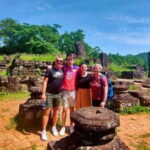
- A traditional countryside house, plus the story of a family temple
The basket boat part is often the emotional highlight. Several guides are described as energetic and fun, and at least one instructor is called out by name in the day’s narrative—Sexy Lady, a lively boat instructor with big on-water enthusiasm. Even if your instructor’s name differs, the point is consistent: the boat experience isn’t passive.
Mother-of-pearl inlay is another big moment. You’ll see the result and the process, and it helps you understand why the work is slow and detailed. Same with mat weaving: it’s one of those crafts where the final product looks simple, but the making takes patience and skill.
A quick consideration: these stops are part of the “learning” design. If you want fewer stops and more pure scenery time, you may find the schedule busy. But if you’re the type who likes to understand how people earn their living, this is where the tour earns its value.
Lunch at a traditional family home: what you’re really paying for
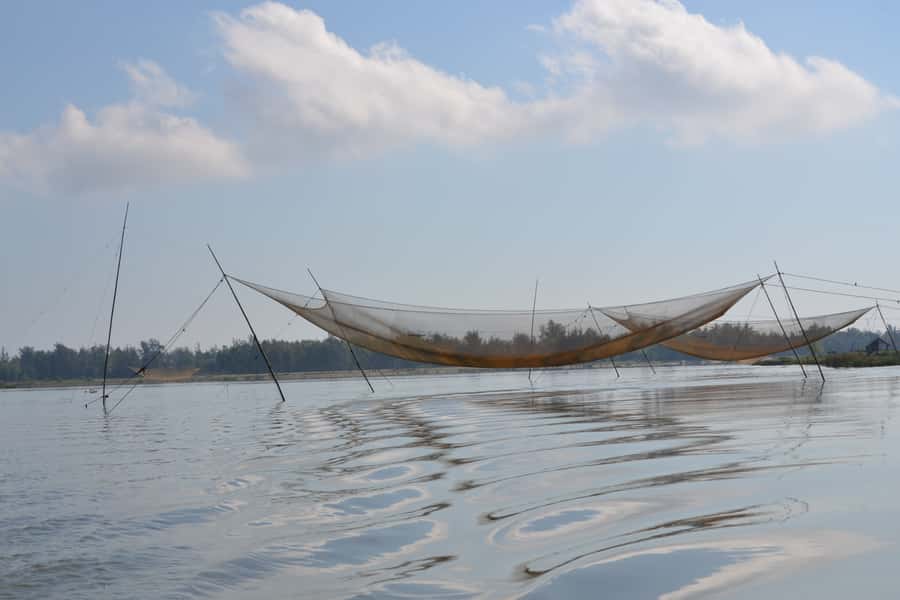
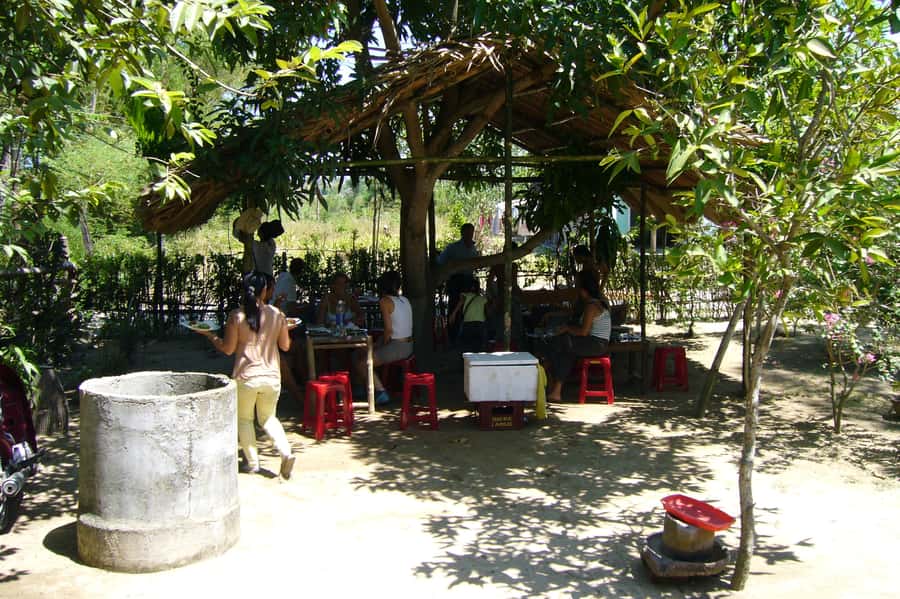
On the morning option, you can add a home-cooked lunch at a local family house. It’s not described as a fancy set menu—it’s presented as a family lunch, with choice of fish, meat, or vegetarian.
Why this matters: in places like Hoi An, it’s easy to eat well without learning anything about how locals eat, shop, and cook. This lunch slot gives you a window into everyday life. Even the structure of it—eating where you’ve also learned crafts—helps connect the day’s theme: rural skills, rural routines, rural food.
Food timing can also affect the whole day. Morning departures run longer (about 6 hours 30 minutes, returning around 3:00 pm), and lunch is part of that longer flow. The afternoon option is shorter (about 5 hours, returning around 6:00 pm) and does not include lunch. If you want lunch, plan morning. If you’d rather keep things light, afternoon can be a smarter fit.
One practical note: water is included, but additional drinks are not. If you’re sensitive to heat, plan on buying extra water or using breaks strategically.
Bike comfort and weather prep: small details that change everything
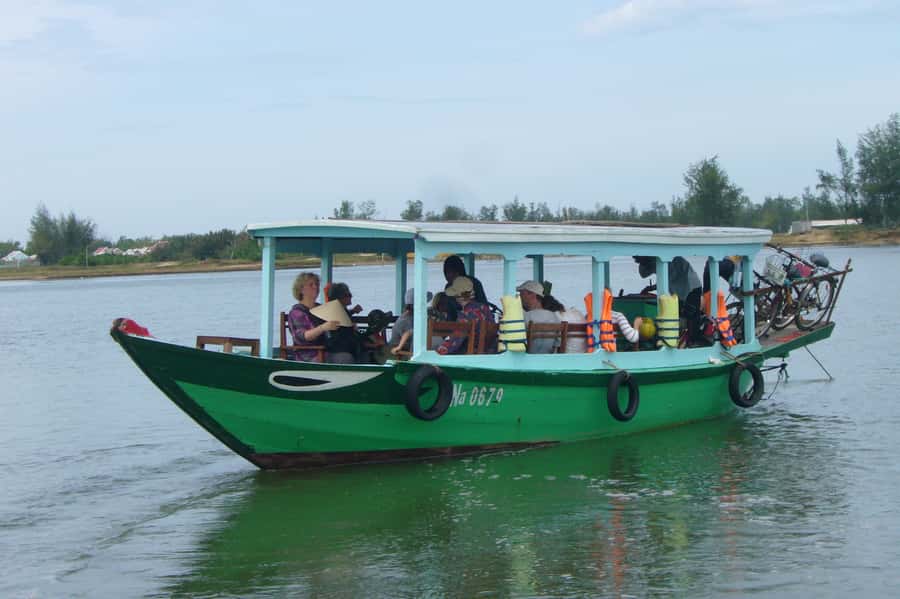
This tour is designed for “comfortable cycling,” not technical mountain riding. You’ll use the provided bike and helmet, and the 9 km distance is described as manageable.
Still, you’ll feel Vietnam weather fast, especially if you ride outside the mildest hours. Bring:
- Sunscreen, hat, sunglasses
- A windbreaker if you’re going November to January (the tour specifically flags this seasonal need)
Also think about:
- If you’re visiting in peak humidity, light clothing that dries quickly helps.
- If rain is common when you travel, you’ll want a packable layer or rain cover, even though the tour doesn’t spell out a rain-gear checklist.
The good news: this ride is repeatedly described as not involving steep stress on your legs, and stops are built in. The heat is still real, but the schedule gives you enough chances to cool down.


Morning vs afternoon: how to pick the right departure
You basically choose between a longer “full experience” and a shorter “just enough” version.
Morning option
- Departure: 8:30 am
- Return: 3:00 pm
- Tour duration: 6 hours 30 minutes
- Lunch is available (and this is the option that includes the traditional family home meal)
Afternoon option
- Departure: 1:00 pm
- Return: 6:00 pm
- Tour duration: 5 hours
- No lunch
Both options include the core countryside idea: cycling plus water crossings plus craft learning. The main difference for your decision is whether you want the time for the family meal and the full, longer pacing.
If you’re staying in Hoi An and want to keep your evenings free, afternoon can work. If you want the most complete cultural arc, morning is usually the better pick.
Price and value: is $28 actually fair?
At $28 per person, this is priced like a budget-friendly half-day tour, but it delivers more than a simple sightseeing loop.
Here’s what you’re getting for that money:
- Bike + helmet
- Guide
- Ferry/bridge tickets
- A boat ride on the Song Thu River delta
- Water
- Optional lunch at a traditional family home (morning option)
When you compare that to the cost of doing similar activities separately—bike rental, transport, craft entry fees (where they exist), and a boat transfer—the pricing starts to make sense. You’re not just buying a ride; you’re buying access to local workshops and the time of a guide who helps explain what you’re seeing.
Still, value depends on your priorities:
- If you love crafts, family stories, and practical rural life, $28 feels like a bargain.
- If you’re only after a long scenic ride with minimal stops, you might feel the structure doesn’t maximize cycling time.
For most people who want “real Vietnam” beyond the old-town highlights, this price-to-experience ratio is strong.
Who should book this countryside bike tour
This tour fits best if you:
- Want easy cycling with a cultural theme, not a strenuous workout
- Like learning how people make things—especially boat building, weaving, and inlay work
- Prefer small groups so the day stays personal (max 10)
- Enjoy water travel and local ferry/bridge moments more than big-ticket attractions
It’s also a good choice for people who are not super athletic. The ride is repeatedly described as manageable, and the distance is short.
Two situations to think through:
- If you get bored easily by workshop stops, you may wish you had more open-riding time.
- If you’re picky about boat time, note that the day’s return includes a boat segment; one comment suggests you could prefer more cycling instead. That’s personal preference, but it’s worth knowing.
Should you book it? My practical call
I’d book this tour if you want your Hoi An trip to include the countryside version of the region. The combination of small-group biking, real craft stops you can try, and rural water crossings is exactly the kind of day that changes how you understand a place—because it’s built around how people live, not just what they sell.
I wouldn’t prioritize it if your top goal is a long, uninterrupted ride or if you’re strongly focused on maximizing cycling kilometers. This is not that kind of day.
If you can handle heat, arrive with the right gear (sunscreen hat sunglasses), and go with a curious mindset, you’ll likely leave with a clearer picture of how these crafts and waterways shape everyday life.
FAQ
How long is the bike tour?
The tour runs about 5 hours on the afternoon option. The morning option is longer, about 6 hours 30 minutes.
Is lunch included?
Lunch is included on the morning option. The afternoon option does not include lunch.
How far do we bike?
The ride is about 9 km, or about 5.5 miles.
What language is the guide?
The guide speaks French and English.
What should I bring?
Bring sunscreen, a hat, and sunglasses. The tour also asks for a windbreaker from November to January.
Are bicycles, helmets, and water included?
Yes. Bikes, helmets, and water are included.