REVIEW · TOKYO
Tokyo: Roll and Authentic Sushi Making Class in Asakusa
Book on GetYourGuide →Operated by Sushi Making Japan | Cooking Class in Japan · Bookable on GetYourGuide
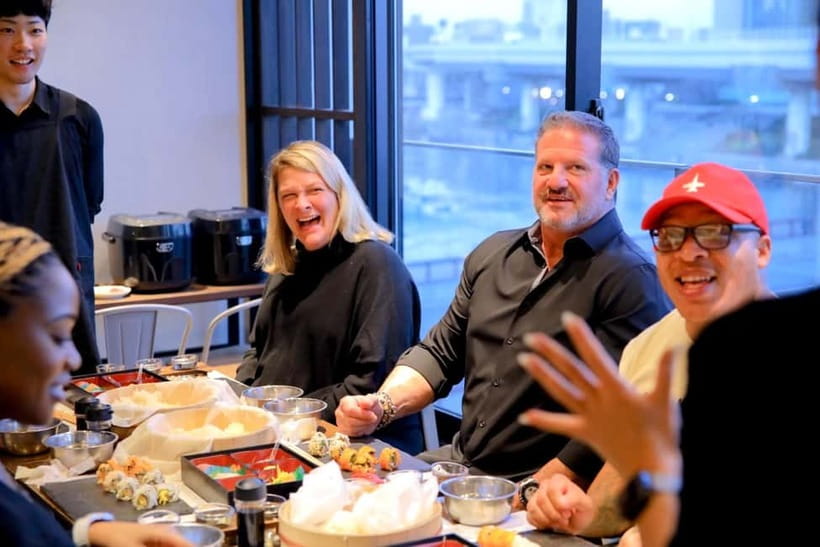
Sushi skills start with one silly quiz. In historic Asakusa, close to Sensoji and Tokyo Skytree, an English-speaking team turns sushi making into a hands-on session with real technique and a light, interactive sushi history quiz.
I love the way you actually make dinner, not just watch. You learn maki rolls and nigiri, then sit down and eat what you shaped yourself. One possible drawback: with a 100-minute class, getting rice-perfect takes focus, so if you want extra polishing time, it can feel a bit tight.
In This Review
- Key highlights you’ll care about
- Asakusa and Sensoji: the setting for learning sushi
- How the 100-minute class runs: quiz, maki roll, nigiri
- Ingredients, techniques, and what makes it taste real
- What you eat and how to time it with Tokyo sightseeing
- Should You Book This Asakusa Sushi Class Near Skytree?
- FAQ
- FAQ
- Do I need prior sushi experience to join?
- What sushi types will I learn to make?
- How long is the class?
- Where do I meet the instructor?
- Is the class taught in English?
- What’s included in the price?
- Is hotel pickup or drop-off included?
- Can they accommodate dietary restrictions?
- Can I specify exact ingredients for allergies?
- Is the class wheelchair accessible?
- Is cancellation free?
Key highlights you’ll care about
- Interactive quiz that makes sushi history feel simple and fun
- Maki + nigiri practice so you leave with two styles under your belt
- English-speaking local instructors who stay patient and clear
- Fresh, high-quality ingredients that show up in the flavor
- Central Asakusa location that’s easy to fit into a temple-and-street day
Asakusa and Sensoji: the setting for learning sushi
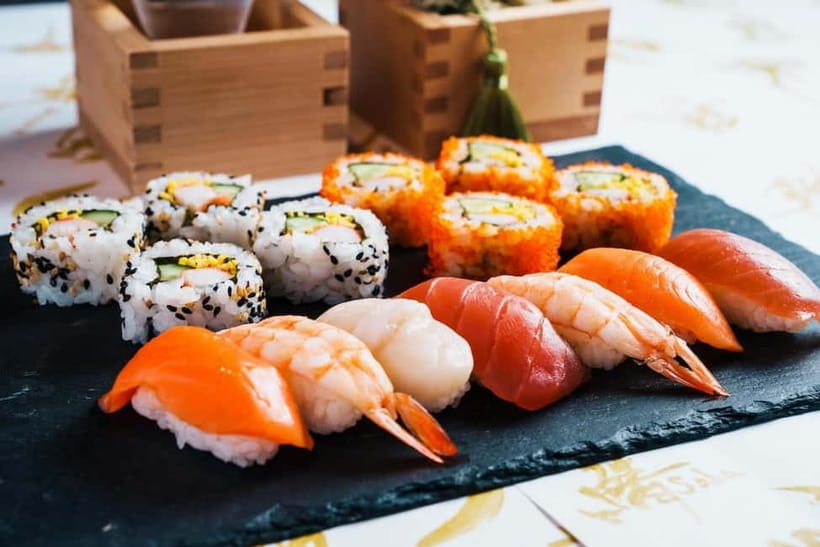
Asakusa is one of those Tokyo neighborhoods where the streets keep pulling you in different directions. Old-school shops, shrine visits, and that classic neighborhood pace make it feel like you’re stepping into the city’s everyday past rather than doing a food stop in a vacuum.
That matters for this class. Sushi is already part tradition, part technique, part meal. Learning it in Asakusa adds an extra layer because you’re surrounded by the kind of Tokyo people walk through without a schedule break. You also get a convenient meeting point: it’s just about a 3-minute walk from Asakusa Station, which helps if you’re juggling temple visits, shopping, and dinner plans.
The format is also friendly to different comfort levels. You don’t need sushi skills before you arrive. Multiple instructors are mentioned by name in participant notes, including Tomona, Hitomi, Hide, Ken, Kenshin, Moe, Jun, Kaori, Ryouko, and Yoko, and the overall vibe is consistent: clear teaching, encouragement when your first attempt looks less like a magazine and more like food art, and plenty of practical guidance.
You can also read our reviews of more tours and experiences in Tokyo.


How the 100-minute class runs: quiz, maki roll, nigiri
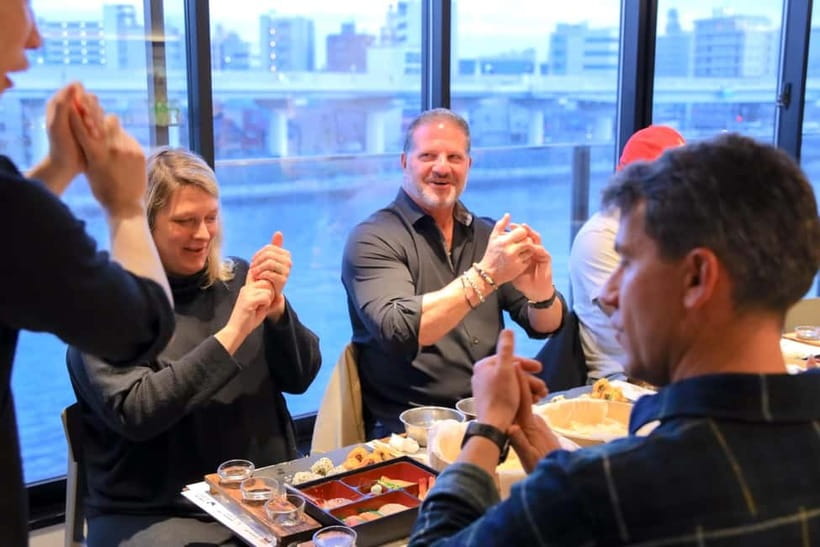
This session is built around a straightforward flow: learn the story, then build two kinds of sushi. The timing is tight but not chaotic, and the instruction style is designed for first-timers.
Step one: sushi history, but make it fun.
You start with an interactive, lighthearted quiz that covers sushi’s background and how different types developed. It’s not a lecture. It’s structured like quick Q&A moments with the staff guiding the group. People specifically call out the humor and the entertaining explanations, which helps if you’re doing this as a solo traveler or bringing kids who get restless with long talks.
Step two: make a roll (maki).
Next comes the roll portion. You work with sushi rice and fillings, then shape the maki. What I like about this part is that the lesson is focused on technique you can repeat later, not just tossing ingredients together. Participants repeatedly describe the class as easy to follow, with instructors patient enough to correct small steps when things don’t go as planned.
Step three: practice nigiri, the classic hand-formed style.
After the roll, you move to authentic Japanese nigiri. This step usually feels more “hands-on” because you’re shaping pieces by hand rather than rolling. If you’ve never handled rice before, expect it to feel a little different than you imagine. Rice needs the right texture and handling, and the staff’s role is to keep you from overthinking it while still guiding your form.
Step four: eat what you made.
The best part is you finish by eating your sushi. That closes the loop: you learn, you produce, and then you taste the result immediately. Multiple people highlight that the final meal is delicious, and that eating your own pieces makes it more memorable than a standard restaurant meal.
One practical note: if you book an earlier time, you might end up with a smaller group and get extra attention. That kind of pacing can make a short class feel less rushed.
Ingredients, techniques, and what makes it taste real
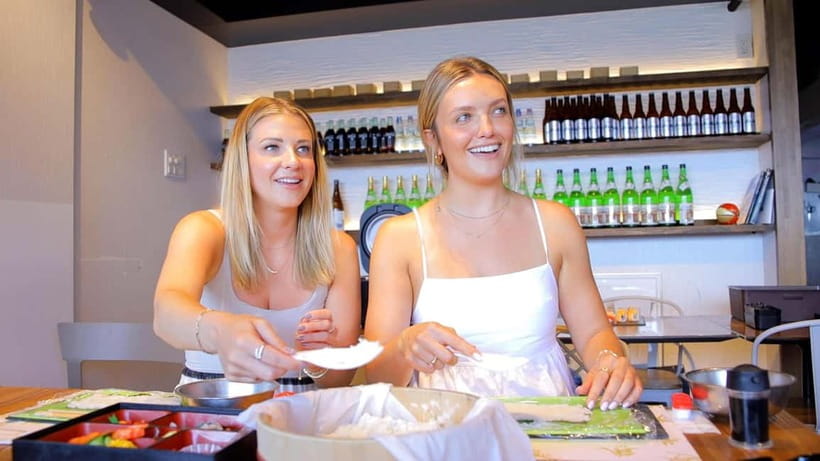
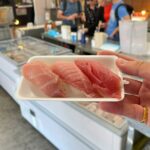
What separates a good sushi class from a touristy demo is ingredient quality and staff guidance. Here, the ingredient story is consistently strong: people describe the fish as high quality and the overall ingredients as fresh.
The class also aims at more than just the final bite. You get teaching around how sushi is built and what flavors should balance. That shows up in how instructors explain the process rather than just telling you what to do. Several participants mention that helpers are encouraging and that explanations are clear, especially for steps like filling placement in rolls and handling rice for hand-formed pieces.
Dietary support is also a real plus for planning. The menu can be changed for vegan, vegetarian, gluten-free, or halal, but you have to request changes when you make the reservation. There’s also an allergy note: ingredients not used include meat, nuts, fruits, and dairy. However, the data also says they can’t accept ingredient-by-ingredient specifications, and they can’t respond on the day. So if you have a serious allergy or strict ingredient list, plan ahead and confirm before you go.
Technique-wise, the class is designed for people with no prior experience. Still, be honest with yourself about the skills involved. Even with good instruction, shaping sushi takes practice. One minor complaint that pops up is that the session can feel a bit rushed if you’re hoping for more time to perfect rice shaping.
What you eat and how to time it with Tokyo sightseeing
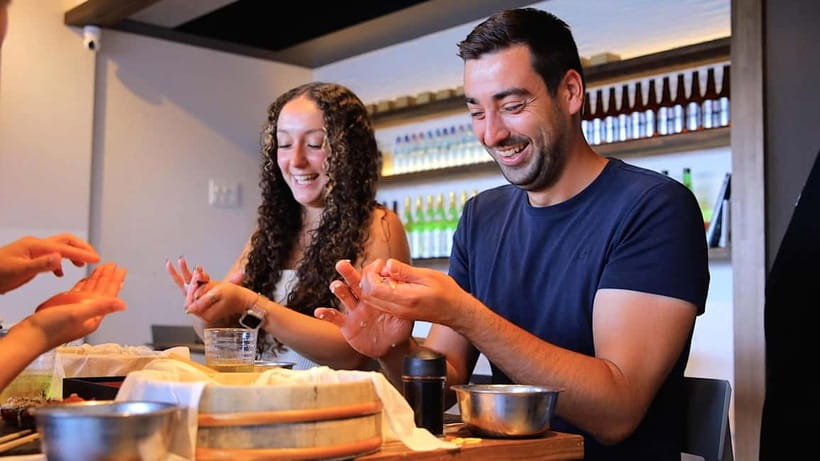
You should think of this as a lunch-or-early-dinner anchor rather than a quick snack class. The session runs 100 minutes, and the structure is built so you spend time cooking and then eating what you made. That means you’ll want your stomach ready for rice, filling, and the satisfaction of finishing your own meal.
Since the class is near Sensoji and Asakusa Station, it slots neatly into a day that already includes temple sights and neighborhood walking. A smooth plan looks like this:
- Visit Sensoji/Asakusa streets first, then come to class with your energy still decent.
- Or take the class first, then stroll afterward while your hands still remember what you learned.
Food pairing: one participant notes that sake flights and beer may be available. The data doesn’t spell out drink options as a guaranteed inclusion, so treat it as a “might be offered” add-on rather than a certainty. If you want alcohol, check ahead when you reserve.
For families and mixed groups, the pacing can work well. People mention doing it with teenagers and with kids, and the staff attention seems to scale with the group. If you’re traveling with children, this can be a better use of time than another long indoor show because your kids are actively making food.
Should You Book This Asakusa Sushi Class Near Skytree?
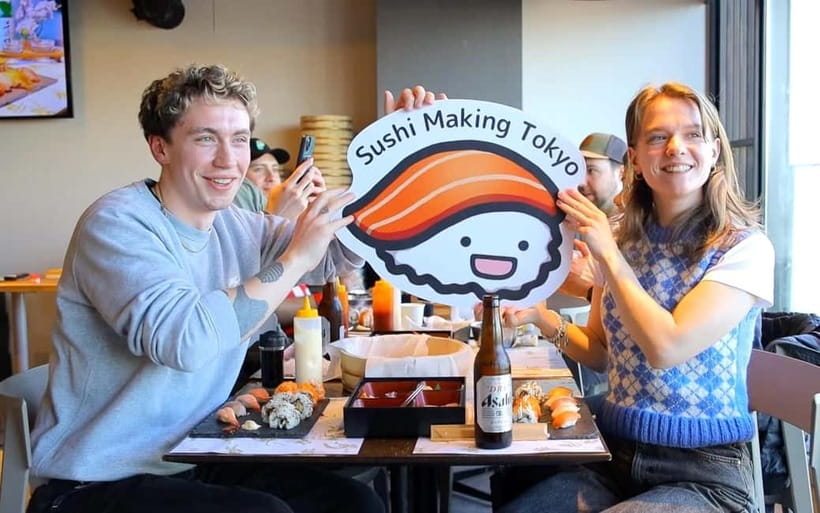
Let’s talk value. At $58 per person for a 100-minute class that includes the instructor and ingredients, you’re paying for three things: guided technique, materials, and the meal at the end. In Tokyo, that’s often where cooking classes earn their keep. You’re not just buying a plate of sushi; you’re buying the skills and the experience of creating it.
The experience is especially worth it if:
- You’re a first-timer who wants sushi basics you can repeat later.
- You want English instruction with a supportive teaching style.
- You like learning through doing, not watching.
- You’re staying around Asakusa and want something memorable that doesn’t require long transit.
A few reasons to think twice, even with the strong rating:
- The class is short. If you want slow, perfect rice technique or extra practice rounds, you may feel a pinch.
- Food quantity preferences vary. One person says they could have used more rice, so if you’re a big eater, plan to add a small extra bite outside class.
My take: if your goal is to leave Tokyo with something you can actually do at home, this is a smart use of time. You’ll get a fun start with the quiz, practical steps for maki and nigiri, and the best ending possible: eating your own sushi right then, in the Asakusa area.





FAQ
FAQ
Do I need prior sushi experience to join?
No experience is needed. The class is designed for beginners, with English-speaking staff guiding you through the steps.
What sushi types will I learn to make?
You make two types: a roll and authentic Japanese sushi (many participants describe these as maki and nigiri).
How long is the class?
It lasts about 100 minutes.
Where do I meet the instructor?
The meeting point is about a 3-minute walk from Asakusa Station.
Is the class taught in English?
Yes. The instructor and support are listed as English-speaking.
What’s included in the price?
The cooking class includes ingredients and the instructor.
Is hotel pickup or drop-off included?
No. Hotel pickup and drop-off are not included.
Can they accommodate dietary restrictions?
You can request changes for vegan, vegetarian, gluten-free, or halal. Allergy guidance is also listed, but you must request changes when you reserve.
Can I specify exact ingredients for allergies?
No. The data says they do not accept ingredient specifications, and they can’t respond on the day.
Is the class wheelchair accessible?
Yes, wheelchair accessibility is listed.
Is cancellation free?
Free cancellation is available up to 24 hours in advance for a full refund.