REVIEW · SEOUL
Seoul: Gyeongbok Palace, Bukchon Village, and Gwangjang Tour
Book on Viator →Operated by I Love Seoul Tour · Bookable on Viator
Royal Seoul in four hours is doable.
This tour is built for a quick but meaningful sweep of central Seoul, from Gyeongbokgung Palace to the market energy at Gwangjang. What makes it interesting is the pacing by guided stops: you get context at each location, and you’re not stuck figuring out what matters most on your own.
Two big things I like: you ride in comfort with an air-conditioned minivan/coach, and you don’t have to hunt down entry tickets because admission fees are included. On top of that, guides (you may have names like Chloe, Shin, Grace, Sophie, Sunny, Stella, or Henry) tend to keep the group moving smartly and help with practical photo moments.
One drawback to consider: this is a packed half-day. If you prefer slow wandering, you may feel the schedule is tight, and the ginseng museum stop includes time in a sales-oriented setting where shopping pressure can be a bit noticeable.
In This Review
- Key highlights that make this tour worth your time
- A Four-Hour Intro To Seoul: what this day really feels like
- Getting there from Myeongdong: the easiest way to start
- Gyeongbokgung Palace and the Royal Guard Changing Ceremony
- Bukchon Hanok Village: fast hanok views and photo time
- Bugak Skyway at Bugaksan Mountain for big Seoul views
- Cheongha Korea Ginseng Museum: cultural context plus a sales room
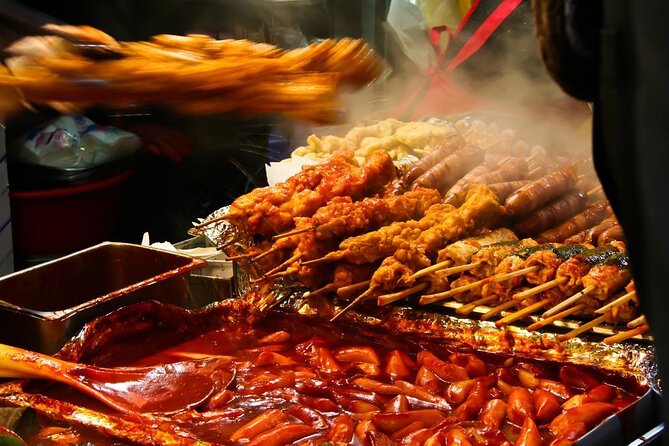
- Gwangjang Market finale: tasting time in the last 15 minutes
- Price and value: does $32 buy you real convenience?
- Pacing, crowds, and photo planning (without wasting your energy)
- What to pack and how to handle rain or cold
- Should you book this Seoul tour?
- FAQ
- How long is the Seoul Gyeongbok Palace, Bukchon, and Gwangjang tour?
- Where do I meet for the tour?
- What’s included in the price?
- Does the tour run in bad weather?
- Do I need to pay for the sites and tickets?
- Is there a minimum group size?
Key highlights that make this tour worth your time
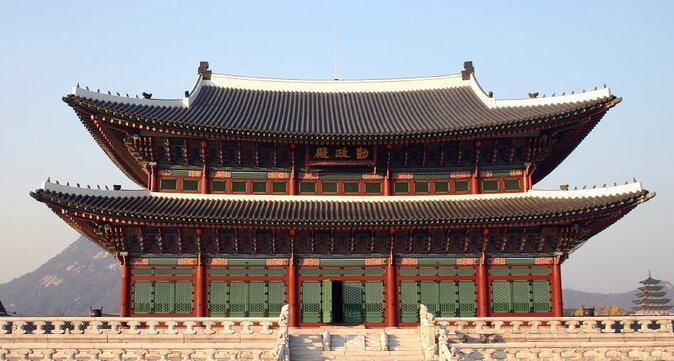
- Gyeongbokgung Palace + Royal Guard Changing Ceremony as a centerpiece, with admission included
- Short photo-friendly Bukchon Hanok Village stop, so you get the look without losing the whole day
- Bugak Skyway / Bugak Pavilion viewpoints from Bugaksan Mountain for big Seoul views
- Cheongha Korea Ginseng Museum with cultural context, plus a sales-room experience
- Gwangjang Market finish where you can taste your way through Korean street food
- Mobile ticket plus a guided route that keeps you from wasting time figuring out logistics
A Four-Hour Intro To Seoul: what this day really feels like
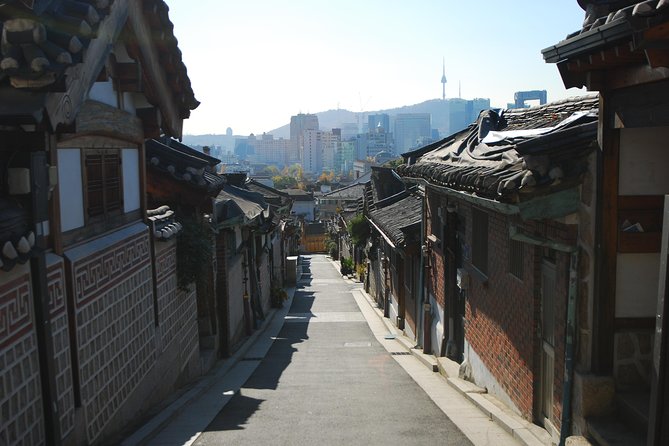
Think of this as an organized sampler plate of Seoul’s moods. You start with royal Korea at Gyeongbokgung, shift into traditional hanok streets in Bukchon, climb (lightly) toward mountain views at Bugak Skyway, then move into a more modern, consumer-facing rhythm with the ginseng museum and finally a food-focused landing at Gwangjang Market.
The time math matters here. You’re looking at roughly 4 hours total, with stop windows ranging from about 15 minutes at the market to 40 minutes at the mountain viewpoint. That’s not a flaw—this format is the whole point. It helps you see several major icons without spending your entire day trapped in transit or deciding where to go next.
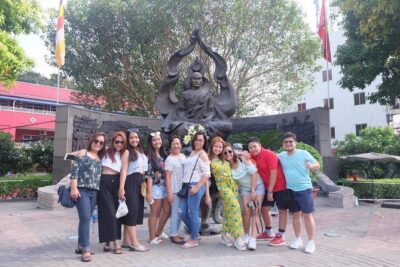
Because you’re with a guide, you also get what you’d miss if you just showed up on your own: what to notice, how the places connect, and what’s worth spending your short free moments on. Guides are typically animated and organized, and many guests mention getting helpful photo direction.
You can also read our reviews of more tours and experiences in Seoul.
Getting there from Myeongdong: the easiest way to start
The meeting point is at Myeongdong Station Exit 1061-7 in Chungmuro 2(i)-ga, Jung District. Since this is near major subway access, you can plan around the metro instead of trying to solve taxi drop-offs or traffic.
A few practical notes that will save you stress:
- Bring your mobile ticket and make sure your phone battery is charged.
- Wear comfortable walking shoes. Even though the stop durations are short, you’ll still be on your feet.
- Plan to arrive early. The tour rules say joining after it has started is not permitted, and contacting the guide once the tour is in progress is also not allowed.
At the end, you’re dropped at Gwangjang Market. That’s handy because it gives you an easy place to continue eating and wandering after the guide leaves you.
Gyeongbokgung Palace and the Royal Guard Changing Ceremony
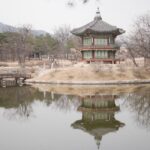
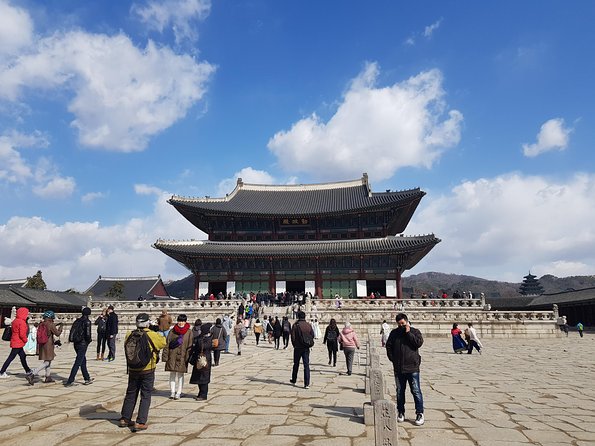
Gyeongbokgung Palace is Seoul’s best-known royal setting, and this stop is built to give you the wow factor without turning it into an all-day commitment. You get about 30 minutes there, with admission included, plus time to catch the Royal Guard Changing Ceremony.
What I love about this start is the contrast. You’re in the heart of a living capital, but the palace walls and gates put you into a different rhythm. If you want a clean first impression of Seoul’s history, this is the right place to do it.
How to make the most of your short window:
- Arrive ready to look up. Palaces reward vertical attention—roofs, gates, and guard movement.
- Use your first few minutes to orient yourself before you spend time framing photos.
- If the ceremony timing is right for your group, watch once, then shift into photo mode. Trying to do everything at the same time tends to make people miss half of it.
The 30-minute slot can feel short if you love slow museum-style pacing. But as a first stop in a half-day tour, it works well. You’ll leave with the main landmarks in your head, not just a few random snapshots.
Bukchon Hanok Village: fast hanok views and photo time
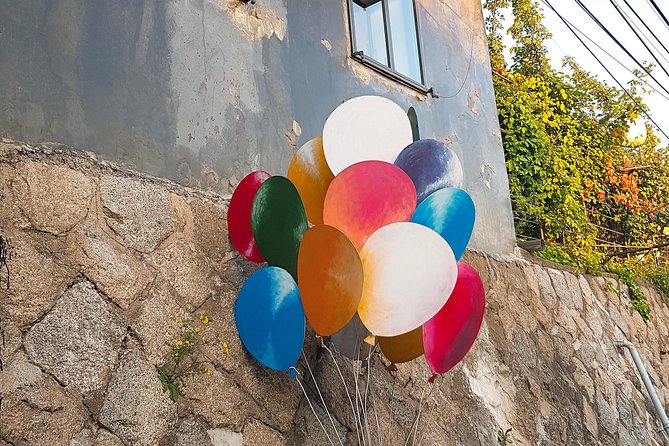
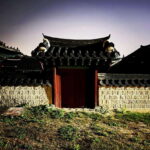
Next up is Bukchon Hanok Village, with about 20 minutes on the ground and admission listed as free for this stop. This area is famous for hanok houses—traditional Korean homes—and it’s one of the easiest places in central Seoul to get that classic “I’m really in Korea” look.
This is a good stop if you know you want photos, but you don’t want to spend hours walking endless lanes. The schedule keeps it tight: enough time to see the architecture, spot viewpoints, and grab a few pictures.
A practical way to enjoy it:
- Go for angles over volume. In short time, you’ll get better results by aiming for a single strong street view rather than trying to photograph every street.
- Keep your pace steady. The streets can be crowded, and 20 minutes disappears quickly if you stop too often.
One small consideration: since the stop is short, you may feel a little pressure to “do it all.” If you want deep exploration, you’ll probably want a second visit on a separate day with more time.
Bugak Skyway at Bugaksan Mountain for big Seoul views
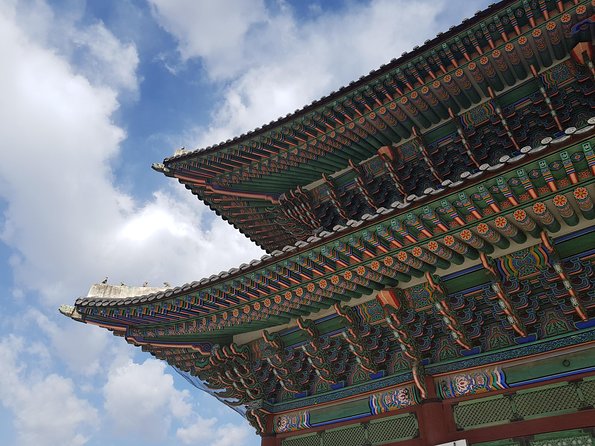
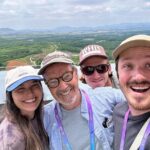
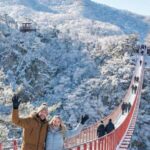
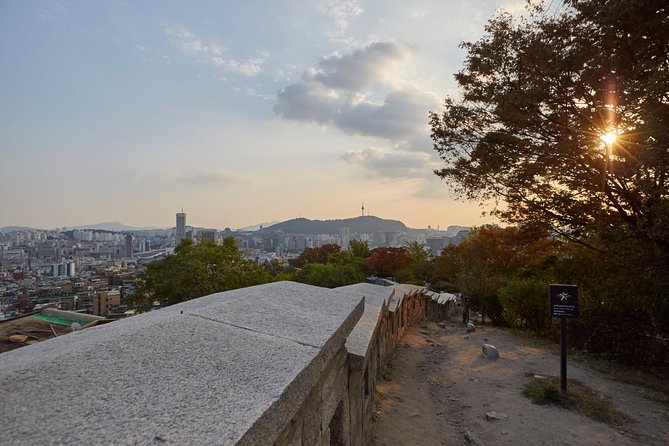
Then the tour shifts from streets to height. At Bugak Skyway, also referred to as Bugak Pavilion (Bugak Palgakjeong), you get around 40 minutes, with admission included. The pavilion sits on the slopes of Bugaksan Mountain, and the payoff is panoramic Seoul views plus a calmer feel than the city streets.
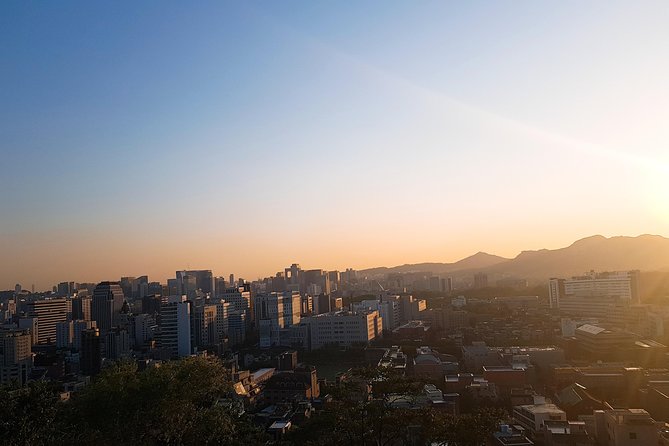
This stop is where the tour starts to feel like a real change of scenery. Even if you’re not a serious hiker, you’ll likely notice that mountain air and elevation make the city look different. Views are wider. Buildings look smaller. You can see how Seoul spreads.
A couple tips so this part doesn’t wear you out:
- Expect some uneven ground and possible stairs. This tour is listed for moderate physical fitness, so don’t plan to treat it like a flat-city stroll.
- Save your energy for the best viewpoints. You don’t have to walk every micro-path to get the view.
The time here is long enough to enjoy the space and still keep the day on schedule. If you like photos, this is one of the strongest photo windows of the whole tour.
Cheongha Korea Ginseng Museum: cultural context plus a sales room
The Cheongha Korea Ginseng Museum stop lasts about 30 minutes and admission is listed as free. The museum focuses on ginseng—its history and why it became so widely used. The tour description even notes ginseng being mentioned in texts dating back to the Han dynasty era, described as an herb used for many ailments and treated almost like a panacea.
Here’s the key reality check: a ginseng museum in Korea often includes a learning component and a selling component. Even if you’re not planning to buy anything, you should understand that your time inside can feel partly like a presentation.
If you hate being pushed to purchase, go in with a calm plan:
- Treat it like a quick cultural stop, not a hands-on experience.
- If the sales pitch ramps up, you can still focus on learning the basics and then watch for a natural break to step out of the sales-focused area.
This stop is genuinely interesting if you like traditional medicine history and want a quick, structured explanation. But if you’re chasing only outdoor sights, you may feel the time allocation is less exciting than the palace and mountain.
Gwangjang Market finale: tasting time in the last 15 minutes
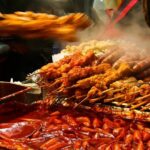
Your day ends at Gwangjang Market, with about 15 minutes on-site. Admission is free for this stop, and the tour notes that you can taste various foods in the market.
Fifteen minutes is not enough time to do a full market crawl. It is enough time to do a smart bite or two—if you arrive with hunger and a plan.
How I’d handle this final sprint:
- Decide what kind of food you want before you walk in. The market can pull you in many directions fast.
- Ask your guide for the best quick picks for your group, then commit. Chasing every smell at once turns into lost time.
Because food and drinks are not included, budget extra for tasting. Also, bring some extra patience: markets can be busy, and the guide’s goal is to keep you together.
The value here is the timing. Ending at Gwangjang helps you connect what you learned earlier in the day with Korea’s daily life—food is the easiest next step.
Price and value: does $32 buy you real convenience?
At $32 per person for about 4 hours, the value is mostly in four things:
- You get a professional guide who helps translate what you see into something meaningful.
- You have air-conditioned transport, which matters in Seoul where distances add up.
- Admission fees are included for the palace, pavilion, and the places where tickets apply.
- You avoid the mental load of building your own route and figuring out where time gets wasted.
The main thing to watch is what is not included. Food and drinks aren’t part of the price, and hotel pick-up and drop-off is listed as not included. That means you should plan to meet at Myeongdong Station and then accept the end location at Gwangjang Market.
Is it a good deal? For a first-time visit or if your schedule is tight, yes. You’re buying convenience and guided direction more than you’re buying deep time at each site. If you already know Seoul well and you prefer long, independent exploration, you might find you’d rather spend your money on a slower day with fewer stops.
Pacing, crowds, and photo planning (without wasting your energy)
This tour is built around short blocks of time, so your success depends on how you handle the pace.
A pattern that works:
- In each stop, do a quick orientation first.
- Then take photos fast, before the area fills with distractions.
- Save questions for when the group gathers so you don’t break the flow.
Many guests like that guides help with group photos and direction. Names that come up often include Chloe, Grace, Sophie, Sunny, Shin, Stella, and Henry. The common thread is that the guide role is practical: keep people together, explain what you’re looking at, and point you to what’s worth your attention.
The biggest trade-off is that the day can feel rushed if you want long browsing. If you’re the type who wants to linger at the palace details or read every museum placard, you may wish you had a longer day plan. For everyone else, this is a smart way to get your bearings fast.
What to pack and how to handle rain or cold
This experience runs rain or shine, so plan for weather rather than hoping for perfect conditions. Comfortable shoes matter more than you think. You’re walking between stops and moving through sites that can involve uneven ground.
A few practical packing ideas:
- A light rain layer or umbrella for wet days.
- Warm layers even in winter. The day can feel cold, especially with open palace spaces and mountain air.
- A charged phone for your mobile ticket and photos.
Also note: hanbok rental time is not offered. If you want to dress up, you’ll need to arrange that separately.
Should you book this Seoul tour?
Book it if you want an efficient introduction to Seoul and you like guided context. This tour is especially strong for first-timers who want a palace centerpiece, a traditional architecture photo stop, and viewpoint time without turning the day into an all-out marathon. The transport plus included admissions help you keep things simple.
Skip it or think carefully if:
- You hate any shopping-oriented pressure, because the ginseng museum stop includes time in a sales-room setting.
- You love slow, long museum wandering and hate being time-boxed.
- You plan to spend a lot of money on food tastings and want a longer market experience than 15 minutes.
If your goal is to see the “big scenes” in one half-day and then build your own Seoul day afterward, this is a solid match.
FAQ
How long is the Seoul Gyeongbok Palace, Bukchon, and Gwangjang tour?
It lasts about 4 hours.
Where do I meet for the tour?
You meet at Myeongdong Station Exit 1061-7, Chungmuro 2(i)-ga, Jung District, Seoul. The tour ends at Gwangjang Market.
What’s included in the price?
The tour includes a professional guide, transport by air-conditioned minivan or coach, and admission fees. Food and drinks are not included.
Does the tour run in bad weather?
Yes. The tour takes place rain or shine.
Do I need to pay for the sites and tickets?
Admissions are included as part of the tour pricing. Some stops are listed as free, but the tour still covers admissions overall.
Is there a minimum group size?
Yes. The tour requires 2 people minimum to book. It also has a maximum of 100 travelers.