REVIEW · SEOUL
Private DMZ the 3rd Tunnel Tour from Seoul (optional Red Bridge)
Book on Viator →Operated by VIP TRAVEL Co.Ltd · Bookable on Viator
Cold war history, up close and personal. This private DMZ day is built around the sites that most strongly shape how Koreans think about the peninsula: the Third Tunnel of Aggression and the lookouts at Dora Observatory, paired with calmer, reflective stops at Imjingak.
What I like most is the hands-on format. You get hotel pickup and drop-off in downtown Seoul, then a dedicated private guide (English or Chinese) who can translate the politics into something you can actually picture. I also like that the tour is sized for a small group, up to 6, which makes it easier to ask questions and move at a human pace rather than feeling like you are herded.
One consideration is that DMZ operations can be unpredictable. Military guidelines can shift the start time, the schedule can change due to weather or security issues, and refunds are not available once you are on the hook for that day. Still, the experience is worth planning for carefully.
In This Review
- Key Highlights You Will Notice Right Away
- What You’re Really Buying With a Private DMZ Day
- Seoul Pickup and the Practical Rhythm of the Day
- Imjingak Peace Stops: Where the Day Becomes Human
- DMZ Access: Expect Rules, Not Just Scenery
- The Third Tunnel of Aggression: The Most Unsettling Stop
- Dora Observatory: Getting Real With the View Across the Border
- Tongilchon-gil and the Quiet Corridor of Civilian Life
- Optional Gamaksan Chulleong Bridge Red Bridge Detour
- What the Small-Group Format Does for You
- Price, Value, and Who This Tour Makes Sense For
- Should You Book This Private DMZ Tour From Seoul?
- FAQ
- How many people are in the private tour?
- How long is the DMZ tour from Seoul?
- Is hotel pickup included?
- Do I need a passport?
- Which languages are the guides?
- What time can I expect to start?
- Is there a dress code for the DMZ?
- Are tickets included?
- Will I have to use a shuttle bus inside the DMZ?
- What if weather or military issues force schedule changes?
- Is cancellation free?
Key Highlights You Will Notice Right Away
- Private group size (up to 6): easier conversations with your guide and more flexibility for photos at the best angles.
- Third Tunnel of Aggression access: a physical sense of how the conflict was planned, not just explained.
- Dora Observatory viewpoint time: you get a focused window for spotting North Korea’s visible points with binoculars.
- Peace-focused Imjingak Park circuit: memorial bridges, altars, and symbolic landmarks that add emotional context.
- Optional Gamaksan Chulleong Bridge: if you add it, you get a short burst of movement and a distinctive red suspension-bridge photo stop.
What You’re Really Buying With a Private DMZ Day
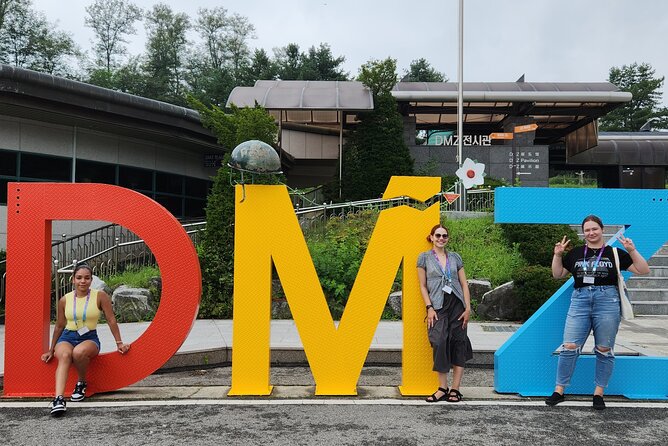
This tour is not just a sightseeing run. It is a full day that mixes three types of places, each doing a different job for your understanding of the peninsula.
First, you get the border-zone reality with DMZ access and then the signature shock of the day: the Third Tunnel. This is the part people remember because it is concrete. You do not only hear about infiltration attempts; you also walk into the “how,” which makes the story feel more believable and more unsettling at the same time.
Second, you get a set of stops that slow you down. Imjingak Park is where the mood shifts from military edge to family grief and reunion hope. Here the tour moves through memorial bridges and symbolic structures, like the Peace Bell and altars for people missing in the North. That contrast matters, because it keeps the day from turning into only shock and slogans.
Third, you get the “view” component. Dora Observatory is designed for a clear glance across the border, using binoculars to search for visible features like Kijong-dong’s propaganda village and Kaesong City. You come away with a sense of distance and geography, not just time and dates.
You can also read our reviews of more tours and experiences in Seoul.
Seoul Pickup and the Practical Rhythm of the Day
You start downtown in Seoul. The tour includes free hotel pickup and drop-off, and there is a fallback option where your guide and driver can meet you at a nearby subway station. Either way, you are spared the “what station do we use” stress that can sour a long day.
The day runs about 8 hours, which is just long enough to fit multiple border-area stops without feeling like a marathon. In real life, your timeline can shift. The operator warns that the start time may change because of military guidelines, and the schedule can be adjusted for military issues or weather. Plan your day around that. Do not book a tight dinner right after you expect to return.
Inside the DMZ, there’s another detail that you should treat as normal, not alarming: you may need to transfer to a group shuttle bus once you are inside the DMZ if your group is smaller than 30. Your tour is still private in the sense that only your group participates, but the final legs sometimes use shared transport due to how access is managed. It is worth knowing so it does not feel like something went wrong.
Imjingak Peace Stops: Where the Day Becomes Human
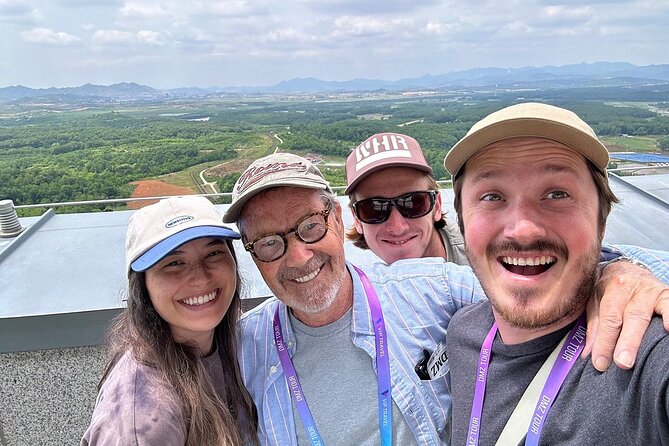
Before you reach the Tunnel and Dora, the tour builds emotional context at Imjingak Pyeonghwa Nuri Park. Opened in 2005, it is meant to symbolize peace near the Demilitarized Zone. This is where you can reset your brain for what you are about to see. You also get a short walk, not a long lecture.
Next comes the Bridge of Freedom. This one is temporary in the way it was built in 1953 to carry prisoners of war back to South Korea. The point is not the wood itself. The point is the scale of the moment: 12,773 prisoners of war crossing back toward freedom, with cheers described as long live freedom. Standing there makes that number feel less like a statistic.
Then you move through a set of memorial stops that feel specific and personal. Mangbaedan is a memorial altar near the DMZ where families gather on holidays like Chuseok to honor relatives left in the North. Even if you are not from Korea, you will feel the tone instantly. It is quieter, and incense is part of the sensory experience.
The tour also includes the Imjin River Dokgae Bridge, a historic steel structure rebuilt after the Korean War’s destruction. From a vantage point, you can see the river and the bridge without needing to overthink it. You just have to accept that this is a “scarred infrastructure” zone, where battle damage shaped what you see today.
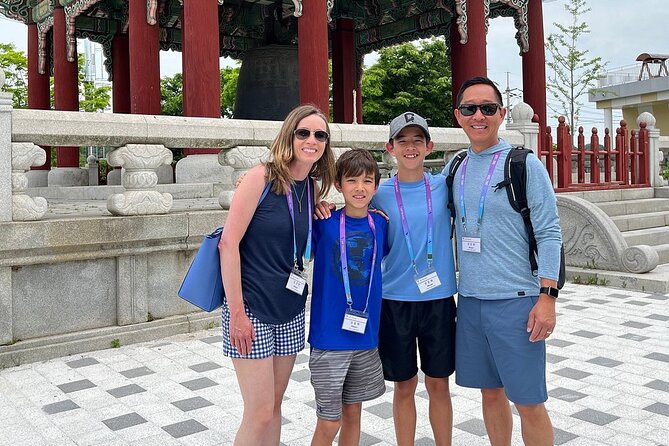
Two more symbolism layers follow. The steam locomotive at Jangdan Station is preserved as an “Iron Horse” damaged by bombings in 1950 and preserved since 1953. It turns history into an object you can point at and talk about. And the Peace Bell (Pyeonghwauijong) is a large bronze bell cast in 2000, meant to call hope for reunification. It is the kind of object that makes the day’s mood shift again, from grim to prayerful.
Finally on this sequence you cross the Unification Bridge. It opened in 1998 and functions as a link over the Imjin River with military checkpoints nearby. This bridge is one of those places where you can stand and feel two realities at once: people imagining reunion, and systems built to prevent it.
DMZ Access: Expect Rules, Not Just Scenery
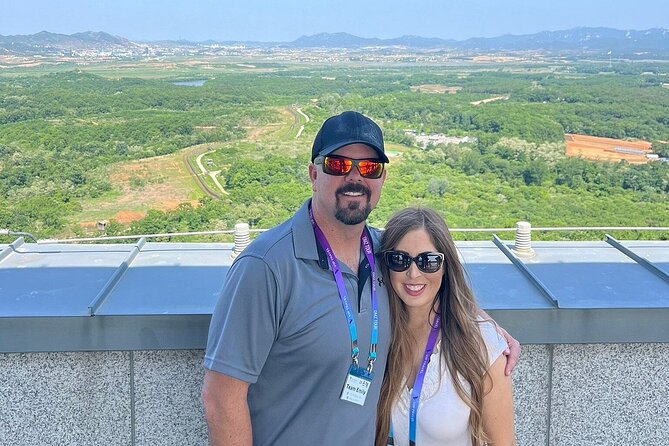
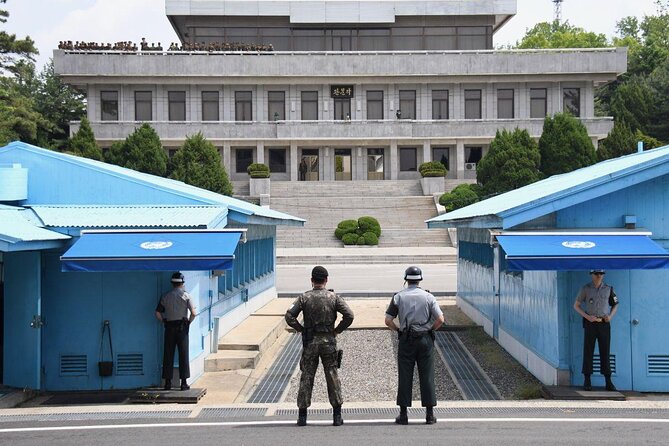
When you finally reach the DMZ stop, you are doing something that most people only watch from afar: you are entering the 4 km-wide buffer created by the 1953 Korean War armistice. This area is not just a travel attraction. It exists because the conflict paused, not because it ended.
The tour time at the DMZ is about 30 minutes for this stop, and admission is included for that segment. That short window is normal for DMZ access. You will not feel like you have unlimited time to wander, because you are not there to roam. You are there to see key points your guide can explain in context.
A good private guide makes the rules feel less like obstacles. With a small group, it is easier to ask what you are seeing and why it is set up the way it is. You also get a better chance to understand the logic of where you can stand and where you cannot.
The Third Tunnel of Aggression: The Most Unsettling Stop
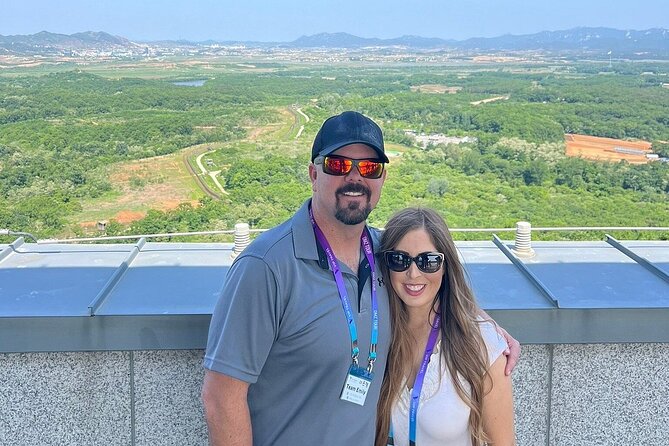
If you care about history that has a physical footprint, this is the stop. The Third Tunnel of Aggression (also known as the 3rd infiltration tunnel) was discovered in 1978 about 52 km from Seoul. The tour includes about 30 minutes here, with admission included.
The tunnel is described as 1,635 meters long, with tight dimensions roughly 2 meters high and 2 meters wide. That matters because tunnels like this are not made for comfort. They are made for function. The scale and the cramped size are part of why your brain reacts.
What I like about including the Third Tunnel inside a structured day is that you are not learning about it in isolation. By the time you reach it, you’ve already walked through memorials and bridges that show the human cost and the longing for reunification. Then you switch gears to the mechanical plan for conflict. It creates a full picture, even if it is heavy.
One practical note: tunnel stops usually mean controlled pacing and time limits. Wear shoes that are comfortable for indoor walking. No special dress code is required, but you will still want sensible layers, because DMZ-related buildings can feel different from outside weather.

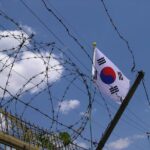
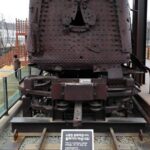

Dora Observatory: Getting Real With the View Across the Border
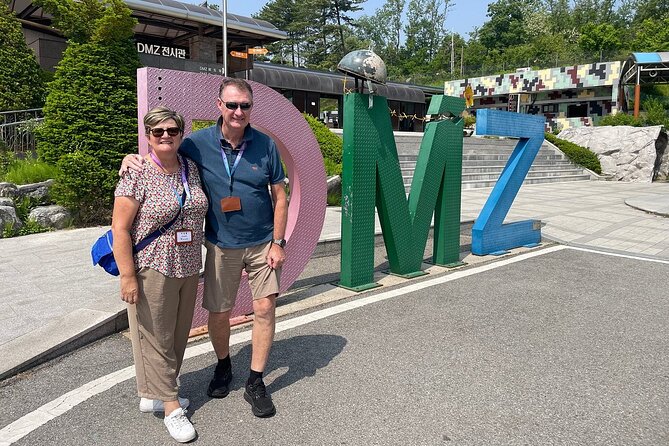
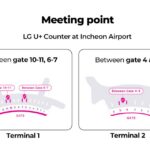
After the tunnel, the day reaches the viewpoint that many people plan for: Dora Observatory on Dorasan. It was established in 1986 and renovated in 2018, and it is described as South Korea’s closest glimpse of North Korea.
You get about 30 minutes here, with admission included. The key tool is binoculars, which you use to spot points like Kijong-dong’s propaganda village and Kaesong City.
This part can feel almost surreal if you take a moment to register that you are looking at a heavily controlled world on the other side. The value of Dora is not only the photos. It is the spatial sense: the peninsula’s shape, the distance, and the idea that politics is also geography.
If you want better results with binoculars, come ready to focus. Your guide will likely help you identify what you can see, but it still helps when you slow down and give your eyes time to adjust.
Tongilchon-gil and the Quiet Corridor of Civilian Life
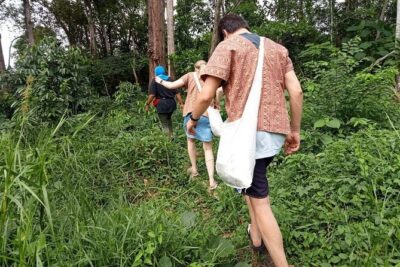
Between the big headline stops, you also pass through a calmer slice of the area: Tongilchon-gil, a road through Tongil village just beyond the Civilian Control Line. The tour gives you about 30 minutes, with a focus on a walk through fields where Jangdan soybeans are grown.
This is a “different kind of border” experience. Instead of fortifications or tunnels, you get a sense that life still exists in the margins. It is not a romantic postcard walk, but it does prevent the day from becoming nonstop shock.
Optional Gamaksan Chulleong Bridge Red Bridge Detour

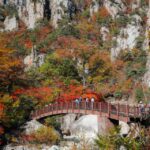
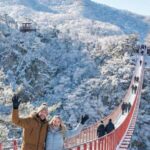
If you choose the add-on, Gamaksan Chulleong Bridge is a 150-meter-long red suspension bridge built in 2018 to honor Korean War heroes. The tour lists it as optional and gives about 1 hour for that stop, and admission is listed as free.
The bridge sounds like a photo magnet, and it can be, but the real value here is pacing. After hours of memorials and border infrastructure, a bridge walk can give you a breath of movement and a different kind of viewpoint.
One caution: because the day depends on military guidelines and weather, optional stops can be affected. If you really care about this add-on, ask your guide on the day how flexible that timing is.
What the Small-Group Format Does for You
This is a private tour for up to 6 people, and that sizing changes the whole feel. You do not just see more; you understand more.
A small group also means your guide can tailor explanations to your questions. In past trips with this operator, guides like Ray have been praised for being both funny and highly informed, while Alice has earned strong marks for being excellent and coordinating the day with driver Andy. Others like Lina have been described as giving solid, well-organized guidance.
You should still expect a serious topic. Guides will address the war and the DMZ with the respect it deserves. Humor helps, but the focus stays on clarity, safety, and context.
If you want a more personal experience, this is where to ask for it. Tell your guide what you care about most: the tunnel engineering, the memorial symbolism, or what you want to actually spot at Dora.
Price, Value, and Who This Tour Makes Sense For
The price is $500 per group, up to 6 people, for about 8 hours. That means your per-person cost drops a lot if you travel with friends or family. Even if you do not have a group of 6, you are still paying for a private guide, a skilled driver, and a structured day that includes key admissions and most major stops.
The value improves when you look at what is covered. You get hotel pickup and drop-off, a professional guide in English or Chinese, and admission included at major points like DMZ access, the Third Tunnel, Dora Observatory, and the Unification Bridge segment shown as ticket included.
What is not included is lunch, plus the listing notes some items as optional such as admission fees, parking fees, and toll fees. Since not everything is spelled out as included, I recommend you treat lunch as your only guaranteed out-of-pocket cost and keep a little buffer in mind for any extra charges that might appear.
This tour suits you if:
- you want DMZ access plus Dora and the Third Tunnel in one organized day
- you prefer private pacing over a crowded day trip
- you care about both the physical sites and the human meaning behind them
It might not suit you if:
- you hate schedule uncertainty due to military guidelines and weather
- you need a very long, wandering-style experience rather than controlled time windows
- you cannot handle the emotional tone of memorial stops
Should You Book This Private DMZ Tour From Seoul?
Yes, you should book it if you want a focused DMZ day without the stress of figuring out logistics, timing, and explanations by yourself. The mix of Third Tunnel access, Dora Observatory views, and the reflective Imjingak memorial circuit gives you more balance than the typical border checklist.
If you are sensitive to schedule changes, treat the start time as flexible and do not stack tight plans right after. Bring your passport, wear comfortable walking shoes, and accept that this is a regulated zone where the day’s order can shift.
For most first-time visitors, this is a strong way to see the DMZ with the least friction and the most context.
FAQ
How many people are in the private tour?
It is private for up to 6 people per group.
How long is the DMZ tour from Seoul?
The duration is about 8 hours.
Is hotel pickup included?
Yes. Free hotel pickup and drop-off are included in downtown Seoul. If you prefer, your guide and driver can meet you at a nearby subway station.
Do I need a passport?
Yes. A passport is needed on the tour day. Bring it with you.
Which languages are the guides?
The guide is listed as English or Chinese speaking.
What time can I expect to start?
The start time may change due to military guidelines. You will be informed if it changes.
Is there a dress code for the DMZ?
No special dress code is listed.
Are tickets included?
The itinerary shows admission included for key stops (including the DMZ segment, the Third Tunnel, Dora Observatory, and the Unification Bridge segment). The listing also notes that some optional admission fees may apply, so it’s wise to confirm what is covered for your exact choices.
Will I have to use a shuttle bus inside the DMZ?
If your group is less than 30 people, you need to transfer to a group shuttle bus once inside the DMZ.
What if weather or military issues force schedule changes?
The schedule can change depending on military issues and weather problems, and refunds are not available in those situations.
Is cancellation free?
Yes, free cancellation is available up to 24 hours in advance for a full refund.