REVIEW · SEOUL
DMZ Past and Present: Korean Demilitarized Zone Tour from Seoul
Book on Viator →Operated by KOREA TOUR (DMZ TOUR) · Bookable on Viator
DMZ tours make geography feel personal. This one gets you to the Korean Demilitarized Zone with a guide’s context, then rewards you with binocular time at Dora Observatory and a real walk inside the 3rd Infiltration Tunnel. I especially like the way the day ties together war relics, human stories, and what you can actually see from the South. You’ll also benefit from the smooth coach ride and tight timing, so you’re not stuck figuring out logistics.
Two things I’d plan around first: the binocular view across the border (including the village area of Kijongdong) and the chance to physically experience the narrow tunnel passage. The big consideration is the physical side: there’s walking through a steep, narrow tunnel and you need to be fit enough for about 1,300 feet (400 meters) with an 11-degree gradient.
In This Review
- DMZ Tour in 60 Seconds: What You’re Really Paying For
- How a DMZ Tour from Seoul Feels on the Day
- Imjingak Pyeonghoa-Nuri Park and Freedom Bridge: War Artifacts With a Human Thread
- The Third Infiltration Tunnel Walk: The Part Your Body Remembers
- Dora Observatory: Binocular Time and What You Can (and Can’t) See
- DMZ Museum Stop: How Artifacts Turn Into Understanding
- Transportation, Timing, and Group Size: Expect a Real Tour Rhythm
- Price and Value: Is $37 a Fair Deal for the DMZ Experience?
- Who Should Book This DMZ Tour (and Who Might Skip)
- Should You Book This DMZ Tour From Seoul?
- FAQ
- How long is the DMZ Past and Present tour?
- What does the tour include?
- Is lunch included?
- Do I need a passport for this tour?
- Do I need to send a copy of my passport?
- Is hotel pickup included?
- Where do you get dropped off?
- How much walking is involved?
- Can tall people do the tunnel?
- How many people are in a group?
DMZ Tour in 60 Seconds: What You’re Really Paying For
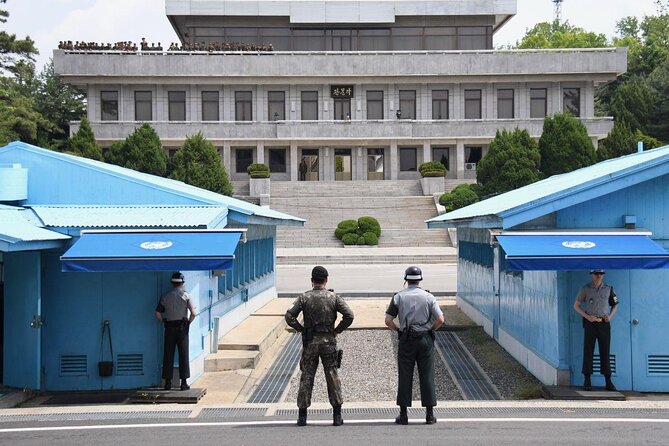
- Binocular scouting at Dora Observatory to see into North Korea from the South side
- Third Infiltration Tunnel access you can’t do on your own, plus a steep, tight walk
- Imjingak Park + Freedom Bridge for war artifacts and the POW-crossing symbol of return
- DMZ Museum context stops with photos and war artifacts that connect the dots
- Small-ish group size (up to 40) so you can keep up without feeling lost
How a DMZ Tour from Seoul Feels on the Day
A DMZ day is part sightseeing, part reality check. The route is built to move you from memorial ground to border structures, with a guide walking you through what you’re seeing and why it matters. Plan for a structured half-day: you’ll start with a hotel pickup in downtown Seoul (the tour description calls it handy), ride out by air-conditioned coach, and then return to central Seoul.
Time matters here. A tour like this is designed to fit several official stops without you wasting hours trying to coordinate permits and transport. That’s the value: you get access and commentary, not just a van and a hope.
Also, you’ll want a passport day. A current valid passport is required on travel day, and the tour notes you don’t need to send a copy in advance. You’ll carry the real deal in the moment.
You can also read our reviews of more tours and experiences in Seoul.

Imjingak Pyeonghoa-Nuri Park and Freedom Bridge: War Artifacts With a Human Thread
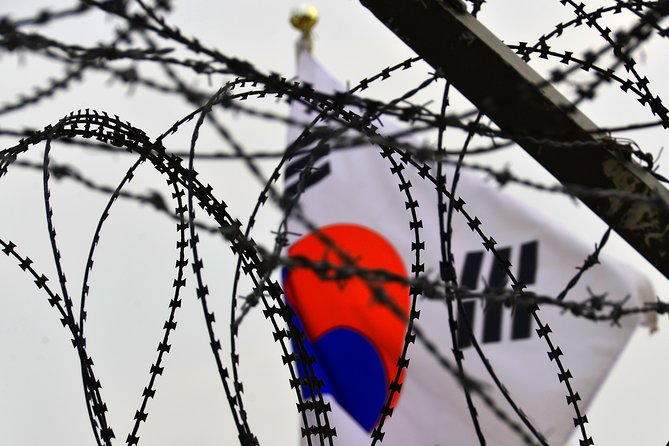
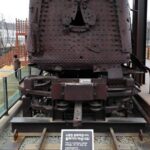
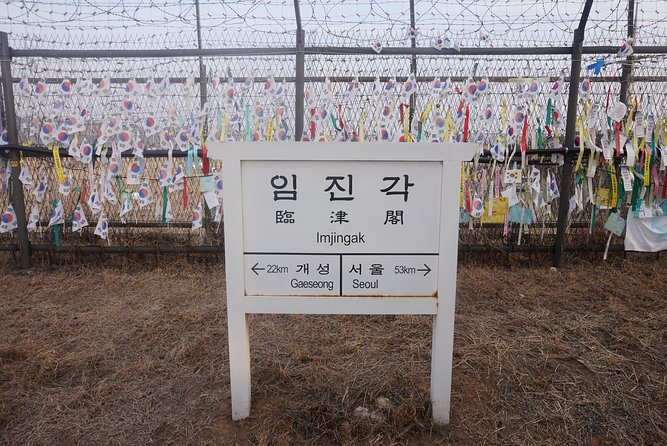
Your first major stop is Imjingak Pyeonghoa-Nuri Park, near the Imjin River. This is where the Korean War shows up in objects, not textbooks. You’ll see artillery and other war artifacts used during the conflict, set in a memorial-like park atmosphere. Even if you’re not a military history person, these displays do something useful: they ground the later border stops in actual material impact.
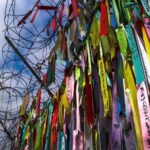
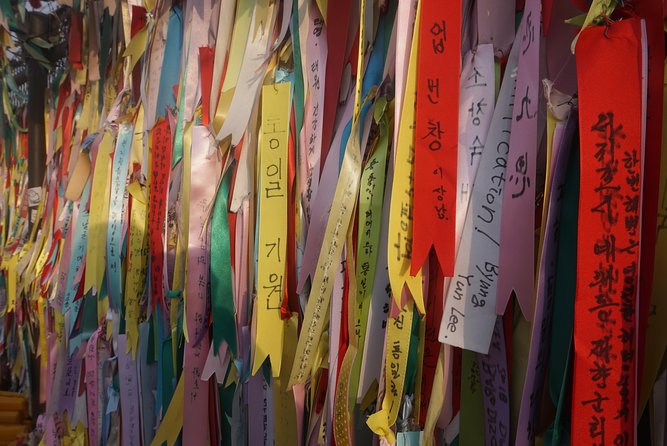
From there, you walk to Freedom Bridge. This isn’t just a photo spot. It’s tied to the movement of nearly 13,000 POWs who crossed it on their path to freedom in South Korea. That detail changes how you read the scene. Instead of viewing the DMZ as a pure political line, the bridge becomes a reminder that people were moved across, suffered, and later returned—or didn’t.
One practical note: this portion of the day is more about orientation and meaning than steep effort. It’s a good stretch break before the tunnel portion later on.
The Third Infiltration Tunnel Walk: The Part Your Body Remembers
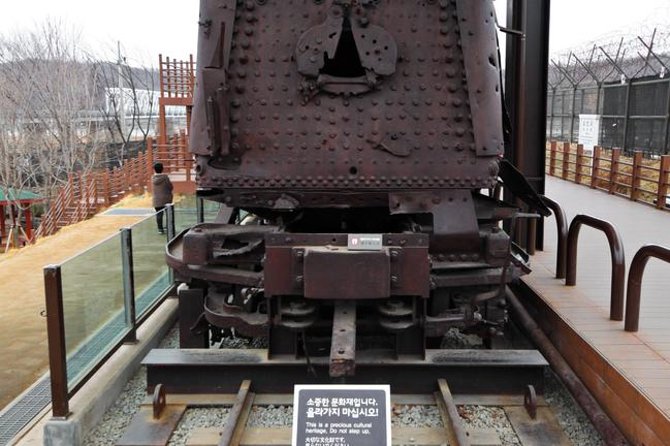
The 3rd Infiltration Tunnel stop is one of the reasons this tour stands out. It’s beneath the border area, and the tour frames tunnels as a tactic linked to infiltration planning between North and South.
You’ll re-board the coach, arrive at the tunnel entrance, and then go in with a guided explanation of the role these tunnels are believed to have played. The tunnel visit is short on the clock but long on physical impact: you’re walking through a steep and narrow tunnel. The tour guidance is clear about the requirement—about 400 meters (1,300 feet) of walking at an 11-degree gradient.
A real-world tip from the experience: if you’re tall, be aware that the tunnel ceiling can feel close. One guide-handling detail that came up in participant feedback is the hard hat; it helps with head safety, but it won’t magically make the passage roomy. Wear comfortable shoes you can trust on uneven or tight footing.
If you’re up for it, this stop gives you something pictures can’t: scale. Your legs and breathing make the “protected border” idea feel tangible.
Dora Observatory: Binocular Time and What You Can (and Can’t) See
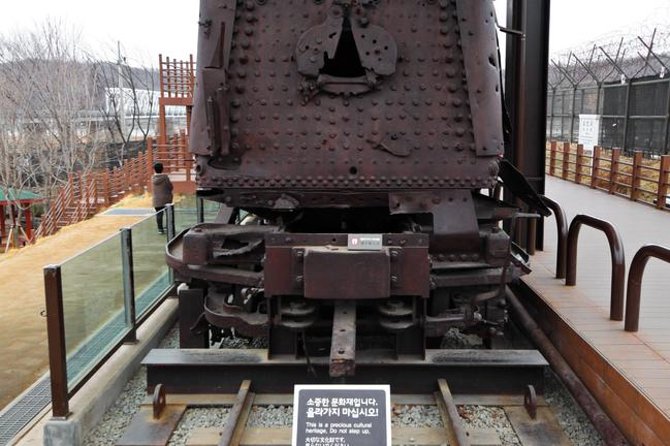
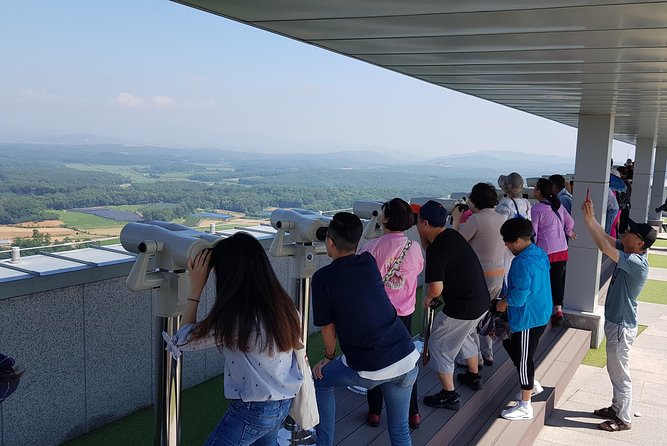
Dora Observatory is where the border becomes visible. You’ll get admission, then use binoculars to scope out North Korea. Your guide explains what life can look like across the river as you observe the village of Kijongdong.
This is the moment people describe as eye-opening for a simple reason: from Seoul you’re used to the feeling that North Korea is distant and abstract. From Dora, you’re looking at real geography on the other side of the DMZ, and the binoculars make it more than a vague skyline.
Now, a balanced expectation check: this is still a DMZ viewpoint with limits. The tour is designed for observation from the South, not close access. So think of it as “clarity at distance,” not a cinematic look at buildings and daily life.
The upside is that the guide’s framing helps you read what you’re seeing. When someone can connect the view to what’s been happening across decades of conflict, the observatory time turns into a learning moment instead of only a photo moment.
DMZ Museum Stop: How Artifacts Turn Into Understanding
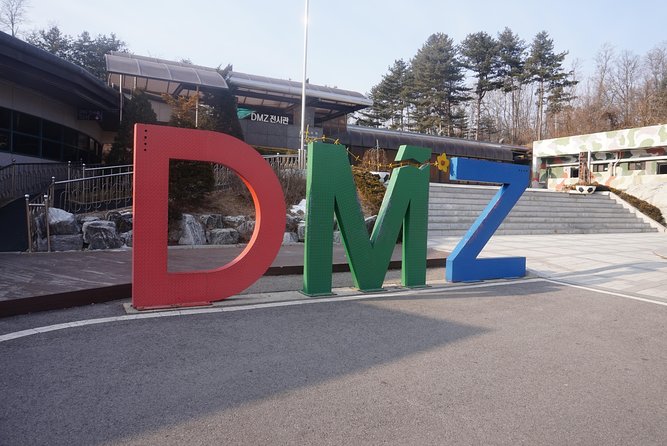
Between the tunnel and the observatory, you’ll have time at the DMZ Museum. This is where the tour typically slows down just enough to connect the dots.
You’ll look at photographs and war artifacts on display. The goal isn’t to overwhelm you. It’s to give you anchors: what certain structures were, what the conflict left behind, and how the DMZ became the world’s most protected border dividing North Korea and South Korea since the Korean War in the 1950s.
Museum time is also useful for mental recovery. If your tunnel walk spiked your stress level, the museum helps reset your brain to “history mode.” And if you’re coming in cold, the museum is what makes later explanations click.




Transportation, Timing, and Group Size: Expect a Real Tour Rhythm
This isn’t a slow roam. It’s a managed, half-day program lasting about 6 hours 30 minutes. You travel by air-conditioned coach, and you’ll get hotel pickup (as noted in the tour overview) with drop-off in central Seoul (also mentioned in the overview).
Group size is capped at 40 travelers. That’s big enough to keep the cost reasonable, but small enough that you can still hear instructions and follow the guide without constantly turning into a traffic jam.
A practical planning move: wear layers and bring water. Even if the day is only several hours, you’re inside a coach for long stretches and outside near memorial sites. Comfort matters more than style here.
Also, expect a moderate pace at key moments. The tunnel is the main physical hurdle, but there’s walking around memorial and bridge areas too. If you have knee issues or problems with steep angles, check that 11-degree gradient requirement carefully.
Price and Value: Is $37 a Fair Deal for the DMZ Experience?
At $37 per person, the price feels almost too good—until you notice what’s included. You’re paying for a guide’s expert commentary, transportation by air-conditioned coach, and admission fees at stops (each of the main stops notes an admission ticket included component).
Here’s the real value logic: DMZ access isn’t something you casually self-tour. The tour packages the official entry process, schedules you into the right time slots, and keeps the day coherent. Without a guide, you’d likely waste time trying to interpret what you’re seeing—or you’d miss stops that require structured access.
The only thing you’re likely to pay out of pocket is lunch (not included). So if you bring a snack and plan for meals back in Seoul, your spending stays predictable.
One more value lens: guides. The experience depends heavily on explanation, not just transportation. In the feedback you’ll see names like AJ, Katie, Grace, Sadie, and Erica Kim linked to strong communication and clear English. That matters because DMZ sights can feel like a list—unless someone helps you understand what each site symbolizes.
Who Should Book This DMZ Tour (and Who Might Skip)
This tour is a good match if you want:
- A structured DMZ day from Seoul with access you can’t replicate independently
- A mix of memorial sites (Imjingak Park, Freedom Bridge) and border-structure time (Third Tunnel, Dora Observatory)
- A guide-led explanation that helps you understand what you’re looking at
It’s less ideal if you:
- Don’t handle confined spaces well (the tunnel is narrow and steep)
- Struggle with moderate walking on gradients (the requirement is about 400 meters at an 11-degree gradient)
- Are trying to keep the day ultra-relaxed—this tour is designed to cover several key locations efficiently
It can also fit solo travelers fine, since the coach ride and max-40 group structure keep the day organized.
Should You Book This DMZ Tour From Seoul?
Yes—if you want the best first DMZ experience with minimal hassle. This tour gives you the core DMZ sights that most people come for: Imjingak’s war artifacts, Freedom Bridge’s POW meaning, the 3rd Infiltration Tunnel walk you can’t do on your own, and Dora Observatory binocular viewing into the North.
Book it if you’re comfortable with the physical requirement and you value guided context. Skip or choose a gentler option if tight spaces and steep walks would make you miserable. If your goal is to leave Seoul with a real, grounded understanding of the DMZ as both a physical border and a human story, this is the kind of day that sticks.
FAQ
How long is the DMZ Past and Present tour?
The duration is about 6 hours 30 minutes.
What does the tour include?
It includes an expert guide, transport by air-conditioned coach, and admission fees.
Is lunch included?
No, lunch is not included.
Do I need a passport for this tour?
Yes. A current valid passport is required the day of travel.
Do I need to send a copy of my passport?
No, you do not need to send a copy.
Is hotel pickup included?
The tour overview says a handy hotel pickup is included, but the included/excluded details list hotel pickup/drop-off as not included. Confirm the pickup details for your booking.
Where do you get dropped off?
Drop-off is in central Seoul, based on the tour overview.
How much walking is involved?
There is a moderate amount of walking through a steep and narrow tunnel. The guidance is about 1,300 feet (400 meters) at an 11 degree gradient.
Can tall people do the tunnel?
The tunnel is steep and narrow. One participant noted that a hard hat helped with head safety, but the ceiling felt close for them, so tall visitors should plan for a tight fit.
How many people are in a group?
The tour has a maximum of 40 travelers.