REVIEW · SEOUL
DMZ Tour (Exclusive offer: NK Defector meet up & Experience Hall)
Book on Viator →Operated by SEOUL CITY TOUR CO. LTD. · Bookable on Viator
The DMZ turns politics into something you can see. This one-day trip from Seoul hits the main border landmarks, with expert live commentary and admissions handled. It also includes an exclusive NK defector meet-up and an Experience Hall component when your departure offers it.
I especially like the no compulsory shopping stop and the fact that you’re not stuck planning logistics. You also get round-trip transport in a comfortable air-conditioned coach, plus a timed route that keeps the day moving. One thing to plan for: the Third Infiltration Tunnel involves steep, narrow walking, so wear proper shoes and expect a workout.
In This Review
- Key things to notice before you go
- Price and Logistics: What you’re paying for (and what you’re not)
- From City Hall Station to the Border: How the day is paced
- Imjingak Park and Freedom Bridge: Where the war shows its faces
- Third Infiltration Tunnel: The part that gets physical fast
- Dora Observatory: The view that comes with meaning
- Dorasan Station and the Experience Hall: Looking at the future lane
- The NK Defector meet-up: Why this moment hits hardest
- Who should book this DMZ day trip from Seoul
- Should you book it?
- FAQ
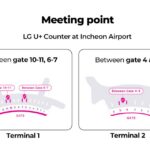
- Where does the tour start and end?
- How long is the tour?
- What’s included in the ticket price?
- What’s not included?
- Do I need a passport?
- Do I need to send a copy of my passport in advance?
- Is there walking involved?
- Are there rules about photos?
- What if the itinerary changes due to military or local conditions?
- What’s the cancellation policy for a full refund?
Key things to notice before you go
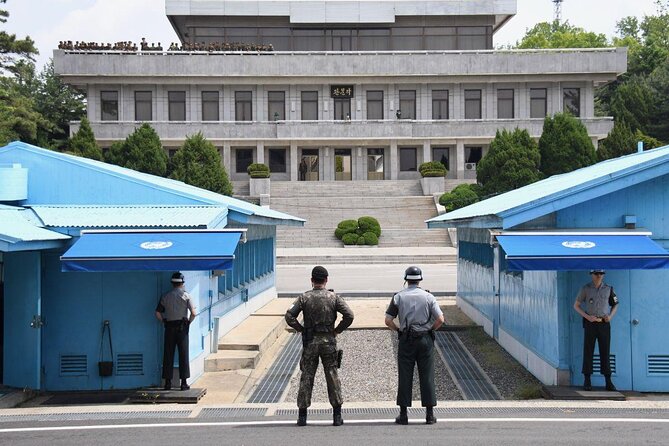
- A focused 7-hour circuit: you’ll see the big DMZ sites without spending your whole trip stuck on transit.
- Imjingak Park + Freedom Bridge: history that’s tied to real human movement, not just monuments.
- The 3rd Infiltration Tunnel: narrow stairs and a moderate hike underground where you’ll feel the scale.
- Dora Observatory: a viewing experience aimed at North Korea’s side of the story, with guided context.
- NK defector meet-up (exclusive offer): often the emotional highlight of the day, handled as a guided session.
- Smallish group max 40: easier for photo moments and questions than huge buses.
Price and Logistics: What you’re paying for (and what you’re not)
At $35 per person for about 7 hours, this DMZ tour is priced like a “real day out” rather than a basic bus ride. You’re getting the essentials covered: an expert guide, air-conditioned coach transport, and admission fees. That combination matters because DMZ day trips can get expensive fast once you add entry tickets and local transport.
What’s not included is pretty clear: lunch, and the tram (so don’t expect a free add-on ride inside the DMZ area). Also, the tour notes City Hall Station as the start/end point, and hotel pickup/drop-off is listed as not included. Still, a few guides have been known to help with convenient pickup in practice, so if you’re staying near major stops, you’ll want to confirm what’s possible for your exact date.
The big practical point: this is built around a fixed route and timing. The day can’t stretch. If you’re late to the bus at the meeting point, you risk missing it—and the tour notes there’s no refund if you miss the tour bus.
You can also read our reviews of more tours and experiences in Seoul.

From City Hall Station to the Border: How the day is paced
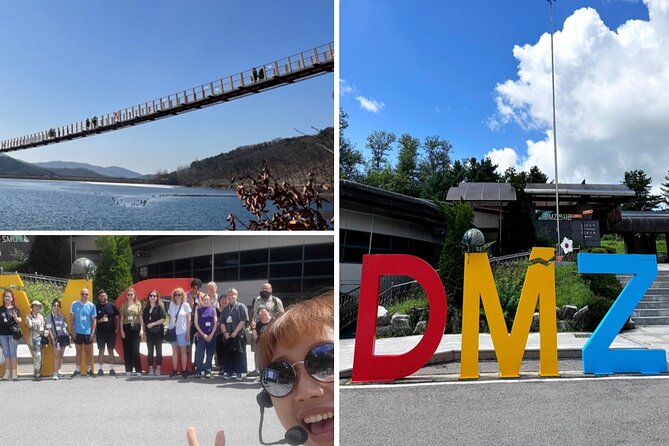
The tour meets at City Hall Station and runs out and back to the same place. That’s helpful if you’re trying to keep your Seoul logistics simple. You won’t have to coordinate multiple transfers or chase a hotel pickup at different addresses.
Once you’re on the coach, your guide starts telling the story before you reach the fence line. The ride isn’t just travel time—it’s part of the lesson. You’ll hear commentary about the dividing line between North and South Korea en route, so by the time you step out at Imjingak Park, the symbols and locations start making sense.
Expect a steady rhythm: short stops, guided explanations, then moving on. The day can feel busy, but the pace is one of the reasons this works. You’re not wandering for long stretches without context. And because it’s a group tour with a set maximum of 40 travelers, you generally get organized photo moments and time management that doesn’t feel chaotic.
Imjingak Park and Freedom Bridge: Where the war shows its faces
Imjingak Park along the Imjin River is one of those stops that doesn’t feel like “just another viewpoint.” The focus is artifacts and evidence: war-related objects placed there to explain what the Korean conflict left behind. You’ll see artillery and war relics connected to the fighting.
Then comes Freedom Bridge, described as a return route for nearly 13,000 Korean POWs going back home to South Korea. This isn’t abstract history. It’s a reminder that the peninsula division disrupted families and moved people across lines they didn’t choose.
How to get more out of this stop:
- Pay attention to what the guide connects to the landmarks. The power here is in the narration, not just photos.
- If you’re traveling with kids, this is a good time to ask simple questions like what each artifact is and why it’s displayed there. Guides tend to handle questions well on this tour.
Possible drawback: this is still a memorial-type setting. If you’re expecting a casual photo walk, you might find the mood heavier than other tours in Seoul.
Third Infiltration Tunnel: The part that gets physical fast
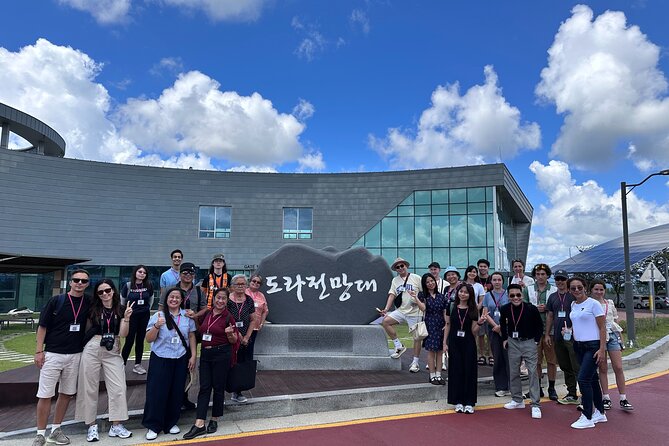
The Third Infiltration Tunnel is often the star for people who want the DMZ to feel real. This stop is under the border area between North and South Korea, and the tour frames it as a place where the South Koreans blocked the actual military demarcation line.
Here’s the main practical consideration: the tour explicitly warns about moderate walking through a steep and narrow tunnel. That means stairs, tight passageways, and a climb back up afterward. One review experience even notes that the tunnel felt more strenuous than expected, especially on the way back out.
So plan for comfort:
- Wear shoes you’d trust on uneven surfaces and stairs.
- Wear clothing you don’t mind getting warm in a tunnel.
- Don’t plan on rushing. There are times you’ll need to move carefully.
If you’re okay with physical activity, this stop adds something that observatories and bridges can’t: scale you can feel in your legs.
Dora Observatory: The view that comes with meaning
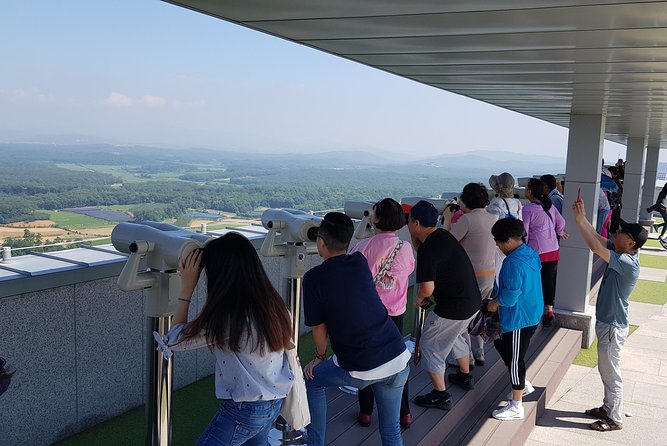
After the tunnel, the day shifts toward viewing and interpretation at Dora Observatory. This is where you’re meant to look across the border area and understand what that line has meant over time.
You’ll get guided context about the situation of the two Koreas, and the viewing setup is part of the experience. One of the most repeated delights from the day is how interesting it is to scan North Korea using binocular-style viewing tools. Even if you’ve seen border photos before, the guided explanations help you turn what you see into something understandable.
How long you’ll enjoy Dora depends on how curious you are. If you like asking questions and listening to the story behind what you’re looking at, Dora can be one of your most memorable moments. If you prefer quick photo stops, you may want to focus on a couple key perspectives and move on with the group.


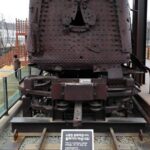


Dorasan Station and the Experience Hall: Looking at the future lane
The tour also includes Dorasan Station, a location strongly tied to the idea of movement and connection. In a day built around separation, a station conceptually points toward routes that never fully opened—an emotional angle that works well after you’ve seen memorial artifacts and the tunnel.
Your exclusive offer can also include time at an Experience Hall. The name suggests an interpretive component—more structured context to help you connect the sites from stop to stop. On a day like this, that matters. Without some kind of wraparound explanation, the DMZ can feel like a series of interesting places. With the Experience Hall, it’s easier to connect the timeline and the reasons behind each location.
Tip: If you’re serious about history, use this time to ask your guide for simple “cause and effect” summaries. Guides on this tour are repeatedly praised for answering questions and keeping the session organized.
The NK Defector meet-up: Why this moment hits hardest
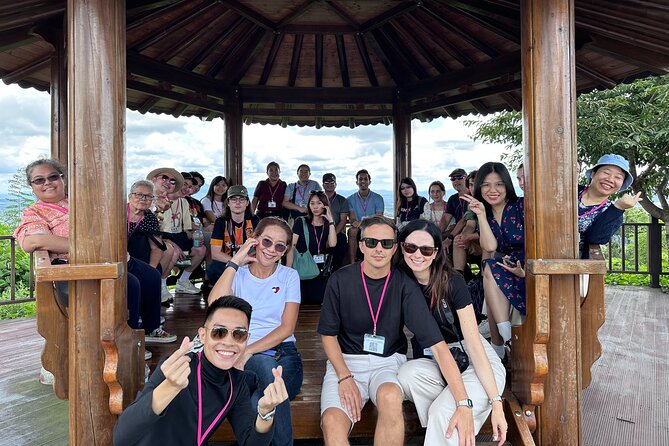
This tour’s exclusive add-on centers on an NK defector meet-up and related experience time. When it’s offered on your departure, it tends to be the emotional peak of the day—partly because you’re not only learning from maps and markers. You’re hearing from someone with firsthand perspective about life shaped by North Korea.
A key value here is the structure. The tour frames it as a guided session where you can learn the background and ask questions. Several experiences highlight that this part is where people feel they gained a deeper appreciation for the path toward a unified Korea.
Important practical note: the tour data also warns that if military conditions or local circumstances force a cancellation of part of the itinerary, there will be no refund. So while the defector meet-up is a major reason people book, you should treat it as a high-impact component that depends on conditions.
If this is your “must-have,” consider going with a flexible mindset. Still, even without that single element, the DMZ circuit can remain worthwhile because the tunnel, observatory, and memorial stops carry their own weight.
Who should book this DMZ day trip from Seoul
This is a strong fit if:
- You want the major DMZ highlights in one day with guided explanation.
- You like history that connects to real places, not just slides and stories.
- You’re comfortable with moderate walking and a tunnel that’s steep and narrow.
- You value a tour that avoids the usual time-suck of a forced shopping stop.
You might skip it if:
- You’re sensitive to crowds and tight spaces (the tunnel is narrow, and the day is scheduled).
- You need lots of free time. This route is designed to cover specific stops, so you won’t have hours of wandering.
- You’re not able to handle the physical demands of the tunnel segment.
One more note on guides: you may be led by different people, but multiple guide names came up repeatedly as energetic and organized, including Felicity, Katie, Grace, Miel, Erica, Laura, Charles Park, AJ, Sadie, and Yeoni. That variety matters because it suggests the tour consistently emphasizes strong English and solid pacing, not just logistics.
Should you book it?
If you want a high-impact DMZ experience without turning your trip into a logistics puzzle, I’d book this. The value is in the combination: transport + admission + guided storytelling in a 7-hour day that hits the key sites people actually care about. And the exclusive NK defector meet-up (plus Experience Hall, if included on your date) can take the day from educational to unforgettable.
If the tunnel’s steep, narrow walking sounds like a deal-breaker, that’s the one reason to pause. Otherwise, this is exactly the kind of tour that helps you understand why the DMZ isn’t just a border—it’s a lived reality.
FAQ
Where does the tour start and end?
The tour starts and ends at City Hall Station in Seoul.
How long is the tour?
It’s listed as about 7 hours.
What’s included in the ticket price?
The ticket includes an expert guide, transport by air-conditioned coach, and admission fees.
What’s not included?
Tram access and lunch are not included.
Do I need a passport?
Yes. You need a current valid passport on the day of travel.
Do I need to send a copy of my passport in advance?
No. You do not need to send a copy of your passport in advance.
Is there walking involved?
Yes. There’s a moderate amount of walking through a steep and narrow tunnel, so wear comfortable shoes.
Are there rules about photos?
Yes. You should follow your tour guide’s instructions on when and where you can take photos.
What if the itinerary changes due to military or local conditions?
If part of the itinerary is cancelled due to unexpected military conditions or local circumstances, there is no refund.
What’s the cancellation policy for a full refund?
You can cancel up to 24 hours in advance for a full refund.