REVIEW · TOKYO
Dynamic Tokyo: Tokyo Tower, Tea Experience, Bay Cruise Day Tour
Book on Viator →Operated by JTB Global Marketing & Travel Inc. · Bookable on Viator
Tokyo can feel huge on Day 1. This tour strings together big icons with calm stops: a hands-on matcha tea experience and Tokyo Tower panoramic views that give you a real sense of scale fast. You also get narration along the way, and in the guide names people call out most often (like Mina, Hiro, Aki, and Yokosan), there’s usually a pattern: clear English, good timing, and practical context so each stop feels less random.
The tradeoff is that you’re moving a lot. It’s a long, bus-led day (about 9 hours), with schedules affected by traffic and access near the Imperial Palace area, so you should go in expecting a tight timeline rather than lingering.
In This Review
- Key Things That Make This Tour Worth a Spot
- Getting Your Bearings in One Packed Tokyo Day
- Price and Value: What You’re Really Paying For
- Meeting Point at Tokyo Station: Easy to Find, Still Read Closely
- Imperial Palace Grounds: Nijubashi Bridge Views Without the Full Inside Tour
- Nakamise + Senso-ji: Temple History Meets Snack-Stop Energy
- Matcha at Kaminari Issa: A Tea Experience You Can Repeat Later
- Odaiba Lunch at Sheraton Grande Tokyo Bay Hotel (Buffet Style)
- Sumida River Cruise from Hinode Pier to Asakusa: The Calm Midday Reset
- Crossing Rainbow Bridge: The Bay View Bonus
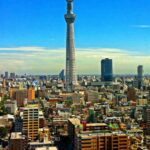
- Tokyo Tower at 150 m: Panoramic Views and the Transparent-Floor Moment
- Group Size, Pace, and Comfort: What to Expect on the Bus
- Weather, Timing, and Small Headaches That Matter
- Who This Tour Fits Best
- Should You Book Dynamic Tokyo: Tokyo Tower, Tea Experience, Bay Cruise Day Tour?
- FAQ
- How long is the Dynamic Tokyo tour?
- What does the price include?
- Is the tea ceremony formal?
- Is vegetarian lunch available?
- Where does the tour start and end?
- Do I get to go to the Tokyo Tower special observatory?
- How many people are in the group?
Key Things That Make This Tour Worth a Spot
- Matcha you actually make (not just watch), plus a garden setting for the tea-style experience
- Tokyo Tower main observatory included at 150 m, with a transparent-floor lookout window
- Temple + market walk at Senso-ji and Nakamise, with real time to explore
- Sumida River cruise from Hinode Pier under bridges with coffee/tea included
- Odaiba buffet lunch at a hotel with broad international options (vegetarian requests not handled)
Getting Your Bearings in One Packed Tokyo Day
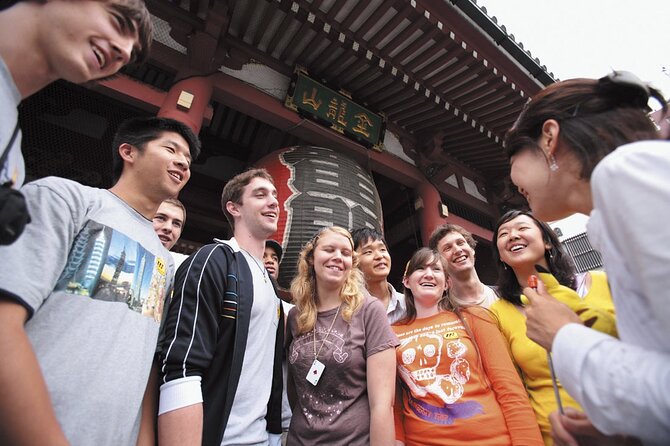
If Tokyo is new to you, the hardest part isn’t finding sights. It’s knowing how they connect. This tour is built to fix that fast. You’ll see Tokyo Tower for the skyline perspective, Senso-ji and Nakamise for old-school street energy, and the Imperial Palace grounds for the formal, historical side of the city. Then you get the water layer with a Sumida River cruise.
What I like most is the balance of “look up” and “look around.” Tokyo Tower gives you that vertical wow. The temple and market stops give you street-level texture. And the river adds a calmer rhythm between the busy parts.
The other big plus is that the day is designed like a loop: central Tokyo, then over to the Bay/Odaiba area for lunch, then back toward Asakusa for the cruise and Senso-ji time. That makes it feel like a guided route rather than separate checkboxes.
You can also read our reviews of more tours and experiences in Tokyo.
Price and Value: What You’re Really Paying For
At about $99.10 per person, you’re not paying for a single museum ticket. You’re paying for a bundle: bus transport, several admissions (including Tokyo Tower’s main observatory), a hotel buffet lunch, and the river cruise fare.
Here’s how to judge the value in plain terms:
- Time savings: Tokyo distances and transfers can eat a full day. A coach itinerary helps you skip a lot of planning.
- What’s included: Lunch at the Sheraton Grande Tokyo Bay Hotel, Tokyo Tower main observatory (150 m), and the cruise portion.
- What costs extra: The Tokyo Tower special observatory (250 m) is not included, so if that’s your priority, budget for it.
If you’re the type who likes to see lots in one day and you don’t want to spend your precious vacation hours figuring out train lines, this kind of package tends to make sense.
Meeting Point at Tokyo Station: Easy to Find, Still Read Closely
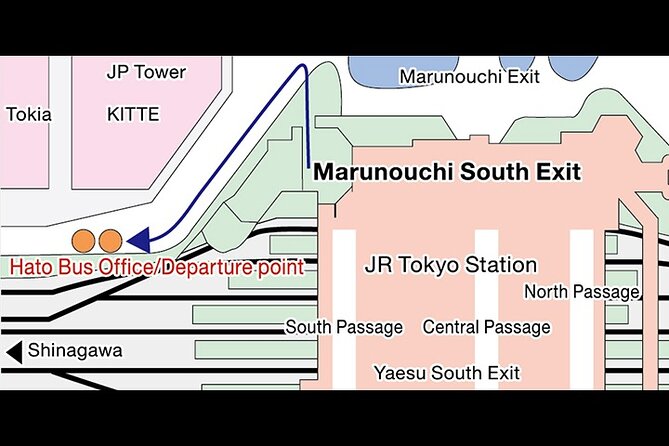
The tour starts at Tokyo Station (Marunouchi, Chiyoda) and ends near Tokyo Station Marunouchi South Entrance. It’s near public transportation, and the meeting point is in a place you can reach even if your first morning feels chaotic.
One practical caution: confirmations and pickup details can be confusing for some people. I’d recommend opening the map link before you leave your hotel and taking a few minutes to locate the exact pickup point in person or via street-level navigation.
Also, bring your mobile ticket and plan to show up a bit early. This is the kind of schedule where being late can ripple into the rest of your day.
Imperial Palace Grounds: Nijubashi Bridge Views Without the Full Inside Tour
Your day begins with the Imperial Palace area, specifically where you’ll see the stone base linked to Edo Castle and a chance to view Nijubashi Bridge, often described as the face of the palace. Even if your time inside the grounds is limited, the setting helps you understand the historical shift from castle power to modern ceremonial space.
You also get time in the East Garden area. The goal here isn’t deep museum time. It’s orientation: moats, greenery, and those “how this used to work” sightlines.
Possible downside? Some people feel the palace stop can be more of a look-and-stand moment than a long exploration. If you’re hoping for maximum time inside, keep your expectations realistic. This is more about context and photos than a slow stroll.
Nakamise + Senso-ji: Temple History Meets Snack-Stop Energy
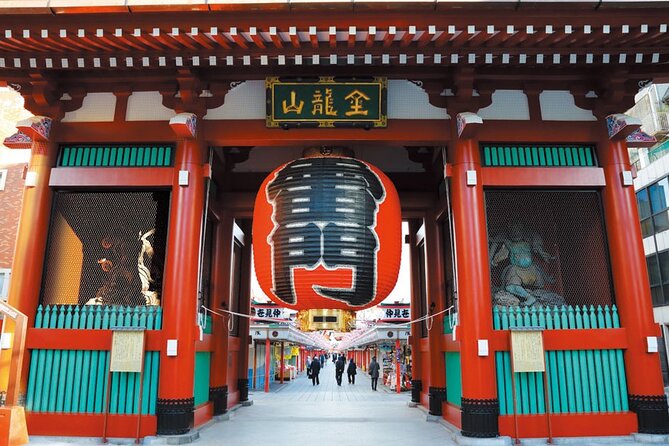
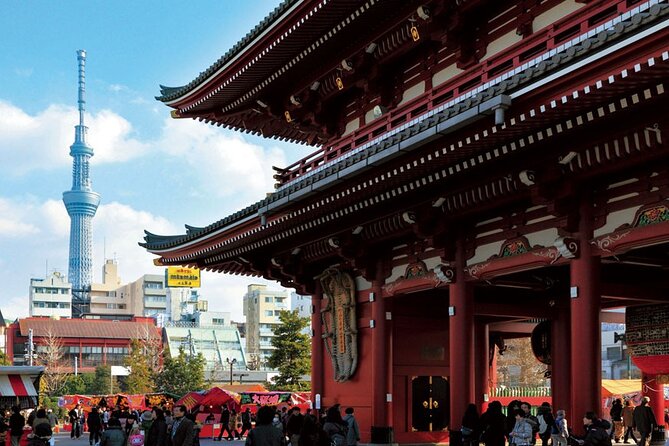
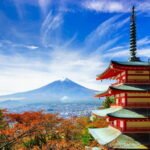
Next up is Asakusa and Senso-ji (the old temple complex). You’ll see major landmarks like Kaminarimon Gate and the five-story pagoda, with the surrounding area giving you that classic Tokyo temple vibe.
The best part is the walk through Nakamise, the shopping street leading toward the temple. It’s packed with vendors selling snacks, handicrafts, and souvenirs. The trick is not to overbuy. Treat this like a sample lane: pick one or two things you really want, then keep moving so you don’t lose time later at the temple itself.
This stop is also where you’ll feel the tour’s pace. You get a block of time to explore, but you’ll want comfortable shoes and a steady walking rhythm.
Matcha at Kaminari Issa: A Tea Experience You Can Repeat Later
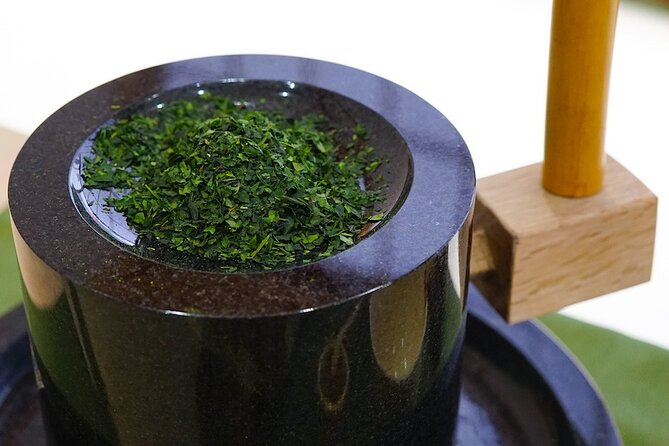
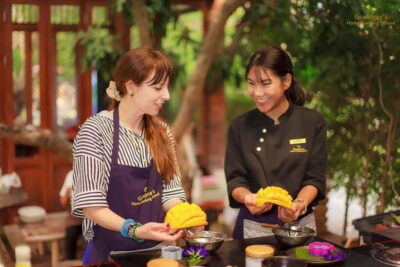
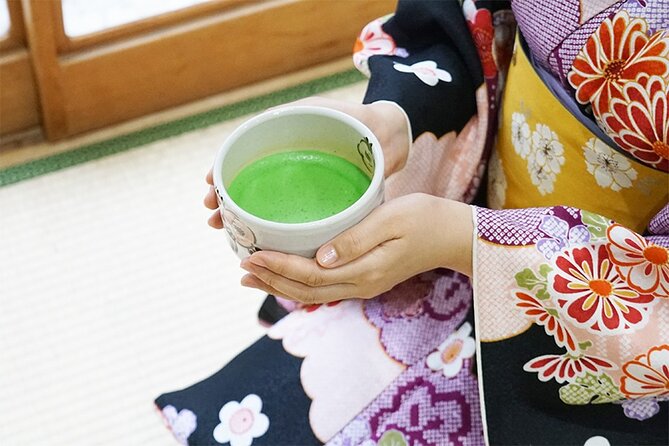
If you want one stop that feels personal, this is it. In Asakusa you’ll do a matcha green tea experience with Kaminari Issa, where you watch a video on preparation and then make your own tea in a casual learning format.
Important detail: this is described as not a formal ceremony. Still, it’s hands-on, and it lands well because you’re in the right neighborhood for it. The garden setting with preserved Edo-era architecture and the bonsai-filled atmosphere makes the experience feel respectful and different from a quick tasting.
If you’re new to matcha, this is a nice entry point. You’ll leave with the process in your head, not just a cup in your hand.
Odaiba Lunch at Sheraton Grande Tokyo Bay Hotel (Buffet Style)
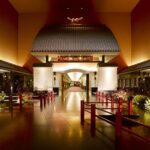
Lunch is at the Sheraton Grande Tokyo Bay Hotel in Odaiba, served as a Western-style international buffet. You’ll get coffee or tea with it, and it’s a real reset after walking and temple time.
Value tip: buffet lunches are practical in tours because they reduce waiting and let you eat on your time schedule. But there’s one clear limitation—vegetarian meal requests can’t be accommodated. If you eat vegetarian, plan your strategy carefully before you arrive. Don’t assume you can request a special version.
What about the food? The big win here is variety. You can usually find something familiar enough to recover your energy, which matters because the rest of the day still includes city viewpoints and the cruise.
Sumida River Cruise from Hinode Pier to Asakusa: The Calm Midday Reset
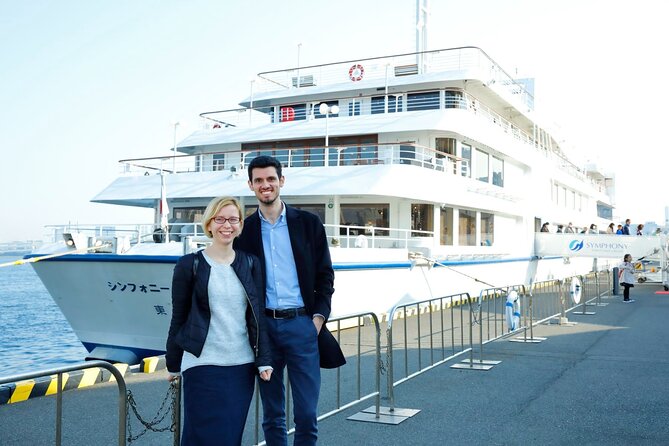
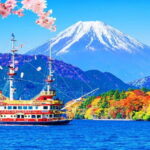
After lunch you head to Hinode Pier, where you take a cruise toward the Asakusa area. The cruise is timed and includes one serving of coffee or tea.
One of the most satisfying parts of the Sumida River ride is that it’s not just scenery—it’s motion through a changing city edge. You’ll pass 12 bridges and see architectural landmarks along the riverbank. Even on a busy day, the water gives you a pause. It’s the part of the schedule that feels less like “touring” and more like watching Tokyo work.
Weather matters here. If it’s rough or visibility is limited, the cruise may stay closer to shore. Plan to be flexible.
Crossing Rainbow Bridge: The Bay View Bonus
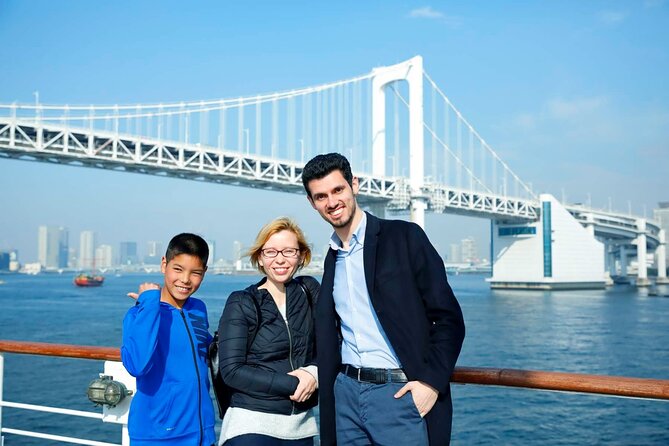
Between the Bay area and the Asakusa-side approach, the route includes crossing Rainbow Bridge. This is one of those add-on visuals that helps the day feel connected—old temple streets on one end, big bay structures on the other.
You don’t need to be a “bridge person” for this to work. It just gives you a quick skyline shift that makes Tokyo feel like one city, not separate neighborhoods you visit one at a time.
Tokyo Tower at 150 m: Panoramic Views and the Transparent-Floor Moment
The final highlight is Tokyo Tower, with admission to the Main Observatory at 150 m. You get 360-degree views, which is the practical goal: you’ll be able to place districts you saw earlier and see how far the city stretches.
There’s also a transparent-floored lookout window, and that alone is reason enough to plan your viewing time. If you’re even slightly cautious about heights, give yourself a moment before stepping into that view. It’s the kind of feature that turns photos into an actual memory.
One important note: only the main observatory is included. The Special Observatory (250 m) requires an additional admission fee. If going higher is your top priority, budget for it ahead of time.
Also, plan for steps and stairs. Some people mention the climb/ascend feels like part of the experience, so wear shoes you can move in comfortably.
Group Size, Pace, and Comfort: What to Expect on the Bus
This tour caps at 40 travelers, and groups sometimes feel smaller in practice. You’ll ride in an air-conditioned and heated tour bus. There’s also an eco-touch: a hybrid bus may be used, and while waiting, the engine and cooling/heating can be turned off.
Why that matters for you: hybrid buses can still feel fine, but you might notice occasional temperature changes while parked. On hot or humid days, that can be noticeable. Bringing a light layer is a smart move.
The itinerary is also not a slow stroll. You’ll be on the move all day, and even with time for photos, you’ll want to keep pace. If you’re prone to getting hangry, have a snack habit outside lunch. The schedule includes a good buffet, but the walking segments can stretch your appetite.
Weather, Timing, and Small Headaches That Matter
Tokyo plans are weather dependent. The cruise can run nearer shore depending on conditions. And traffic can shift arrival times.
There are also access caveats near the Imperial Palace, including that operations could be suspended or departure might not be possible from the designated departure location depending on restrictions. That doesn’t mean the tour is doomed—it means you should travel with a flexible mindset and be ready for minor adjustments.
If you like your days highly predictable, this may feel like a lot. If you’re okay with “Tokyo time,” where the city decides the pace sometimes, you’ll likely enjoy it.
Who This Tour Fits Best
This is a strong fit if:
- You want an orientation day with Tokyo Tower, Senso-ji, and a river cruise in one go
- You prefer guided context over hopping lines alone
- You like hands-on cultural stops, especially the matcha-making portion
- You can handle a long bus day with lots of walking at key stops
It might be less ideal if:
- You want long, slow time in one place (especially the Imperial Palace)
- You need vegetarian meal accommodations (the buffet doesn’t handle requests)
- You’re only interested in the highest Tokyo Tower viewpoint and don’t want to pay extra for it
Should You Book Dynamic Tokyo: Tokyo Tower, Tea Experience, Bay Cruise Day Tour?
I’d book it if you want a first-timer-friendly day that stitches Tokyo together. The value is in the package: Tokyo Tower main observatory, the tea/matcha experience, the Senso-ji + Nakamise walk, and the Sumida River cruise all under one schedule.
Skip the tour (or at least think twice) if your travel style is slow and flexible in a single neighborhood, or if vegetarian food needs are non-negotiable. Also, if you dream of the Tokyo Tower special observatory, remember it’s an extra cost, so build that into your plan.
If you’re ready for a structured, packed day with great skyline payoff at the end, this one earns a spot early in your Tokyo trip.
FAQ
How long is the Dynamic Tokyo tour?
It runs for about 9 hours.
What does the price include?
The tour includes a Western-style buffet lunch (with coffee or tea), Tokyo Bay cruise fare, Tokyo Tower main observatory admission (150 m), and transport on an air-conditioned/heated tour bus.
Is the tea ceremony formal?
The matcha green tea experience in Asakusa is not described as a formal ceremony. It’s an experience where you make the tea.
Is vegetarian lunch available?
Vegetarian meal requests cannot be accommodated for the buffet lunch.
Where does the tour start and end?
It starts at Tokyo Station (Marunouchi) and ends near Tokyo Station Marunouchi South Entrance.
Do I get to go to the Tokyo Tower special observatory?
No. Admission included is only for the main observatory at 150 m. The 250 m special observatory requires an additional fee paid on your own.
How many people are in the group?
The tour has a maximum of 40 travelers, and on days with odd numbers, seats can be shared with other customers.