REVIEW · TAIPEI CITY
From Taipei: Thousand Island Lake and Pinglin Tea Plantation
Book on GetYourGuide →Operated by Edison Tours · Bookable on GetYourGuide
Shiding Thousand Island Lake gives you a rare, calm break from Taipei noise. You get scenic hilltop views and a hands-on tea tasting and brewing lesson in Pinglin. The one catch: this tour is not set up for wheelchair users or people with mobility limits, and there’s a lot of winding mountain driving.
You’ll ride out by air-conditioned vehicle with a live guide (English, Chinese, and more depending on group/private). I especially liked how the day blends countryside sightseeing with real tea know-how, not just a quick stop and a photo. Bring comfortable shoes and some cash, because tea tastings and local tea shops are part of the experience.
In This Review
- Key highlights worth your attention
- Thousand Island Lake in Shiding: the views do the talking
- A practical note about the ride
- Bagua Tea Garden: tea rows shaped like Eight Trigrams
- Pinglin Tea Plantation area: what you’re tasting has a place
- Pinglin Tea Museum: tea tools, tea history, real-world context
- Why this museum stop feels practical
- Tea tasting and brewing: how to make the cup, not just sip it
- Bring cash for a reason
- Pinglin Old Street and tea ceremony: the finish that slows you down
- Price and logistics: is $40 a smart deal for this half day?
- Who should book this tea-country afternoon (and who shouldn’t)
- Small group energy can matter
- The real value: you leave with a tea habit you can repeat
- Should you book Thousand Island Lake and Pinglin Tea Plantation?
- FAQ
- Where do I meet the tour guide?
- How long is the tour?
- What is the tour price?
- Is this tour guaranteed to run?
- What languages are available for the tour?
- What does the price include?
- What should I bring?
- Is food included?
- Where does the tour drop you off?
- Is the tour accessible for wheelchairs or mobility impairments?
Key highlights worth your attention
- Thousand Island Lake, also known as Qiandao Lake: lake-and-hills views with a reservoir setting
- Bagua Tea Garden (八卦茶園): tea rows laid out to echo the Eight Trigrams pattern
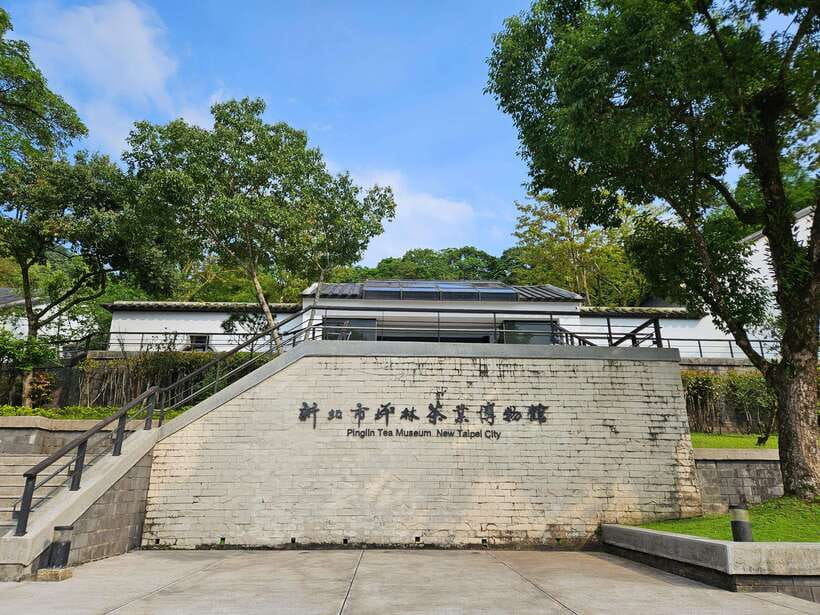
- Pinglin Tea Museum in a Siheyuan courtyard: tools from tea history plus the story of how Taiwanese tea developed
- Tea shop tasting with a tea instructor: sample tastings and a practical guide to brewing Taiwanese tea
- Pinglin Old Street tea ceremony: a proper tea ritual to wrap up the afternoon
- Guaranteed departure with at least 1 participant: less waiting around for a tour to fill
Thousand Island Lake in Shiding: the views do the talking
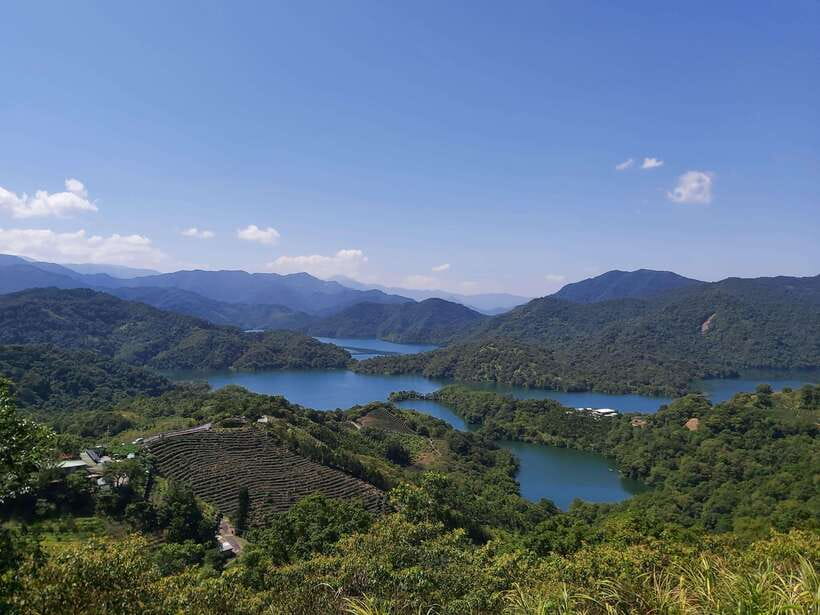
The day starts the moment you leave Taipei behind. You’ll meet your guide at MRT Zhongxiao Xinsheng Station (BL14/O07), Exit 2 with the Edison Tours flag. From there, you head into New Taipei City’s Shiding area, trading city speed for slow, curvy mountain roads.
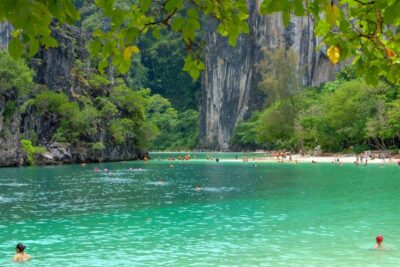
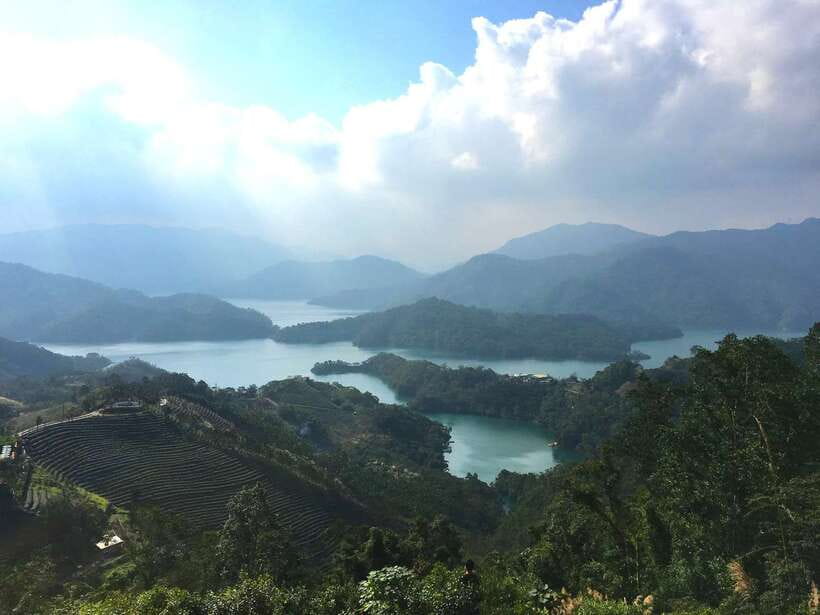
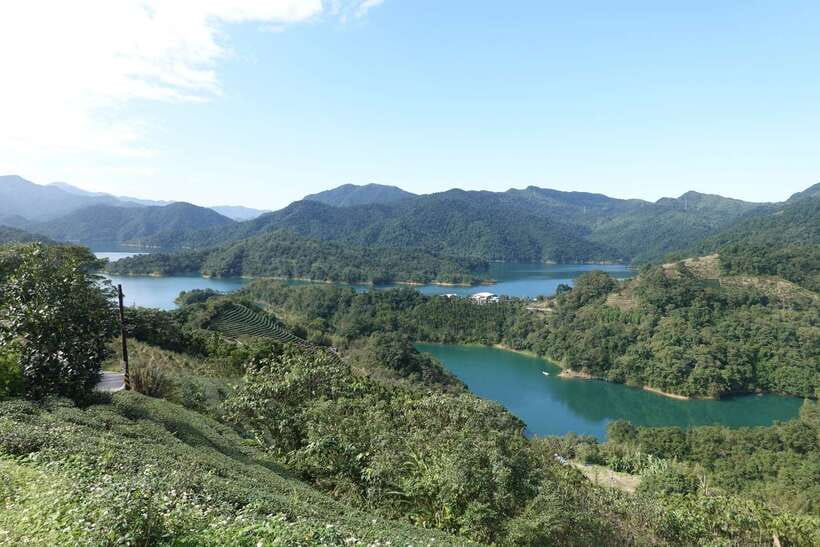
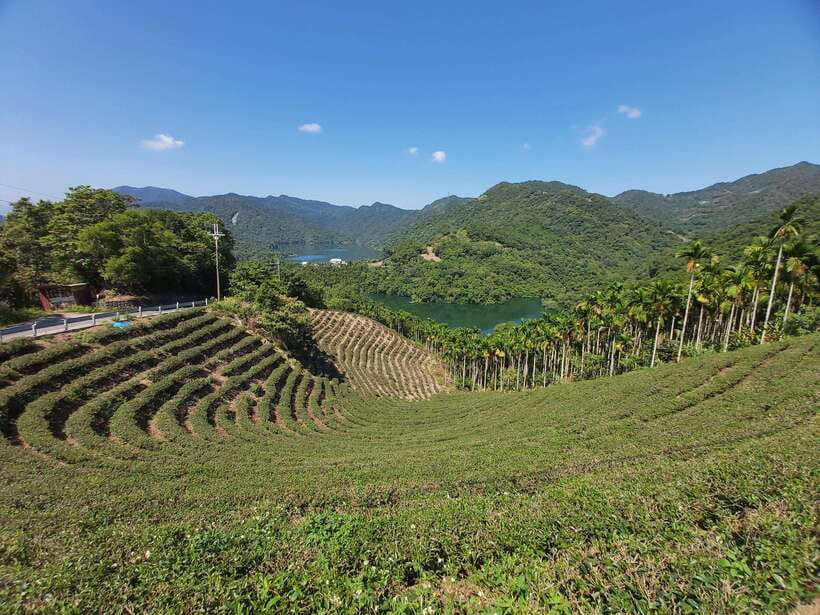
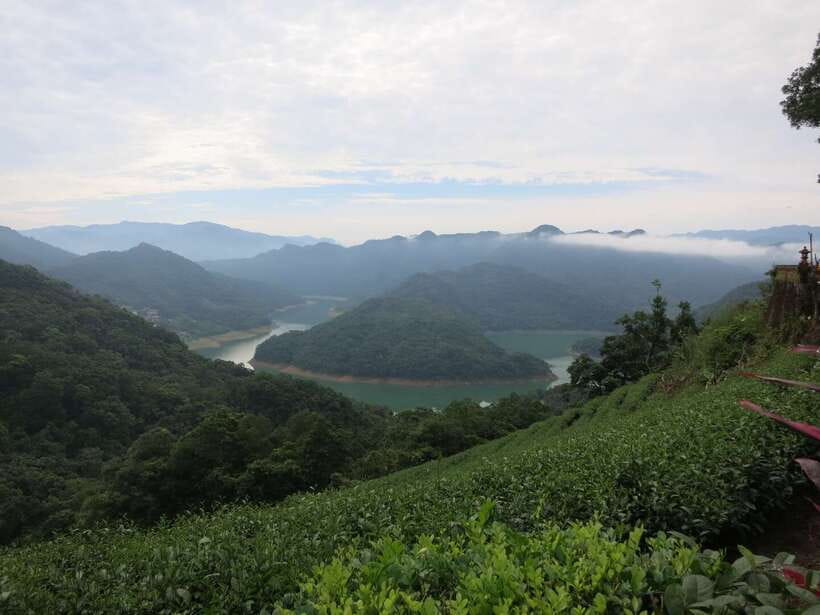
The main draw is Thousand Island Lake, called Qiandao Lake in Chinese—literally a lake with thousands of islands. It’s tied to the Feitsui Reservoir catchment area, which means the hills around the water matter as much as the water itself. The result feels like a calm postcard: ridgelines, misty depth on clear days, and that quiet, tucked-away mood you only get when you’re actually out in the countryside.
On top of that, the tour isn’t just sightseeing. The area’s climate and terrain also make it ideal farmland for tea. That matters because it turns your visit into context, not just scenery. You’re not left guessing why tea grows here—you’re shown how the environment supports it.
You can also read our reviews of more tours and experiences in Taipei City.

A practical note about the ride
Expect mountain turns and some time seated on the way up and down. If you’re sensitive to motion, pick the most comfortable seat you can and settle in. If your legs don’t love long periods of sitting, plan for that now rather than later.
Bagua Tea Garden: tea rows shaped like Eight Trigrams
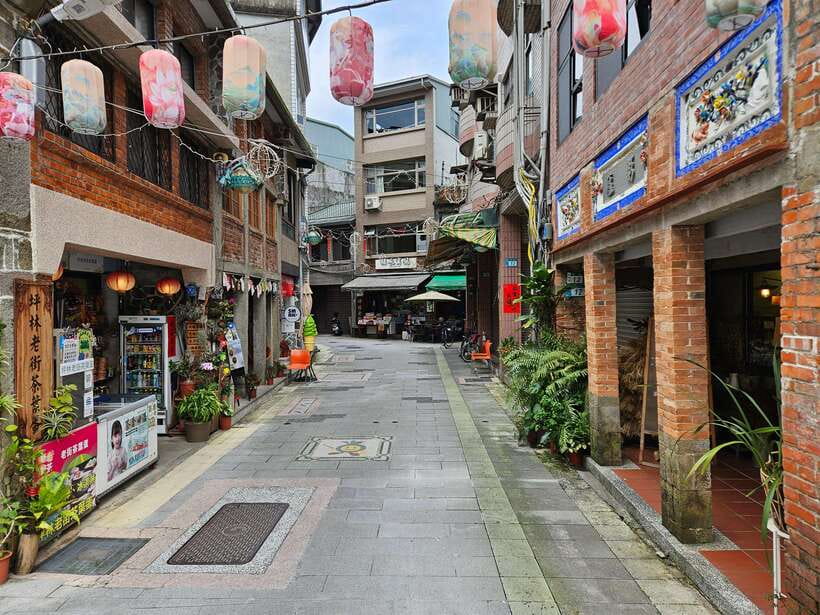
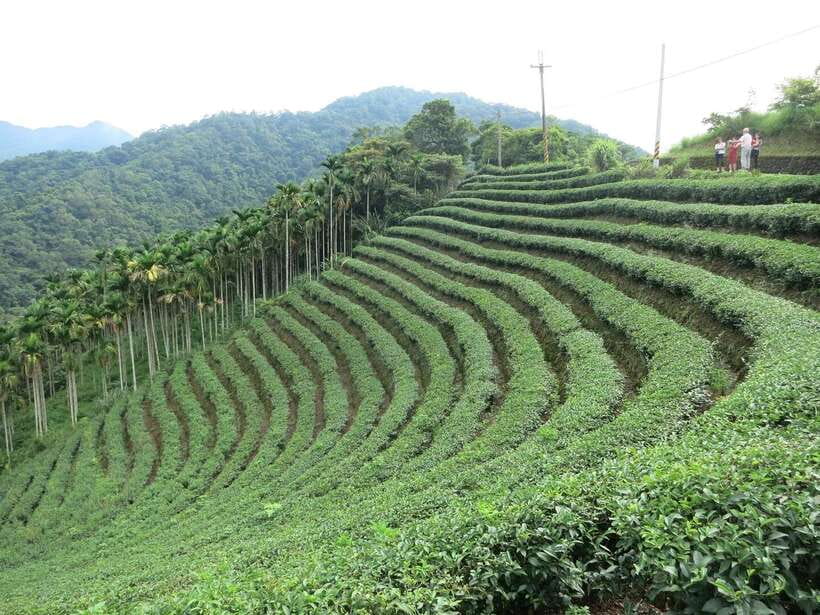
After Thousand Island Lake, the tour moves toward Pinglin’s tea-country heart. The next stop is Bagua Tea Garden (八卦茶園). This is one of those places where the design concept is part of the fun. From a hill viewpoint, the tea rows form patterns that echo the Eight Trigrams, a classic symbol system used in Chinese culture.
Here’s why I think this stop works even if you’re not a die-hard tea nerd. Tea plantations are often photographed as repetitive rows. Bagua Tea Garden makes you look again. You start seeing order, geometry, and the idea that agriculture here has its own cultural logic.
You also get a little “read-the-land” time. You’ll notice how the hillside layout supports tea growth, and how the plantation is built to fit the contours instead of fighting them. That’s the kind of detail that makes the rest of the tea lesson click later.
Pinglin Tea Plantation area: what you’re tasting has a place
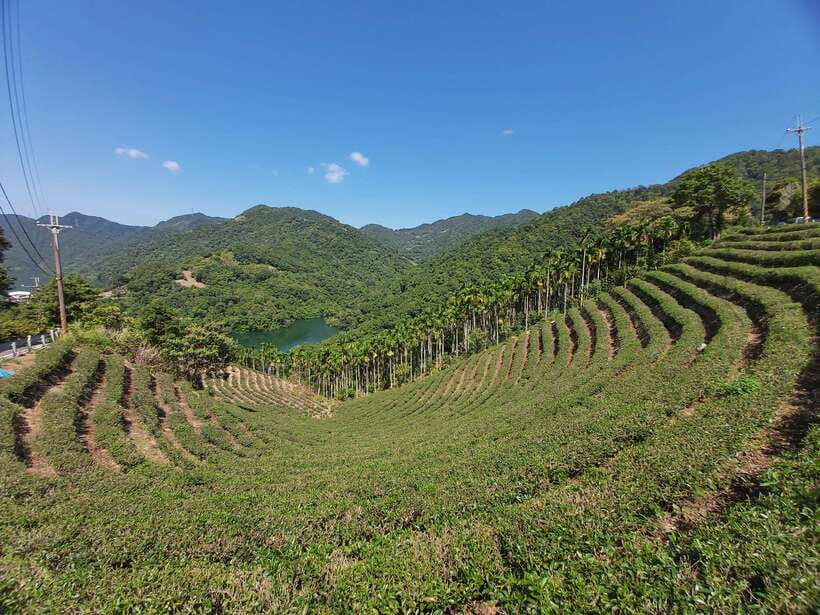
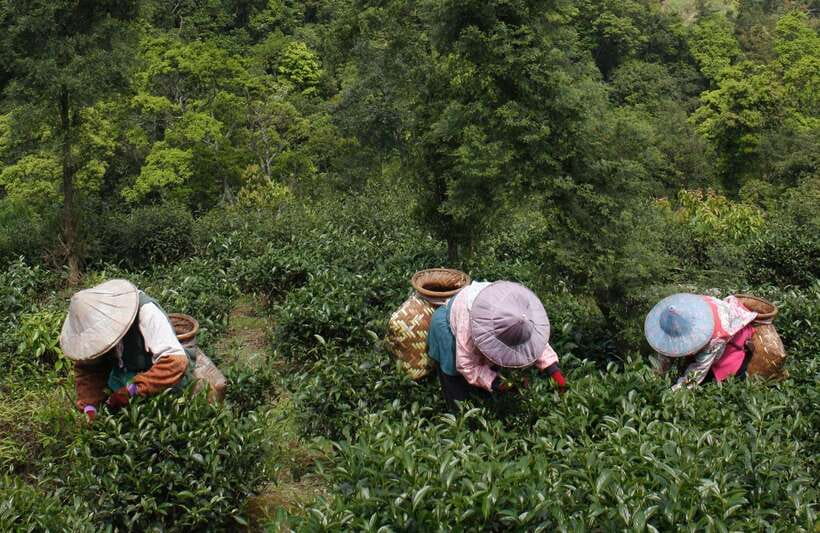
The heart of the afternoon is the tea plantation experience in Pinglin, with a longer stop than the lake and garden view points. This is where the tour shifts from “look” to “understand.”
You’ll hear about why Pinglin is closely linked with famous Taiwanese tea styles, including Wenshan Pouchong and Dong Fang Mei Ren, which literally means Oriental Beauty Oolong Tea. The tour framing is that these teas didn’t appear out of nowhere—local conditions shaped the flavors, and the local knowledge shaped the production.
And you get a view that helps you connect the dots. From the plantation hilltops, you can see how tea cultivation spreads across the terrain. Those neat rows aren’t just for aesthetics. They reflect how tea farmers use slope, sunlight, and airflow to grow consistent leaves.
If you’ve only ever had tea from tea bags, this is the point where your brain starts reclassifying what tea can be. Not better or worse—just different in process and character.
Pinglin Tea Museum: tea tools, tea history, real-world context
Next comes the Pinglin Tea Museum, set in a Hokkien-style Siheyuan quadrangle courtyard house. That building style matters. A courtyard layout keeps the setting grounded and gives the museum a sense of place, like tea culture is part of everyday life rather than a staged exhibit.
Inside, you’ll see tools and equipment tied to tea harvesting and older production methods. You’ll also get an explanation of the history and development of the Taiwanese tea industry. Even if you don’t remember every detail, you’ll get the larger picture: tea in Taiwan isn’t a generic tradition. It’s a story of adaptation—how people cultivated, processed, and refined techniques over time.
Why this museum stop feels practical
A lot of museum visits can feel like information overload. This one complements the plantation and makes the later tea tastings less random. When you understand what harvesting and processing steps do, the flavor differences stop being mysterious. You start tasting with a mental checklist instead of just guessing.
Tea tasting and brewing: how to make the cup, not just sip it
Then comes the part many people consider the highlight: the tasting plus instruction with a tea professional. After the museum, you’ll go to a local tea shop, where your guide and a tea instructor explain Taiwanese tea and show you how to properly brew it.
This is where the tour earns its value. You don’t just get served a cup. You learn the basic idea behind brewing Taiwanese tea so you can replicate the experience back home. Depending on what’s being offered that day, you’ll also taste samples and get a feel for how different types differ.
One detail I like from the experience vibe is that it’s presented as a lesson, not a sales trap. If you want to buy tea, you can. If you don’t, you can still walk away with the tasting knowledge.
Bring cash for a reason
The tour specifically mentions bringing cash, and that lines up with the local tea shop stop. Even if you don’t plan to spend, it’s smart to have some on hand in case you want to take a few teas home as gifts.
Pinglin Old Street and tea ceremony: the finish that slows you down
To wrap things up, you’ll head to Pinglin Old Street, where you get another guided sightseeing segment and a tea ceremony portion. This is the emotional closer to the day. The ceremony is where all those earlier stops connect into a simple ritual you can actually feel.
Think of it like this: lake scenery shows the setting, plantation design shows the cultivation, museum lessons show the production story, and the shop tasting teaches your palate. The tea ceremony then turns it into an experience with rhythm and intention.
It’s also a helpful pacing choice. After hours on the road and in viewpoints, you’re ready for something calmer. A tea ceremony gives you a break from rushing, and it’s a nice way to end a half-day trip that could otherwise turn into nonstop stops.
Price and logistics: is $40 a smart deal for this half day?
At about $40 per person for a 5-hour tour, this can be good value if you care about tea beyond the basics. Here’s what you’re actually paying for:
- Air-conditioned transport out of Taipei and back
- A live guide
- Tea tasting plus the instruction component
- Access to the tea museum and plantation-area visits
- Local general liabilities insurance
What you don’t get is food and drinks, and bottled water. So you’ll want to plan for that on your own. But the tea education and tastings are the heavy hitter here. A half-day that includes transport, multiple curated stops, and structured tastings tends to cost more than you’d expect if you tried to build it alone.
Also, the tour has a guaranteed departure rule with a minimum of one participant. That matters if your schedule is tight or you’re traveling when other tours might not run.
Who should book this tea-country afternoon (and who shouldn’t)
This tour is a great fit if:
- You like tea culture and want more than just a photo at a plantation
- You want a structured lesson on Taiwanese brewing and tasting
- You want to see more of New Taipei City than just Taipei proper, without committing to a full day
It’s not a good fit if:
- You use a wheelchair or have mobility impairments, because the tour isn’t accessible for that
- You dislike winding mountain roads and long seated stretches
Small group energy can matter
From the way guides describe the experience, the day often feels personal. Guides like Sharon, Gordon, Dave, and Chiara are repeatedly praised for explaining details and keeping the atmosphere friendly. If you’re the type who likes asking questions while you travel, you’ll likely enjoy the pace.
The real value: you leave with a tea habit you can repeat
The biggest payoff for me is not just tasting tea. It’s learning enough to change how you brew afterward. Once you understand brewing basics and taste differences, you start making smarter choices at home.
You also leave with a clearer mental map: why tea grows in this region, why plantation design looks the way it does, and why Taiwanese tea traditions have their own identity. The lake doesn’t feel random. The plantation rows don’t feel generic. Even the courtyard museum setting makes sense.
It’s a tidy half-day package: scenery, design, tools, tasting, and a ceremony finish.
Should you book Thousand Island Lake and Pinglin Tea Plantation?
Yes, if you want a simple afternoon itinerary with real tea instruction and scenery that feels far from the city. The combination of Thousand Island Lake views, Bagua Tea Garden’s visual pattern, and the museum-and-tasting sequence makes it more than a casual side trip.
Book it if:
- You’re a tea lover or tea-curious
- You want guided context and a guided tasting
- You don’t want to plan transportation and stops yourself
Skip it if:
- Your mobility needs make mountain-area touring hard
- You’re only looking for quick sights and don’t care about tea beyond tasting
If you’re even halfway interested in Taiwanese tea, this is one of the more efficient ways to get both the countryside calm and the tea know-how in one go.
FAQ
Where do I meet the tour guide?
Meet your guide at MRT Zhongxiao Xinsheng Station (Station Number BL14 / O07) Exit 2. Take the escalator to ground level, and look for the Edison Tours logo flag.
How long is the tour?
The duration is about 5 hours.
What is the tour price?
The price is listed as $40 per person.
Is this tour guaranteed to run?
Yes. Departure is guaranteed with a minimum of 1 participant.
What languages are available for the tour?
The live guide can speak Chinese, English, Vietnamese, and Traditional Chinese. Group commentary is in English or Chinese, and private options can include additional languages listed by the operator.
What does the price include?
Included are transportation by air-conditioned vehicle, a tour guide, tea tasting, and local general liabilities insurance. If you choose the private option, hotel pickup and drop-off are also included.
What should I bring?
Bring comfortable shoes and cash.
Is food included?
Food and drinks are not included.
Where does the tour drop you off?
Return transfer is offered to your chosen drop-off location, either in the Xinyi Shopping District (Taipei 101) or at MRT Zhongxiao Xinsheng Station. The listed drop-off includes Taipei City, 忠孝公園.
Is the tour accessible for wheelchairs or mobility impairments?
No. The tour is not accessible to wheelchair users and people with physical disabilities.