REVIEW · TAIPEI CITY
Taipei: Taipei 101 Observatory Deck Ticket
Book on GetYourGuide →Operated by Fontrip · Bookable on GetYourGuide
Taipei feels tiny from 500 meters up. Up goes Taipei 101 in about 37 seconds to the 89th floor, and you get wide-open 360-degree city views; it’s also packed with science details like the 660-ton tuned mass damper. One catch to plan around: if the weather is rainy or cloudy, visibility can drop and some upper areas may close.
The ticket process is straightforward once you know the rhythm: scan your QR code to get physical tickets at the Taipei Fun Pass redemption machine in the Taipei 101 ticketing hall. If you add the express option, you’ll usually spend less time waiting and more time looking out.
In This Review
- Key Points You’ll Care About
- Taipei 101 Observatory: What You’re Really Paying For
- Getting There and Redeeming Your QR Code Without Stress
- The 37-Second Elevator Ride: Fast, Smooth, and Weirdly Fun
- Which Floors You’ll Actually See (And Why Each One Feels Different)
- The Science Stop: Bamboo Architecture and the 660-ton TMD
- Telescopes, Windows, and Photo Timing That Actually Works
- Crowds, Timing, and Weather: How to Pick the Right Moment
- Price and Value: Is Taipei 101 Worth the Ticket?
- What the Surroundings Add: Mall Convenience and Easy Food Options
- Should You Book Taipei 101 Observatory Deck Tickets?
- FAQ
- What time is the Taipei 101 observatory open?
- How long is the ticket valid?
- Where do I redeem my QR code for physical tickets?
- Does this ticket include skip-the-line or express elevator access?
- What does the ticket price include?
- Is the experience free for kids?
- Is Taipei 101 Observatory wheelchair accessible?
Key Points You’ll Care About
- 37-second elevator thrill that shoots you up to the 89th floor fast
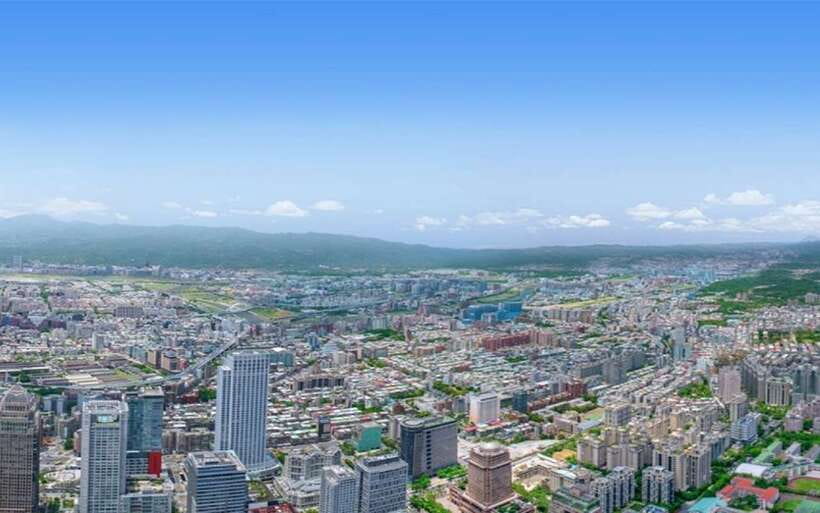
- 360-degree Taipei views from the observation levels and rooftop
- Telescopes for closer looks at the city on clear days
- The 660-ton TMD (tuned mass damper) explained between floors 87 and 91
- Express queue options can be a big time-saver at busy hours
Taipei 101 Observatory: What You’re Really Paying For
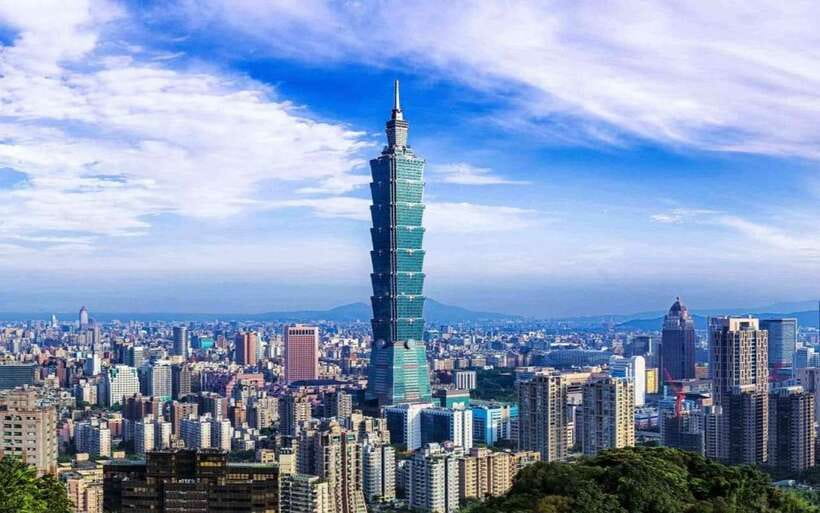
Taipei 101 is the kind of landmark you can’t “kind of” visit. You either go up and see how Taipei spreads out—or you miss the whole point. This observatory ticket gets you to the high decks and rooftop areas of the tower, plus the building’s standout engineering story. It’s not only a view ticket; it’s also a quick lesson in how a skyscraper survives typhoons and strong winds.
At around $20 per person, the value comes from how efficiently the experience is set up. You’re not wandering through a long attraction. The structure is simple: ride up, view the city, then come back down. That’s why people who are short on time tend to love it—this is one of the easiest “big wow” stops in Taipei.
The main thing to accept up front is that conditions matter. You can have the best ticket in the world and still end up with washed-out views if rain, mist, or thick cloud rolls in. Also, the very top sections can be affected by weather.
You can also read our reviews of more tours and experiences in Taipei City.


Getting There and Redeeming Your QR Code Without Stress
Taipei 101 is directly on the MRT grid. Your starting point is easy to find: scan your QR code at the Taipei Fun Pass ticket redemption machine in the ticketing hall on 5/F.
If you’re arriving by subway, head to World Trade Center Station (MRT) and use Exit 4. The tower sits inside a big mall environment, so give yourself a few minutes to orient. This is one of those places where signage helps, but it still pays to arrive with a calm pace.
Here’s the practical move: scan and redeem first, before you start hunting for the entrance. Once you have the physical tickets, the flow tends to move quickly through the elevator and security steps.
The 37-Second Elevator Ride: Fast, Smooth, and Weirdly Fun

The headline moment is the elevator run. You travel up 89 floors in about 37 seconds. That speed is part of the thrill. It compresses what could be a slow “wait and shuffle” experience into a quick burst, so you’re not spending half your time watching the clock.
The observatory experience also uses timing to manage movement:
- If you choose the express queue up, you’ll use a faster line for elevators going upward.
- With the express option that includes down from the 88th floor, you can also cut waiting on the way out.
Why it matters for you: Taipei 101 can get crowded, especially at peak sightseeing hours. Saving time on both the way up and the way down can turn this into a relaxed stop instead of a “stand in line, then stand in line again” kind of day.
Which Floors You’ll Actually See (And Why Each One Feels Different)
This ticket is built around multiple viewing zones. Even if you’re not a “museum person,” it helps to understand what you’ll be looking at from each area.
You’ll spend time on or around:
- 87th and 88th floors: the observation decks where the city view is the main event
- 89th floor: where you’re brought up quickly via the fast elevator ride
- Rooftop: the outside-feeling viewing moment that gives you that heart-in-your-throat perspective
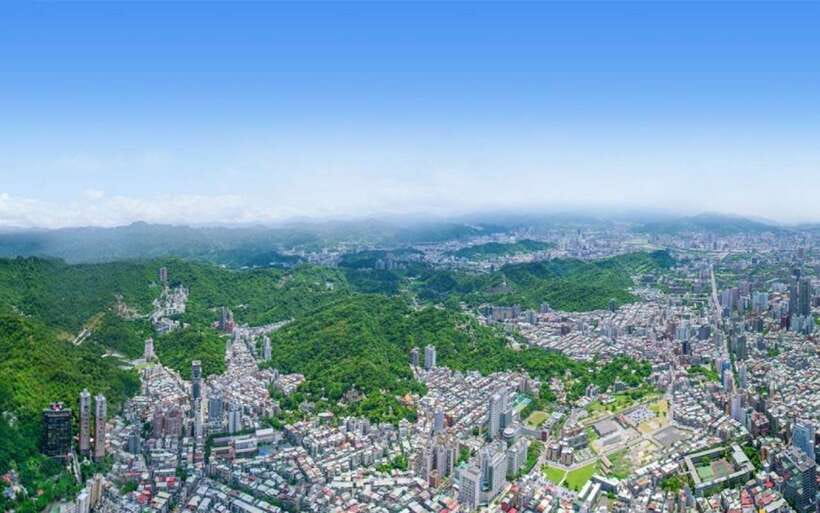
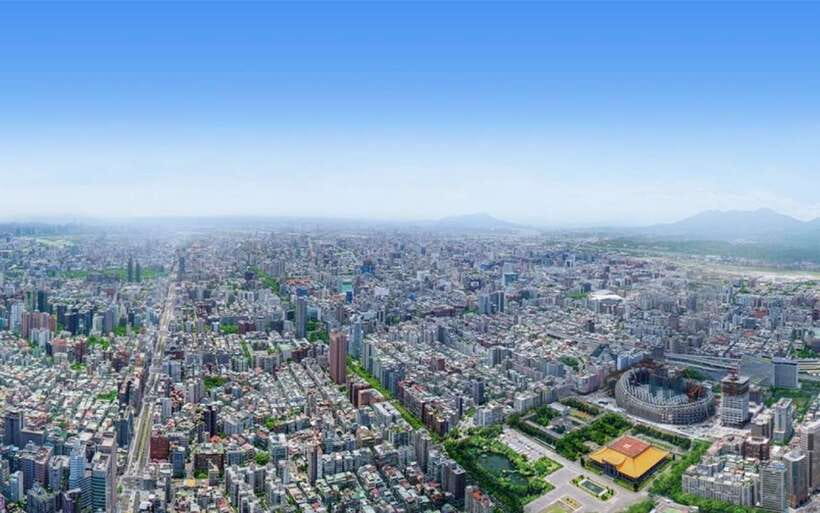
Here’s the reality: once you’re above the tallest buildings around you, Taipei’s shape becomes the story. From height, you start seeing patterns—clusters of dense blocks, the way roads cut through neighborhoods, and the sprawl that doesn’t look obvious at street level.
Also, don’t ignore the telescopes. The decks include telescopes, and that’s exactly the sort of extra touch that makes a tower visit feel less like a quick photo stop and more like actual sightseeing. On clear days, you’ll appreciate the closer look.
The Science Stop: Bamboo Architecture and the 660-ton TMD
What makes Taipei 101 more than a tall building is how it explains itself. You’re not just buying altitude; you’re getting a quick engineering story you can actually understand while you look out the windows.
A few specific highlights worth planning around:
- The tower’s bamboo architecture and technology are part of what’s presented inside
- There’s a tuned mass damper (TMD) weighing 660 tonnes, located between the 87th and 91st floors
- This TMD helps stabilize the tower against movement from high winds
That last point changes how you view the building. Instead of thinking only about height, you’ll start thinking about survival—how this thing handles forces that happen even when you’re not watching the weather.
If you’re into science-y travel or just like the idea that the tower has a real-world purpose beyond views, this is a major part of the value.
Telescopes, Windows, and Photo Timing That Actually Works
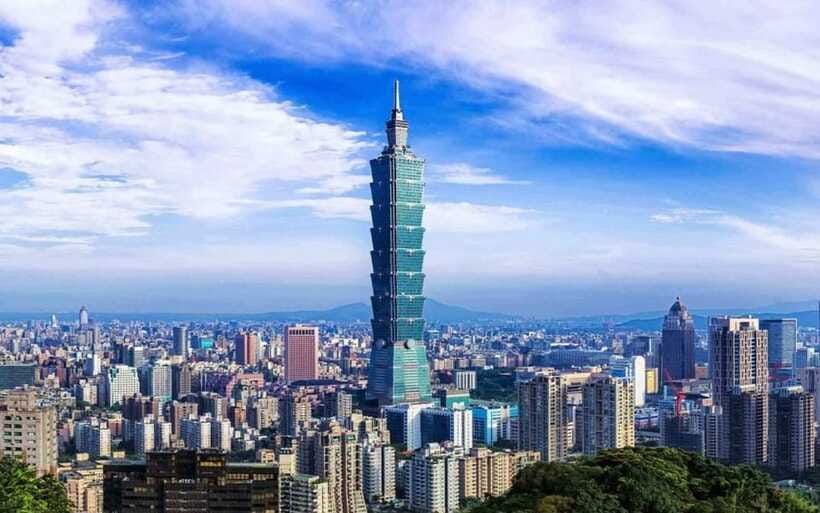
From a practical standpoint, the view experience depends on two things: clarity and light. The tower gives you 360-degree panoramas, but the city still looks best when the air is clear and the light isn’t flat.
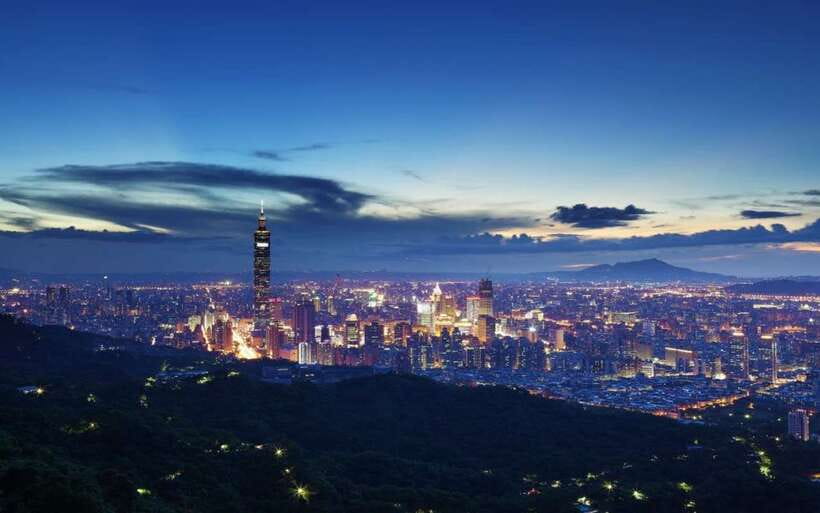
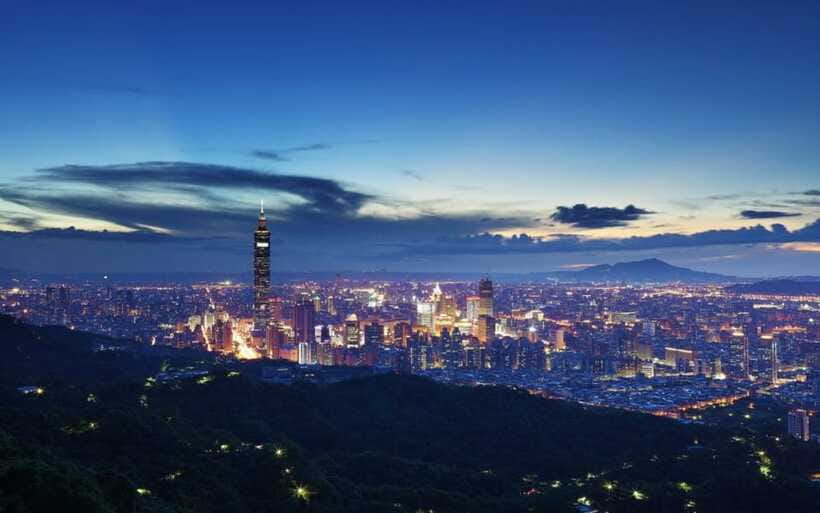
If you’re aiming for photos, I’d treat the hour before sunset as your favorite window, because you can catch:
- day light for city detail
- a shift toward warmer tones
- darker skies that make lights pop after dusk
Of course, Taipei’s weather can be unpredictable. If the day turns gray, don’t assume it’s a total loss—you’ll still get the panoramic effect, just with less distance clarity.
Also, plan to slow down at the windows. This is where a lot of people rush, grab a quick shot, and move on. Take an extra minute to scan outward. Taipei’s density hits harder from above once you actually take in what’s around you.
Crowds, Timing, and Weather: How to Pick the Right Moment
This isn’t a “quiet and serene” attraction. It can be busy, and peak hours can mean lines even with standard access. The way the ticketing system is set up helps, though—redeeming at the Taipei Fun Pass redemption machine can reduce friction compared to older-style counters.
If you have flexibility, consider these practical tips:
- Pick a time when you won’t be racing across Taipei with no margin. Even with fast elevators, you want time to actually see things.
- If a storm or heavy rain is forecast, keep expectations realistic. Reviews and operational notes point out that some higher areas can be affected by inclement weather.
- If you care most about efficiency, the fast-track / express option tends to be the best upgrade because it cuts the waiting both going up and coming down (when selected).
Think of it like this: if you’re visiting Taipei 101 as a short stop, express access protects your schedule. If you’re staying longer in the area and want to browse the mall surroundings too, you might be fine without it.
Price and Value: Is Taipei 101 Worth the Ticket?
Let’s talk money like you actually want to use your trip budget well.
At about $20 per person, the price is reasonable for:
- a famous, landmark-level structure
- a very fast elevator ride experience
- multiple observation zones including rooftop access
- included WiFi throughout the attraction
- built-in science/engineering content with the TMD
The main “value choice” is whether to pay for the skip-the-line / express options. If you’re going during a busy time—or you simply hate waiting—this upgrade can be worth it because you gain time inside the experience window. Some visitors describe the express as saving around an hour of waiting, and that tracks with how fast the elevator segment itself is.
If you’re visiting in mild weather and you’re okay with some waiting, standard access may still be fine. But if your itinerary is tight, I’d strongly consider the express option so the day stays smooth.
What the Surroundings Add: Mall Convenience and Easy Food Options

One sneaky benefit: Taipei 101 is inside a large mall environment with plenty of food nearby. That matters because it turns this from a “go up and leave” stop into a flexible block you can build around.
You can:
- arrive early, grab a snack or meal
- take care of shopping or coffee before you head up
- stay for a while after if the weather isn’t cooperating
This is especially helpful if clouds roll in. Instead of feeling like you wasted your money, you can still enjoy the overall Taipei 101 complex while you wait for better conditions.
Should You Book Taipei 101 Observatory Deck Tickets?
Book it if you want one of Taipei’s easiest, high-impact experiences. The mix of fast elevator timing, 360-degree views, and the engineering story of the 660-ton TMD makes it feel like more than a simple photo stop. It also works well if you’re planning a short visit—this is built to deliver the main moments without a long, complicated route.
Skip the upgrade only if you’re visiting off-peak and don’t mind waiting. If your schedule is tight or you hate queues, the express access is the upgrade that protects your day.
If you’re only going for the views and you can’t handle weather surprises, go in with a backup plan. Cloudy days can still be impressive, but they won’t give you that crisp, far-reaching look you’re probably hoping for.
FAQ
What time is the Taipei 101 observatory open?
The open hours are 11:00 AM–9:00 PM daily, with the last entrance at 8:15 PM.
How long is the ticket valid?
Your ticket is valid for 1 day. You’ll want to check availability for the starting times shown when you book.
Where do I redeem my QR code for physical tickets?
Redeem your QR code at the Taipei Fun Pass redemption machine at the ticketing hall on 5/F of Taipei 101 (Taipei Financial Center). MRT guidance: Exit 4 of Taipei 101–World Trade Center station.
Does this ticket include skip-the-line or express elevator access?
It depends on which option you select. The ticket can include skip-the-line access for elevators up, and express queue for the elevators down from the 88th floor.
What does the ticket price include?
Included: entry ticket plus WiFi throughout the attraction. If you select the options, it also includes skip-the-line access and express queues as described.
Is the experience free for kids?
Children with height under 115 centimeters get free admission if accompanied by a paying adult.
Is Taipei 101 Observatory wheelchair accessible?
Yes. The activity is wheelchair accessible.