REVIEW · TOKYO
Mt. Fuji Tours with Kawaguchi Lake Ropeway View English Speaking
Book on Viator →Operated by Scenic Bend · Bookable on Viator
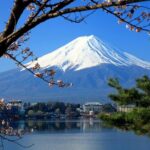
Fuji days can be hit-or-miss. This one runs on a tight plan with multiple viewpoints so you have more chances to catch Mount Fuji above Lake Kawaguchi. I also like that you start with the Mt. Fuji Panoramic Ropeway, then stack more high points after, so the day builds instead of jumping randomly.
Two other parts that really pay off: the Oshino Hakkai springs at the foot of Fuji, and a structured matcha experience at Lake Kawaguchi Konohana Museum. The main drawback to accept up front is simple: clouds can steal the mountain, and on busy days some stops can feel a little compressed.
In This Review
- Quick Take: Key Things That Matter
- A Tokyo-to-Fuji Day Plan That Saves You From Logistics
- Pickup in Tokyo: Two Key Options, and a Night-Before Reminder
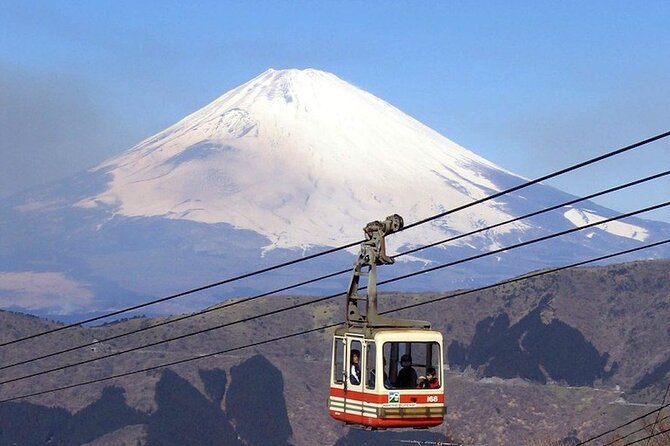
- First Fuji Hit on the Mt. Fuji Panoramic Ropeway
- Kachikachi Cable Car and Lake Kawaguchi: Your Second Chance View
- Matcha at Konohana Museum: A Real Cultural Break (But Keep It Flexible)
- Oishi Park and Oshino Hakkai: Gardens, Springs, and That Fuji-Foot Feeling
- Crowds, Weather, and the Pace on Red Days
- Price and Value: What $81.41 Actually Buys You
- Packing Smart for a Long, View-Driven Day
- Should You Book This Mt. Fuji Ropeway Tour?
- FAQ
- How long is the Mt. Fuji and Kawaguchi Lake tour?
- Where are the pickup points in Tokyo?
- What are the main sights included in the day?
- Are the ropeway and cable car tickets included?
- Is lunch or food included?
- How big is the group?
- What happens if the Kawaguchiko Gondola is closed from Dec. 10 to Dec. 20?
- What if it’s cloudy or rainy and Mount Fuji isn’t visible?
- Can I cancel for a full refund?
- Should I travel with luggage?
Quick Take: Key Things That Matter
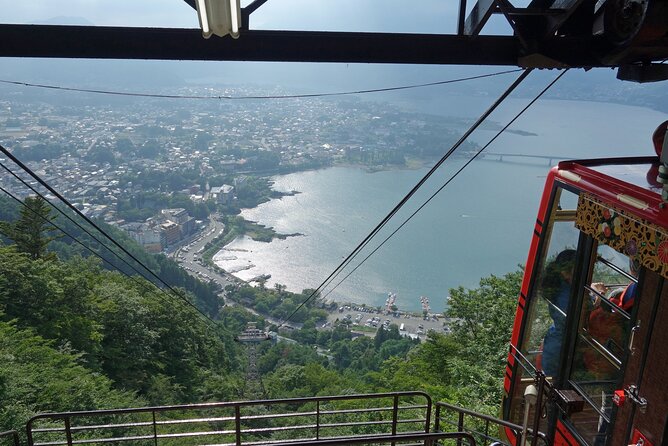
- Ropeway + Kachikachi: Two separate rides that give different angles over Lake Kawaguchi
- Oshino Hakkai: Eight snowmelt springs that feel very Japanese-country, not just scenery
- Matcha time: A short cultural stop, often flexible if the route runs late
- Red-day and weekend reality: Crowds can force a faster pace at scenic points
- Guide quality: Many guides lean fun and interactive (quizzes, clear English, and constant check-ins)
- Weather swaps: If gondola/cable access is affected, the tour has planned alternatives
A Tokyo-to-Fuji Day Plan That Saves You From Logistics
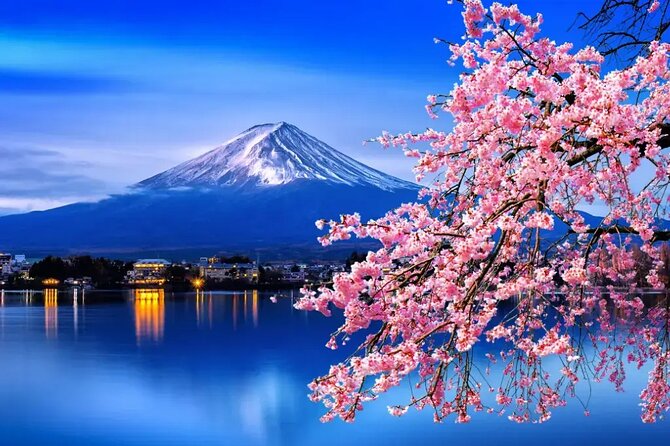
If you want Mount Fuji without spending your whole trip planning buses, ticket lines, and route timing, this tour is built for you. It’s a full day that handles transportation and a clear sightseeing flow, so you can focus on seeing. The schedule also repeats the big idea: don’t bet everything on one single viewpoint.
In practice, you’ll spend time in places that are designed for views: Lake Kawaguchi’s ropeway area first, then the cable-car segment (Kachikachi), then the lakeside spots, and finally Oshino Hakkai. That sequencing matters. You’re not just collecting stops—you’re collecting angles.
One more thing I like: the day is timed to typical tourist rhythms. You’re not constantly sprinting from one unclear meeting point to another. Even so, it’s still a long outing, so you’ll get more enjoyment if you keep your expectations realistic: it’s sightseeing-focused, not a slow cultural drift.
You can also read our reviews of more tours and experiences in Tokyo.
Pickup in Tokyo: Two Key Options, and a Night-Before Reminder
Pickup is one of the biggest make-or-break details on day trips from Tokyo. Here, you get two central pickup points, and you’re also offered an upgrade for hotel door-to-door transfer in some Tokyo districts.
If you choose the small-group package, pickup time is typically 7:00–8:30, and it’s described as a more comfortable vehicle with fewer people and less formal guiding explanation. That can be great if you want a smoother ride and don’t need a long lecture on every step.
Either way, the process is designed to reduce confusion: you should receive a departure reminder email the night before, including the pickup time plus the vehicle registration number and the guide contact info. In several experiences like this, that kind of message helps you track the right bus and not waste time circling a crowded meeting point.
Practical tip: take screenshots of your pickup details and keep them offline. Japan meeting points can look identical when multiple tours gather at once.
First Fuji Hit on the Mt. Fuji Panoramic Ropeway
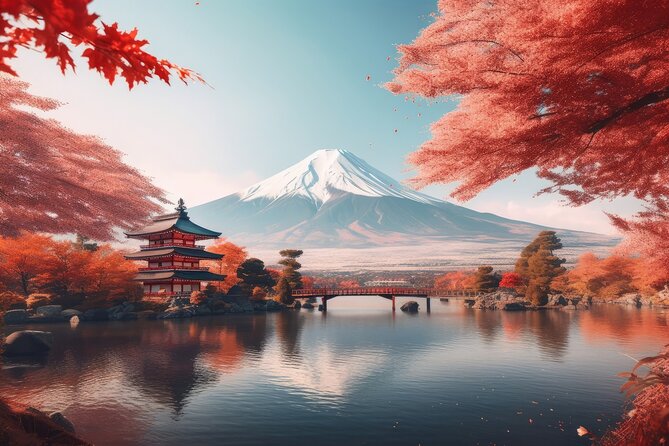
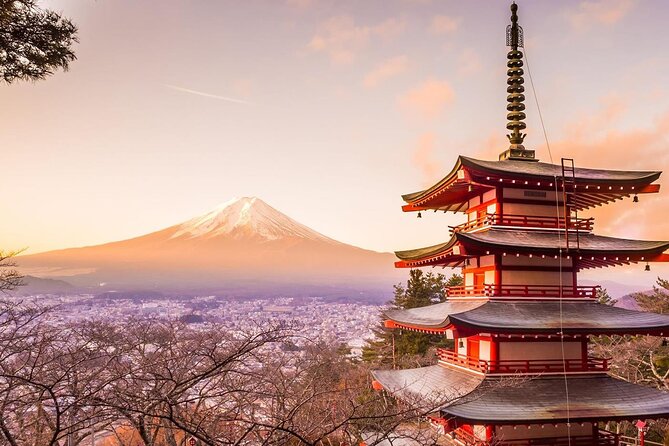
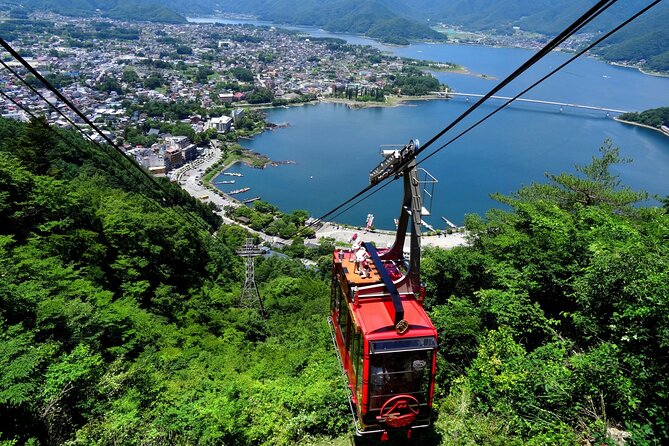
Your day starts with the Mt. Fuji Panoramic Ropeway, riding the Lake Kawaguchi Panoramic Gondola. This is your first real shot at the mountain and the lake—often the moment when the day either pops into wow-mode or quietly turns into cloud-watching.
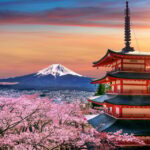
On a clear day, ropeway views are the fastest way to understand the geography: the lake sits in Fuji’s shadow, and the viewpoints give you that iconic “why people come here” perspective. On a cloudy day, you may still get dramatic ridgelines and misty scenery, but the mountain itself can be hidden.
This is also where you need to be alert to changes. The tour notes that the Kawaguchiko gondola is scheduled for repair in the window Dec. 10 to Dec. 20, and on those dates you’ll use the Sengoku Boat instead. If seeing the gondola is a must for your trip, double-check your travel dates and choose accordingly.
Why this first stop is smart: it’s early enough that your eyes are fresh, and it sets up the rest of the day. Even if you don’t catch Fuji right away, the tour is built to keep offering new angles afterward.
Kachikachi Cable Car and Lake Kawaguchi: Your Second Chance View
Next up is the Kachikachi Mountain Cable Car near Lake Kawaguchi. Your time here is about 90 minutes, and the cable-car fee is included.
The timing details matter. Operating hours shift by day type:
- Weekdays: 9:00 AM–4:00 PM (last descent at 4:20 PM)
- Saturdays/Sundays/Holidays: 9:00 AM–5:00 PM (last descent at 5:20 PM)
And yes, weather can still interrupt things. The cable car may be suspended for strong winds or lightning. In that case, the tour plans for a swap: a ride on the Sengoku Warrior Boat at Lake Kawaguchi, or a refund of the ticket fee if the cable car can’t be taken.
This stop is worth it because it’s a different elevation and perspective from the ropeway. You’re not repeating the same view. You’re likely seeing the lake from a new angle, and that’s exactly how you raise your odds.
When you’re there, don’t rush to the first viewpoint just to say you did it. Give yourself a couple of minutes to find a spot where you can actually enjoy the lake below and scan for Fuji’s outline.
Matcha at Konohana Museum: A Real Cultural Break (But Keep It Flexible)
After the cable car, you go to the Lake Kawaguchi Konohana Museum for a matcha experience, about 60 minutes. If the day runs late due to traffic or other forces, the matcha time may get shortened.
That flexibility is the reality of day trips. Still, the upside is you’re getting something more grounded than another photo stop. Matcha isn’t just a beverage here—you’re stepping into a small structured activity that slows the pace a bit, which helps on an all-day schedule.
Based on how guides communicate in these kinds of tours, I’d expect the guide to explain what you’re doing and keep the group moving smoothly between activities. Many guides in this product line are praised for clear English and good coordination, and some guests report friendly interactive touches like quizzes or fun, light guidance.
Practical tip: if your stomach is sensitive, don’t assume matcha will be the only thing you eat for hours after. Food isn’t included, so plan a snack strategy.

Oishi Park and Oshino Hakkai: Gardens, Springs, and That Fuji-Foot Feeling
You’ll stop at Oishi Park first—about 30 minutes. In summer, the park’s lavender blooms in a big way, creating a purple blanket that pairs nicely with Fuji’s silhouette when visibility is good. Even if it’s not lavender season, Oishi Park is still a lakeside viewpoint area where you can get those “lake + mountain” compositions.
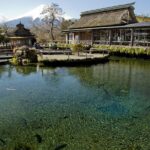
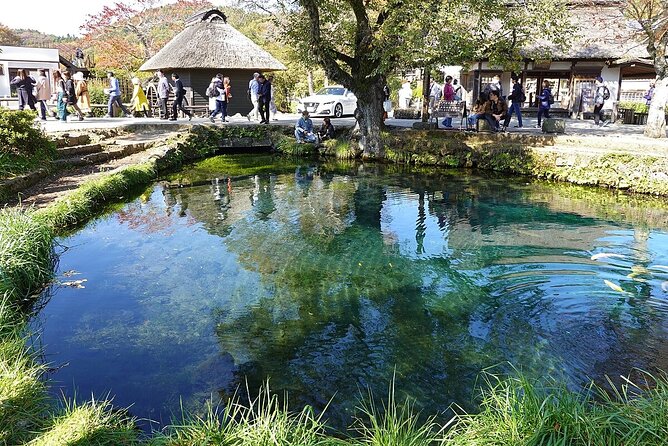
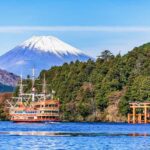
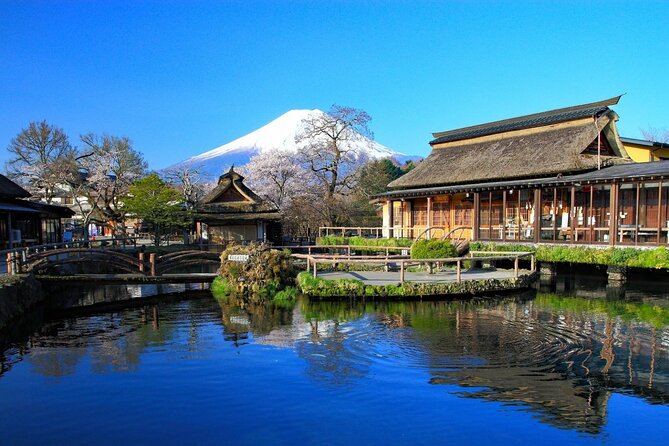
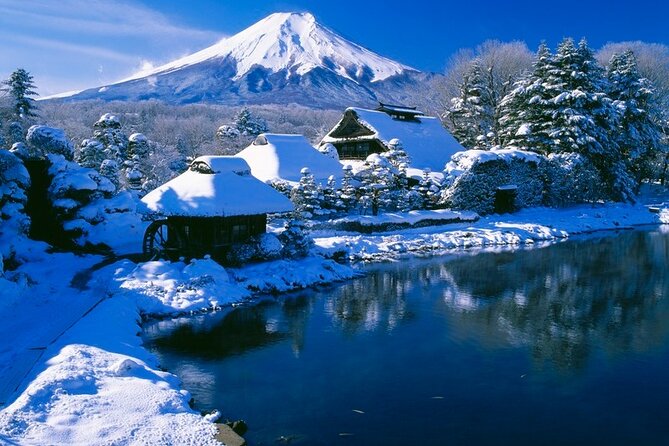
Then you head to Oshino Hakkai, the famous set of eight clear springs created by snowmelt from Mount Fuji. You’ll have about 60 minutes here.
This is the stop that often feels most authentic on a structured day trip. It’s not only about distant views—it’s about something specific and local: the springs, the water channels, and the way the area is laid out for walking. If you’re the type who likes seeing how nature shapes daily life, this is a great match.
Why this works after the rides: earlier stops are about height and distance. Oshino Hakkai brings you back to the base of Fuji, where the story of the mountain feels tangible.
Crowds, Weather, and the Pace on Red Days
Here’s the honest part: your experience depends on conditions, and the biggest two are weather visibility and traffic/crowds.
The tour explicitly warns that cloudy and rainy days reduce visibility, and Mount Fuji can be obscured. If you arrive on a clear morning, you may feel like the whole day is a string of wins. If you arrive under low clouds, you’re still getting a nice structured day, but you’re shifting from Fuji-viewing to Fuji-region experiencing.
Also watch the timing around weekends and Japanese public holidays, often called red days. Those dates bring heavy road congestion and long lines at ropeway and scenic areas. In these cases, time at spots can shrink so everyone stays within driving and tour-time limits.
Some guests also mention stops that feel more “shopping-friendly” than scenic. That can happen on busy days when timing compresses. If you know you’d prefer fewer retail stops, plan for that mentally—and consider skipping any optional purchases that don’t interest you.
My advice: choose your travel day strategically. If you can, avoid weekends and red days for the best mix of comfort and view time.
Price and Value: What $81.41 Actually Buys You
At around $81.41 per person for a roughly 10-hour day, you’re paying for more than just sightseeing. You’re buying:
- Round-trip transport from central Tokyo (or door-to-door if you upgrade)
- Driver and vehicle fees, including fuel and highway tolls
- Included admissions for the ropeway/cable car segments described in the plan
Food and drinks aren’t included, and that’s important. You should budget for lunch/snacks on your own, especially because you may eat around midday depending on timing.
So, is it worth it versus DIY? For many people, yes—because DIY isn’t hard in theory, but it becomes hard when you factor in timing, ticket lines, and the stress of missing something that can’t be rescheduled. This tour also helps you avoid the research headache, which is a real kind of travel cost.
If you’re someone who enjoys planning every minute and you travel flexibly, you might enjoy DIY. If you’re trying to maximize your chances of Fuji with minimum friction, this is a solid value play.
Packing Smart for a Long, View-Driven Day
This is an all-day outing, so pack for movement, not for staying comfortable in one place for hours.
The tour notes a few practical rules:
- It’s not recommended to bring luggage, but 1 luggage per person is allowed if you register it clearly.
- If you bring more than one piece or didn’t note luggage correctly, an extra 100 yuan per piece may apply.
- You should carry your passport and valuables with you and keep them safe.
- A foldable stroller can be brought if you inform customer service in advance.
On the clothing side: bring a light layer. Even in warmer months, Lake Kawaguchi and higher elevation areas can feel cooler, especially if clouds roll in.
If you want the best chance at photos, think about your phone battery, a small umbrella (for sudden rain), and a way to keep your items secure during rides.
Should You Book This Mt. Fuji Ropeway Tour?
Book it if you want a managed, view-focused day from Tokyo with the best available structure for seeing Mount Fuji from multiple angles. It’s especially a good fit if you prefer clear guidance, like the idea of ropeway + cable car + Oshino Hakkai, and you don’t want to wrangle transport on your own.
Skip it—or at least lower your expectations—if your trip absolutely depends on spotting Fuji in perfect clarity. Weather can hide the mountain, and even the best itinerary can’t fix that. Also note that on crowded dates, timing can get tight and some stops may feel more like quick transitions than leisurely wandering.
My final take: this tour is a practical way to experience the Fuji region in one day, and the best versions of it usually happen when you pick a calmer travel date and keep your schedule flexible enough to enjoy the moment even if the sky changes. If you go in with that mindset, it’s a very satisfying day.
FAQ
How long is the Mt. Fuji and Kawaguchi Lake tour?
The tour runs for about 10 hours (approx.), including travel time between stops.
Where are the pickup points in Tokyo?
You choose from two central pickup points in Tokyo. If you upgrade to the small-group option, some hotels in certain districts also have door-to-door transfer.
What are the main sights included in the day?
The tour includes Mt. Fuji Panoramic Ropeway, Lake Kawaguchiko Kachikachi Mountain Cable Car, a matcha experience at Konohana Museum, Oishi Park, and Oshino Hakkai.
Are the ropeway and cable car tickets included?
Yes. The plan includes admission for the Mt. Fuji Panoramic Ropeway, and the Kachikachi Mountain Cable Car fee is included as part of the stop.
Is lunch or food included?
No. Food and drinks are not included, so you’ll need to budget for meals on your own.
How big is the group?
This experience has a maximum size of 45 travelers.
What happens if the Kawaguchiko Gondola is closed from Dec. 10 to Dec. 20?
The tour notes that the gondola is repaired during that period, and you’ll take the Sengoku Boat instead. If you specifically want the gondola ride, they advise not to book for those dates.
What if it’s cloudy or rainy and Mount Fuji isn’t visible?
The tour states that cloudy/rainy days reduce visibility, possibly obscuring Mount Fuji. This is weather-related and not something the organizers can control.
Can I cancel for a full refund?
Yes. You can cancel up to 24 hours in advance for a full refund. If the tour is canceled due to poor weather, you’ll be offered a different date or a full refund.
Should I travel with luggage?
The tour says it’s not recommended to carry luggage. If you need it, you must register it when booking, and 1 luggage per person is allowed.