REVIEW · SEOUL
Seoul: The Best DMZ Tour with Optional Suspension Bridge
Book on GetYourGuide →Operated by I LOVE SEOUL TOUR Co., Ltd. · Bookable on GetYourGuide
A border you can almost touch. This DMZ day trip uses Imjingak Park, the 3rd Infiltration Tunnel, and Dora Observatory to help you understand how the Korean War froze daily life on both sides of the line. With guides like Kenny and Thomas setting the tone, you also get a rare, scenic look across the border when visibility cooperates.
I like that the day mixes big-picture history with hands-on stops you can actually walk through. I also like the practical feel: you’re not just staring at the fence; you’re learning why spots like Unification Village and Dora Observatory matter. The main catch is physical strain: the tunnel route is steep, and the round trip takes about 30–40 minutes on foot, which may be tough for children and older visitors.
In This Review
- Key highlights you’ll feel right away
- DMZ from Seoul: why this tour feels different
- Imjingak Park and the Bridge of Freedom: the emotional warm-up
- The 3rd Infiltration Tunnel: part history, part physical reality
- Dora Observatory: the rare view across the DMZ
- Unification Village: peace souvenirs and awkward questions
- Optional Gamaksan Suspension Bridge: when the day gets more hiking
- Add-ons that can change the feel of your day
- Peace gondola (heat note)
- Shooting range in Myeongdong (if you add it)
- Included vs not included: what you’re really paying for
- When access changes: what “fallback stops” can mean
- Who this tour fits best (and who should reconsider)
- Photo rules and expectations: follow the day’s on-site guidance
- Practical tips so your day stays comfortable
- Should you book this DMZ tour from Seoul?
- FAQ
- What stops do I visit on the DMZ route?
- Is JSA (Panmunjom) included?
- Does this tour offer an optional suspension bridge?
- What’s included in the $35 per person price?
- What should I bring for the tour?
- What rules are not allowed during the trip?
- Why might the tour be canceled or changed?
Key highlights you’ll feel right away
- Imjingak Park and the Bridge of Freedom set the emotional context before you get technical.
- The 3rd Infiltration Tunnel is a real workout moment, not a quick photo stop.
- Dora Observatory views give you that rare perspective across a roughly 4 km-wide DMZ.
- Unification Village adds a human, everyday angle through peace-themed souvenirs (sometimes including North Korean products).
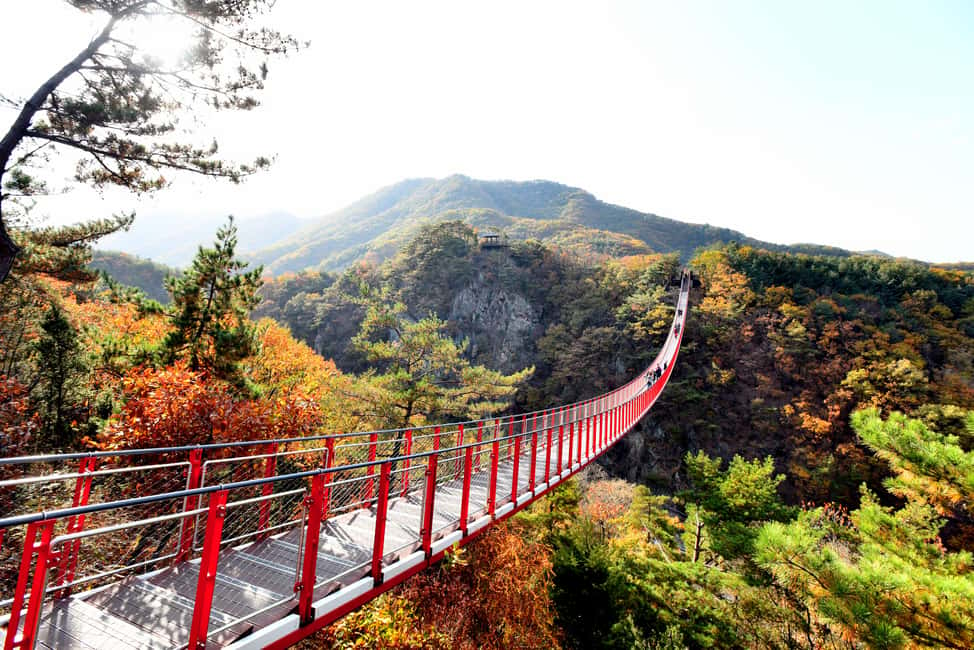
- Optional Gamaksan Suspension Bridge adds a Korean War battlefield site and a hike of about 40 minutes.
- Add-on choices can extend the day, including a Peace gondola and an optional pistol-shooting experience in Myeongdong.
DMZ from Seoul: why this tour feels different
A DMZ tour in Korea can be heavy. This one keeps it grounded. You spend time at places tied to the Korean War and its aftermath, then end with places that show what hope for reunification looks like on the ground.
You’ll move with a licensed guide and a comfortable group bus or minivan, which matters because the DMZ region isn’t a place you just hop between like city neighborhoods. Also, the tour is built around viewing and walking: Imjingak Park, then the tunnel, then the Dora Observatory, and finally Unification Village. That order helps your brain connect the story from memory, to engineering, to daily life beyond the border.
One more point I appreciate: you’re warned that the DMZ is military-operated. That means conditions can change, and the day may shift to other approved stops if access is limited.
You can also read our reviews of more tours and experiences in Seoul.
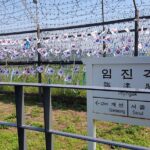
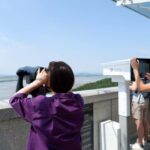
Imjingak Park and the Bridge of Freedom: the emotional warm-up
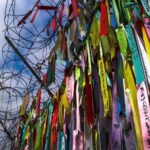
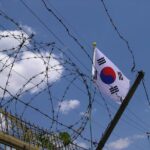
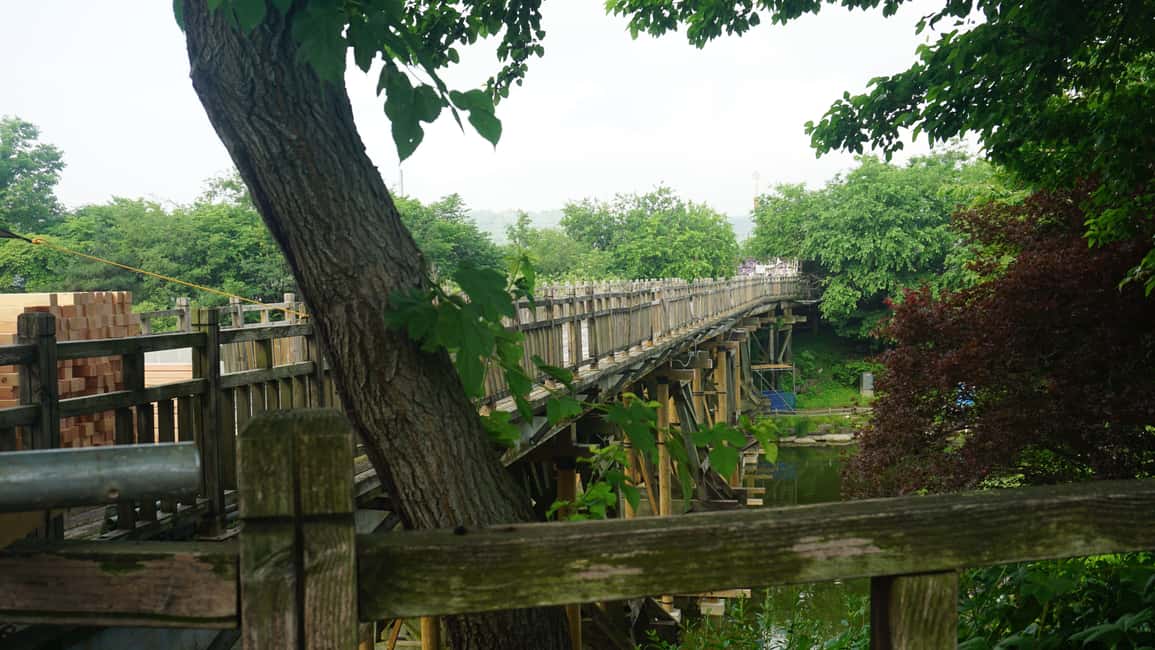
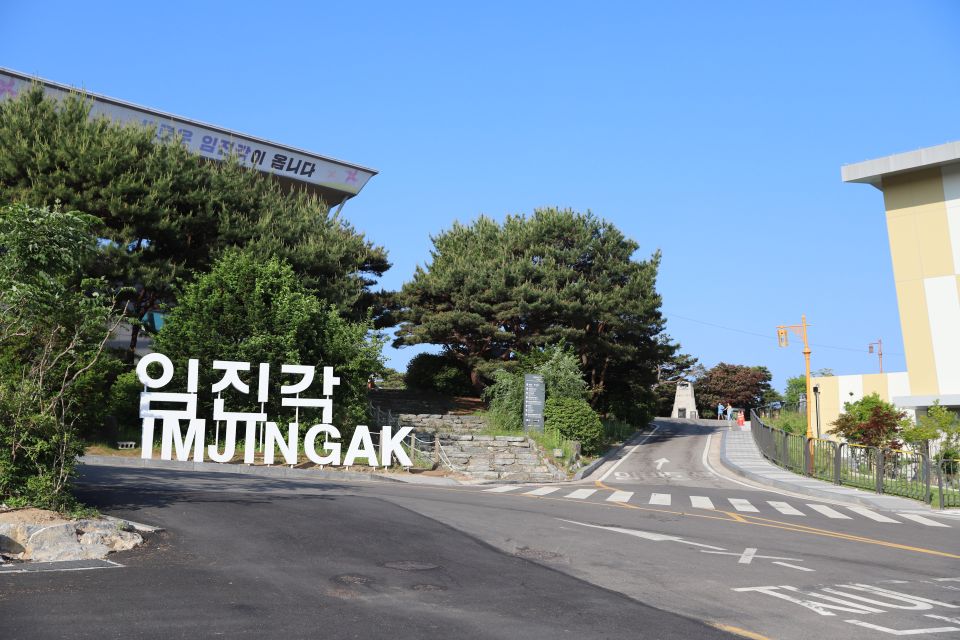
Your day starts at Imjingak Park, where you can see the Bridge of Freedom. Even if you’ve studied the Korean War before, this is the kind of site that turns dates into lived experience. The bridge is not just scenery. It’s a symbol tied to separation and the longing to reunite.
From here, the tour flows into the more intense parts of the border zone. That makes Imjingak a smart setup. You’re less likely to feel like you’re rushing through checkpoints because you’ve already been oriented emotionally.
If you’re the type who likes context while you’re walking instead of reading later, this beginning helps. The guide’s commentary is a big part of why the early stops land. People in the group often mention the guide’s energy and clarity—names like Winnie, Kenny, and Sophie show up again and again in that role.
The 3rd Infiltration Tunnel: part history, part physical reality
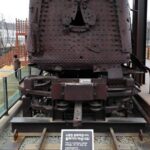
Then you get to the 3rd Infiltration Tunnel, an incomplete passage built by North Korea beneath the DMZ. This is one of the strongest “you’re actually there” experiences on the route because it’s built for the underground angle of border conflict.
Here’s what you should take seriously: the tunnel has a steep slope and takes 30–40 minutes round trip on foot. That’s not a gentle stroll. It can also be challenging for children and the elderly, and it’s possible you’ll have to wait in front of the tunnel at times.
What I recommend: wear shoes with good grip, and plan to go slow. If you tend to get winded, consider bringing water and taking brief breaks when allowed. Reviews also highlight that it’s a bit of a workout and that bringing water (and even cooling help in summer) makes the day easier.
This is also where the tone of the guide matters a lot. The best guides keep the group moving safely and explain what you’re seeing without turning it into a lecture you can’t absorb while walking uphill.
Dora Observatory: the rare view across the DMZ
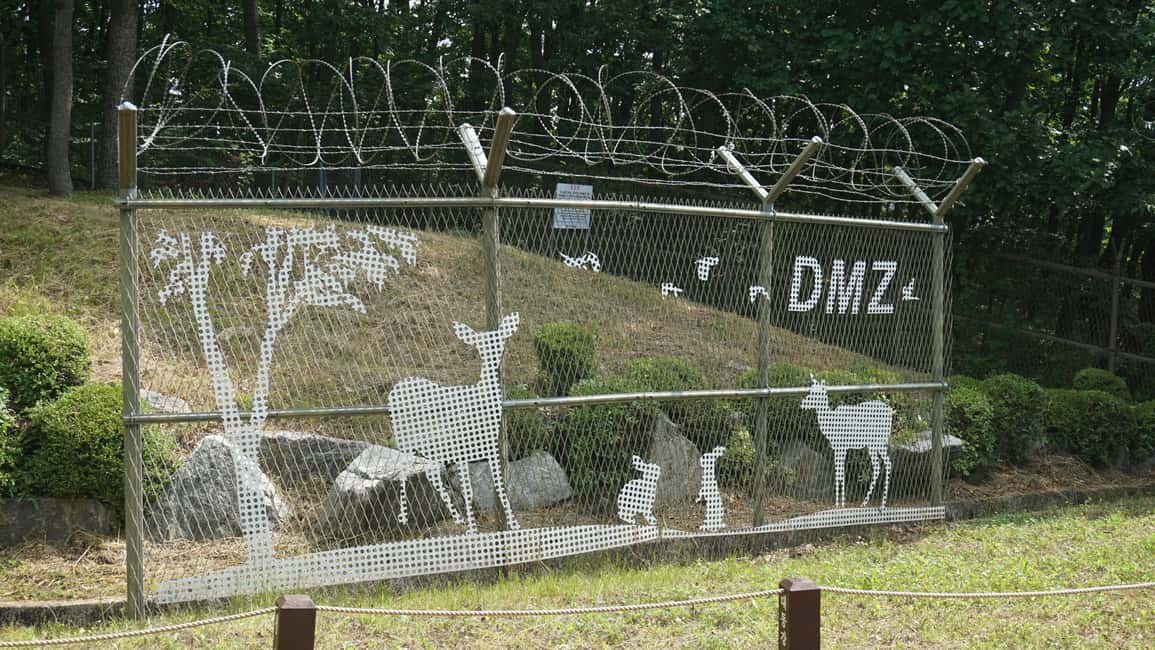
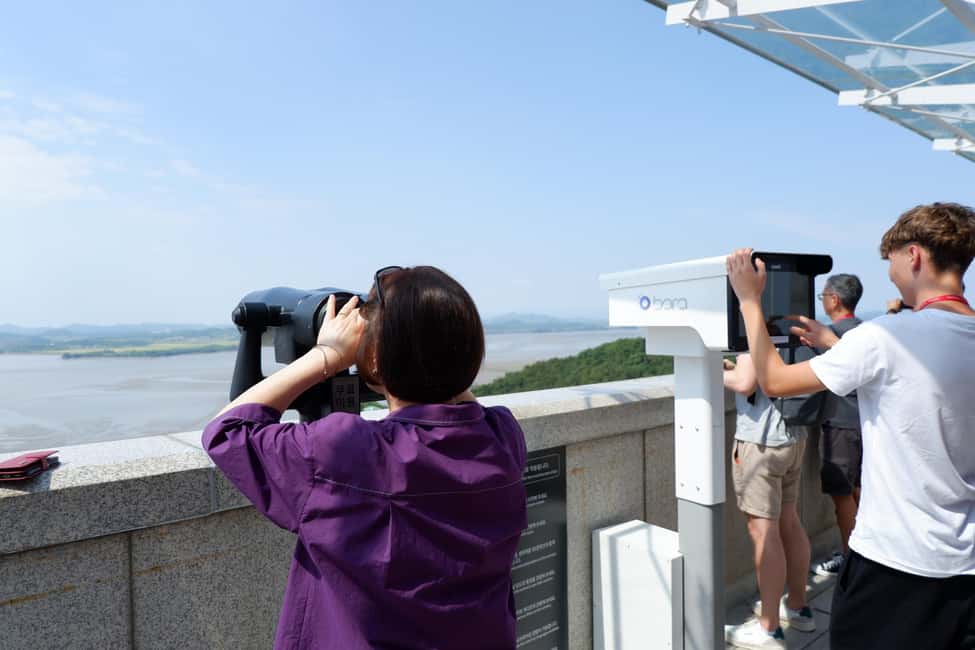
After the tunnel, you head up Mount Dora to Dora Observatory, where you get panoramic views across the border. This is where the DMZ stops being an idea and becomes a geography lesson you can see with your own eyes.
The DMZ is about 2.4 miles wide (roughly 4 km), and Dora Observatory helps you understand that scale. You’ll typically use viewing equipment provided or encouraged by the guide (binoculars are mentioned in reviews), and the guide often times the explanation so you’re hearing the story while you’re looking.
One tip that’s practical: weather plays a major role. If the sky clears, the border view can look much more defined. If it’s cloudy or hazy, you’ll still learn, but you might not get that same crisp look toward the North.
This is also a good moment to lean into the guide’s “why this matters” storytelling. Dora isn’t a generic viewpoint. It’s a rare, controlled window into a place that’s otherwise hard to see directly.
Unification Village: peace souvenirs and awkward questions
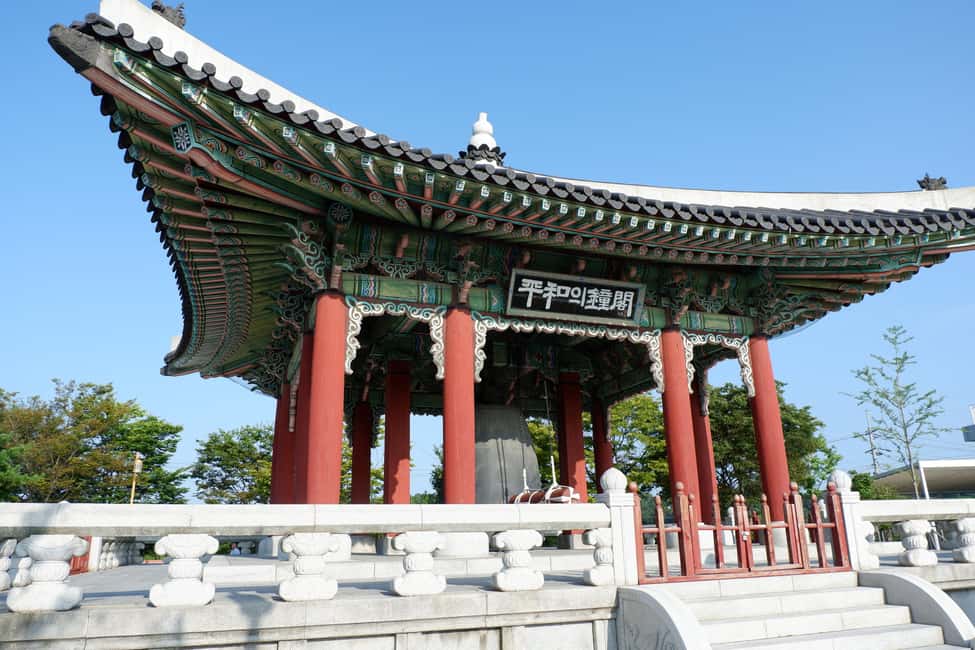
Next comes Unification Village, located near the DMZ in South Korea. This stop may sound like a shop break, but it isn’t really that simple. You can browse items symbolizing peace and reconciliation, and sometimes even see products tied to North Korea.
I like this stop because it reminds you that the border isn’t only about military lines and tunnels. It’s also about how people imagine the future. Shopping here isn’t just buying snacks; it’s a snapshot of how reconciliation is marketed and dreamed about.
Keep an open mind. It can feel oddly surreal—like you’re standing at the edge of the story and then entering a small marketplace about the ending you wish for. If you prefer straightforward history over symbolism, you might treat it as a quick segment. If you like cultural signals and everyday references, you’ll enjoy it more than you expect.

Optional Gamaksan Suspension Bridge: when the day gets more hiking
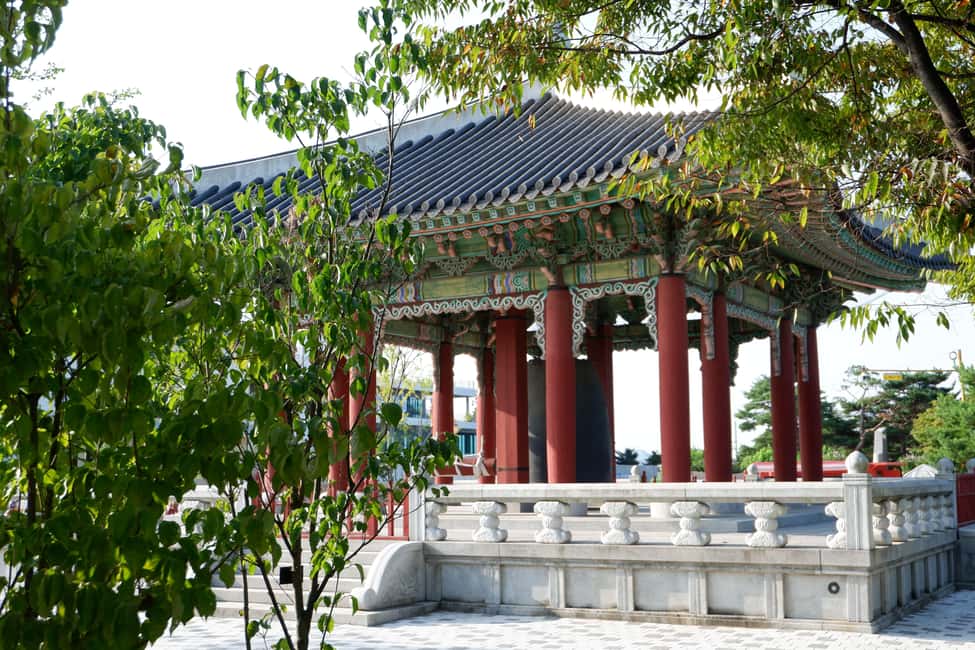
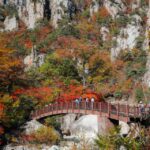
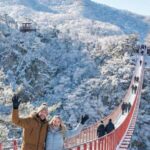
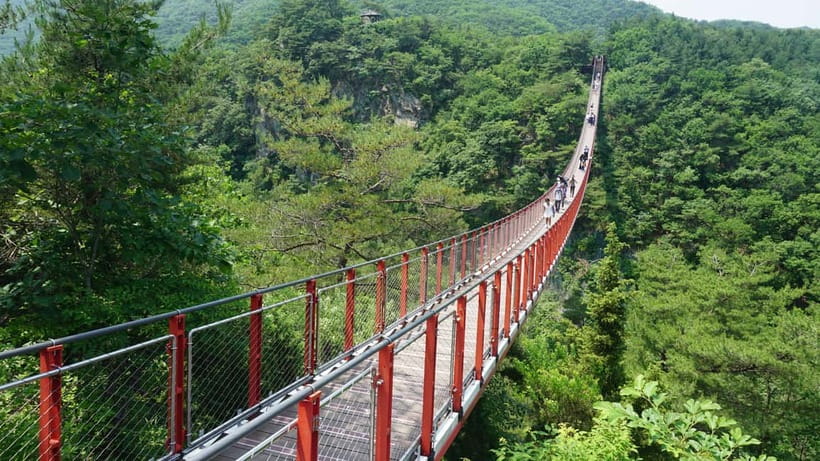
If you book the version that includes the Gamaksan Suspension Bridge, you add two things: extra walking and another historical layer from the Korean War. The bridge stop is tied to a heroic battle fought by British troops, and it’s positioned as an additional perspective on the war’s human cost.
Plan for a 40-minute hike to reach the suspension bridge. Comfortable shoes matter here. This isn’t optional in the sense of “quick detour.” It’s a genuine walking commitment layered onto an already physical tunnel day.
If you’re deciding between the two, think about your priorities:
- Want maximum border access with less extra hiking? Stick to the standard DMZ route.
- Want more variety and don’t mind walking? The Gamaksan add-on adds a memorable viewpoint and battlefield context.
Add-ons that can change the feel of your day
Some optional extras can shift both the time and the comfort level of your tour.
Peace gondola (heat note)
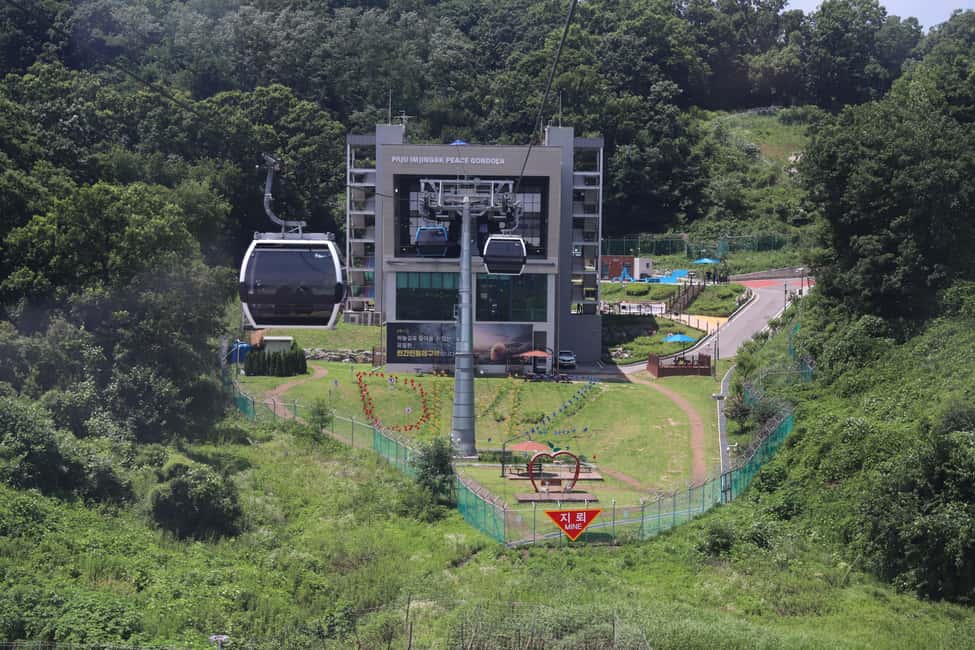
The Peace gondola is included if you select the add-on, and it’s not air-conditioned. On hot summer days, it can get uncomfortably warm. If you’re sensitive to heat, you might want to plan for that by dressing lightly and pacing yourself.
Shooting range in Myeongdong (if you add it)
There’s also a shooting range add-on where you can try pistol shooting firsthand. It’s done in Myeongdong after the main tour. The experience is available only for participants over 14 years old.
This add-on can be a fun “change of pace” after a solemn border day. Just know it’s separate from the DMZ story itself, so don’t choose it expecting more history at the shooting range.
Included vs not included: what you’re really paying for
At a price point listed as $35 per person, this tour can look like a bargain. The value comes from what’s included, not just the sightseeing.
Included items typically cover:
- Entrance fees
- Roundtrip shared transfer
- A licensed professional DMZ tour guide
- Transportation by air-conditioned bus or minivan
- Hotel pickup from centrally located Seoul hotels if you choose that option
- Optional add-ons like the shooting range experience in Myeongdong and the Peace gondola (when selected)
What’s not included is equally important for planning:
- Food and drinks
- Hotel drop-off
- Visit to JSA (Joint Security Area / Panmunjom)
That last point matters. Many DMZ tours market Panmunjom in a way that makes it seem like it’s the default. Here, it’s explicitly not part of the program, so you’ll want to set expectations for what you’ll actually see: the focus is on the DMZ sites like Imjingak, the tunnel, Dora Observatory, and Unification Village.
When access changes: what “fallback stops” can mean
The DMZ is controlled by military and government rules. Sometimes the planned route can be adjusted, and you might be taken to other approved places instead of certain sections of the border area.
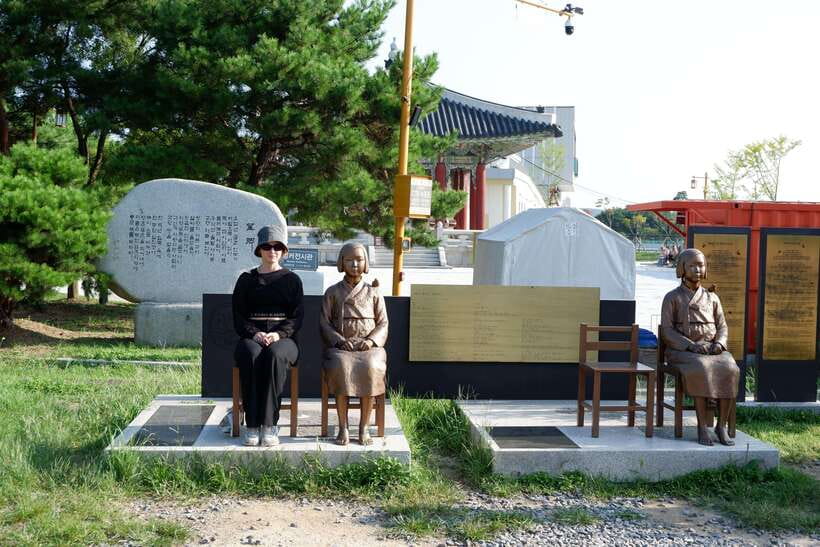
One list of possible alternate stops includes places such as Imjingak, Art Space BEAT 131, Odusan Unification Observatory, and the War Memorial of Korea. That can still be a strong day, but it does mean your photo-view moments and timing may not match your expectations exactly.
I suggest keeping your mindset flexible. If you treat the day as a history-and-views package rather than a guarantee of one exact shot, you’ll get more out of it even when the schedule shifts.
Who this tour fits best (and who should reconsider)
This is a top choice if you want:
- A guided DMZ experience with history explained while you’re seeing the sites
- A mix of symbol (Bridge of Freedom), engineering (tunnel), and viewing (Dora Observatory)
- Optional extras that let you tailor the day with a suspension bridge or additional activities
It may not be for you if:
- You have heart problems (not suitable)
- You use a wheelchair (not suitable)
- You’re expecting a fully relaxed day with minimal walking (the tunnel and optional bridge hike add up)
Also pay attention to the “real-world” pacing. The group needs to handle tunnel slope, possible waiting, and travel time from central Seoul. If you’re traveling with kids or elderly relatives, this is the kind of itinerary where planning ahead and choosing the lighter option can make a big difference.
Photo rules and expectations: follow the day’s on-site guidance
This border area can have shifting rules on what you can photograph. Some guides also enforce strict safety and order inside sensitive zones. The safest approach is to treat photography as something you do only when and where your guide says it’s allowed.
Bring your patience for that. You’re here for understanding and access, not just a perfect camera roll.
Practical tips so your day stays comfortable
A DMZ day has two themes: seriousness and logistics. Here’s how I’d prepare so you stay comfortable.
- Bring your passport. It’s required.
- Wear comfortable, grippy shoes. The tunnel slope and optional suspension bridge hike are not places for slippery sneakers.
- Plan for walking time at the tunnel, including possible waiting.
- If you’re visiting during hot weather, think about heat comfort. The Peace gondola is not air-conditioned, and the day can feel warmer than central Seoul.
- Bring water. Reviews highlight it helps, especially during the tunnel section.
- If you’re traveling with older family members, consider pacing and choose the standard DMZ route instead of stacking extra hikes.
Finally, bring a curious brain. The best tours here aren’t the ones where you memorize facts. They’re the ones where your guide connects the “why” to what your eyes are seeing.
Should you book this DMZ tour from Seoul?
Yes, if you want a structured, guided DMZ day that combines Imjingak Park, the 3rd Infiltration Tunnel, and Dora Observatory into one clear story. It’s also good value for what you’re getting at the listed price, especially with a licensed guide, air-conditioned transport, and optional add-ons if you want more.
I’d hesitate only if you’re very sensitive to physical effort, heat, or long walking segments. In that case, choose carefully between the standard route and the Gamaksan suspension bridge option, and be honest about how your body handles slopes.
If your goal is to understand the DMZ beyond headlines—through a mix of symbols, underground passages, and real viewing—this is the kind of day trip that tends to stay with you long after you’re back in Seoul.
FAQ
What stops do I visit on the DMZ route?
You visit Imjingak Park (including the Bridge of Freedom), walk the 3rd Infiltration Tunnel, go up Mount Dora to Dora Observatory for views across the border, and stop at Unification Village before returning to Seoul.
Is JSA (Panmunjom) included?
No. JSA is not included in this experience.
Does this tour offer an optional suspension bridge?
Yes. The DMZ tour option can include a stop at the Gamaksan Suspension Bridge, which is associated with a Korean War battle involving British troops. The hike to the bridge is about 40 minutes.
What’s included in the $35 per person price?
You get entrance fees, roundtrip shared transfer, a licensed professional DMZ guide, and transportation by air-conditioned bus or minivan. Hotel pickup from centrally located Seoul hotels is included if you select that option. Optional add-ons include a shooting range experience in Myeongdong and/or the Peace gondola depending on what you choose.
What should I bring for the tour?
You’ll need your passport.
What rules are not allowed during the trip?
Intoxication is not allowed. Smoking in the vehicle is not allowed, and alcohol and drugs are not allowed. Unaccompanied minors are not allowed.
Why might the tour be canceled or changed?
Because the DMZ is operated by the military, the trip may be canceled without prior notice, and the itinerary can change due to weather, military, and government regulation factors.