REVIEW · SEOUL
Seoul: DMZ The 3rd Tunnel and Suspension Bridge Tour
Book on GetYourGuide →Operated by I LOVE SEOUL TOUR Co., Ltd. · Bookable on GetYourGuide
One word: humbling. This Seoul DMZ tour mixes 3rd Tunnel walking with Dora Observatory panoramas and real war landmarks. It is a long day, but the stops are timed so you keep moving without feeling rushed.
I like how the day is built around story. You hear Korean War context on the bus, then you walk through sites like Imjingak Park and the Freedom Bridge area with an English guide who can explain what you are seeing and why it matters. You also get a rare, clear look toward North Korea from the Dora Observatory, and on good weather you may even spot activity far away.
The main thing to plan for is physical strain. The 3rd Tunnel route includes a steep slope and a 30 to 40 minute round-trip on foot, and the Gamak Mountain suspension bridge area includes a 40-minute hike, so wear proper shoes and judge your energy early.
In This Review
- Key highlights you should care about
- What you’re really paying for on a $65 DMZ day
- Imjingak Park: the Korean War context starts here
- Getting to the DMZ without losing your day (or your patience)
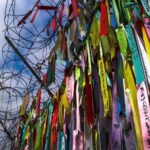
- The Freedom Bridge stop: short time, strong emotional framing
- The 3rd Infiltration Tunnel: tight space, steep climb, real perspective
- Dora Observatory: the rare chance to look toward North Korea
- Gamak Mountain suspension bridge: battle history plus a workout
- Guide style is a big deal here, and it shows
- What to wear and bring so the day stays smooth
- Weather, military rules, and why the itinerary may change
- Who should choose this DMZ tour, and who should not
- Should you book this DMZ: my take
- FAQ
- Do I need a passport for this DMZ tour?
- Does this tour include JSA (Joint Security Area / Panmunjom)?
- How long is the tour and is it a full-day plan?
- What parts of the day involve walking or hiking?
- What should I wear for the suspension bridge and tunnel?
- What can I expect to see at Dora Observatory?
- What happens if the military or regulations change the plan?
Key highlights you should care about
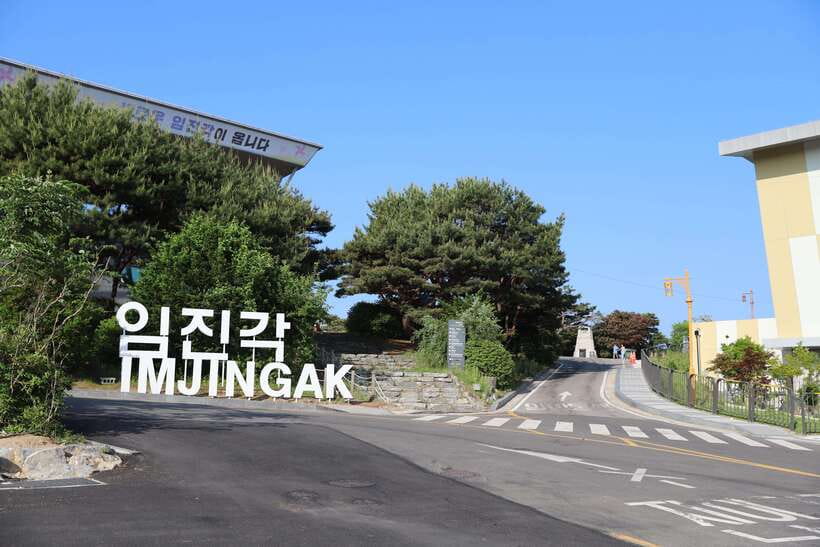
- Imjingak Park history first: Mangbaedan Altar, Bridge of Freedom, and Dokgae Bridge set the political stage
- 3rd Infiltration Tunnel reality check: 1,635 meters long, with very tight 2 m width/height sections
- Dora Observatory views: guided panoramas toward key North Korea locations, with a clear-day chance to see everyday life
- Gamak Mountain suspension bridge photos: battle-related history plus big viewpoints
- English guides who pace the day well: stories, humor, and clear explanations (you might be with guides like Winnie, Sophie, Kenny, Grace, or Lucky)
- Smooth transport reputation: air-conditioned shared transfer, plus 98% perfect transport scores in provided feedback
What you’re really paying for on a $65 DMZ day
At $65 per person for a 9-hour outing, this is not a casual sightseeing loop. You are paying for transportation, entrance access, and a licensed English DMZ guide who can connect history to specific places, not just recite dates.
You also get value in the way the day is structured. Instead of one long stop, you get several guided segments that add up to a full picture: Imjingak Park, the DMZ area, the tunnel, Dora Observatory, and the Gamak suspension bridge viewpoint. Even the “how did this place get to be like this” moments feel purposeful when they are tied to what you see.
One practical note about cost: food and drinks are not included. The upside is that you will have time around lunch to buy what you want, and there are shops with options across budgets.
You can also read our reviews of more tours and experiences in Seoul.
Imjingak Park: the Korean War context starts here
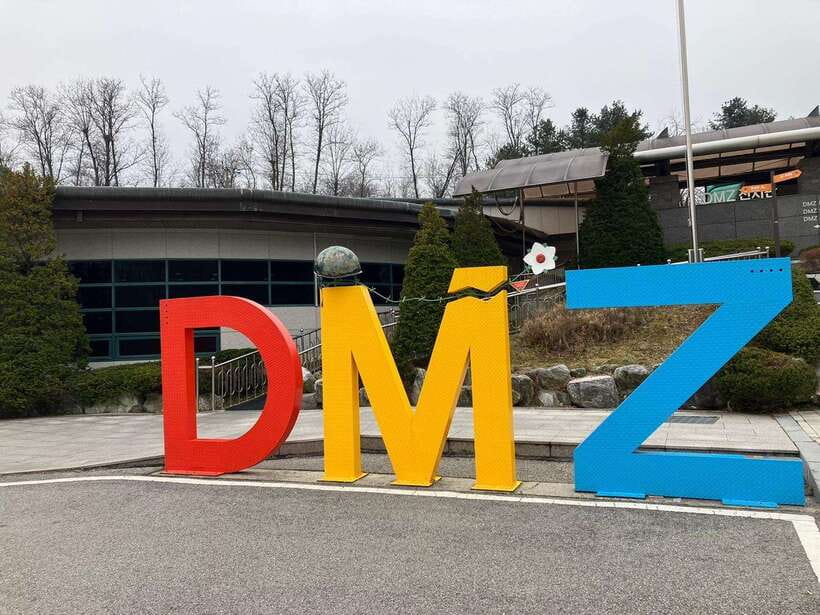
Most DMZ days feel heavy on arrival, but I like how this one begins with meaning before the big stops. You head to Imjingak Park right after meeting your guide, and the drive itself includes engaging Korean War stories.
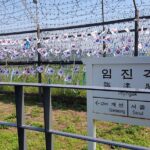
Imjingak Park is about remembrance and boundaries. You will see landmarks tied to the conflict, including the Mangbaedan Altar and the Bridge of Freedom area, both connected to the human stories of separation. The tour also includes Dokgae Bridge, which was destroyed during the Korean War and later reconstructed, so you get a visible “then and now” contrast.
Why this matters for your experience: when you get later views from Dora Observatory or walk inside the tunnel, you will understand the purpose of those places more quickly. Without this first stop, the DMZ can feel like a set of scary photos. With Imjingak, it feels like a timeline.
Getting to the DMZ without losing your day (or your patience)
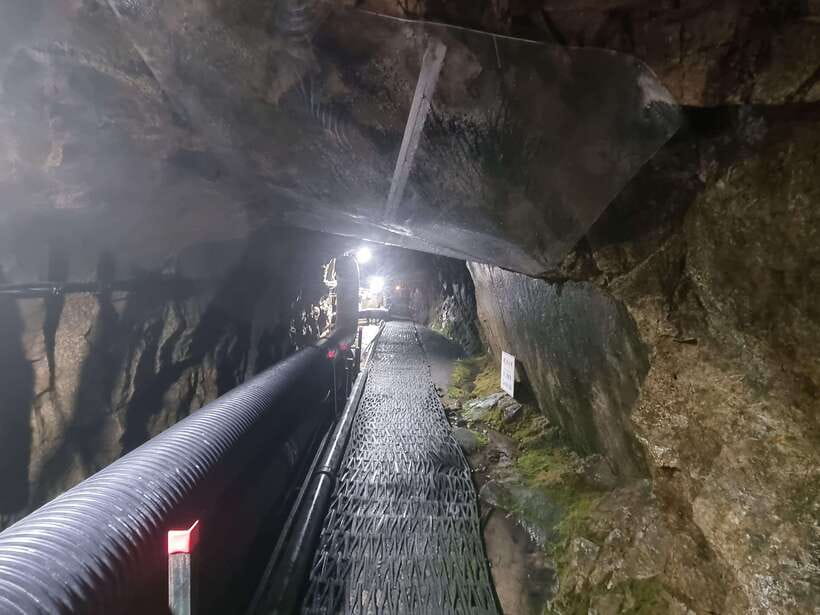
The schedule is long, and you should assume a lot of sitting early on. There is an initial coach or bus ride around 80 minutes, followed by another transfer segment later in the day, so you are spending serious time in transit.
That said, you are not left alone. Your English guide keeps the day organized and talks through what is coming next, which helps the day feel coherent instead of fragmented. The tour is also run with air-conditioned bus or minivan service, and the transport quality has been very highly rated.
One detail that can affect timing: the DMZ involves military operations. The tour may be canceled without prior notice, and if regulations shift, your itinerary can change. In that case, you will visit alternatives such as Art Space BEAT 131, Odusan Unification Observatory, or the War Memorial of Korea rather than the originally planned route, and the provided info states that refunds are not offered for these changes.
So, plan with flexibility. If your schedule is tight, build in cushion.
The Freedom Bridge stop: short time, strong emotional framing
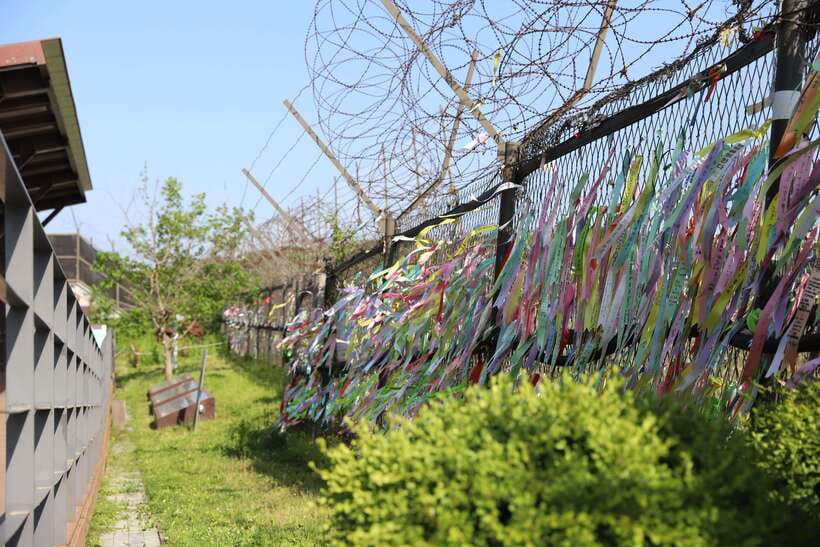
You get a guided segment at Imjingak’s Freedom Bridge area for about 30 minutes. That is not long, but it is enough to slow down, look carefully, and understand what the bridge represents in the context of the war and divided Korea.
The best part of this stop is the way it reframes what you are about to do next. The day is not just about seeing a border line; it is about understanding why people tried to cross, what stopped them, and what “freedom” means in a place where normal life is limited.
If you like photography, use this time to set your camera settings and your pace. Later, you will be moving through tighter and more physically demanding parts of the day.
The 3rd Infiltration Tunnel: tight space, steep climb, real perspective
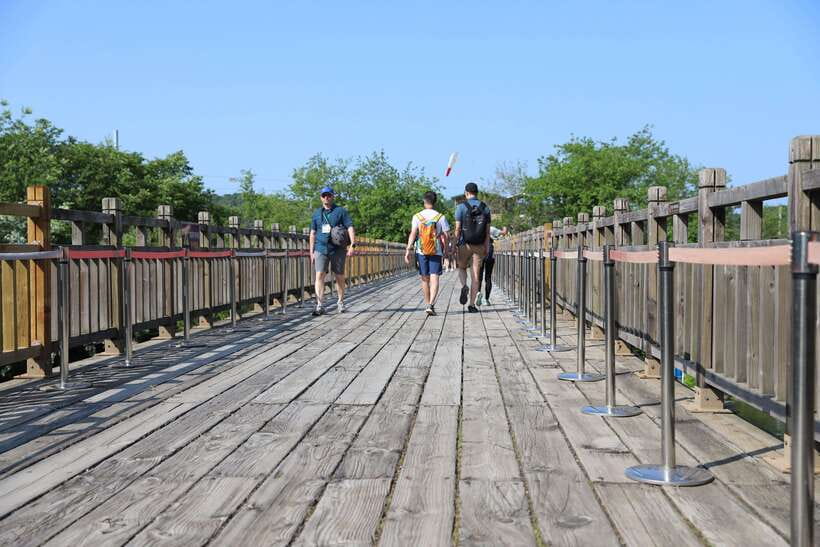
This is the stop most people remember, and for good reason. The 3rd Infiltration Tunnel stretches 1,635 meters, and the guide-led portion lasts about an hour. The physical reality is what makes it hit.
Here are the practical facts you should take seriously:
- The tunnel is only about 2 meters wide and 2 meters high
- The slope is steep
- You should plan 30 to 40 minutes round trip on foot
- It can be challenging for children and the elderly
- If you need to rest, you may be able to wait in front of the tunnel
This is not a “walk through and move on” type of attraction. Even with good lighting and a guided explanation, the tunnel compresses your body and your sense of direction. That compression helps you understand why a planned movement through this space would have been difficult and why tunnel warfare is a big part of the Korean conflict story.
For your comfort: wear proper walking shoes. You will also want to keep your posture and steps steady, because steep sections can be awkward under cold or wet conditions.

Dora Observatory: the rare chance to look toward North Korea
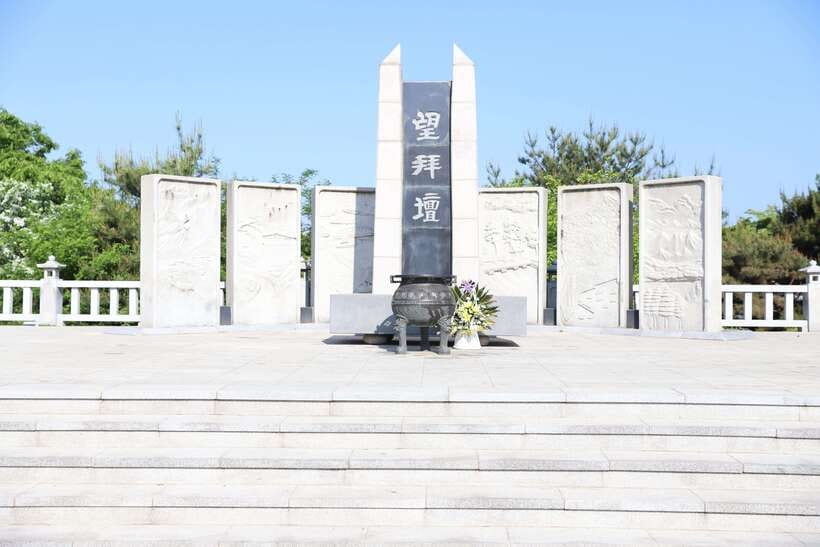
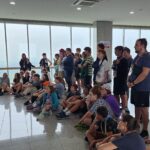
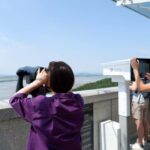
After the tunnel, the day slows down again at the Dora Observatory, with about an hour for guided viewing. This is where you get the “watch the world beyond the barrier” feeling, and it is often the emotional peak.
You will enjoy panoramic views from the observatory, looking toward North Korea and key locations. On clear days, there is a chance you can even spot North Korean residents going about daily life far away.
Even if visibility is not perfect, the guided explanation is still the point. The guide helps you interpret what you are seeing: distances, terrain, and why certain sights matter strategically. That turns a view into understanding, which is the difference between a tourist photo and a moment that stays with you.
Gamak Mountain suspension bridge: battle history plus a workout
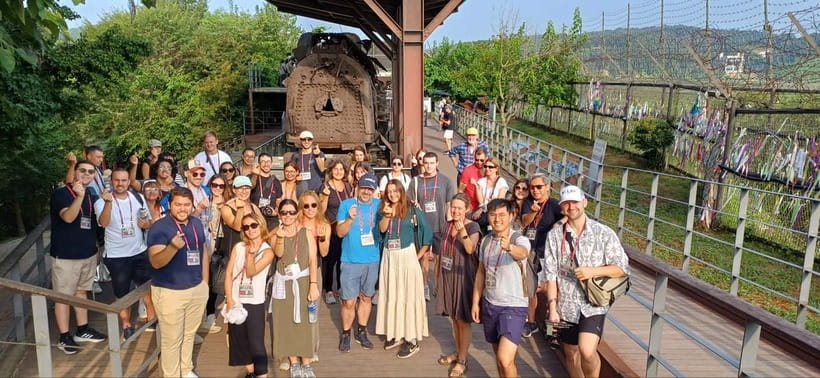
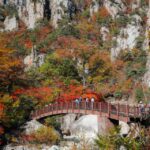
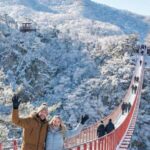
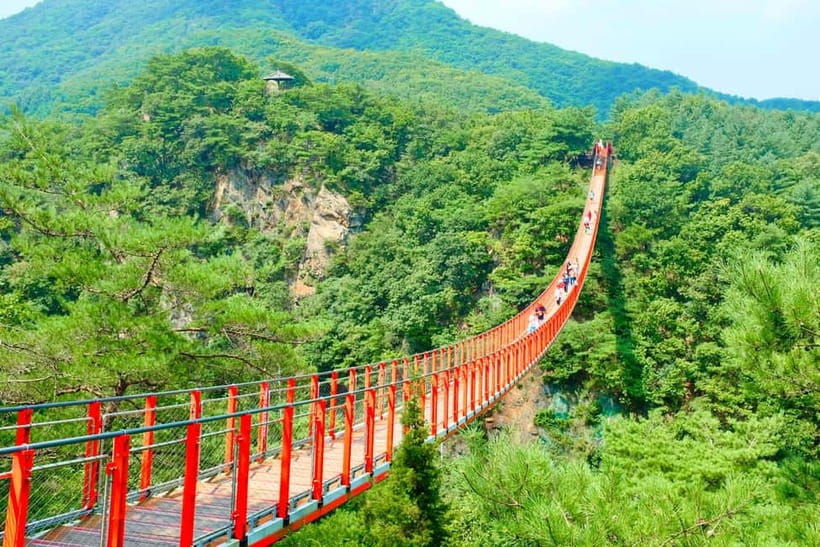
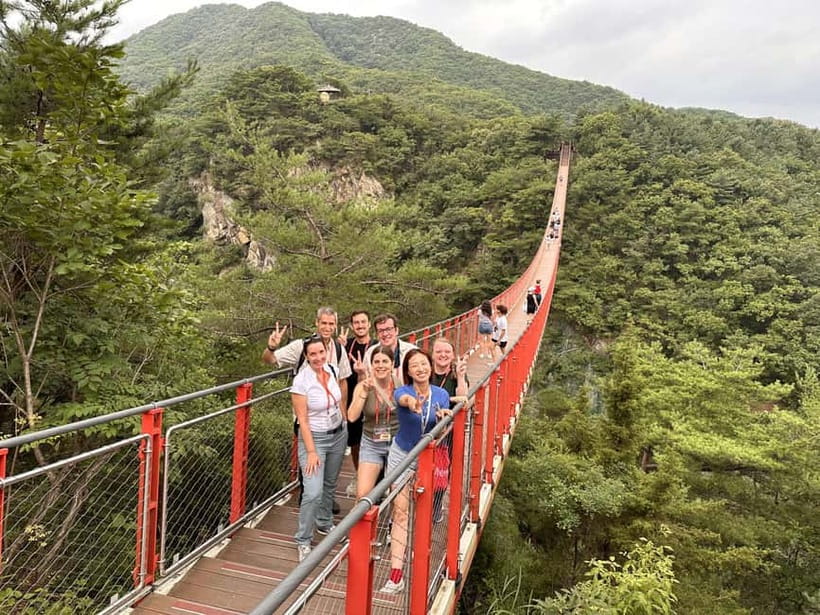
The tour ends with a stop at the Red Suspension Bridge in Mount Gamak. This is a viewpoint visit with history attached, including the context that a battle at Solma-ri occurred here and involved British troops during the Korean War.
You should know the hike part is real. The suspension bridge area includes a 40-minute hike, so bring footwear that can handle slopes and uneven ground. Flip-flops, slippers, and heels are strongly discouraged for a reason: your feet need grip and support, not style.
Some people will love this section for the photos and the sweeping views. If you are not a hiker, treat it like a deliberate challenge, not a casual stroll. I would rate this portion as “worth it if you come prepared,” because it ties physical effort to the viewpoint payoff.
Guide style is a big deal here, and it shows
A DMZ tour lives or dies by the guide. The provided feedback repeatedly highlights English clarity, humor, and the ability to explain sensitive topics in a way that feels human, not just political.
You might be guided by people like Winnie, Sophie, Kenny, Grace, Lucky, Kenny and Ki, or others named in the feedback. The strongest comments connect to a few consistent qualities:
- clear English and easy-to-follow explanations
- personal or family-linked anecdotes that make the Korean War feel less distant
- good pacing, with enough time at stops for questions and pictures
- humor used to keep the day engaging, without turning serious topics into jokes
If you care about storytelling, this is one of those days where it matters. A guide who can connect Imjingak’s landmarks to the tunnel’s purpose to Dora’s vantage point makes the whole route click faster.
What to wear and bring so the day stays smooth
You will start with practical requirements. You need a passport, and you should keep it on you as instructed by your guide.
Dress for walking. The tour strongly discourages flip-flops, slippers, or shoes with heels. If the weather is cold (and it often can be in winter), wear layers because you will be outside for views and for the bridge hike and tunnel access.
Food and drinks are not included, so plan to buy lunch. One piece of helpful detail from the provided feedback: there are shops with lunch options across a range of prices, so you are not limited to one place or one budget.
Also, follow the rules of the area. Smoking in the vehicle is not allowed, and intoxication, alcohol, and drugs are not allowed. Unaccompanied minors are not permitted.
Weather, military rules, and why the itinerary may change
This part is not fun to plan around, but it is important honesty. Because the DMZ is operated by the military, the trip may be canceled without prior notice. And even if it runs, the itinerary can shift due to weather, military, and government regulations, with no refund offered for those changes.
If your plan depends on seeing the tunnel and Dora specifically, you need a backup mindset. The alternative stops listed include Art Space BEAT 131, Odusan Unification Observatory, and the War Memorial of Korea. In other words, you may still get a very history-driven, border-focused day even if one piece changes.
If you want fewer surprises, check the day before your tour for pickup confirmation and any update. The provided info notes pickup time is confirmed by email.
Who should choose this DMZ tour, and who should not
This is a strong fit if you want an organized, English-guided day that connects multiple DMZ sites into one story. It is also family-friendly in the sense that the tour is described as informative and accessible, but you should judge the tunnel and hike sections honestly.
Avoid it if any of these apply:
- heart problems
- wheelchair use
And for families with kids, take the tunnel seriously. The slope and walking time can be challenging for children and elderly guests, although there is the possibility of waiting near the tunnel instead of going through.
If you have mobility limits, contact the operator before booking so you do not end up stressed about steps and steep sections.
Should you book this DMZ: my take
Book it if you want more than photos. This tour gives you several high-impact stops in one day, and the guide-led explanations connect Imjingak, the tunnel’s physical constraints, and Dora’s far-off view into a single understanding of what the DMZ is and why it exists.
Skip or choose a gentler alternative if you hate hikes and steep walks. Between the 3rd Tunnel slope and the 40-minute Mount Gamak hike, this is not the day trip to “power through in sneakers” unless your body is ready.
Also book with flexibility. Military and weather conditions can change the plan, and refunds are not offered if the schedule shifts. If you can roll with that, you will likely end the day feeling informed and shaken in a good way.
If you do go, do two things that make a big difference: wear solid shoes, and listen closely to the guide when the day is still early. The earlier you get the story, the more meaningful every later view becomes.
FAQ
Do I need a passport for this DMZ tour?
Yes. A passport is required for the tour.
Does this tour include JSA (Joint Security Area / Panmunjom)?
No. Visit to JSA is not included.
How long is the tour and is it a full-day plan?
It runs for about 9 hours, so plan for a full day.
What parts of the day involve walking or hiking?
The 3rd Tunnel includes a steep slope and requires about a 30 to 40 minute round trip on foot. The suspension bridge at Mount Gamak involves about a 40 minute hike.
What should I wear for the suspension bridge and tunnel?
Wear comfortable, supportive shoes. Flip-flops, slippers, and shoes with heels are strongly discouraged.
What can I expect to see at Dora Observatory?
You will get panoramic views of North Korea and key locations. On clear days, there is a chance you may see North Korean residents going about daily life.
What happens if the military or regulations change the plan?
Because DMZ operations are military-run, the trip may be canceled without prior notice, and the itinerary can be adjusted due to weather, military, and government regulation. In those cases, the provided information says a refund will not be offered and you may visit alternative sites.