Two towns, one well-paced day. This Da Nang and Hoi An tour blends beaches, pagodas, and UNESCO old streets with a food-and-coffee stop that makes the day feel real. You’ll ride in a modern private vehicle (not public transit), and the group stays small enough to ask questions without waiting in line.
I especially love two things about it: the included entry tickets that keep the schedule smooth, and the fact that you’re not stuck transferring around on your own. You also get bottled water, local food and drinks, and an English-speaking guide who can help you connect the dots between Da Nang’s coastal life and Hoi An’s trading-port past.
One consideration: it’s a long day packed with stops, so plan for some walking plus sun and heat, especially when you’re moving between viewpoints and town centers.
In This Review
- Key highlights to look for
- Why this Da Nang to Hoi An plan works in one day
- Morning in Da Nang: My Khe Beach and Dragon Bridge
- Marble Mountains: caves, tunnels, and temples in limestone and marble hills
- Up Son Tra (Monkey) Mountain to Lady Buddha
- Hoi An Ancient Town: UNESCO streets, assembly halls, and old houses
- Japanese Covered Bridge, coffee break, and night market food
- Food and coffee: what’s included and how to eat smart
- Price and time: is $72 good value for this day?
- Who this tour is best for (and who should reconsider)
- Should you book this Da Nang & Hoi An tour?
- FAQ
- What cities does this tour cover?
- How long is the tour?
- Where does the tour start?
- Is pickup included?
- Are entrance fees included?
- Is food included?
- How big is the group?
- What if I have dietary requirements?
- Can I cancel and get a full refund?
Key highlights to look for
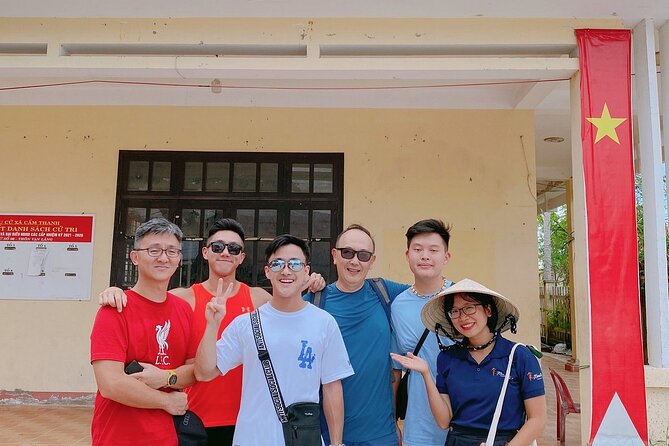
- Private vehicle + small group (max 10) for faster, calmer sightseeing
- Entry tickets included, so you don’t manage separate admissions
- Son Tra Mountain and Lady Buddha (Linh Ung Pagoda) for big views and a spiritual stop
- UNESCO Hoi An Ancient Town with classic bridges, assembly halls, and old houses
- Night market time to eat, shop lanterns, and sample local flavors
- Guide-led coffee break with Vietnamese egg-yolk coffee
Why this Da Nang to Hoi An plan works in one day
If you’re short on time, this is the kind of itinerary that saves you from the usual headache: getting from Da Nang to Hoi An, then hunting down sights and tickets. You meet your guide in central Da Nang, then everything is built around an easy flow—coast, mountains, then the ancient town.
The big win for me is the mix of “big icon” stops and “you-can-feel-it” stops. You’ll see well-known landmarks like Dragon Bridge and the Japanese Covered Bridge, but you also get moments that explain Vietnam’s cultural layers—Chinese assembly halls, old merchant houses, and the role of Hoi An’s trading history. That’s the difference between checking boxes and actually getting the place.
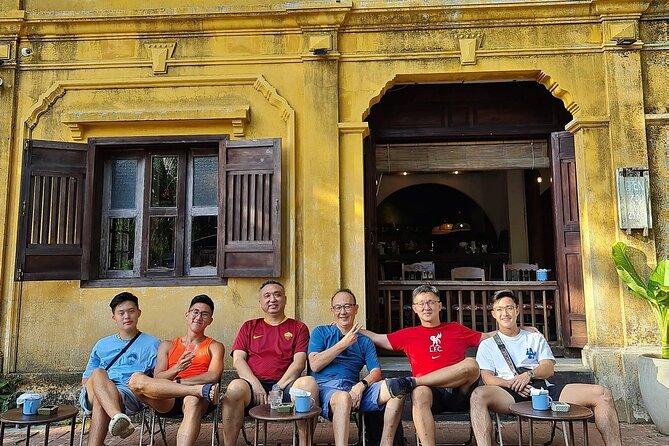
And with a group size of up to 10, you’re more likely to get personal attention (not just a quick lecture and a rush to the next photo spot). Many guests have credited guides like Dat, Thinh, Mee, Kelly, Lam, Long, Anh, and Tracee for being patient, flexible, and helpful with pacing—so if you like a day that feels human, that matters.
You can also read our reviews of more tours and experiences in Da Nang.



Morning in Da Nang: My Khe Beach and Dragon Bridge
You start in the morning around central Da Nang, with early stops that help you get oriented fast. The first coastline moment is My Khe Beach, a long 10-kilometer stretch running from the Son Tra Peninsula toward the Marble Mountains. It’s widely described as one of the world’s beautiful beaches, and what I like about starting here is that it sets the tone: Da Nang isn’t just a jumping-off point. It’s a working coastal city.
Your guide also points out how local life connects to the shoreline. The day starts with a coastal feel—seeing fishers head out and understanding that this beach isn’t only for lounging. If you’re coming during the hotter hours later in your trip, morning light is usually the kinder time to look and photograph.
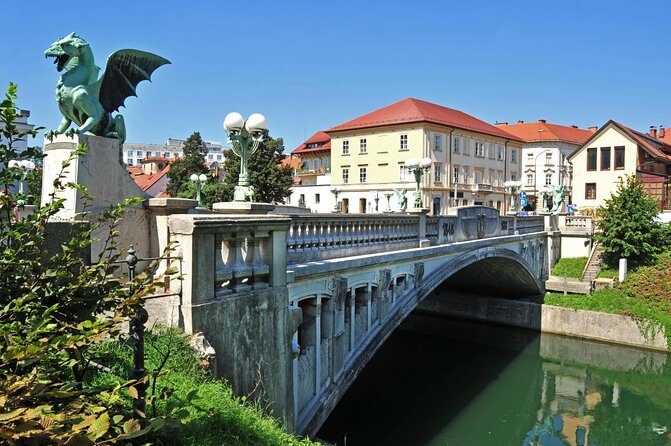
Then you head to Dragon Bridge, one of Da Nang’s signature landmarks, spanning the Han River at the Le Dinh Duong/Bach Dang traffic circle. The good news: the stop is quick and the admission is free. Even if you’ve already seen pictures online, standing near it gives you a better sense of why locals treat it like a city symbol—especially because it’s in a central, lived-in area, not off in the countryside.
Practical tip: bring a hat and a bit of water patience. Early sightseeing is great, but you’re still outdoors.
Marble Mountains: caves, tunnels, and temples in limestone and marble hills
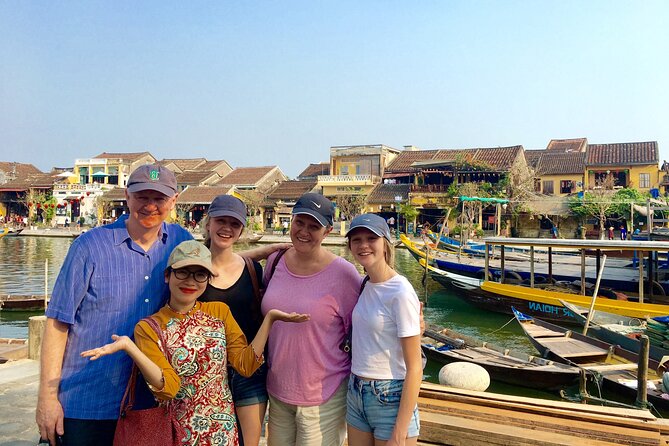
After the beach-and-bridge warm-up, the tour shifts into geology and spirituality with Marble Mountains. This is where limestone and marble hills become a sort of natural maze—complete with caves, tunnels, and scattered temples.
What makes this stop worth your time is how it changes the pace and the mood. You go from “coastal city” to “vertical and winding,” where you’ll be walking through sections of rock formations and passing small religious spaces. It’s also a good spot to ask questions, because a guide can explain why these hills matter culturally and how temple spaces work in the area.
A possible drawback: this is more of a walking stop than a sit-and-stare stop. If you’re sensitive to stairs or uneven surfaces, wear sturdy shoes and take your time.
Up Son Tra (Monkey) Mountain to Lady Buddha
Next comes the part that turns the day into a real viewpoint day: Son Tra (Monkey) Mountain. You’ll drive about 35 minutes from Da Nang to reach it, and the elevation is listed at 693 meters above sea level, which is why the views feel like a step up from the coast.
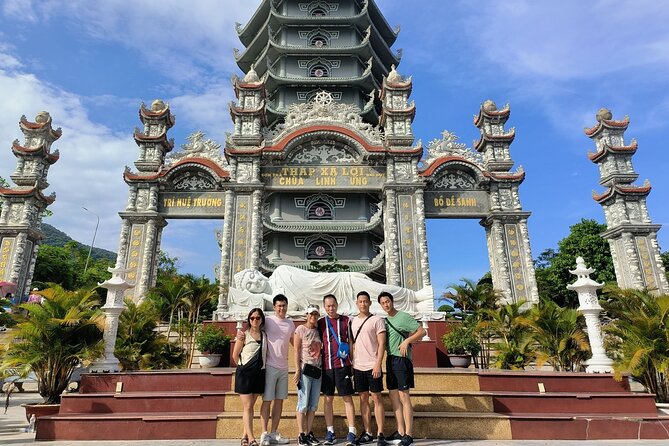
From there, you continue to Lady Buddha Pagoda (Linh Ung Pagoda) on the Son Tra Peninsula. This is one of Vietnam’s most famous Buddha statues, with the Lady Buddha figure standing 67 meters tall. The tour schedules around 45 minutes here—enough time to see the statue area calmly and take in the setting without feeling trapped in a long queue.
Why I like this segment: it gives you contrast. Da Nang’s first half feels urban and coastal. Son Tra adds greenery, religious meaning, and a sense of altitude. It also gives you photo variety—especially if you’re photographing both the city icons and the bigger “panorama” moments.
One more practical note: you can still get sun exposure on hilltop routes. Even with a guide and a vehicle, you’ll want sun protection.
Hoi An Ancient Town: UNESCO streets, assembly halls, and old houses
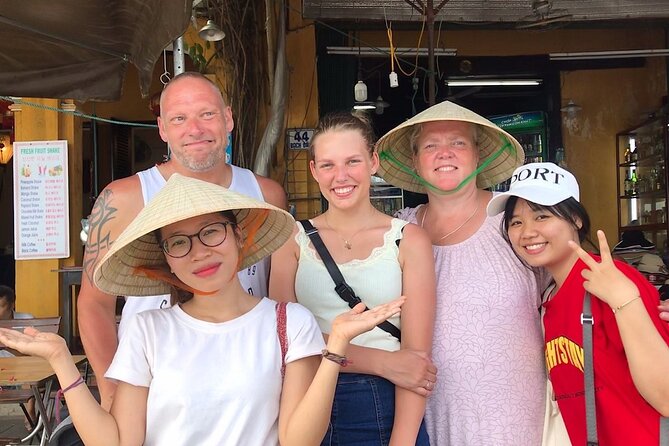
Once you reach Hoi An Ancient Town, the tone shifts immediately. This area is a UNESCO World Heritage Site, known as a preserved example of a Southeast Asian trading port dating back to the 16th century. In other words, you’re not just looking at pretty streets—you’re walking through the physical traces of merchants, languages, and cultural blending.
The scheduled time is about two hours, which is a good length for first-timers. You’re long enough to slow down, not just sprint from one landmark to another. Key stops inside this old-town zone include places tied to different Chinese communities and merchant families, such as:
- Fukian Assembly Hall (Phuc Kien), built around 1690, originally serving the Fujian Chinese community
- Cantonese Assembly Hall
- Duc An House (also described as an ancient house)
- Old House of Tan Ky, giving you that “this is how families lived” feeling
These aren’t just carved-wood props. In Hoi An, the assembly halls and merchant houses show you how immigrant groups organized community life and how trade wealth shaped the built environment.
A possible consideration here: old towns can feel crowded around popular spots. Your best move is to listen for what your guide points out and follow the walking flow. It’s the difference between seeing buildings and understanding why they’re arranged the way they are.




Japanese Covered Bridge, coffee break, and night market food
Hoi An’s best-known photo stop in this route is the Japanese Covered Bridge (Chùa Cầu). It’s listed as completed in 1593, and it’s scheduled for about 20 minutes. Even if you don’t obsess over architecture, this bridge is important because it visually connects Hoi An to historical links across the region.
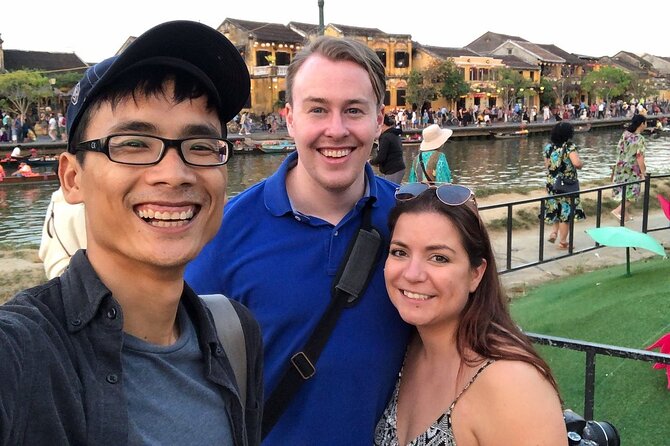
Right before or around your Hoi An time, you’ll also get a coffee break featuring sweet Vietnamese coffee made with egg yolks and condensed milk. This isn’t just a drink stop; it’s part of how Hoi An and central Vietnam create comfort through flavor. If you’re a coffee person, this is the kind of taste that makes the trip feel specific to the region.
Then the day ends in a very practical way: night market time. You’ll walk through a food and shopping area with lots of local products and street foods, including Hoi An’s famous lanterns. This is where you can flex your appetite—snack your way through and buy small souvenirs that actually look like they belong here.
One of the best parts of night market stops is that they’re low-pressure. You don’t need to know every item name to enjoy the vibe. Go with curiosity. Ask your guide what to try first if you’re unsure.
Food and coffee: what’s included and how to eat smart
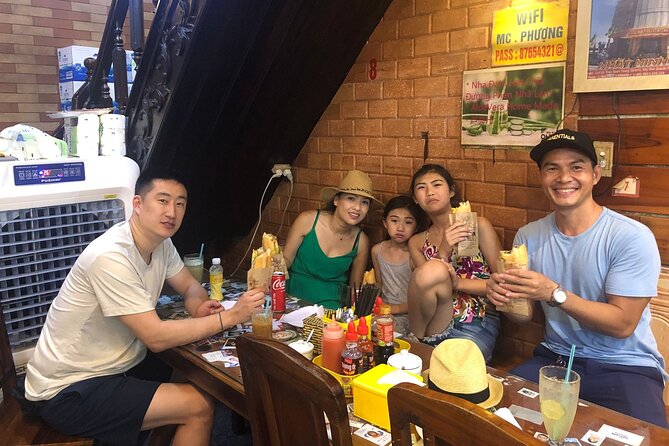
This tour includes local food and drinks, plus bottled water. It also includes tickets, which matters because food-focused moments often get rushed when admissions aren’t covered.
What’s specifically mentioned in the plan is the egg-yolk Vietnamese coffee, and that’s a clear win if you want a signature taste. If you have dietary needs, you should mention them at booking so your guide can plan around them as best as the group schedule allows.
At the night market, the tour gives you time to eat freely—so you’re not stuck with one set meal. I recommend you split your budget and your appetite: pick a couple of savory items, something sweet, and then a drink you can sip slowly while you browse lanterns and small stalls.
Quick shopping advice: if you’re thinking about anything tailored, ask your guide while you’re in Hoi An. Some guides on this experience have been praised for recommending good places for tailormade cloth, which can save you time when you’re tired and shopping decisions feel harder.
Price and time: is $72 good value for this day?
At $72 for a 5 to 6 hour day, the value mostly comes from what’s wrapped in: entry tickets, a professional driver with a modern vehicle, bottled water, local food and drinks, and an English-speaking guide. That’s the kind of bundle that matters in central Vietnam, where a DIY day often turns into multiple ticket payments and frequent transit costs.
Also, paying for a private vehicle helps you keep the day from dragging. Da Nang-to-Hoi An connections can be manageable, but once you add multiple stops like Dragon Bridge, My Khe Beach, Marble Mountains, Son Tra, and then the UNESCO district, DIY starts to feel like juggling.
The group size cap at 10 is another hidden value point. In a bigger group, you lose time. Here, you’re more likely to get the guide’s attention when you ask questions, especially around cultural context like why assembly halls were important.
One more time note: this is a packed route. If you’re someone who likes long sits at cafés or slow drifting photo walks, you might feel the schedule. But if you want a solid “see a lot, understand it” day, the pace is efficient.
Who this tour is best for (and who should reconsider)
This tour fits best if you:
- Want a first-timer day that connects Da Nang’s coast with Hoi An’s trading-port heritage
- Like food-and-sightseeing together, not separating them into two trips
- Prefer a small-group experience with time for questions
- Are okay with some walking through temples and old-town streets
You might reconsider if:
- You strongly dislike structured schedules and prefer total free time
- You have mobility concerns that make hilltop areas and older cobbled walking difficult
Even then, it can still work if you’re clear with your guide about your pace. Many guides on this experience are known for being flexible with how long you spend at each stop.
Should you book this Da Nang & Hoi An tour?
I’d book it if you want a smart introduction to central Vietnam in a single day and you’d rather pay for organization than spend your energy figuring routes and ticketing. The included tickets, night market time, and the pairing of Son Tra plus UNESCO Hoi An make it feel like more than a sightseeing shuffle.
You should skip it only if you know you’ll resent a full-day schedule. If your ideal trip is slow and loose, you might prefer staying in one town and going deeper over several days.
If you’re on a time crunch, though, this is a strong choice: good variety, clear landmarks, and a guide who can help the day make sense.
FAQ
What cities does this tour cover?
It covers Da Nang and Hoi An in one day, starting and ending in Da Nang.
How long is the tour?
The tour runs about 5 to 6 hours.
Where does the tour start?
The meeting point is The Cups Coffee Roastery, 192 Nguyễn Văn Thoại, Bắc Mỹ Phú, Ngũ Hành Sơn, Đà Nẵng. The tour ends back at the meeting point.
Is pickup included?
Pickup is offered, and the tour includes drop-off back at the starting point.
Are entrance fees included?
Yes. Entrance tickets are included in the tour price.
Is food included?
Yes. The tour includes local food and drinks, and you’ll also try sweet Vietnamese egg-yolk coffee.
How big is the group?
This tour has a maximum of 10 travelers.
What if I have dietary requirements?
You should advise any specific dietary requirements at time of booking.
Can I cancel and get a full refund?
Yes. You can cancel up to 24 hours in advance for a full refund. If you cancel less than 24 hours before the start time, the amount paid is not refunded.