REVIEW · FLORENCE
Pasta and Tiramisu Cooking Class with optional Local Market Tour
Book on Viator →Operated by Ciao Florence Tours Srl · Bookable on Viator
Fresh pasta in Florence, made by your own hands. It’s a small-group cooking class in a central trattoria where you’ll learn classic Tuscan recipes and eat them right away, with wine. I really liked how the class moves from market ingredients to dough work to dessert without losing the fun factor.
Two things stood out for me: the hands-on pasta-making (tagliatelle and ravioli from scratch) and the optional Sant’Ambrogio market stop for ingredient shopping and tastings. The wine and shared meal turn it into more of a dinner experience than a lecture.
One possible drawback: if you book the afternoon slot, you miss the Sant’Ambrogio market visit, and the total time is shorter (about 3 hours instead of around 4). So if market wandering is your thing, lean toward the morning class.
In This Review
- Key takeaways before you book
- A small-group Florence kitchen where you actually cook
- Sant’Ambrogio market morning, or the 3-hour afternoon shift
- Getting started at Cucineria La Mattonaia (and what it signals)
- Tagliatelle al ragù: learning sauce structure and pasta dough basics
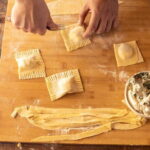
- Ravioli with ricotta: shaping skills that make you feel chef-level
- Tiramisù lesson: the dessert step that turns cooking into celebration
- Tuscan appetizers, stories, and how the meal actually feels
- Wine and unlimited refills: fun, but keep your wits
- Price and value: why $83.44 often feels like a bargain
- Who should do this class (and who should pass)
- The chef factor: what to look for in your class
- Should you book this pasta and tiramisù class?
- FAQ
- What dishes will I make in the class?
- Does the class include a market tour?
- How long is the experience?
- Is the class in English?
- How big is the group?
- Is wine included?
- Where does the class start and end?
- What’s the cancellation policy?
Key takeaways before you book
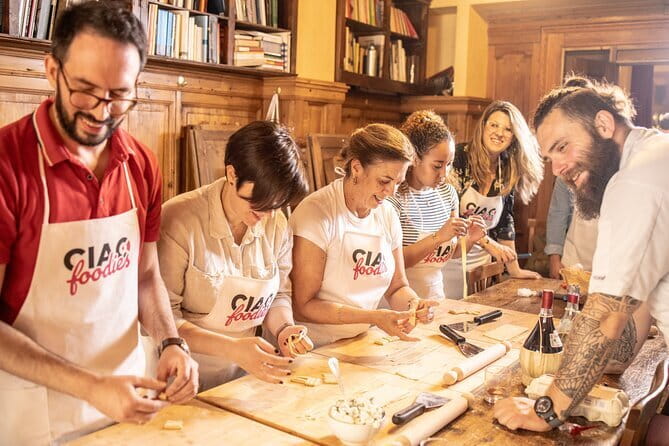
- Small group (max 12): You get real participation, not just watching.
- Three dishes from scratch: Tagliatelle al ragù, ricotta ravioli, and tiramisù.
- Optional Sant’Ambrogio market: Morning classes include it, with local ingredient tastings.
- Unlimited wine with your meal: House wine keeps the mood relaxed.
- Hands-on guidance: Expect step-by-step teaching at the pace of the group.
- You leave with a certificate: A small souvenir that feels official.
A small-group Florence kitchen where you actually cook
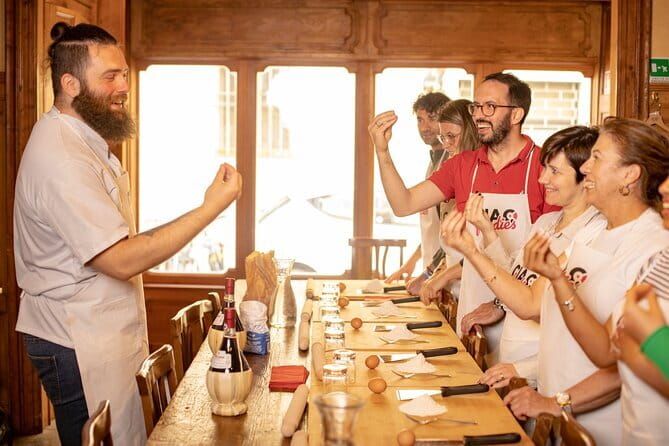
This is the kind of class that fits perfectly with Florence. One minute you’re learning how pasta dough behaves. The next minute you’re eating what you made, sitting down like you’re at the end of a perfect night out.
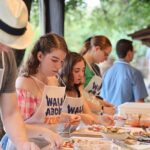
What makes it work is the setup: a small group in a central Florence restaurant kitchen, led by a chef who guides you while you do the work. You’re not stuck at the back of the room with a camera and a glare at your neighbor’s ravioli.
Also, the dish mix is smart. You get a full cycle of Italian comfort food: savory pasta, a cheese-filled pasta shape, and a dessert that tastes like you bought it from a serious pastry shop.
You can also read our reviews of more tours and experiences in Florence.
- Tuscany Day Trip from Florence: Siena, San Gimignano, Pisa and Lunch at a Winery
★ 5.0 · 21,634 reviews

Sant’Ambrogio market morning, or the 3-hour afternoon shift
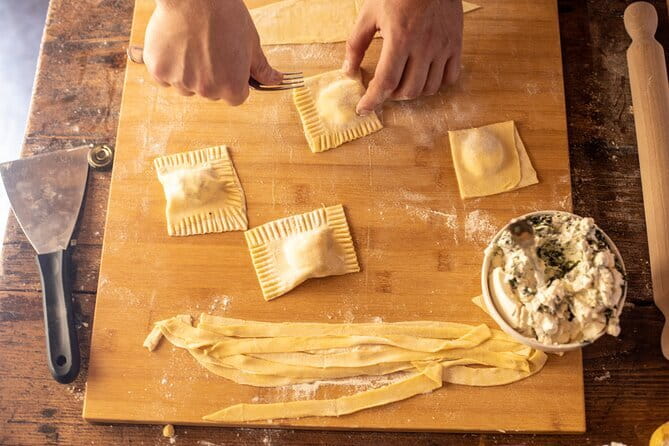
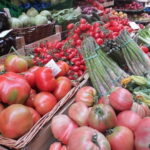
Most mornings (except Sundays and bank holidays), you add an ingredient shopping stop at Mercato di Sant’Ambrogio. You follow the chef through the market and pick up what you’ll need for the class, plus you get local product tasting along the way.
This part matters more than you might think. Seeing ingredients in the wild teaches you what changes when the quality is better. It also gives you the flavor story behind what you’re about to cook: cheese, pasta-making essentials, and the building blocks of classic sauces.
If you choose the afternoon option, the class runs about 3 hours and the market visit is not included. That can be totally fine if you mainly care about the cooking and eating. Just know that you’re trading the morning ingredient hunt for more time in the kitchen.
Either way, the class ends back at the meeting point.
Getting started at Cucineria La Mattonaia (and what it signals)
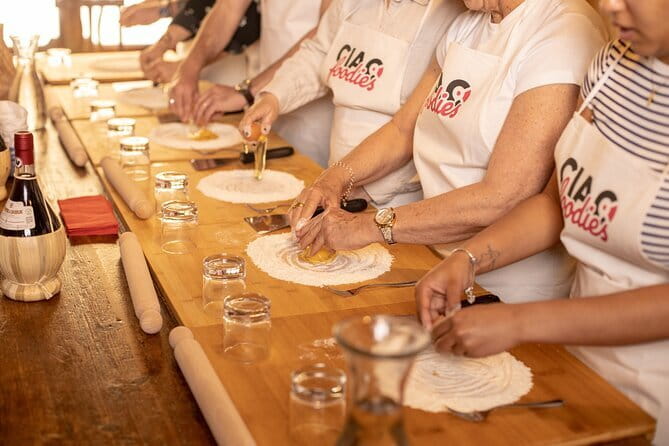
You meet at Cucineria La Mattonaia, Via della Mattonaia, 19R, in Florence. It’s a central location near public transportation, so you’re not planning your whole day around a taxi detour.
That meeting point choice says something about the experience: it’s designed to be easy to fit into a Florence itinerary. You can come straight from sightseeing, get your apron, and quickly switch into food-mode.
From there, you’ll get underway with the day’s menu workflow. The class is built so that you’re active throughout, from prep to shaping to eating.
Tagliatelle al ragù: learning sauce structure and pasta dough basics
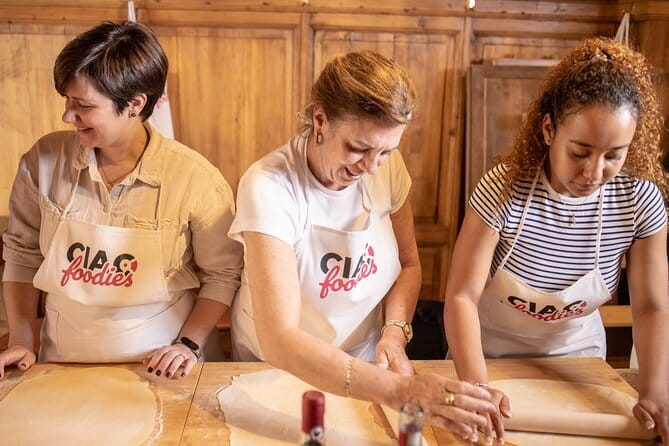
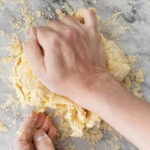
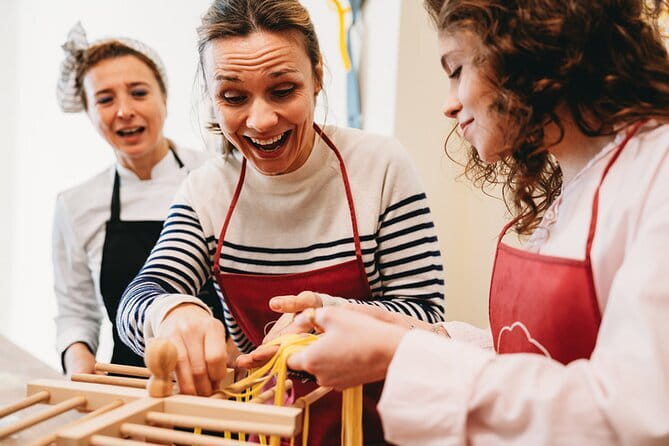
The savory part starts with classic components. You’ll prepare traditional sauces such as ragù and a tomato base, then move into pasta dough—made with eggs and flour.
I love this order. It reduces the panic factor. While one element needs time, you’re doing the next hands-on step, so you’re not just waiting for something to boil.
Pasta dough work is where most first-timers realize two useful things:
1) dough is forgiving when you learn what it should feel like, and
2) technique matters more than fancy equipment.
You’ll knead and shape as you go, with instructions from your chef so you understand what you’re aiming for before you commit to the final roll-out. Then comes the moment you turn that work into tagliatelle—cutting and shaping so it holds sauce instead of sliding around.
And yes, you’ll taste the result at the meal. That’s the best part of learning in a place where the kitchen is set up for immediate success.
Ravioli with ricotta: shaping skills that make you feel chef-level
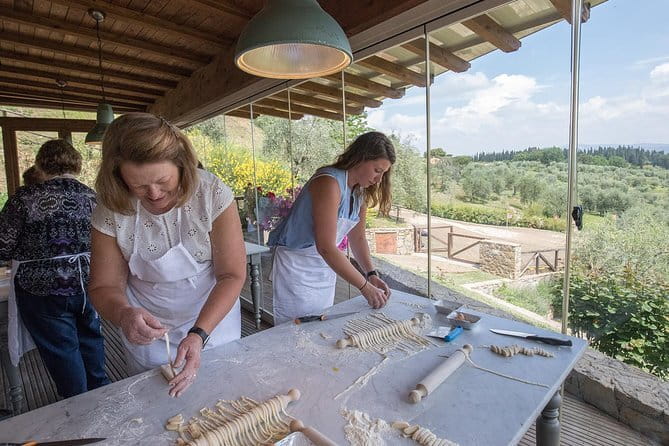
Next up is ravioli filled with ricotta. Ravioli can look intimidating in photos, but in the right classroom it becomes a set of repeatable steps.
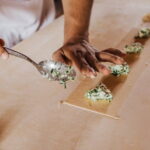
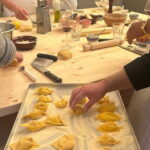
Here, the value is not just getting one tray of ravioli. It’s learning the rhythm: portioning, filling, sealing, and shaping so the pasta holds together when cooked. Your chef guides you through the process so you know how to correct mistakes early rather than after the pot starts boiling.
You’ll also get a feel for consistency—how much filling to use, how to handle dough thickness, and what sealing looks like when it’s done right. Once you understand that, ravioli stops being a mystery dish.
For many people, this is the highlight. It’s the most visually satisfying part of the class, and it’s the one you’ll want to recreate at home.
Tiramisù lesson: the dessert step that turns cooking into celebration
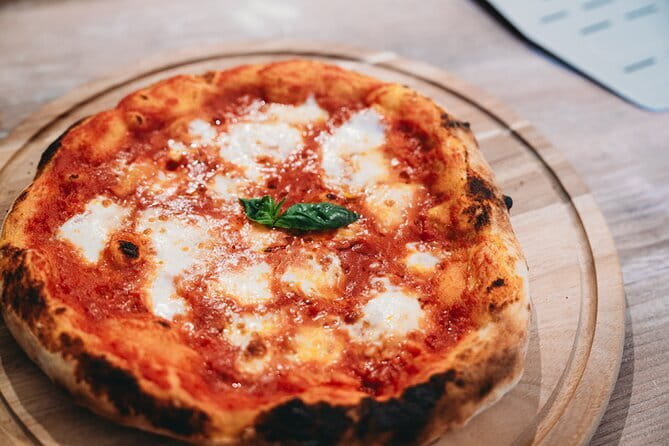
Then comes tiramisù. This part is usually where the class flips from skill-building to pure joy.
You’ll learn how to make an authentic tiramisù with a creamy approach taught step-by-step. The chef shows you how the dessert comes together and why timing and mixing matter. You’ll be part of the process rather than watching a demonstration that ends before you get your hands on anything.
Dessert is also the easiest way to understand Italian logic. The flavors work because the components are balanced: sweetness, creaminess, and coffee character. When you build it yourself, you stop thinking of tiramisù as a store-bought item.
By the time you sit down, you’ll recognize the ingredients and steps in a way that makes the whole dessert feel personal.
Tuscan appetizers, stories, and how the meal actually feels
Between the active cooking phases, you’ll take a break with typical Tuscan appetizers. It’s not a random intermission. It’s part of the meal experience, and it helps you reset so the second half of the cooking feels fresh.
You’ll also hear stories about Italian culinary heritage while you’re eating. Some of it is practical (how people cook in real life), and some of it is cultural (why certain combinations became standard).
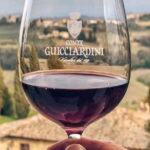
Then you sit down for the full meal you made: ravioli, tagliatelle al ragù, and tiramisù, paired with house wine. The class includes unlimited wine, which keeps the atmosphere light. It’s a real social touch, not just a free pour.
Wine and unlimited refills: fun, but keep your wits
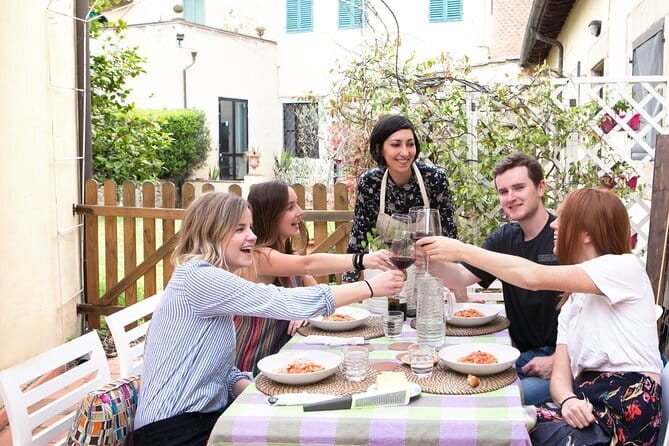
Let’s be honest: unlimited wine can loosen the brain. That can be great for the vibe, but it’s still worth staying aware, especially if you’re traveling later.
In class, the wine is served with your meal, so you’re not dealing with it while you’re kneading and cutting pasta. Still, go in with a plan: pace yourself, take breaks, and enjoy the meal.
The upside is that the unlimited wine supports the biggest strength of this experience: it feels like a shared dinner. You’ll talk, laugh, and compare notes on dough and dessert like everyone belongs in the kitchen.
Price and value: why $83.44 often feels like a bargain
At $83.44 per person for about 4 hours (morning) the cost can look simple, but the value is in the package. You’re not paying for a quick tasting. You’re paying for ingredients, chef instruction, and a full meal you cooked yourself.
Included items that matter:
- ingredients for all dishes
- apron and cooking utensils
- small group format (max 12)
- visit to Sant’Ambrogio market in the am option
- food and local product tasting
- unlimited house wine with your meal
- graduation certificate
- lunch or dinner depending on departure
For a first-time cook, the biggest value is buying time and correction. Instead of wasting flour and eggs at home while guessing, you get guided technique in a functioning kitchen.
For repeat cooks, the value is in learning how to shape and build classic dishes efficiently. You’ll pick up pacing tricks while rolling dough and managing filling.
If your main goal is just to eat great Italian food, there are cheaper options. But if you want the skill and the story baked into the meal, this price starts to make sense fast.
Who should do this class (and who should pass)
This is ideal if you love Italian food and want something hands-on, not just a tour with stops and photos. It’s also a strong pick for families because the pace is interactive and the dishes are concrete—everyone can participate in some way.
It’s especially good for:
- beginners who want step-by-step instruction
- pasta fans who want to make shapes, not just taste them
- people who like market context before cooking
You might consider a different experience if:
- you only want a pure market tour and skip cooking
- you’re very pressed for time and only have the afternoon window
- you expect fancy recipe packaging handed to you in a specific form
If you care a lot about recipe sheets, ask directly when you book what’s provided in the way you expect.
The chef factor: what to look for in your class
Chefs can make or break cooking lessons. Here, the instruction style shows up in the feedback you’ll see: names like Giulia, David, Allan, Andreas, Guy, and Stefano come up in connection with fun, clear teaching and lots of participation.
Even if your chef isn’t the one you hoped for, aim for the class that keeps everyone working at the same stations. The best sessions are the ones where you get real reps—kneading, rolling, cutting, filling, and shaping—while the chef explains both what to do and why it matters.
If you’re the type who asks questions, bring them. This format supports that.
Should you book this pasta and tiramisù class?
Yes, if you want an experience that mixes learning and eating in the same sitting. The strongest reasons to book are simple: you’ll make three iconic dishes from scratch, you’ll do it in a small group, and you’ll finish with a proper meal with wine.
Pick the morning option if you want the Sant’Ambrogio market stop and ingredient tastings. Choose the afternoon option if you mainly want kitchen time and a shorter schedule.
Go in hungry, plan to take notes on dough feel and filling amounts, and you’ll leave with both memories and skills you can actually use later.
FAQ
What dishes will I make in the class?
You’ll prepare tagliatelle, ravioli filled with ricotta, and tiramisù, with ingredients provided.
Does the class include a market tour?
Only the morning class includes a visit to the Sant’Ambrogio market. The afternoon option does not include it, and it also does not run on Sundays or bank holidays.
How long is the experience?
The duration is about 4 hours for the main option. The afternoon shift lasts about 3 hours.
Is the class in English?
Yes, the class is offered in English.
How big is the group?
The class has a maximum of 12 travelers.
Is wine included?
Yes. You’ll have unlimited wine with your meal, plus Tuscan appetizers during the break.
Where does the class start and end?
You start at Cucineria La Mattonaia, Via della Mattonaia, 19R, Florence, and the activity ends back at the meeting point.
What’s the cancellation policy?
You can cancel for a full refund up to 24 hours in advance. If you cancel less than 24 hours before the start time, the amount paid is not refunded. If the class is canceled because the minimum number of travelers isn’t met, you’ll be offered a different date/experience or a full refund.


More Tour Reviews in Florence
- Tuscany Day Trip from Florence: Siena, San Gimignano, Pisa and Lunch at a Winery
★ 5.0 · 21,634 reviews