REVIEW · SHANGHAI
Shanghai: 3-Hour Local Food Tasting Tour
Book on GetYourGuide →Operated by Shanghai Foodie · Bookable on GetYourGuide
Food tours in Shanghai hit different. This one is fast, focused, and built around real local stops: dumpling soup to start and Longjing or Fujian tea to finish the cup. One thing to plan for: you will likely leave very full, so don’t schedule a heavy dinner right after.
You’ll meet at South Huangpi Road on Metro Line 1, then start in the Xintiandi area for one of the best dumpling soups in the city before heading toward Huaihai Road. Along the way, I like how the walk shows the architecture shift from the French Concession into shikumen-style buildings that mix Western and Chinese design. If you’re expecting a slow scenic stroll with museum stops, this isn’t that kind of tour.
In This Review
- Key Takeaways Before You Go
- 3 Hours, 4 Stops: How the Tour Feels on the Ground
- Meeting at South Huangpi Road (Line 1 Exit 2)
- Xintiandi Dumpling Soup Start: The Best Way to Set a Baseline
- Walking Yunnan Road to Huaihai: French Concession to Shikumen
- Restaurant Stop 1: Parched Chicken and Red-Braised Pork Comfort
- Restaurant Stop 2: Scallion Oil Noodles and Candied Lotus Rice
- Restaurant Stop 3 and Dessert: Moon Cakes and the Final Sweet Turn
- Longjing Green Tea vs Fujian Black Tea: Don’t Skip the Drink
- Price and Value: Is $79 Worth It for 3 Hours?
- Pace, Hunger, and What to Do Before You Arrive
- Who Should Book This Tour (and Who Might Not)
- Should You Book This Shanghai Local Food Tasting Tour?
- FAQ
- Where is the meeting point?
- Can I get there by taxi instead?
- How long is the tour?
- What does the price include?
- Are hotel pick-up and drop-off included?
- What languages are the guides?
- What should I do about luggage?
- Is free cancellation available?
Key Takeaways Before You Go
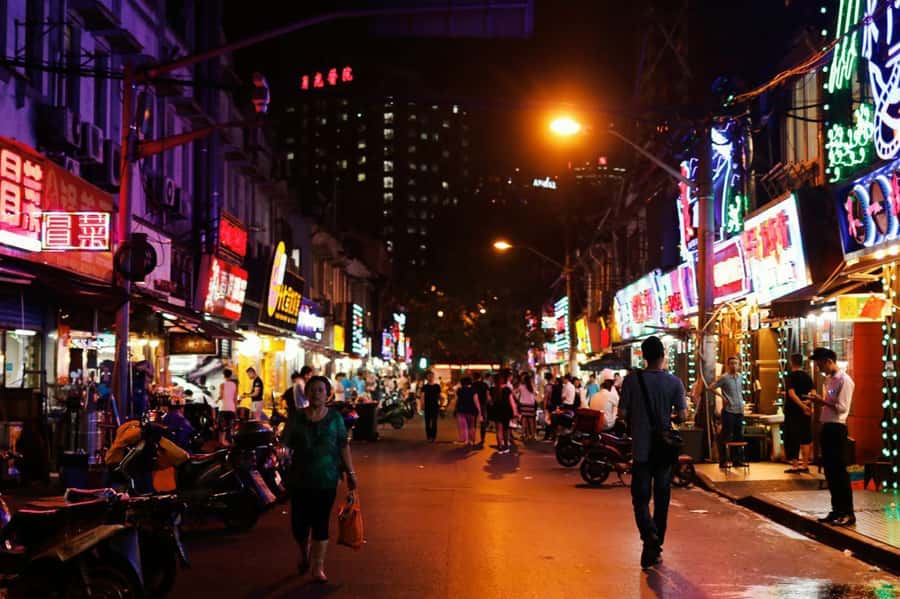
- Xintiandi first, dumpling soup setup: start with Shanghai comfort food and a clear flavor baseline.
- Three restaurant tables plus a dessert stop: it’s not one snack-and-vanish situation.
- Yunnan Road to Huaihai Road walking link: the route adds context, not just movement.
- Longjing green tea or Fujian black tea: tea isn’t an afterthought; it’s part of the tasting.
- Guide-led ordering and explanations: you learn what you’re eating and why it matters.
3 Hours, 4 Stops: How the Tour Feels on the Ground
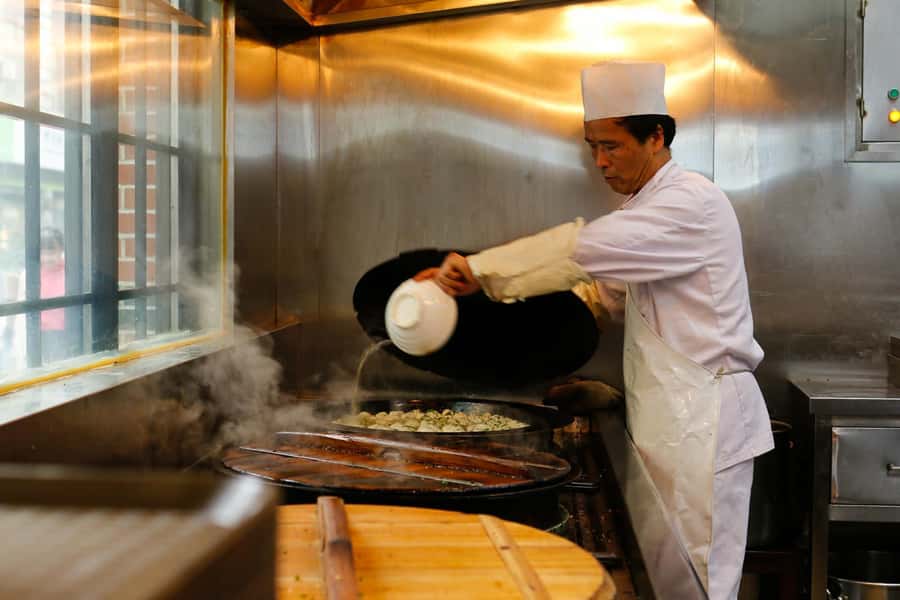
This is a tight, efficient Shanghai tasting. In about three hours, you’ll do a sit-down style loop: start with a dumpling soup bite in Xintiandi, then move along the central streets and take seats at three different restaurants, ending with a dessert shop.
The upside is obvious: you get variety without spending an entire evening hopping between places on your own. The trade-off is also obvious: it moves at a food pace, not a photo-at-every-corner pace. If you hate feeling rushed, try to arrive early to the meeting point and keep your camera ready for the walking bits.
You can also read our reviews of more tours and experiences in Shanghai.

Meeting at South Huangpi Road (Line 1 Exit 2)
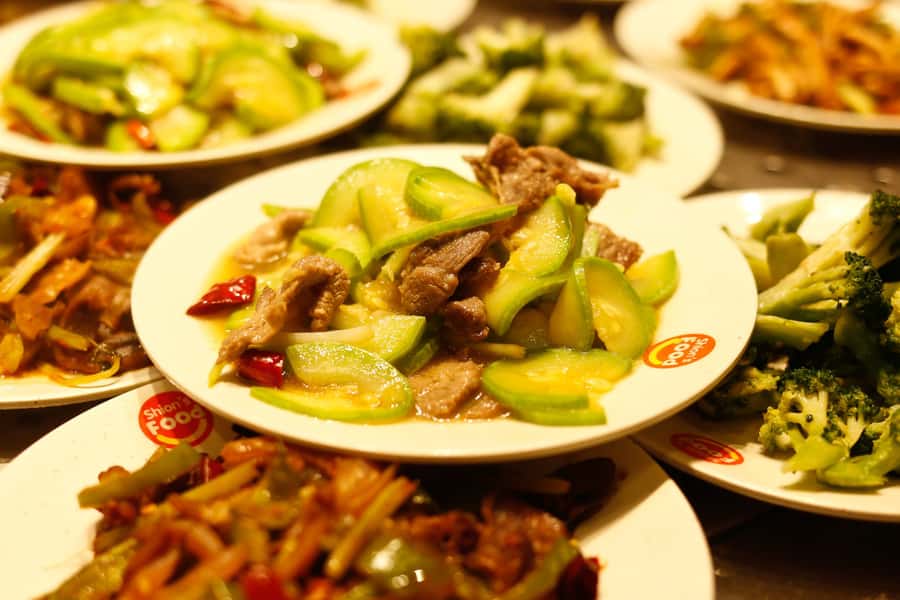
You’ll meet at Exit 2, South Huangpi Road station on Shanghai Metro Line 1 (地铁一号线一大会址-黄陂南路站二号出口). The location is right by a site tied to the first CPC national congress, which makes the start feel more grounded than just another street corner.
If you prefer a taxi drop-off, there’s an easy landmark: No333 Huaihai Road, in front of Xintiandi Plaza’s main entrance. Either way, your guide waits at the spot and greets you.
Quick practical note: don’t bring oversize luggage. The walking component plus busy streets means it’s not the tour for heavy bags.
Xintiandi Dumpling Soup Start: The Best Way to Set a Baseline
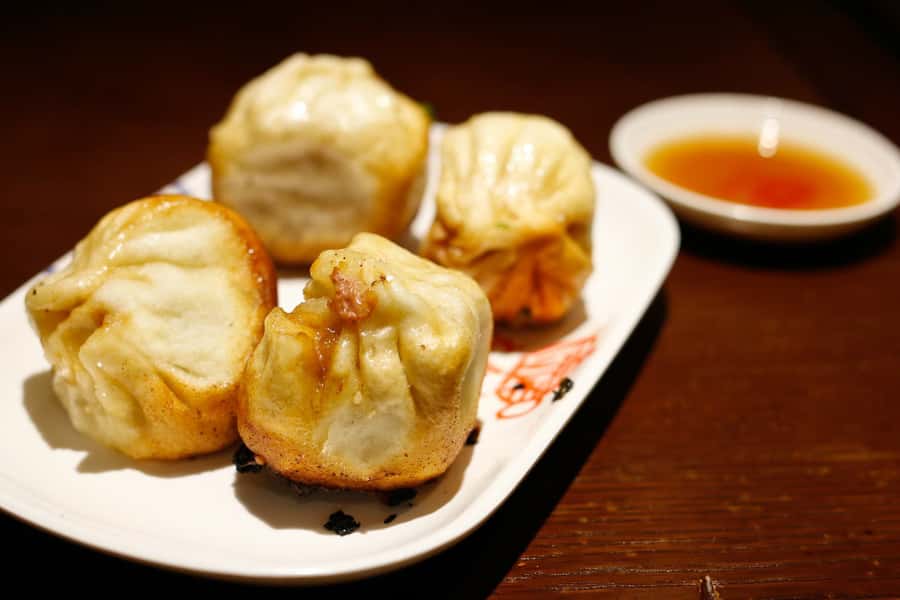
You begin in the Xintiandi area, where you’ll taste one of the best dumpling soups in the city. For me, this is the smart move: Shanghai dumplings are a whole world of texture, broth taste, and wrapper quality. Starting here helps you notice differences later when you switch from dumpling soup to noodles, meats, and sweets.
What to expect at this first stage is warm, comforting food that anchors the evening. If you’re the kind of eater who needs a first bite that makes you relax, this stop does that job.
The only drawback is timing. Early on, it can be hard to judge portion size until you’ve already started eating, so don’t plan to share everything with someone else unless your appetite matches. This tour tends to feed you like you actually showed up hungry.
Walking Yunnan Road to Huaihai: French Concession to Shikumen
After the dumpling soup, you move toward Huaihai Road and walk along Yunnan Road. This is one of the reasons I’d choose this tour even if I already ate dumplings before in Shanghai: the walking route explains the city you’re tasting.
You’ll notice the architecture change as you go. The French Concession influence shows up as a Western-style streetscape vibe, then the route shifts toward shikumen-style buildings, which combine Western and Chinese elements in a very Shanghai way. Your guide adds the context while you walk, so the streets don’t feel like random sightseeing gaps between meals.
Small reality check: this isn’t a long-distance hike. It’s enough walking to stretch your legs, but not enough to be a physical fitness challenge. Still, wear shoes you can stand in while you wait between stops.
Restaurant Stop 1: Parched Chicken and Red-Braised Pork Comfort
At the first restaurant seating, you’ll be tasting traditional Shanghai dishes. The menu highlights include parched chicken and red-braised pork—two flavors that tell you a lot about how local cooking balances fat, salt, and sweetness.
Parched chicken often brings a dry-fried, aromatic crunch that contrasts nicely with soup-based starters. Red-braised pork leans into deeper, slow-cooked flavor, usually with a glossy color and a steady savory-sweet backbone. Put together, these two dishes give you a good idea of Shanghai’s comfort-food style: simple ingredients, serious technique, and flavors that linger.
One consideration: if you’re sensitive to richer, heavier dishes, you may want to take smaller bites early and pace yourself. The tour is designed for quantity, so you control the pace by how fast you eat.





Restaurant Stop 2: Scallion Oil Noodles and Candied Lotus Rice
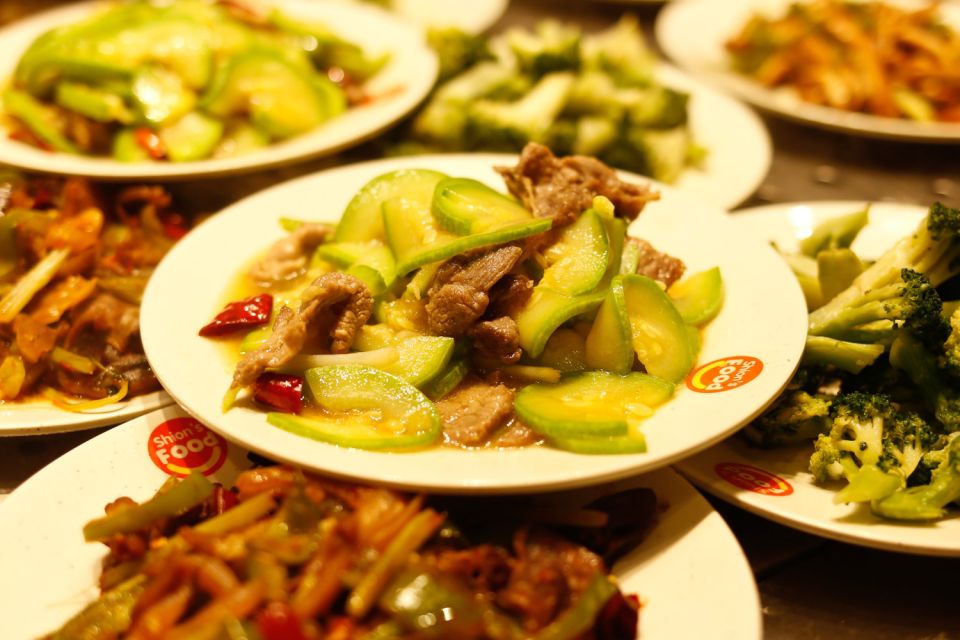
Next, you’ll sit down again and keep building your Shanghai flavor map. Expect scallion oil noodles—the kind that smell great before you even take a bite—and a sweet note with candied lotus rice.
Scallion oil noodles are one of those dishes that sound plain until you taste them. The magic is in the aroma and the way the oil clings to the noodles. This is where you learn that Shanghai flavors aren’t only about dumplings; they’re also about how small things (like scallion and oil) become the main event.
Then comes candied lotus rice, which acts like a palate reset. It’s a reminder that Shanghai desserts and sweets aren’t always light. They can be sticky, fragrant, and satisfying in a totally different way than Western desserts.
If you don’t like sweet-salty contrasts, you might feel like you’re switching tracks often. If you do like contrasts, this stop is a win.
Restaurant Stop 3 and Dessert: Moon Cakes and the Final Sweet Turn
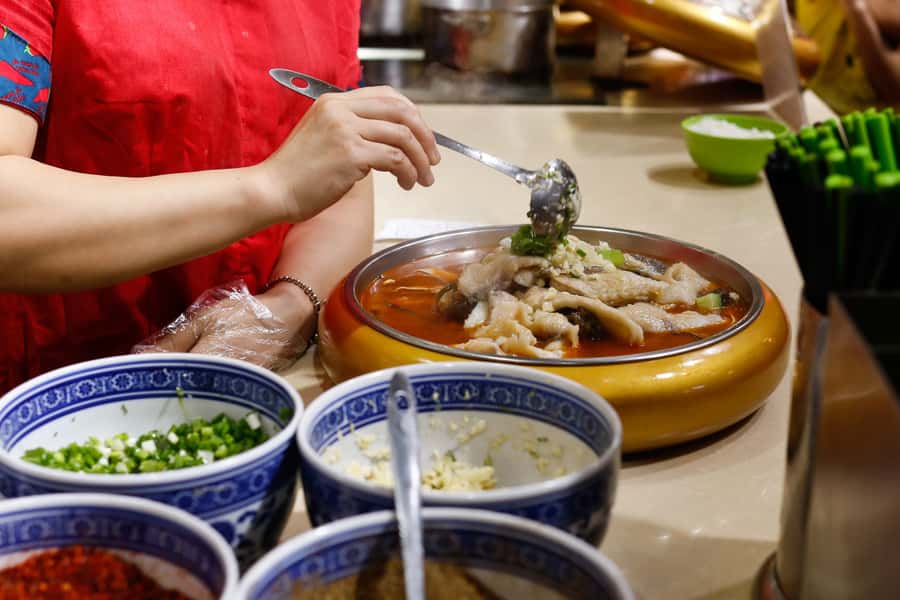
By the last food seating and dessert shop, you’re moving into the classic finishing zone. Highlights include moon cakes along with other desserts and treats during the dessert stop.
Moon cakes are dense, flavorful, and often carry a mix of sweetness and roast/nut/spice notes. Eating them near the end makes sense: after savory dishes, the dessert tastes fuller and more intentional instead of like a random sugar hit.
The one drawback here is emotional: you might be too full for your brain to fully appreciate dessert. That’s not a bad problem—just a real one. I’d treat the dessert section as a bite-per-person moment, not a plate-emptying contest.
Longjing Green Tea vs Fujian Black Tea: Don’t Skip the Drink
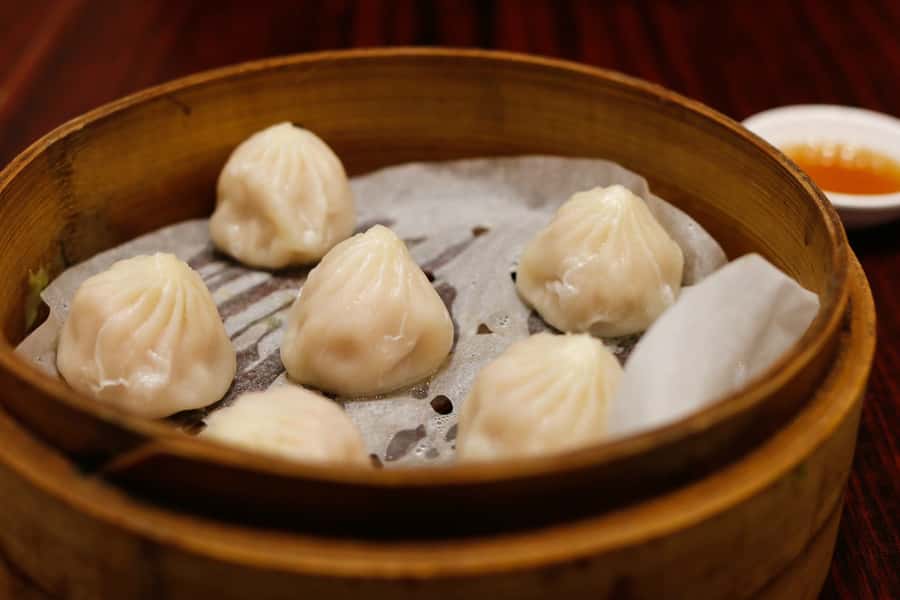
One of the best parts of this tour is that tea is part of the tasting, not a token beverage. You’ll get to try Longjing green tea or Fujian black tea.
Longjing tends to feel clean and grassy, with a smooth finish. Fujian black tea often brings more warmth and depth, with a different kind of body. If you’re a tea person, this is the kind of choice that makes the tour feel like more than food hopping.
Practical tip: take a sip between dishes. It helps reset your palate so the next stop doesn’t blur into the last one.
Price and Value: Is $79 Worth It for 3 Hours?
$79 per person is not cheap, but it can be fair value—mainly because the tour includes food and drinks plus a live local guide. Over three hours, you’re not just getting a couple of snacks. You’re getting dumpling soup, multiple restaurant tastings, and a dessert shop finish, plus tea.
You’re also paying for the guide’s ability to make the route make sense. Walking from Xintiandi toward Huaihai Road with architecture context is a bonus that’s hard to replicate alone unless you already know what to look for. The separate-entrance setup also helps keep the evening from turning into waiting around.
Where the price may feel high is if you’re a very light eater or you already have a plan to eat dumplings and noodles on your own. If that’s you, you might prefer a smaller tasting. But if you want a guided, multi-stop food plan without hunting menus and ordering in each shop, $79 starts to look reasonable.
Pace, Hunger, and What to Do Before You Arrive
This is a tour to do hungry. The format is built around multiple sit-down dishes, not just bites. If you show up having already eaten a big lunch, you’ll struggle to enjoy everything instead of simply feeling full.
The pace is also part of the design. You’ll be walking between stops and sitting for tastings, so plan a simple evening around it. Bring water, take your time with the tea, and don’t rush the desserts just because they arrive last.
If you have dietary needs, the guide may be able to adjust the order. I’d still tell them clearly at the start so they can plan for you.
Who Should Book This Tour (and Who Might Not)
Book it if you want:
- A local-food plan with minimal decision fatigue
- A short Shanghai introduction that mixes food with street-level architecture
- Tea plus dessert, not just savory eating
Skip it if you:
- Hate walking and prefer a stay-in-one-place tour
- Want only light tasting portions
- Need a very strict schedule with no food surprises
Also, this tour is wheelchair accessible, which matters if you need that kind of route planning. Just note oversize luggage isn’t allowed.
Should You Book This Shanghai Local Food Tasting Tour?
If your goal is to taste a slice of Shanghai without spending hours figuring out where to eat, I’d book it. The combination of dumpling soup at Xintiandi, multiple restaurant tastings along Huaihai Road, and a dessert-and-tea finish makes the $79 feel like it’s buying structure, variety, and guidance—not just food.
I’d only hesitate if you’re a picky eater or you already know you’ll need your appetite for later plans. Otherwise, this is a practical way to get out, eat well, and learn what you’re actually tasting.
FAQ
Where is the meeting point?
Meet at Exit 2, South Huangpi Road station (Shanghai Metro Line 1: 地铁一号线一大会址-黄陂南路站二号出口). The guide waits at the spot.
Can I get there by taxi instead?
Yes. You can take a taxi to No333 Huaihai Road in front of Xintiandi Plaza’s main entrance.
How long is the tour?
The tour lasts 3 hours.
What does the price include?
Food and drinks, plus a local guide.
Are hotel pick-up and drop-off included?
No. Hotel pick-up and drop-off are not included.
What languages are the guides?
The live guide speaks English and Chinese.
What should I do about luggage?
Oversize luggage is not allowed.
Is free cancellation available?
Yes. You can cancel up to 24 hours in advance for a full refund.