REVIEW · KOWLOON
Dark Side of HK Tour – Modern Day Kowloon Walled City
Book on GetYourGuide →Operated by Hong Kong Free Tours · Bookable on GetYourGuide
Money here comes with a price. This Dark Side of HK Tour uses Sham Shui Po and a real 10-square-meter home to show how Hong Kong’s wealth and poverty sit side by side. It’s billed around the spirit of the old Kowloon Walled City, but it does not visit the Kowloon Walled City Park.
I love the way the guides keep it respectful while still telling hard truths. I also like how the tour explains the housing crisis in plain economics terms, and even guides by name—Summer, Isaac, and Frankie are repeatedly praised for answering questions and setting a serious tone.
One possible drawback: this is not a soft, photo-friendly sightseeing loop. You’ll walk in a poorer part of town and the subject matter can feel heavy, so it may not fit if you only want shiny highlights.
In This Review
- Key Things I’d Watch For on This Tour
- Why This Tour Focuses on Kowloon and Not the Usual Icons
- Price and Value: What $32 Really Buys You
- Getting There: Prince Edward Meeting Point and First Impressions
- Stop-by-Stop: What Each Part of the Walk Is Trying to Teach
- Secret Stop: A Short 10 Minutes That Changes How You Look
- Mong Kok: 10 Minutes to Map the Pressure
- Sham Shui Po: Where the Real Story Lands (and Stays)
- Gentrification, Vice, and the City’s Hard Edges
- The People Part: Why the Guides Matter So Much Here
- Finishing Near 北河街街市及熟食中心
- Who This Tour Is For (and Who Should Skip It)
- Practical Tips Before You Book
- Should You Book the Dark Side of HK Tour
- FAQ
- Where is the meeting point for the tour?
- How long is the tour?
- Is the tour in English?
- Does the tour visit the Kowloon Walled City Park?
- Is hotel pickup included?
- Are food and drinks included?
- Is the walking heavy?
- What happens if weather is poor?
Key Things I’d Watch For on This Tour
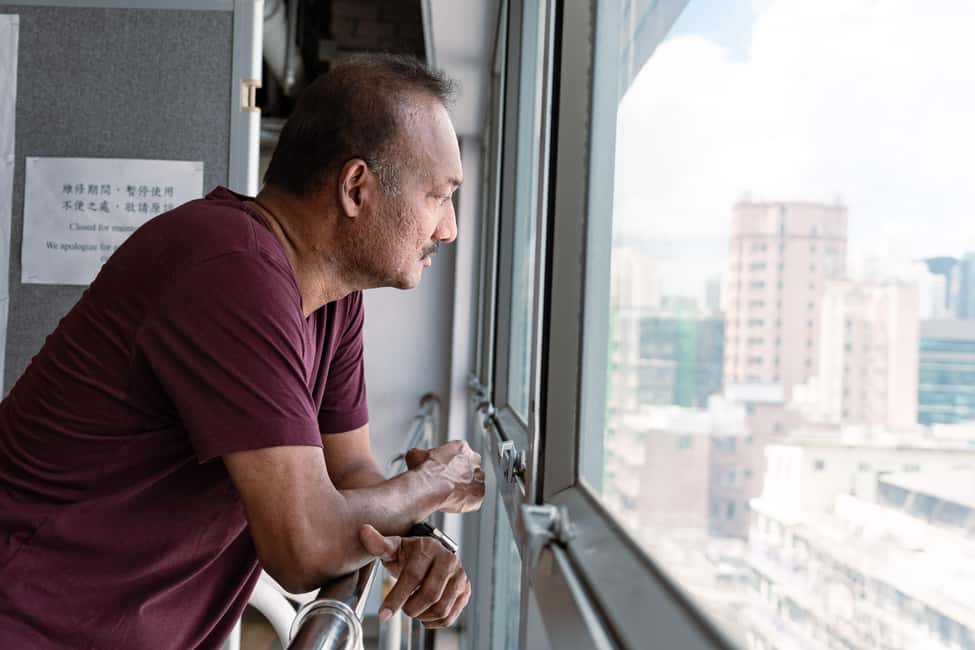
- A real, subdivided unit: see what “micro-living” looks like in a cramped home setup.
- Cage houses explained: learn why people describe these spaces as a cage for people.
- Economics connects to housing prices: the tour links public finances, tax-haven status, and housing costs.
- Gentrification in the same frame: see how neighborhood change hits where poverty already exists.
- Street-level realities: the tour points out vice and crime context in the district.
- A guided approach, not a spectacle: praised for not being voyeuristic or disruptive.
Why This Tour Focuses on Kowloon and Not the Usual Icons
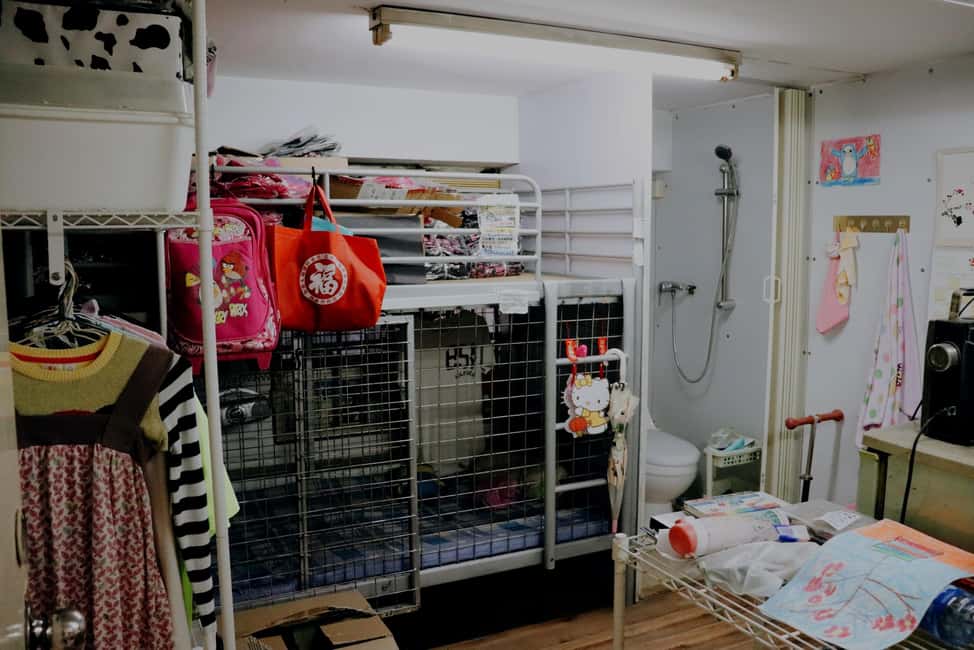
Hong Kong can feel like a highlight reel. Peak views. Ferry energy. Lantau landmarks. But housing is where the city’s real math shows up, and that is the point of this tour.
You start in the Prince Edward area and spend most of your time in Kowloon, especially around Sham Shui Po, one of the city’s less affordable districts. The tour is built to connect what you see on the street to what’s driving it: tiny apartments, soaring costs, and a system that turns square meters into something people fight for.
A key note: Kowloon Walled City is no longer in its original form, and this tour does not visit the Kowloon Walled City Park. Still, the experience is designed as a modern-day look at the same kind of dense, constrained living.
Price and Value: What $32 Really Buys You
At $32 per person for a 2-hour, English-language, guided walk, this is priced as an educational street tour—not a themed show. What you’re paying for is access to context: a local guide’s explanation of why subdivided housing exists and how the money side of Hong Kong ties into daily life.
Food and beverages aren’t included, so plan on keeping snacks separate. That’s actually a value signal. Instead of adding a meal cost, the money stays focused on the housing story.
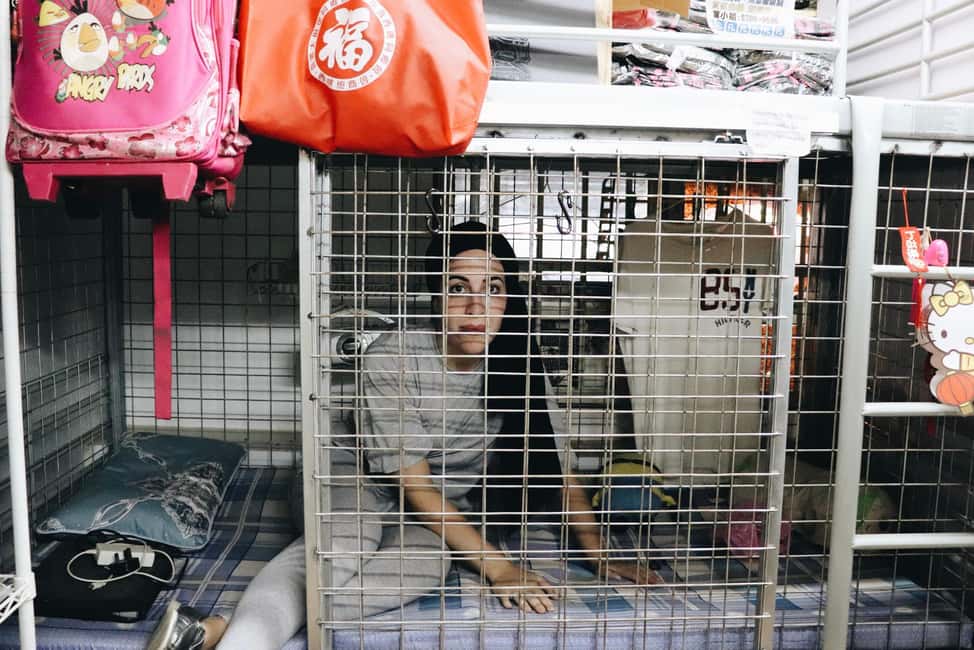
The biggest value piece is that you’re not just hearing abstract facts. You’re guided to see a subdivided unit described as about 10 square meters and to notice “hidden layers” of extreme dwellings you might miss on your own. That’s the kind of learning that sticks, because it’s tied to visuals and streets you can later compare to what you saw elsewhere in Hong Kong.
Getting There: Prince Edward Meeting Point and First Impressions
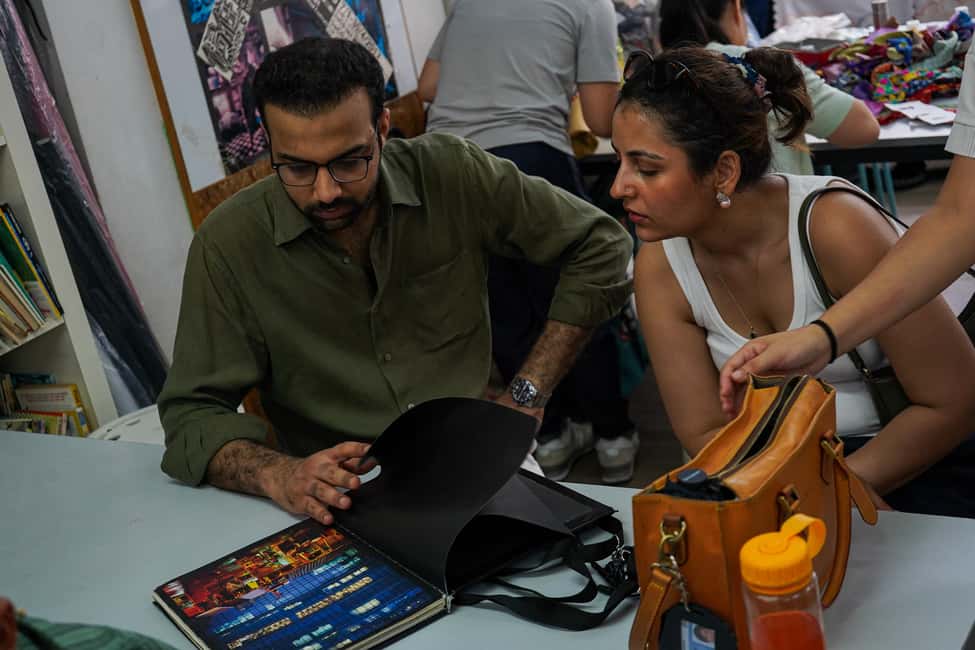
You meet near Prince Edward MTR Station Exit D, specifically on the inside station side, close to Playing Field Road. This matters because Prince Edward is a transport hub and a practical starting point for a route that needs to move on foot.
You should expect a moderate amount of walking. It’s not described as a sprint or a marathon, but you will be outside enough that comfortable shoes are smart. Also remember: the tour is subject to favorable weather. If the day looks stormy, don’t count on holding a long outdoor route.
This is one of those tours where the first few minutes set the tone. From the guide style praised in recent outings, the group is guided to pay attention without turning it into a spectacle.
Stop-by-Stop: What Each Part of the Walk Is Trying to Teach
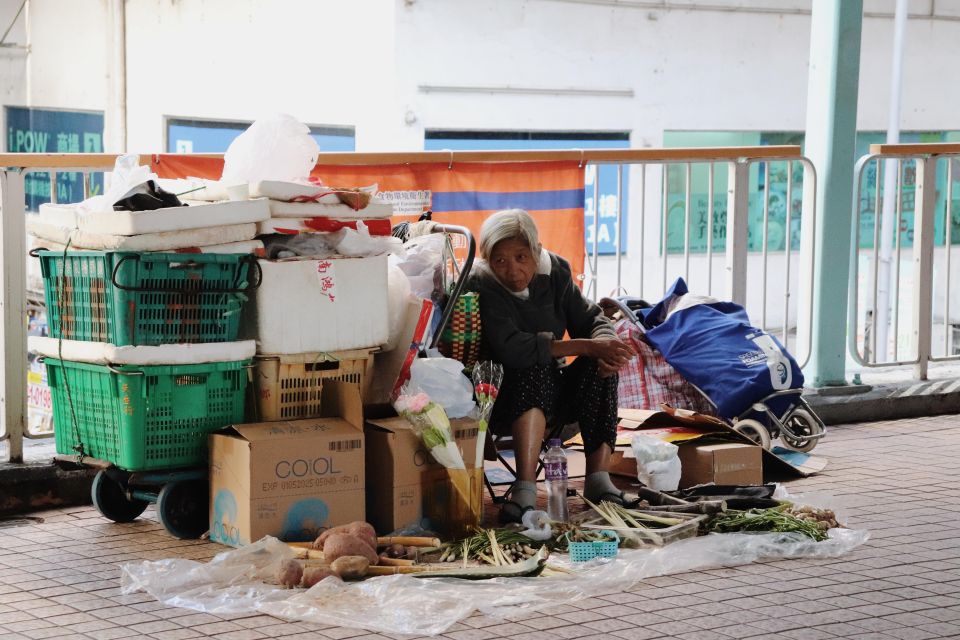
Secret Stop: A Short 10 Minutes That Changes How You Look
You get a “secret stop” for about 10 minutes. The time is brief by design. In a tour like this, the early beat is important: it helps you switch your brain from tourist mode to systems mode.
Think of it like a warm-up. Before you reach Mong Kok and Sham Shui Po, you’re trained to notice details you’d normally walk past—how space is carved, reused, and squeezed.
Mong Kok: 10 Minutes to Map the Pressure
You spend around 10 minutes in Mong Kok. This is not the classic Mong Kok you’d chase for shopping streets. Here it’s framed as an area where the city’s economic pressure feels visible in everyday spaces.
In practical terms, this part of the walk helps connect the dots. Even if you’ve seen parts of Mong Kok before, the tour’s emphasis is on what’s happening around housing scarcity and neighborhood strain—not just on street energy.
One trade-off: because the stop is short, you won’t get deep immersion. You’ll get signals. If you like to linger, you’ll probably want to go back later on your own after the tour gives you context.
Sham Shui Po: Where the Real Story Lands (and Stays)
Sham Shui Po is the heart of the experience, with about 10 minutes there. That sounds short, but the content is weighty. This is where you’re set up to see a subdivided unit and understand the housing crisis in real terms.
The tour promises a stark contrast: Hong Kong’s prosperity is real, but so is the poverty that coexists within the same city. The guide explains the jump from normal apartment living to micro-living, then pushes one step further into cage-house concepts—described as a cage for people.
In other words, the goal is not shock for shock’s sake. The praised guidance from people like Frankie and Isaac points to a balance: showing difficult conditions while respecting residents’ everyday life. The tour is meant to be eye-opening, not intrusive.
A good way to get the most out of this section: don’t just stare. Ask the guide what you’re looking at and why it exists. Multiple guides are credited with answering questions and explaining the economics behind what you’re seeing.
Gentrification, Vice, and the City’s Hard Edges
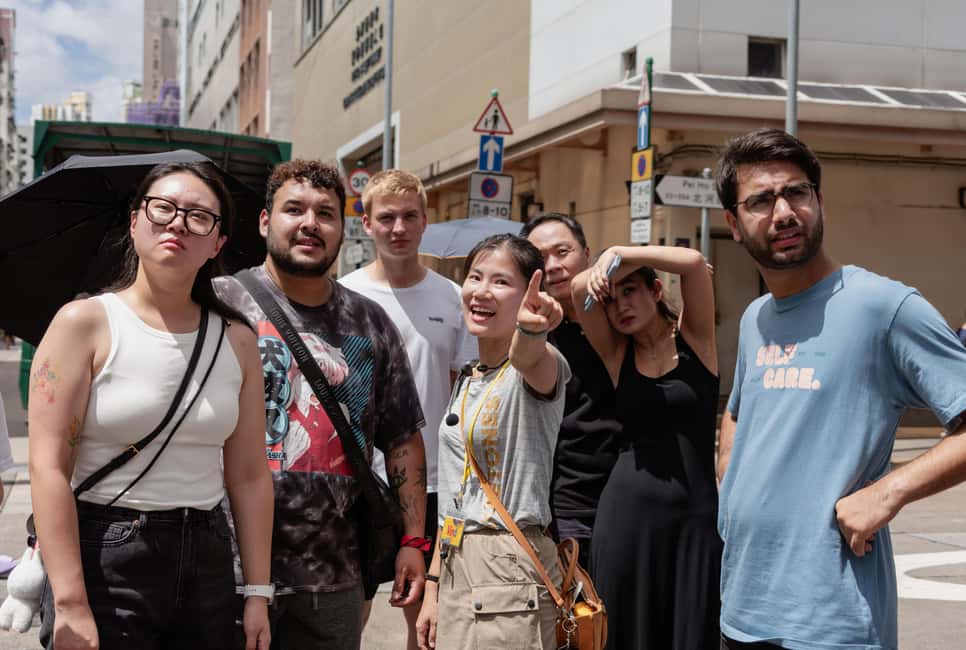
This tour doesn’t pretend Kowloon is just a clean story about redevelopment. It frames gentrification as unfolding in a district that already struggles with poverty, plus issues tied to prostitution, drug, and gang realities.
That can be uncomfortable. It should be. If you want Hong Kong as only glass towers and skyline photos, this is not that.
But handled right, this is exactly what helps you understand the city. Gentrification isn’t only about trendy cafes and new storefronts. It’s also about who gets pushed out, who absorbs the rising costs, and what happens when the supply of affordable space shrinks.
This is also where the tour’s economics angle becomes more than a lecture. The tour examines public finances and the correlation between Hong Kong’s tax haven status and housing prices. Even if you don’t follow every term, the direction is clear: the system shapes costs, and costs shape living space.
The People Part: Why the Guides Matter So Much Here
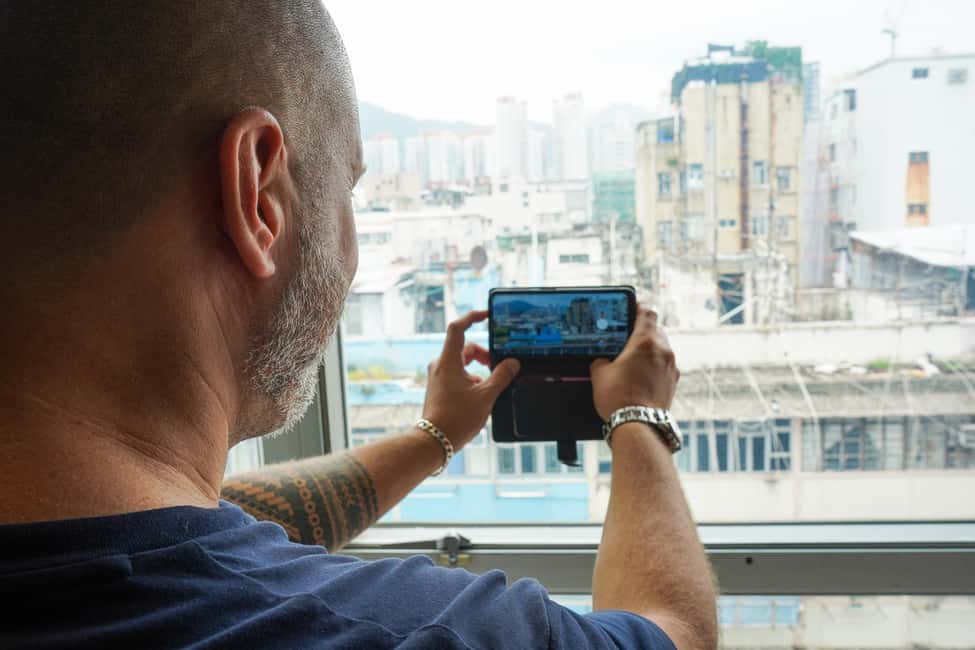
The reviews for this tour repeatedly praise the guides for more than just facts. What stands out is tone.
Summer, for example, is praised for clear explanations and for laying out the housing situation in a way that connects to what you might have already noticed but didn’t fully understand. Isaac is credited with being respectful to the area and with setting the tone properly, not just leading a route. Frankie is highlighted for making sure the tour wasn’t voyeuristic and didn’t disturb people in their everyday life while still allowing you to see the dark side of Hong Kong.
You also see other guide names showing up—Andy and Kio are mentioned for strong English and for making sure the tour felt structured and engaging. The common thread is how the guide responds to questions. Some tours give you a script. This one seems to invite you to ask why.
For you, that means: if something feels unclear when you’re walking, speak up. The tour structure seems to reward curiosity.
Finishing Near 北河街街市及熟食中心
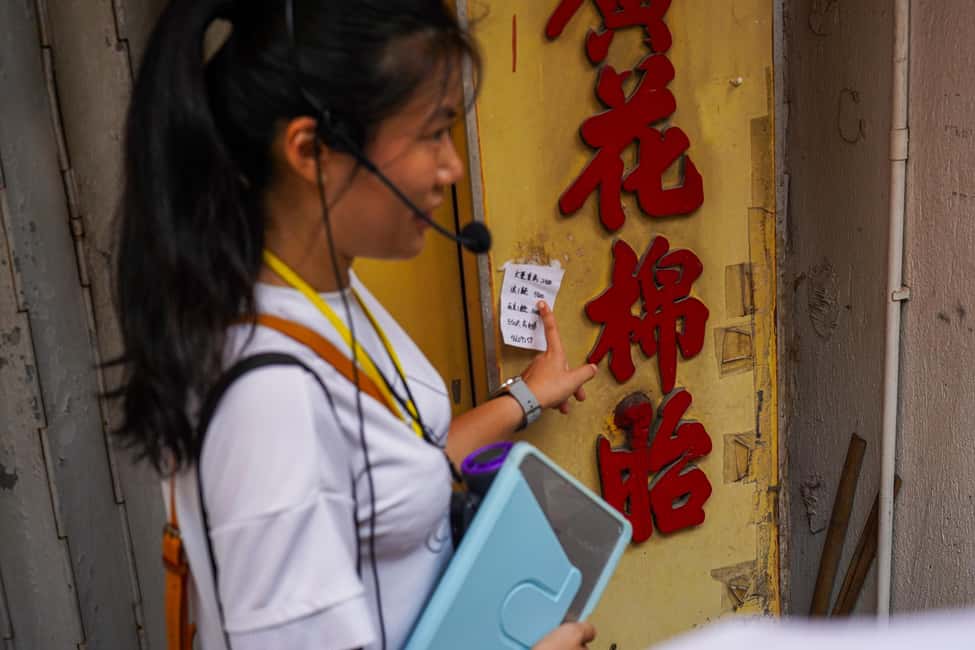
You finish at 北河街街市及熟食中心. This is a useful ending choice because it returns you to street-level everyday life. Markets and cooked-food centers are where the city breathes at local speed.
Food and beverages aren’t included on the tour, so you’ll be on your own for snacks or a meal. Still, ending near a food-focused area is a practical way to decompress after heavy content. It also lets you shift from “learning mode” back to “living mode” without having to hunt for dinner far away.
The tour info also notes that it ends back at the meeting point. In practice, that typically means your route is designed to loop back so the experience feels complete, not like you’re dropped somewhere unfamiliar.
Who This Tour Is For (and Who Should Skip It)
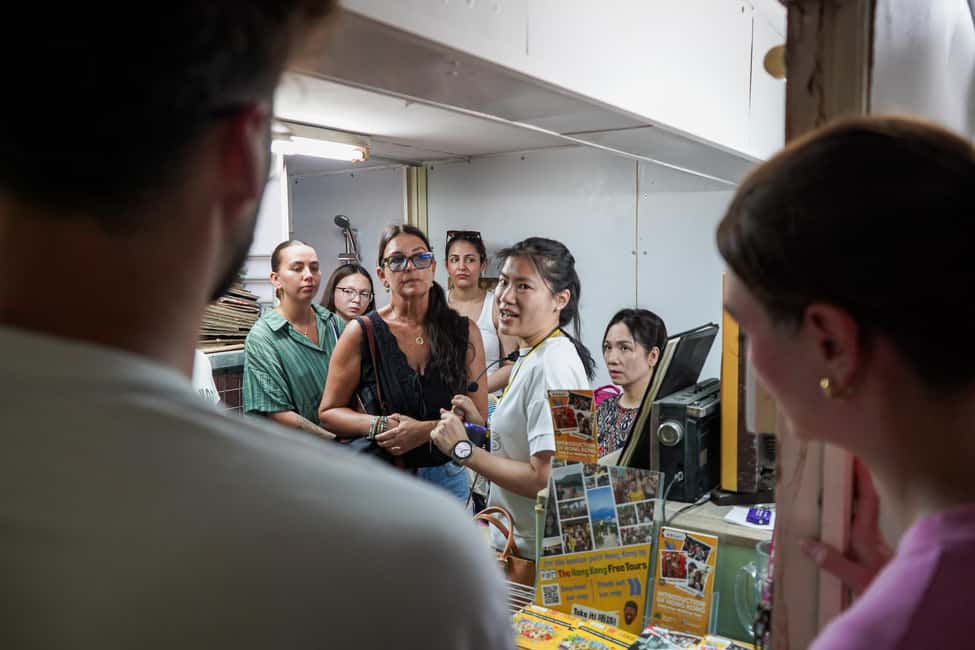
This tour is a good fit if you:
- Want to understand Hong Kong beyond skyline photos and tourist staples.
- Like explanations that connect street scenes to money and policy.
- Are comfortable learning about housing crisis impacts up close.
It’s probably a bad fit if you:
- Want an easy, cheerful walking tour with mostly “pretty sights.”
- Don’t want to think about inequality, gentrification pressure, or crime-related context.
- Prefer long stops rather than shorter, guided visits.
Also, keep your expectations realistic. The whole experience is only about 2 hours. You won’t become an expert in everything Hong Kong. You will, however, come away with a different way to read the city.
Practical Tips Before You Book
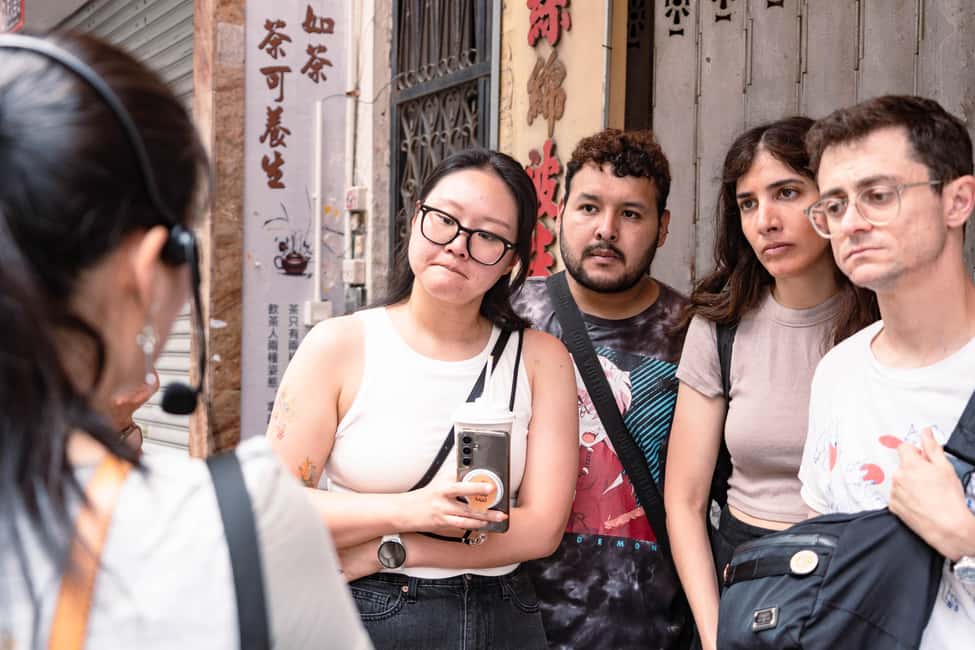
Bring comfortable shoes and plan for moderate walking. Wear something you can move in, because Hong Kong streets can be busy and uneven.
Come with at least one question. Something simple like: How does the housing system create these tiny units? Or: What does tax policy have to do with rent and space? The guides are praised for answering questions and explaining the economics clearly.
And if you’re the kind of person who needs distance from hard topics, make sure you’re mentally ready. This tour is designed to be thought-provoking, not entertaining in a light way.
Should You Book the Dark Side of HK Tour
Yes, if your goal is to understand Hong Kong as a real place with real inequality. This tour gives you a strong value mix: a low price for a specialized theme, plus guided access to micro-living realities and clear context about housing costs and the city’s public-finance logic.
Skip it if you only want the postcard side of Hong Kong. This is intentionally focused on Sham Shui Po’s housing crisis, gentrification strain, and the darker street realities that sit behind the glossy reputation.
If you do book it, go in respectful and curious. You’ll get more than facts. You’ll get a new lens for every neighborhood you visit afterward.
FAQ
Where is the meeting point for the tour?
You meet at Prince Edward MTR Station Exit D, inside the station, near Playing Field Road.
How long is the tour?
The tour lasts about 2 hours.
Is the tour in English?
Yes. The live tour guide speaks English.
Does the tour visit the Kowloon Walled City Park?
No. The tour does not visit the Kowloon Walled City Park, and Kowloon Walled City no longer exists in its original form.
Is hotel pickup included?
No. Hotel pick-up and drop-off are not included.
Are food and drinks included?
No. Food and beverages are not included.
Is the walking heavy?
The tour includes a moderate amount of walking.
What happens if weather is poor?
If the tour is canceled due to poor weather, you’ll be offered an alternative date or a full refund.