REVIEW · KOLKATA
Cultural Confluence of Kolkata – Culture Kaleidoscope Tour
Book on Viator →Operated by Calcutta Photo Tours · Bookable on Viator
Kolkata’s religions walk past you in 3 hours. This guided route threads through Bowbazar and nearby communities like Bow Barracks and old Chinatown, with stops around temples and churches, plus market streets and quieter lanes. It’s designed as a photo-and-story walk, with a small group size (up to 15), pickup offered, and a mobile ticket for easy entry.
What I like most is how Manjit connects the neighborhoods to the people living there, not just to buildings. The tour also works for photographers and non-photographers at the same pace, because the guide’s narration gives you context for what you’re seeing—so your photos feel like they mean something.
One consideration: some places may limit entry due to COVID restrictions, and weather matters since the experience requires good conditions. Also, this is not a march through the big, obvious sights; it’s a side-street view of Kolkata’s everyday layers.
In This Review
- Key Things That Make This Tour Worth It
- Bowbazar Meeting Spot: Starting Where the Neighborhood Starts
- Bow Barracks and the Zoroastrian Fire Temple: Faith Seen at Street Level
- Old Chinatown and Jewish Neighborhoods: Learning the City Through Its Edges
- Jain Temple and Portuguese Church: When Different Traditions Share the Same Streets
- Armenian Church and Chitpur: The Walk Expands Beyond One “Main” Area
- Manjit as the Driver of the Experience: Stories That Make Photos Easier
- Timing, Pujo, and Weather: Why the Day You Go Matters
- Price and Value: Why $39.61 Works for a 3-Hour Cultural Walk
- What to Bring for a Better Walk (And Better Photos)
- Who This Tour Fits Best (And Who Might Prefer Something Else)
- Should You Book the Cultural Confluence of Kolkata Tour?
- FAQ
- How long is the Cultural Confluence of Kolkata tour?
- Where does the tour start and end?
- Is pickup offered?
- Is there a mobile ticket?
- How big is the group?
- What neighborhoods and places are covered?
- Is admission included?
- What happens if weather is bad or entries are restricted?
Key Things That Make This Tour Worth It
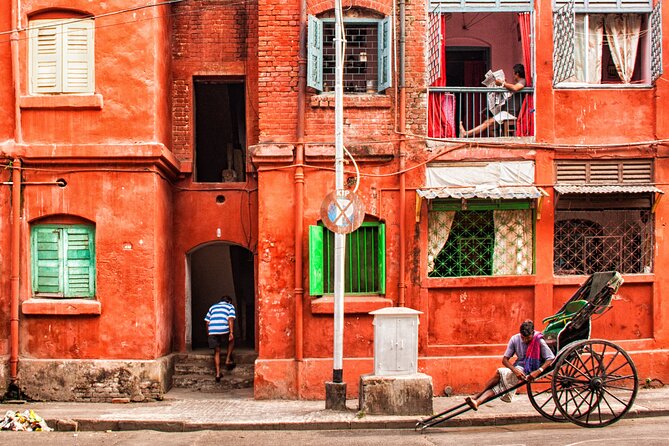
- Manjit’s storytelling ties communities, religion, and city change into one walkable thread
- A tight 3-hour route covering many faiths: temples, churches, and historic neighborhood pockets
- Old Chinatown and Bow Barracks show Kolkata as lived-in, not just photographed from afar
- Photo-focused pacing on residential streets and market areas, even if you’re not a photographer
- Small group size (max 15) keeps it easy to ask questions and adjust your photo stops
- COVID entry rules may affect stops, so plan for a bit of unpredictability
Bowbazar Meeting Spot: Starting Where the Neighborhood Starts
The tour begins near the Indian Airlines Office, Central Ave, close to Air India Limited in Bowbazar. That location matters because you’re starting inside the city’s working geography, not at a hotel-spot pickup point that feels far from real life.
You’ll end on Brabourne Road near Bara Bazar Market. So the route works like a loop through meaningful nearby areas rather than an out-and-back shuffle. In a city like Kolkata, where neighborhoods can feel like different worlds, that kind of ending point helps you keep your bearings for the rest of your day.
If you like guided walks that give you a map in your head—where each street fits into a larger story—this starting setup makes that easier.
Bow Barracks and the Zoroastrian Fire Temple: Faith Seen at Street Level
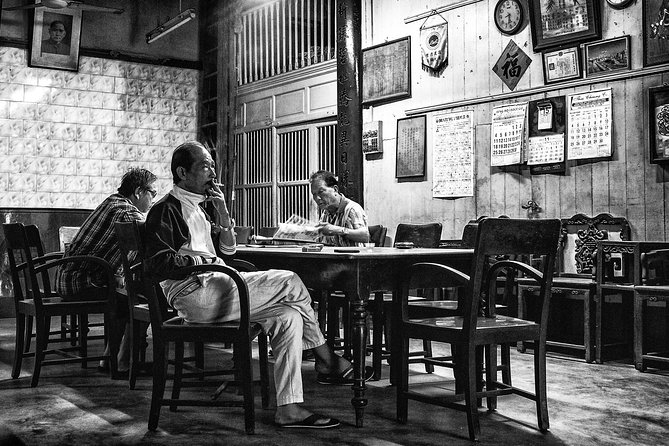
Bow Barracks is one of those Kolkata areas people talk about when they want the city’s layers in one small footprint. On this walk, it’s not treated like a distant curiosity. You’re guided through the neighborhood context so you understand why specific communities settled where they did, and how faith and daily life overlap.
The tour also includes the Zoroastrian Fire Temple. For photography, this is one of the stops where your images can turn from “cool building” to “cultural moment.” You’ll want to pay attention to how the space functions day to day, not just how it looks. The guide’s job is to help you translate the scene—so you’re not guessing what you’re seeing.
Practical tip: for religious buildings, keep your camera ready but your movement slow. You’ll get better shots when people feel respected and you’re not rushing through other people’s routines.
Old Chinatown and Jewish Neighborhoods: Learning the City Through Its Edges
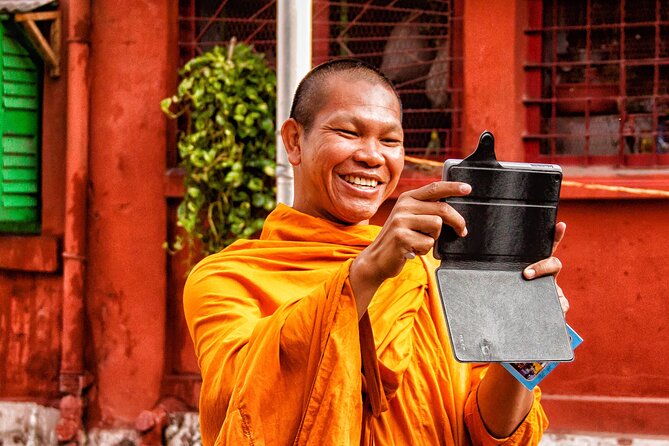
One of the best parts of this tour is that it doesn’t treat “ethnic history” like a museum label. It shows how older communities—like those linked to old Chinatown and the Old Jewish neighborhood—sit within modern Kolkata streets.
Old Chinatown is the kind of place where signage, shopfront life, and the rhythms of small businesses can tell you what books can’t. Your guide helps you read the patterns: what kind of settlement you’re seeing, how the city changed around it, and why those streets still matter.
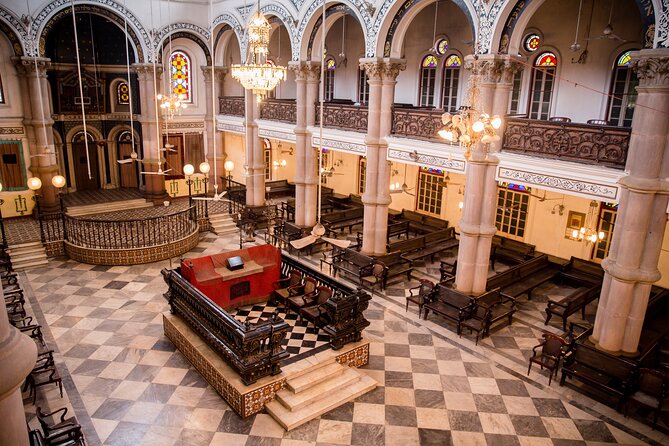
The Jewish portion is described as the Old Jewish neighborhood and, based on on-tour accounts, you may also pass the area connected with a Jewish synagogue. That makes the stop especially useful if you want a clearer view of Kolkata beyond the most famous colonial-era sites.
Also, there’s a strong photography angle here. This is not only “aim and shoot.” It’s “shoot with understanding,” so your photo set becomes a personal guide to the city’s identity.
Jain Temple and Portuguese Church: When Different Traditions Share the Same Streets
If you’ve ever wondered how Kolkata can feel like one city and still hold many separate worlds at once, this tour addresses that directly. It includes a Jain Temple and also the Portuguese Church (plus an Armenian Church later).
The Jain Temple stop is a chance to see another way religion shapes public space. Jain communities have distinct spiritual practices, and a guided walk helps you notice the details people typically overlook when they’re focused only on architecture.
Then the Portuguese Church adds a different historical layer. Churches in Kolkata reflect Portuguese and broader European influence, but the way they show up in daily life is what makes them interesting. You’re not just staring at a facade—you’re seeing how a religious institution belongs to the surrounding neighborhood.
Photo consideration: churches and temples often have rules about where you can stand and when you can photograph. Since the tour also flags that some sites may have restrictions, keep expectations flexible and let the guide steer you.
Armenian Church and Chitpur: The Walk Expands Beyond One “Main” Area
The route continues past the Armenian Church and onward into the Chitpur neighborhood. Chitpur is known for its distinct feel within the city, and the walking format helps you experience that difference without needing transit between far-flung landmarks.
This is where the tour shifts from “place list” into “city pattern recognition.” You start to see how communities, languages, religious institutions, and market life are interwoven across short distances.
And the ending point near Bara Bazar Market means you can keep going after the tour, rather than being dropped somewhere inconvenient for continuing your own plans.
Manjit as the Driver of the Experience: Stories That Make Photos Easier
The name that shows up again and again is Manjit, and for good reason. Multiple accounts describe him as a storyteller who makes history practical—explaining how the city developed, why different communities influenced one another, and what’s happening now at street level.
What I find smart about this approach is simple: instead of treating history as a lecture, the guide ties it to the buildings and streets you’re currently standing on. That turns a short 3-hour walk into something that sticks.
You’ll also get the human side. Some reviews highlight humor and an energetic style, including jokes that keep the group engaged while still staying grounded in context. If you prefer tours where you’re not only receiving facts, but also enjoying the rhythm of a live guide, this format fits.
Timing, Pujo, and Weather: Why the Day You Go Matters
This tour runs about 3 hours and is dependent on conditions. It also notes that it requires good weather. If weather is poor, you’ll be offered a different date or a full refund—so you’re not stuck with a wasted booking.
There’s another timing factor: Pujo (Durga Puja). One on-tour account specifically calls out that the Pujo timing was perfect, which hints that the route can align with meaningful city rhythms when scheduled.
If you’re a photographer, that matters. Festive street life changes color, mood, and foot traffic. Even when you’re not attending the major celebration itself, the city energy can show up in small ways—signage, decorations, and the way people move through markets and lanes.
If you’re booking for the first days of a trip: consider the weather forecast and plan flexibility. Kolkata can be unpredictable, and the tour is built to function when streets are walkable and entries are permitted.
Price and Value: Why $39.61 Works for a 3-Hour Cultural Walk
At $39.61 per person, the value is strongest if you want “maximum meaning per hour.” For one reason: this is a compact walk that covers a lot of community territory—Bowbazar into Bow Barracks, old Chinatown, multiple places of worship (Zoroastrian, Jain, and Christian churches), plus market streets.
You’re also paying for the guide’s job: connecting places to people and giving you context you likely won’t get by wandering alone. In cities where communities are layered and signage is only half the story, that interpretation is the difference between photos that look nice and photos that explain something.
The tour also includes pickup offered and a mobile ticket. Admission is listed as free (you’ll see “admission ticket free” in the experience details), which keeps the cost focused on the guided time rather than stacking on entry fees.
The balanced take: if you’re chasing a checklist of the most famous monuments, this may feel too local and too neighborhood-based. But if your goal is to understand Kolkata’s mix of faiths and daily life in a short window, the price-to-time ratio makes sense.
What to Bring for a Better Walk (And Better Photos)
You’ll be moving through neighborhoods and likely spending time with your camera. Keep it practical:
- Comfortable walking shoes: the route is designed for a guided stroll, not a sit-and-stare museum loop
- A camera strap or secure phone setup: street corners and markets mean you’ll keep changing angles
- A light layer and water: even in cooler morning hours, you’ll still be out for about 3 hours
If you’re planning to photograph inside religious spaces, be ready for restrictions. Since the tour warns some places may have restricted entry due to COVID rules, ask the guide on the spot what’s possible.
Who This Tour Fits Best (And Who Might Prefer Something Else)
This fits best if you want a focused neighborhood view and you like learning from street-level context. It’s also a good match for photographers, because the itinerary is built around recognizable community spaces and the guide helps you frame what you’re seeing.
It also suits people with average fitness levels. One on-tour account says there’s no big fitness requirement, and that the walk is suitable for anyone.
Two groups might reassess:
- If it’s your very first day in Kolkata and you need a broad overview first, it can help to do a more general highlights tour before this one.
- If you want only top tourist sites, this route is more about everyday enclaves than headline monuments.
Should You Book the Cultural Confluence of Kolkata Tour?
If you’re trying to understand Kolkata as more than one era, one empire, or one set of landmarks, I think this tour is a strong choice. You’ll spend your 3 hours in a concentrated area where multiple communities and faiths show up in real streets, and the guide’s storytelling turns that into something easier to remember.
I’d book it if you:
- want a photo-friendly route with context
- like neighborhood history tied to what you can see now
- enjoy small-group walks (max 15) with room for questions
I’d think twice if:
- you’re only interested in famous monuments
- you can’t handle possible stop changes due to weather or entry restrictions
In short: this is a smart way to get under the skin of Kolkata—one guided street at a time.
FAQ
How long is the Cultural Confluence of Kolkata tour?
It runs for about 3 hours.
Where does the tour start and end?
It starts at the Indian Airlines Office on Central Ave near Air India Limited in Bowbazar, and ends on Brabourne Road near Bara Bazar Market.
Is pickup offered?
Yes, pickup is offered.
Is there a mobile ticket?
Yes, the tour uses a mobile ticket.
How big is the group?
The maximum group size is 15 travelers.
What neighborhoods and places are covered?
You’ll cover areas including Bow Barracks, Zoroastrian Fire Temple, old Chinatown, Old Jewish neighborhood areas, Jain Temple, Portuguese Church, Armenian Church, and Chitpur (plus other nearby parts of the route).
Is admission included?
The experience lists an admission ticket as free.
What happens if weather is bad or entries are restricted?
The tour requires good weather. If it’s canceled due to poor weather, you’ll be offered a different date or a full refund. COVID restrictions apply, and some places may have restricted entry or banned entry depending on the day and time.