REVIEW · HANOI
Sapa 3 Days 2 Nights Trekking Tour (1 Night In Ta Van Village, 1 Night In Hotel)
Book on Viator →Operated by Vietnam Travel Top · Bookable on Viator
Sapa trekking begins with one calm bus ride. This 3-day, 2-night hike package mixes rice-terrace walks with real village time, including one night in a Ta Van homestay. You get English-speaking guidance, set meals, and the big logistics handled—so you can spend your energy on the trail.
I like that the tour balances effort with comfort: you sleep in a proper Sapa hotel for Night 1 and then in a bungalow in Ta Van for Night 2. I also like the way cultural stops are built in, from Black H’mong life at Cat Cat to Dzay village hosting in Ta Van, guided by people such as Su or Cat who get repeated praise for being attentive and easy to follow.
The main consideration is weather and footing. Sapa can be cold and foggy (especially Dec–Mar), and hikes can turn muddy and slippery, so bring the right shoes and expect some steep, narrow paths.
In This Review
- Quick highlights you should plan around
- Price and logistics: what your $139 really covers
- Day 1 in Sapa: Cat Cat Village and the first valley views
- Day 2 from Y Linh Ho terraces to Ta Van homestay sunset
- Day 3 at Giang Ta Chai: rice paddy photos and the return to Hanoi
- Hikes, weather, and footing: how to not get punished by Sapa
- The guide and the cultural time: how this homestay tour feels
- Food and breaks: included meals, plus a realistic check
- Group size and pace: who this works best for
- Should you book this Sapa trek tour?
- FAQ
- Where are you picked up and dropped off in Hanoi?
- Is this trek suitable for beginners?
- How long are the treks on each day?
- What are the sleeping arrangements?
- Are meals included?
- Will I have an English-speaking guide?
- What should I bring for Sapa weather and trekking?
- What happens if I need to cancel or if the weather is bad?
Quick highlights you should plan around
- English-speaking guide plus small-group pacing (up to 15 people) so you’re not lost in a crowd
- Cat Cat Village first-day trek (about 3.5 km for around 2 hours) to ease you into the terrain
- A long rice-terrace day on Day 2, including a family-style lunch and then Ta Van village hosting
- Ta Van sunset and homestay family time, with optional cooking and a peaceful dinner
- Rice paddies photo time at Giang Ta Chai before you ride back to Sapa and Hanoi
- Cold-weather packing matters: warm layers, hat/scarf, and hiking shoes (often gumboots help)
Price and logistics: what your $139 really covers
At $139 per person for 3 days and 2 nights, you’re paying for more than “a hike.” You get round-trip transport between Hanoi and Sapa on modern air-conditioned buses (with rest stops), plus local Sapa driving and transfers as needed during the trek.
Inside that price, you also get two hotel components: 1 night in The View Sapa Hotel (or similar) on a twin-sharing basis, and 1 night in a bungalow in Ta Van Village. Meals are built in (2 breakfasts, 1 lunch, and 2 dinners), along with bottled water on the Hanoi–Sapa–Hanoi bus rides and entrance fees.
Not included is the usual stuff like beverages, travel insurance, and VAT. The practical takeaway: for many hikers, the value is strongest when you would otherwise pay separately for transport, guiding, entry fees, and at least one homestay meal plan.
You can also read our reviews of more tours and experiences in Hanoi.


Day 1 in Sapa: Cat Cat Village and the first valley views
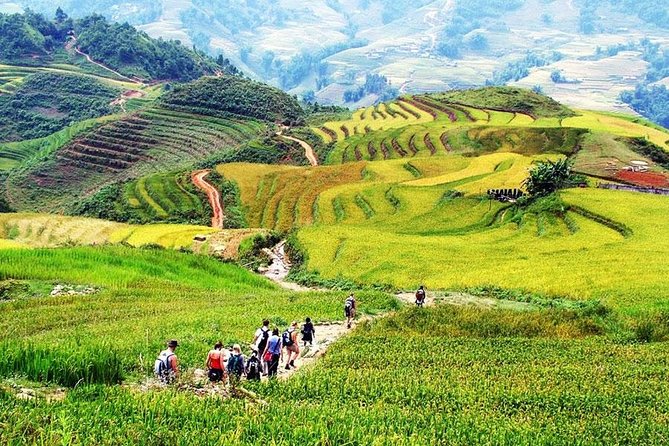
Your day starts early in Hanoi. Pickup is from the Hoan Kiem area (30 P. Lý Thái Tổ), then you transfer to the big bus and head to Sapa, with comfort breaks along the way via Lao Cai.
By the time you reach Sapa town around early afternoon, you’ll get a quick orientation feel—Sapa is known for the colorful traditional clothing of ethnic groups like H’Mong, Dzao, and Tay. After hotel check-in and guide pickup, you head out to Cat Cat Village, where the hike is about 3.5 km and lasts roughly 2 hours.
Cat Cat is especially good on Day 1 because it’s a gentler way to experience how the valley villages sit below the road. You walk toward the village gate, and the area is associated with Black H’mong community life. In cold or misty conditions, this can still feel magical—just don’t count on big panoramic views if fog rolls in.
What to watch for on this first day: Sapa’s paths can include steps and uneven ground, and some stretches pass through spots where vendors line routes. The guide is there to keep you moving, but you’ll still want patience and a steady pace.
Day 2 from Y Linh Ho terraces to Ta Van homestay sunset
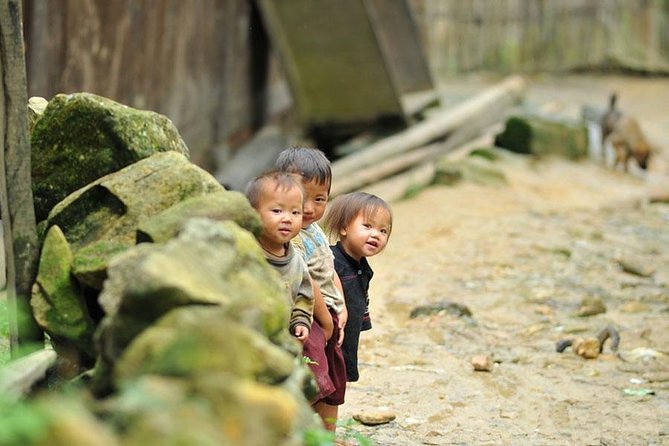
Day 2 is the big hiking day. After breakfast and checking out of the hotel, you start a trek that moves through rice terraces and along the way to Y Linh Ho.
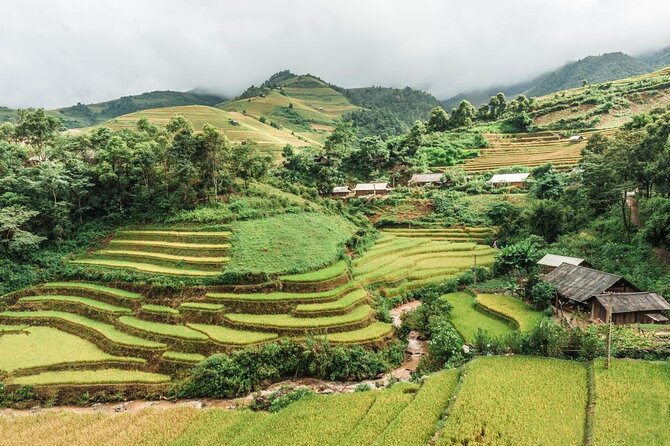
This is the longest “clock-time” walking stretch on the schedule: about 12 km and around 4 hours. The reward is that you’re out in the terrace system rather than just near the main tourist hubs. Even if the views are softened by mist, the sense of scale is still impressive—terraced ridges, winding paths, and villages threaded into the hills.
Lunch is a family-style meal prepared by household cooks during the Day 2 loop. Then you continue toward Ta Van Village in late afternoon, check into the bungalow, and spend time with the Dzay family.
Ta Van is where the tour becomes more than scenery. You’re given a chance to slow down in the late-day light, enjoy mountain life, and there’s an option to join cooking local dishes with the family. Dinner is included, and the tone is more quiet and personal than the bus-and-hotel rhythm.
Practical consideration: this day is easier to enjoy if you manage your expectations about energy. If you’re not used to steep, narrow trails (and occasional mud), take it one careful step at a time—your pace matters more than speed.
Day 3 at Giang Ta Chai: rice paddy photos and the return to Hanoi
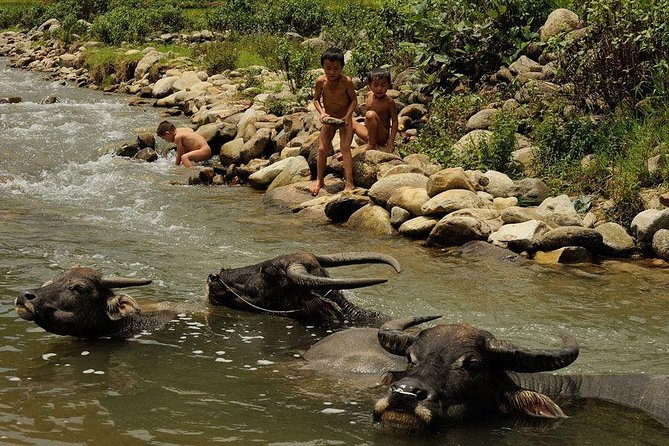
Day 3 starts in the village. You’ll have breakfast prepared by the family, then head out for a morning walk that includes stopping at rice paddies for photos of the surrounding hills.
You’ll reach Giang Ta Chai Village and spend about 1.5 hours in this area. This is a nice way to close the trekking loop: a shorter morning compared to Day 2, with a strong focus on views and village rhythm before you ride back.
By early afternoon, the bus picks you up and you’re back in Sapa town for a break and shower time if you want. Then the group gathers at the hotel area to prepare for the final transfer back to Hanoi.
The ride back starts around mid-afternoon, includes two rest stops, and typically ends around 21:00. You’re dropped at the meeting point area, and from there you head on to your hotel independently.
If you hate long travel days, know that the return day is real travel time. Still, the route is organized: you’re not trying to figure out how to get back after trekking.
Hikes, weather, and footing: how to not get punished by Sapa

Sapa doesn’t play by Hanoi rules. The area can be cold year-round and foggy in winter months (Dec–Mar). For warm-weather travelers, the surprise is usually the wind and damp chill, not just the temperature.
Bring warm layers (warm clothes, scarf, hat/cap). Also bring trekking shoes. If you’ve ever slipped on wet limestone or muddy clay, you already understand why this matters—several people reported that the ground becomes very muddy/slippery in wetter months.
One smart add-on is gumboots. Some hikers borrow or buy them locally when conditions are slick (prices vary, but one reported figure is around 30,000 VND per day). Even if you think you can handle it in sneakers, it’s worth reconsidering once the trail turns to a mud slide with gravity.
Altitude fog is also a factor. You might not see the big views on the first day if mist rolls in, but the second day can clear up. Build your mindset around weather flexibility, and you’ll enjoy the experience more.





The guide and the cultural time: how this homestay tour feels

An English-speaking local guide is part of the package. Guide quality is a deal-maker on trekking tours, and here you’ll see strong praise for guides like Su and Cat, plus other names such as Dao and May appearing in positive comments.
What I like about how cultural time is handled: you’re not just stopping for photos. You check into Ta Van with a family, you spend time during sunset, and the option to cook with the family gives you a real reason to talk and learn. That’s where the homestay changes from “where you sleep” to “what the trip is about.”
That said, not every part of the experience will feel equally polished to everyone. Some people have mentioned that English clarity can vary by guide, and others have had rougher interactions due to village sellers along trails. Your best move is simple: stick close to your group, be polite, and decide in advance what kind of shopping interaction you’re comfortable with.
Food and breaks: included meals, plus a realistic check
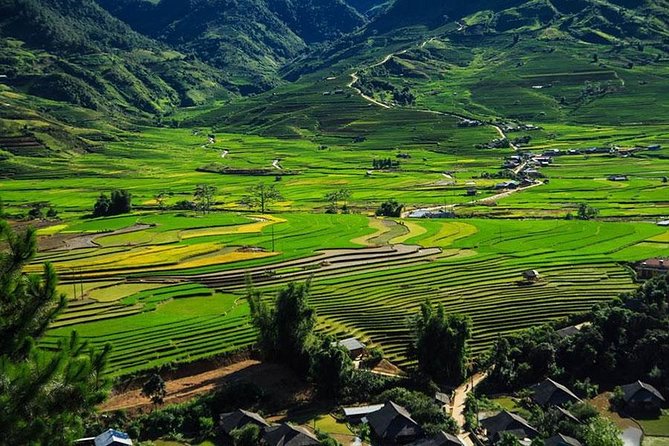
Meals are included: 2 breakfasts, 1 lunch, and 2 dinners. This is helpful because after long walking days, hunger can make everything feel worse—so having food planned saves you from hunting for meals at inconvenient times.
Breakfast comes from either the hotel or the homestay setup. Lunch on Day 2 is a family meal, served around midday during the trek route. Dinner is provided at Ta Van.
One caution: food quality can be hit-or-miss depending on the day and household cooking. A few people have said they found some meals disappointing, while many praised the homestay experience overall. The practical advice is to keep your meal expectations realistic and focus on the fact that you’re not paying out of pocket for every meal.
You also get water bottles on the bus rides both ways. For the trail, bring extra water if you’re a heavy sweater or trekking fast—this detail is not clearly listed beyond the bus water.
Group size and pace: who this works best for
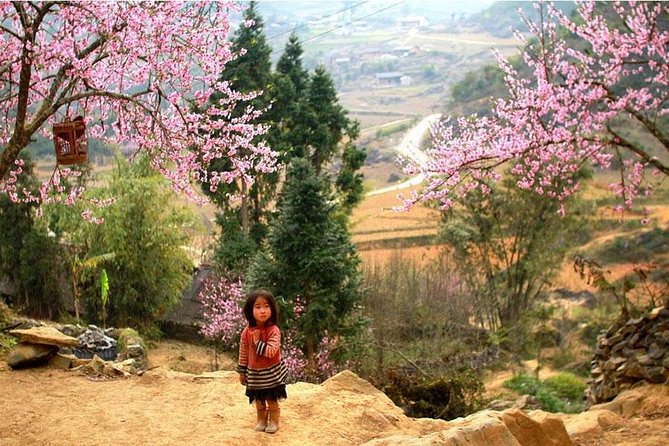
This tour caps at 15 travelers, and it’s designed for moderately fit hikers. That “moderately fit” label matters: you’re looking at long walking time on Day 2 plus multiple segments across three days.
If you’re comfortable with:
- steep sections,
- narrow paths,
- and muddy or slippery conditions,
you’ll likely find this a satisfying, memorable trek.
If you’re not used to that kind of uneven walking, you may struggle with the steep steps and the wet ground in cooler seasons. You’ll still be with a guide, but the trail itself doesn’t soften because you’re tired.
Should you book this Sapa trek tour?
Book it if you want the full Sapa package: Hanoi-to-Sapa transport done for you, a real homestay night in Ta Van, and guided village treks rather than just a viewpoint day. The price makes sense when you value included meals, entrance fees, and the guide-led route.
Skip or rethink it if you hate cold weather, don’t own good hiking shoes, or get stressed by mud and fog. Also consider whether you’re okay with sellers along parts of the route—this is common in village trekking areas.
My bottom-line take: this is a strong pick for hikers who want authentic village time and don’t mind that Sapa is a working mountain region, not a smooth theme-park trail.
FAQ
Where are you picked up and dropped off in Hanoi?
Pickup and drop-off are listed at 30 P. Lý Thái Tổ in Hoàn Kiếm, Hanoi. You’ll also have the standard meeting point timing around the start and end of the trip day.
Is this trek suitable for beginners?
It’s best for people who are moderately fit and enjoy hiking. The route includes several hours of walking and can involve steep, narrow, and muddy sections.
How long are the treks on each day?
Cat Cat Village on Day 1 is about 3.5 km and around 2 hours. Day 2 includes a longer Y Linh Ho trek of about 12 km and roughly 4 hours, plus additional walking to reach Ta Van. Day 3 includes a walk to rice paddies and around Giang Ta Chai Village for about 1.5 hours.
What are the sleeping arrangements?
You get 1 night in a Sapa hotel (The View Sapa Hotel or similar) on a twin-sharing basis. You also get 1 night in a bungalow in Ta Van Village.
Are meals included?
Yes. The tour includes 2 breakfasts, 1 lunch, and 2 dinners. Beverages are not included.
Will I have an English-speaking guide?
Yes. The tour includes an English-speaking local guide in Sapa.
What should I bring for Sapa weather and trekking?
Bring warm clothes (Sapa can be cold and unpredictable), a scarf, hat/cap, trekking shoes, sun glasses and sun cream, and insect repellent. You’re also advised to carry cash in Vietnamese dong, plus any medicine you might need.
What happens if I need to cancel or if the weather is bad?
You can cancel up to 6 days in advance for a full refund, with partial refunds available if you cancel 2–6 days before. If the experience is canceled due to poor weather, you’ll be offered a different date or a full refund.