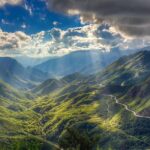
Motorbikes, passes, and real homestays.
This Ha Giang Loop tour with Ha Giang Vision Tour is built for people who want big views without the chaos, with a small group capped at 8 riders and plenty of time to stop where the road allows. I like the way the trip mixes dramatic limestone karst scenery with lived-in village moments, from woven hemp clothing to border-area viewpoints. One heads-up: the schedule is driving-heavy, so you’ll want to be comfortable on a motorbike from day one.
Two things I really like: you get authentic local meals included, so you aren’t guessing where to eat after long rides, and the group size makes it easier to reach smaller viewpoints that bigger buses and crowds tend to miss. The ride itself also feels more relaxed because you’re not stuck in a long parade behind other tour schedules.
The only downside to plan around is simple: this is an active loop with early starts and long days in the saddle. If you hate rushing, bright sun, or winding mountain roads, you may find the pace tiring, even though the driver and guide handle most of the navigation.
In This Review
- Key things to know before you go
- How your Ha Giang Loop starts: Quiri Hostel morning after Hanoi travel
- Small-group motorbikes: how the 8-person setup changes the ride
- Day 1: Bamboo rivers, Heaven Gate views, and hemp weaving at Lanh Lùng Tám
- Day 2: Tham Ma Road, Hmong landmarks, and the border view at Lung Cu
- Day 3: Ma Pi Leng Pass, the Nho Que River boat ride, and Du Gia waterfalls
- Day 4: Lùng Tám valley viewpoint, A Boong Waterfall, and your Quiri Peninsula lunch
- Food and homestays: what included meals really do for your trip
- Price and value: what $220 gets you, plus the bus cost
- Who this Ha Giang Loop fits best
- Final verdict: should you book the Ha Giang Loop with Ha Giang Vision?
- FAQ
- Is pickup offered?
- How many people are in the group?
- How long is the Ha Giang Loop tour?
- Where does the tour start?
- Are meals included?
- Is there an English guide?
- What is included in the price besides the guide and meals?
- What is not included?
- Does the tour depend on weather?
Key things to know before you go
- Max 8 riders means more flexible stops for photos, breaks, and short walks
- Local English guide helps you understand what you’re seeing, not just where to pose
- Homestay nights give you an authentic feel for daily life in the mountains
- Ma Pi Leng + Nho Que River deliver some of the most memorable scenery on the loop
- Meals are included (breakfasts, lunches, and 3 dinners), which is good value on the road
- Bring a swimsuit for the waterfall time later in the trip
How your Ha Giang Loop starts: Quiri Hostel morning after Hanoi travel
The tour is positioned for people coming from Hanoi, and the early part makes that easy to understand. Your arrival in Ha Giang is described around 3:00 AM after an overnight bus, then you still get a proper reset before you start sightseeing. Breakfast happens later, at about 9:30 AM, and you also get time to rest after that long night.
That rhythm matters. If you’ve done long overnight transport before, you know the danger: you show up “ready” and then spend the first day just trying to survive. Here, the morning break helps you actually enjoy the viewpoints later, instead of collecting them like checkboxes while your body complains.
Also, the tour is set up with stops right away after breakfast. The first day doesn’t waste energy. You leave the town area and head toward a sequence of viewpoints and cultural moments that build the loop’s story: mountains, passes, and people.
You can also read our reviews of more tours and experiences in Hanoi.
Small-group motorbikes: how the 8-person setup changes the ride
On a Ha Giang Loop, the big question is always control. Who’s navigating? How tight is the schedule? Will you get a moment to breathe and look around?
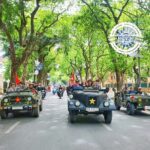
With this tour, you ride in a small group of up to 8, and the guiding style is built around that. You’re not dealing with a big crowd that forces everyone into the same photo angle, at the same second. You also get more freedom for the kinds of short breaks that make a difference when the roads are constantly changing direction.
You’ll also spend time riding with a driver handling navigation, while you focus on the scenery and staying comfortable. That’s a real win for first-timers: Ha Giang’s roads can be serious, and having someone handle routing means you spend your attention on the ride, not the map.
If you’re sensitive to motion or long driving days, pack light and plan your breaks. The tour gives you those breaks, but you’ll still feel the mountain pace. Bring water, expect wind, and keep your phone protected for stops.
Day 1: Bamboo rivers, Heaven Gate views, and hemp weaving at Lanh Lùng Tám
Day 1 is about transition and first impressions, and it does it in a clever order. You rest early, then you start stacking viewpoints and human moments.
Quiri Hostel Ha Giang and your restart
After breakfast and a chance to settle in, the tour moves out toward your first scenery stop. This part feels simple, but it’s the difference between enjoying the loop and suffering through it.
Đèo Bắc Sum viewpoint
You’ll stop around 20 km from the city at Đèo Bắc Sum, where you get wide views over mountains and forests. The description focuses on the visual textures you’ll likely notice in person: bamboo greens near flowing rivers, plus dam structures cutting across the water. It’s the kind of stop that sets the tone—wild, layered, and not overly tour-bus polished.
Quan Ba Heaven Gate (Tam Son area)
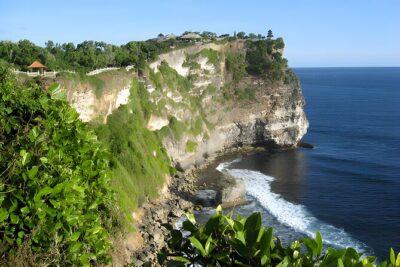
Next comes Heaven Gate, at an altitude of over 1,200 meters. This is a “look up and look down” type of stop. You’ll see limestone mountains and deep valleys, with big open sky and dramatic drop-offs depending on the weather and visibility. It’s also a good moment to understand why this region is famous for karst scenery: the scale is hard to capture from street level.
Hợp tác xã Lanh Lùng Tám: hemp weaving and local craft
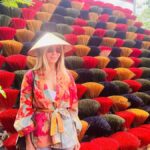
One of the more memorable first-day stops is the visit to a local family involved in hemp weaving and traditional clothes. The goal here isn’t shopping; it’s watching daily craft work and getting a clearer picture of how indigenous ethnic communities make textiles and maintain traditions. If you care about how people actually live, this stop is worth slowing down for.
Yen Minh homestay town time
By the end of the day, you arrive in Yen Minh and check in at a homestay. You get free time after a long day, which matters because the loop later gets more active. Use this window to shower, eat something light if you’re still hungry, and save energy for the next day.
Day 2: Tham Ma Road, Hmong landmarks, and the border view at Lung Cu
Day 2 leans into cultural landmarks and big elevations. It also includes some long driving segments, so breakfast-and-go matters.
Thẩm Mã Road and the old challenge for horses
After homestay breakfast, you drive toward Tham Ma Road, described as one of the biggest challenges for horses from the past. Even without the historical storytelling in your head, you’ll likely feel why roads like this earned reputations: tight curves, steep grades, and mountain air that makes the world feel closer.
Dinh Vua Meo: an 18th-century Hmong palace
Then you visit Dinh Vua Meo, the palace connected to a king who ruled the broader mountain region in the 18th century, when the area was an autonomous region. The emphasis here is on ancient Hmong architecture, and it’s a useful counterpoint to the “only mountains” mindset. You’re not just riding through scenery—you’re seeing how people built community and power in these rugged areas.
Lung Cu Flag Tower: Vietnam–China border viewpoint
Next up: Lung Cu Flag Tower, where you can observe the border area from Vietnam and China. It’s a high viewpoint with wide sightlines, and the stop includes time at an observation area where the views feel huge. After hours of winding roads, this is where you get your big “I’m really here” moment.
Lo Lo Chai village stop
The day also includes a visit to Lo Lo Chai, giving you a village connection after the border viewpoint. It’s the kind of stop that helps you connect people to the land instead of treating everything like a scenic backdrop.
Làng cổ Thiên Hương: stroll fields and terraced rice
For the afternoon flavor, you go to Làng cổ Thiên Hương, described for natural environment, fields, and terraced rice landscapes. The idea is simple: stroll, walk around, and enjoy outdoor options like light hiking or meadows if the conditions are good. It’s an easy pace break before you arrive at Dong Van.
Dong Van late afternoon and dinner setup
You reach Dong Van late afternoon, in time for dinner. This timing is smart. After two busy days of viewpoints and culture, you get a proper evening to rest, eat, and reset for the big driving spectacle on Day 3.
Day 3: Ma Pi Leng Pass, the Nho Que River boat ride, and Du Gia waterfalls
Day 3 is the famous section for a reason. You get multiple “pinch me” views in one day, including Ma Pi Leng Pass and a boat trip on the Nho Que River.
Ma Pi Leng Pass and the Happiness Road idea
You start from Dong Van and head to Ma Pi Leng Pass, described as the most beautiful section of the entire journey and connected with the idea of Happiness Road. The road is remote and scenic, and that remoteness shows up in the experience. You’ll likely feel like the mountains have room to breathe, and that makes photos easier and the air more noticeable.
Mỏm Đá Tử Thần: panoramic photo stop
A second viewpoint is Mỏm Đá Tử Thần, a peak-like stop on the route to the pass. It’s described as a panoramic spot where you can take unforgettable pictures. This is one of those stops where you’ll want to pause for a full minute, not just snap and move on. The scale can hit you.
Nho Que River and a 360° viewpoint, then a boat ride
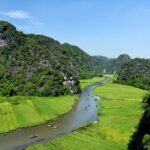
Next comes Nho Que River, with a 360° experience from a viewpoint, followed by riding to witness the pass from water-level during a boat trip. That combination is powerful: the pass looks immense from above, then it becomes a different story when you’re closer to the river and the rock walls. If you only did one day of the loop, you’d probably pick this one.
Meo Vac lunch/drinks and the road toward Du Gia
After the pass highlights, the tour includes lunch and drinks in Meo Vac, then continues through trail road areas toward Du Gia. This is where the day transitions from “look at the famous road” into “enjoy the journey to calmer villages.”
Du Gia: homestay in a peaceful village with year-round waterfall
You arrive back for homestay in Du Gia, described as pristine and peaceful with rustic beauty. You also get a mention that Du Gia waterfall flows all year round. That matters because it sets expectations for what you’ll do next.
Thác Du Già: bring your swimsuit and sunscreen
The day ends with Thác Du Già (waterfall time). The tour is clear about prep: bring your swimsuit and towels, and also bring sunscreen. The guide prepares drinks before heading out for the activities. This stop turns the loop from mostly viewing to actually playing, and it’s a fun change of pace.
Day 4: Lùng Tám valley viewpoint, A Boong Waterfall, and your Quiri Peninsula lunch
Day 4 keeps a light adventure feel while returning you to Ha Giang.
Thung lũng Lùng Tám viewpoint
After breakfast and saying goodbye to your homestay host, you ride to a viewpoint in Thung lũng Lùng Tám. It’s positioned as a last-day enchantment stop, meaning you’ll still get those “hold the view” moments even as the route heads back.
A Boong Waterfall for more play time
Then comes A Boong Waterfall, with time to have fun at the waterfall along with your group. This is one of those good end-of-trip moments where you’re not only watching—your body gets involved again, like Day 3’s waterfall.
Back to Ha Giang with lunch at Quiri Peninsula
In the afternoon you return to Ha Giang, with time for lunch at the Quiri Peninsula restaurant and bar. The tour notes that you’ll have enough time to catch a bus or limousine back to Hanoi, depending on timing.
This ending is useful because it protects your energy. You’re not finishing the tour with a chaotic scramble. You get a meal, then you can travel onward without feeling wiped out.
Food and homestays: what included meals really do for your trip
The tour includes breakfasts (4), lunches (4), and dinners (3), plus a local English guide and fuel surcharge. In a place like Ha Giang, where timing and road conditions matter, having meals handled helps you keep moving.
The highlight is that the meals are described as delicious and authentic local meals included with your trip. That means you’re not spending your energy trying to find something that fits your tastes right after a long ride.
Homestays add another layer. You’re sleeping in homestays and connecting with locals instead of doing a standard hotel circuit. Even if you don’t speak the same language, the shared rhythm—meals, conversation gestures, and everyday routines—gives you a more grounded sense of the region.
One practical point: because the tour includes outdoor waterfall time and sun exposure, your best friend on this loop is sensible sun protection. Bring it, use it, and don’t plan to rely on luck.
Price and value: what $220 gets you, plus the bus cost
At $220 for about 4 days (listed as approximate), this tour is priced like a budget-to-midrange experience with real inclusions. You’re getting the motorbike loop experience, meals, a local English guide, and homestay nights. That matters because the biggest costs in Vietnam road trips are often transportation and food logistics.
What you pay extra: TIP, personal drinks, and the bus $36.00 per person are listed as not included. That makes the real total partly depend on how you handle tipping and what you drink.
For value, the key question is your tolerance for a fast-moving but managed schedule. If you want a structured route with fewer people (max 8) and you like the idea of homestays and cultural stops, this price is a fair match. If you want a slower ride, more downtime, or private flexibility, you may feel the cost doesn’t buy enough comfort.
Also remember this tour requires good weather. If conditions aren’t right, you’ll be offered a different date or a full refund.
Who this Ha Giang Loop fits best
This is a strong fit if you:
- Want small-group attention and easier photo/stop timing
- Like a mix of major viewpoints and cultural visits (like the hemp weaving stop)
- Are okay with a driving-heavy 4-day schedule and a motorbike ride throughout
- Appreciate included meals so you don’t make restaurant decisions at the end of long days
It’s not the best match if you:
- Struggle with long hours of winding road and frequent stops
- Prefer hotel-only comfort and lots of free time
- Really dislike being outdoors in sun and needing a swimsuit for waterfall time
Final verdict: should you book the Ha Giang Loop with Ha Giang Vision?
I’d book this tour if you want Ha Giang Loop to feel personal, not crowded. The 8-person group size, English guidance, and the balance of big-view days (Ma Pi Leng and Nho Que) with real local moments (like hemp weaving and village stops) are the ingredients that make the loop feel worth the effort.
Before you decide, check your own readiness for mountain driving and plan your packing around sun and water activities. If good weather shows up, this is the kind of trip where you’ll leave with stories you can’t download from a phone screen.
If you’re curious, you’ll likely enjoy it most when you show up flexible: stop when the guide stops, look up when you’re told to look up, and let the day’s rhythm carry you.
FAQ
Is pickup offered?
Yes, pickup is offered as part of this experience.
How many people are in the group?
The tour has a maximum group size of 8 travelers.
How long is the Ha Giang Loop tour?
It runs for about 4 days (approximately) with 3 nights.
Where does the tour start?
The location is listed as Hanoi, Vietnam, and the route is built around reaching Ha Giang after traveling from Hanoi.
Are meals included?
Yes. Breakfast is included for 4 days, lunch for 4 days, and dinner for 3 days.
Is there an English guide?
Yes, there is a local English guide included.
What is included in the price besides the guide and meals?
Included items list fuel surcharge and the meals, along with the guided sightseeing stops.
What is not included?
Not included are TIP, personal drinks, and the bus cost of $36.00 per person.
Does the tour depend on weather?
Yes. The experience requires good weather, and if it’s canceled due to poor weather, you’ll be offered a different date or a full refund.