REVIEW · KRABI
Krabi: Cooking Class at Thai Charm Cooking School with Meal
Book on GetYourGuide →Operated by Oh-Hoo · Bookable on GetYourGuide
Penny turns Thai cooking into a laugh-filled hands-on lesson. At Thai Charm Cooking School in Krabi, you pick dishes, pound curry paste, and eat a meal you made yourself. Penny is a standout teacher, and curry paste lessons are the kind that actually stick.
I also love the freedom to build your own plate: you can choose up to 5 dishes plus 2 desserts from an extensive menu. And you don’t just leave with full bellies—you get a recipe book and a certificate to take home.
One consideration: this class isn’t suited for kids under 12, and it may not work well if you have mobility impairments. Also, it’s a real cooking session, so come prepared for standing, chopping, and getting your hands messy.
In This Review
- Key things I’d plan around
- Thai Charm in Krabi: What Makes It Worth Your Time
- Getting There: Hotel Transfers That Keep Your Afternoon Moving
- Choosing Your Menu: Up to 5 Dishes Plus 2 Desserts
- Inside the Class: The Part That Teaches You Thai Flavor
- Curry Paste to Curry Plate: Green, Red, and Phanang Logic
- Soups, Stir-Fries, and Salads: Fresh Heat Without Guesswork
- Jasmine and Sticky Rice: The Texture Part People Skip
- Dessert Time: Mango Sticky Rice and Banana in Coconut Milk
- What You Take Home: Recipe Book, Certificate, and Follow-Up Help
- Price and Value: Why $50 Usually Feels Like a Deal
- Who Should Book This Class (And Who Should Skip It)
- Quick Tips Before You Go
- Should You Book Thai Charm Cooking School in Krabi?
- FAQ
- How long is the cooking class?
- How much does it cost?
- Where does this experience take place?
- What dishes can I choose to cook?
- What desserts are included?
- Is hotel pickup included?
- What time should I arrive for pickup?
- What group size should I expect?
- What languages are offered?
- Is this class suitable for children and everyone physically?
Key things I’d plan around
- Small group setup (up to 10 people) keeps the pace friendly and makes it easier to ask questions
- Your menu choice drives the whole experience: up to 5 savory dishes plus 2 desserts
- Curry paste first teaches the flavor system behind green, red, and Phanang curries
- Hands-on rice skills include jasmine and sticky rice basics, not just eating them
- You get photos and recipes to follow up (many people love that extra support after class)
- Plan on a lot of food: the portions are generous enough that leftovers can happen
Thai Charm in Krabi: What Makes It Worth Your Time
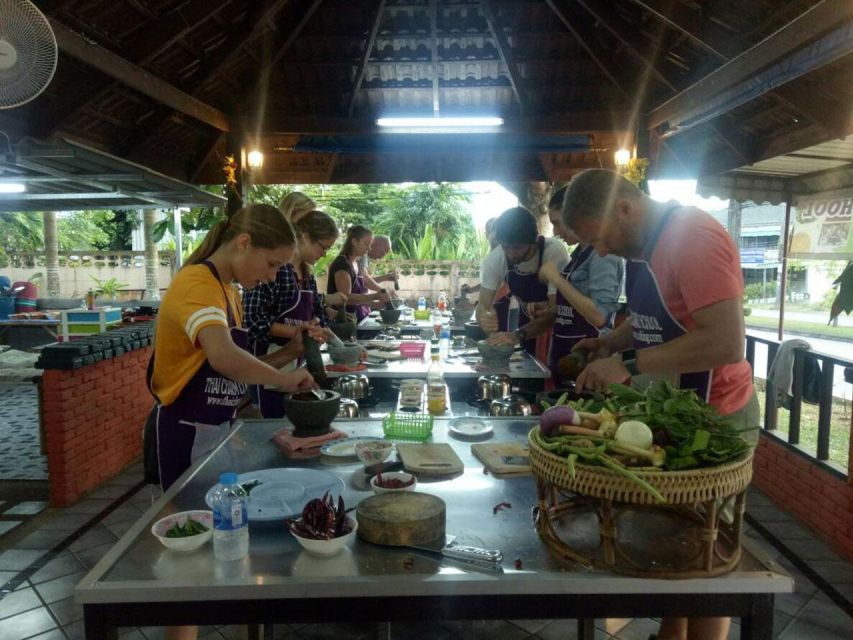
This class works because it feels like you’re cooking with a real Thai kitchen team, not watching a demo. Penny’s energy matters here. She keeps things light with humor, but she also breaks steps into clear chunks so you’re not just guessing with a pile of ingredients.
The second big reason it’s worth it is the structure. Thai food can look complicated on a restaurant menu, but this class shows you the building blocks—especially curry paste and rice—so dishes start making sense. That’s what turns the activity into a skill you can use later, not just a one-time meal.
You can also read our reviews of more tours and experiences in Krabi.



Getting There: Hotel Transfers That Keep Your Afternoon Moving
You’re picked up and returned to your hotel area around Krabi Town or Ao Nang, and the transport is a major part of the value. The class is listed as including roundtrip transfers from those areas, with a minimum of 2 people—so if you’re booking solo, double-check that pickup is available for your situation.
There are also specific meeting instructions depending on where you’re staying:
- If you’re at Centara Grand Beach Resort & Villas, take the hotel shuttle boat to Nopparat Thara Pier in Ao Nang.
- If you’re at Railay Beach, use the pickup from the boat ticket office at Ao Nam Mao Pier (a short longtail boat ride from Railay East).
- If you’re in Ton Sai, meet at Phra Nang Inn reception in Ao Nang.
Give yourself a buffer. The guide asks you to be at the hotel lobby at least 10 minutes early, and you can be marked a no-show if you’re more than 10 minutes late.
Choosing Your Menu: Up to 5 Dishes Plus 2 Desserts
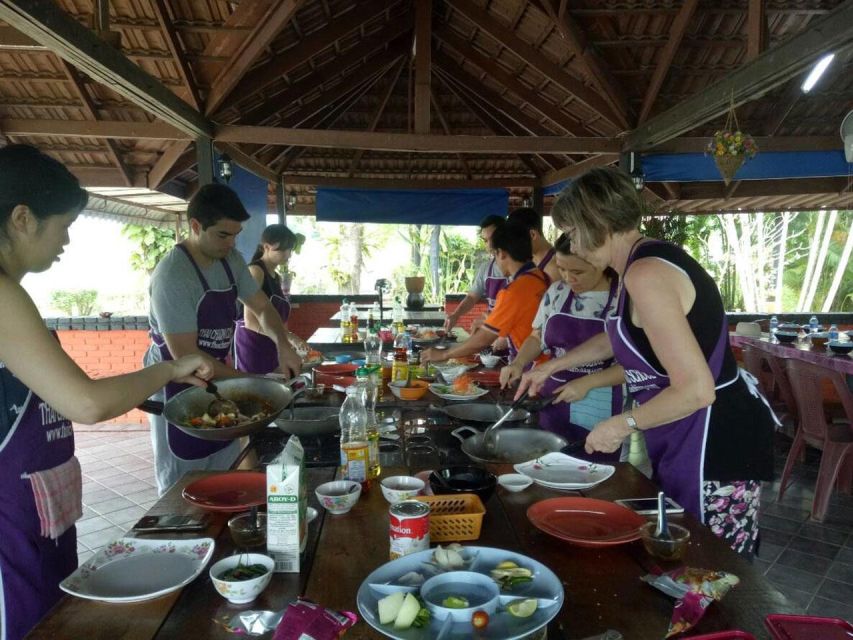
The core format is simple: you choose what you want to cook. You can pick up to 5 Thai dishes and 2 desserts, pulling from a menu of over 15 options across categories.
Here’s what’s on the menu by category (the examples below are the ones provided):
- Soup: Hot and Spicy Prawn Soup, Chicken in Coconut Milk Soup, Hot and Sour Soup
- Stir-fried: Pad Thai, Chicken with Cashew Nuts, Chicken with Ginger
- Healthy salad: Papaya Salad, Cucumber Salad, Green Long Bean
- Curry paste: Green Curry Paste, Red Curry Paste, Phanang Curry Paste
- Curry with chicken: Green Curry, Red Curry, Phanang Curry
For dessert, the choices are fixed in the class info:
- Sticky Rice with Mango
- Banana in Coconut Milk sauce
What I like about this menu system is that it lets you tailor the course to your mood. Want something bright and fresh? Go for a salad. Want comfort? Choose a curry. Want classic Thai street-food energy? Pad Thai fits the bill.
Inside the Class: The Part That Teaches You Thai Flavor
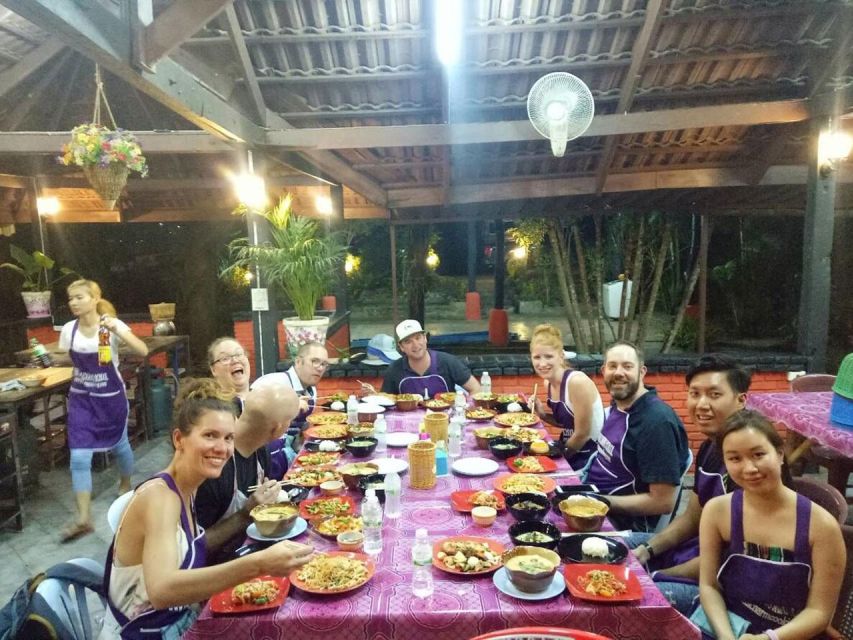
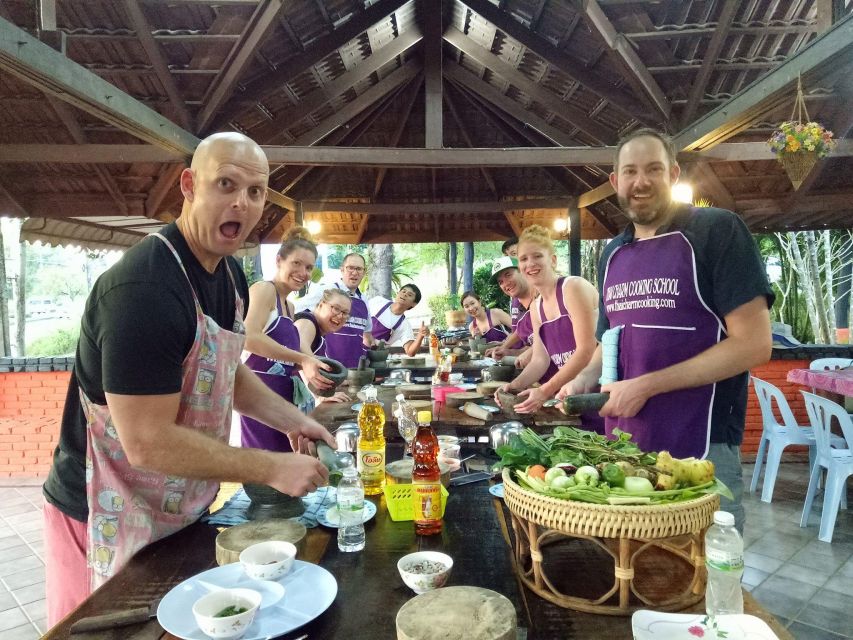
This is a hands-on cooking workshop at Thai Charm Cooking School, led by a Thai cooking instructor (with English and Thai support through the guide). You’re not just assembling food. You’re learning why Thai dishes taste the way they do.
You’ll do key foundational work that shows up in multiple dishes:
- Curry paste making: you’ll learn how to pound and build the paste that becomes the flavor engine for curries.
- Rice know-how: you’ll get guidance on jasmine rice and sticky rice, including the nuances that matter for texture and taste.
- Spicy salad prep: fruits and ingredients for spicy Thai salads are part of the included class flow.
If you’ve ever wondered why one curry tastes like one specific curry, the curry paste lesson is the answer. You build the base yourself, then watch it turn into different outcomes depending on what curry you choose.
Curry Paste to Curry Plate: Green, Red, and Phanang Logic
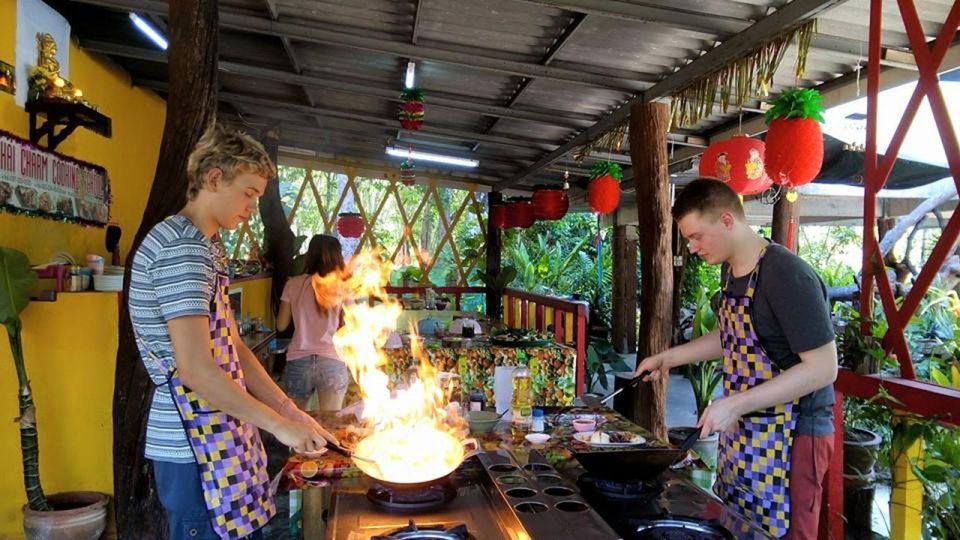
Curry paste is where this class earns its keep. You don’t skip it. You pound paste (a very physical, very sensory step), and then use it in your curry of choice.
The class menu includes:
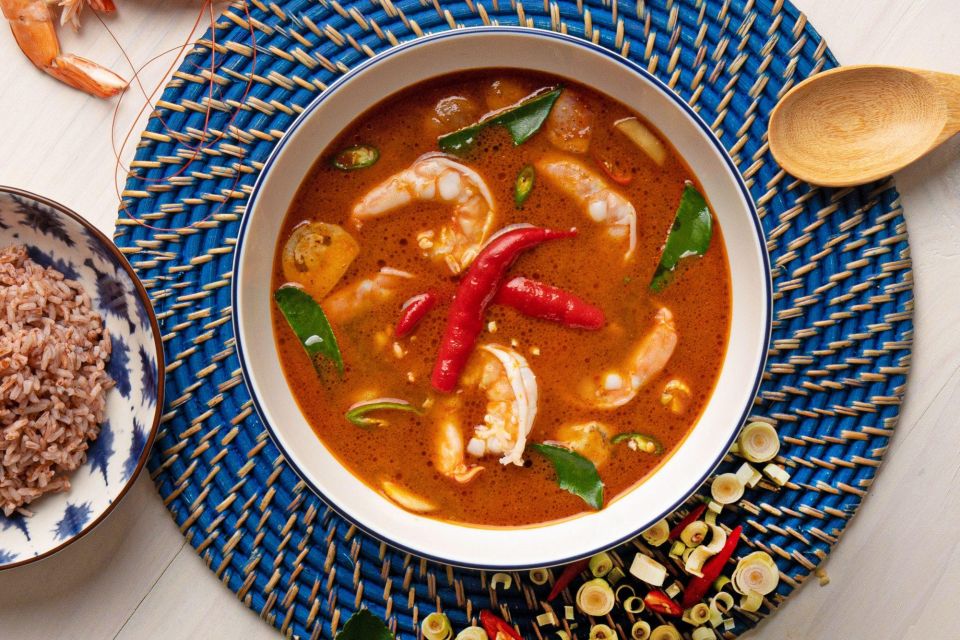
- Green Curry Paste → Green Curry with chicken
- Red Curry Paste → Red Curry with chicken
- Phanang Curry Paste → Phanang Curry with chicken
I like that the curriculum ties the lesson together. You’re not memorizing a recipe that works once. You’re learning a method you can reuse—so later, when you eat Thai food out, you can pick up what’s going on with the flavor base.
Also, because curry is heavy on herbs, aromatics, and balance, having the instruction live helps you avoid the common beginner mistake: adding ingredients without understanding their role.






Soups, Stir-Fries, and Salads: Fresh Heat Without Guesswork
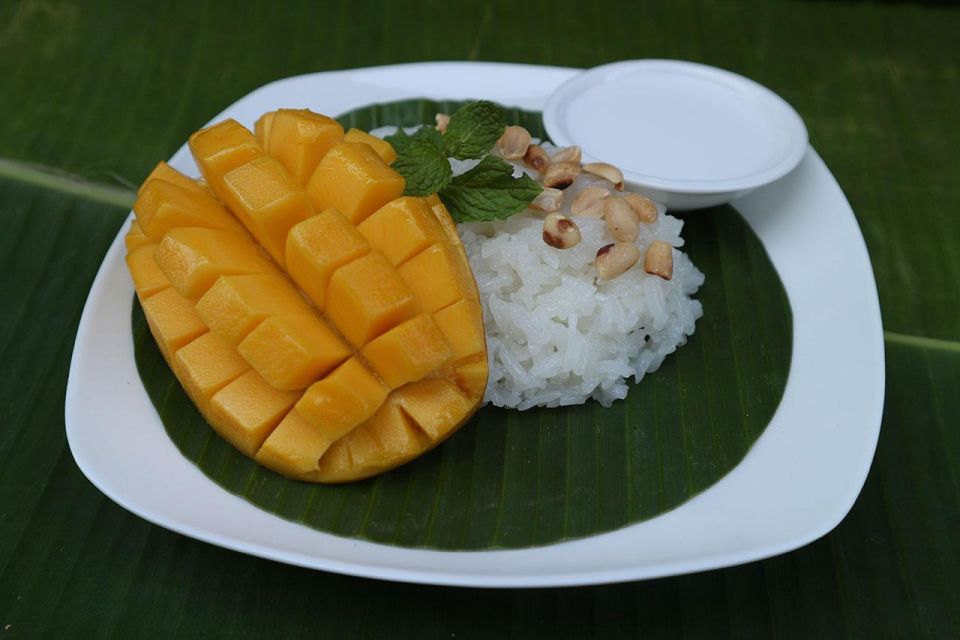
After the curry-paste foundation, you’ll move through other categories that round out the meal. Expect to cook multiple dishes, not just one “main.” This matters because Thai meals aren’t built around one plate. They’re built around contrast—sour, salty, sweet, hot, herbal, crunchy.
From the menu list, you could select:
- Soup options like Hot and Spicy Prawn Soup or Hot and Sour Soup
- Stir-fries such as Pad Thai, Chicken with Cashew Nuts, or Chicken with Ginger
- Healthy salads like Papaya Salad, Cucumber Salad, or Green Long Bean
The included setup also includes fruits and preparation for spicy Thai salads, plus food tasting and drinking water. That’s a practical touch: you’re not scrambling for water, and you get the chance to taste along the way rather than waiting until the end.
If you’re worried about skill level, that’s usually the wrong worry. Many steps are guided, and support is available. The most important thing is showing up ready to work with your hands.
Jasmine and Sticky Rice: The Texture Part People Skip
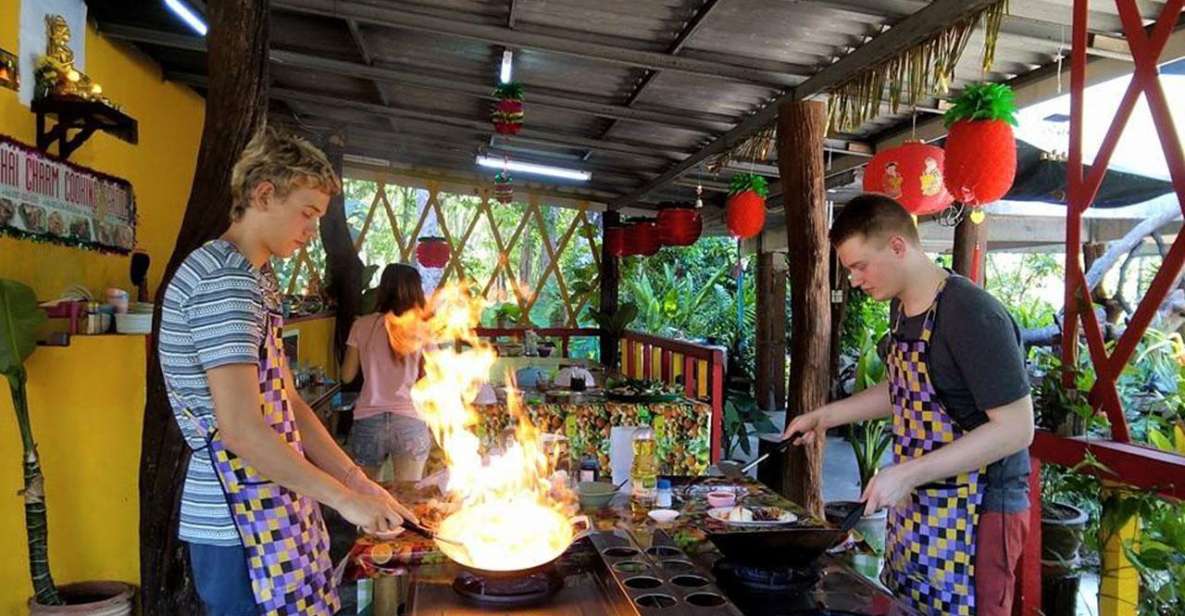
Rice is a quiet deal in Thai cooking. It’s easy to eat it and assume you understand it. This class treats rice like a real ingredient, not a side thought.
You’ll learn about jasmine and sticky rice nuances, which can make a difference between food that’s just good and food that’s spot-on. Sticky rice especially is all about texture and timing. Mango sticky rice depends on it, and banana in coconut milk sauce depends on it too.
And yes, you’ll get to eat what you make. This matters because the class isn’t just instruction—it’s a full meal built from your work.
Dessert Time: Mango Sticky Rice and Banana in Coconut Milk
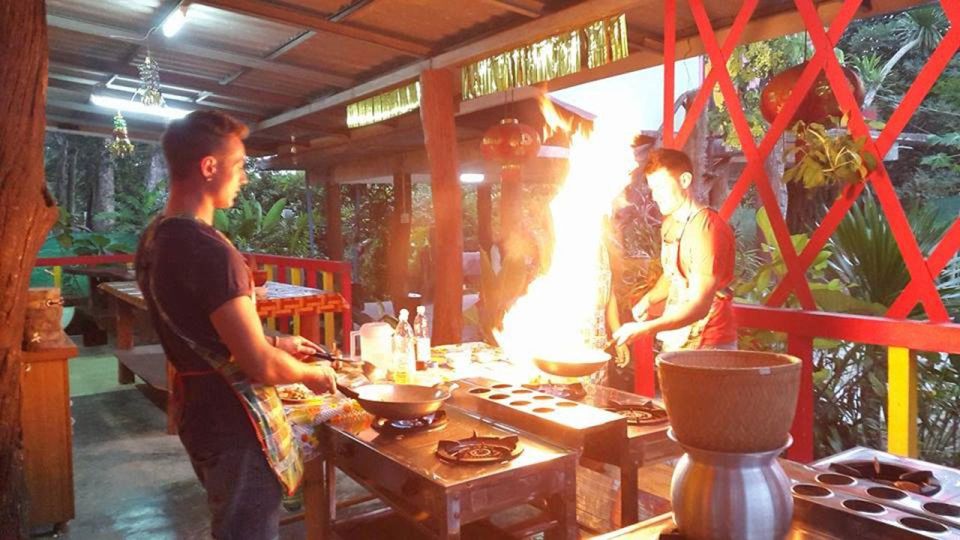
You finish with two traditional desserts:
- Mango with sweet sticky rice
- Banana in coconut milk sauce
Dessert at the end is more than a nice finish. It’s also part of learning Thai balance. Coconut milk brings softness and roundness. Sticky rice gives the chew. Mango adds bright sweetness. The combo is simple on paper, but it’s the kind of pairing that becomes clearer once you cook it yourself.
Portions here can be generous too. More than one person has said they left very full—and one big reason is that this class isn’t stingy with what you make and eat.
What You Take Home: Recipe Book, Certificate, and Follow-Up Help
This is the part that makes the class useful after your trip ends. You receive:
- A recipe book
- A certificate
You may also get photo support from the process. Many people talk about receiving photos and recipes after class through a digital follow-up. That’s helpful if you want to recreate your meal later and need a reminder of how certain steps looked.
If you want a practical souvenir, this is it. A recipe book with instructions is far more useful than another magnet, and a certificate is a fun way to mark the day.
Price and Value: Why $50 Usually Feels Like a Deal
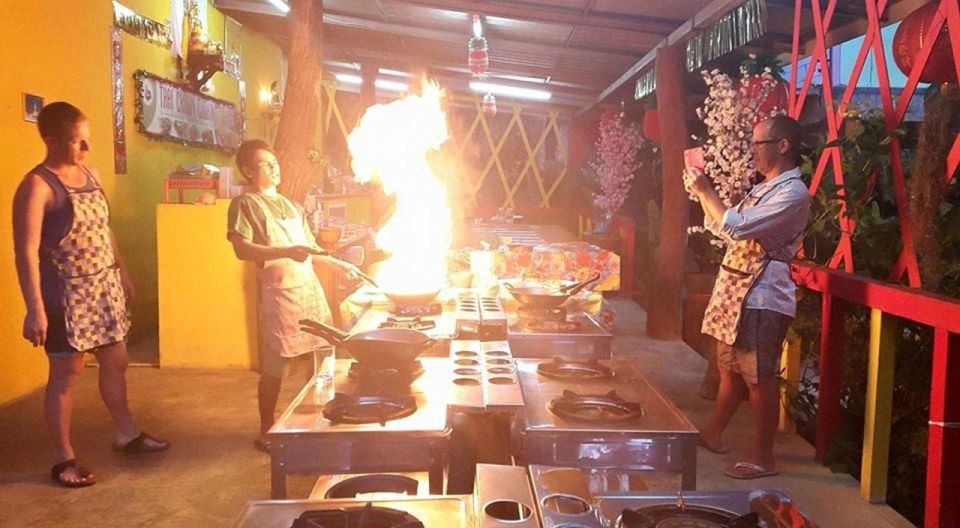
At $50 per person for a 4-hour experience, the value comes from what’s included, not from the price tag alone. You’re getting:
- Roundtrip hotel transfers in the Ao Nang / Krabi Town areas
- A Thai cooking instructor and a live guide (English and Thai)
- Ingredients and preparation work, including spicy salad prep
- Food tasting
- Recipe book (plus certificate)
- A small group setting (up to 10 participants)
The transfer piece especially matters. Krabi-area lodging is spread out, and not having to coordinate a ride keeps the day smooth. Transport is rated highly in the info provided, which usually means fewer delays and less stress.
The one possible downside tied to value is also the reason it feels like value: you cook and eat a lot. If you’re the type who wants a light activity and a snack afterward, this may feel like too much food. The upside is you can often take leftovers away if you want them.
Who Should Book This Class (And Who Should Skip It)
This is a great fit if you:
- Want a hands-on cooking experience that teaches core Thai methods
- Like menu choice and want to cook what you actually want to eat
- Prefer small groups and personal attention while you cook
- Want a recipe book you can use back home
It may not be the best fit if you:
- Are traveling with kids under 12
- Have mobility impairments
- Want a very casual, low-effort experience
Quick Tips Before You Go
- Come hungry. You’re making multiple dishes and eating what you cook.
- Be on time for pickup. The guide expects you to be ready at the hotel lobby about 10 minutes early.
- Ask about dietary swaps early. The class has shown flexibility in practice (for example, vegetarian changes using tofu have happened), but don’t wait until the chopping starts.
- Plan to enjoy the process, not just the result. The curry paste and rice lessons are the real payoff.
Should You Book Thai Charm Cooking School in Krabi?
I think you should book it if you want Thai food you can actually reproduce later. The mix of menu choice, curry paste fundamentals, and a full meal you cook yourself makes it one of the more satisfying activities in Krabi for food-focused travelers.
Skip it if you need a super light activity or if mobility and accessibility are an issue for your group. And if you’re the type who gets overwhelmed in busy kitchens, choose a time slot where you’ll feel relaxed and ready to work.
If you’re deciding between “another tour” and a hands-on skill builder, Thai Charm is the one where the kitchen time feels worth the hours.
FAQ
How long is the cooking class?
It runs for 4 hours.
How much does it cost?
The price is $50 per person.
Where does this experience take place?
It’s in Krabi, in Thailand, in the Gulf of Thailand.
What dishes can I choose to cook?
You can choose up to 5 Thai dishes from a menu of over 15 options, plus 2 desserts.
What desserts are included?
The desserts are sticky rice with mango, and banana in coconut milk sauce.
Is hotel pickup included?
Yes. Roundtrip transfer is included from Krabi Town or Ao Nang (with a minimum of 2 people), and pickup is available for all hotels within Krabi Town or Ao Nang.
What time should I arrive for pickup?
Meet your guide in your hotel lobby at least 10 minutes before the scheduled pickup time.
What group size should I expect?
It’s a small group limited to 10 participants.
What languages are offered?
The tour guide provides English and Thai.
Is this class suitable for children and everyone physically?
It’s not suitable for children under 12, and it’s not suitable for people with mobility impairments.