REVIEW · MUMBAI
Mumbai: Elephanta Caves Half-Day Guided Tour with Expert
Book on GetYourGuide →Operated by Amaze Tours · Bookable on GetYourGuide
Elephanta Caves turn a short boat ride into a serious history fix. The reason this tour works so well is simple: you get UNESCO-level cave art plus an expert guide who helps you read what you’re actually looking at, from carvings in solid basalt to temple layouts carved into the rock.
What I like most is the way the tour pairs logistics with meaning: you get skip-the-line access and a guided walk through the major excavation areas, so you don’t just snap photos and move on.
The one catch is physical: it involves 120 steps up to the plateau, and it’s not suitable if you have back problems or mobility limits.
In This Review
- Key highlights I’d prioritize
- Why Elephanta Caves feel different from other temple stops
- The ferry ride from Mumbai and the “arrive ready” moment
- The climb: 120 steps up to the plateau
- Inside the Elephanta Caves: how the guide changes the visit
- The main hall and its 6th-century feel
- Hindu, Buddhist, and the Shiva cave: what to watch for
- The flow of the tour on the ground: pacing, photos, and breaks
- Value at $30: what you’re really paying for
- Timing matters: Mondays off and monsoon uncertainty
- Who should book this tour (and who should skip it)
- Should you book the Elephanta Caves guided tour?
- FAQ
- How long is the Elephanta Caves half-day guided tour?
- Does the tour include ferry tickets from Mumbai?
- What’s included with the entrance fee?
- Is a toy train included on Elephanta Island?
- Do I need to climb stairs?
- What kinds of caves will I see?
- Is food included?
- Is the tour guided in English?
- Are the caves open every day?
- Is hotel pickup available?
- What should I bring, and what can’t I bring?
Key highlights I’d prioritize
- Skip-the-line entry helps you spend more time inside the caves, not waiting.
- A guide who connects Hindu and Buddhist symbolism to specific caves and sculptures.
- 120 steps to reach the caves makes comfortable shoes non-negotiable.
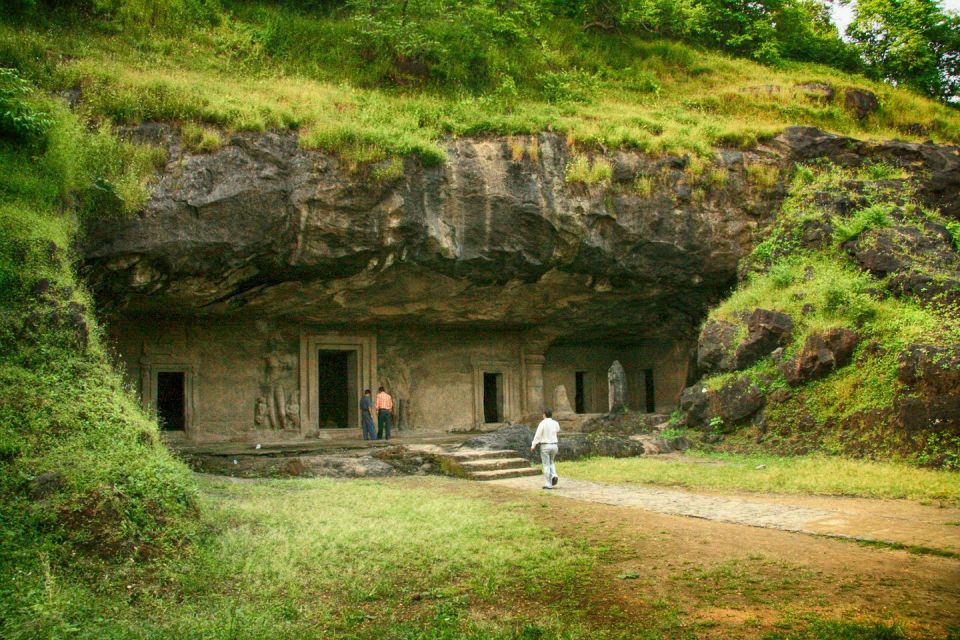
- Seven major excavation sites give you a bigger picture than just one temple hall.
- Toy train on Elephanta Island adds a fun, practical break from the walking.
- Photo-focused guidance shows up repeatedly in feedback, including from guides like Dave, Harish, and Krupesh.
Why Elephanta Caves feel different from other temple stops
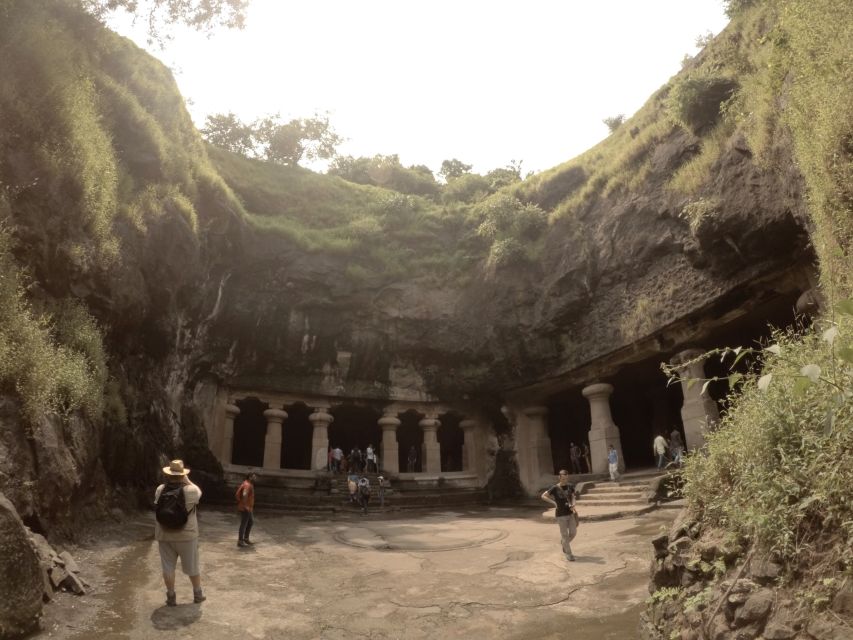
Elephanta doesn’t do the usual “pretty building” thing. You’re walking through works carved directly into a single mass of basalt rock, and that changes how it hits you. The space feels engineered, not assembled, and the carvings feel like they were planned for viewing from specific angles—especially in the main halls.
That’s exactly where a strong guide earns their keep. The caves include both Hindu and Buddhist elements, and the tour explanation helps you connect what you see to the bigger story: who built these places, why sacred imagery mattered, and how later faiths and patrons shaped what visitors experience today. In feedback, guides such as Dave, Harish, and Krupesh stand out for turning stone details into clear explanations, including Shiva-focused symbolism.
One practical note before you get too excited: this is a walking-and-climbing day. You’re not just touring flat corridors. Plan for steps and a steady pace.
You can also read our reviews of more tours and experiences in Mumbai.



The ferry ride from Mumbai and the “arrive ready” moment
The day starts in Mumbai and quickly turns into water time. You take a ferry for about 1 hour each way. That time matters more than you might think, because it builds a buffer. By the time you land on Elephanta Island, you’re ready for the climb and the cave entry rhythm.
If you choose hotel pickup, the tour includes pickup and drop-off (if that option is selected). If not, you’ll meet at a meeting point that can vary by option. Either way, the key is to arrive with the right mindset: ferry days in Mumbai can move fast at the docks.
Here’s what I’d do to keep the day smooth:
- Wear comfortable shoes you can trust on stairs and uneven ground.
- Bring sunglasses and a hat because you’ll get sun exposure on the island approach.
- Plan for no large luggage. The tour specifically says luggage or large bags aren’t allowed, so pack light.
During the monsoon season (June to September), ferries may face delays or even cancellation due to rain, strong winds, and high tides. Full refunds are available if tours are canceled, but for your sanity, I’d avoid treating the timetable like a promise. This is one of those days where patience pays.
The climb: 120 steps up to the plateau
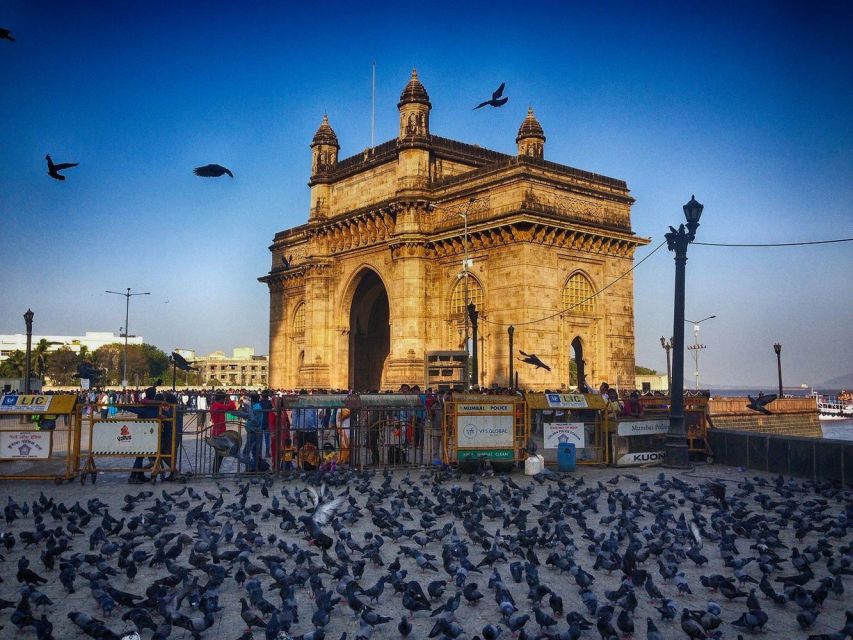
Once you reach Elephanta Island, you climb 120 steps to the plateau where you enter the cave area. It’s the most obvious physical hurdle of the tour, so it’s worth confronting early.
If you have back issues, mobility impairments, or you know stairs tire you fast, this is not the day to test your limits. The tour is explicitly not suitable for people with back problems or mobility impairments. Even if you can manage the steps, the cave spaces and walking inside can add up.
If you’re healthy and mobile, treat the climb like part of the experience rather than an obstacle. It sets up the mood shift: you go from the outside world into stone chambers carved for worship and storytelling. Also, because the tour includes a skip-the-line entry, you’re less likely to waste time in queues once you arrive.
Inside the Elephanta Caves: how the guide changes the visit
Elephanta includes seven major excavation sites, and this tour doesn’t try to rush you through them as if they’re all the same. The guide’s job is to sort your attention: what to look at first, what each carving suggests, and how the caves connect to religious history.
You’ll visit three caves with specific themes:
- One large Hindu cave
- One Buddhist cave
- One cave dedicated to Shiva, featuring an immense three-headed Shiva sculpture
That “three-cave structure” is a smart way to avoid information overload. Instead of just reading one long list of artifacts, you move through different religious spaces and compare how the visual language changes.
The main hall and its 6th-century feel
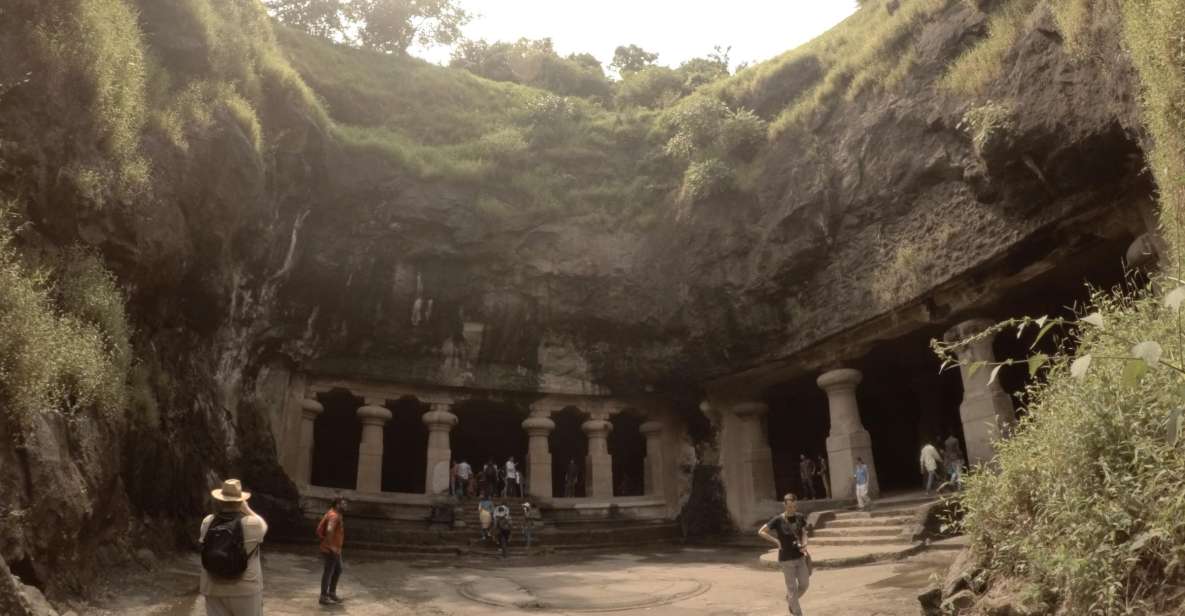
The tour includes time in a major hall described as a masterpiece of 6th-century architecture, supported by huge pillars. When you stand in rooms like this, the pillars do more than hold up the roof. They guide your attention and create a rhythm for where you look next.
With the right guide, you start noticing patterns:
- how icons are framed
- where attention is directed
- how scale is used to make a spiritual point
This is where feedback really lines up with what you should look for. Many guides are praised for taking time to explain the meaning behind sculptures and for helping people make sense of Hindu philosophy and culture, not just naming gods.





Hindu, Buddhist, and the Shiva cave: what to watch for
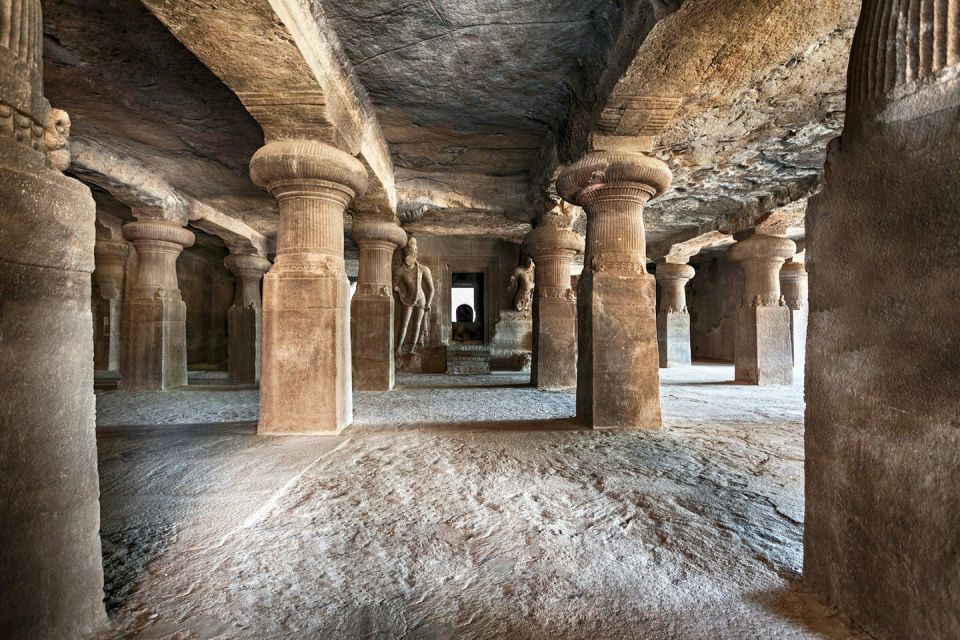
Elephanta is famous for religious fusion on a single island, and the best way to understand it is to compare each cave as its own statement.
In the Hindu cave, focus on how the carvings communicate narrative and devotion. In the Buddhist cave, pay attention to the calmer, structured feel of sacred space and how the imagery supports that spiritual tone.
Then the tour’s main emotional anchor is the Shiva cave. The three-headed Shiva sculpture is the headline, but what makes the moment work is understanding why the depiction matters and how scale and placement reinforce the divine message. Multiple guided descriptions—especially from guides like Dave and Krupesh—mention Shiva’s stories and meanings as a core part of what you learn.
If you want one practical tip: don’t treat this as a “spot the famous statue” stop. Take a breath in each cave, let your eyes adjust to low light and stone texture, and then let the guide’s explanation steer where to look next.
The flow of the tour on the ground: pacing, photos, and breaks
The visit inside the caves takes about 1.5 hours on the guided portion listed, but the total experience can expand depending on your start time and how the group moves. The “feel” of the day is calm for a reason: when your guide helps you get to the right spots efficiently, you don’t have to fight the crowd for attention.
One included perk that sounds small but helps: the tour includes the toy train at Elephanta Island. On a day with steps and walking, a short ride can reset your legs and help you keep enjoying instead of just surviving.
Photography support shows up repeatedly in feedback. Guides mention and deliver specific photo angles inside the caves, and some even frame it as practical help—where to stand, how to get better shots, and how to avoid backlighting. If photos matter to you, this tour has a real advantage: you’re not just touring; you’re being coached.
Value at $30: what you’re really paying for

At $30 per person, this tour can feel like a bargain—if you look at what’s bundled.
Here’s what you’re getting for that price:
- Guide (live, English)
- Ferry tickets (about 1 hour each way)
- Entrance fee to the Elephanta Caves
- Skip-the-line access
- Toy train on Elephanta Island
- Bottled water on arrival at Elephanta Island
- Optional hotel pickup and drop-off (depending on option)
Food isn’t included, so you’ll want to plan for drinks and snacks on your own. But even without food, the package covers the big ticket items—transport to the island, entry fees, and a guide for the time you’ll spend inside.
I’d call this good value if you care about meaning, not just scenery. If you only want the quickest checklist of photos, you might question whether a guided component is worth it. If you want to understand why these caves are extraordinary—Hindu and Buddhist religious history carved into basalt—then the price looks more reasonable fast.
Timing matters: Mondays off and monsoon uncertainty
Two timing realities can affect your day.
First: the Elephanta Caves are closed on Mondays. If your trip lands on a Monday, you’ll need a different plan.
Second: monsoon season (June–Sept) can bring ferry delays or cancellations due to weather conditions. If you’re traveling in that window, keep your expectations flexible. The tour offers refunds if it’s canceled, but you should still plan for possible late starts and slow movement around docks.
If your schedule is tight and you want least stress, consider aiming for a day outside peak monsoon when ferries tend to run more reliably.
Who should book this tour (and who should skip it)
This works best for:
- people who want a guided, structured tour rather than wandering blindly in a crowded site
- first-timers who want help reading Hindu and Buddhist iconography
- anyone who enjoys photography and would like guidance for better cave shots
- travelers who like practical inclusions (ferry tickets, skip-the-line, toy train, bottled water)
I’d think twice if you:
- have back problems or reduced mobility (stairs and cave walking make it unsuitable)
- need a fully stroller-free day (steps and uneven areas are a big part of the experience)
- prefer totally independent travel and don’t want a guide’s pace
One more practical takeaway from the experience design: the tour can include hotel transfers. I’d still double-check your return timing and keep an easy Plan B in mind, since any large group transport can occasionally get messy in any city’s system.
Should you book the Elephanta Caves guided tour?
If it’s your first time at Elephanta, I think booking is the smart move. This isn’t just a viewpoint—it’s a set of caves where details matter, and the guide turns stone into explanation. The skip-the-line entry, ferry setup, and included toy train also mean you spend more time in the caves and less time wrestling logistics.
Book it if you’re comfortable with a 120-step climb and you want the religious history context—Hindu cave, Buddhist cave, and the Shiva sculpture cave—connected into a single, understandable visit.
Skip it if you can’t handle stairs or you need full accessibility support. In that case, you’ll be spending the day stressed rather than impressed.
If you can handle the walk, this is one of those Mumbai add-ons that actually feels like a real day-trip upgrade: half a day, a boat ride, and a guided look at some of India’s most striking rock-cut sacred art.
FAQ
How long is the Elephanta Caves half-day guided tour?
The duration is listed as 1.5 to 6 hours, depending on available starting times. The guided time at Elephanta is about 1.5 hours, with ferries taking about 1 hour each way.
Does the tour include ferry tickets from Mumbai?
Yes. The tour includes ferry tickets to Elephanta and back from Mumbai.
What’s included with the entrance fee?
The entrance fee to the Elephanta Caves is included, along with skip-the-line access.
Is a toy train included on Elephanta Island?
Yes. The tour includes the toy train at Elephanta Island.
Do I need to climb stairs?
Yes. You climb 120 steps to reach the plateau where the caves can be entered.
What kinds of caves will I see?
You’ll visit three caves: one large Hindu cave, one Buddhist cave, and one cave dedicated to Shiva, which includes an immense three-headed Shiva sculpture.
Is food included?
No. Food and drinks are not included.
Is the tour guided in English?
Yes. The tour has a live guide in English.
Are the caves open every day?
No. Elephanta Caves are closed on Mondays.
Is hotel pickup available?
Pickup is optional. If you select it, the provider will share the exact pickup time based on your hotel location. If you don’t select pickup, the meeting point varies by option.
What should I bring, and what can’t I bring?
Bring comfortable shoes, sunglasses, and a hat. Luggage or large bags are not allowed.