REVIEW · UBUD
Bali: Ubud Kecak and Fire Dance Show Tickets
Book on GetYourGuide →Operated by Bali Performances · Bookable on GetYourGuide
Chant beats instruments at this Bali show. I love how the Kecak rhythm comes straight from human voices—no orchestra, no music track, just bodies and chants building the tempo. It’s a rare way to experience Balinese Hindu performance that feels both theatrical and ritual.
My other big win is the story flow: you get the Ramayana setup through the performers’ movement and the dalang-style narration, with a mood that slowly ramps up and then cools down. If you’re lucky enough to have an English guide like Dews Nyoman Putra Yasa helping you before the show, it can make the plot feel easier to follow without needing a full script.
One thing to plan around: this is an outdoor temple performance, so rain and evening air are real, and some venue locations can mean extra noise (like traffic) that pulls you out of the moment. Still, when weather turns rough, the show can shift under cover and keep going.
In This Review
- Key Things You’ll Notice at the Ubud Kecak and Fire Dance
- What the Kecak Chant Show Is Really About
- The Temple Setting in Ubud and Why Timing Matters
- Seats, Sightlines, and How to Avoid Getting Stuck Uncomfortably
- The Rhythm Engine: Voices, Chants, and the Slow-to-Fast Build
- The Fire Dance Ending: What You Should Expect
- What to Wear and Bring (and What to Leave Behind)
- Tickets, Value, and How to Think About the Price
- Where the Venue Can Change Your Experience
- Who This Show Suits Best
- Should You Book the Ubud Kecak and Fire Dance Show?
- FAQ
- Where is the Ubud Kecak and Fire Dance show held?
- How long is the show?
- What time does the performance start?
- What is included in the ticket?
- Is the show performed with musical instruments?
- What should I bring (and what should I avoid)?
Key Things You’ll Notice at the Ubud Kecak and Fire Dance
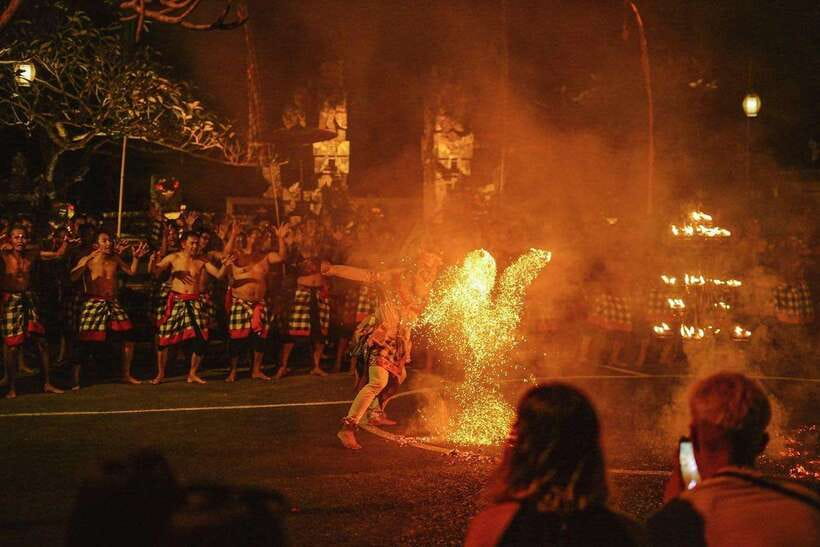
- No instruments, just chanting: the rhythm is made by the crowd of male vocalists.
- Ramayana storytelling through performance: the dalang leads the drama with shifting energy.
- A tempo that builds: the chants start slow, then accelerate into a trance-like intensity.
- Fire dance finale: the flames land near the end and are the big visual payoff.
- Multiple Ubud venues: you’ll want to confirm the exact temple site for your ticket option.
- Arrive early for seating: some seats are less comfortable, so earlier matters.
What the Kecak Chant Show Is Really About
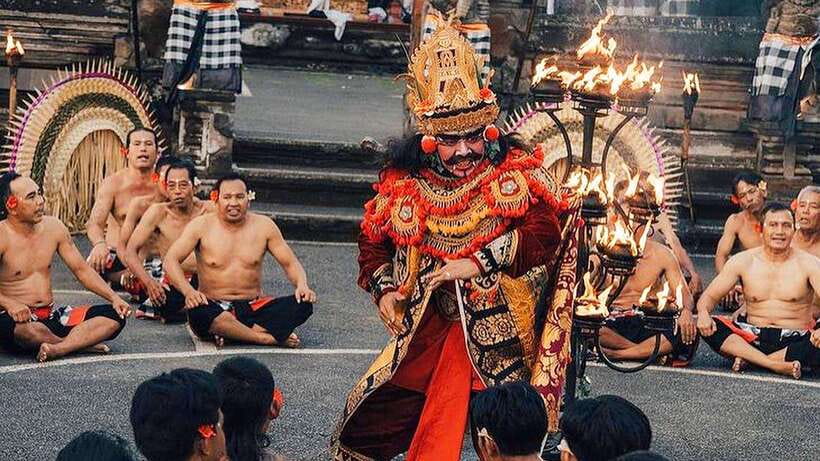
The Ubud Kecak and Fire Dance show is built around one very specific idea: the story comes from voice, rhythm, and synchronized movement, not from drums or a live instrument lineup. That’s what makes it feel unusual if you’re used to Western-style theater or concert soundtracks.
The performance centers on the Ramayana epic. You’ll see the drama staged through the dancers’ gestures and the way the group chants evolves over time. The mood rises as the rhythm tightens, and then it relaxes again as narration shifts the scene—so even if you don’t catch every word, you can still feel where the story is going.
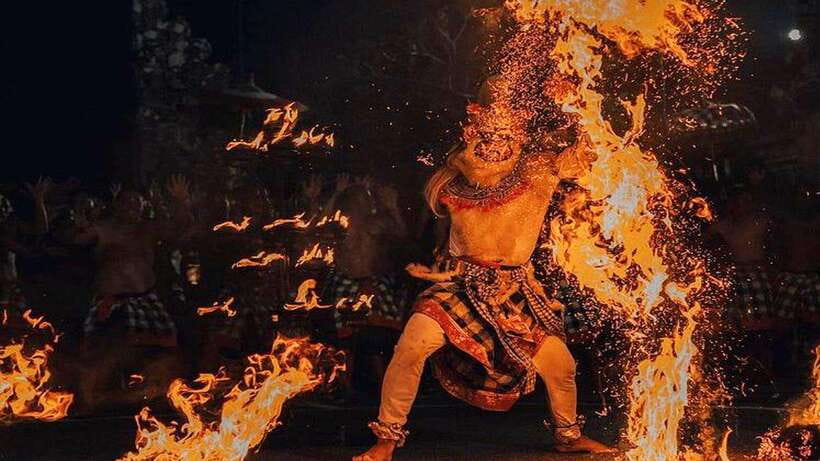
And then there’s the fire segment. It’s not just a random spectacle; it’s the final punctuation that most people remember most vividly—especially because the chanting builds up tension first, so the flames feel earned rather than tacked on.
You can also read our reviews of more tours and experiences in Ubud.



The Temple Setting in Ubud and Why Timing Matters
This show runs in the Ubud area at a temple, in an open-air setup. That matters for two reasons: the atmosphere at dusk, and the fact that weather can change fast.
The schedule is consistent: the venue stage gate opens from 18:00 to 19:30, and the Kecak show starts at 19:00. Your ticket experience is tied to that timing, so show up early. A solid rule is to arrive at least 30 minutes before the performance for the best seats and to avoid rushing while everyone else is filing in.
Even in rainy season, the show can still happen. In some situations, if storms roll in, the performance may move under cover. That’s a comfort for you, but it’s also a reminder that the outdoor part of the experience depends on the evening.
Seats, Sightlines, and How to Avoid Getting Stuck Uncomfortably
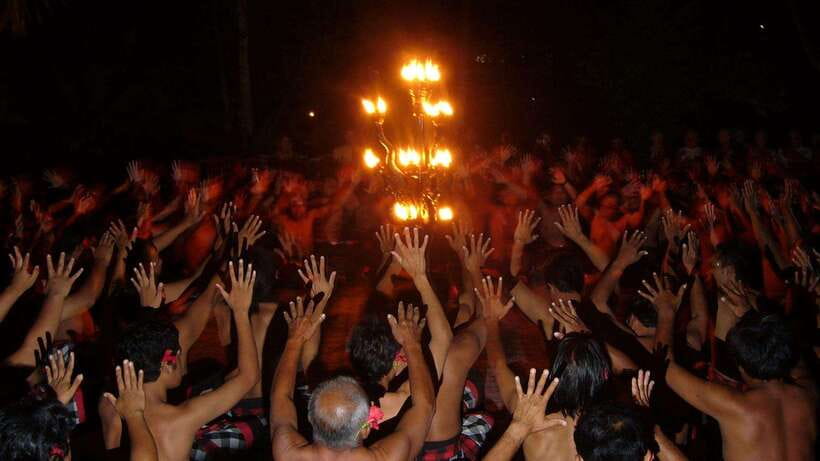
Seating is the one “practical reality” section people talk about most. Some viewpoints are better than others, and some benches or platforms can feel tough for an hour.
Here’s how to stack the odds in your favor:
- Go early for front-facing sightlines. When you sit closer and more centered, you’re more likely to catch key actions and facial expressions.
- If you can choose, aim for the best direct view of the performance area rather than the most convenient entrance route.
- Bring the right clothes, because you’ll feel the evening air. A light jacket or shawl helps a lot.
One small tactical tip: if the venue has elevated seating or platforms, earlier arrival can help you get a spot that reduces head-blocking. People also mention that the view can be improved from certain positions, with a bit of breeze if you get placed on higher stands.
The Rhythm Engine: Voices, Chants, and the Slow-to-Fast Build
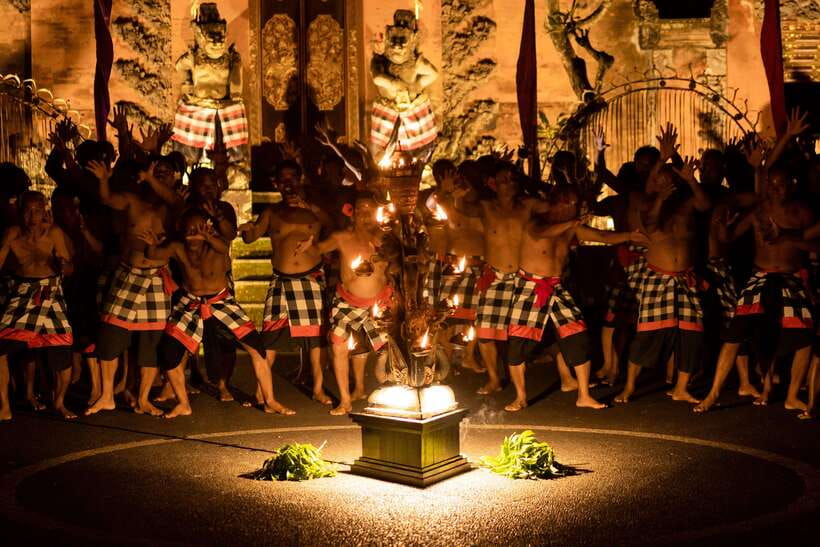
The heart of Kecak is the chant structure. Unlike shows where music carries the pulse, here the rhythm comes from the performers’ voices and chants. The group starts slowly, then the tempo grows. That rising speed is a key part of why the show can feel hypnotic.
As the pace increases, the performance style becomes more trance-like. The story is carried through synchronized movements, recurring vocal patterns, and the way characters appear to respond to what’s being chanted.
The dalang-style narration also shifts the tone—so the performance isn’t just chanting and dancing. It’s theater with a strong ritual backbone. The chant works like an emotional soundtrack, even if the words aren’t fully translated.
If you’re bringing kids, this is one of the best parts: the human energy does the talking. Younger people often react to the repetition, the group sound, and the big visual cues more than the plot details.
The Fire Dance Ending: What You Should Expect
The fire dance happens at the end of the show. It’s typically the visual climax, and many people remember it as the moment when the performance becomes unforgettable.
What’s important for your expectations: if you’re thinking the fire is the entire experience, you may feel slightly underwhelmed. In practice, the fire works best as a finale that pays off the tension built by chanting and story action earlier.
Plan for photos the right way. Photography is usually allowed, but using flash can disturb performers and break the mood. If you’re photographing, aim for steady light and keep flash off. A camera you can hold comfortably for an hour is a practical pick because you’ll want shots without constantly changing your seating position.





What to Wear and Bring (and What to Leave Behind)
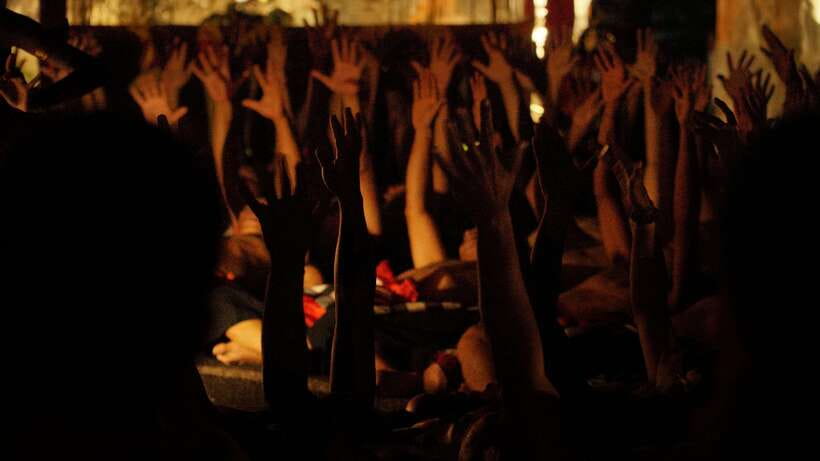
This show is one hour long, but you’ll be outside for at least part of that time, and you’ll be seated before it starts.
Bring:
- Comfortable shoes (you’ll likely walk on uneven temple surfaces)
- A camera (flash off)
- Comfortable clothing that fits an outdoor evening
- A light layer for cool air after sunset
Dress modestly. It’s a temple setting, so you’ll feel better if your clothes respect that atmosphere.
Also bring insect repellent. Even when the performance is perfect, bugs and humid evenings are part of Bali reality.
Don’t bring:
- Pets (assistance dogs are allowed)
- Luggage or large bags
And please follow the noise rules. Making noise isn’t allowed, and it’s not hard to respect that—just silence your phone and keep things quiet while the chant is building.
Tickets, Value, and How to Think About the Price
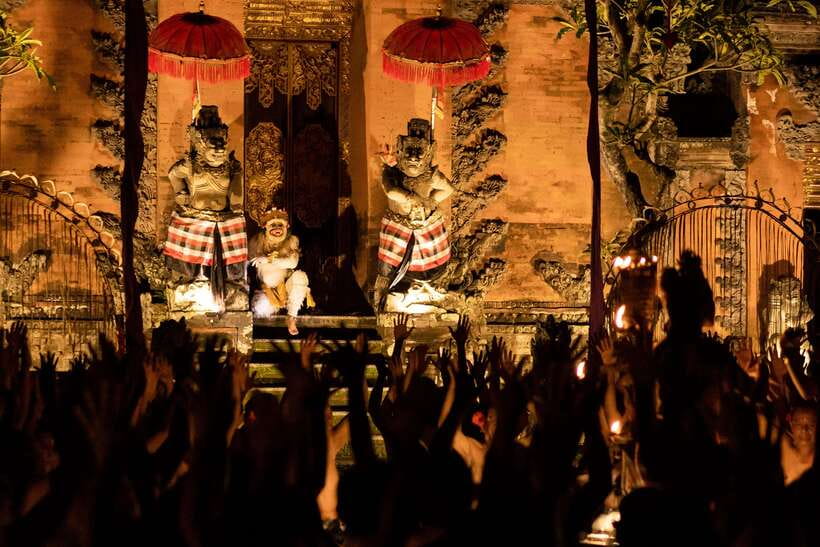
At about $6 per person, this is one of the more affordable “big evening” cultural activities in Ubud. The value comes from two things you actually feel during the show: the performance is tightly timed, and the core feature—the Kecak chant without instruments—needs no extras to work.
Your ticket typically includes:
- Entry ticket to the temple
- The Kecak and Fire Dance show ticket
What you should plan for separately: food and beverages aren’t included. That said, some venues may have simple snacks and drinks you can purchase, so you’re not stuck hunting for a meal right after.
Also, the ticket is useful if you want to skip lines and enter efficiently. If you’re already on a tight schedule in Ubud, this kind of timed access helps.
Where the Venue Can Change Your Experience
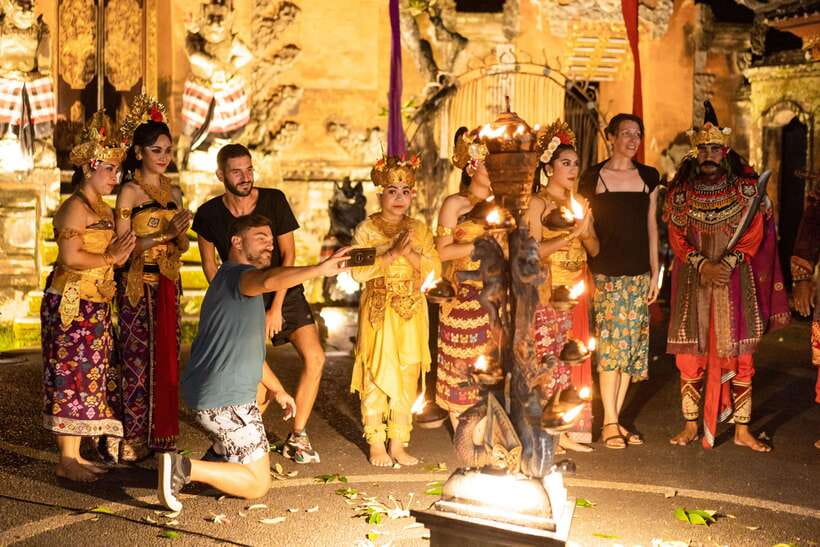
One thing that can surprise people: Kecak performances in Ubud are held at different venues. Your ticket option points you to a specific location, so double-check the exact temple site assigned to your booking.
Why that matters:
- Some locations are near busier roads, and traffic noise can affect your immersion.
- Other venues may feel calmer and more enclosed, depending on layout.
If you’re the type who wants maximum focus on the chanting, arrive early and pick a spot that helps block out distractions. If your venue is noisier, the good news is that the chant group is loud enough to keep you engaged even when the outside world intrudes.
Who This Show Suits Best
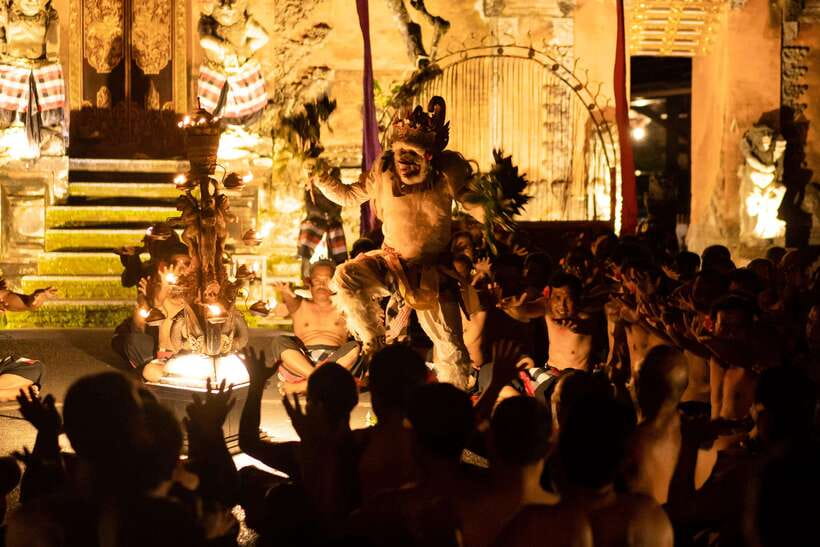
This show fits a wide range of people:
- Families: it works for kids because the performance is visual and the group chanting holds attention.
- People who want authentic Balinese Hindu performance: the ritual feel is part of the point.
- First-time Bali culture seekers who don’t want a full-day commitment: one hour is manageable after dinner plans.
It’s also wheelchair accessible, so if mobility is a concern, you should still be able to attend. Just note that some venues can have uneven ground typical of temple areas.
Not suitable for babies under 1 year.
Should You Book the Ubud Kecak and Fire Dance Show?
I’d book this if you want a Bali night activity that’s different from the usual dance-for-tourists lineup. The no-instruments Kecak chant, the Ramayana drama structure, and the energy build-up are exactly the kind of cultural performance you can’t really recreate on your own.
I’d think twice if your #1 goal is comfort above all else. Seating can be a bit tough, and outdoor conditions plus possible traffic noise at certain venues can reduce the quiet “ritual” feeling.
If you can, choose a good seat by arriving early, dress modestly with a light layer, skip flash photos, and give the chanting time to build. Do that, and you’ll have a genuinely memorable Ubud evening for very little money.
FAQ
Where is the Ubud Kecak and Fire Dance show held?
It’s held in the Ubud area at a temple setting. The exact venue can vary depending on the ticket option you book.
How long is the show?
The duration is listed as 1 hour.
What time does the performance start?
The gate is open from 18:00 to 19:30, and the Kecak Dance is scheduled to start at 19:00.
What is included in the ticket?
Your ticket includes entry to the temple plus a ticket for the Kecak and Fire Dance performance.
Is the show performed with musical instruments?
No. The performance does not use musical instruments; the rhythm comes from vocal chants and sounds made by the performers.
What should I bring (and what should I avoid)?
Bring comfortable shoes, a camera, and comfortable clothes suitable for an outdoor evening. It also helps to bring a light jacket or shawl. Avoid pets, luggage or large bags, and keep noise to a minimum during the show.