REVIEW · TOKYO
Tokyo: Samurai Sword & Archery Class from Samurai Descendant
Book on GetYourGuide →Operated by Toyama-Ryu BIZENKAI · Bookable on GetYourGuide
Swinging a katana in Tokyo is different. This hands-on class at Toyama-ryu Bizen-kai turns sword basics into real practice, taught by Yoshioki Sumida with Iai, gekken sparring, and target cutting.
I also like the way the lesson connects technique to tradition—Japanese swords, training etiquette, and hands-on archery—so it feels like you’re learning the craft, not collecting photos. The class is shared, but the max group size keeps the pace tight.
The main drawback: it’s not a soft, sit-and-watch activity. You’re doing a workout with correct form, so it may not suit every body—and it’s priced around $193 per person for a reason.
In This Review
- Key points I’d mark for your decision
- Step Inside Toyama-ryu Bizen-kai: what makes this dojo visit work
- The 3-hour flow: Iai, gekken, and why the order matters
- Arrival, training wear, and a short orientation
- Iai lesson: mock sword technique and blade-line awareness
- Gekken lesson: timing, defense, and sparring with a practice sword
- Cutting practice: the part that feels like a movie—until it gets real
- Horseback archery practice: what you’re actually learning with that longbow
- The samurai culture lecture: why swords, matchlocks, and tradition matter here
- Price and logistics: is $193 per person good value?
- What to bring, what to wear, and how to set yourself up
- What to bring
- What to expect for clothing
- Physical reality check (important)
- Handedness note
- Who this suits best: beginners, fans, and the “train not watch” crowd
- Should you book Samurai Sword & Archery Class from Samurai Descendant?
- FAQ
- How long is the class?
- Where is the meeting point in Tokyo?
- Is this a private lesson or a group class?
- What should I bring?
- Do I need prior martial arts or archery experience?
- Who should not participate?
Key points I’d mark for your decision
- Iai kata + mock sword practice so you start with the right handling and timing
- Gekken sparring and cutting drills using practice gear (with safety and form corrections)
- Horseback archery with a real longbow bow—a skill that’s easy to mess up, on purpose
- Toyama-ryu traditions in a real dojo (including a live-style demonstration of Toyama-ryu 7th grade)
- No tourist-trap vibe: you train like a student, not an audience member
Step Inside Toyama-ryu Bizen-kai: what makes this dojo visit work

Tokyo has plenty of samurai-themed classes. This one feels different because it’s run like training, not performance.
You meet at Toyama-ryu Bizen-kai (戸山流備前会 BIZENKAI), about a 10-minute walk from JR Machida Station. The dojo is on the third floor, so plan a little time to find it. The route is specific: use the stairs at the back, between the sword shop and the vending machines on the first floor, then head up to the third. Small details like that matter in Japan—show up a bit early so you’re not rushing in training gear.
The class size is capped at 15 people, and it’s a shared class. That’s a big deal. With fewer people, you tend to get more corrections. You also get a more consistent rhythm: lecture, then hands-on, then more hands-on. In other words, the 3 hours don’t melt into long waiting around.
The instructors are set up for both Japanese and English, and you’ll often hear basic English explanations during the training. In practice, you’re not handed vague directions. People who were brand-new to sword handling still got taught basic technique and moved forward step by step.
You can also read our reviews of more tours and experiences in Tokyo.


The 3-hour flow: Iai, gekken, and why the order matters
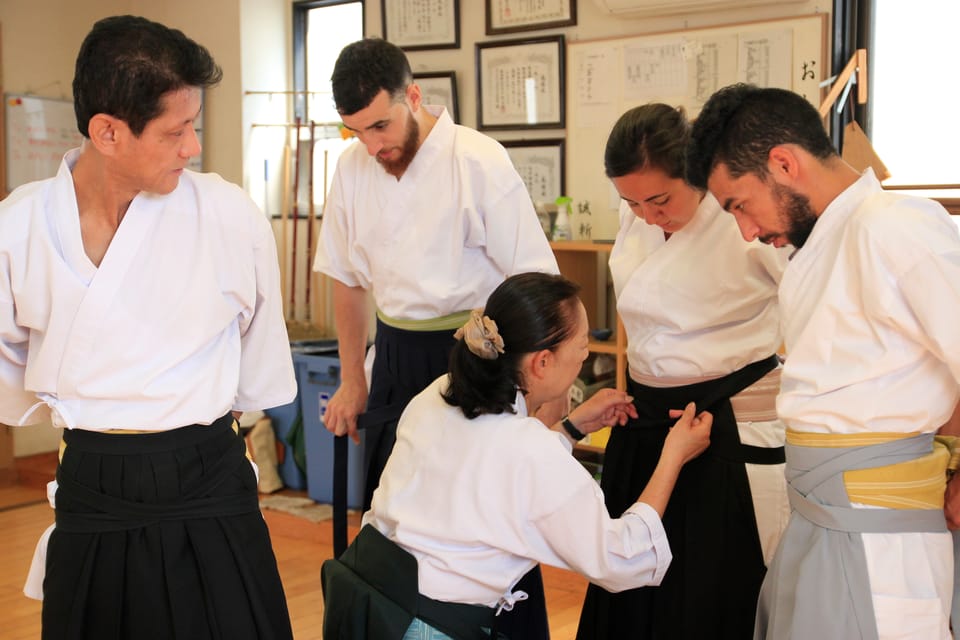
This experience is structured like a dojo lesson: you begin with form, then timing, then controlled intensity.
Arrival, training wear, and a short orientation
When you arrive, you change into provided practice uniform. The organizer asks for height and weight so they can fit you properly. That’s not just admin. If your uniform is wrong, your stance and movements feel off fast—especially when you start swinging.
You then get a short lecture before the physical portion. Expect talk focused on Japanese swords and how the training system is meant to be learned. This isn’t trivia you forget five minutes later. It helps you understand why instructors correct your posture, grip, and movement path.
Iai lesson: mock sword technique and blade-line awareness
The Iai section is where you learn the basics of handling and swinging the mock sword. Iai is about control—where your hands go, how your body loads, and how the strike happens with discipline, not flailing.
You’ll also do a check of the blade line. That’s one of those dojo details that sounds small until you try it. Your cut becomes easier to judge when you can understand the alignment rather than just “swing harder.”
A key theme here: instructors correct form repeatedly. That can feel strict in the moment, but it’s exactly what keeps the training safe and useful.
Gekken lesson: timing, defense, and sparring with a practice sword
Next comes gekken, where you focus on the back-and-forth reality of combat training: attack timing, defense timing, and safe sparring.
You practice with a practice sword, and you spar in a way that’s meant to teach you what timing feels like. Even if you’re new, you’re not just watching. You’re working through the mechanics and learning when to move and when to pause.
One reason this part stands out in the reviews is how the instruction stays calm and precise. The instructors are big on safety, and they also help you correct errors kindly—so you don’t feel embarrassed when your first attempts aren’t clean.






Cutting practice: the part that feels like a movie—until it gets real
By the time you slash multiple targets while moving, you understand why this class gets so many high ratings. Slashing while you’re moving isn’t natural. Your body wants to over-rotate. Your arms want to take over. Your timing fights you.
That’s the value: the lesson exposes what you’re doing wrong, then gives you the structure to do it right.
Horseback archery practice: what you’re actually learning with that longbow
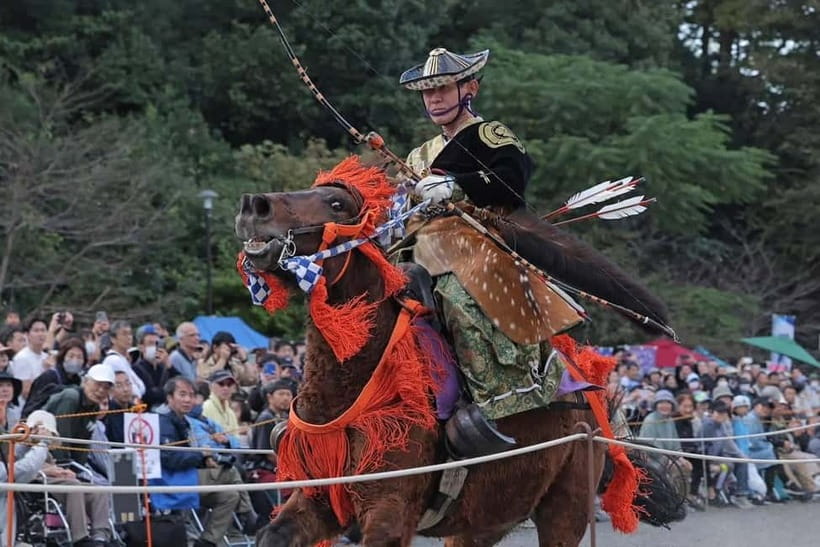
The archery segment is one of the most “wow” parts, especially because the class doesn’t treat it like a token add-on.
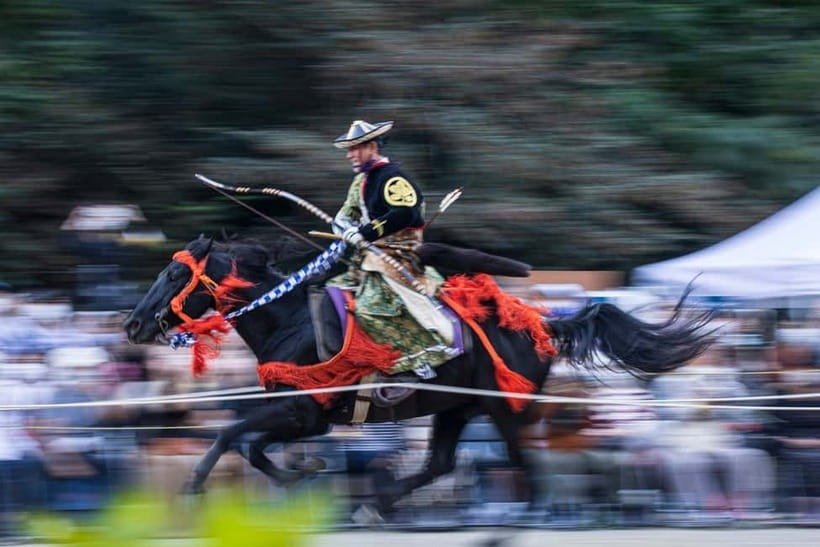
You try shooting arrows using a real horseback archery bow. That detail matters. A horseback archer bow isn’t just a standard target bow with a cute story. The technique is different, the release can be different, and the body mechanics matter more than people expect.
Also, the class doesn’t pretend you’ll master it in one go. The value is in learning the basics of Japanese-style horseback archery and feeling what makes it hard: stance, grip, draw, and how the arrow leaves the bow.
If you enjoy sports training and you like the idea of being challenged, you’ll likely love this. It’s one thing to watch archery on video. It’s another thing to line up, draw, and send an arrow while your body learns a new rhythm.
A practical note: if you’re filming, you might want a camera that works well at different focal lengths for the bow section. (If you’ve ever tried to film archery, you know how quickly you end up with shaky results.)
The samurai culture lecture: why swords, matchlocks, and tradition matter here
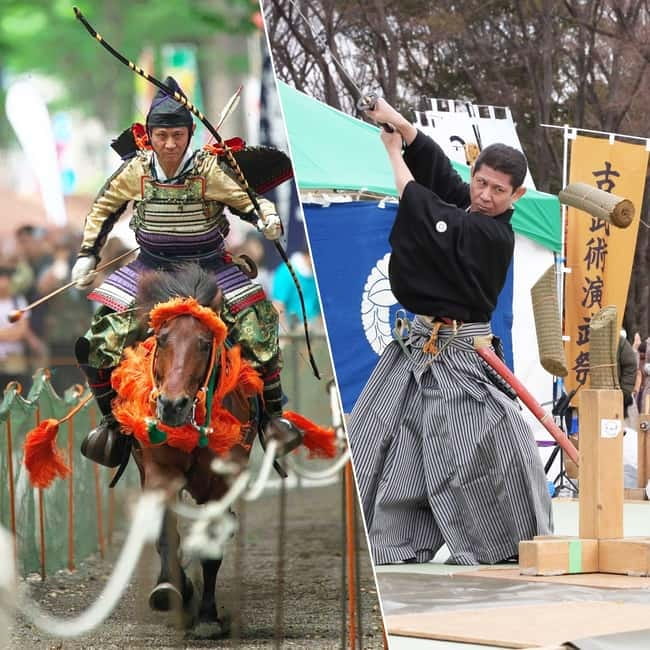
This class doesn’t just focus on motion. It gives context so the motion has meaning.
You’ll learn about Japanese swords and how samurai weapons changed over time. A few eras you’ll hear discussed:
- Over 1000 years ago, the bow was a main weapon
- Around 450 years ago, the matchlock gun became more powerful
- About 400 years ago, when civil war ended, the sword became more central
It’s a simple timeline, but it helps you interpret what you’re seeing. When the instructor talks about swordsmanship as a practice system, it makes more sense because you can place it in the shift from battlefield weapons.
There’s also mention of being able to hold an antique matchlock gun during the experience. That’s a rare touch. Even if you’ve studied Japanese history before, handling an object like that tends to make the story more physical.
You’ll also see a live demonstration connected to Toyama-ryu, specifically Toyama-ryu 7th grade. It’s not just a history slide. It’s presented as part of the training world.
And an important attitude point: the instructor frames the class as not entertainment for foreigners and not a tourist trap. In practice, it shows in the pacing and the seriousness of safety and technique.
Price and logistics: is $193 per person good value?
At about $193 per person for a 3-hour session, you should treat this as a specialty class, not a cheap add-on.
So is it worth it? Here’s how I judge value with experiences like this:
You’re paying for access to real instruction from someone trained in both sword and horseback archery. That combination is rare. You’re also getting hands-on practice: Iai, gekken sparring, target cutting, and archery with a real bow. Many “samurai experiences” give you a few swings and a photo. This one is structured so you actually work through technique.
Another value driver is the small group size (max 15). Smaller groups usually mean more corrections and less time waiting around.
The one cost to consider is travel friction. The dojo is near Machida, not in the central, tourist-heavy zones. Reviews also hint at planning for travel time. If you’re stacking activities in central Tokyo, be honest with your schedule.
Also note the “shared class” format. It can still feel personal because the cap is small, but you aren’t guaranteed a one-on-one lesson.
What to bring, what to wear, and how to set yourself up
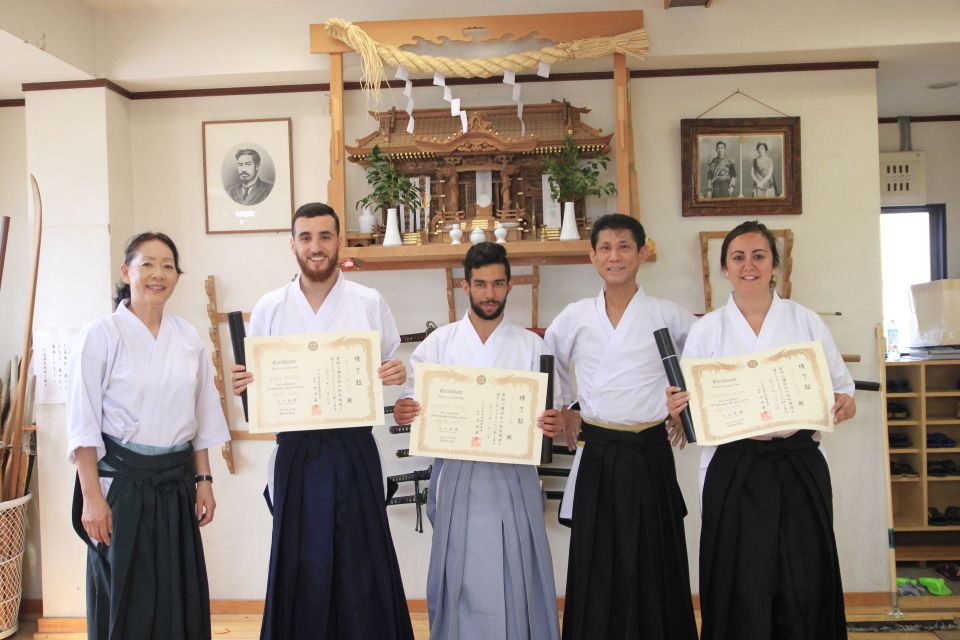
What to bring
Bring a camera and drinks. Alcohol and drugs aren’t allowed.
What to expect for clothing
Training wear is provided. Still, you’ll want comfortable basics on under it. You’re doing movements that require controlled stance, arm action, and walking steps while cutting.
Physical reality check (important)
This is not suitable for everyone. The experience lists these as not suitable:
- pregnant women
- people with back problems
- people with mobility impairments
- people with heart problems
- wheelchair users
- children under 18
- people with epilepsy
- visually impaired people
Even if you’re generally healthy, expect soreness the next day. Sword technique uses muscles you don’t train in daily life—plus archery takes forearm and shoulder control.
Handedness note
The class uses right-handed technique. If you’re left handed, you may need a little extra time to adjust, especially for archery. That doesn’t mean you can’t do it. It just means your first attempts might feel awkward before they feel right.
Who this suits best: beginners, fans, and the “train not watch” crowd
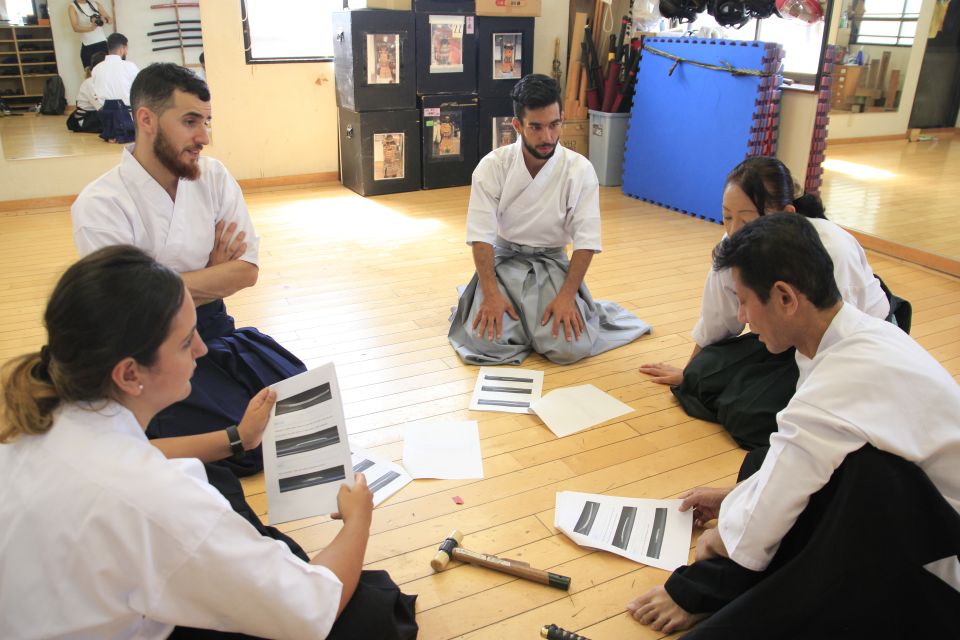
This class is a great fit if you:
- want something hands-on in Tokyo (not a photo stop)
- enjoy structured instruction and correction
- like Japanese martial arts culture and want real context
- are willing to do a workout with careful form
People who were brand-new to sword handling still found the instruction clear and supportive. The tone is serious about safety, but it’s not harsh for the sake of harshness.
It may not be for you if you:
- want a relaxed, entertainment-style experience
- have medical limits from the list above
- dislike physical practice or don’t want soreness afterward
And if you’re the type who gets excited when a teacher explains how not to do something so you can do it right, this dojo setup will feel made for you.
Should you book Samurai Sword & Archery Class from Samurai Descendant?
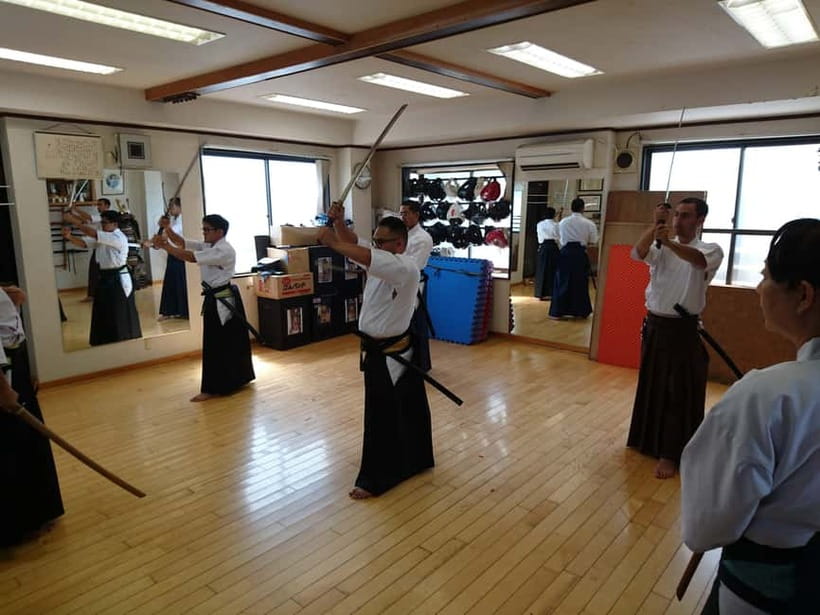
Book it if you want the real deal: Iai basics, gekken sparring, target cutting while moving, and horseback archery with a real bow, all taught in a small dojo setting by Yoshioki Sumida and team.
Skip it if you’re mainly after a low-effort, sit-and-watch attraction, or if any listed physical or health conditions apply. Also skip it if you don’t want to follow safety instructions and repeated form corrections—this is training, not a show.
If you’re on the fence, think about one question: do you want to learn a craft step-by-step, even when it’s hard the first time? If yes, this class is one of the most memorable ways to spend a few hours in Tokyo.
FAQ
How long is the class?
The experience runs about 3 hours.
Where is the meeting point in Tokyo?
Meet at Toyama-ryu Bizen-kai (戸山流備前会 BIZENKAI). It’s about a 10-minute walk from JR Machida Station. The dojo is on the third floor, reached by stairs at the back between the sword shop and the vending machines on the first floor.
Is this a private lesson or a group class?
It’s a shared class. The class size is capped at a maximum of 15 people.
What should I bring?
Bring a camera and drinks. The class does not allow alcohol or drugs.
Do I need prior martial arts or archery experience?
You can still join even if you’re new. The lesson includes basic sword handling, etiquette, and practice drills, taught in both Japanese and English.
Who should not participate?
The class is not suitable for pregnant women, people with back problems, mobility impairments, heart problems, wheelchair users, children under 18, people with epilepsy, or visually impaired people.