REVIEW · HONG KONG
Hong Kong: Dark Side of Hong Kong Caged Homes Walking Tour
Book on GetYourGuide →Operated by Hong Kong Free Tours · Bookable on GetYourGuide
One of Hong Kong’s real icons is a tiny room. This tour walks you past the postcard city and into Sham Shui Po, where land scarcity turns housing into a math problem and people pay the price. I like how it connects land policy to the everyday reality you can see—plus it teaches without turning poverty into entertainment. Guides like Stephen and Summer also set a respectful tone from minute one.
I also love the physical details: stepping into a small, staged look at caged homes and subdivided living spaces (including a 10 sq meter example) makes the issue hit harder than any statistic. The main drawback is simple: it’s emotionally heavy and involves walking through busy streets and staircases, so it may not feel good if you’re expecting only skyline views and light vibes.
In This Review
- Key highlights worth marking on your map
- Why Hong Kong’s housing story starts with land policy
- Meeting at Prince Edward MTR Exit D and setting expectations
- A quick secret stop that gives the housing math context
- Mong Kok streets: where the city’s contrast shows up fast
- Sham Shui Po: the neighborhood you learn to read
- Inside the subdivided flat: what 500 sq ft becomes
- Caged homes and the 100 sq ft reality check
- Rooftop slums: the skyline you only see from above
- The 10 sq meter unit: kitchen, bed, toilet, living—at once
- SoCo visit: shifting from viewing problems to asking solutions
- Price and timing: getting strong value from two hours
- Who should book this tour—and who should skip it
- Final verdict: should you book Dark Side of Hong Kong?
- FAQ
- Where is the meeting point for the tour?
- What time does the tour start and how long is it?
- How much does the tour cost?
- Is food included?
- Is hotel pick-up or drop-off included?
- Is the tour guided, and what language is it in?
- Does the tour visit poor neighborhoods?
- Is the tour suitable for limited mobility?
- What happens if weather is bad?
- What is the tour’s cancellation policy?
Key highlights worth marking on your map
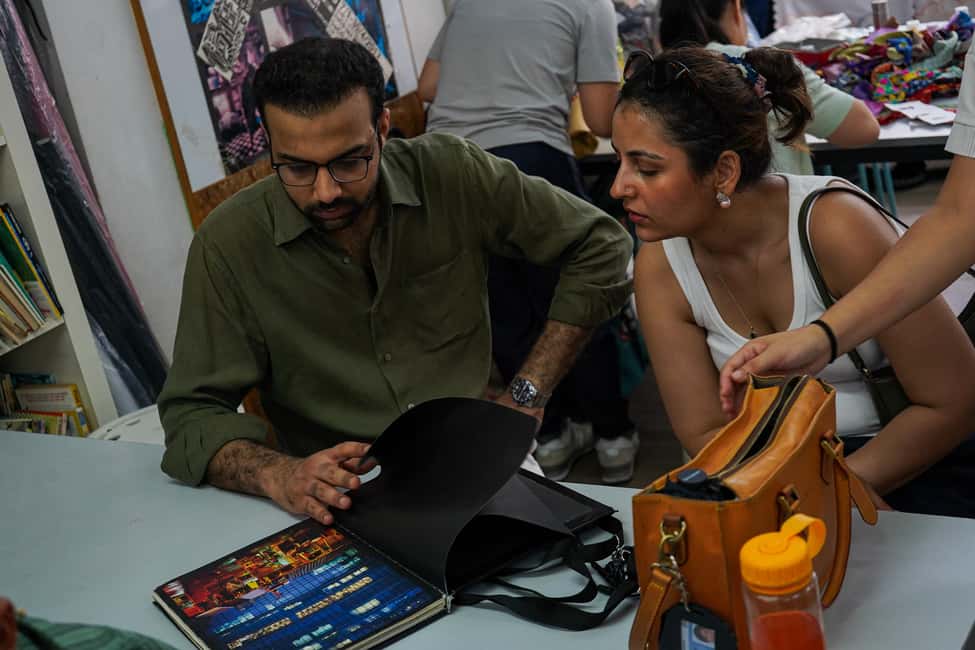
- Land scarcity explained in plain language, not as a textbook
- A 10 sq meter unit that bundles kitchen, bed, toilet, and living space
- Sample subdivided housing setups that help you picture daily routines
- Rooftop slums—the rare view that changes how you see the skyline
- SoCo’s 50 years of advocacy, shifting the focus toward solutions
Why Hong Kong’s housing story starts with land policy
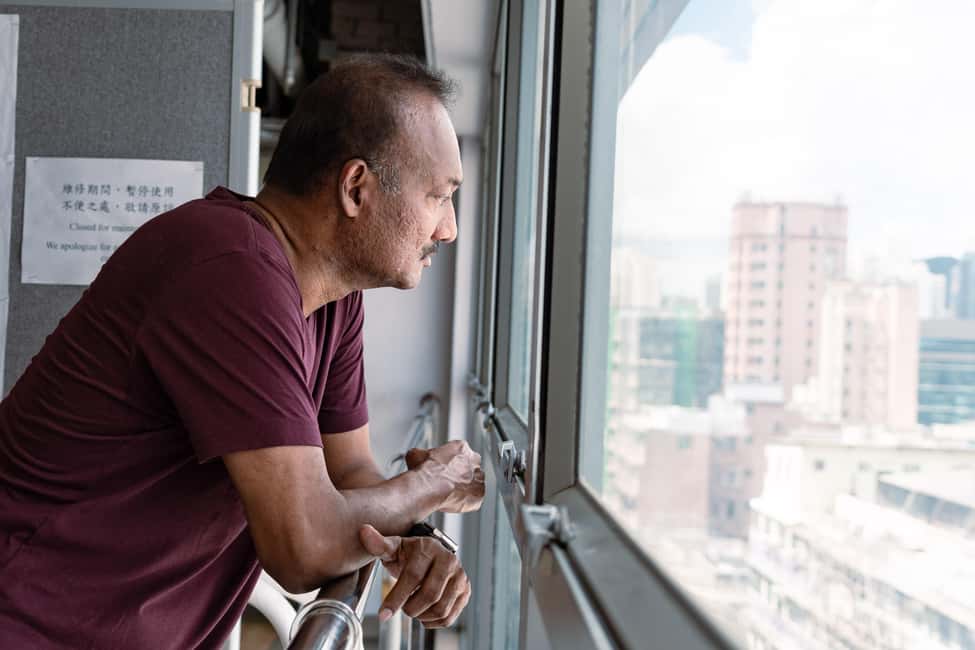
Hong Kong’s housing crisis isn’t just about greedy landlords or bad luck. It’s about how the city manages land, and what happens when there’s almost nowhere to build. On this tour, you’ll hear the logic laid out step-by-step: population growth meets strict land scarcity, and the result is extreme competition for space.
That matters for you because it changes the conversation. Instead of thinking, Why is this happening to them?, you start asking, How did the rules get written, and who benefits when space becomes a luxury? The tour is built to connect that cause-and-effect chain to what you’ll actually see—subdivided apartments, caged homes, and rooftop settlements.
And yes, the city still shines. But once you understand the “why,” even the gleam feels sharper around the edges.
You can also read our reviews of more tours and experiences in Hong Kong.



Meeting at Prince Edward MTR Exit D and setting expectations
You start at Prince Edward MTR Station, Exit D, inside the station. This is helpful if you’re arriving from central areas, because you don’t waste time searching streets with your first coffee-drenched brain.
Before the walk really gets going, the guide typically frames what you’re about to see. Guides such as Stephen are known for clearly setting expectations, and that’s a big deal here. The topic can be raw, and it’s better when you understand the tone in advance—respectful, factual, and focused on people rather than shock.
This is a walking tour, so plan for steady movement on busy streets and older buildings with staircases. Comfortable shoes are a must. If stairs are a problem for you, this one might feel like an endurance test instead of an educational experience.
A quick secret stop that gives the housing math context
There’s a short “secret stop” early on (about 10 minutes). Even without knowing the exact location ahead of time, the purpose usually becomes clear: you get a snapshot of the housing system and why the areas you’re walking through can look so normal from the street while housing conditions behind doors are anything but normal.
Think of it as mental calibration. You don’t want to arrive in Sham Shui Po and only react to what you can see. You want to connect it to why it exists. That’s how the tour earns its emotional impact without feeling chaotic.
Mong Kok streets: where the city’s contrast shows up fast
Mong Kok is famous for shopping crowds and neon energy. Here, that same area becomes the “control group” for what comes next. You’ll move along backstreets where the rhythm of the neighborhood changes block by block, and you start noticing the edges of wealth and poverty sitting very close together.
This part of the walk is valuable because it puts you in the geography of the situation. Hong Kong’s extremes aren’t hidden in some far-off corner of the world; they appear in the spaces people walk past every day. The tour helps you build that street-level awareness, so when you later see subdivided flats or rooftop structures, your eyes don’t just register them as an oddity. They register them as housing choices shaped by policy and money.
Also, Mong Kok is a good reminder to keep your camera away for a moment and just look at how buildings fit into the streetscape. Space is the story here.
Sham Shui Po: the neighborhood you learn to read
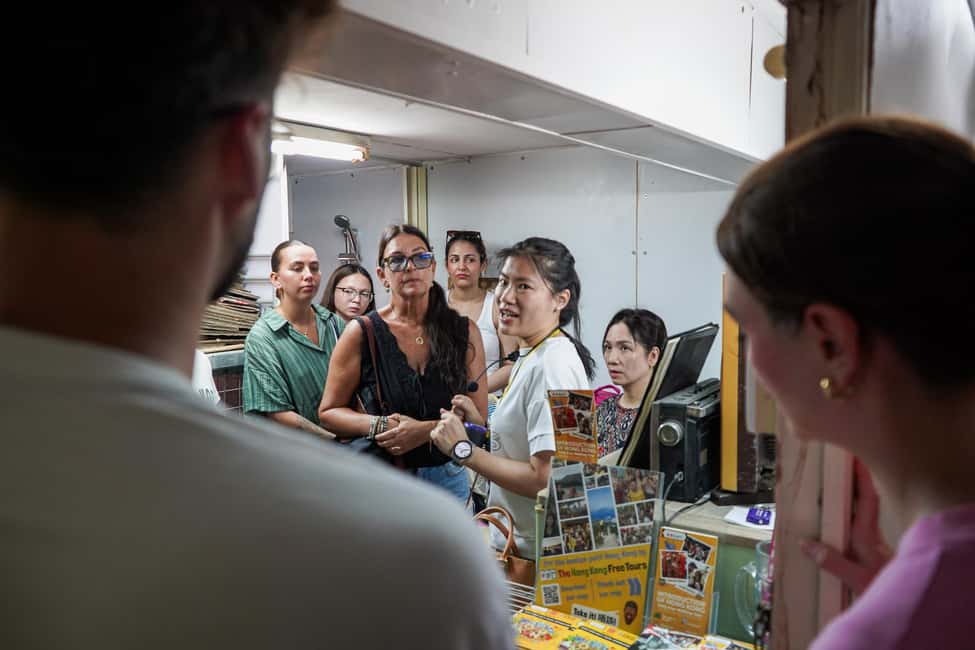
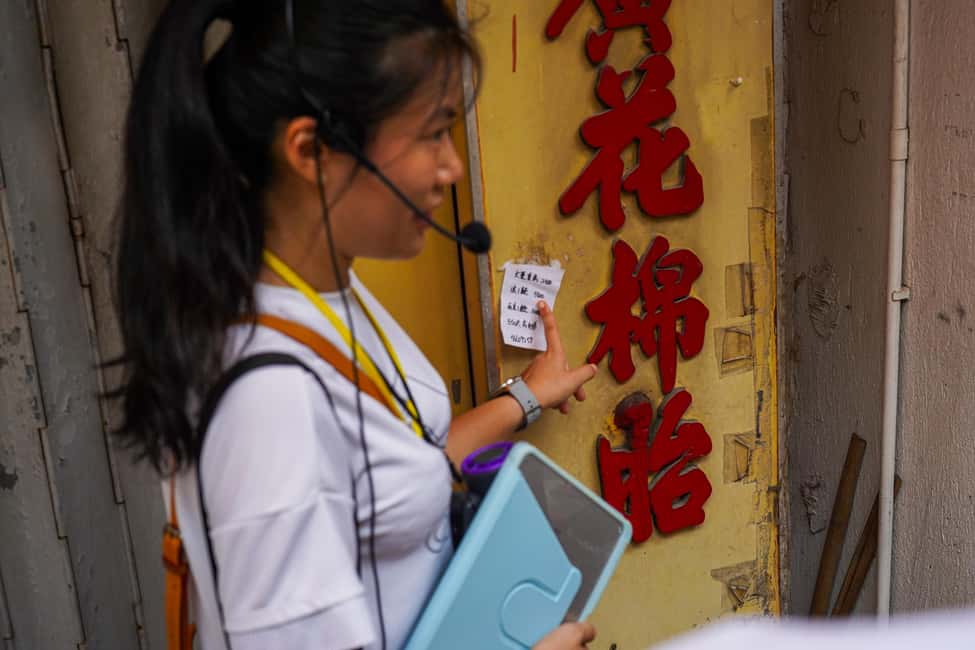
The tour centers on Sham Shui Po, one of the city’s poorer districts. This is where you slow down and start “reading” what you see: building layout, building age, how densely streets pack together, and where daily life can compress into tiny rooms.
You’re not just walking past poverty. You’re learning how it’s organized and sustained. The guide’s personal storytelling style—something you’ll hear described with guides like Michael, Wind, and Alice—often matters as much as the facts. When you hear someone connect their own life or observations to the housing market’s paradox, the topic turns from abstract to personal.
Here’s the key for you: keep your expectations honest. If you’re hoping for a purely visual experience, you’ll miss the point. The value is in understanding why 1.5 million residents live with poverty in a city known for wealth.

Inside the subdivided flat: what 500 sq ft becomes
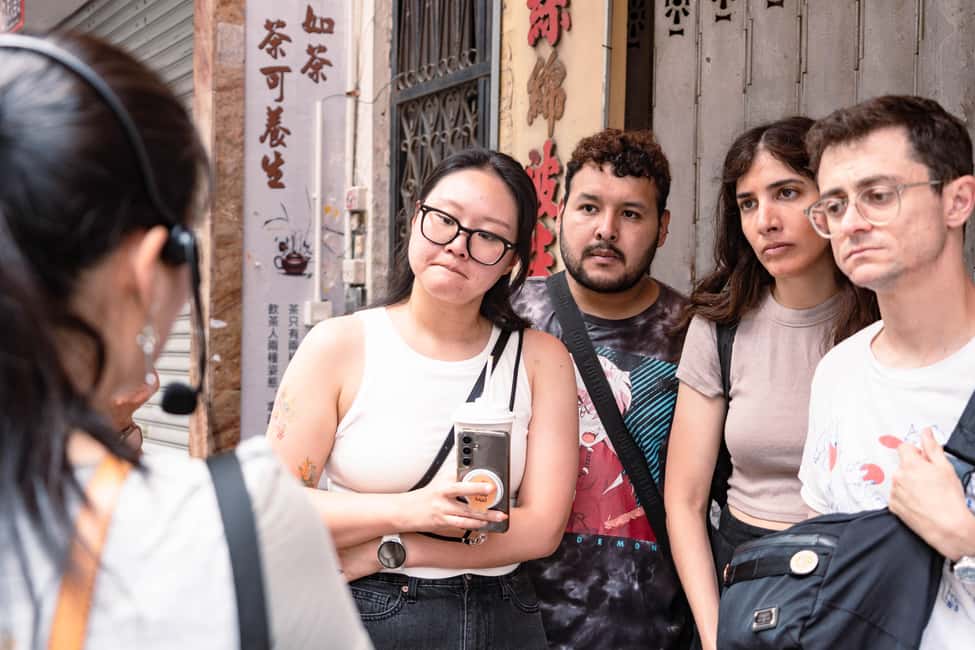
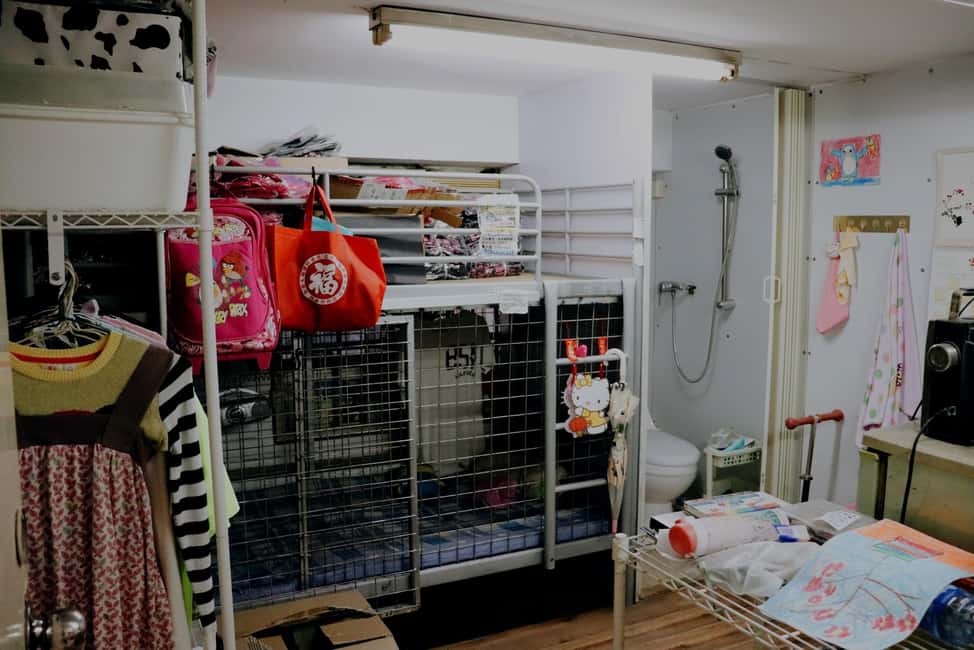
A major idea you’ll hear is how a typical apartment footprint gets chopped up into multiple tiny units. The tour explains how a roughly 500 sq ft space can be subdivided into several small homes, often described as five units.
That’s not just a real estate trick. It’s a daily-life change. When you compress kitchens, sleeping areas, and sanitation into separate micro-spaces, every routine gets smaller—and people adapt. You’ll get a guided look at what that means in practice.
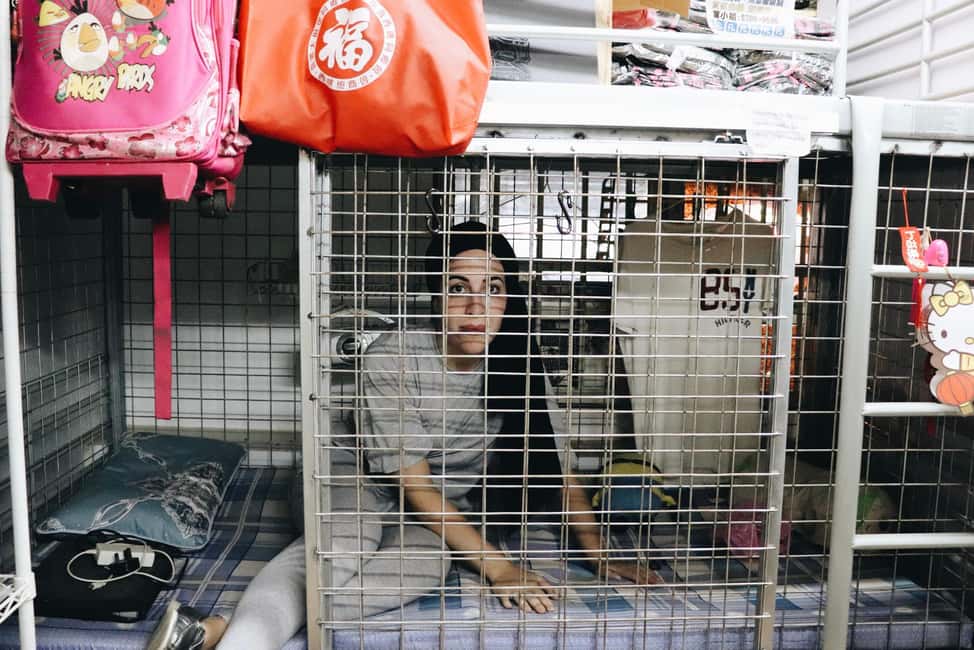
The tour’s setup often includes staged viewing—like a sample subdivided flat space that lets you understand layout without intruding on anyone’s privacy. That matters. You should be able to learn from the space without treating someone’s hardship like a photo opportunity.
Caged homes and the 100 sq ft reality check
One of the most striking parts of the experience is learning about caged homes. These are metal enclosures used as full living quarters for single residents, often tied to minimum-wage situations. The tour doesn’t just point at them; it explains the paradox of a global financial center that still produces extreme survival housing.
You’ll also spend time on a 100 sq ft subdivided flat scenario—how cooking, sleeping, and living get forced into a single cramped space. Even if you’ve seen housing crisis documentaries before, the “room-size” lesson hits differently when you’re standing in the layout (even in a staged, view-only format).
For you, this is where the tour earns its reputation for being thought-provoking rather than exploitative. Many guides in the program are praised for being sensitive to dignity—an important distinction. If the tour were only about shock, it wouldn’t sustain the conversation toward causes and possible solutions.
Rooftop slums: the skyline you only see from above

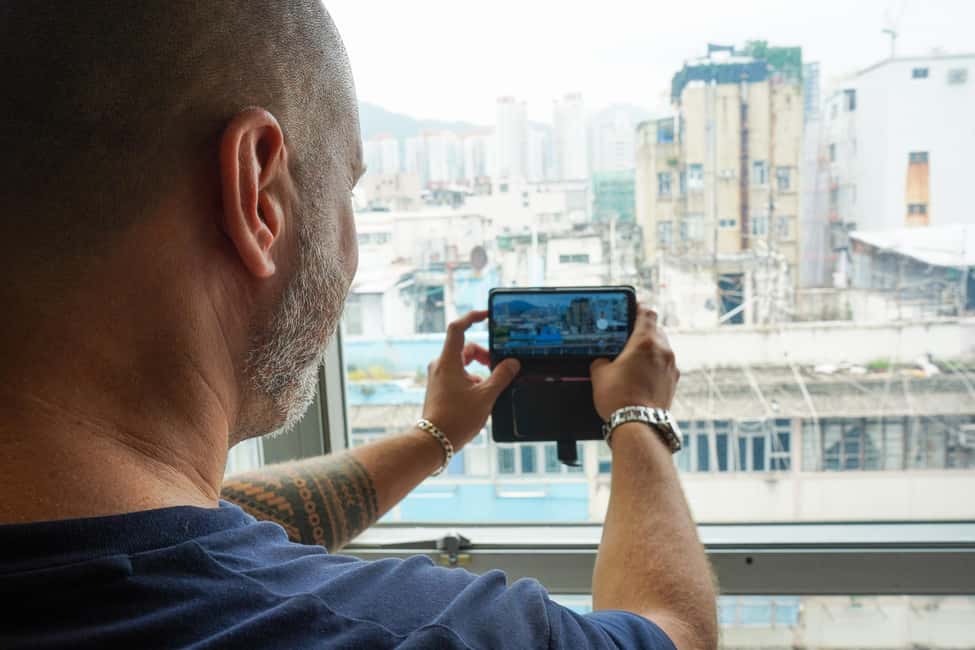
Then comes the part that changes your mental picture of Hong Kong. You’ll ascend to a rooftop slum, giving a rare view of hidden dwellings that many people only suspect from ground level.
This is one of the tour’s standout moments because it flips perspective. From many viewpoints, Hong Kong looks like polished towers and orderly streets. From above, the city’s housing reality extends past what’s meant to be photographed.
Practical note: this section can be weather-dependent and involves climbing. If you’re sensitive to heights, cramped stairs, or uneven footing, take it slow and tell the guide if you need extra care.
The 10 sq meter unit: kitchen, bed, toilet, living—at once
Another highlight is the chance to visit a 10 sq meter unit that combines multiple functions: kitchen, bed, toilet, and living space in a single compact footprint.
When people hear “tiny,” they often imagine minimalist design. But this isn’t that. It’s a housing survival model shaped by limited land, high costs, and demand that outpaces supply.
What you’ll likely take away is a new definition of “home.” For many locals, home is not a size or style choice—it’s a tradeoff that keeps them close to work, friends, services, and the ability to keep paying. The tour helps you see why people defend these spaces and why policy solutions need to tackle affordability in a real, enforceable way.
SoCo visit: shifting from viewing problems to asking solutions
The final element is a visit to SoCo, a charity that has advocated for marginalized communities for over 50 years. This stop is important because it prevents the tour from ending on despair.
You’ll talk with the charity about challenges and possible solutions, and you’ll leave with a deeper sense of how community organizations support people in the gaps left by market logic. Guides like Wind and Alice are often described as ending the experience with a respectful, human-centered focus on dignity—so your last impression isn’t just the hardest visual moment.
For you, that’s the sweet spot: learning the causes, seeing the consequences, then getting a practical path forward through advocacy.
Price and timing: getting strong value from two hours
The tour is priced at $31 per person and runs about 2 hours. That sounds simple, but value here comes from concentration. In a short walk, you get:
- a plain-language explanation of land and housing logic
- time spent in example living layouts
- a rooftop view that changes your mental model
- a charity stop that connects hardship to solutions
You also avoid the cost and time of hiring private transport just to reach less-touristy neighborhoods. The meeting point is easy to reach via MTR, and the tour is designed around walking between key learning zones.
Bring a little cash if you want to buy books or donate—some guides mention how credit cards might not be the best bet in small charity settings. Even if you don’t buy anything, the mindset is useful: this is a learning experience with real people behind it.
Also, it’s English-led. If your language comfort is good, you’ll likely be able to ask questions and keep up with the context.
Who should book this tour—and who should skip it
This is a strong fit if you want Hong Kong with edges. If you’re interested in economics, housing policy, or how a city functions beyond its marketing, you’ll get a lot out of the explanations and the street-level reality.
It’s also a good choice if you like stories with respect. Guides such as Michael are praised for being careful with the topic, and Stephen and Alice are often mentioned for clear teaching and thoughtful tone.
You might want to skip it if:
- you’re sensitive to heavy topics
- you need step-free routes or have mobility limitations
- you want an easy, casual sightseeing walk only
Even though the tour is only two hours, it can feel mentally intense. Think of it as education with feelings attached.
Final verdict: should you book Dark Side of Hong Kong?
Book it if you want to understand Hong Kong as more than a skyline. This tour gives you a cause-and-effect story—land policy to housing outcomes—and then backs it up with spaces you can actually picture. The SoCo stop helps you finish with something constructive, not just shock.
Skip it if your priority is light sightseeing or if stair-heavy walking won’t work for you. There’s no shame in choosing the experience that matches your energy.
If you do book: wear real shoes, keep your phone down during the serious parts, and watch how your perspective changes as the walk moves from bright streets to hidden rooms.
FAQ
Where is the meeting point for the tour?
You meet at Prince Edward MTR Station, Exit D, inside the station.
What time does the tour start and how long is it?
The tour duration is 2 hours. Starting times depend on availability.
How much does the tour cost?
The price is $31 per person.
Is food included?
No. Food and beverages are not included.
Is hotel pick-up or drop-off included?
No. Hotel pick-up and drop-off are not included.
Is the tour guided, and what language is it in?
Yes, it’s a live tour with a professional local guide, and it’s offered in English.
Does the tour visit poor neighborhoods?
Yes. The tour visits some of Hong Kong’s poorest neighborhoods to share authentic stories and realities.
Is the tour suitable for limited mobility?
It may not be suitable. It involves walking through busy streets, staircases, and older buildings.
What happens if weather is bad?
The tour is subject to weather conditions. If it’s canceled due to poor weather, you can choose to reschedule or receive a full refund.
What is the tour’s cancellation policy?
Free cancellation is available up to 24 hours in advance for a full refund.