REVIEW · ELLA SRI LANKA
Ella: Traditional Sri Lankan Cooking Class
Book on GetYourGuide →Operated by Ranjani · Bookable on GetYourGuide
Cooking Sri Lanka in Ella feels instantly personal. I like the hands-on, step-by-step teaching with host Ranjani, and I also love how the class connects spices to real flavor you can cook again later. You’ll sit down to your meal on banana leaves, a classic local touch that makes lunch or dinner feel extra grounded.
This isn’t a “private chef” setup. It’s a small group (up to 8), cooked in a shared kitchen space, so you should expect a bit of closeness around the main cooking area.
In This Review
- Key Highlights You’ll Care About
- Getting Oriented in Ella: Check-In and What Starts the Class
- The Kitchen Setup: Open-Air Cooking With Real Ventilation
- Who Is Teaching: Ranjani and Her Hands-On Style
- What You’ll Cook: The Sri Lankan Classics (and the Dishes That Keep Coming Up)
- The Step-By-Step Flow: From Ingredients to Curry Balance
- Banana-Leaf Meals: What’s Different About Eating This Way
- Shared Cooking Stations vs. Private Workstations
- Recipes on WhatsApp: The Real Reason This Class Can Pay Off Later
- Timing Reality: 2 Hours in Theory, a Little More in Practice
- Price and Value: Is $19 a Good Deal?
- Who This Cooking Class Suits Best
- Should You Book Ella’s Traditional Sri Lankan Cooking Class?
- FAQ
- What does the Ella cooking class include?
- How long is the cooking class?
- Where do I check in?
- What dishes will I learn to cook?
- How big is the group?
- What languages are used in the class?
- How do I get the recipes after the class?
Key Highlights You’ll Care About
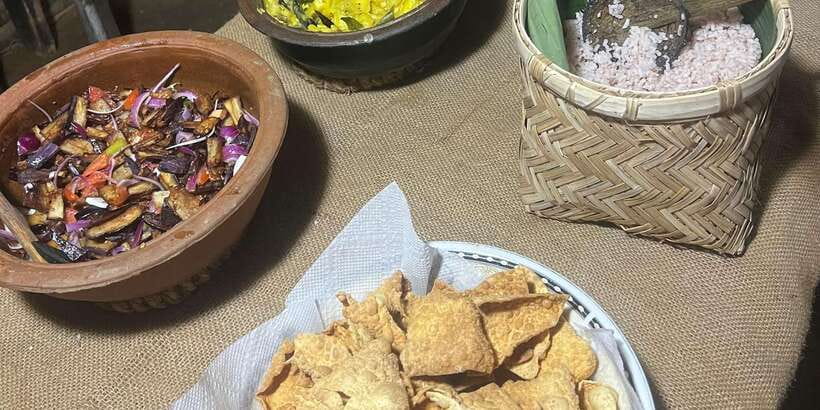
- Open-air kitchen setting: cook with better ventilation and a view of the greenery around Ella
- Ranjani’s spice + health explanations: ingredient benefits are taught alongside how to cook each step
- Signature Sri Lankan dishes on the menu: hoppers, rice and curry, string hoppers, and honey roti (plus curry and sambol-style dishes)
- Banana-leaf eating style: less fuss and more authenticity—eat the meal the Sri Lankan way
- WhatsApp recipes after class: you get a digital set of recipes to try at home
- Small group pace (max 8): enough interaction for questions without feeling like a crowd
Getting Oriented in Ella: Check-In and What Starts the Class
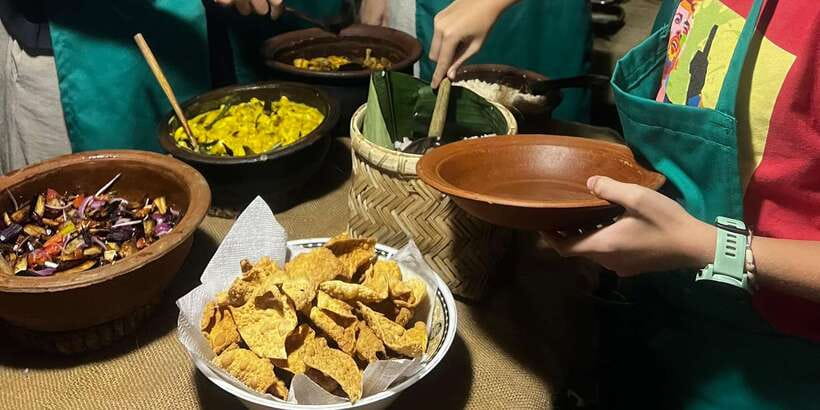
The experience starts with a simple check-in at the Chamathka Cooking Class meeting point. From there, you’re greeted by the instructor and brought into a kitchen area designed for real cooking—open to the air, so you’re not sealed in with steam the whole time.
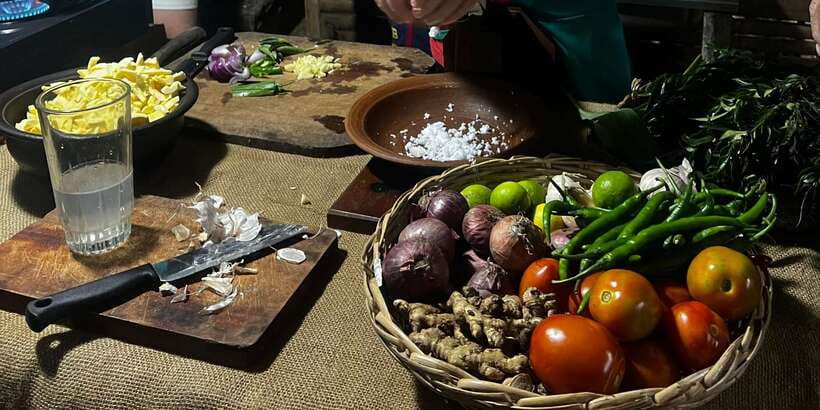
You’ll begin with an introduction to fresh ingredients. That matters more than it sounds. Sri Lankan cooking relies on specific spices, textures, and timing, and the class sets you up to understand what each ingredient is doing instead of just copying a recipe.
If you’re thinking about timing, the class typically runs at 11:00 AM and 5:00 PM. The provider can be flexible on the time if you contact them ahead of time, which is helpful in Ella, where plans can shift quickly with the weather.
You can also read our reviews of more tours and experiences in Ella Sri Lanka.
The Kitchen Setup: Open-Air Cooking With Real Ventilation
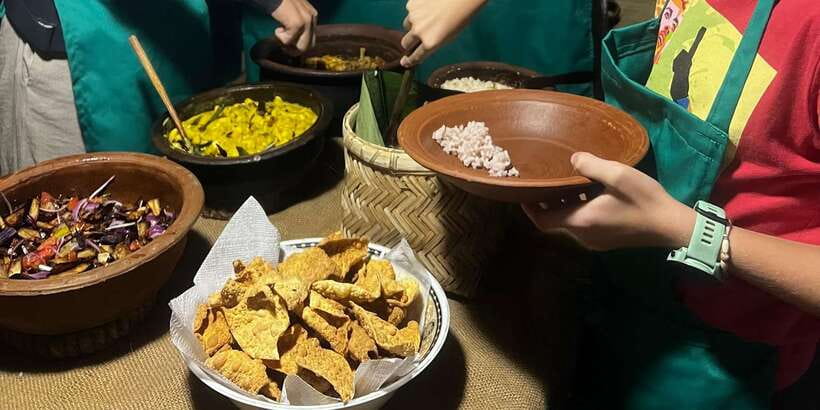
One of the best parts of this class is the kitchen style. You cook in an open-air setting, so you can feel the difference right away—less stuffy air, more natural airflow, and a more relaxed pace.
In a class like this, comfort matters because you’re standing, chopping, stirring, and tasting. The open-air setup also makes it easier to stay focused on what you’re doing, especially when you’re learning techniques that can’t be done half-blind.
Small group size is another factor. With a maximum of 8 participants, you’re not lost in the crowd. Still, the cooking happens in a shared space, so you should expect to work together around the main prep and cooking area.
Who Is Teaching: Ranjani and Her Hands-On Style
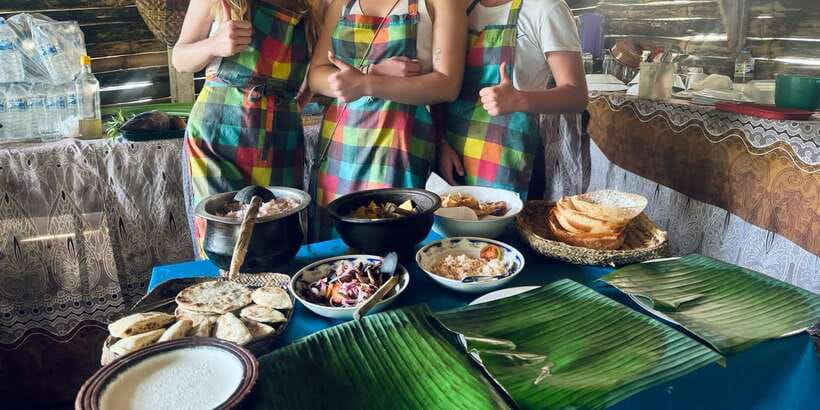
The instructor is Ranjani, and she teaches in English and Singhalese. You’ll usually get clear explanations that connect the food to practical kitchen decisions: what to toast, when to add, how to balance curry flavor, and why certain spices are used.
What I like about her approach is that it’s not only about the food tasting good. She also talks about ingredient health benefits and why certain herbs and spices show up again and again in Sri Lankan home cooking.
Also, you’ll often be encouraged to participate—chopping, mixing, seasoning, and taking turns with tasks. In practice, that makes the class feel like learning skills, not just watching someone cook.
What You’ll Cook: The Sri Lankan Classics (and the Dishes That Keep Coming Up)

The class is built around traditional Sri Lankan dishes. You may see a menu that includes hoppers, rice and curry, string hoppers, and honey roti—and depending on the flow of the day, the dishes you end up making can include curry-focused plates and sambol-style sides.
From the experience descriptions and what people consistently highlight, here are the dishes that show up often enough that you should assume you’ll learn something close to these:
- Hoppers: bowl-shaped pancakes that are all about batter consistency and heat control
- Rice and curry: the Sri Lankan comfort formula—spiced curry plus a balance of sides
- String hoppers: steamed noodle cakes that teach patience and technique
- Honey roti: sweet, spiced flatbread that shows how flavor can shift from savory curry worlds
- Coconut sambol / sambol-style sides: coconut with chili-lime-herb flavor that feels punchy and fresh
- Dhal curry: a test case for spice layering and how to build depth
- Papadam: crunchy add-on that completes the plate
I also like that some sessions teach side techniques that matter in home cooking, like making coconut milk and handling coconut preparation. Once you understand those basics, you can build other dishes with less guesswork.
The Step-By-Step Flow: From Ingredients to Curry Balance
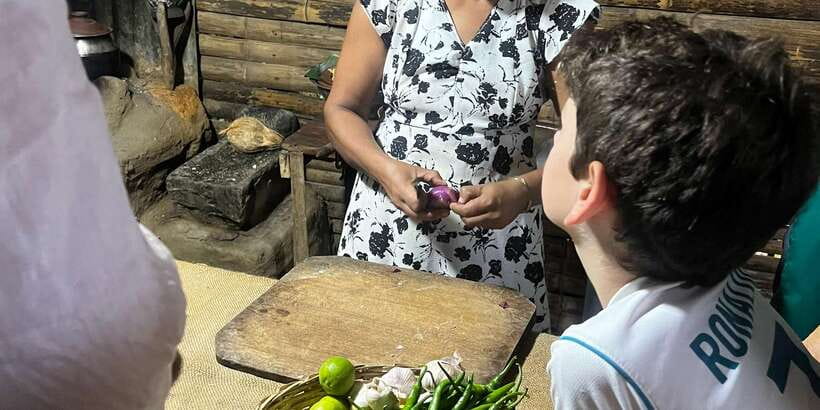
A typical rhythm looks like this: you start with ingredient introductions, then move through step-by-step instruction that’s paced for a small group. You’re not expected to be a trained chef. You’re expected to be present, learn a few repeatable techniques, and taste along the way.
Here’s what that learning sequence tends to feel like:
- You’ll work with fresh ingredients and learn what to look for as they change during cooking.
- You’ll season in stages, not all at once, which is where curry flavor becomes layered instead of just spicy.
- You’ll focus on correct texture—batter thickness for hoppers, sauce consistency for curry, and the right balance for sambol.
A big value point here is the connection between spices and decisions. When you hear why an ingredient is used—beyond just taste—you end up with a mental system you can reuse later.
If you have dietary needs, this is worth noting. Vegetarian and non-vegetarian options can be available, and there are cases where vegan participants could eat most dishes, with only one dish not suitable. My advice: tell Ranjani what you avoid ahead of time, and ask what can be adjusted on your menu.
Banana-Leaf Meals: What’s Different About Eating This Way
After cooking, you sit down to eat the meal you made. One of the most memorable parts is how you eat it: off banana leaves, the classic Sri Lankan style.
It’s more than a photo. Banana-leaf eating changes the whole feel of the meal:
- It feels casual and communal, more like a home dinner than a formal restaurant plate
- It keeps the meal service simple and fast once cooking is done
- It helps you taste everything in one go—curry, sambol, rice, and sides—without everything getting separated onto extra dishes
You’ll also get bottled water included, which is helpful after tasting and stirring for two-ish hours.
Shared Cooking Stations vs. Private Workstations
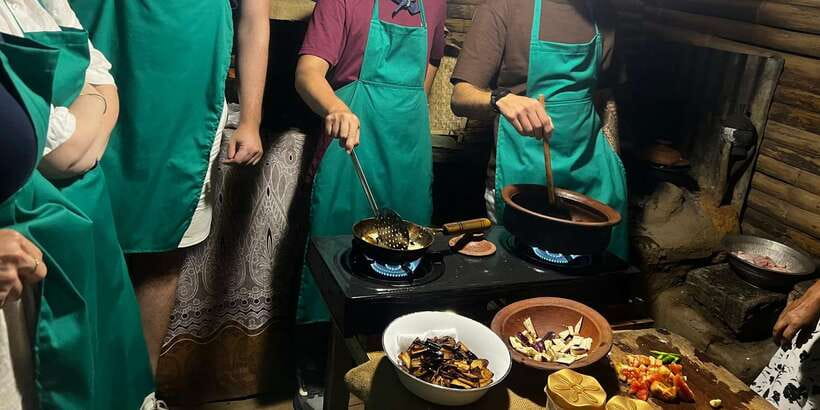
One consideration to keep in mind: this class can involve a shared station setup. Some participants describe how cooking happens together, with the instructor demonstrating key techniques while everyone takes turns helping.
That’s a trade-off. You get a lively group feel and shared learning, but you may not have your own workstation for every step. If you prefer one-on-one direction or want to cook entirely hands-off with your own assigned space, you might find the shared setup less satisfying.
On the flip side, if you enjoy interaction—passing items, taking turns, and learning by doing—the small group and shared method can be part of the fun.
Recipes on WhatsApp: The Real Reason This Class Can Pay Off Later
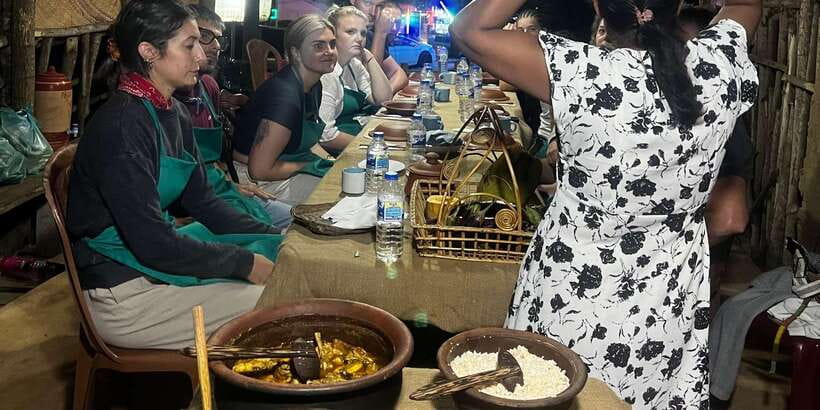
This is where the class gets practical. After you cook and eat, you receive recipes digitally through WhatsApp. That means you can re-create the dishes without trying to remember spice amounts from memory.
A few other details worth knowing:
- You should expect recipes to arrive after class, not as a printed take-home book in the middle of the session.
- If you prefer a more complete format, you might ask about getting a cook book PDF, since that has been mentioned as something available on request.
For me, the WhatsApp recipes are the difference between a fun evening and a skill you can use. You’ll cook more confidently later because you won’t be guessing what “the right texture” was.
Timing Reality: 2 Hours in Theory, a Little More in Practice
The duration is listed as 2 hours, and that’s often accurate for a straightforward sequence. But keep your schedule flexible. Some sessions can run longer, especially when there’s a lot of food to prep and serve or if the weather adds delays.
My practical suggestion for Ella: if someone is picking you up, leave a cushion. If you’re walking or planning dinner after, give yourself buffer time so you’re not rushing out right as you’re enjoying the meal.
Price and Value: Is $19 a Good Deal?
At $19 per person, the value here comes from what’s included, not just the headline price. For that amount, you get:
- An instructor (Ranjani) with English and Singhalese explanations
- Fresh ingredients
- The cooking class itself
- A full meal you cook
- Bottled water
What’s not included is transportation to the meeting point, so you’ll need your own plan to get there.
Is it “cheap”? In many places, cooking classes cost a lot more for less. Here, the meal inclusion is the big value driver. Even if you came mainly to eat, the class still gives you a credible route back to home cooking through step-by-step method and WhatsApp recipes.
For budget travelers in Ella, this is one of those activities that punches above its weight: you pay a reasonable amount, learn actual technique, and leave with food experience you can recreate.
Who This Cooking Class Suits Best
This experience fits you best if you want:
- A hands-on way to learn traditional Sri Lankan flavors in Ella
- A smaller group vibe (up to 8) where you can ask questions
- Real dishes like hoppers, curry, dhal, string hoppers, and honey roti
- Spice and ingredient explanations tied to cooking choices
It’s also a good option for rainy-day planning in Ella, since the open-air kitchen still feels structured and purposeful.
If you strongly dislike shared workspaces or want fully independent cooking stations, it may not match your style. But if you’re open to a group kitchen and learning through doing, you’ll likely enjoy the energy.
Should You Book Ella’s Traditional Sri Lankan Cooking Class?
I’d book it if you’re hungry for authentic technique, not just a meal. The combination of hands-on cooking, banana-leaf eating, and the WhatsApp recipe follow-up makes this feel like a skill-building evening you can carry home.
I’d think twice only if you want total privacy around your own workstation. The shared setup can feel close, especially if you’re sensitive to space. Also, if you’re on a tight schedule, give yourself buffer time beyond the stated 2 hours.
If you want one experience in Ella that’s both culturally grounded and practically useful, this one is hard to beat.
FAQ
What does the Ella cooking class include?
You get an instructor, fresh ingredients, the cooking class, a meal, and bottled water.
How long is the cooking class?
The class is listed as 2 hours.
Where do I check in?
You check in with staff at the Chamathka Cooking Class meeting point.
What dishes will I learn to cook?
The class can include traditional dishes such as hoppers, rice and curry, string hoppers, and honey roti, plus other curry and sambol-style dishes.
How big is the group?
It’s a small group limited to 8 participants.
What languages are used in the class?
The instructor teaches in English and Singhalese.
How do I get the recipes after the class?
Recipes are sent digitally through WhatsApp.