REVIEW · HONG KONG
Hong Kong: Street Food Tour with Locals – Dim Sum and Wonton
Book on GetYourGuide →Operated by Hong Kong Free Tours · Bookable on GetYourGuide
Tiny bites, big stories. This Hong Kong street food tour turns dim sum and wonton cravings into a quick history lesson, with stops in Sheung Wan’s real eating zones. I like how you get 10+ authentic bites across sweets, savory noodles, and classic tea-shop drinks, not just one type of food.
I also like that the guide doesn’t treat food like trivia. You learn why Hong Kong eats the way it does, including how tea gets strained and the local dining habits that make sharing meals feel natural. One possible drawback: it’s not suitable for vegetarians, and halal food isn’t provided.
In This Review
- Key Things You’ll Notice on This Dim Sum and Wonton Walk
- Sheung Wan Starts at Open Piazza, Then Food Takes Over
- Wing Lok Street: Dried Seafood Luxury Meets Real Neighborhood History
- Sheung Wan Cultural Square: The City’s Evolution Through What People Ate
- The Mystery Middle Stop: Another Tasting Phase, Another Skill
- Sun Yuen Restaurant: Where Noodles, Steaming, and Sharing Feel Natural
- Tea Time in Hong Kong: Silk-Stocking Milk Tea and Herbal Blends
- Queen’s Road Central: Char Siu, Dim Sum Classics, and Sweet Bites
- Dining Customs You’ll Actually Use After the Tour
- Central Market Finish: Your Last Bites and a Real Sense of Place
- How Good Value Works at $51 for 3 Hours
- What to Bring and What to Expect on Your Feet
- Should You Book This Dim Sum and Wonton Tour?
- FAQ
- What is the duration of the tour?
- Where does the tour start and where do I finish?
- Where should I meet using the MTR?
- How much food will I taste?
- Is the tour suitable for vegetarians or halal diets?
- Does the tour accommodate dietary restrictions?
- What should I bring and expect during the walk?
- What happens if poor weather cancels the tour?
Key Things You’ll Notice on This Dim Sum and Wonton Walk
- Sheung Wan backstreets with luxury dried seafood like shark fin, bird’s nest, and cordyceps
- Tea-stop storytelling, including the silk-stocking tea myth and how milk tea is strained
- Dim sum and wontons as a craft, from bamboo-steamed har gow to shrimp-stuffed folding
- You’ll likely skip dinner because the tastings are filling, not tiny samples
- Guides like Hody, Michael, Jasmine, and Stephen get praised for being fun, organized, and great with questions
Sheung Wan Starts at Open Piazza, Then Food Takes Over
You’ll begin at Open Piazza, then settle into a walk where the city’s food culture does most of the explaining. The early moments matter: you’re orienting yourself in Sheung Wan, the old-town Central area where Hong Kong’s trade and street-level life have long collided. You’ll also get a feel for the pace—this is a steady tasting route, not a sit-down meal tour.
From the start, you’re set up to eat in small, practical portions. That’s key in Hong Kong, where the best flavors are often in short stops: one counter, one steamer basket, one tea pot, then you move. It helps you try more variety without feeling like you swallowed a brick.
You can also read our reviews of more tours and experiences in Hong Kong.


Wing Lok Street: Dried Seafood Luxury Meets Real Neighborhood History
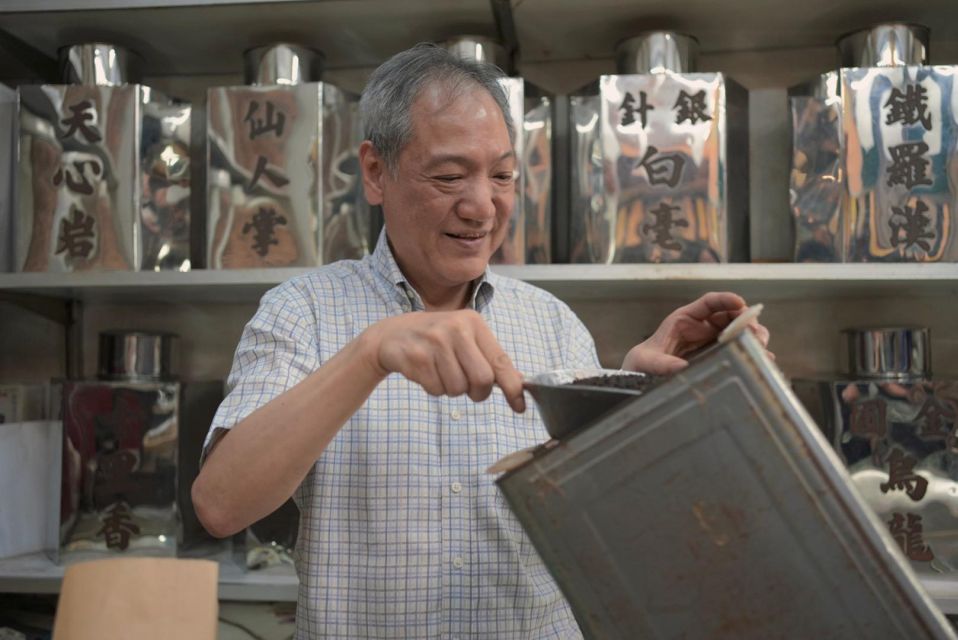
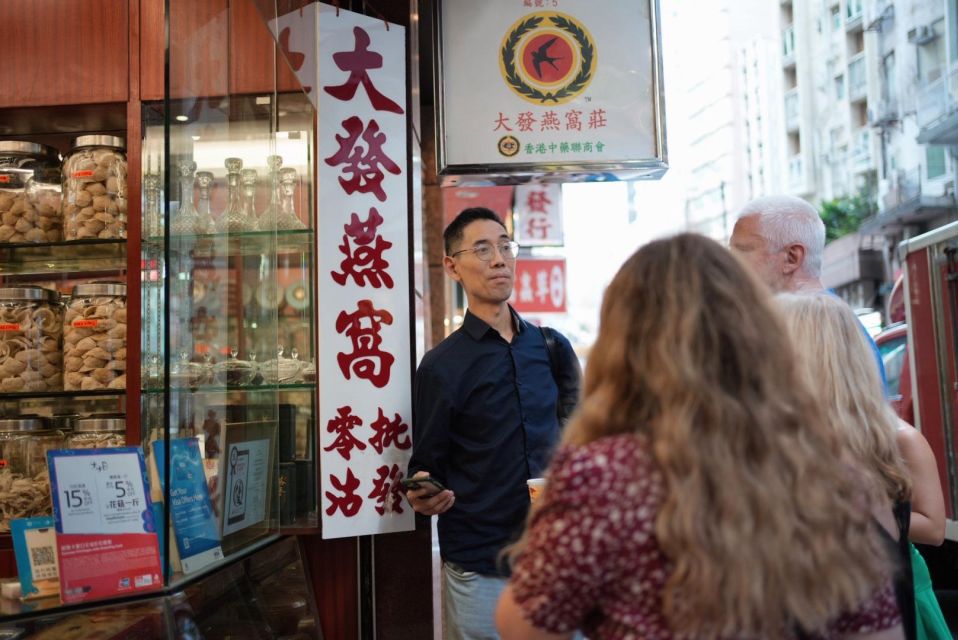
One of the most memorable areas is Wing Lok Street, known for dried seafood and high-end ingredients. This is where the tour connects food to trade—shark fin, bird’s nest, and rare cordyceps aren’t presented as random luxury items. You learn how those goods tied into Hong Kong’s older economic roots, including the city’s shift from opium-era trade to later labor and finance.
The stop is also visually fun in a very practical way. You get to see how people shop for these products and talk about why certain ingredients carry big price tags. The tour specifically mentions cordyceps priced around HKD 200,000 per catty, which puts the whole dried seafood economy in perspective.
Why this matters for you: it changes how you read the menu later. Instead of thinking you’re just buying food, you start understanding the supply chain behind it, and why Hong Kong’s food scene can feel both street-level and seriously global.
Sheung Wan Cultural Square: The City’s Evolution Through What People Ate
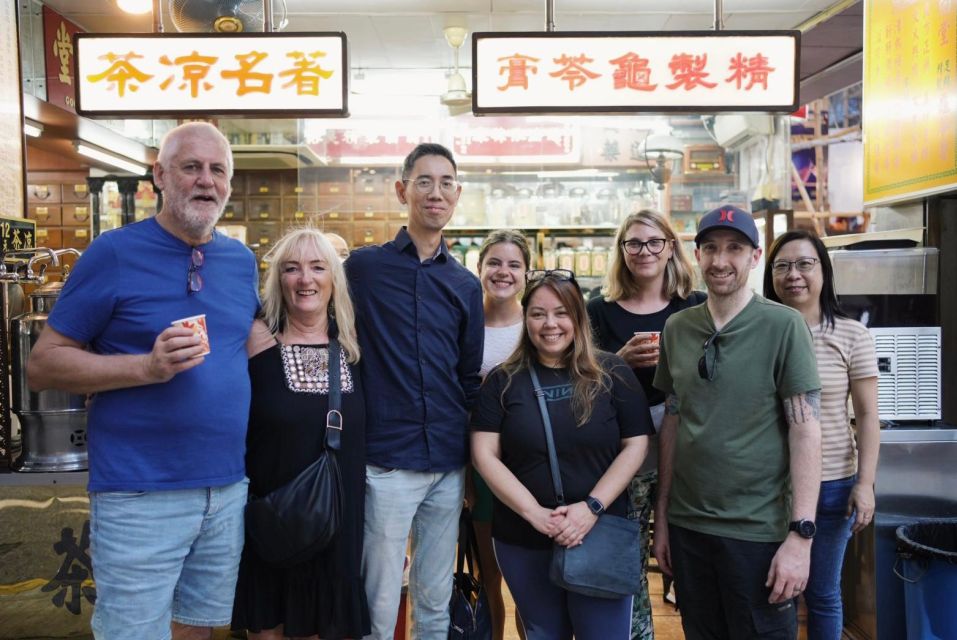
After Wing Lok Street, you move toward Sheung Wan Cultural Square, where you slow down for a short guided slice of local context. This is where the tour links the food you’re about to eat to the city’s broader story—trade routes, work patterns, and shifting neighborhoods. It’s the kind of history that doesn’t feel like a lecture because you’re still smelling food around you.
You’re also building a mental map. Sheung Wan isn’t only about food stalls; it’s about how old Central areas shaped daily life. When you then hit Cha Chaan Teng–style drinks and classic snacks later, the flavors make more sense because you know what kind of Hong Kong crowd those places were built for.
The Mystery Middle Stop: Another Tasting Phase, Another Skill
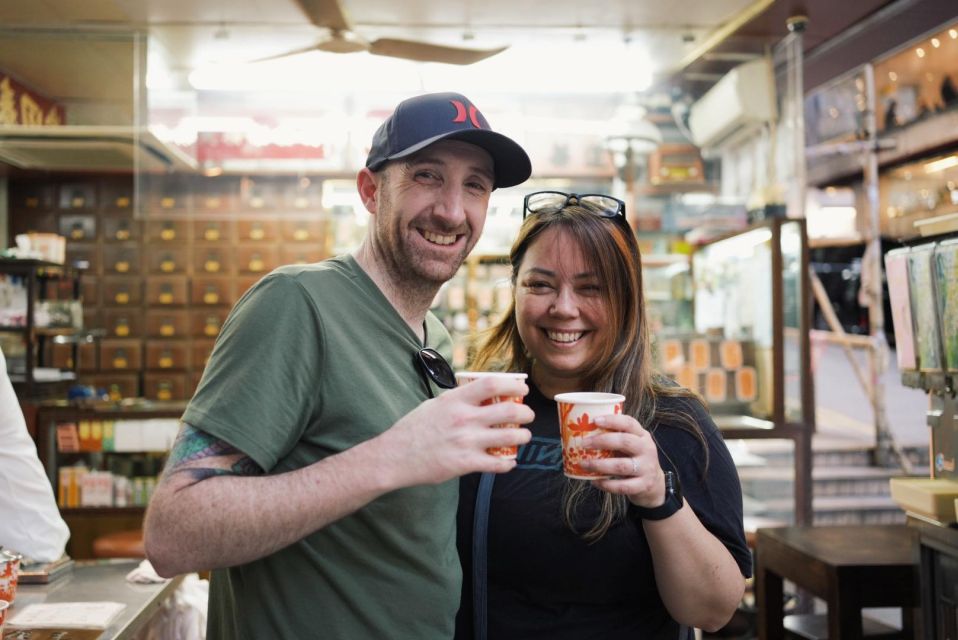
There’s a mid-route section where you get a guided tour with another tasting stop (the day’s exact offerings depend on what’s available). I like this structure because it keeps the route from feeling like repeat versions of the same thing.
Here’s what you can expect in spirit: a new pocket of locals eating, a different texture or style, and a chance to practice the tour’s dining lessons in a real setting. You’ll likely move between counter service and small restaurant formats, which is handy if you’re trying to learn how to order and share without stress.
This stop is a good reminder of one tour truth: food is local, and availability changes. The tour even notes that the final tasting list can shift based on what they can get that day, so your job is to stay flexible and let the guide steer.
Sun Yuen Restaurant: Where Noodles, Steaming, and Sharing Feel Natural
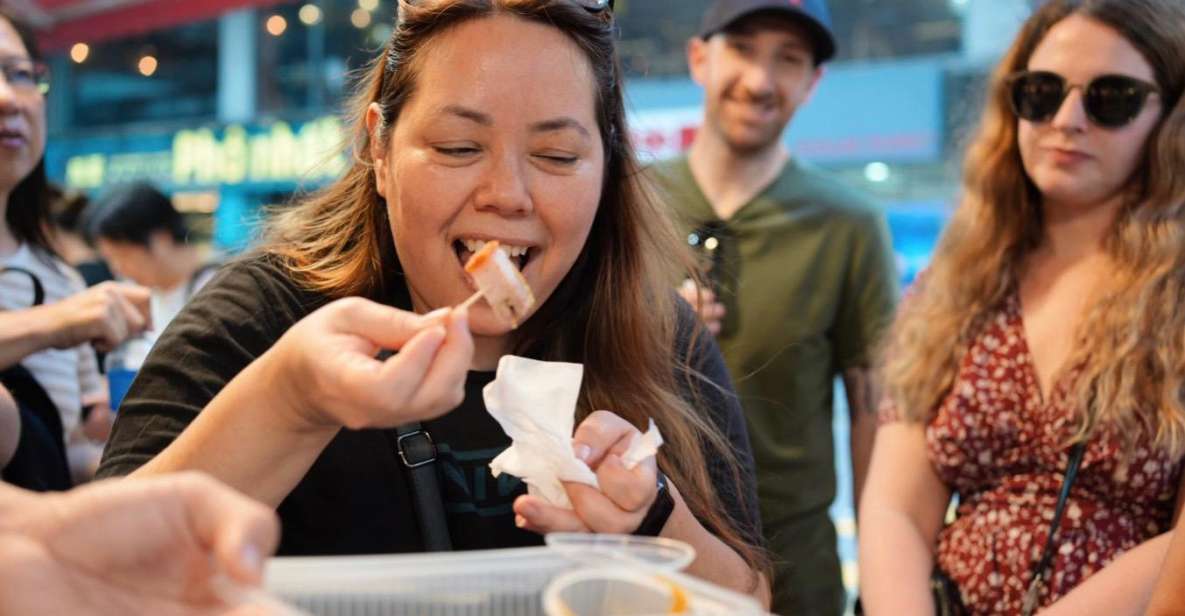
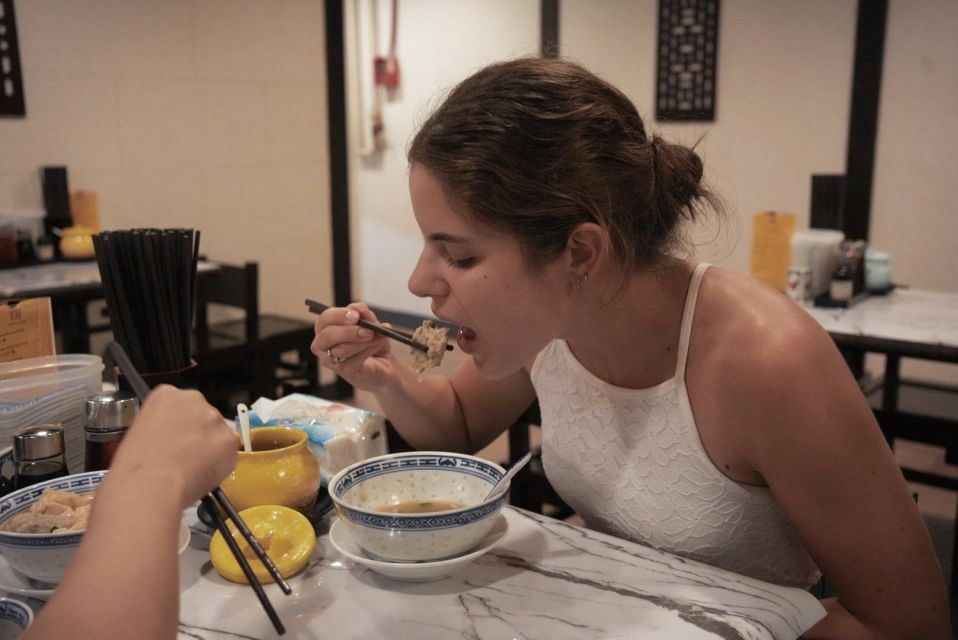
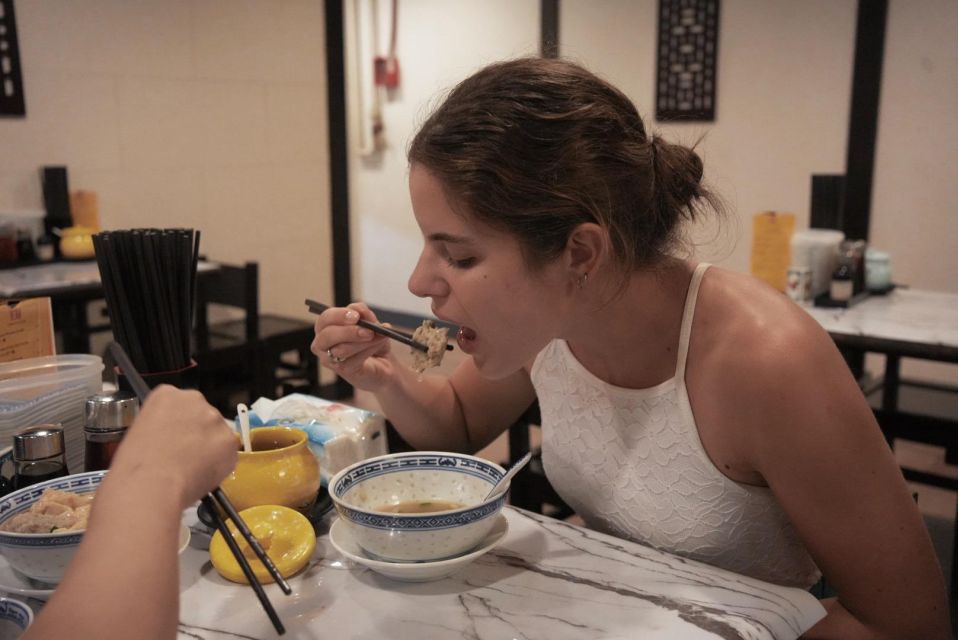
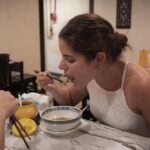
At Sun Yuen Restaurant, you get another tasting moment that builds on everything you’ve learned so far. This is the part of the experience that tends to hit for two reasons. First, dim sum and wonton-style foods are made for sharing. Second, you get to see how Hong Kong classic comfort foods are served in a way that’s quick, social, and not precious.
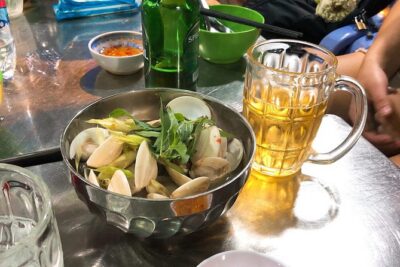
The tour’s food focus includes things like har gow (bamboo-steamed shrimp dumplings) and wonton noodles, plus soup-style comfort that works perfectly while walking around. You’ll get plenty of savory options before you start leaning into sweets, so you’re not stuck with only desserts by the time the route ends.
Tea Time in Hong Kong: Silk-Stocking Milk Tea and Herbal Blends
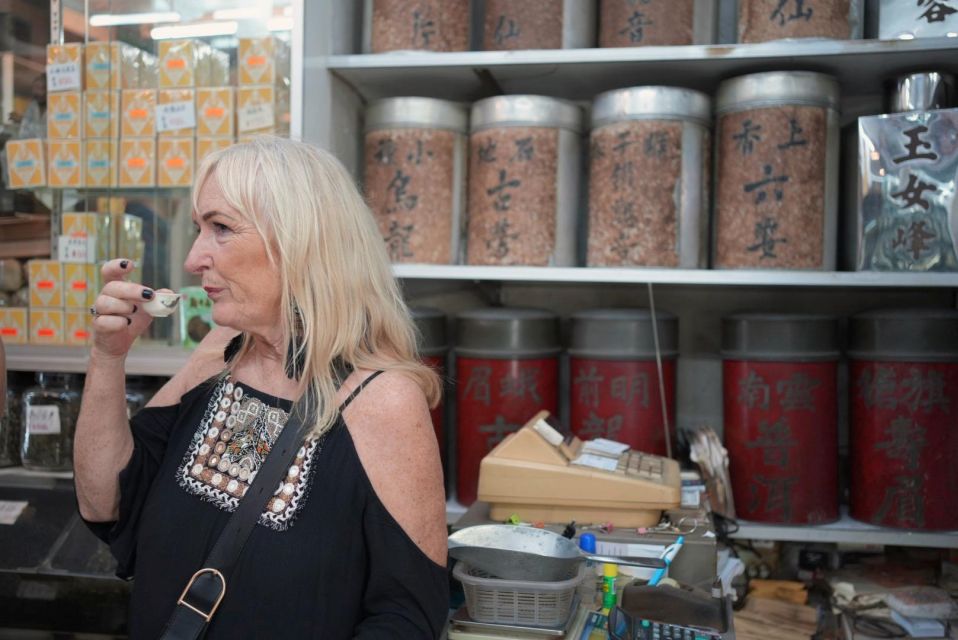
One of the strongest sections is the tea guided stop, because the tour doesn’t treat tea like a drink you order. It treats tea like a local technology and a social habit.
You’ll learn about the idea behind silk-stocking tea—how milk tea is strained through cloth, and the myth about it being made with actual stockings gets corrected. The point isn’t just the trick; it’s showing you why Hong Kong tea shops care about texture and clarity. It’s the difference between a random sweet tea and a drink that tastes smooth, balanced, and intentionally made.
The tour also references herbal tea stalls with options like Five Flowers and a bitter blend called 24 Flavors. That’s a big deal for your experience because it introduces you to the local taste world beyond milk tea and coffee-like drinks. If you’re the type who usually only sticks to one drink, this stop helps you broaden fast.
And yes, people love this part in practice. In the guide stories people shared, there are mentions of classic drink styles like a Mandarin Duck mix (tea and coffee) alongside other sweet-salty snacks. Don’t assume every group gets the same beverage, but the tea segment is clearly a highlight.
Queen’s Road Central: Char Siu, Dim Sum Classics, and Sweet Bites
As you head toward Queen’s Road Central, the tasting tempo stays brisk and the variety keeps expanding. This is where you’ll likely see more of the big name foods Hong Kong visitors always chase—BBQ pork, classic snack plates, and sweets like egg tarts.
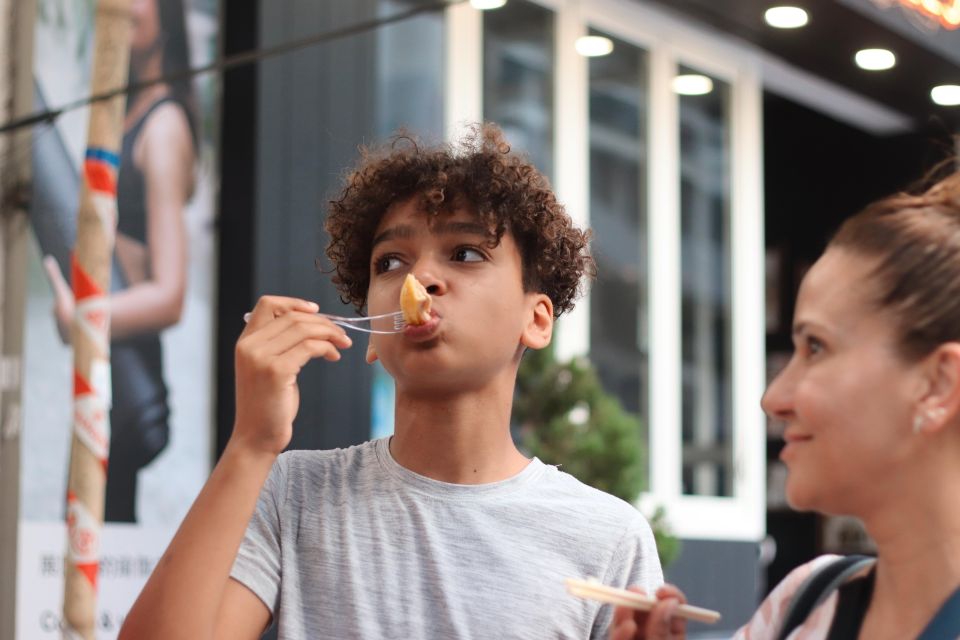
The tour’s pitch on sweets isn’t “dessert afterthought.” It’s part of the flow: savory first, then sweet, so your taste buds reset without the stop feeling like you’re rushing dessert. Egg tarts are a perfect example. They’re sweet but not heavy, and they fit Hong Kong’s style of frequent, small eating.
You might also encounter Egg Waffles and other local snacks that don’t need explanation to make sense once you taste them. People often end this tour very full, which tells you something important: the tastings are meant to replace a meal, not preview it.
Dining Customs You’ll Actually Use After the Tour
This isn’t only about what you eat. It’s also about how you eat in Hong Kong, and that’s where the guide matters. The tour focuses on authentic dining customs, including how locals approach sharing at tables and counters.
If you’ve ever felt unsure about ordering, timing, or whether you should ask for something, this part helps. By the time you reach the final stretch, you’ll have a feel for what to expect at each stop: when you’re grabbing a quick bite, when food arrives meant for sharing, and how to pace yourself so you can still enjoy the last tastings.
This also ties back to the history theme. The guide’s explanations connect the rise of snack culture—how dim sum and Cha Chaan Teng favorites became everyday staples—so you’re not just eating food, you’re learning the social reason behind it.
Central Market Finish: Your Last Bites and a Real Sense of Place
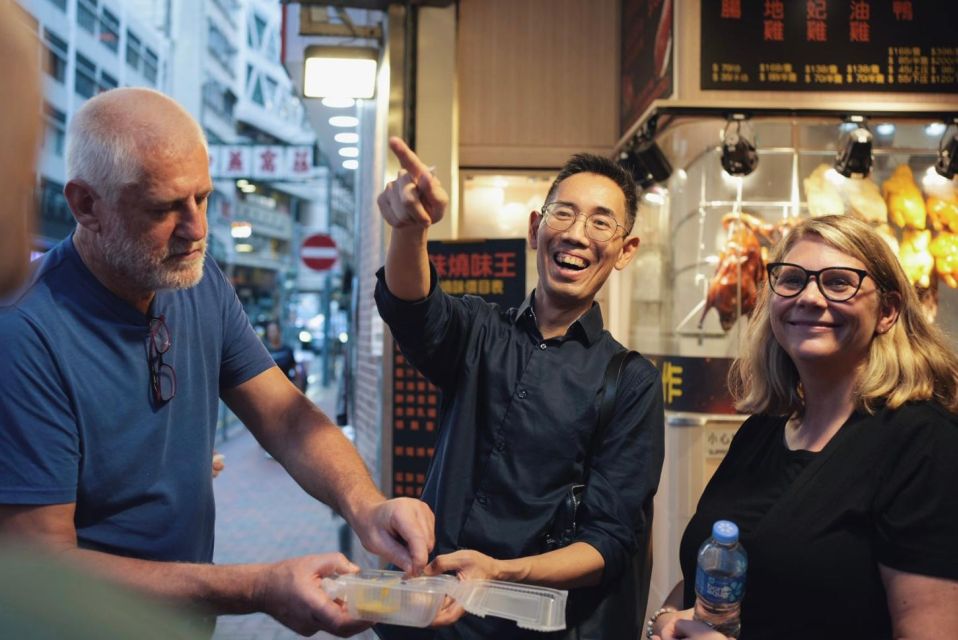
You’ll wrap up at Central Market, which is a fitting end point. It gives you a place to land after a walk that moves through narrow food streets and busy central arteries. It’s also where you can do one of my favorite things after a street food tour: pause, look around, and realize you can navigate the area with confidence now.
If you still have room, you’ll be in a good mood to pick up something small on your own. If you don’t, that’s fine too. Many people finish this kind of route saying they skip the next meal because the tastings are genuinely filling.
How Good Value Works at $51 for 3 Hours
At $51 per person for a 3-hour walking experience, the value comes from more than “you get fed.” You’re paying for (1) multiple tasting stops, (2) a local guide who can connect food to neighborhood context, and (3) access to places you might not find on your own.
Here’s the practical math: if you tried to recreate the same mix by yourself—dim sum, BBQ pork, egg tarts, herbal tea, and extra snack bites—your day would likely cost more than $51 once you include the time spent figuring out what to order and where to go. The guide handles the ordering and sequencing so you can focus on tasting.
Now, the honest watch-out. This tour can be a lot of food fast, and it’s not adjustable for dietary restrictions. So the best value happens when you’re ready for lots of savory bites plus sweets and you can eat the foods included.
What to Bring and What to Expect on Your Feet
Bring comfortable shoes. The route involves moderate walking, and you’ll be moving between neighborhood blocks and small food counters. In Hong Kong, that’s part of the fun: you’re not stuck in one building, and you get street-level views while the guide keeps you on track.
Also expect weather to matter. The tour notes it runs based on favorable conditions, and if it gets canceled due to poor weather, you’ll be offered an alternative date or a full refund.
Finally, go hungry but pace yourself. Even people who think they can handle “just a few bites” often finish full. If you like to eat slowly, you might still want to take it easy and let your stomach catch up.
Should You Book This Dim Sum and Wonton Tour?
I’d book it if you want a hands-on introduction to Hong Kong food that mixes street food with real local context. It’s a great first-timer plan because you get the main categories—dim sum, wonton-style noodles, BBQ pork, egg tarts, and tea—plus the why behind the flavors.
I’d skip it if you’re vegetarian, or if you need halal options. The tour is also not built to accommodate dietary restrictions in general, so plan your food strategy before you commit.
If you’re choosing between just eating and learning, this tour leans into both. The guides in past groups—names like Hody, Michael, Jasmine, Stephen, Alice, Isaac, and Wing show up again and again—tend to be energetic and ready to answer questions in plain, human ways. That’s the kind of guide quality that makes a food tour feel like a story you can repeat at your next meal.
FAQ
What is the duration of the tour?
The tour lasts 3 hours.
Where does the tour start and where do I finish?
It starts at Open Piazza and ends at Central Market.
Where should I meet using the MTR?
Meet at Sheung Wan MTR Station Exit E2. The note says you should look for exit E2 on the platform, since you can’t go to exit E once you go to the concourse for exits A–D.
How much food will I taste?
You can expect 10+ authentic bites, including dim sum, BBQ pork, egg tarts, and local snacks.
Is the tour suitable for vegetarians or halal diets?
No. The tour is not suitable for vegetarians, and halal food will not be provided.
Does the tour accommodate dietary restrictions?
The tour focuses on authentic local culinary experiences and cannot accommodate dietary restrictions.
What should I bring and expect during the walk?
Wear comfortable shoes. There is a moderate amount of walking, and the tour depends on favorable weather conditions.
What happens if poor weather cancels the tour?
If canceled due to poor weather, you can choose an alternative date or get a full refund.