REVIEW · SEOUL
Seoul: DMZ Tour & Suspension Bridge (Option English/Spanish)
Book on GetYourGuide →Operated by VIP Travel · Bookable on GetYourGuide
Crossing the DMZ changes your whole view of Korea. On this Seoul-area tour, you go with an English-speaking (or Spanish-speaking on select days) guide to the 3rd Infiltration Tunnel and Dora Observatory, plus the memorial sites that helped shape how Koreans talk about war and peace today. The best part is the human storytelling—some guides, like Moon and Hana, really know how to connect the facts to what the border feels like.
I love the way the day is structured around meaning, not just photos. The Imjingak Park stops and the walk to the Bridge of Freedom give you a clear emotional anchor before you get into the technical details of the tunnel and observatory. I also like the guide-led pace and coaching—people mention guides such as Jenny and Gogo for staying organized, answering questions, and keeping the mood respectful and steady.
One thing to consider: the DMZ is a controlled zone. Bring your passport, expect some areas with photography restrictions, and know that itinerary timing can shift based on military or weather conditions.
In This Review
- Key things to know before you go
- What makes the DMZ tour different from a standard day trip
- The morning plan: Imjingak Park, Freedom Bridge, and the tunnel
- Imjingak Park: start here for context
- Bridge of Freedom: a powerful visual before you go underground
- The 3rd Infiltration Tunnel: history you can step into
- DMZ Theater and Exhibition Hall: where facts get organized
- Dora Observatory: the best view, with the most patience
- Unification Village and the border’s nearby reality
- Adding suspension bridges: Majang Lake vs Gamaksan
- DMZ + Majang Lake Suspension Bridge (full day)
- DMZ + Red Suspension Bridge (Gamaksan) (full day)
- Monday-only DMZ View Tour: A Starbucks observatory moment
- Private option with hotel pickup: when it’s worth it
- Price and value: what $35 buys you in real-world terms
- How to plan your day so it feels calm, not chaotic
- Who this tour suits best
- Should you book this DMZ tour with VIP Travel?
- FAQ
- What time does the DMZ tour depart from Seoul?
- Is there an English option and a Spanish option?
- What sites are included on the classic DMZ tour?
- Do I need to pay extra for the gondola or suspension bridges?
- Is lunch included?
- Do I need a passport to join the tour?
- Are there restrictions on photography?
- Is the Third Infiltration Tunnel difficult to walk through?
- How much walking is involved in the suspension bridge options?
- What’s the private tour advantage?
- What if weather or military rules change the schedule?
Key things to know before you go
- You’re not just sightseeing: the route is built to move from memorials to border infrastructure.
- Dora Observatory is a highlight with rules: bring patience for binocular time and follow photo limits.
- The 3rd Infiltration Tunnel is physical: steep, slippery steps mean wear solid footwear.
- Bridge options change the whole vibe: choose a suspension bridge for nature views after the DMZ intensity.
- Monday has a special angle: you can get panoramic views from a DMZ-area Starbucks observatory.
- Your guide matters: names like Moon, Hana, Jenny, and Gogo show up again and again for clear explanations.
What makes the DMZ tour different from a standard day trip
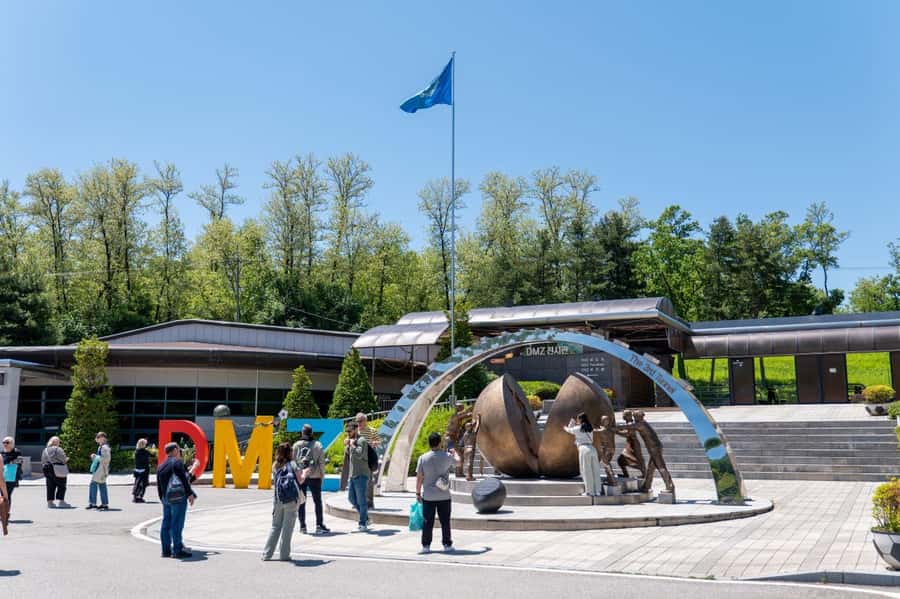
A normal tour around Seoul feels like a timeline: palace, market, street food. The DMZ tour feels like a boundary lesson, taught in real space. You start in the civilian area at Imjingak, which is full of war memorials and hope-filled symbols. Then you move toward the places that explain how the division works—tunnel access, observatory viewpoints, and the iconic crossing imagery.
You’ll also notice the tone is different. The guide keeps the day factual and emotionally grounded. From what I’ve seen in people’s experiences with guides like Moon, Hana, and Kelly, the best sessions don’t go for drama. They go for clarity: what each site shows, why it matters, and how to look without turning it into a spectacle.
You can also read our reviews of more tours and experiences in Seoul.
The morning plan: Imjingak Park, Freedom Bridge, and the tunnel
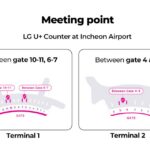
Most public-group departures leave from Seoul either at 07:00 or 09:30. Either way, the logic is the same: you gather at the meeting point, then head out in an air-conditioned vehicle toward the border area.
Imjingak Park: start here for context
Imjingak Park is where you get your bearings fast. You see the war memorials and the peace symbols that frame how South Korea remembers the conflict. For first-timers, this stop helps you read the rest of the day. Without it, the tunnel and observatory can feel like “cool but distant.” With it, they feel like parts of one story.
Bridge of Freedom: a powerful visual before you go underground
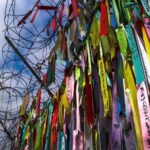
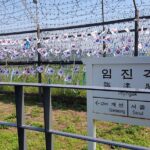
The Bridge of Freedom is one of the day’s emotional anchors. You walk through the imagery of war and peace—something you can feel even if your Korean history background is light. It’s also a good “reset” moment before the tunnel, because it forces you to slow down and look.
The 3rd Infiltration Tunnel: history you can step into
This is where the DMZ tour stops being abstract. The 3rd Infiltration Tunnel is a covert passage tied to North Korea’s infiltration efforts. The guide explains what you’re seeing and how the tunnel’s design reflects the conflict’s logic.
Practical reality check: the tunnel is steep and can be slippery. Wear footwear with real grip. If you have mobility concerns, this stop may be difficult.

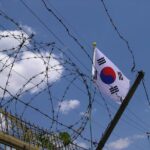
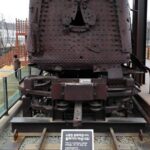

DMZ Theater and Exhibition Hall: where facts get organized
Between the outdoor viewpoints and the tunnel, you’ll visit the DMZ Theater and Exhibition Hall for deeper historical insight. This part helps make the rest of the sites click—especially if your guide is the type to answer questions in plain language. People specifically mention how guides like Jenny and Ok-Kyung made this portion easy to follow and thoughtfully explained the broader Korean War and UN involvement.
Dora Observatory: the best view, with the most patience
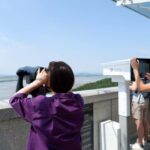
From the tunnel area, you move to Dora Observatory. This is one of the signature stops because it gives you that rare, direct look toward North Korea from a controlled viewpoint. The guide typically sets expectations about what you can and can’t see, and then you spend time scanning with binoculars.
Two practical notes matter here:
First, plan for rules. Photography is restricted in some areas, and you’ll want to follow instructions quickly so you don’t slow the group down.
Second, the value isn’t just the view—it’s the “how to look” that a good guide provides. Names like Hana, Kelly, and Emily come up for giving clear commentary and helping people understand what they’re seeing rather than just pointing.
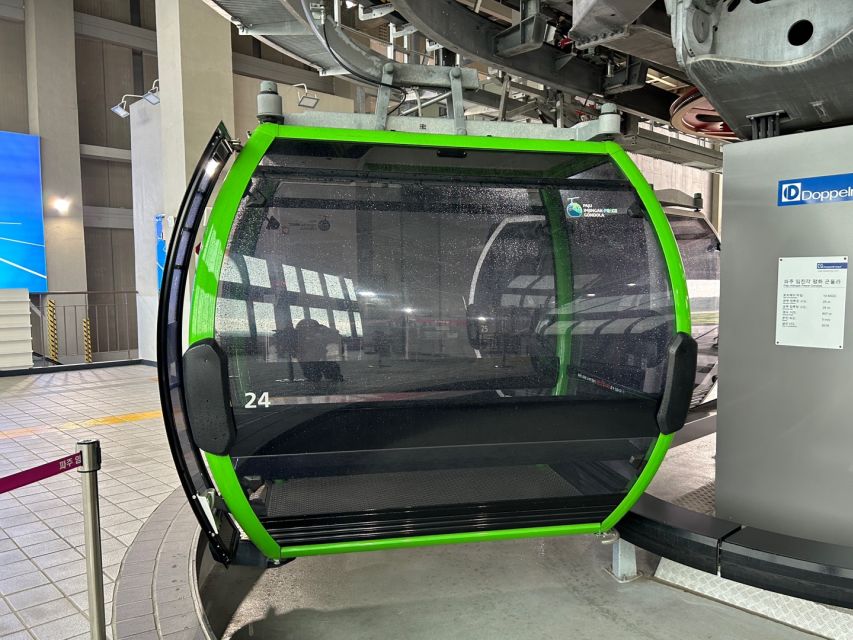
If you pick the option that includes the peace gondola ride, you’ll also get a chance for extra perspectives in the peace park area. Guides often describe it as a nice add-on for those who want more variety beyond walking.
Unification Village and the border’s nearby reality
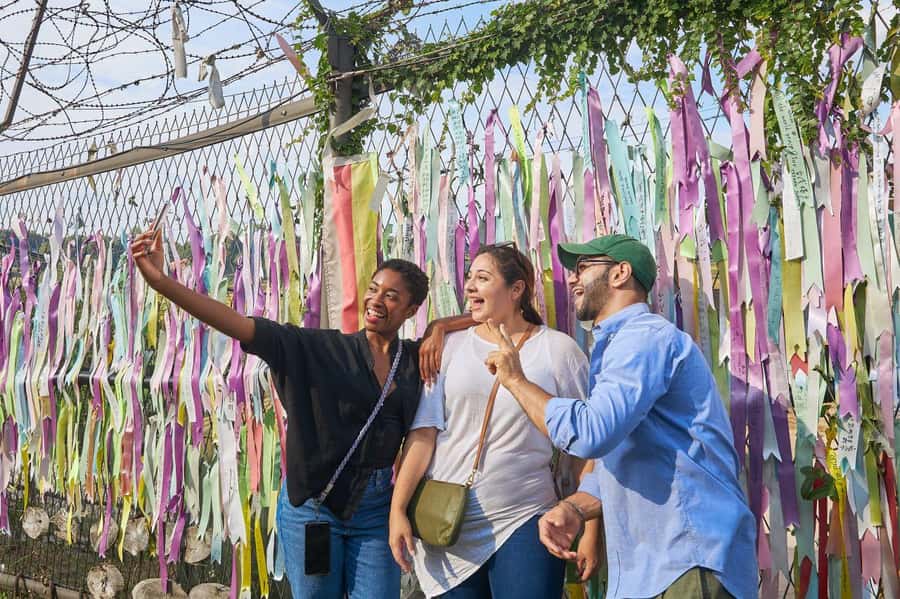
In the classic DMZ tour, you’ll also have a drive-through stop at Unification Village, near the border. This isn’t the same as entering it, but it adds a layer people often miss on “drive-by” DMZ days. It helps you remember that the border isn’t only a historical symbol—it’s also a lived geography.
The practical bonus: this kind of stop usually helps break up the intensity. After tunnel and observatory focus, a drive-through with commentary gives your brain a chance to reorganize what you’ve absorbed.
Adding suspension bridges: Majang Lake vs Gamaksan
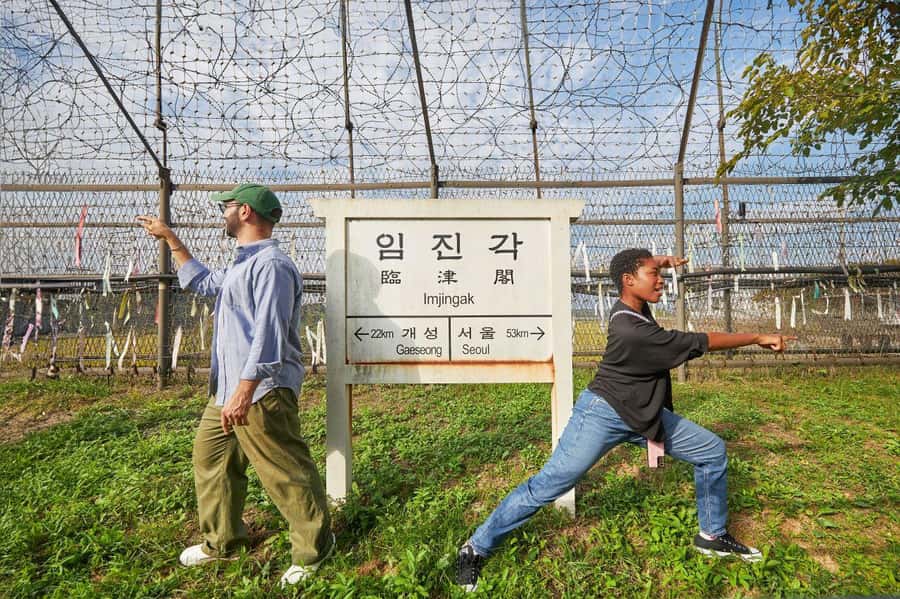
This tour comes with options that blend DMZ intensity with outdoor walking. If you’re the kind of traveler who needs a “release valve” after serious content, these bridge choices can be a great fit.
DMZ + Majang Lake Suspension Bridge (full day)
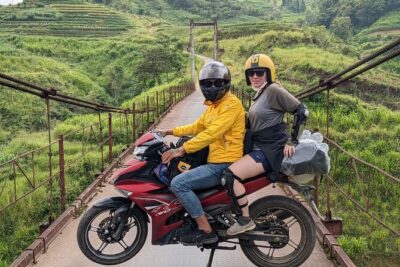
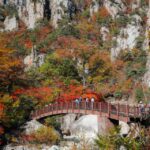
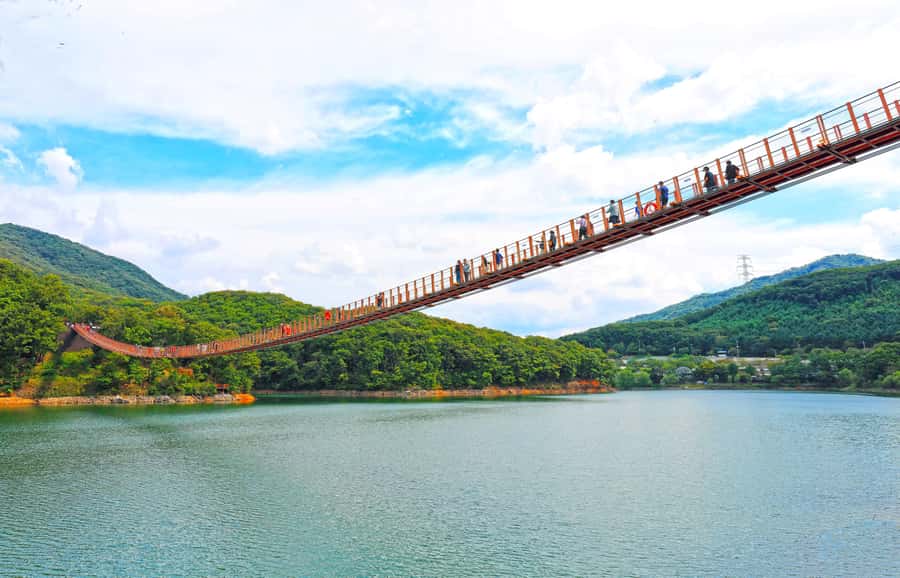
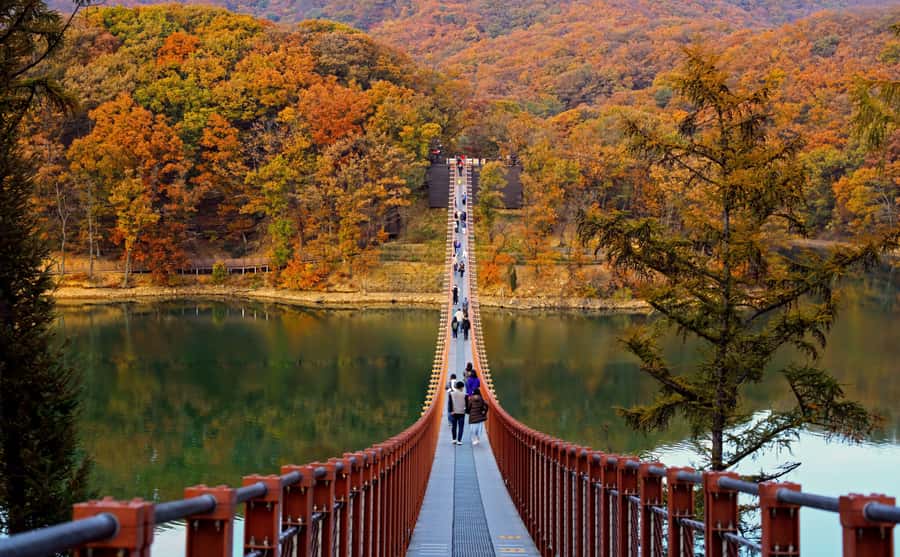
This option keeps the DMZ highlights and then adds Majang Lake. You walk across a suspension bridge near the lake—set against calm water and forest. The walking path is described as easy and suitable for all ages, which makes it a good pick if you want photos without a hard hike.
Best time for photos is usually spring and autumn, when the area looks especially photogenic. In reality, you’ll still want time buffers for wind and camera pauses.
DMZ + Red Suspension Bridge (Gamaksan) (full day)
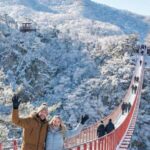
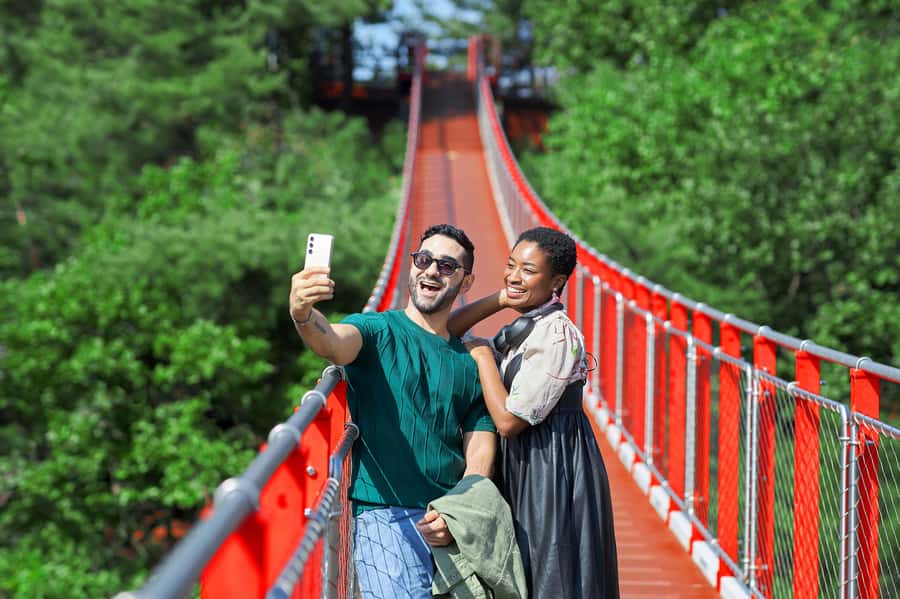
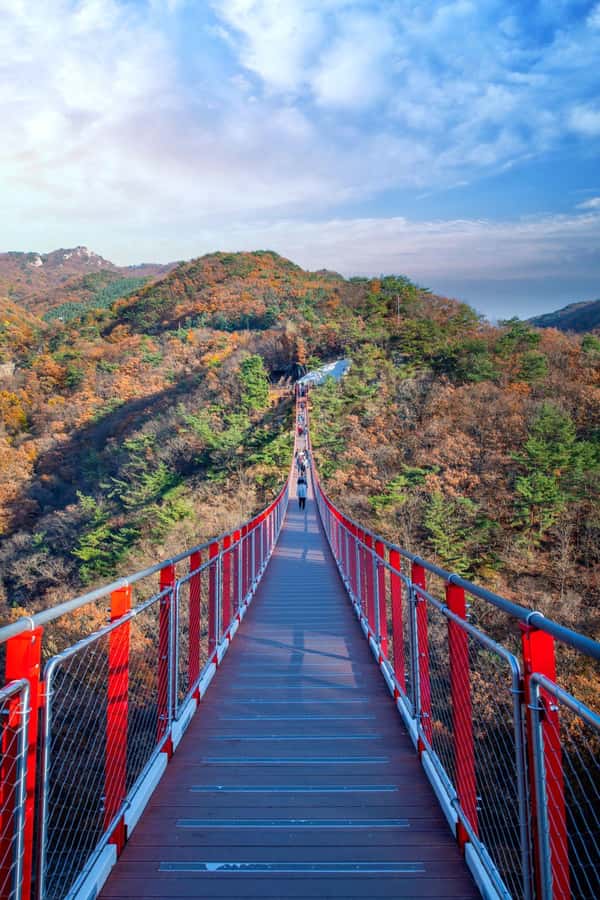
This one adds a different kind of effort: the 220-meter Red Suspension Bridge in Gamaksan. The day includes the DMZ sites, and then you continue into the mountains for a long-span crossing over valley views.
Here’s the consideration: expect a light hike with some uphill walking. Comfortable shoes matter even more than usual.
Monday-only DMZ View Tour: A Starbucks observatory moment
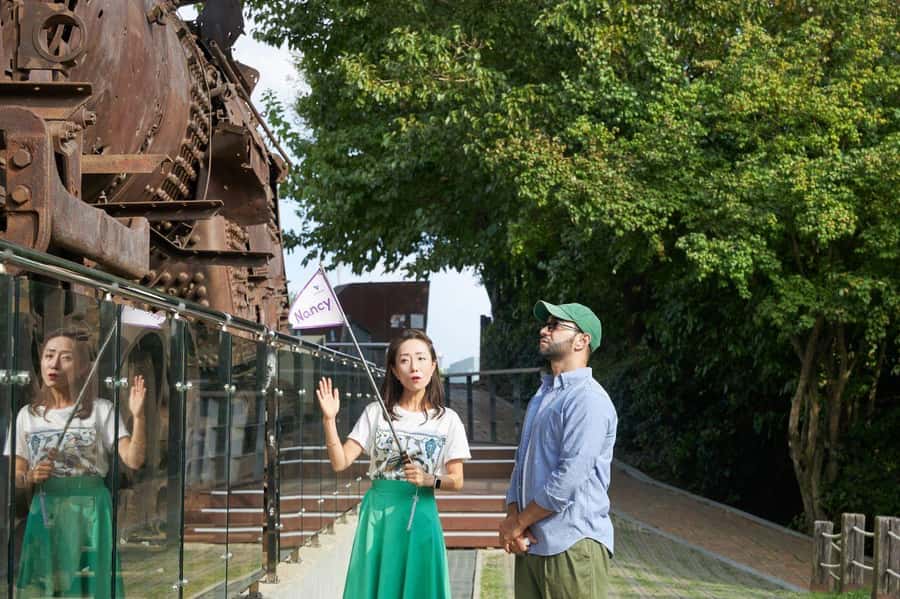
If you’re traveling on a Monday, there’s a special version of the DMZ experience. This Monday tour is designed for a more relaxed and panoramic itinerary. It enters the military-controlled zone but skips the usual military base visits, which changes the rhythm of the day.
The route includes Aegibong Ecopark and Jogang Observatory, which are built for wide-open views toward North Korea. Then you take a break at the closest Starbucks to the DMZ with a direct view across the border.
This stop is oddly useful. Sitting, eating something small, and looking across the border can make the whole experience feel more human and less like a checklist. It’s also a moment where the guide’s commentary becomes even more important—because you’ll be able to process what you’ve seen without constant movement.
Private option with hotel pickup: when it’s worth it
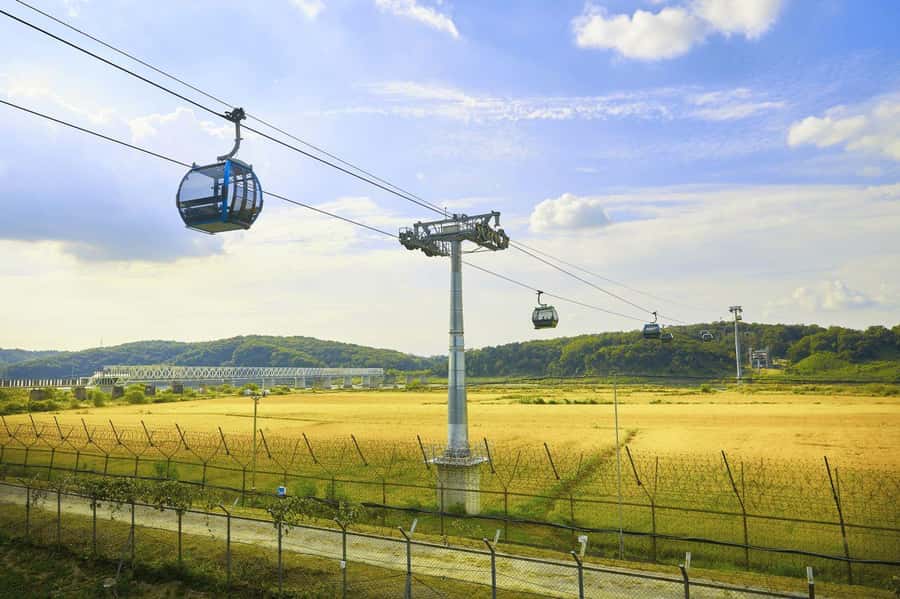
If you choose the private DMZ tour, you get hotel pickup and drop-off, plus a dedicated guide who works only with your group. That matters if you don’t want to feel rushed by group logistics.
There’s one operational detail to understand: for DMZ entry, if the private group is fewer than 30 people, you’ll transfer to a local shuttle bus inside the military area. Your guide remains assigned to your group for the tour, and you won’t need to wait in line for tickets.
In plain terms, private is best when you value a smoother flow and more chance for your guide to respond to your specific questions.
Price and value: what $35 buys you in real-world terms
This tour is listed at $35 per person, which is on the affordable side for a DMZ day. The value comes from the fact that you’re not paying just for transport—you’re paying for access, timing, and a guide who can translate a complex, sensitive place into something you can actually understand.
What you get included:
- Round-trip air-conditioned transportation
- An English-speaking guide, plus Spanish-speaking support on Tuesday, Friday, and Saturday
- Entry fees and tickets to DMZ sites
- Core DMZ stops like Imjingak Park, Freedom Bridge, the Third Tunnel, and Dora Observatory
- Optional adds like the peace gondola or suspension bridges, depending on which package you select
What you should budget separately:
- Meals and drinks (you buy your own food during the day)
- Personal expenses and snacks
- Travel insurance
- Any optional activity you didn’t select
If you’re deciding between options, think like this: the base DMZ day teaches the story. The bridge options give you the scenery break. If you’re physically ready for a light hike, Gamaksan is a good way to add panoramic nature views after the tunnel. If you want gentler walking, Majang Lake is often the easier match.
How to plan your day so it feels calm, not chaotic
A DMZ day is long by nature, and the zone adds extra structure. These tips keep it smooth:
- Arrive early: you’re expected to be at the meeting point at least 10 minutes before departure. The bus can’t wait for late arrivals.
- Pack the basics: bring your passport (or passport/ID card as stated), plus comfortable shoes. No specific dress code, but you’ll thank yourself for grip and support.
- Expect uneven surfaces: the tunnel is steep and slippery, and the Gamaksan bridge option includes uphill walking.
- Don’t plan tight connections after the tour: schedule can shift due to military regulations or weather. In cases of schedule changes, alternatives are provided, but refunds aren’t possible—so keep your next day flexible.
Also, take photo rules seriously. Photography is restricted in some areas, and following instructions helps keep the day moving.
Who this tour suits best
This DMZ experience is a strong fit if you:
- Want a guided, structured day that explains what you’re seeing
- Appreciate a respectful tone around a sensitive subject
- Prefer to travel with clear logistics rather than trying to piece together border-area stops on your own
It’s also a good match for history lovers who like hearing personal stories from guides. People repeatedly mention guides such as Moon, Hana, Gogo, and Kelly for mixing facts with human perspective without turning it into melodrama.
If you’re looking for pure relaxation, pick the option with easier walking after the DMZ, like Majang Lake. If you want a little physical effort for bigger views, Gamaksan can be worth it.
Should you book this DMZ tour with VIP Travel?
Yes, if you want the DMZ in a guided, organized format and you’re open to a day that’s both moving and structured. The included sites hit the big pillars—Imjingak Park, Freedom Bridge, the Third Tunnel, and Dora Observatory—and the guide-led explanations seem to be the thing that turns a route into a real understanding. With packages that add gondola or suspension bridges, you can also balance intensity with scenery.
I’d especially book it if you’re traveling with limited time in Seoul and you want one day that covers the key border landmarks without second-guessing logistics. Just plan your comfort in advance: bring a passport, wear grippy shoes, and keep expectations flexible when regulations or weather change.
FAQ
What time does the DMZ tour depart from Seoul?
Public options depart at either 07:00 AM or 09:30 AM from Seoul, depending on which option you book.
Is there an English option and a Spanish option?
Yes. The tour offers English-speaking guides, and Spanish-speaking guides are available on Tuesday, Friday, and Saturday.
What sites are included on the classic DMZ tour?
The classic DMZ tour includes Imjingak Park, Freedom Bridge, the Third Infiltration Tunnel, Dora Observatory, plus a DMZ Theater and Exhibition Hall stop. It also includes a drive through Unification Village.
Do I need to pay extra for the gondola or suspension bridges?
They’re included only if you select the relevant option. The peace gondola ride and the suspension bridges are optional package add-ons depending on your chosen tour.
Is lunch included?
No. Meals and drinks are not included, and you’ll buy food on your own during the day.
Do I need a passport to join the tour?
Yes. A valid passport is required for all participants on the day of the tour.
Are there restrictions on photography?
Photography is restricted in some areas, so follow guide instructions and local rules.
Is the Third Infiltration Tunnel difficult to walk through?
It can be steep and slippery, so you’ll want suitable footwear. It may not be suitable for those with mobility issues.
How much walking is involved in the suspension bridge options?
The Mt. Gamak Red Suspension Bridge option includes a light hike with some uphill walking. The Majang Lake suspension bridge option involves an easy walking path.
What’s the private tour advantage?
The private option includes hotel pickup and drop-off and a dedicated guide for your group. If your group is fewer than 30 people, you may transfer to a local shuttle bus inside the military area for DMZ entry.
What if weather or military rules change the schedule?
The itinerary may change due to military regulations or weather conditions. Alternatives can be provided, but refunds aren’t possible in those cases.
If you want, tell me your travel dates and whether you prefer the classic DMZ-only day or one of the bridge packages, and I’ll help you pick the best match.