REVIEW · TOKYO
Tokyo: Samurai Ninja Museum Guided tour and Experience
Book on GetYourGuide →Operated by GLOBA Inc. · Bookable on GetYourGuide
Shuriken and samurai armor in one hour in Tokyo. What makes this stop fun is the English-speaking guide who turns museum facts into a live lesson, plus the hands-on shuriken and dress-up portion where you actually handle real-feeling gear.
I’m especially into it when the guide brings personality, like Nami’s humor and storytelling energy, or Ken/Kenny’s fast pace that keeps kids and adults locked in.
One thing to consider: the group can be bigger than you expect. There’s a 15-person cap when booking through GetYourGuide, but other booking channels may run larger groups, and a lot of people are there for the same photo and practice moments. Also, this is about an hour, so it’s not built for slow, deep, academic study.
In This Review
- Key highlights to know before you go
- Inside the Samurai Ninja Museum: how the tour actually works
- Samurai armor, helmets, and swords: what you should pay attention to
- Ninja history that doesn’t stay stuck in stereotypes
- Throwing shuriken: the fun finale (and why it’s worth the ticket)
- Dress up like a samurai: helmet, metal sword, and photo time
- How long it takes, and how to fit it into your Tokyo day
- Price and value: what $27 buys you in real life
- Guides make the difference: English delivery you can trust
- Where it is in Tokyo: simple access for a short visit
- Who should book this, and who might skip it
- Should you book the Samurai Ninja Museum guided tour?
- FAQ
- Is the guided tour available in English?
- What’s included in the Samurai Ninja Museum experience?
- How big are the groups?
- How long is the tour?
- Where can you reserve and pay later?
- What is the cancellation policy?
- How many reviews and what rating does it have?
Key highlights to know before you go
- English-guided, not just a self-walk ticket: you get explanation at each stop.
- Samurai equipment you can really look at: armor, helmets, and swords.
- Hands-on shuriken practice: throwing stars is the crowd-pleaser.
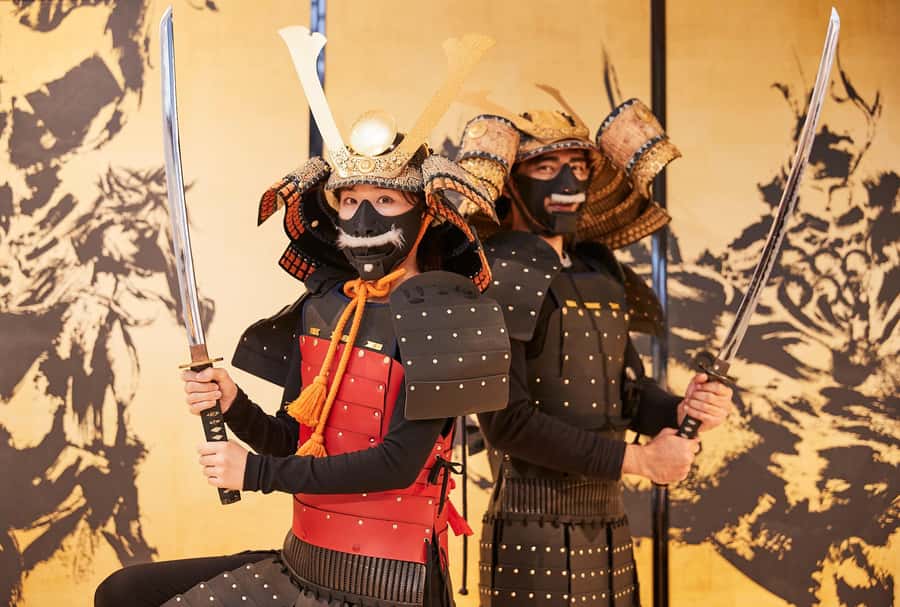
- Dress-up with a real helmet and a metal sword: great for photos and confidence.
- Myths get corrected: some stories are shaped into a clearer picture of history.
- Good pacing for mixed ages: kids, teens, and adults tend to stay engaged.
Inside the Samurai Ninja Museum: how the tour actually works
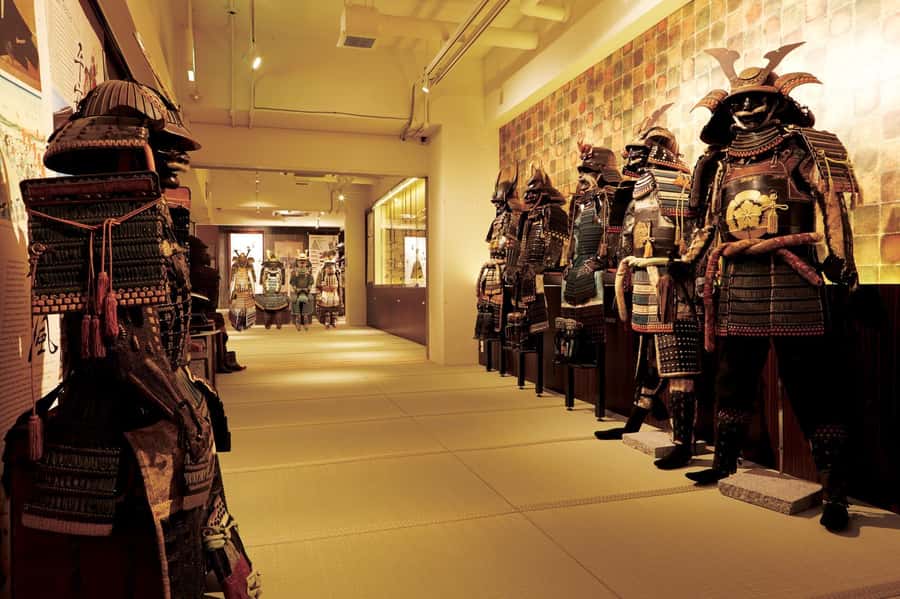
This experience is basically two things glued together: a guided museum walk, and then a hands-on activities block where you try samurai and ninja moves. You’ll step into the museum, then follow an English-speaking guide through exhibits focused on how samurai and ninjas fit into Japanese history and popular imagination.
What I like is that the guide doesn’t treat this like a lecture. You’ll hear context as you look at the displays, instead of staring at objects with no thread tying it all together. Guides like Ken, Kenny, Megan, and Shin are repeatedly praised for keeping the energy up while still explaining the meaning behind the gear and stories.
For your planning, that matters. Museums in Tokyo can turn into a lot of reading and a lot of walking. Here, the guide gives you the story-line so your time feels productive even if your Japanese is basically zero.
Your expected flow looks like this:
- Guided tour through samurai and ninja exhibits
- Time for interactive experiences tied to ninja and samurai themes
- Photo-friendly dress-up plus handling a sword replica (described as a metal samurai sword)
- Shuriken throwing practice (often as a late highlight)
No part of this is overly technical. You don’t need prior knowledge to enjoy it. If you’ve watched samurai and ninja films, you’ll get enough background to understand where the screen stories are coming from and where they get exaggerated.
You can also read our reviews of more tours and experiences in Tokyo.



Samurai armor, helmets, and swords: what you should pay attention to
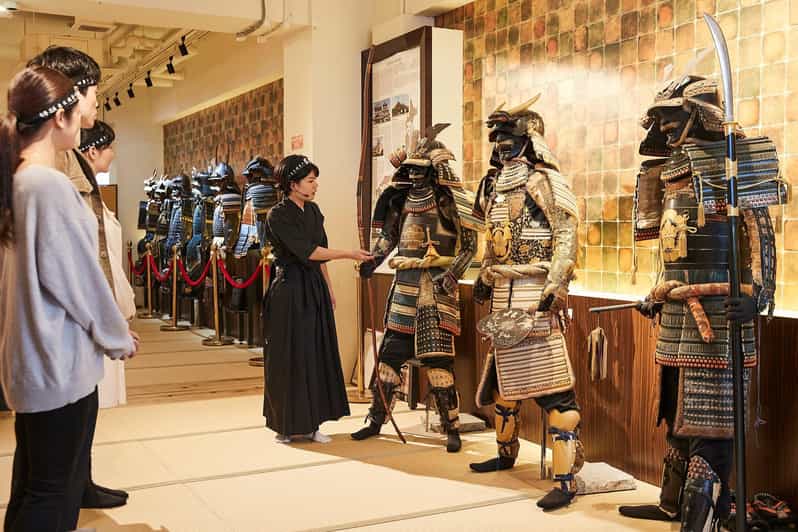
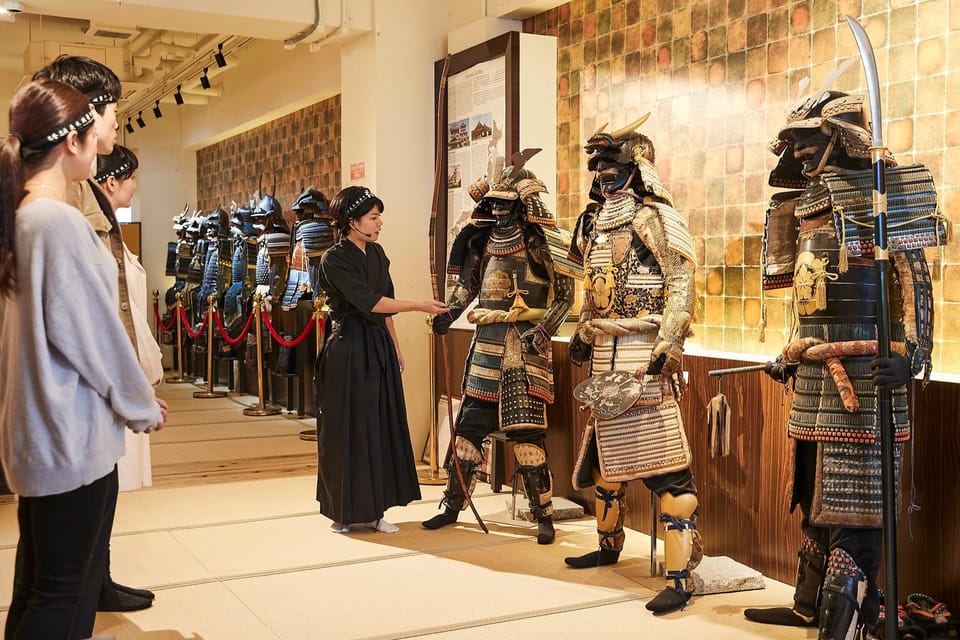
The museum’s best “wow” factor is the physical stuff—armor, helmets, and swords. Even if you’re not an expert, you’ll still notice the practical design choices. The way pieces fit together and the shapes used for protection can be more interesting than the myths you’ve heard.
I also appreciate that the tour doesn’t stop at the glamour. A lot of the explanation is about role and time period: what samurai were doing, and how their equipment connects to duties and status. That’s where the guided approach helps. A display looks cool, but it’s the guide who turns it into something you can remember.
In reviews, guides are praised for being funny and engaging without turning the whole thing into a joke-fest. That balance shows up in how the facts land. For example, one theme that comes through is that you may hear certain myths getting corrected—so you leave with clearer ideas, not just cool props.
If you’re traveling with kids, this part tends to be a win. Armor and helmets are visual and immediate. For teens and adults, it’s a good way to connect weapons and gear to real historical roles rather than movie choreography.
Ninja history that doesn’t stay stuck in stereotypes
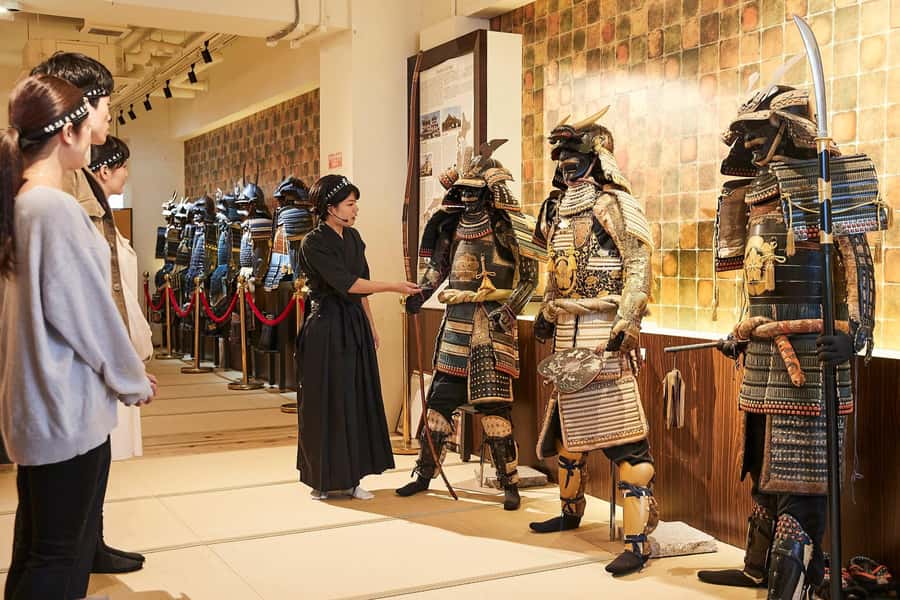
Ninja get an instant reputation in pop culture: stealth, secret missions, “totally mysterious.” This museum tries to give you a more grounded view while still leaning into the drama.
During the guided portion, you learn about the mysterious side of ninjas and their role in history, not only the movie version. You’ll also get a sense of how people in Japan talked about ninjas, and how that translated into later legends.
I like that they don’t just say ninjas were awesome and leave it there. You’ll be nudged toward understanding why they became such a strong symbol, and what “ninja” meant in different eras. That’s a useful correction for anyone who’s gone into this expecting pure fantasy.
And yes, this connects directly to the next activity: the shuriken throwing. You’ll feel like the practice has context, instead of being a random skill game.
Throwing shuriken: the fun finale (and why it’s worth the ticket)
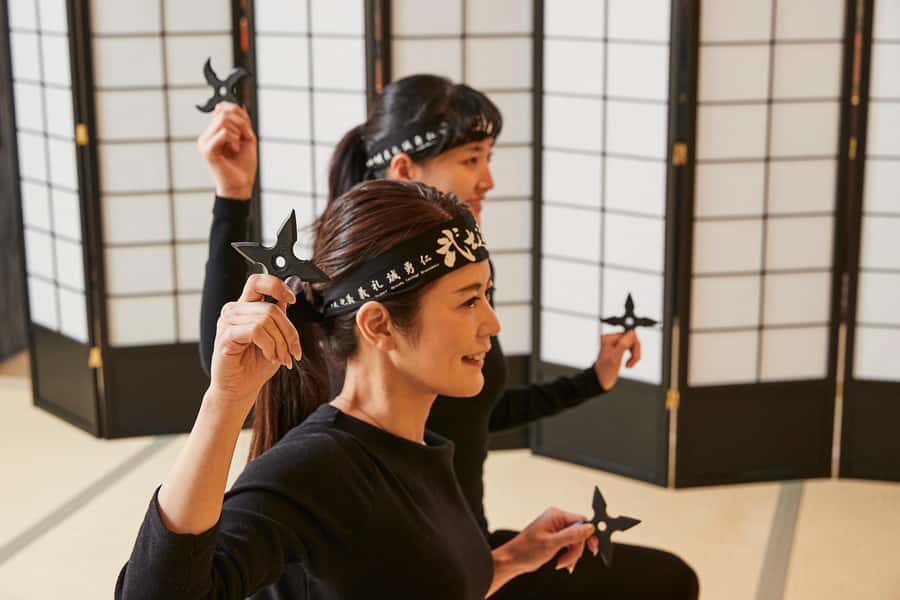
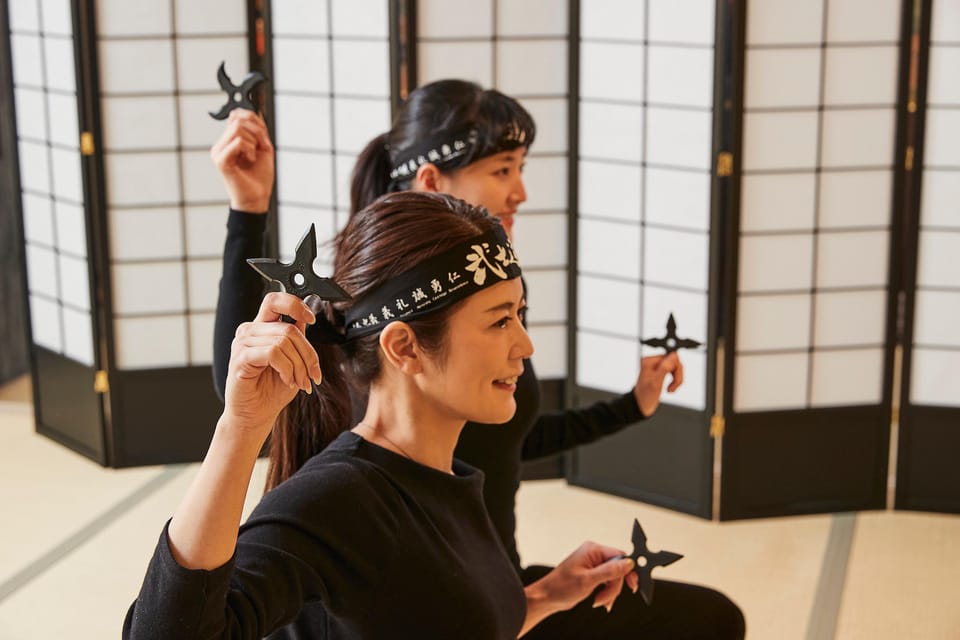
The shuriken throwing experience is the main physical activity here, and it’s what most people remember first. You practice your accuracy as you throw ninja stars (shuriken). It’s simple to do, and it’s satisfying because you can see progress fast.
A few details worth knowing:
- You get structured instruction from the guide, in English.
- The game is casual but competitive enough to get your focus.
- Some groups mention a contest-style moment where you can keep the star if you win. Even without that, you’ll still get the best kind of souvenir: a photo and a story.
This is also where the tour’s pacing makes sense. A museum can be too slow for kids. A purely active attraction can be too shallow for adults. Here, the throwing gives your brain a break and turns the history into a memory you can feel.
For parents, this is a big point. Reviews consistently highlight that children stay captivated from start to finish, largely because the shuriken activity gives them something to look forward to at the end of the tour.
For everyone else, it’s a great “Tokyo in one hour” option when you want something more than shopping and transit.
Dress up like a samurai: helmet, metal sword, and photo time
After (or alongside, depending on timing on the day) the guided exhibits and interactive sections, you get the samurai experience: dress up, wear a real samurai helmet, and hold a metal samurai sword.
Let’s be honest. Half the fun is pretending you’re in the final scene of a period drama. But there’s more to it than costumes. When you wear a helmet and hold a sword prop, the gear stops being abstract. You understand why armor was designed the way it was, and how size and weight affect movement.
Photo-wise, it’s also very easy to get good results. You’re literally posed in the gear, which makes it simpler than hunting for the perfect angle in a busy location. If you go with a friend or family member, plan to rotate who takes photos and who gets dressed.
This dress-up part gets repeated praise across different guide names, from Sascha to Jolene to Mary-Regina. That consistency matters. It suggests the activity is reliably fun, not a last-minute add-on.






How long it takes, and how to fit it into your Tokyo day
Multiple reviews point to the tour running around an hour. That’s a sweet spot. You can fit it between other planned activities without your day collapsing into “museum fatigue.”
This also makes it a practical choice if:
- You’re doing Tokyo as a first-time visitor and want something memorable that doesn’t eat half a day.
- You’re traveling with mixed ages (kids plus adults).
- You want a guided experience but don’t want to commit to a long day tour.
If you’re a serious history-only traveler who prefers books and timelines, you might still enjoy the guided context, but you should know this is more hands-on and story-driven than scholarly. The good news is that the guide structure usually keeps the key ideas clear. The trade-off is that you won’t walk out with a PhD in Sengoku-era politics.
Price and value: what $27 buys you in real life
At around $27 per person, this is less about a “museum ticket” and more about a guided package with activities. Your included items are the reason the value makes sense:
- entry ticket
- guided tour with an English-speaking guide
- ninja star throwing experience
- samurai dress-up, including helmet and a metal samurai sword
In Tokyo, the cost of “just entry” can be high if the experience is mostly self-guided. Here, you’re paying for explanation plus participation. That’s what makes it feel like good use of time rather than just another indoor stop.
The strongest value signal is that the guided portion is repeatedly described as engaging for kids and educational for adults. And the interactive elements are not tiny. Throwing shuriken and wearing the helmet are the kind of activities you can’t replicate by walking past a display.
If you’re budgeting, think of this as a compact “culture plus show-and-do” experience. It’s priced like a short attraction, but structured like a guided mini-program.
Guides make the difference: English delivery you can trust
This is one of those rare attractions where the guide experience seems to matter a lot. Names like Nami, Ken, Megan, Kenny, and Shin come up again and again in the feedback. The pattern is clear: people show up wanting fun, and they leave feeling they learned something too.
What you should look for from a guide, based on the way they’re described:
- clear English explanations
- humor that stays friendly, not confusing
- a pace that works for both kids and adults
- smooth management of hands-on stations so no one feels pushed aside
If you care about getting your money’s worth, the guide quality is the difference between a fun souvenir photo and an actually satisfying tour.
Where it is in Tokyo: simple access for a short visit
One review notes the museum is located in a shopping area and is easy to reach by train or taxi. That matters because it reduces friction. You’re not planning a complicated logistics puzzle just to get to an hour-long experience.
For the route plan, use the location as a grab-and-go stop. Pair it with nearby shopping or a meal rather than using it as the anchor for a long commute day. You’ll get more out of your time that way.
Who should book this, and who might skip it
Book this if:
- you want a fun, guided introduction to samurai and ninja culture
- you’re traveling with kids (or teens) who will do better with hands-on activities
- you like museums when someone tells you what to notice
- you want photos with a helmet and a sword prop
You might skip or adjust expectations if:
- you’re after a long, detailed history lesson over multiple hours
- you dislike group activities or you hate waiting in line for photo moments
- you want only a quiet exhibit walkthrough (this is built to be participatory)
Should you book the Samurai Ninja Museum guided tour?
I’d book it if you want an efficient Tokyo experience that mixes stories with real objects and then ends with you doing something physical. The tour is short, but the included activities—shuriken throwing plus the samurai dress-up with a helmet and a metal sword—make it feel complete.
The biggest reasons to choose it are simple: it has English guidance, it’s hands-on, and it’s priced so you don’t have to treat it like a major budget decision. Just go in knowing it’s an hour-style program. If you want deep academic immersion, pair it with other Tokyo history stops. If you want a fun entry point you’ll remember, this one is a solid pick.
FAQ
Is the guided tour available in English?
Yes. The tour includes an English-speaking guide.
What’s included in the Samurai Ninja Museum experience?
The experience includes entry ticket, a guided tour with an English-speaking guide, ninja star throwing, and a samurai experience where you dress up, wear a real samurai helmet, and hold a metal samurai sword.
How big are the groups?
The information provided says you can reserve a maximum of 15 people from GetYourGuide. Other booking sites may have more participants.
How long is the tour?
Some reviews describe it as about an hour long.
Where can you reserve and pay later?
The experience offers a reserve and pay later option, so you can book your spot and pay nothing today.
What is the cancellation policy?
You can cancel up to 24 hours in advance for a full refund.
How many reviews and what rating does it have?
It has a rating of 4.6 based on 1010 reviews.