REVIEW · HANOI
2-Day Sa Pa Ethnic Homestay Tour & Trek with Limousine Bus
Book on GetYourGuide →Operated by Go Asia Travel · Bookable on GetYourGuide
Sa Pa is the kind of place where the mountains slow you down. What I like most about this tour is that you get village walking with real people and a mountain homestay rather than only scenic lookouts. With an English-speaking Hmong guide such as Sha, Sua, or Soso, you’ll spend two full days moving through rice terraces, bamboo paths, and family life in the highlands.
I love the mix of culture + walking: Hmong, Dzao, and Tay villages along the way, plus time to eat and sleep inside the rhythms of Ta Van. I also like the transportation setup—round-trip limousine bus on the route to Sa Pa means you’re not fighting transfers all day.
The main drawback to consider is that the trekking can get muddy and slippery, and the homestay side is basic (with options to upgrade). If you’re not comfortable on steep, wet paths, or you need mobility-friendly routes, this may not be your best match.
In This Review
- Key highlights worth planning for
- Hanoi to Sa Pa by limousine: comfort that saves your legs
- First stop in Sa Pa: Lao Chai and Ta Van village life
- Day 1 trekking: rice terraces, Muong Hoa Stream, and Black Hmong villages
- The Ta Van homestay night: what you’re paying for
- Day 2 trekking: Giang Ta Chai Bridge, bamboo forest, and panoramic views
- Food, pace, and trail difficulty: plan for knees, mud, and timing
- Guides in the field: why English-speaking matters here
- Money and craft sales: how to handle the cash and the pressure
- What to bring (and what you’ll regret not packing)
- Is this tour worth it? The value case for two days
- Who this fits best (and who should skip it)
- Should you book this Sa Pa homestay trek?
- FAQ
- What meals are included in the 2-day tour?
- Where is the homestay, and what is the accommodation like?
- Are the trekking distances long?
- How do you travel from Hanoi to Sa Pa, and what’s provided on the way back?
- Do I need cash in Sa Pa?
- What should I pack for the trek?
- Is the tour suitable for children or people with mobility issues?
- Can I bring a pet?
Key highlights worth planning for
- English-speaking Hmong guides (you may meet guides like Sha, Sua, Soso, Wan, or Tung) who explain daily life as you walk
- Rice terraces + Muong Hoa Stream on Day 1, plus bamboo forest on Day 2
- Homestay night in Ta Van with family meals (and a basic setup, not a hotel)
- Comfort-first round-trip limousine bus from Hanoi, with an optional sleeper upgrade on request
- Cash-based shopping culture where craft sales can be persistent—go in ready with polite boundaries
Hanoi to Sa Pa by limousine: comfort that saves your legs
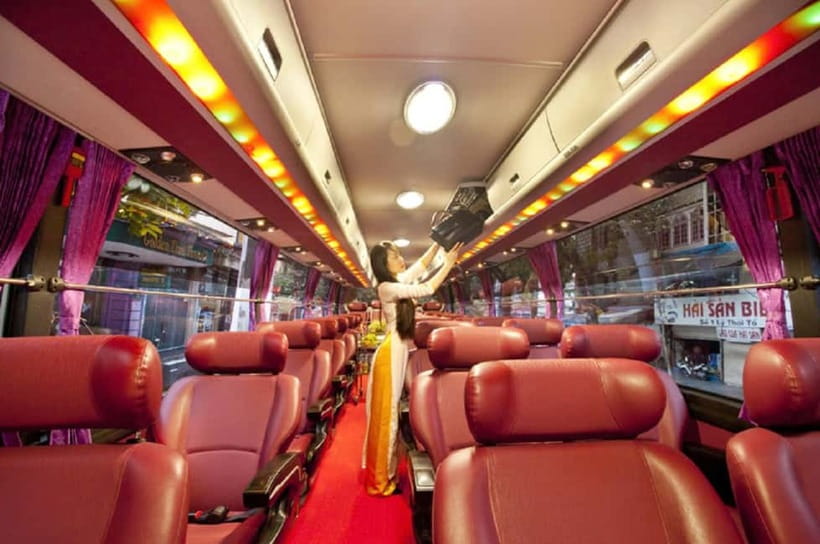
The trip starts with a round-trip limousine bus between Hanoi and Sa Pa via Lao Cai. Even if you’ve seen a few sleeper buses before, the pitch here is simpler: less stress, more comfort, and time you can actually use before you start walking in the hills.
On the road, you’re usually traveling early, which matters because Sa Pa’s best walking happens in the daylight. If you choose the sleeper-style upgrade, some guests describe individual cabins, extra comfort, and even internet access along much of the route. That upgrade is worth thinking about if you want to arrive with your energy intact instead of showing up tired and grumpy.
One practical tip: pack light for the homestay part. You can store your luggage in the bus trunk and pick it up later on Day 2. That means you’ll want a small day bag with anything you’ll need for the trek and overnight, since once you’re in the village, you don’t want to be hunting for essentials.
You can also read our reviews of more tours and experiences in Hanoi.


First stop in Sa Pa: Lao Chai and Ta Van village life
Once you arrive in Sa Pa, you’re typically welcomed at the bus stop, then you’ll go to lunch and take a breather before the trek begins. This buffer is more important than it sounds. Sa Pa mornings can be cold or foggy, and lunch gives you real fuel before the downhill sections start.
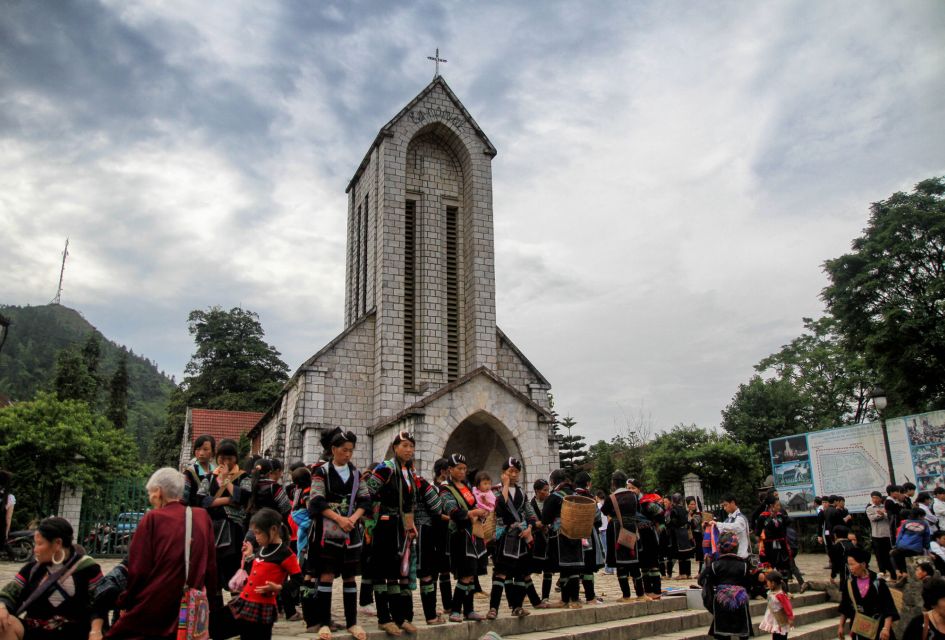
You’ll also see traditional costume styles as you move through the region—Hmong, Dzao, and Tay communities. The tour leans into this in a respectful, practical way: the costumes aren’t treated like a museum display. They’re part of how people identify, work, and live across the highlands.
Then you’ll head to the village area tied to the trek route—Lao Chai (a Black Hmong village) and Ta Van for the homestay night. Lao Chai is where you’ll get the classic Sa Pa feel: mountain views, terraces, and small trails that feel like they’ve always been here. Ta Van is where the story shifts from scenery to daily life.
Day 1 trekking: rice terraces, Muong Hoa Stream, and Black Hmong villages
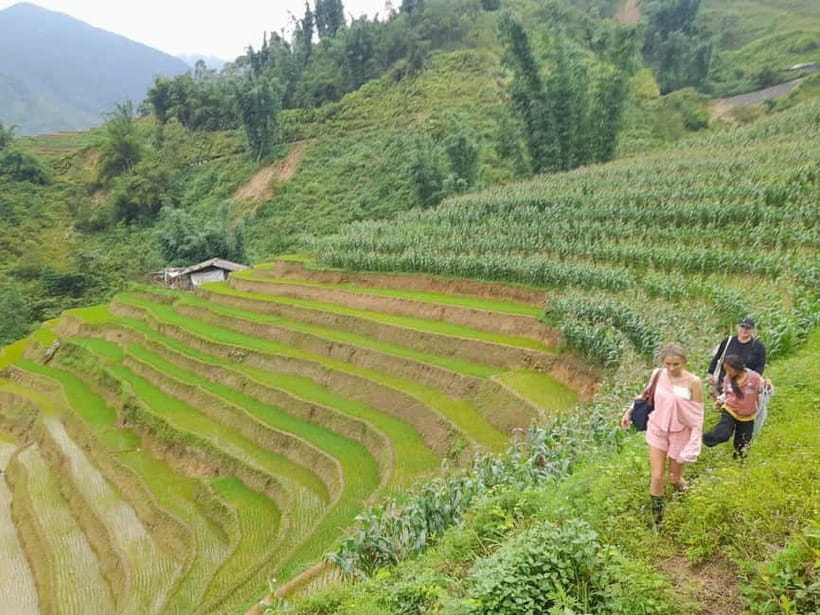
Day 1 is the longer walking day, often described as about 8 kilometers with mostly downhill in sections. That makes it doable for many people, but don’t underestimate it—downhill means sore knees later, and Sa Pa ground can turn slick fast after rain.
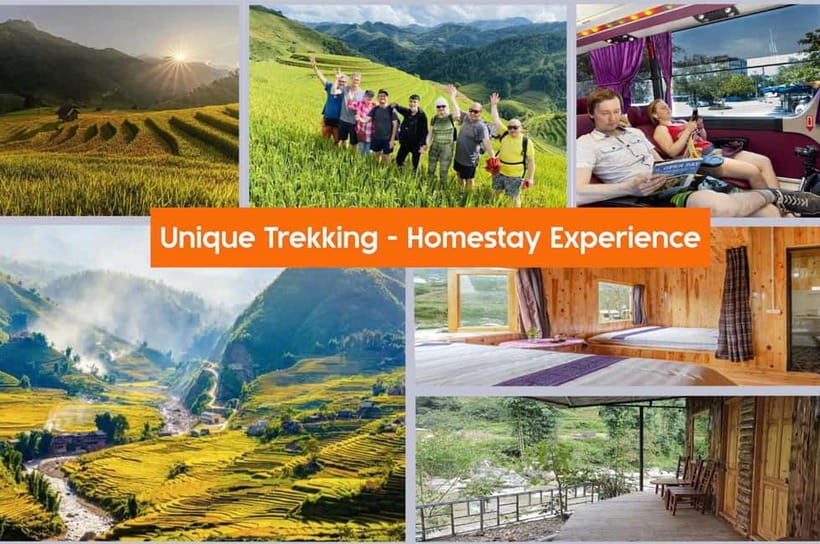
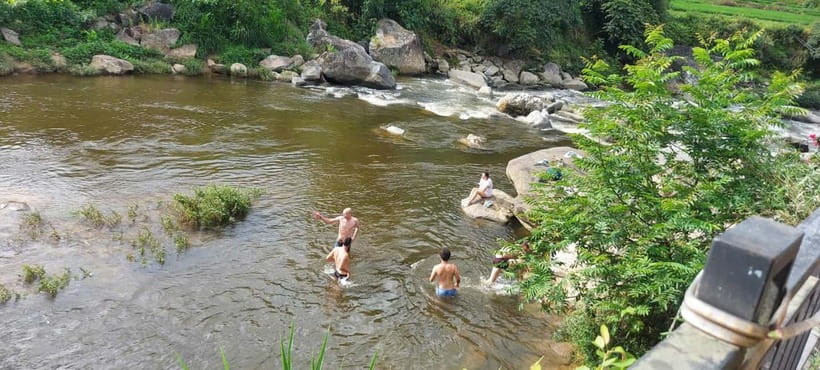
You’ll trek through lush rice paddies and along the Muong Hoa Stream. The terraces look good even when the weather is hazy, and on clear days they’re stunning. Fog is common in the region, so don’t build your entire experience around one perfect viewpoint. The joy here is in the walk itself: footpaths, fields, and the small village intersections.
A big reason this day works is the pacing. You’re not just marching from point A to point B. You reach the Black Hmong village of Lao Chai, then continue to Ta Van where you check in with the host family. That means the day has an actual payoff, not just a long trek and then bedtime.
Practical note from what you’ll experience: if you’re trekking after rain, mud can be heavy. Hiking shoes matter. Many guests also mention that extra clothes are smart because you can get muddy even when the trail looks manageable from a distance.
The Ta Van homestay night: what you’re paying for
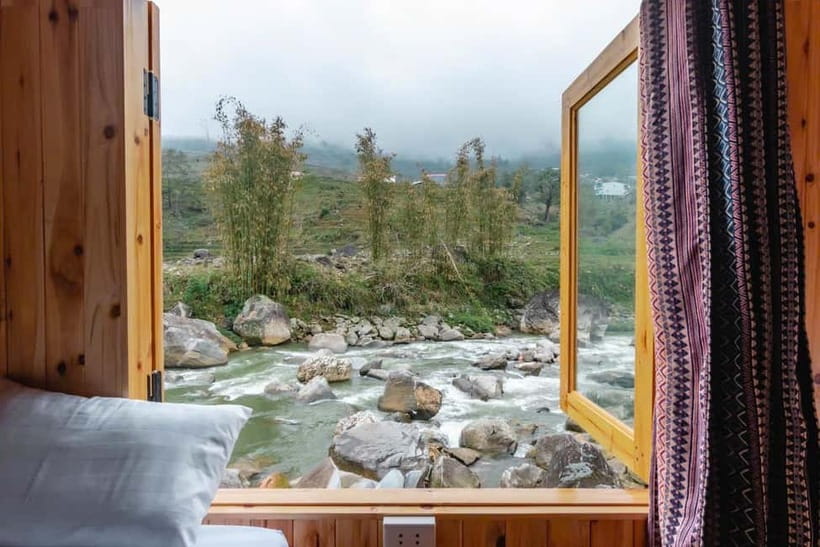
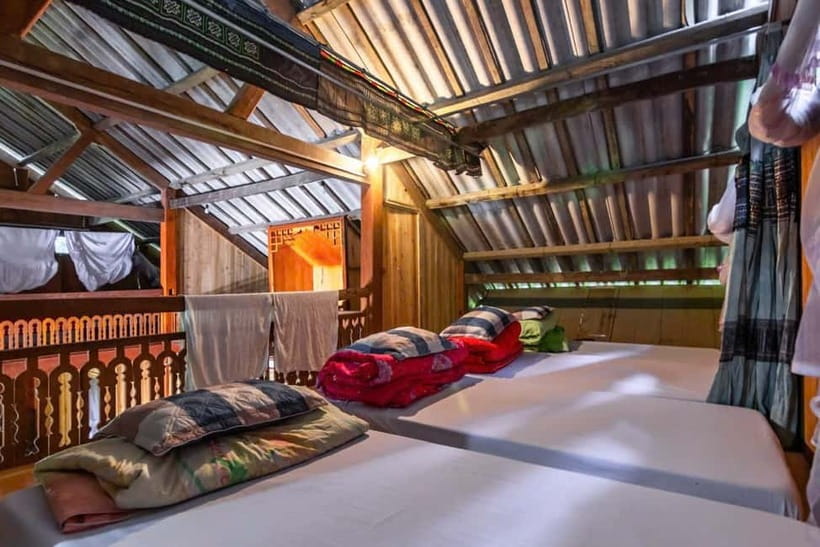
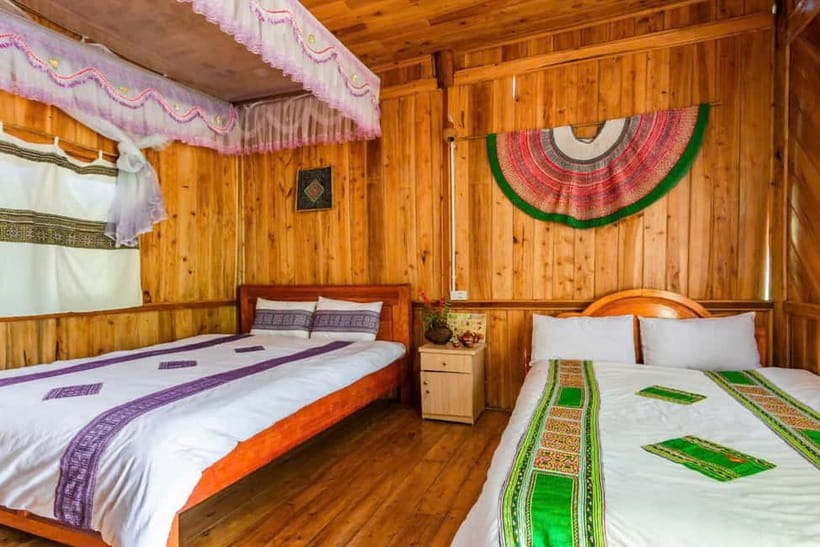
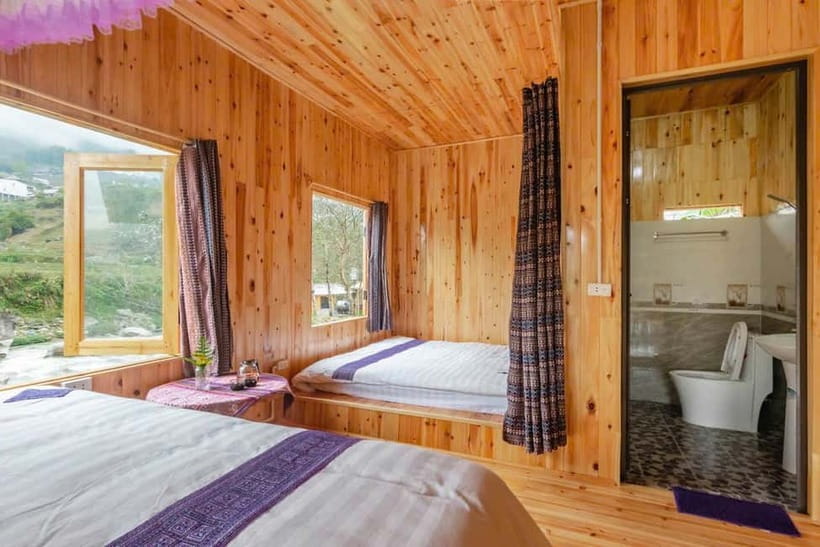
This is the heart of the tour. The homestay is in Ta Van village and includes your overnight stay and meals. The setup is basic, so think “clean and functional” more than “modern hotel.” You’ll get the essentials, and the family-style meals are a key part of the value.
Some guests found it more comfortable than expected, especially when upgraded to a private room. In a few cases, people also mention hot showers with that upgrade. Without an upgrade, you’ll likely be on a simpler arrangement (the tour lists a single mattress), so adjust expectations accordingly.
Why it’s worth it: you get to eat and sleep in the mountains with people who actually live there. The experience isn’t just about the bed—it’s about observing the way a family runs their evening: dinner first, then the quiet and noises of a village night that can start early.
If you’re a light sleeper, bring earplugs. One guest noted the village can be active at night, and that’s exactly the kind of detail that makes or breaks the “sleep well” part of a homestay.
Another real-world factor: craft selling. During the walk, you’ll sometimes encounter women following along with handmade items for sale. Many guests say it can be friendly, but also persistent. If you’re not in the buying mood, be firm and kind, and don’t keep engaging once you’ve said no. If you do want to buy, keep cash ready—this is cash-first tourism.
Day 2 trekking: Giang Ta Chai Bridge, bamboo forest, and panoramic views
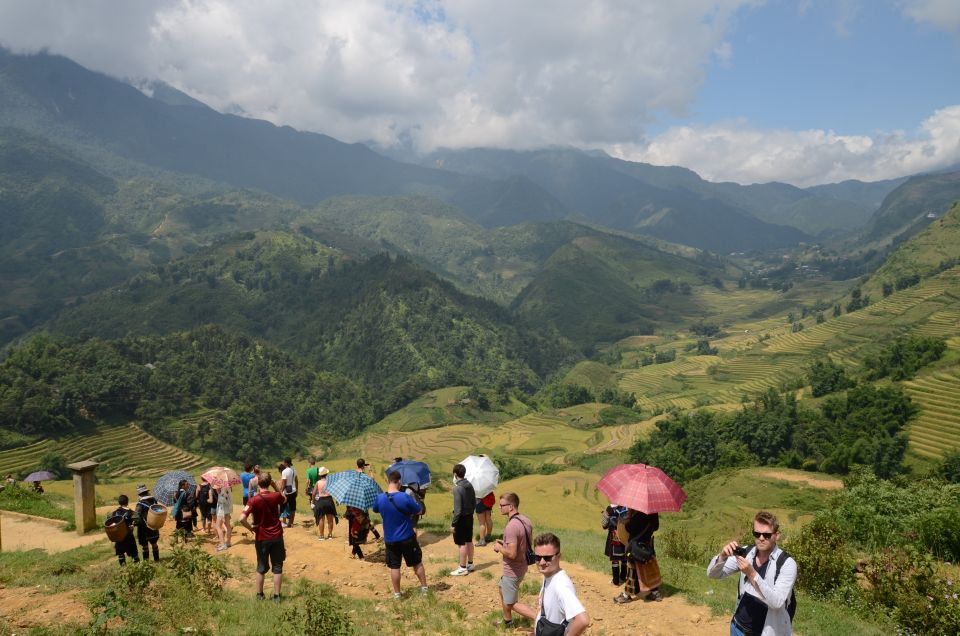
Day 2 is shorter for most people—often described as around 4 kilometers with undulating terrain. Sounds gentle, but Sa Pa doesn’t do flat walks. You still get slopes, and bamboo forest days can feel cooler and damp.
You’ll start with breakfast prepared by the family. After that, you head out for a morning trek through rice paddies and bamboo forest. If Day 1 is about long terrace lines and river-adjacent scenery, Day 2 is about variety: more forest texture, narrow trails, and the kind of views you only get when you’re walking above the valley.
You’ll also get a panoramic look at Giang Ta Chai village, then cross the Giang Ta Chai Bridge. That bridge crossing is a practical moment too: it’s where your trekking day transitions into the return logistics.
Later, a car brings you back to the Sa Pa hotel area for lunch and a shower before the limousine bus back to Hanoi. This matters because many trekkers finish Day 2 with sore legs and a shower becomes a real quality-of-life upgrade, not a luxury.
Then the trip ends back at the meeting point. The tour includes the return car transfer to the hotel area, but from there you manage any hotel-to-meeting-point movement on your own.



Food, pace, and trail difficulty: plan for knees, mud, and timing
The tour includes 2 lunches, 1 dinner, and 1 breakfast. Food is usually a highlight in this kind of homestay setting, and guests describe the meals as tasty and plentiful—especially dinner with the host family and the food served around the start/finish points.
Pace-wise, Day 1 tends to be longer and mostly downhill. Day 2 is shorter but more varied terrain. Most people find the trek a medium level effort, but your comfort will depend on:
- recent rain and mud
- how your knees handle downhill
- whether you wear proper grip footwear
Heat can also play a role on certain days, but the larger issue in Sa Pa is that wet stone and packed dirt can turn into ice without the snow.
So here’s my practical take: pack for grip, not for style. Hiking shoes are listed for a reason. Normal sneakers often don’t have enough traction once the ground gets slick.
Guides in the field: why English-speaking matters here
A good guide makes the difference between a walk and an experience. This tour gives you a local English-speaking guide from the region—Hmong guides like Sha, Sua, Soso, and Wan show up in the guide roster people report.
What you’ll feel day to day is simple:
- explanations about what you’re seeing (villages, crops, nature)
- organized timing so you’re not stopping every five minutes
- group safety on narrow, slippery paths
Many guests also mention the guide keeps energy up on foggy or rainy days. That’s not just attitude—it changes how you experience the same trail when visibility drops.
Also, you may notice that other women from the villages sometimes walk with the group. This can help on steep sections, and it also ties into the craft selling around the trek route.
Money and craft sales: how to handle the cash and the pressure
This is a cash-based trip. Banking can be unreliable in Sa Pa, and the tour explicitly advises bringing cash in Vietnamese Dong. If you’re not carrying VND, some currencies are accepted (US Dollars, Euros, and Australia Dollars), but the safest move is to come with cash you can spend without friction.
Expect craft sales. Handmade items like scarfs and jewelry are part of the encounter. The tone can be friendly, and some guests genuinely enjoy buying. Others felt uncomfortable when selling became persistent. If you want to avoid stress, decide before you go:
- Are you buying crafts or not?
- If not, how will you say no quickly and politely?
A simple approach works best: keep your answers short, don’t bargain for attention, and move with the group. Also, remember you’re walking on a livelihood route, so total silence can sometimes lead to repeated offers. Kind and firm beats long conversations.
What to bring (and what you’ll regret not packing)
The tour’s packing list is short for a reason: it focuses on what your feet and body need.
Bring:
- Hiking shoes with grip
- Sunglasses (fog can lift, and sun can still hit)
- Sunscreen
- Insect repellent
- Cash in Vietnamese Dong (or accepted foreign currency)
Smart additions based on real trail conditions you may face:
- extra clothes for getting muddy
- earplugs for night noise in the village
- a small day bag and a light layer for cool mornings
Leave pets at home. Also, the tour isn’t suitable for young kids under 6 or for guests with mobility impairments or wheelchair users.
Is this tour worth it? The value case for two days
With only 2 days, you’re not buying weeks of travel time. You’re buying access to a specific slice of Sa Pa that’s hard to replicate on your own without local connections.
The value comes from four things that are hard to stitch together independently:
- Round-trip limousine bus between Hanoi and Sa Pa
- An English-speaking local guide during trekking
- Homestay accommodation in Ta Van plus included meals
- Day 2 transfer back toward Sa Pa for lunch, shower, and the bus ride out
If you want a quick hit of Sa Pa that includes village life (not just views), this is a strong fit. If you’re chasing maximum comfort, you may prefer a purely hotel-based stay. But if you’re okay with basic homestay conditions and you want the walking + family experience, this tour is built around that tradeoff.
Who this fits best (and who should skip it)
This works especially well for you if:
- you want moderate trekking without a week-long commitment
- you like culture that’s not staged
- you can handle uneven trails and possible mud
- you’re comfortable bringing cash and saying no to sales politely
You should think twice if:
- you need fully flat, wheelchair-friendly walking
- you have limited knee tolerance for downhill sections
- you expect hotel-level amenities in the homestay without upgrading
- you want guaranteed clear skies (fog can happen)
Should you book this Sa Pa homestay trek?
I’d book it if you want the heart of Sa Pa in a tight time window: rice terraces, village walking, and one real night in Ta Van with included meals and local guiding. The homestay choice is the deciding factor. If you skip the homestay, you miss the reason this tour stands out.
One final decision tip: if you’re worried about sleep or comfort, ask about upgrading to a private room when booking. And if rain is possible for your dates, take the footwear advice seriously—your enjoyment will hinge on traction more than people expect.
If you want Sa Pa views, yes, you’ll get them. If you want Sa Pa life, you’ll get much more than views—especially when the fog lifts enough to show you what the valleys look like from the trail.
FAQ
What meals are included in the 2-day tour?
You’ll get 2 lunches, 1 dinner, and 1 breakfast included during the two days.
Where is the homestay, and what is the accommodation like?
The homestay is in Ta Van village. It’s described as basic with cultural facilities, with a single mattress arrangement. You can request an upgrade to a private room when booking.
Are the trekking distances long?
The first day is often described as around 8 km, mostly downhill, and the second day around 4 km with undulating terrain.
How do you travel from Hanoi to Sa Pa, and what’s provided on the way back?
You travel round-trip by limousine bus. On Day 2, after trekking you’ll take a car from Giang Ta Chai back to the hotel area in Sa Pa, then join the return bus to Hanoi.
Do I need cash in Sa Pa?
Yes. You’re advised to bring cash because banking in Sa Pa can be unreliable. Vietnamese Dong is recommended, and US Dollars, Euros, and Australia Dollars are accepted.
What should I pack for the trek?
Bring hiking shoes, sunglasses, sunscreen, insect repellent, and cash.
Is the tour suitable for children or people with mobility issues?
It isn’t suitable for children under 6 years old. It’s also not suitable for people with mobility impairments or wheelchair users.
Can I bring a pet?
No pets are allowed on this tour.