REVIEW · PHUKET
Phuket:Beach walk with elephants, rain & care. 2.5 hours
Book on GetYourGuide →Operated by Lily Elephant Camp Phuket · Bookable on GetYourGuide
A morning with elephants in the sea can’t be copied. At Lily Elephant Camp in Phuket, you spend about 2.5 hours feeding, walking, bathing, and brushing elephants in a coastal sanctuary where chains and riding are not part of the deal.
Two things I really like: the hands-on care side (you actually make herb/vitamin balls) and the beach setting that turns the visit into something more natural than a dry, fenced photo stop. The elephant interactions stay close to their routines, not a performance.
One thing to consider: if you want your memories in professional photos, budget for it. There’s an on-site photography option with charges that can feel steep (one guest quoted 1500 THB for digital photos), and English may vary a bit for the water portion even with an English/Thai guide.
In This Review
- Key points before you go
- Why Lily Elephant Camp feels different in Phuket
- 150 minutes with elephants: the full flow
- The jungle walk and feeding in their natural habitat
- Beach bathing, brushing, and the sea shower moment
- Rain, vitamin balls, and what “care work” looks like
- Ethics and elephant history: what to keep in mind
- Price and logistics: what you’re really paying for
- What to bring (so you don’t suffer)
- Who this elephant experience is best for
- Should you book Lily Elephant Camp Phuket?
- FAQ
- How long is the elephant experience?
- What activities are included?
- Does the price include hotel pickup and drop-off?
- What are transfer fees if I don’t choose the inclusive transport option?
- Is professional photography included?
- Is the tour wheelchair accessible?
Key points before you go
- Coastal elephant sanctuary in Yamu (Paklok): a beach and jungle combo, not a landlocked enclosure
- No chains or riding: the camp frames the day around conservation and care
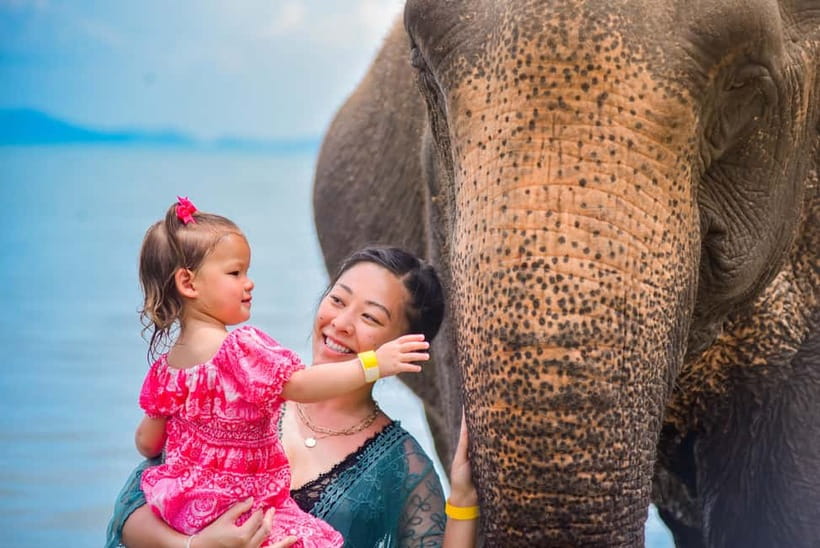
- Sea bathing and brushing at a private beach: the signature moment is wet, sandy, and close
- Jungle walk plus feeding: about 15–20 minutes walking and time making elephant supplement food
- A rainshower with elephants: part of the bathing routine, included in the experience
- Bring swim gear and biodegradable basics: you’ll get wet and you’ll be in the elements
Why Lily Elephant Camp feels different in Phuket
Phuket has no shortage of elephant experiences. What makes this one worth your attention is the setting and the rules around how you interact. Lily Elephant Camp calls itself Phuket’s first coastal elephant sanctuary, set up for conservation and education, with a focus on elephant wellbeing and caretakers’ routines in a 20-acre natural habitat.
The “coastal” part matters. You’re not just standing next to animals. You’re in a day plan designed around the elephants’ needs: walk time in nature, feeding, and then bathing—plus you even shower up alongside them. That creates a very different feeling from the typical roadside attraction.
You’ll also get a talk that frames why Thailand needs better elephant care, and why sanctuaries matter for elephants that can’t be released back into the wild. In the better reviews, guides (including people named Kim) come across as patient and informative, not rushed or pushy.
You can also read our reviews of more tours and experiences in Phuket.



150 minutes with elephants: the full flow
Think of this as one continuous half-day experience rather than a “see elephants, leave” loop. The program is listed at about 2 to 2.5 hours (150 minutes). You’ll usually start with pickup depending on what you select, then head to the camp, where the day’s rhythm centers on elephant care.
Here’s how the time generally plays out:
1) Arrival at Lily Elephant Camp
You’ll meet the team, get an overview of elephant conservation and daily care, then move into the practical part of the visit. Even with the activities scheduled, the camp keeps the focus on how to be calm and respectful around these animals.
2) Wildlife viewing and elephant time
The main event is time with the elephants through multiple interactions. The camp’s highlight is that you can walk with elephants in nature for a short stretch, then shift to beach care activities.
3) Drop-off across several Phuket areas
You’ll be returned to the drop-off points listed for areas like Patong, Karon, Kata, and others depending on your option at booking.
If your time window is tight, the pacing is good to know: the activities are concentrated, but you’re not expected to sprint between stops. If your schedule is flexible, you’ll enjoy the calm part more.
The jungle walk and feeding in their natural habitat
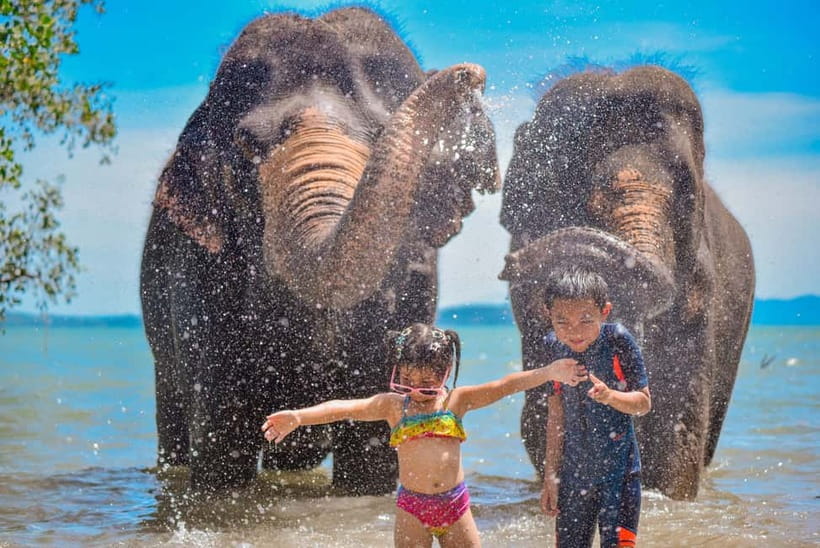
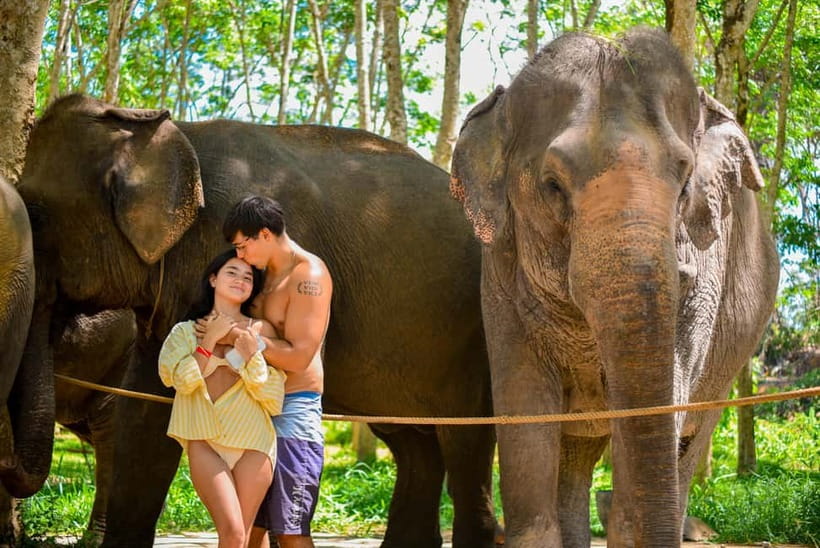
The camp’s core interaction starts with a walk in the jungle alongside the elephants. This is listed as 15–20 minutes, which is short enough to keep the day comfortable, and long enough to feel real instead of staged.
Why this matters for you: a short walk with close guidance helps you read elephant behavior better. You’ll see how they move, how caretakers manage space, and how feeding works beyond a quick “hold out food and smile” moment.
Feeding is also included, and the camp builds that feeding into the education side. You learn how the elephants’ nutrition and care fit into daily life at the sanctuary. In many reviews, guests say the elephants seem relaxed and sociable, and that you get enough time to participate without feeling herded.
Practical tip: wear footwear that works on uneven ground, because you’ll be on a mix of natural surfaces before you get into the beach segment.
Beach bathing, brushing, and the sea shower moment
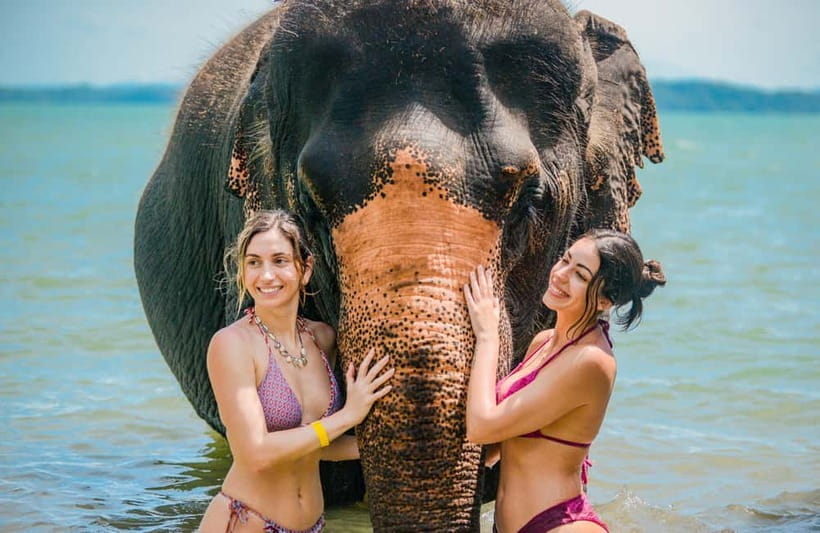
The most distinctive part of this experience is what happens at the private beach. You’ll bathe the elephants in the sea, brush them, and spend time with them right where waves meet sand. This is the moment that repeatedly gets called out as the best part, and it makes sense: it’s unusual, tactile, and genuinely scenic.
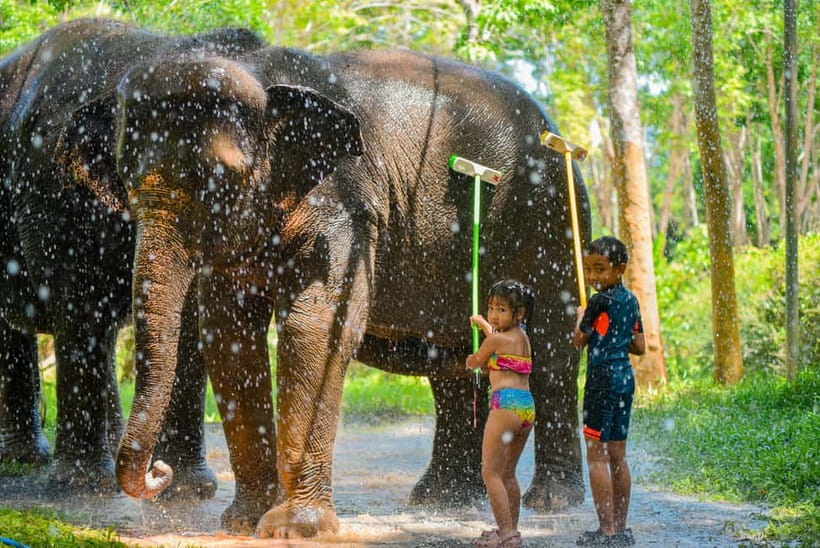
You’ll also experience a rainshower with elephants as part of the bathing routine. For me, the value isn’t just the novelty. It’s that the camp treats water care as a normal part of elephant wellbeing, not an attraction trick.
What you’ll like if you care about animals: the better reviews emphasize that staff handle the elephants gently and that the elephants aren’t being climbed or ridden. One review specifically praised that there were no chains involved and that caretakers talk to elephants while working.
One consideration: water days can be rough on clothing and shoes, especially if you’ll be wading or standing on rocky edges. Bring a plan for quick changes. You’ll be doing this in swimwear, then switching out afterward.
Rain, vitamin balls, and what “care work” looks like
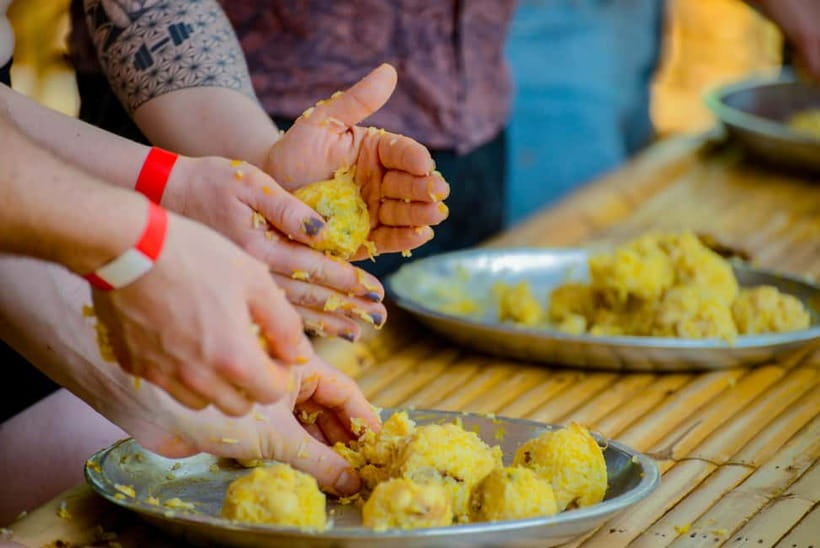
This is where the visit gets smarter than a typical photo session. You’re not only interacting; you’re also helping prepare elephant nutrition supplements. The camp includes time to prepare vitamin/herb balls (natural supplement food), which you then give to the elephants as part of the day’s routine.
That matters for your understanding. When you make the food yourself, it clicks that this is care work, not a one-time feeding stunt. It also helps you see why the camp is focused on conservation and education, not entertainment.
You’ll likely learn about mahouts’ daily roles and how caretakers support elephant health and comfort. The sanctuary’s mission is to improve wellbeing for both elephants and caretakers, and this feeding-prep step is a clear window into that model.
If you’re the type who worries about ethics, this is the part that makes the ethical argument more tangible. You’re getting a glimpse of how sanctuaries feed and support animals whose lives are still centered on people because they were raised in captivity or were previously used for labor.






Ethics and elephant history: what to keep in mind
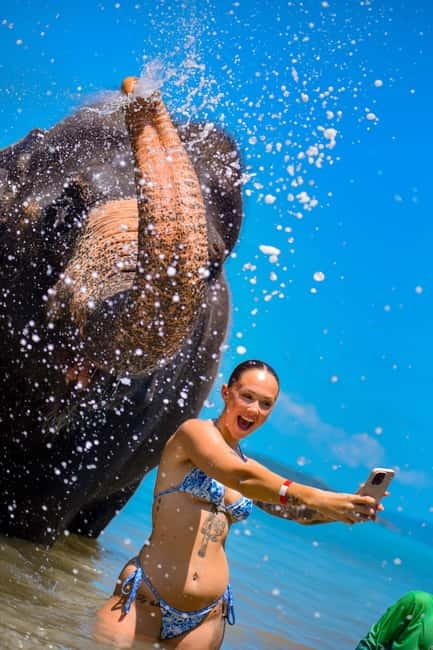
Let’s be honest: elephant tourism is emotionally complicated. You’ll hear opinions on both sides, and Lily Elephant Camp is clearly positioning itself as an alternative to harmful practices.
The camp states that elephants enjoy freedom from chains, riding, or torture. In multiple reviews, people say the elephants are well cared for and that staff treat them respectfully. Some guests also mention learning about pasts of elephants used for labor or injured by previous owners, and why these individuals can’t just be dropped into the wild.
Here’s the balanced way to think about it before you decide:
If an elephant is never harmed and gets a stable, safe life where their needs come first, that’s not the same category as riding shows or chained begging. This camp’s experience is designed around calm interaction, bathing, feeding, and education, and the whole day is built around that standard.
If you want to feel confident going in, watch for staff behavior. Do they rush? Do they use force? Are interactions calm and consent-based (as much as possible with animals)? Your gut will usually answer.
Price and logistics: what you’re really paying for
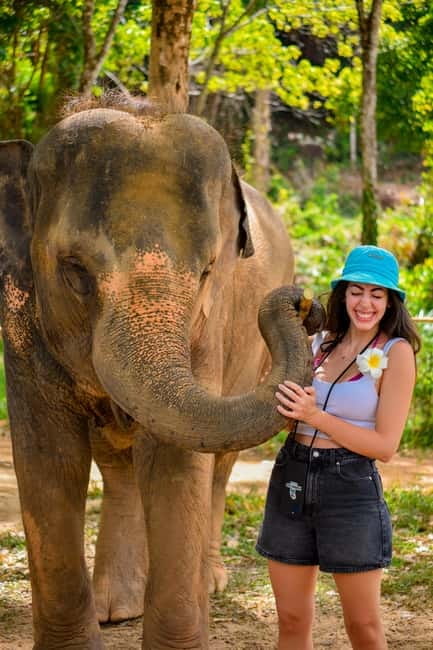
The price listed here is $59 per person, for a roughly 150-minute program. On paper, it looks simple. In real value terms, what you’re paying for is a guided, structured half-day with included elephant food, feeding time, jungle walk time, sea bathing, and guide support, plus accident insurance.
On top of that, the camp includes conveniences that add comfort: clean showers and toilets are mentioned in reviews, and some people note coffee/juice on-site. Those small things matter more than you’d think once you’re wet and sun-burnable.
Two extra cost items to plan for:
- Transfers: hotel pickup/drop-off in Phuket City, Old Town, Kata, Karon, and Patong are only included if you select a transport option during booking. Otherwise, shuttle fees are listed (300 THB per person for standard zones).
- Professional photos: photography is not included. Fees start around 300 THB, and one guest quoted 1500 THB for digital photos. You’re not required to buy them, but they’re there.
If you hate surprise add-ons, go in with a budget for optional photos—or skip them and rely on your own camera.
What to bring (so you don’t suffer)
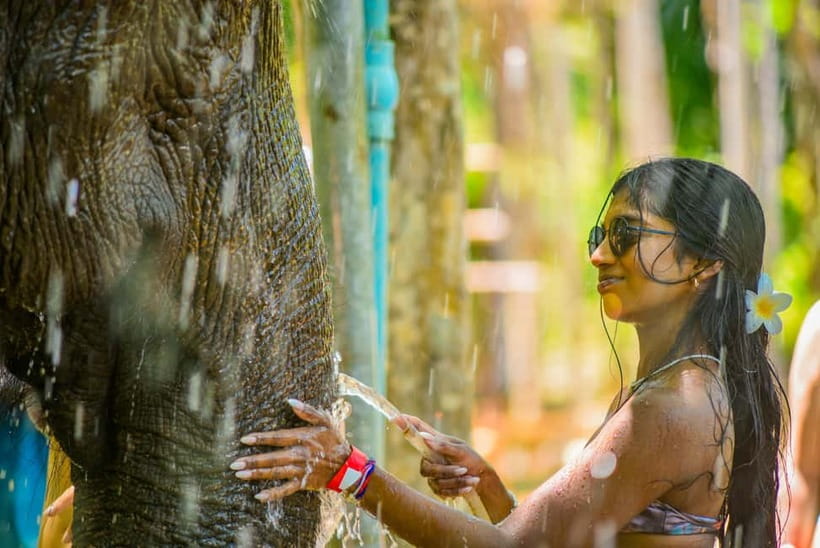
This is a wet-and-sun situation. Pack like it’s a beach day with animals:
- Swimwear and a change of clothes
- Towel
- Sunscreen plus biodegradable sunscreen
- Sunscreen-friendly hat and sunglasses
- Camera (and a waterproof plan if you like taking gear into the water)
- Cash
- Biodegradable insect repellent
Also note what’s not allowed: drones.
Quick reality check: even if the rain shower is part of the experience, you still need sun protection. Phuket sun does not care about your itinerary.
Who this elephant experience is best for
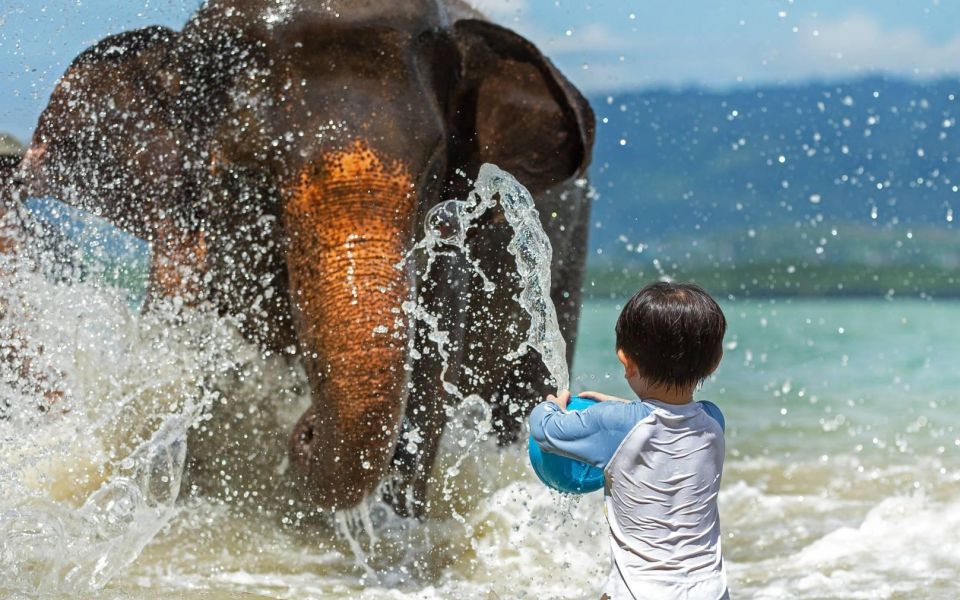
I think this works best if you want a hands-on, ethical-leaning encounter without riding or chains. It’s also a strong choice if you enjoy learning while doing—feeding prep, elephant supplement making, and behavior explanations are part of the day.
It can be a good family option too. A review specifically called it family-friendly and mentioned a child enjoying the experience, and the camp says the experience is wheelchair accessible.
If you’re chasing a fast, low-effort “look at elephants from a distance” outing, you’ll likely find this more work (in a good way). You’ll be active, wet, and outdoors.
Should you book Lily Elephant Camp Phuket?
Book it if you want:
- Sea bathing with elephants in Phuket (this is the headline)
- A structured day that includes jungle walking, feeding, brushing, and supplement prep
- A camp that emphasizes conservation and avoids common abusive practices like chains and riding
Skip or rethink it if:
- You only want casual sightseeing and hate hands-on participation
- You’re easily bothered by optional photo up-sells (they are there, with fees that can be high)
- You prefer experiences where every guide in every moment is fluent in English. The camp includes English-speaking guidance overall, but water interactions may be harder to follow for some people.
If you go, go with the right mindset: calm, respectful, and ready to get wet. Done that way, this turns into one of those Phuket experiences you’ll remember long after the beach photos fade.
FAQ
How long is the elephant experience?
The program duration is listed at about 150 minutes (around 2.5 hours).
What activities are included?
You’ll have time for a jungle walk with elephants, feeding, bathing and brushing them in the sea, and making natural vitamin/herb supplement balls. A rainshower with elephants is also part of the experience.
Does the price include hotel pickup and drop-off?
Hotel pick-up and drop-off is included only for certain Phuket areas if you choose the transport option during booking.
What are transfer fees if I don’t choose the inclusive transport option?
Standard transfer zones are listed at 300 THB per person for on-demand shuttle service, and guests who book program-only and later want the shuttle pay 750 THB per person. (Fees apply based on where you are.)
Is professional photography included?
No. Professional on-site photography is not included, with rates starting from 300 THB.
Is the tour wheelchair accessible?
Yes, the activity is listed as wheelchair accessible.