REVIEW · TOKYO
Tokyo: Traditional Tea Ceremony with a Tea Master
Book on GetYourGuide →Operated by Sunrise Adventure · Bookable on GetYourGuide
Tea, whisked by your own hands in Tokyo. This Tokyo tea ceremony at Ocharu (just across from Tokyo University) is a short, friendly way to learn how Japanese tea actually tastes and how it’s made, not just how it’s talked about. I especially like the hands-on matcha part and the seasonal wagashi paired with top-quality teas.
One clear consideration: it’s not suitable for wheelchair users.
In This Review
- Quick hits before you go
- Ocharu’s Tokyo Tea Ceremony Room: Where tradition feels practical
- The 60-minute flow: what happens from welcome tea to Genmaicha
- 1) Welcome cup of wakocha and cake
- 2) Gyokuro sencha tasting and seasonal wagashi from Ougiya
- 3) Matcha making with a tea master (and traditional tools)
- 4) Genmaicha finale to end on something cozy
- Matcha isn’t just taste: it’s feel, temperature, and tiny technique rules
- The wagashi piece: seasonal sweets from Ougiya, not random cookies
- Keepsakes that make the hour feel like an event
- Tea ceremony vibe: calm, friendly, and not stuck in stiff formality
- Getting there: finding Ocharu fast (and what to do if you miss it)
- Price and value at $38 per person: what you’re really buying
- Who should book this Tokyo matcha class (and who shouldn’t)
- Should you book this tea ceremony in Tokyo?
- FAQ
- Where is the tea ceremony located in Tokyo?
- How long does the experience last?
- What is the price per person?
- Is the tea master/instructor speaking English?
- Do I get to make matcha myself?
- Which teas and sweets are included?
- What do I receive at the end?
- Is the activity wheelchair accessible, and do I need to arrive early?
Quick hits before you go
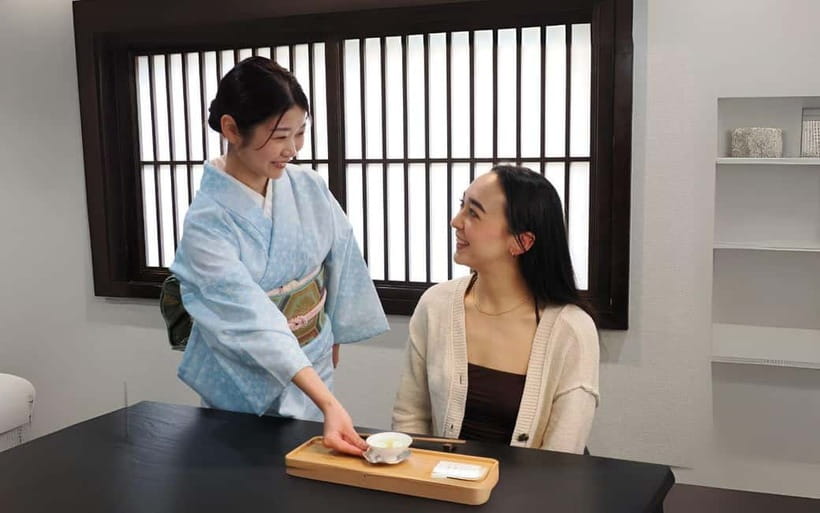
- Across from Tokyo University: easy to orient yourself in the neighborhood.
- A tasting lineup you can name: wakocha, gyokuro sencha, matcha, wagashi, and genmaicha.
- You make matcha yourself using traditional tools with English guidance.
- Seasonal sweets from Ougiya add a real flavor contrast to the tea.
- Keepable souvenirs: a completion certificate plus a group photo.
- Look for the green OCHARU logo for fast check-in.
Ocharu’s Tokyo Tea Ceremony Room: Where tradition feels practical
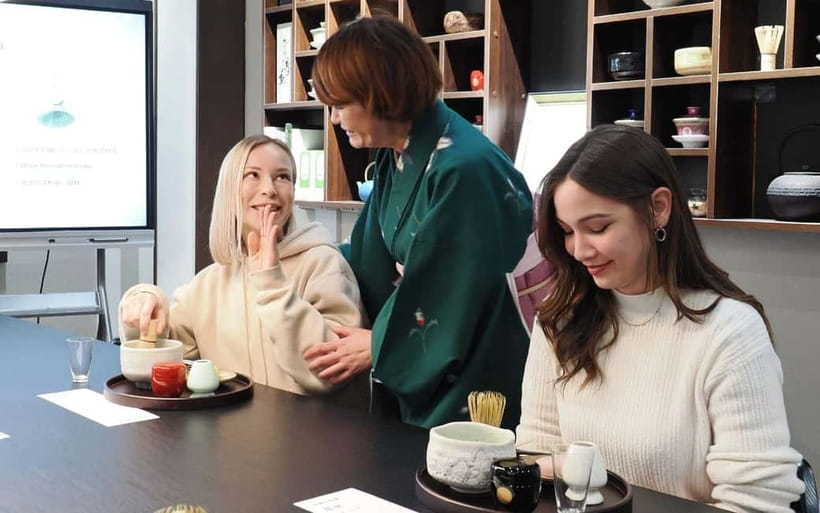
If you want a Japan experience that’s cultural, calm, and doable even on a busy Tokyo day, this one makes sense. The Ocharu Tea Ceremony Room sits across from Tokyo University, so you’re not wandering through an obscure back street trying to decode a map. You walk in, check in, and in about an hour you’re tasting, whisking, and learning the simple rules that make Japanese tea taste the way it does.
What makes this setting feel traveler-friendly is the rhythm. You’re not asked to perform silence for an hour. You learn the steps, you try the steps, and you taste the difference that each tea and each tool can create. The tone is relaxed and welcoming, with English guidance so you’re not stuck guessing.
You can also read our reviews of more tours and experiences in Tokyo.

The 60-minute flow: what happens from welcome tea to Genmaicha
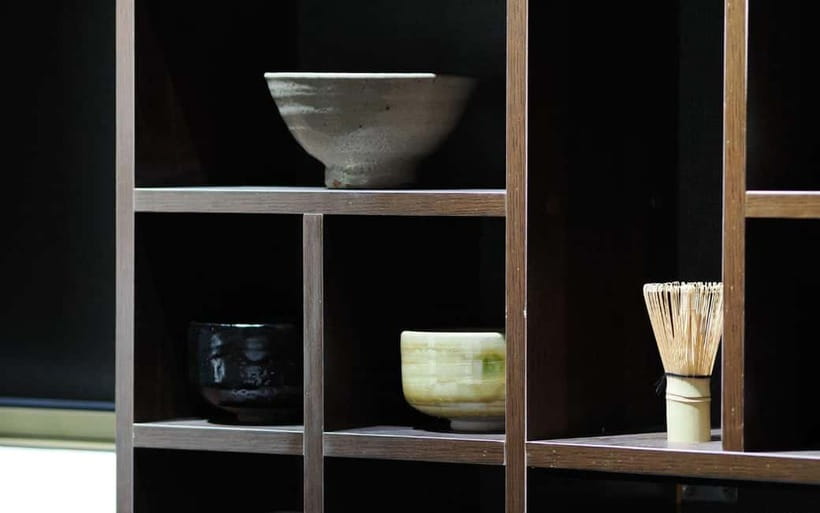
This is a structured tea “tour” of Japan’s tea flavors. Think of it as five acts: welcome, sencha and sweets, matcha making, a tasting of what you created, then a warm finish.
1) Welcome cup of wakocha and cake
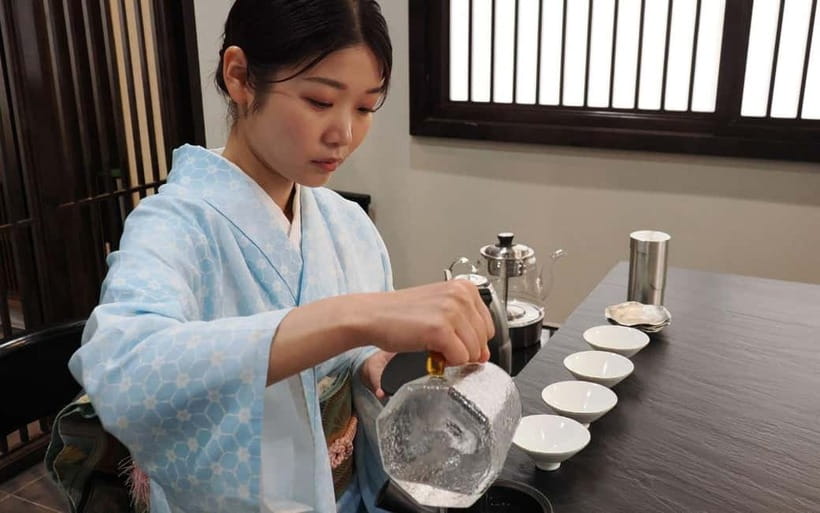
You start with wakocha, a Japanese black tea from Shizuoka, paired with a traditional tea cake. Wakocha is a great opener because it’s not the usual green-tea-only story. You get a fruity-floral direction right away, which helps your palate reset before the stronger green teas show up.
Practical tip: treat this first sip like your calibration. Notice aroma first, then flavor. It sets you up to appreciate how the next teas are prepared differently.
2) Gyokuro sencha tasting and seasonal wagashi from Ougiya
Next comes gyokuro sencha, described as the highest grade of green tea. You’ll taste the tea, and the session also includes seasonal wagashi—sweet pieces made by the renowned confectioner Ougiya.
Why this pairing matters: gyokuro can feel delicate and deep at the same time. The sweets are there to guide your tasting, not to overpower it. If you’re new to Japanese tea, wagashi helps you understand the balance Japanese sweets often aim for—less about sugar overload, more about texture and seasonality.
Also, you’re not only drinking. You’ll get chances to taste along the way, including learning about the tea leaves themselves.
3) Matcha making with a tea master (and traditional tools)
Now you get the star activity: whisking matcha. This part is hands-on and interactive, guided step-by-step with traditional utensils.
Here’s what to expect in a practical sense:
- You’ll learn how to prepare properly, not just how to mix.
- You’ll whisk and see what changes in the surface and texture.
- You’ll taste what you made, so it becomes personal instead of instructional.
Some sessions are led by English-speaking tea masters with names like Ekiko or Shinichi-san. Whoever leads yours, the goal is the same: calm, clear guidance so you can do it yourself.




4) Genmaicha finale to end on something cozy
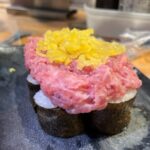
To close, you’ll enjoy genmaicha, a blend of sencha and roasted rice from Niigata Prefecture. Genmaicha is a comforting finale because it softens the experience. The roasted rice note gives you warmth and a different kind of aroma than straight green tea.
If your stomach is sensitive to strong flavors, this ending is a smart choice. It’s also a good “reset” if you’re heading out to explore afterward.
Matcha isn’t just taste: it’s feel, temperature, and tiny technique rules
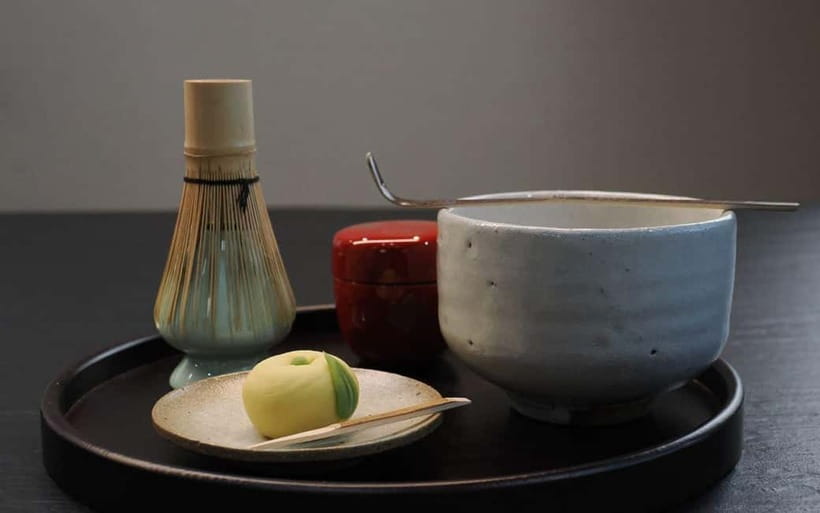
Matcha can be confusing at home. Some is grassy, some is smooth, some feels harsh. In this session, you learn why—because the process affects the result.
Even without getting overly technical, you’ll pick up key technique ideas that explain what you’re tasting:
- why the order of steps matters
- how proper whisking changes texture
- and how water and preparation influence the cup
This is the part I’d call most valuable if you already like tea. You don’t just learn that matcha exists; you learn what makes one bowl taste better than another and what you can replicate later.
And the best part is that you do it yourself. When you physically whisk, you feel the difference. That turns matcha from an abstract idea into a skill you understand.
The wagashi piece: seasonal sweets from Ougiya, not random cookies
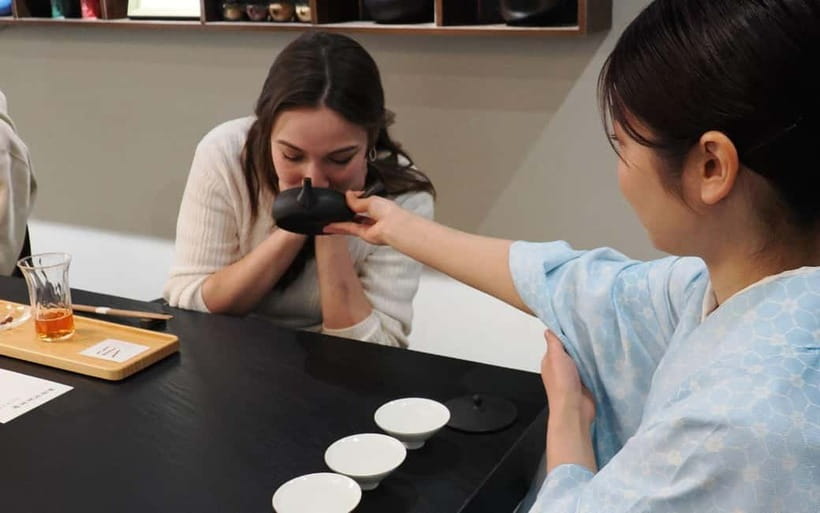
Wagashi often looks like “cute candy” from afar, but in a tea ceremony setting it’s chosen for a reason. In this experience, you’ll have seasonal wagashi from Ougiya, a confectioner known for making these kinds of sweets for generations.
What to watch for as you eat:
- texture contrast (softer vs. firm pieces)
- subtle flavors that don’t fight the tea
- seasonal feel that makes the cup feel time-specific, not generic
This is also where you get a more rounded sensory experience. Tea is aroma and bitterness and temperature. Wagashi adds sweetness, structure, and timing.
Keepsakes that make the hour feel like an event

You don’t leave empty-handed. You’ll get a certificate of completion and also a group photo.
A small detail that can feel extra personal: your certificate may include your name in Japanese. It’s a nice touch if you’re collecting memories beyond photos on your phone.
If you like low-effort souvenirs (something meaningful, not another mug), this fits the bill. It’s also a clean way to remember the steps you learned—because the certificate anchors the experience in your trip.
Tea ceremony vibe: calm, friendly, and not stuck in stiff formality
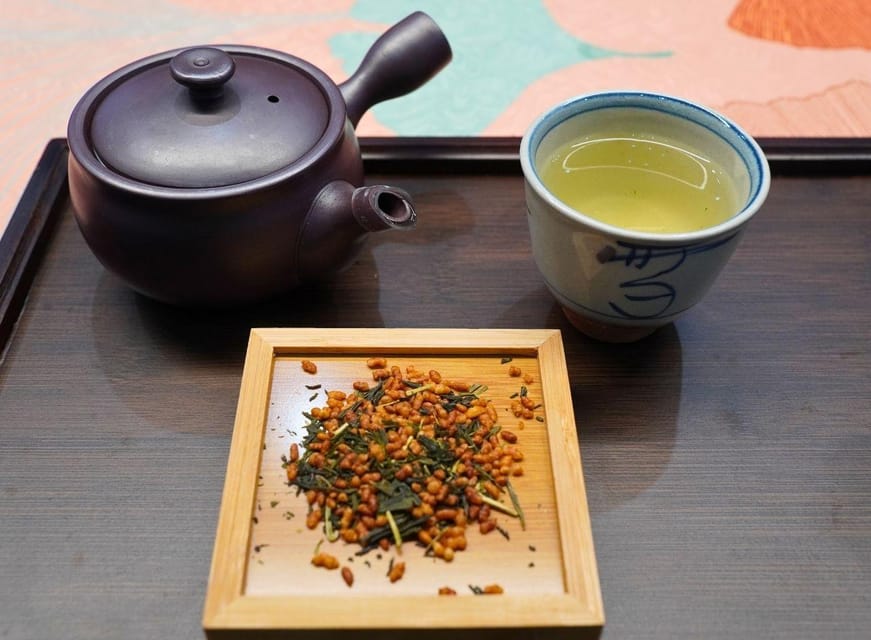
Based on how these sessions are run, the vibe is often more relaxed than people expect. You’ll get clear guidance, plenty of chances to ask questions, and a friendly atmosphere that makes it easy to participate even if you’ve never done a tea ceremony before.
One small heads-up: English instruction is provided, but like any live human experience, clarity can vary depending on the guide and the session pace. If you want to maximize understanding, ask one or two questions as you go rather than trying to catch every word at once.
Also, the room feels built for the activity. You’re there to taste, whisk, and learn—not to navigate a museum route with ten other distractions.
Getting there: finding Ocharu fast (and what to do if you miss it)
Your meeting point is a building with a green logo on the wall that says OCHARU. Arrive about 5 minutes early to check in and get ready.
Here’s the practical challenge: signs can be higher than you expect, especially in a building front. If you don’t see it at eye level, don’t spiral. Slow down, scan the walls on the outside, and confirm you’re at the Ocharu-branded entrance.
If you’re using the metro, one commonly shared route is:
- From Shibuya Station, go to Meiji-Jingumae Station
- Then to Nezu Station (Exit 14)
- Walk around 15 minutes to reach the ceremony spot
That’s not the only route, but it’s a reliable “from a big station” option if you’re planning ahead.
Price and value at $38 per person: what you’re really buying
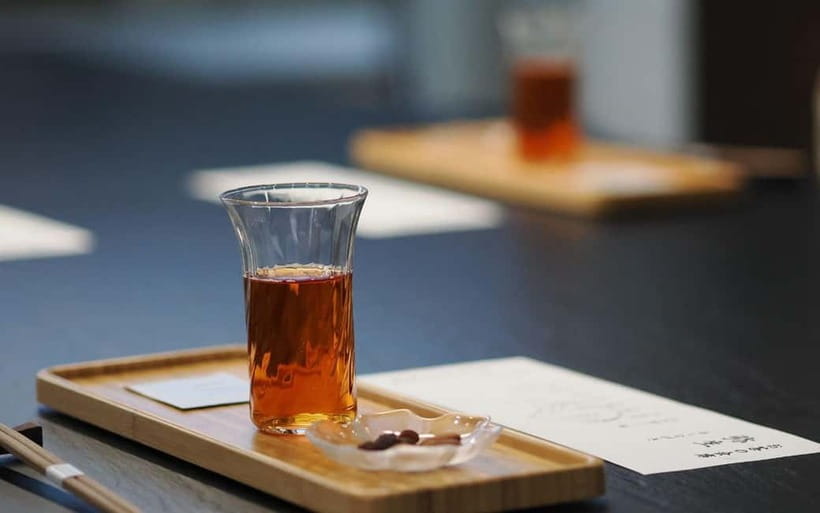
At $38 per person for about 1 hour, the value comes from what’s included rather than what’s excluded. You’re paying for:
- multiple tastings (wakocha, gyokuro sencha, matcha you make, genmaicha)
- seasonal wagashi from Ougiya
- guided hands-on matcha making with traditional tools
- certificate and group photo
- English instruction and entry to the Ocharu Tea Ceremony Room
If you’ve ever bought a single matcha drink in Tokyo and wished it came with context, this is the fix. Here, you get the tea plus the reason each cup exists. You also get the tasting sequence, which helps you understand differences faster than trying to compare teas on your own at random shops.
It’s not a long, formal multi-hour tea ritual. It’s a focused cultural class. For many visitors, that’s exactly the point: you get real learning without sacrificing your day.
Who should book this Tokyo matcha class (and who shouldn’t)
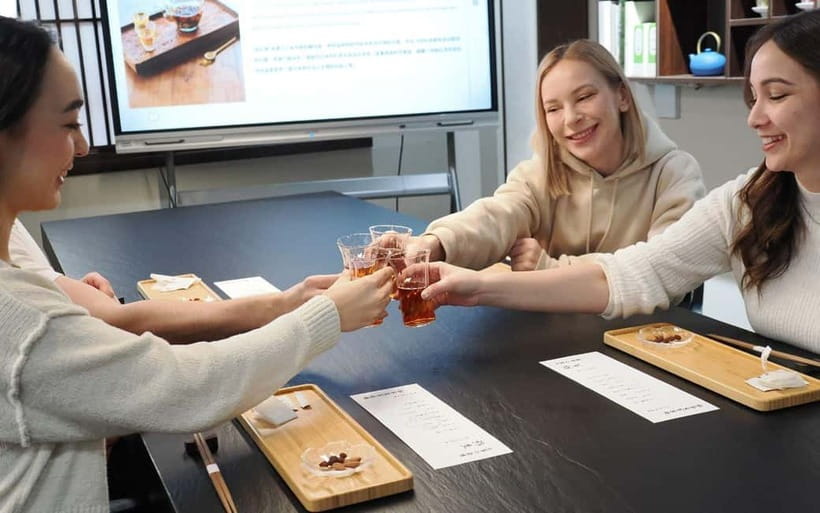
You’ll likely enjoy this most if:
- you’re curious about Japanese tea beyond matcha lattes
- you want hands-on practice, not just watching
- you like a calm, structured activity with a clear ending
- you want something easy to fit into a Tokyo itinerary since it’s only one hour
You might skip it if:
- you use a wheelchair (it’s not suitable for wheelchair users)
- you’re hoping for a long, silent, ceremonial experience lasting several hours
- you prefer very large, high-energy group sightseeing tours
Should you book this tea ceremony in Tokyo?
Yes, if you want a short activity that teaches you how Japanese tea tastes and why the process matters. The combination of wakocha, gyokuro sencha, seasonal Ougiya wagashi, hands-on matcha making, and a genmaicha finish is the kind of “all in one hour” deal that’s hard to replicate on your own.
Before you book, do one simple check: make sure you’re okay with a one-hour format. If you want a longer formal ritual, you may look for something different. If you want a friendly, guided, hands-on tea class in a convenient spot near Tokyo University, this is a strong choice.
FAQ
Where is the tea ceremony located in Tokyo?
It takes place at the Ocharu Tea Ceremony Room, located across from Tokyo University. The building has a green OCHARU logo on the wall to help you find it.
How long does the experience last?
The session lasts 1 hour.
What is the price per person?
It costs $38 per person.
Is the tea master/instructor speaking English?
Yes. The instructor provides the session in English.
Do I get to make matcha myself?
Yes. You’ll participate in a matcha making session with expert guidance and traditional tools.
Which teas and sweets are included?
You’ll enjoy a welcome cup of wakocha with cake, taste gyokuro sencha with seasonal wagashi from Ougiya, make and taste matcha, and finish with genmaicha (sencha blended with roasted rice).
What do I receive at the end?
You’ll receive a certificate of completion and a group photo as keepsakes.
Is the activity wheelchair accessible, and do I need to arrive early?
It is not suitable for wheelchair users. You should arrive about 5 minutes early for check-in.