REVIEW · SEOUL
Small-Group DMZ Tour w/ North Korea Experience Hall & Susp.Bridge
Book on Viator →Operated by Seoul N Tour · Bookable on Viator
The DMZ feels close enough to touch. This full-day route from Seoul blends serious war-era context with hands-on stops, including Tunnel 3 on foot and telescopes at Dora Observatory. I like that the day doesn’t just point and move; your guide gives the background as you go. One drawback: it’s long and includes steep, narrow walking—bring the right shoes and pace yourself.
For the price of $65, you’re getting a full coach day with entrance fees and a professional guide, and the group stays small (up to 16 people). Just don’t show up unprepared: you’ll need a valid passport on the travel day, and weather or security can change what you see.
In This Review
- Key highlights worth planning around
- Entering The DMZ route from Seoul: what the full day actually feels like
- Imjingak Park and Pyeonghoa-Nuri Park: the opening mood-setter
- North Korea Experience Hall + DMZ Exhibition Hall: learn first, look second
- Walking into the Third Tunnel: the most physical (and most memorable) stop
- Dora Observatory and telescopes: seeing North Korea from South Korea
- Unification Village + Imjingak return: the emotional hinge of the day
- Gloucester Hill Memorial and Gamaksan/Gloucester Heroes suspension bridge
- Pace, group size, and what to bring for an easy day
- Price and value: why $65 can feel fair for this kind of day
- When the itinerary changes: closures, weather, and backup stops
- Should you book this DMZ and suspension bridge tour?
- FAQ
- Do I need a passport for this DMZ tour?
- How long is the tour, and where does it end?
- What does the tour include in the price?
- Is lunch included?
- What happens if Tunnel 3 or Dora Observatory are closed?
- How physically demanding is the day?
Key highlights worth planning around
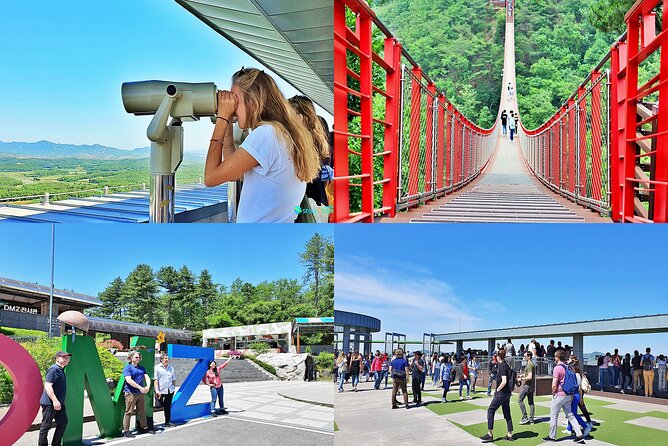
- Tunnel 3 walkthrough on foot: narrow, steep sections, plan for moderate effort
- Dora Observatory telescope views: trained toward North Korea’s propaganda village on clear days
- Imjingak Park focus: Freedom Bridge, memorials, and old train relics
- North Korea Experience Hall + DMZ Exhibition Hall: context before and after the tunnel
- Suspension bridge finale at Gamaksan/Gloucester Heroes: a big payoff at the end of a big day
- Route switches when Dora or Tunnel access is closed: Peace Gondola and other alternatives may replace stops
Entering The DMZ route from Seoul: what the full day actually feels like
This isn’t a quick photo run. It’s a steady, all-day flow from one controlled viewing area to another, with a lot of waiting between checkpoints and then bursts of walking.
You start in Seoul at City Hall Station. After pickup (plus any extra people picked up at listed locations), you ride in a climate-controlled coach toward Imjingak Park. The tour runs about 9 hours, and it usually ends around 4:50pm, back near City Hall.
The value is simple: for $65, you’re buying time, transportation, and entry fees all together. If you’ve ever tried to stitch a DMZ day together on your own, you know how quickly it turns into a logistics headache. Here, the order is set so you can focus on what you’re seeing and why it matters.
You can also read our reviews of more tours and experiences in Seoul.
Imjingak Park and Pyeonghoa-Nuri Park: the opening mood-setter
Most DMZ tours start with big sights, but Imjingak Park does something smarter first: it frames the Korean War and its human fallout before you get technical.
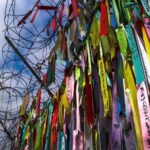
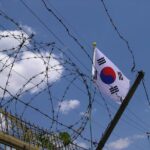
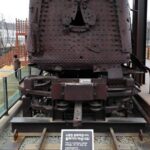
At Imjingak Park, you’ll look at symbolic items like the Freedom Bridge and Soldiers’ Memorial. You’ll also pass by old steam trains while your guide explains the historical backdrop. This spot is designed to hold memory—especially for refugees from North Korea during the war—so the first hour doesn’t feel like a theme park. It feels like a briefing you can walk through.
Why I like this start for your experience: it helps your brain connect the later military details (tunnels, weapons displays, and border viewpoints) to real people and real trauma. If you jump straight to Tunnel 3 without this context, the day can feel like “cool but weird.” Imjingak grounds it.
There’s no way around this: the morning starts early and the coach ride plus timing means you should eat something before pickup if your schedule allows. Also, keep water handy, because drinks aren’t included.
North Korea Experience Hall + DMZ Exhibition Hall: learn first, look second
A big reason this tour works is that it gives you context in two different ways.
At the North Korea Experience Hall, you get an organized explanation meant to satisfy curiosity with structure rather than rumors. Then, you move into the DMZ Exhibition Hall, where you’ll see displays such as older weapons and a film that lays out the history of the Korean peninsula.
This is the part where the day shifts from “views and monuments” to “how and why.” It’s not just facts. It’s the story arc: war, ceasefire legacy, infiltration attempts, and the way the DMZ became both a buffer and a symbol.
Practical tip: the exhibitions can be visually intense. If you’re the type who likes time to absorb rather than rush, don’t try to read every single label. Use your guide’s explanations to decide what to focus on.
Walking into the Third Tunnel: the most physical (and most memorable) stop
Tunnel 3 is one of the main reasons people book this tour. It’s an infiltration tunnel built by North Korea in the 1970s as a military strategy to get into South Korea. The tour gets you close, and then you actually walk inside.
The tunnel visit is on foot. You’ll descend and then climb back up through a narrow, enclosed space. The comfort level depends on your mobility and your patience for walking in tight conditions. One guide-led day can feel smooth. Another can feel harder if your group pace is slow or if you personally move cautiously.
From the practical side, here’s how to plan:
- Wear comfortable shoes with good grip.
- Expect a climb both down and up.
- If you get winded easily, bring a slow-and-steady pace mindset, not a sprint mindset.
I also think this stop hits harder because it’s not a “look at it from a distance” moment. You’re inside the engineering made for stealth and surprise. The physical experience turns the history into something your body understands.
Also note: on days when the tunnel or Dora Observatory are closed for military operations or weather, the route may change. That matters because Tunnel 3 is a signature highlight.
Dora Observatory and telescopes: seeing North Korea from South Korea

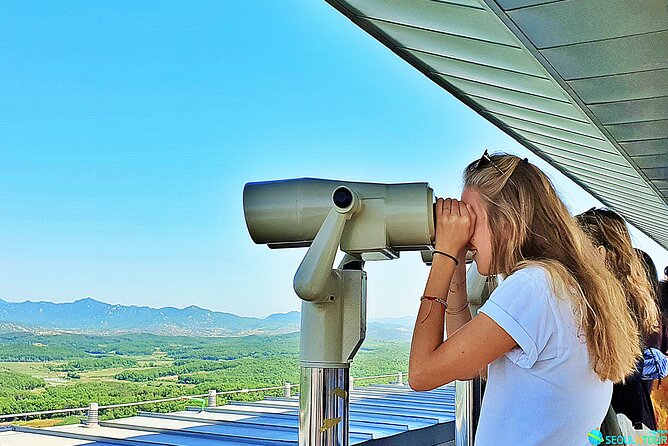
After Tunnel 3 and the exhibition stops, you head to Dora Observatory on Mt. Dora. This is where the tour gives you one of the few realistic “you can see it” moments from the South.
You’ll use telescopes trained toward North Korea’s propaganda village just across the border. On clear days, you can spot the flagpole at Kijŏng-dong, the southernmost village in North Korea. That clear-day condition is important; don’t plan your happiness on perfect weather, plan on your expectations being flexible.
What I like about Dora: it shifts the day from history into a kind of reality-check. The border isn’t just a line on a map when you’re looking through equipment aimed at specific points.
If you’re visiting during colder months or in rainy weather, expect the observatory time to feel short and brisk. Layers help. So does a willingness to look, look again, and accept that sometimes the view is limited.

Unification Village + Imjingak return: the emotional hinge of the day
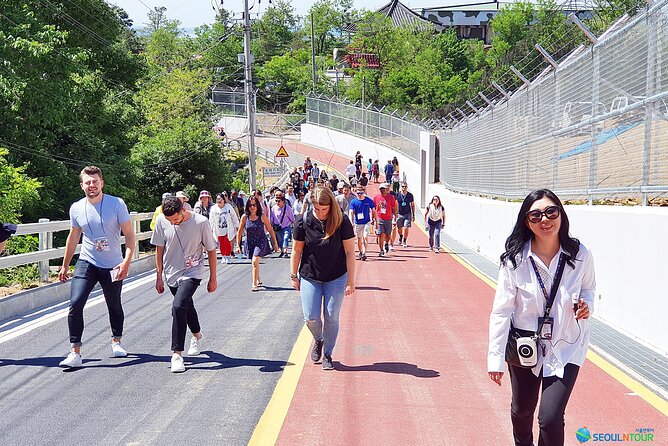
On the return loop, you’ll pass by Unification Village and hear how people there wish for reunification of the two Koreas. This is one of those stops that can feel heavy in a way that’s hard to explain until you’re there.
Then you return toward Imjingak Park again, which helps the day feel like a circle: war legacy at the start, border reality in the middle, and then a reset back toward the human hopes and memorial spaces.
A practical note: because the day is timed, you shouldn’t expect long free wandering. If you want to linger, do it at the points where your guide pauses naturally.
Gloucester Hill Memorial and Gamaksan/Gloucester Heroes suspension bridge
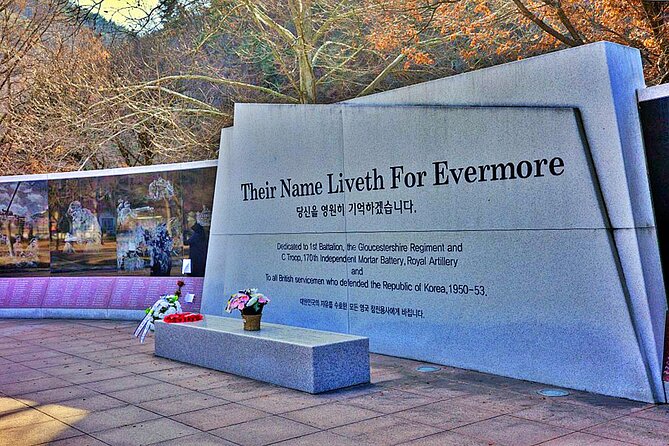
After the main DMZ portion, the tour shifts toward two different kinds of meaning: battlefield memory and a big scenic finish.
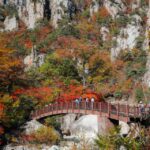
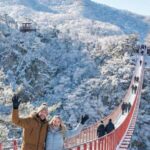
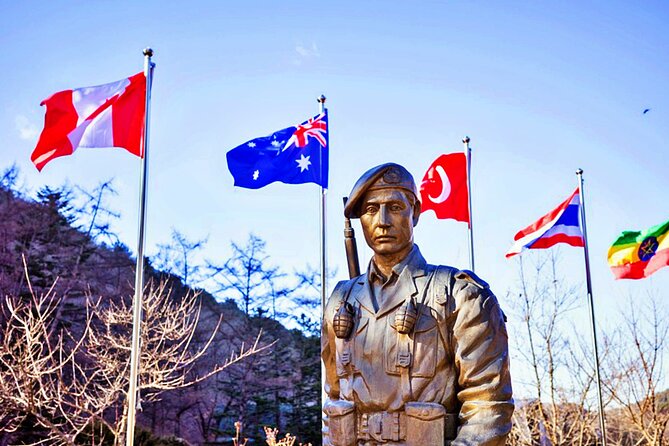
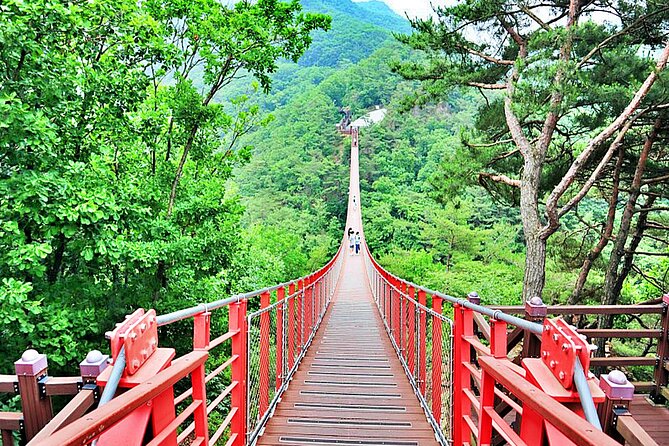
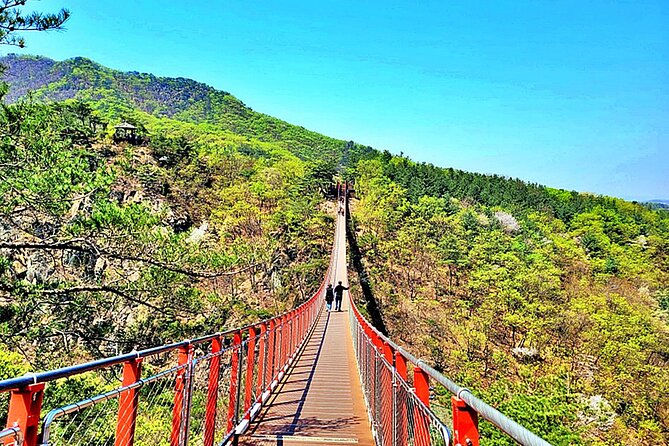
First is Gloucester Hill Memorial, an important battlefield during the Korean War. Then you head for the Gamaksan Chulleong Bridge, also known as the Gloucester Heroes Suspension Bridge. This bridge opened in 2016 and is described as the longest mountain suspension bridge in South Korea.
You’ll have time to walk across, which is where you’ll feel the contrast: you spent the day underground, then behind exhibits and fences, and now you’re up on a long span with mountain air. It’s dramatic in the physical sense, even if your brain is still processing everything you saw earlier.
Some days, weather and military operations can limit access around the bridge area. The tour adjusts with alternatives like the DMZ Peace Gondola or other observatories if needed. The goal is still to end with a meaningful “big moment,” not to leave you stranded.
One small tip: if there’s time around the bridge area, look for the nearby waterfall and temple stop that’s available depending on your day’s schedule. It’s usually short, but it helps make the last hour feel like a real landing, not just transport back to Seoul.
Pace, group size, and what to bring for an easy day
This tour caps at 16 travelers, and that matters. A smaller group generally means less chaos, more time for questions, and a smoother rhythm at checkpoints and entrances.
Still, the day is packed. Expect:
- Morning coach time plus security-related waiting
- Multiple steps and short walks at each stop
- The tunnel as the hardest physical segment
- A suspension bridge walk at the end
So pack like you’re going hiking, not sightseeing. Bring:
- Comfortable walking shoes
- Water (drinks aren’t included)
- Layers for cold or sudden changes in weather
- A small towel or tissues if it’s damp (humidity and mist happen)
Timing matters too. The tour starts on time at the meeting point, and you should be ready about 10 minutes early.
Language note: the tour runs with an English-speaking professional guide, but like any guided day, clarity can vary by guide. If you get BK or Sookhee (both are specifically praised for how they explain history and keep things engaging), you’re likely to feel like the day makes more sense as you go.
Price and value: why $65 can feel fair for this kind of day
At $65 per person, this tour is competing with the cost of getting only one major DMZ site done. Here, you get:
- Full-day transportation by coach
- Entrance fees included
- A professional guide handling timing, interpretation, and site access
- Several signature DMZ stops bundled into one route
Lunch and drinks aren’t included, so budget a bit extra. But compared to paying for separate transport + separate ticketing + separate guide time, the package pricing is practical—especially if you’re traveling solo or short on time in Seoul.
The other value is control. You’re not guessing whether you should go to Tunnel 3 first or last. Your day is organized around access rules and closure patterns. That reduces stress, and stress is expensive in your energy.
When the itinerary changes: closures, weather, and backup stops
This DMZ route is sensitive to real-world conditions. If the 3rd Infiltration Tunnel and Dora Observatory are closed due to military operations or weather, the tour offers a special course (particularly on Mondays and public holidays).
On those days, you may still visit key context spots like:
- North Korea Experience Hall
- Imjingak Pyeonghwa-Nuri Park
- DMZ Peace Gondola
- Gloucester Hill Memorial Park
- A suspension bridge alternative in place of Gamaksan
Also, severe rain or snow can affect suspension bridge access. If the bridge is closed, your route may swap in alternatives such as Odusan Unification Observatory or Majang Lake Suspension Bridge.
So the real advice is this: plan to enjoy the day for its overall DMZ context, not just one single photo moment. If you’re lucky enough to get Tunnel 3 and Dora in the same day, that’s the best case. If not, you’ll still get a structured look at the border reality.
Should you book this DMZ and suspension bridge tour?
If you want one organized, small-group way to see the DMZ, this tour is a strong pick. Book it if:
- You want Tunnel 3 and Dora Observatory as your main targets.
- You like learning the story as you move through sites, not afterward.
- You’re okay with a long day and some steep walking.
Consider another approach if:
- You have trouble walking steep stairs or you’re uncomfortable in narrow spaces (the tunnel walk is the toughest part).
- You dislike days that are full and schedule-tight.
- You’re hoping the suspension bridge is guaranteed no matter what weather does.
My bottom line: this is one of those Seoul-area days where the payoff is emotional and visual. The tunnel gives you the physical reality of border tension. Dora gives you the eerie “how close is too close?” effect. And the suspension bridge helps you end the day with a view that feels like air and distance—after you’ve spent hours confronting the opposite.
FAQ
Do I need a passport for this DMZ tour?
Yes. A current valid passport is required on the day of travel. You don’t need to send a passport copy in advance.
How long is the tour, and where does it end?
The tour runs about 9 hours and typically ends around 4:50pm. Pickup and the drop-off are near Seoul City Hall Station.
What does the tour include in the price?
The price includes pickup (at listed locations), a professional guide, and all fees and taxes. Entrance tickets for the main sites are covered.
Is lunch included?
No. Lunch isn’t included. Drinks also aren’t included.
What happens if Tunnel 3 or Dora Observatory are closed?
On days when they’re closed due to military operations or weather, the itinerary changes. The tour includes alternative stops such as the North Korea Experience Hall, Imjingak Park, DMZ Peace Gondola, and other observatory/bridge options.
How physically demanding is the day?
You should have moderate physical fitness. Expect walking and climbs, especially during the Tunnel 3 segment and up/down narrow areas. Comfortable shoes are strongly recommended.