REVIEW · SEOUL
Seoul: DMZ Tour with Optional Suspension Bridge and Gondola
Book on GetYourGuide →Operated by VIP Travel · Bookable on GetYourGuide
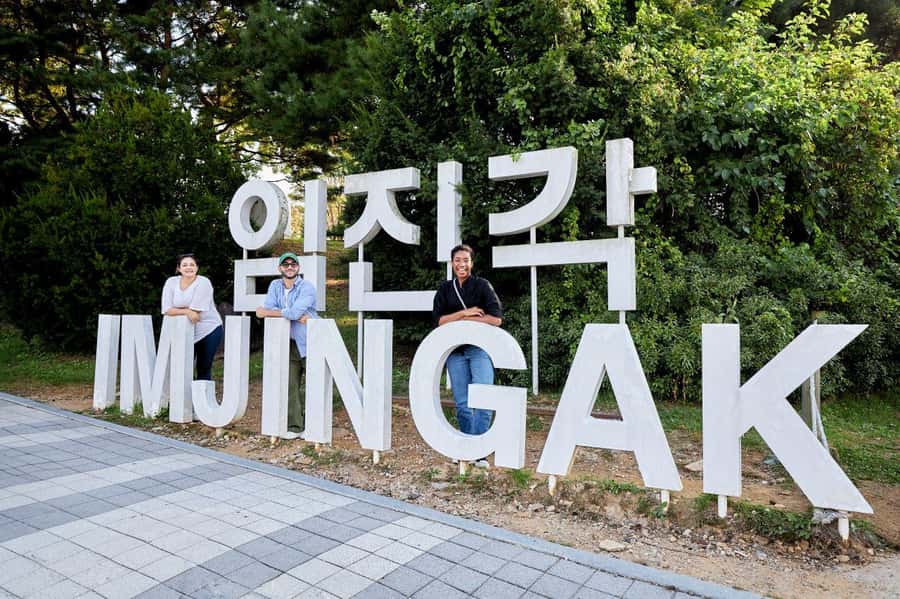
A divided peninsula has a way of grabbing you. This DMZ tour turns South Korea’s tense history into a real, guided day—starting at Imjingak and ending with rare views from Dora Observatory. I like how the route packs major sites into a tight schedule, and I especially love the storytelling from guides like Alex, Ray, Kelly, Yuna, and Gogo, who tend to keep things clear and human. One thing to plan around: the stops can feel fast, and the day can shift with military or weather situations.
If you pick the add-ons, it’s not only history. You can also ride the Peace Gondola or cross the long suspension bridges at Majang Lake or Gamaksan’s Red Suspension Bridge. I recommend this when you want a guided, no-guesswork DMZ day. The trade-off is that morning timing matters for some options, and you’ll want snacks because there isn’t much downtime.
In This Review
- Key highlights before you go
- DMZ from Seoul: what this day actually feels like
- Morning start: pickup, timing, and how to set yourself up
- Imjingak Park and Freedom Bridge: the emotional setup
- The 3rd Infiltration Tunnel: history you can walk through
- DMZ Theater and Exhibition Hall: turning scenes into meaning
- Dora Observatory: where the border view does the work
- Unification Village and the border-zone perspective
- Peace Gondola add-on: seeing the border from above
- Suspension bridge add-ons: Majang Lake vs. Gamaksan Red Bridge
- Majang Lake Suspension Bridge
- Gamaksan Red Suspension Bridge
- Monday-only DMZ view tour: fewer military sites, more panorama
- Price and value: why $33 can make sense
- What to bring and how to plan your day
- Who this tour suits best (and who should rethink)
- Should you book it?
- FAQ
- How long is the DMZ tour?
- Is the tour in English?
- Do I need a passport?
- What’s included in the price?
- Is food included?
- What’s special about the Red Suspension Bridge option?
Key highlights before you go
- Imjingak Park and Freedom Bridge: war memorials plus a clear “hope vs. conflict” message that sets the tone.
- 3rd Infiltration Tunnel: a guided walk into a covert passage linked to North Korea’s history.
- Dora Observatory: the emotional payoff with rare, direct border views.
- Peace Gondola option: an aerial look over the civilian control line area.
- Suspension bridge add-ons: Majang Lake for calm-water views, Gamaksan for forested valley drama.
- Monday-only calm option: no military sites, plus a Starbucks observatory view.
DMZ from Seoul: what this day actually feels like
This tour runs out of the Seoul area into Gyeonggi Province, and it’s designed for people who want structure. You get round-trip transport in an air-conditioned vehicle, an English live guide, and tickets/entry fees lined up so you can focus on the sights instead of paperwork.
The whole experience is built around contrast. First you walk through places that show how the Korean Peninsula was split and contested. Then you end with the visual reality of the border from Dora Observatory, where the view does the talking in a way lectures can’t.
The duration ranges from 5 to 9 hours depending on your chosen route and add-ons. That range matters because it affects how much patience you’ll need in a day that includes multiple bus rides and guided time blocks.
You can also read our reviews of more tours and experiences in Seoul.
Morning start: pickup, timing, and how to set yourself up
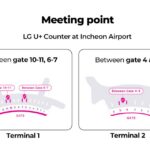
You’ll start at a meeting point that depends on your option. Pickup is available if you choose that, and drop-offs can include central Seoul spots such as The Plaza (Autograph Collection), the Myeongdong area hotels listed in the options, and Hongik Univ. Station Exit 3.
Your day typically includes coach time plus guided stops. Even when the guided portions feel well organized, the time at each stop can be limited, and that’s where you’ll want to prepare.
Practical tip: bring small snacks. Guides do their best with pacing, but if you’re the kind of person who gets hungry or needs a coffee break to stay sharp, you’ll appreciate having something in your bag. Food isn’t included, though there is free time during the day where you can buy food in the DMZ area.
Imjingak Park and Freedom Bridge: the emotional setup
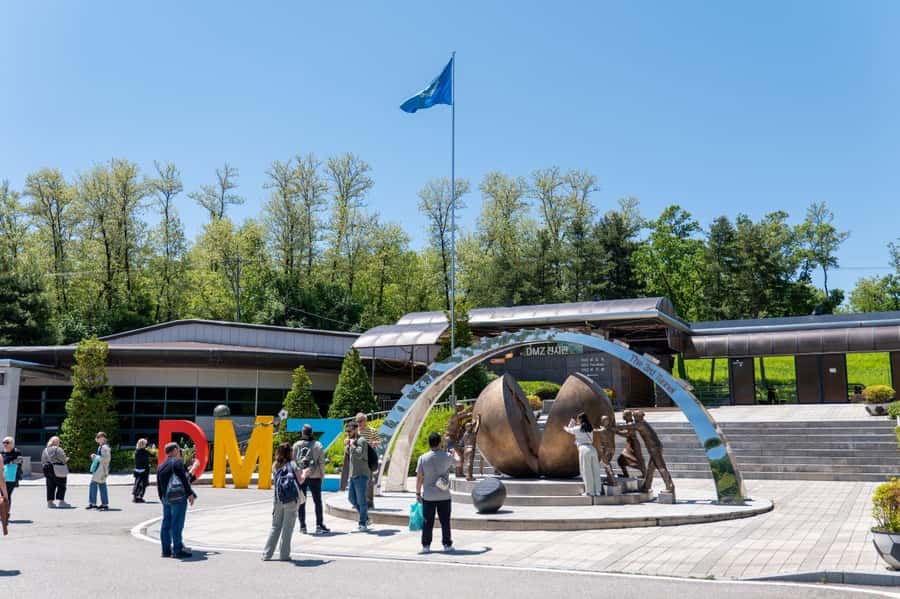
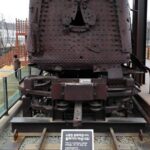
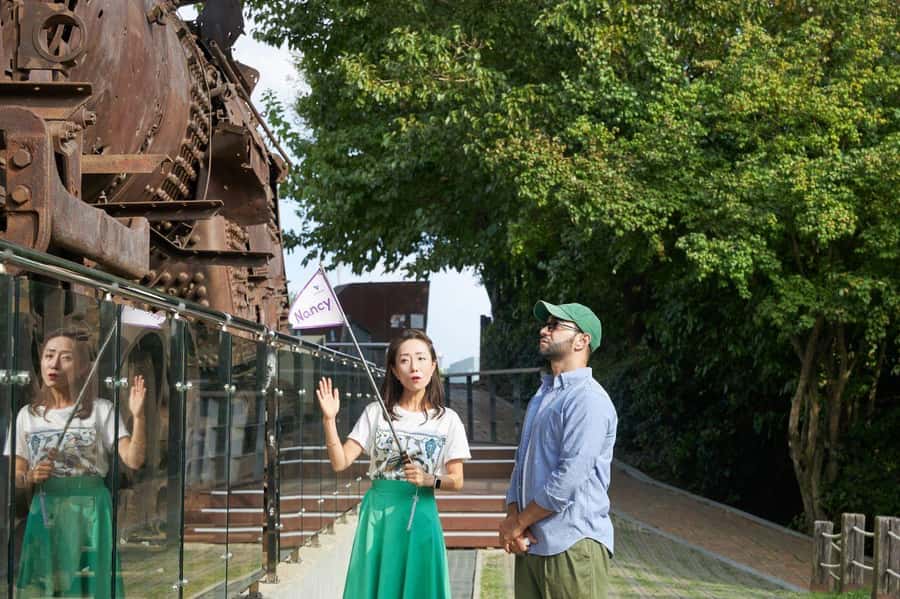
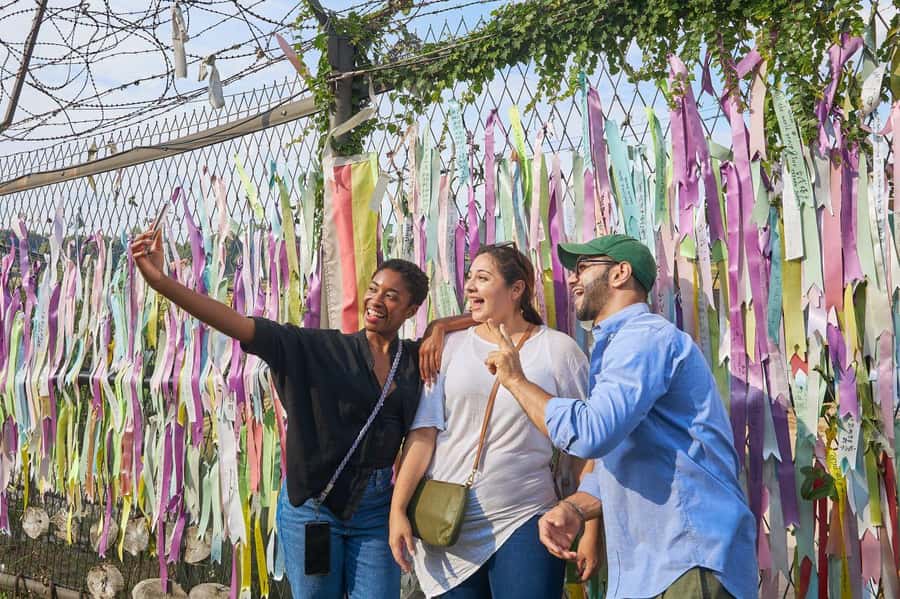
Imjingak Park is where the tour earns its spotlight. You’ll see war memorials and symbols of hope that help you understand why this region keeps showing up in South Korean public memory. This stop works best when you let the guide explain what you’re looking at, because the meanings are tied to the conflict and the ongoing division.
From there, you move to the Bridge of Freedom. This is one of the clearest visual symbols on the route: a physical structure linked to war and peace at the same time. It’s the kind of place where you can feel the tour shifting from “story” to “standing here, right now.”
The main downside is simple: it’s a short stop. If you want to linger for photos or reflection, you’ll need to balance that with the schedule moving you toward the tunnel and Dora.
The 3rd Infiltration Tunnel: history you can walk through
The 3rd Infiltration Tunnel (also referred to as the Third Tunnel of Aggression) is a big reason people book this tour. It’s a covert passage associated with North Korea, and walking inside changes how the story lands. Instead of only hearing about strategy and threat, you experience the scale and the direction of the space.
A good guide makes this stop much more than a corridor-and-stairs moment. The strongest tours keep you oriented: where you are in relation to the border area, why infiltration matters in the larger conflict, and what the site is meant to communicate today.
Consider this if you’re sensitive to tight indoor spaces. The tour is not described as physically hard in general, but it is still a tunnel visit, so go in prepared for a more enclosed environment than the outdoor parks.
DMZ Theater and Exhibition Hall: turning scenes into meaning
After the tunnel, the day typically includes the DMZ Theater and Exhibition Hall for deeper historical context. This part matters because it connects what you’ve already seen—park symbols, bridge imagery, tunnel scale—to a broader narrative.
Think of the theater/exhibit time as your chance to build a mental map. When you reach Dora later, you’ll get more out of the view because you’ll understand what the tour is trying to frame.
If you’re short on attention for indoor exhibits, you might skim the surface. But if you’re even a little curious, this segment helps the whole day click together.

Dora Observatory: where the border view does the work
Dora Observatory is the emotional payoff. From here you can gaze across the border into North Korea, which is exactly what makes the DMZ feel different from other history sites. The guide’s job is to explain what distance and visibility mean here, and how to interpret what you’re seeing without turning it into a movie fantasy.
This is also where you’ll notice why a guided tour is valuable. The view is real, but it’s easy to misunderstand if you don’t have context about the area and the conflict. With an English guide, you don’t have to guess.
Plan to slow down a bit here if you can. Take a few minutes to let your eyes adjust and to read the guide’s explanations before you start snapping photos nonstop.
Unification Village and the border-zone perspective
The tour often ends with a drive through Unification Village, a community near the border. Even if you don’t get long time to walk around, the passing view adds another layer: daily life exists alongside geopolitical tension.
This stop can feel more like a “window” than a full attraction. If you’re looking for a standard sightseeing layout, this won’t match that style. If you’re interested in how division affects real communities, it lands well.
Peace Gondola add-on: seeing the border from above
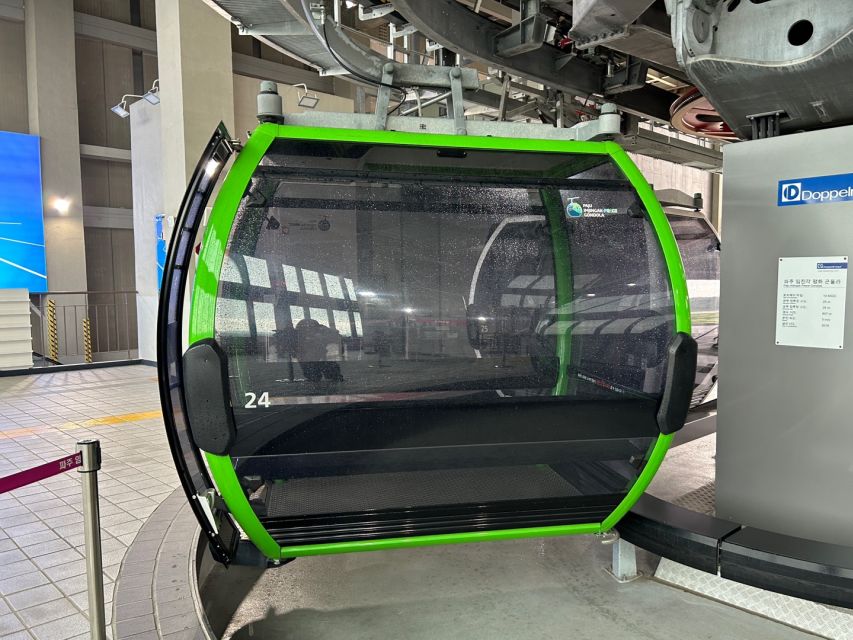
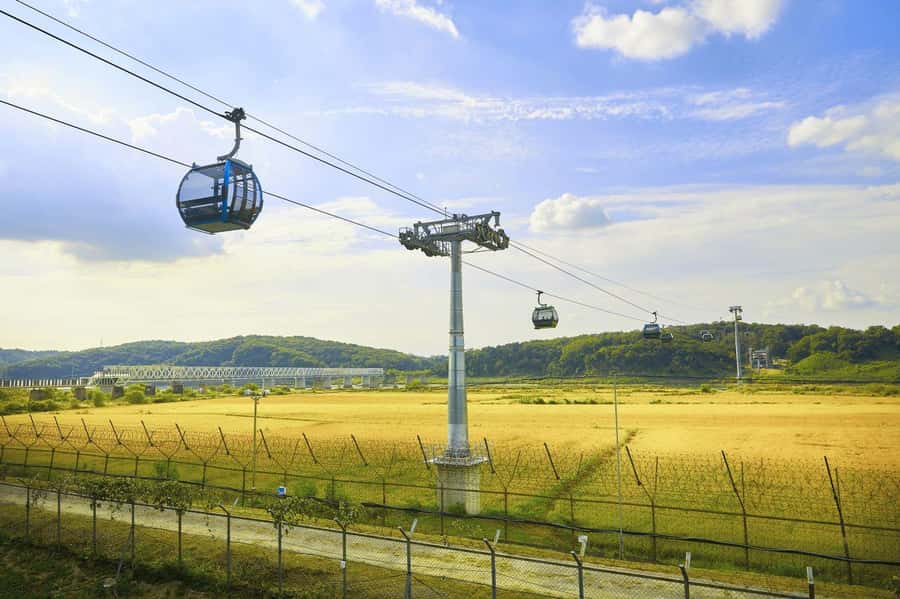
If you choose the gondola upgrade, you’ll ride the Peace Gondola for a scenic aerial view of the border area. The key idea is that it offers a different angle: less “standing at one viewpoint,” more “seeing the shape of the zone.”
The tour notes that this ride goes above the civilian control line area. That alone makes it worth considering for photographers and for anyone who learns better with visuals than with captions.
This add-on tends to add time to your day, so make sure you’re ready for a longer itinerary if you’re stacking it with the classic DMZ highlights.
Suspension bridge add-ons: Majang Lake vs. Gamaksan Red Bridge
This is where the tour can shift from heavy emotion to scenery. If you like a break that still fits the overall vibe of the DMZ day, suspension bridges are a fun payoff.
Majang Lake Suspension Bridge
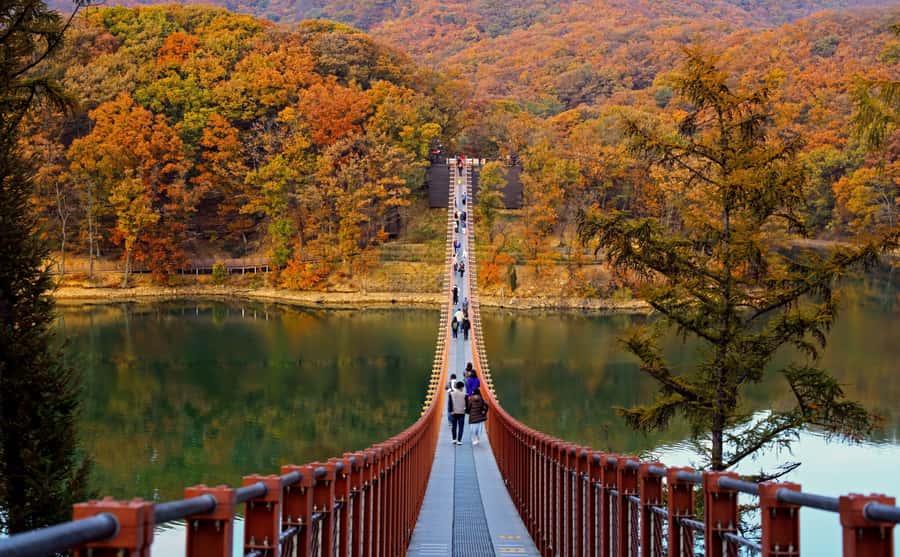
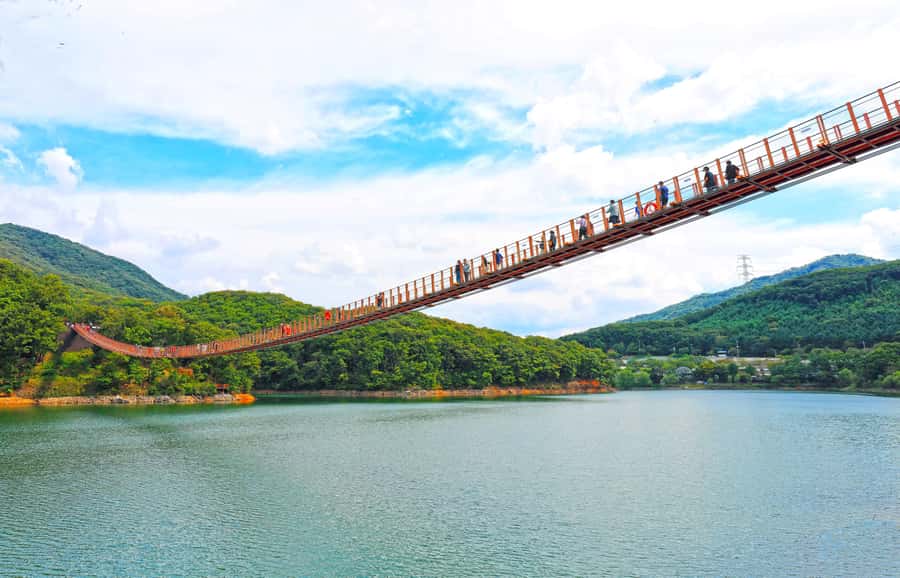
The Majang Lake option pairs the classic DMZ route with a walk across the Majang Lake suspension bridge. You get calm water views and a forested setting described as serene, which makes this part feel like a breather after the tunnel and Dora.
It’s a good choice when you want your day to include both gravity and airiness. It also helps if you’re traveling with someone who needs a less intense section to recharge.
Gamaksan Red Suspension Bridge
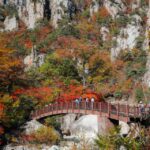
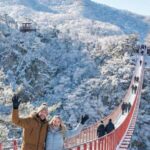
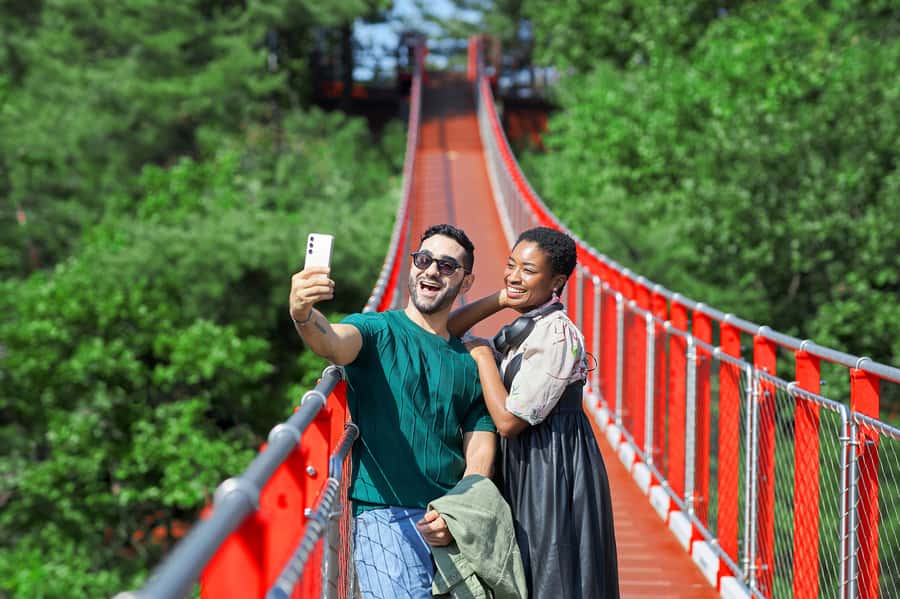
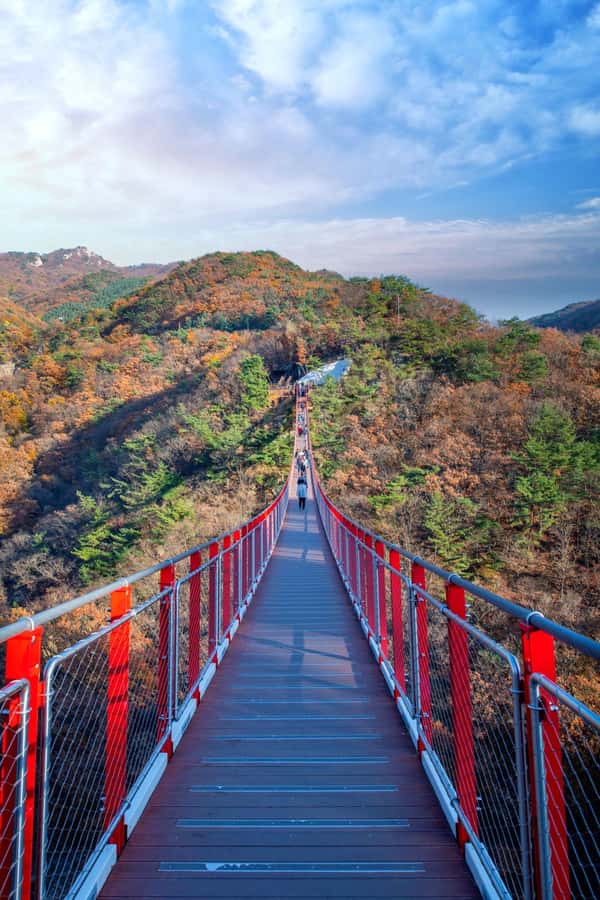
The Red Suspension Bridge add-on (Gamaksan) is for people who like dramatic valley views. The bridge is described as Korea’s longest suspension bridge and is 220 meters, with a setting framed by forest and a long valley perspective.
Important timing note: the Red Suspension Bridge option is only available on the 7:00am tour time. If you want this bridge, you’ll need to commit to an early start, and your day will feel like an all-day commitment from the moment you wake up.
Monday-only DMZ view tour: fewer military sites, more panorama
The Monday-only itinerary is a different rhythm. It skips the military sites and focuses on panoramic views, which changes the mood of the day. If you want something calmer, this option can be a better fit.
You’ll visit Aegibong Ecopark and Jogang Observatory for wide views. Then there’s the standout oddball moment: relaxing at the closest Starbucks to North Korea with direct views across the border. It’s not “just coffee.” It’s a practical way to experience the distance-and-border reality while giving you a comfortable place to pause.
If your main goal is the deeper military-focused story, this Monday option might feel lighter. But if you want perspective without as much intensity, it’s a smart alternative.
Price and value: why $33 can make sense
At around $33 per person, this tour can feel like strong value because you’re not just paying for transportation. You’re paying for an English guide, tickets/entry fees, and a full guided day that includes multiple major border-related sites.
Also, the included add-ons can change the math. If you select the gondola or either suspension bridge option, the tour lists those specific inclusions as part of the package. That means you’re more likely to get a cohesive itinerary rather than piecing together separate activities.
That said, don’t only buy based on price. Think about what you want most: indoor history sites, outdoor views, or the bridge/gondola scenery. The base tour is already a lot; the add-ons are where your personal preferences should drive the decision.
What to bring and how to plan your day
Bring your passport. The tour also allows an ID card option as noted in the requirements. This is a border-area experience, so don’t show up empty-handed and hope for a workaround.
There’s no special dress code, but you’ll still want comfortable walking shoes. Even when the stops include guided time, you’ll be moving between sites and waiting for your group to regroup.
Finally, be ready for schedule changes. The tour schedule can be adjusted depending on military issues or weather problems, and refunds aren’t available for those changes. That’s why I treat this as a planned day that still needs mental flexibility.
Who this tour suits best (and who should rethink)
This DMZ tour fits best if you want structure, an English-speaking guide, and a day that covers the major DMZ markers without turning into a confusing self-guided quest.
You’ll like it if:
- You want a clear route from Imjingak to Dora with stops that connect to each other.
- You like having someone explain what you’re seeing rather than guessing.
- You’re the type who appreciates both historical sites and a visual payoff.
You might reconsider if:
- You hate early mornings and don’t want to be up for the 7:00am slot needed for the Red Suspension Bridge option.
- You’re looking for lots of free time at each stop. The day is packed, and even with a well-run guide, there’s limited lingering.
Should you book it?
Yes—if you want one guided DMZ day that mixes the major sites with optional scenic upgrades. The best argument is practical: you get transportation, entry/tickets, and an English guide for a route that would be hard to manage alone without wasting time.
If you’re torn between the classic DMZ route and the gentler Monday option, choose based on your mood. Want maximum border-history focus with the tunnel and Dora? Go classic. Want wide views and a calmer pace with the Starbucks observatory moment? Pick Monday.
And if you care about the bridges or gondola, line up your timing early in the booking process. The Red Suspension Bridge option is tied to the 7:00am tour, so your whole day plan should respect that.
FAQ
How long is the DMZ tour?
The duration is listed as 5 to 9 hours, depending on the option you choose and the day’s schedule.
Is the tour in English?
Yes. The tour includes a live English-speaking guide.
Do I need a passport?
You should bring your passport. The tour also notes that a passport or ID card is accepted.
What’s included in the price?
Included items are round-trip transportation by air-conditioned vehicle, a licensed tour guide, entry fees and tickets, and the optional Peace gondola or suspension bridge add-ons if you select those options.
Is food included?
No. Food is not included. You can bring your own snacks or buy food during free time in the DMZ area.
What’s special about the Red Suspension Bridge option?
If you choose the Red Suspension Bridge add-on, the tour time is limited to the 7:00am time slot.