REVIEW · SEOUL
Small Group Tour to DMZ & Suspension Bridge with Hotel Pickup
Book on Viator →Operated by Here Korea Travel · Bookable on Viator
It’s a border day that feels unreal. You get stress-free hotel pickup and a guided route into one of the most controlled places on Earth, with stops built around what the DMZ means and how it shaped Korean life.
I especially like the small-group size (max 17), because it keeps the pace human and makes it easier to ask questions during the quieter moments. The price also covers key admission costs, so you’re not mentally budgeting for surprise add-ons while you’re already paying for the day.
One thing to plan for: this is an early start with meaningful walking. The Third Tunnel includes a steep descent and climb, and the Gamaksan suspension bridge is tied to a hill-and-walk component, so you’ll want comfortable shoes and a moderate fitness level.
In This Review
- Key things to know before you go
- Price and Logistics: What $65 Really Covers
- Morning Pickup and Drop-Off Stops: How the Day Flows
- Imjingak Pyeonghoa-Nuri Park: Freedom Bridge and Tickets On-Site
- Entering the DMZ Area: The Blue Line Moment and Viewpoints
- Mangbaedan: A Brief Stop That Holds Emotional Weight
- Third Tunnel: The Steep Walk, the Hard Hat Feel, and Why It Matters
- Dora Observatory: Binoculars and the Visibility Factor
- Tongil Chon (Unification Village): Produce, Souvenirs, and a Human Scale
- Gamaksan Chulleong Bridge: Suspension Bridge Views After the Border
- End Stops: Gwangjang Market and Dongdaemun Street Time
- How Fit You Need to Be (And What to Bring)
- The Best Part: Guides Who Turn a Route Into a Story
- Possible Downsides: Weather, Walking Pace, and Guide Time on the Move
- Should You Book This DMZ & Suspension Bridge Tour?
- FAQ
- How long is the DMZ & suspension bridge tour?
- Where do you pick up and where do you get dropped off?
- Do I need my passport?
- Is lunch included?
- What’s included in the price?
- Do I need to reserve tickets in advance for the Imjingak stop?
- How strenuous is the walking?
- Can I get a refund if I cancel?
Key things to know before you go
- Hotel pickup from select Seoul hotels means less hunting for buses at dawn
- No hidden fees for entry includes DMZ and suspension bridge admission in the package
- Passport required for everyone in your group for access to the DMZ area
- Third Tunnel has a real climb back up even if the walk down is manageable
- Dora Observatory can depend on visibility since the highlight is seeing North Korea through the observatory
Price and Logistics: What $65 Really Covers

For $65 per person, this is priced like a full, organized day—not just a bus ride. Your money goes to the essentials: round-trip style transport in an air-conditioned vehicle, an experienced guide, and admission fees for the DMZ and the suspension bridge.
That matters because DMZ access isn’t the kind of thing you “wing.” Once you’re dealing with controlled-area entry, you either pay for organization or you pay in stress. This tour tries to remove both.
A couple practical notes before you commit:
- Lunch is not included, so you’ll be budgeting for snacks or meals during the day’s breaks.
- You’ll start at 7:30am, and it’s roughly 8 to 10 hours, so plan your next day with energy to spare.
You can also read our reviews of more tours and experiences in Seoul.
Morning Pickup and Drop-Off Stops: How the Day Flows
The tour starts at 7:30am with pickup from select Seoul hotels. The big win here is timing and simplicity: you’re collected early, loaded into a comfortable vehicle, and you move through the day with a set sequence.
At the end, you’re dropped off in central, useful areas, including Hongdae, Myeongdong, Gwangjang Food Market, or Dongdaemun. The itinerary also suggests you can request the drop-off option, depending on your day’s flow, which is handy if you want to connect to where you already planned to eat or shop.
One small but real tip: because this is a long day, eat a proper breakfast before pickup. You’ll have breaks, but DMZ mornings can feel like a long “wait and go” rhythm.
Imjingak Pyeonghoa-Nuri Park: Freedom Bridge and Tickets On-Site
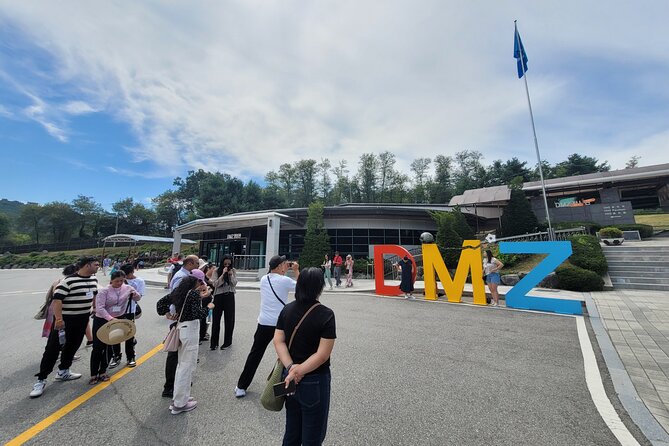
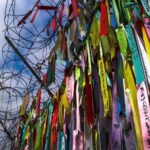
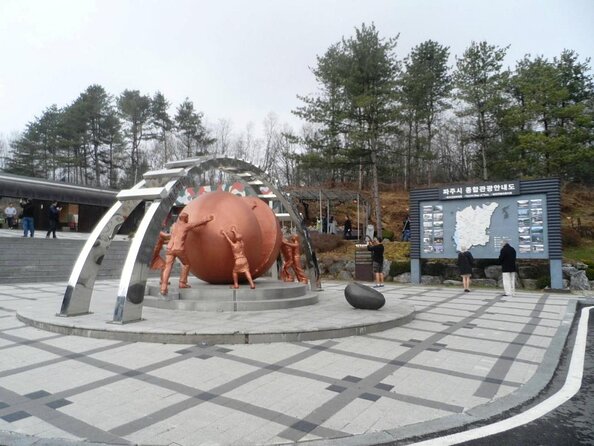
You’ll begin at Imjingak Pyeonghoa-Nuri Park, a DMZ-themed area that acts like a “context starter.” It’s not just photo stops. It’s where you see the physical symbols people associate with the peninsula’s division.
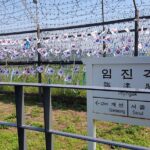
You’ll get time to view major landmarks such as:
- Freedom Bridge
- Bridge of No Return
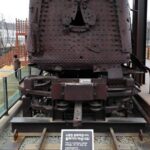
- A derailed locomotive
- A viewpoint from the top of a building for broader sight lines
One operational thing to know: you must stop here to buy DMZ tickets, and there’s no reservation system. That sounds minor, but it’s the type of detail that can derail a day if you plan to arrive casually without understanding how access works.
If you like the idea of learning while you look, this start makes sense. It sets your frame of mind before you go into the controlled DMZ viewpoints later.
Entering the DMZ Area: The Blue Line Moment and Viewpoints
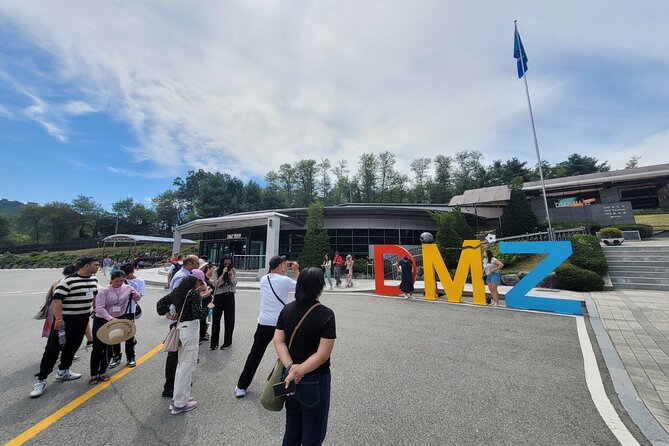
The DMZ day isn’t one single stop. It’s a chain of controlled transitions, and this tour is built around that.
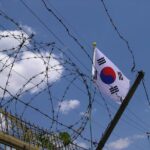
On the road, the tour bus goes into the Civilian Control Zone (CCZ), but your destinations are deeper inside the DMZ area. That means you cross the famous blue line, which is a major psychological shift. It turns “history you read” into a place you can look at with your own eyes.
You’ll stop at 3 to 4 places within the DMZ portion, with time built in for seeing viewpoints and taking it in. The exact stops can vary in emphasis, but the purpose stays consistent: you’re learning what you’re seeing and how it connects to the Korean War, the armistice line, and decades of tension.
Here’s the key practical mindset: keep your pace slow during the DMZ stops. You’ll be tempted to rush photos, but the value of this tour is the meaning behind what’s in front of you.
Mangbaedan: A Brief Stop That Holds Emotional Weight
Mangbaedan is short in time—around 5 minutes—but it isn’t a throwaway photo moment.
Mangbaedan is an altar where North Korean refugees in the South hold ancestral rites on major national holidays for family left behind in the North. There’s also an exhibition hall tied to that story.
Because this is a place of remembrance, treat it with a quiet, respectful pace. Even if you’re traveling fast, this stop works best when you slow down for a minute and read what’s there.
The tour moves on quickly after that, so if you care about context, take the time to look closely before you’re swept to the next stop.
Third Tunnel: The Steep Walk, the Hard Hat Feel, and Why It Matters
The Third Tunnel is one of the most talked-about segments for a reason. It was dug by North Korea after the Korean War, and it sits only about 52km from Seoul—a fact that hits differently once you’re standing near the reality of it.
The tour gives about 1 hour here, including the tunnel experience. Walking into the tunnel area can be challenging, especially for seniors. The steep descent and the longer climb back up are real physical work, not a gentle stroll.
One practical expectation from the field: the tunnel walk involves safety gear and a bent-forward style movement for much of the time. That affects comfort, so wear shoes you can trust and keep your breathing steady.
Also, don’t assume the tunnel portion is optional in your mind. Some people treat it as the “main event,” and it’s easy to see why. You’re not just learning about wartime strategy; you’re experiencing the scale of the effort needed to build and use a tunnel like this.
Dora Observatory: Binoculars and the Visibility Factor
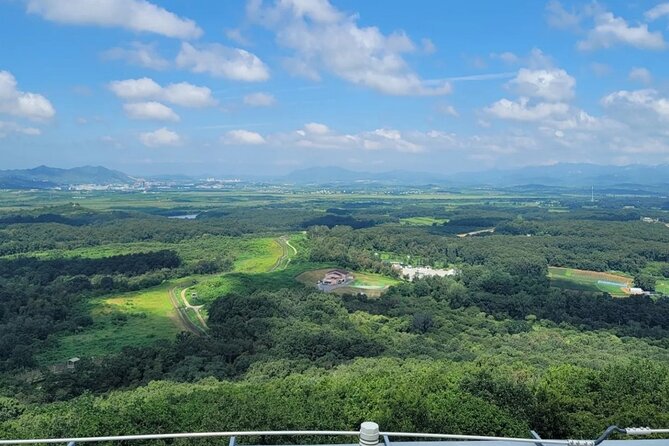
If there’s a single standout on this route, it’s usually Dora Observatory. You spend about 30 minutes here.
This is the moment built for one specific kind of seeing: across-the-border views. The observatory setup lets you look toward North Korea with your naked eyes, and you can also use binoculars provided by the tour guide.
The big practical caveat: visibility matters. If the weather is not perfect, you might see very little across the border, and the observatory’s highlight can feel muted.
What you can control:
- Arrive mentally ready for a “visibility gamble.”
- Keep your attention on the explanations your guide gives while you look.
- Don’t judge the whole tour by what you can or can’t see at Dora.
Even when you can’t see details, the observatory’s role in how the South has watched the North makes the stop meaningful.
Tongil Chon (Unification Village): Produce, Souvenirs, and a Human Scale
Next comes Tongil Chon Unification Village. You get only about 15 minutes, but that short window is useful.
Here, you can check local produce harvested in the DMZ and browse souvenirs connected to the zone. The idea is simple: beyond missiles and tunnels, this is also about daily life on a peninsula that still treats distance as a political fact.
This stop won’t replace the emotional weight of Mangbaedan or the physical effort of the Third Tunnel, but it adds a different tone. It’s a “what’s produced here” look instead of a “what happened here” focus.
Gamaksan Chulleong Bridge: Suspension Bridge Views After the Border
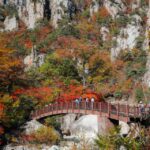
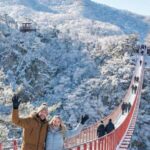
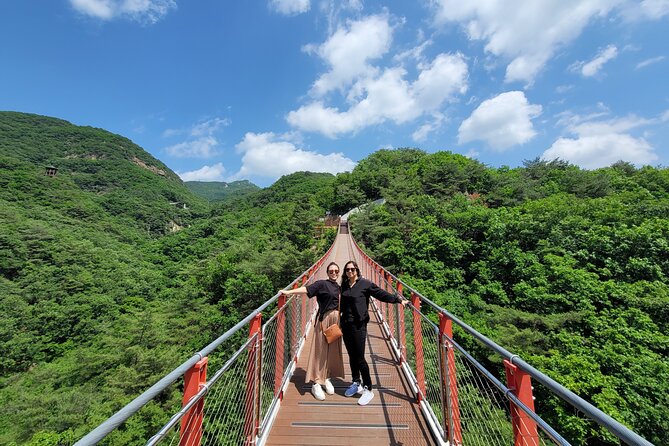
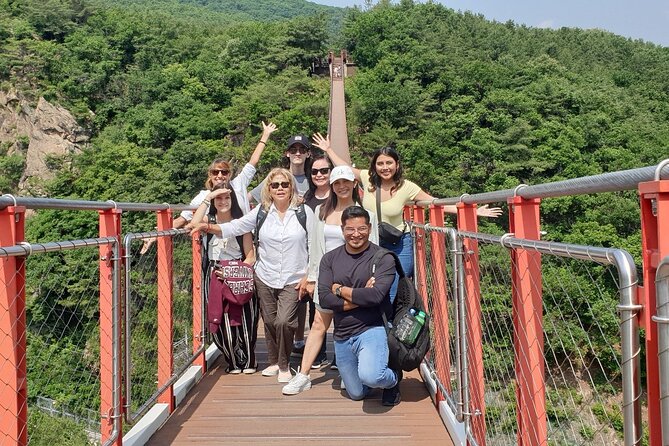
The last major activity is walking on the Gamaksan Chulleong Bridge, a suspension bridge near Mt. Gamaksan.
This bridge has a story layer: it was used during the Korean War as part of a fierce battle field, but now it’s a tourist spot for natural scenery. That contrast is part of the tour’s design. You go from controlled tension to a more open view—still with history in your head, but with fresh air in your lungs.
You’ll spend around 1 hour here, and walking can include a steep, hill-style component. Some people choose to skip the suspension bridge walk portion if it’s too much, especially if weather or fitness makes it uncomfortable.
My advice: decide early how you want to handle effort. If you can do the walk slowly, you’ll likely enjoy the change of pace at the end of a heavy day.
End Stops: Gwangjang Market and Dongdaemun Street Time
After the DMZ portion, you’re dropped off near some of Seoul’s easiest places to eat and wander.
One included stop is Gwangjang Food Market, which is described as one of the oldest food markets in Seoul. It’s also referenced as a filming location for the Netflix series Chef on the Street. You can find over 120 street-food options, so it becomes a perfect final hour when your brain is tired and you just want carbs.
You’re also offered Dongdaemun-area time, connected to Dongdaemun Design Plaza and shopping malls. The itinerary also mentions Korean sauna options (jjimjilbang) in the broader area, which can be a nice reset after a long walk day.
If you want the simplest strategy: eat first, then shop. Your feet will thank you.
How Fit You Need to Be (And What to Bring)
This tour lists moderate physical fitness as the baseline requirement. Here’s what that means in real terms.
You should expect:
- A steep walk when going down and up related to the Third Tunnel
- Extra walking time tied to reaching the Gamaksan area and bridge points
- Comfort needs like breaks, since the day is long and early
What to bring (practical and not fancy):
- Comfortable walking shoes
- Your passport, because everyone in your group must bring it
- A phone with enough battery for the mobile ticket
- Layers for weather changes, since you’re outside at multiple points
If you’re traveling with older relatives, plan for slower pacing around the tunnel segment. Even when the walk is technically doable, the climb back up can be the hardest part.
The Best Part: Guides Who Turn a Route Into a Story
The most consistently praised aspect is the guide experience. Guides like Joo-Ee, Jiwon, and Vincent come up with the same themes: clear English, strong context on why the DMZ exists, and willingness to answer questions.
I love when a guide doesn’t just recite facts. Here, the guide role is to connect each stop to the next one, so you don’t end the day thinking you saw random landmarks. Instead, you leave with a chain of meaning.
The pace also seems well managed by the team that runs the day. People mention everything staying on time and the ride feeling safe and organized, which matters a lot when you’re operating on strict access schedules.
Possible Downsides: Weather, Walking Pace, and Guide Time on the Move
No tour is perfect, so here are the main considerations that can affect your experience.
1) Visibility can disappoint in bad weather.
Dora Observatory’s highlight depends on seeing across the border. If conditions aren’t clear, you might feel like you paid for a harder-to-see moment.
2) Walking adds up.
Even if you’re not doing “extreme hiking,” the tunnel descent and climb plus getting to the suspension bridge can wear you down. If you’re expecting an easy sightseeing day, this might feel like a workout.
3) Some explanations may be lighter during travel time.
One concern that comes up is that the guide time can sometimes feel limited while the driver is focused on getting the group to each stop. If you want constant storytelling at every minute, you might want to ask questions during the viewing breaks rather than counting on continuous commentary.
Should You Book This DMZ & Suspension Bridge Tour?
Book it if:
- You want the core DMZ stops from Seoul in one organized day
- You care about the story behind the division, not just the novelty of seeing the border area
- You like guided interpretation and a small group setting with room to ask questions
- You’re comfortable with walking and a real climb tied to the Third Tunnel
Skip or pick a different style tour if:
- You have limited mobility or you know the tunnel climb and steep walks would be too hard
- Weather issues would stress you out, since Dora Observatory’s visibility is the star moment and can be affected
If you’re the type of person who wants one highly structured day that turns Korean history into something you can stand next to, this is a strong choice for the value. The $65 price makes sense because it covers transport plus admission costs, and the guide-led context is what brings the whole route together.
FAQ
How long is the DMZ & suspension bridge tour?
The tour runs about 8 to 10 hours.
Where do you pick up and where do you get dropped off?
You get hotel pickup in Seoul (select hotels). At the end, you’re dropped off in areas including Hongdae, Myeongdong, Gwangjang Food Market, and Dongdaemun.
Do I need my passport?
Yes. You must bring your passport, and everyone in your group needs to bring theirs as well.
Is lunch included?
No. Lunch is not included.
What’s included in the price?
The package includes air-conditioned transportation, an experienced tour guide, entry fees for the DMZ and the suspension bridge, and hotel pickup.
Do I need to reserve tickets in advance for the Imjingak stop?
You stop at Imjingak Pyeonghoa-Nuri Park to buy DMZ tickets, and there is no reservation system for that.
How strenuous is the walking?
This tour recommends moderate physical fitness. The Third Tunnel walk includes a steep descent and climb, and the suspension bridge portion involves walking connected to a hill area. Comfortable walking shoes help a lot.
Can I get a refund if I cancel?
Yes. You can cancel for a full refund if you cancel at least 24 hours before the experience start time.