REVIEW · BANGKOK
Bangkok: Tingly Thai Cooking School Half-Day Cooking Class
Book on GetYourGuide →Operated by N Bangkok Best Tour · Bookable on GetYourGuide
Thai cooking is easier than you think. This half-day class turns Bangkok flavors into hands-on lessons. You’ll shop with a guide in the morning (on that session), then cook a four-course meal built around the classics: Tom Yum Kung and Pad Thai Kung plus a curry that changes by day and mango sticky rice. The biggest win here is how clearly the instructors coach you, even if you’re new. The main drawback to plan around: it’s short, so you should come with an empty stomach and expect to move fast in the kitchen.
Pick the right session and you’ll get the full experience. The morning option adds a market walk where you learn how to choose Thai ingredients before you slice, pound, stir, and taste. The instructors are English-speaking, and many classes are led by high-energy teachers like Song or Cho, with other sessions guided by Naam/Nam and Cho-type energy you’ll recognize fast. If you’re sensitive to heat, you’ll want to tell the team early so they can help with spice level.
In This Review
- Key highlights worth timing your trip for
- Meeting Tingly Thai: where you start cooking, not watching
- The morning market tour: choosing ingredients that make Thai food taste right
- Course by course: Tom Yum Kung and Pad Thai Kung (the two anchors)
- Tom Yum Kung: the hot-and-sour training wheels
- Pad Thai Kung: mastering texture and sauce balance
- The curry lesson: curry paste from scratch and a different chicken curry each day
- Mango sticky rice: the sweet closer that actually teaches technique
- The group energy: why the instructors matter as much as the recipes
- What you take home: recipes and the ability to cook it again
- Price and value: is $41 worth it in Bangkok?
- Who should book this class and who should think twice
- Should you book Tingly Thai Cooking School?
- FAQ
- FAQ
- How long is the Bangkok Tingly Thai cooking class?
- What dishes are included in the four-course meal?
- Is the market tour included?
- Can I take the recipes home?
- Are vegetarian options available?
- What is the meeting point?
- Is the class taught in English?
- Is alcohol included?
- How much does it cost?
Key highlights worth timing your trip for
- Morning market shopping with a guide (market tour only on the morning class)
- Four dishes from scratch: Tom Yum Kung, Pad Thai Kung, a daily curry, and mango sticky rice
- Curry paste from scratch plus practical lessons on Thai cooking technique and storage
- English instruction with instructors known for keeping groups comfortable and focused
- Recipes to take home, so you can repeat the dishes after you’re back in your hotel
- Vegetarian options available, so you’re not stuck with plain substitutes
Meeting Tingly Thai: where you start cooking, not watching
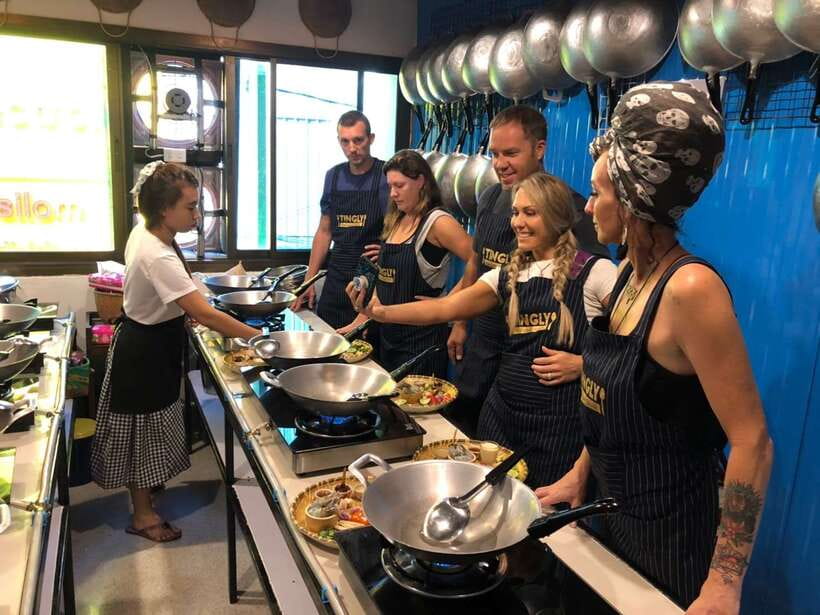
This class meets at Tingly Thai Cooking School, directly opposite the Marriott Hotel Surawong. That location matters more than it sounds. You don’t waste time figuring out transit, and you can stay calm before a cooking session that runs on momentum.
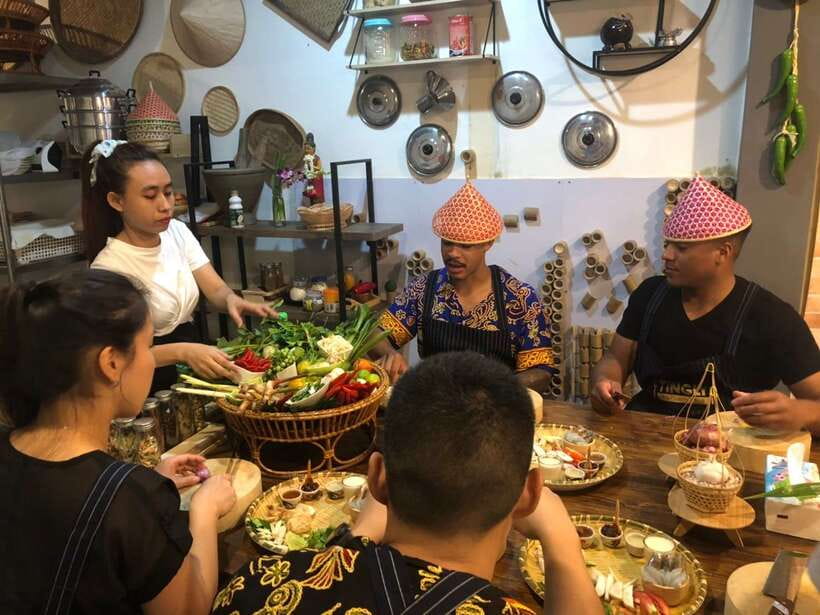
Inside, the setup is designed for doing. You’re not standing around waiting for one person to cook while everyone else watches. The best thing about the kitchen style here is pacing: prep, cook, taste, then move again. That keeps the 3-hour format feeling complete rather than rushed.
Also, you’ll feel the difference between a cooking demo and an actual class when you’re handling ingredients yourself. The equipment and process are arranged so you can follow steps without needing to be an experienced cook. If you’re the type who worries about holding a knife wrong or timing a sauce, you’ll still be fine. You’ll get guided through each stage.
Finally, plan for an active class vibe. Many people end up saying the same thing in reviews: come hungry. If you arrive full, the pacing can feel like you’re rushing to the only part you care about. Arrive ready to eat the things you make.
You can also read our reviews of more tours and experiences in Bangkok.


The morning market tour: choosing ingredients that make Thai food taste right
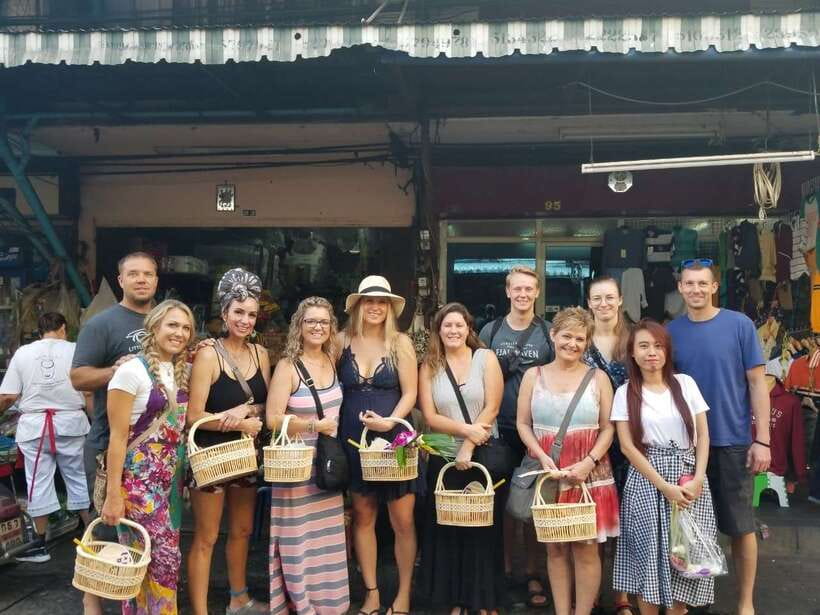
If you want the most Bangkok-style experience, book the morning session. That’s the one with the market tour, led by an English-speaking guide who walks you through what’s worth buying and why.
Here’s what makes that market walk valuable: Thai flavors often start before the stove. You learn how to identify ingredients you’ll use later, not just admire them. A good guide points out what looks fresh, what smells right, and what plays a key role in Thai cooking. It also makes the class feel local, not like you imported Thai food into a classroom.
One practical tip: don’t eat breakfast if you can help it. The market runs in the morning, and the class meal is still coming after you’re done shopping. Several people specifically call out being stuffed by the end, and that lines up with how big the meal portion is for a 3-hour class.
Timing also matters. The morning market walk is scheduled so you can shop and then get back to cook without running late. If you’re juggling other plans that afternoon, the short duration helps, but you’ll still want to schedule something light afterward.
Course by course: Tom Yum Kung and Pad Thai Kung (the two anchors)
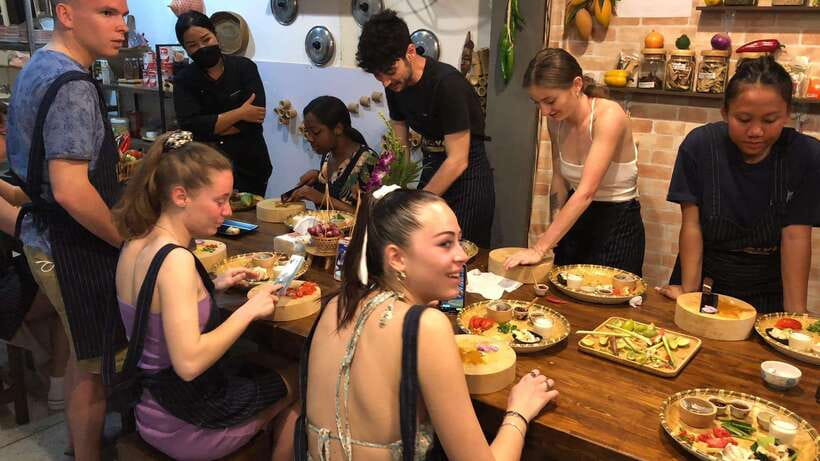
Every class includes Tom Yum Kung and Pad Thai Kung. Think of these as the backbone lessons. They teach you Thai balance: sour, salty, sweet, and the role of aromatics—plus how Thai cooking moves from intense flavor to clean finish.
Tom Yum Kung: the hot-and-sour training wheels
Tom Yum Kung is the dish that shows you how Thai soup becomes more than “just spicy.” You learn how the flavors build, not just what to dump in. The key skill isn’t fancy technique. It’s timing and tasting so the broth hits that sour, bright, prawn-friendly balance.
What you’ll notice in the class style is that you’re guided through prep and cooking stages clearly. You also get a chance to adjust as you go, which is why this dish works well for beginners.
Pad Thai Kung: mastering texture and sauce balance
Pad Thai can go wrong in a hurry if the noodles clump or the sauce becomes too thick. In class, the lesson is how to coordinate heat, noodles, and sauce so the dish stays springy and flavorful.
You cook with prawns, and you learn how Thai fried noodle flavor comes from sauce layering rather than one overpowering ingredient. Again, the class structure helps you avoid the common beginner problem: cooking one part perfectly and then rushing the rest.
If you want a souvenir dish, Pad Thai is a great choice. Even outside Bangkok, you can replicate it with the right pantry ingredients and the take-home recipes you’ll receive.




The curry lesson: curry paste from scratch and a different chicken curry each day
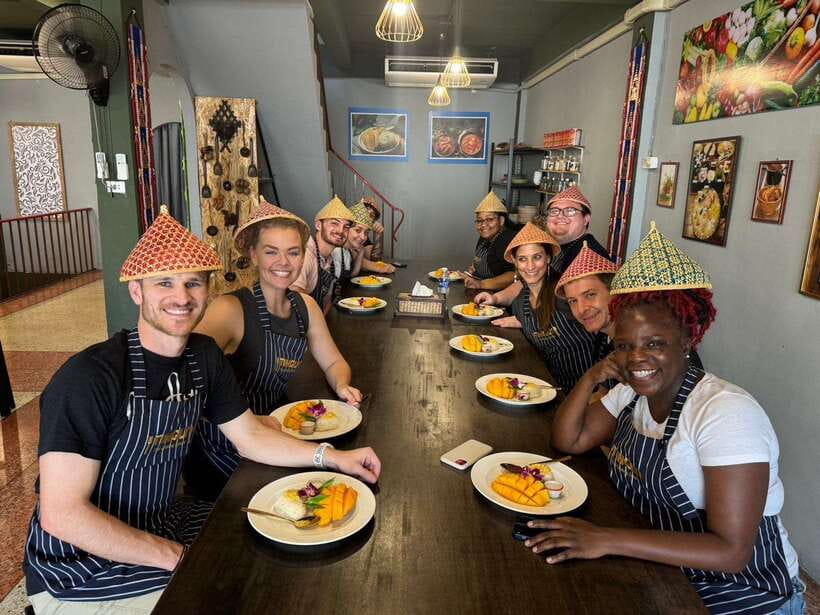
The curry course is where Thai cooking stops being a novelty and becomes a real skill you can reuse. The class teaches you to make curry paste from scratch, which is huge. Store-bought paste can taste good, but it doesn’t teach you the real logic of Thai curry flavor.
You’ll also get instruction on how to store Thai food, which is one of those quietly useful add-ons. It turns your class results from a one-time meal into something you can plan around at home.
Then comes the daily menu variation. You’ll cook a chicken curry based on the day:
- Mondays and Fridays: Green curry with chicken
- Tuesdays and Saturdays: Red curry with chicken
- Wednesdays and Sundays: Panaeng chicken curry
- Thursdays: Massaman curry with chicken
Each curry style is distinct in flavor and feel. Green curry tends to read fresh and herb-forward. Red curry leans bolder and deeper. Panaeng is usually richer and thicker. Massaman often feels warmer and more rounded. The big win is that you learn the framework for curry so you can swap styles later.
Also, pay attention to spice control. Many people mention being able to adjust spice levels in the class. If you’re not used to Thai heat, tell the instructor early so you don’t end up making a curry you can’t enjoy.
Mango sticky rice: the sweet closer that actually teaches technique
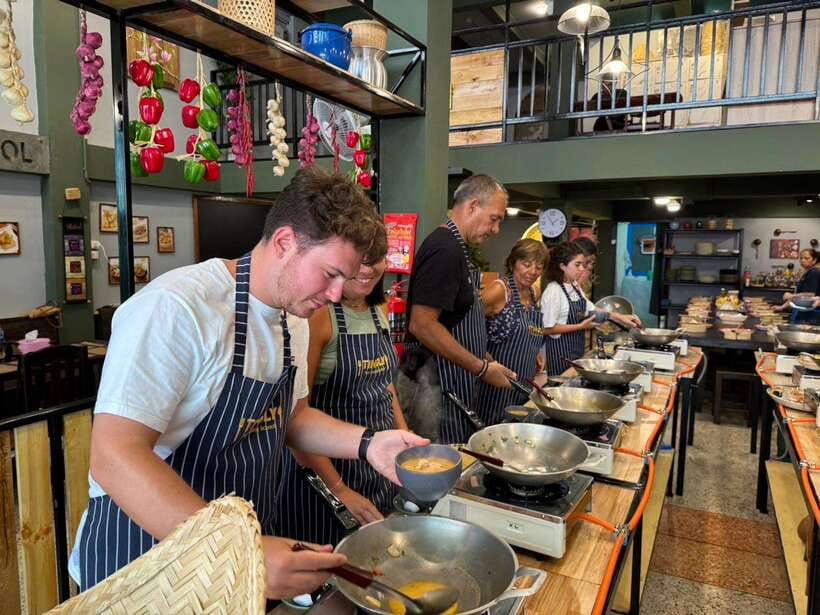
Dessert is Khao Neeaw Mamuang—mango sticky rice. It’s not just a sugary finish. It teaches you how Thai sweetness works with texture and temperature.
In many cooking classes, dessert feels like an afterthought. Here, dessert is part of the structured course. You follow steps and end up with a result that makes sense, not something you assembled at random.
You’ll also see why mango sticky rice is such a repeat order in Thailand: it balances sweet mango, sticky rice, and coconut-style richness. The class format helps you understand that balance so you can redo it at home without guessing.
If you’re planning your day, this is the moment where you’ll understand why people recommend coming with an empty stomach. You’ll cook, eat, and then finish with something that feels like closure rather than a detour.
The group energy: why the instructors matter as much as the recipes
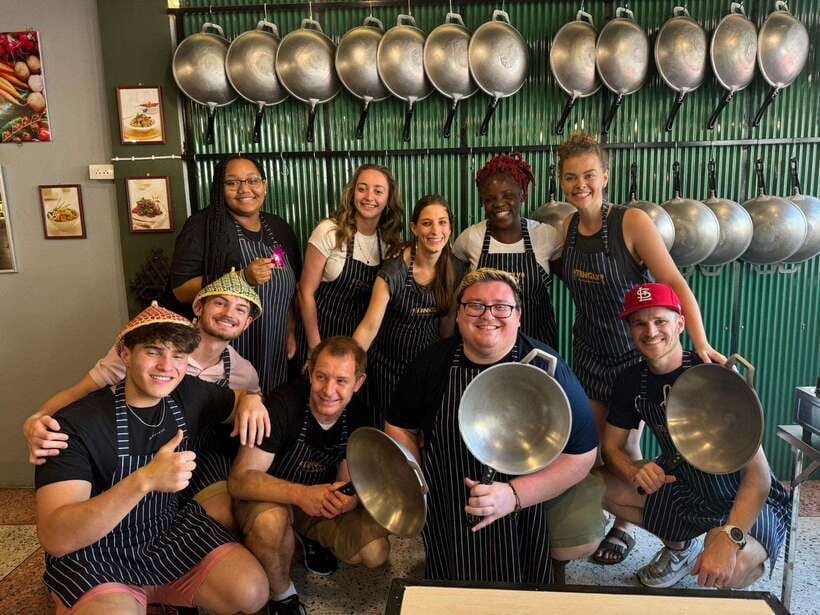
In Thai cooking, technique matters. But the personality of the instructor matters too, especially in a short class.
A pattern shows up in reviews: instructors like Song and Cho are described as funny, high-energy, and engaging, and they keep everyone included. People also call out that the cooking feels hands-on and not scripted. That’s important. If you’re nervous in a kitchen, you want coaching that makes you feel safe to try.
It’s also clear the instruction isn’t one-size-fits-all. There are mentions of accommodating food allergies, with ingredients swapped course by course as needed. That means the class is built to adjust, not just explain.
And if you’re a solo traveler, this kind of group format can be a plus. You get to meet people while still doing real work. Several people mention sharing prep as a group and enjoying the team feel, which helps the 3 hours fly by.
What you take home: recipes and the ability to cook it again
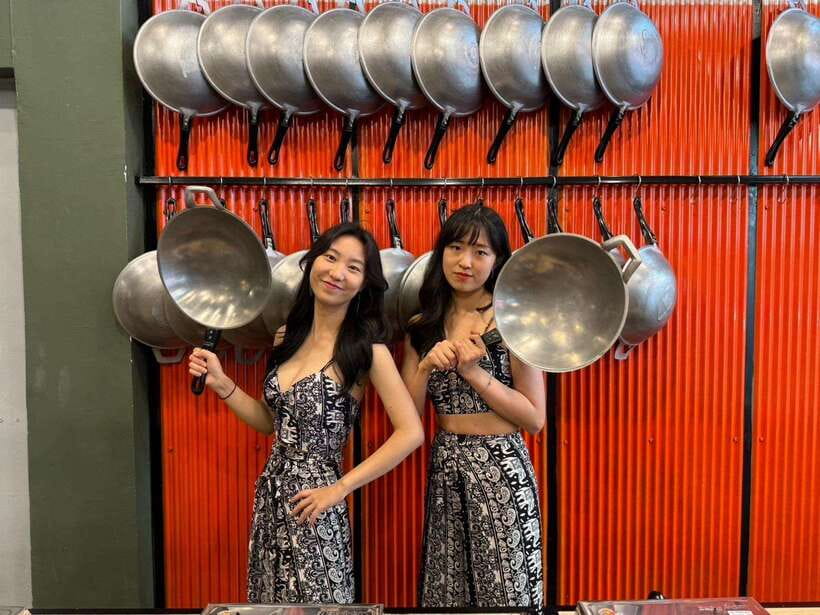
The biggest value of any cooking class is what happens after the meal. Here, you get recipes to take away, plus learning steps like curry paste from scratch and practical lessons on storage.
Those recipes matter because Thai flavors can be hard to recreate from memory. You’ll remember the taste, but you might forget the order of steps or the logic behind flavor balance. The take-home instructions close that gap.
Also, because you’re taught core dishes like Tom Yum Kung and Pad Thai Kung every session, you’re not leaving with one random dish. You’re leaving with repeatable anchors, and those anchors make the rest easier when you cook for friends later.
If you’re bringing this back into your real kitchen, think about what you’ll actually cook. Many people love the class because it feels achievable. You don’t need to buy a wall of special gear. You need the right ingredients and the right method, and the class teaches that method.
Price and value: is $41 worth it in Bangkok?
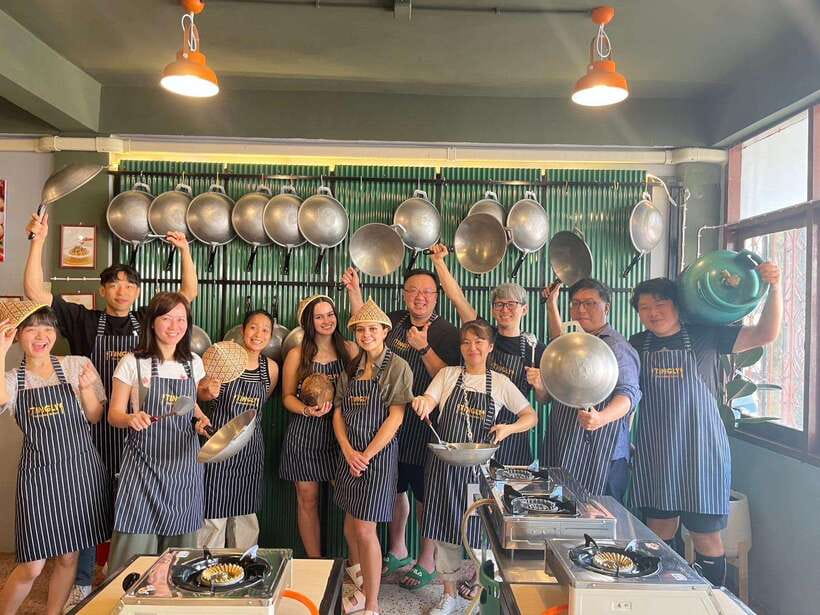
At about $41 per person for a 3-hour class with a full four-course meal, the value is strong for a few reasons.
First, you’re not paying just for entertainment. You’re paying for instruction plus ingredients plus the food you eat. In other activities, the meal might be a small add-on. Here, the meal is the product.
Second, the market tour on the morning session adds real context. It’s not just a walk for photos. You learn what to buy and how ingredient choices affect flavor. That makes the cooking feel grounded and increases the chance you’ll actually cook these dishes again.
Third, the class includes the recipes, which gives your money a second life at home. If you cook even one of these dishes again successfully, the class has paid for itself in a way a ticket to a show usually can’t.
Where the price can feel less exciting is if you only want one dish or you’re not planning to cook at home. This is a skill class, not a one-bite tasting.
Who should book this class and who should think twice
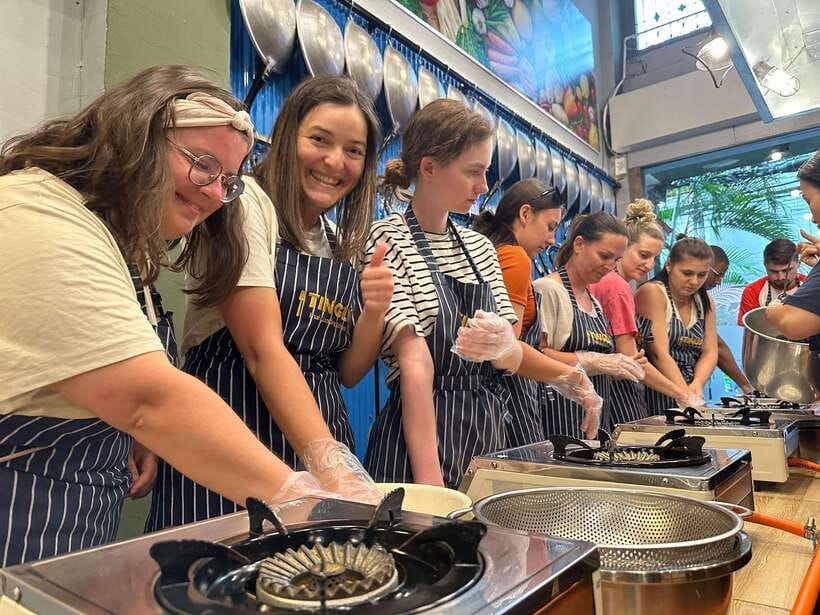
You’ll be happiest with this class if you want a real Bangkok food experience without needing advanced cooking skills. It’s also a great option if you like structured learning. You get guided prep, cooking steps, and a group meal at the end.
This class also fits many dietary needs, since vegetarian options are available. If you have allergies, you’ll likely be able to work with the instructor, but you should share details clearly when booking or on arrival since ingredient substitutions depend on the menu and the day’s supplies.
Who might think twice? If you want a slow-paced, sit-down foodie tour with zero kitchen time, this isn’t it. You’ll be cooking. It’s hands-on, fast, and focused.
Age matters too. The class is not suitable for children under 3 years and babies under 1 year. If you’re traveling with kids, check the class guidance closely.
Should you book Tingly Thai Cooking School?
Yes, if you want an efficient, high-impact Bangkok activity that leaves you with more than memories. Book it especially if you’re choosing between cooking classes and you care about learning how Thai flavors are built—starting with ingredients in the market and ending with techniques like curry paste from scratch.
Also, go for the morning market tour if you can. It adds context that makes the cooking feel less like a generic class and more like real Thai food culture. If you hate waiting around, you’ll like the way the schedule keeps you busy the whole time.
If you’re budget-conscious, this is one of the better deals in the category because the meal is included and the recipes come with you. If you’re allergic or spice-sensitive, plan to communicate early so you get the version you can enjoy.
FAQ
FAQ
How long is the Bangkok Tingly Thai cooking class?
The class duration is 3 hours.
What dishes are included in the four-course meal?
Every class includes Tom Yum Kung and Pad Thai Kung, plus mango sticky rice (Khao Neeaw Mamuang). The curry course changes by day: green curry (Mon/Fri), red curry (Tue/Sat), Panaeng curry (Wed/Sun), and Massaman curry (Thu).
Is the market tour included?
The market tour is included only for the morning class.
Can I take the recipes home?
Yes. Recipes are included, and you can take them home to remake the dishes.
Are vegetarian options available?
Vegetarian options are available.
What is the meeting point?
Meet at Tingly Thai Cooking School, opposite the Marriott Hotel Surawong.
Is the class taught in English?
Yes. The instructor teaches in English.
Is alcohol included?
No. Alcoholic drinks are available for purchase, but they are not included.
How much does it cost?
The price is $41 per person.