REVIEW · BANGKOK
From Bangkok: Living Green Elephant Sanctuary Day Trip
Book on GetYourGuide →Operated by Living Green Elephant Sanctuary Chiang Mai and Chonburi · Bookable on GetYourGuide
A day with elephants that feels humane from start to finish. Living Green Elephant Sanctuary in Chonburi lets you feed and walk with rescued elephants in a no-riding setup, and the visit ends with a simple, tasty included meal like Ancient Pad Thai after time in the mountains. One thing to plan for: the drive can take longer than you expect, and the van ride may feel bumpy in Bangkok traffic.
You’ll get a strong safety-and-care briefing before you interact, and the guides (often people like Lulu, Mo, Mod, Jumbo, Crazy Man, or Handsome Man) keep things calm, structured, and respectful of the animals’ routines. My only caution is practical: if you’re sensitive to motion sickness or you hate long transfers, you may feel the trip’s time balance is more about getting there than staying there.
In This Review
- Key points before you go
- Why This Bangkok-to-Chonburi Elephant Trip Feels Different
- Getting There: Van Ride, Traffic, and Timing That Actually Matters
- Arrival at Living Green: Mo Hom Clothing and the Safety Briefing
- Feeding and Trekking with Rescued Elephants
- Bath Time, Mud Rolling, and the Rules Around Water
- Lunch Break and Mountain Views: The Part People Forget to Plan For
- Guides Make the Difference: What to Expect from the Human Team
- Price and Value: Is $57 a Good Deal from Bangkok?
- Who This Trip Fits Best (and Who Might Want Another Option)
- Should You Book This Ethical Elephant Sanctuary Day Trip from Bangkok?
- FAQ
- Where is the Living Green Elephant Sanctuary day trip from Bangkok located?
- How long is the experience?
- What time options are available?
- What is the meeting point in Bangkok?
- Is elephant riding allowed?
- Are chains or elephant performances part of the visit?
- Can I bathe with the elephants?
- What’s included in the price?
- What should I bring?
- Who should not join this trip?
Key points before you go
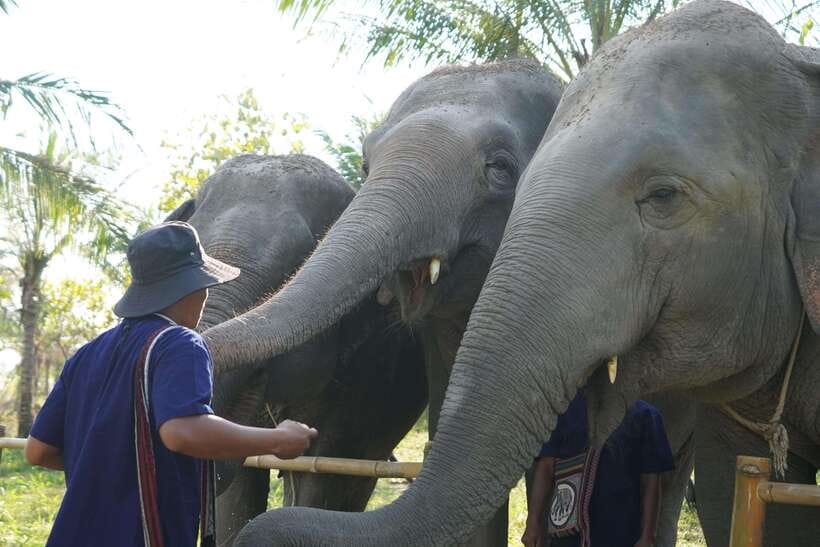
- Ethical rules are the core: no riding, no chains, and no performances, focused on welfare and natural behavior
- You change into Mo Hom clothing before meeting the elephants, with equipment provided
- Feeding and trekking stay hands-on: you hand-feed and walk alongside elephants on forest paths
- Water time depends on conditions: elephants won’t be forced into water if it’s cold
- Included lunch is part of the day: Ancient Pad Thai made with local ingredients, served after the elephant program
- Most people feel it’s worth the drive—but traffic can push the minivan hours longer than planned
Why This Bangkok-to-Chonburi Elephant Trip Feels Different
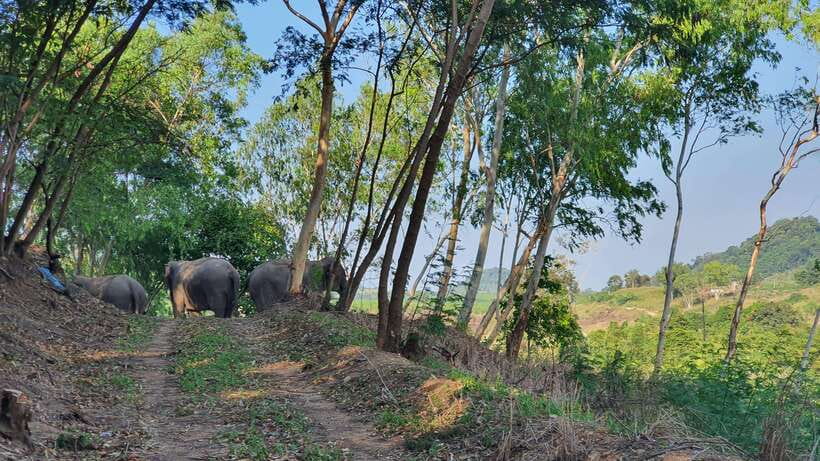
If you’re going to do one elephant activity near Bangkok, this is the type that makes sense because it starts with limits. At Living Green Elephant Sanctuary, the elephant interactions are designed around welfare—so you won’t be asked to ride, pose for forced tricks, or watch any stage show. That alone changes the vibe from tourist spectacle to quiet, respectful time with big animals doing normal big-animal things.
Two parts tend to stick with people. First is the chance to hand-feed and walk with elephants while guides explain what you’re seeing, including individual elephant personalities. Second is how the day wraps up: you get an included meal (commonly Ancient Pad Thai) and time to sit, reset, and take in the mountain views without rushing you out the door.
The tradeoff is simply logistics. This is a full half-day commitment because you’re leaving Bangkok and heading into Chonburi mountains, and the drive can be rough in traffic depending on your group and the van condition.
You can also read our reviews of more tours and experiences in Bangkok.


Getting There: Van Ride, Traffic, and Timing That Actually Matters
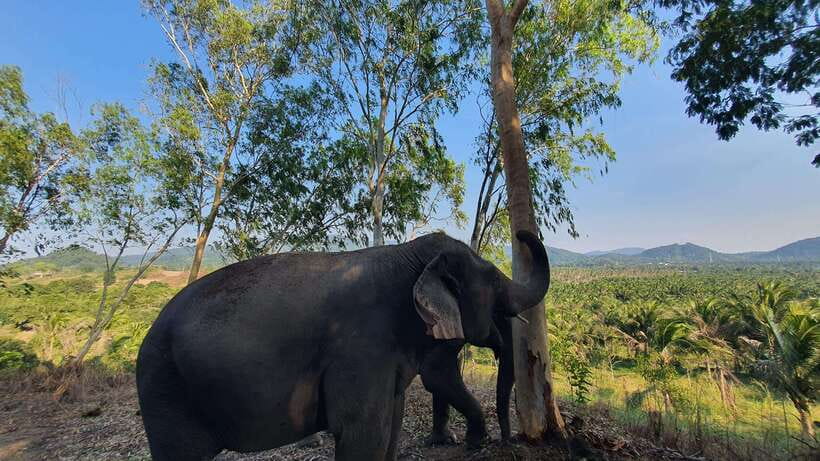
Most schedules fall into two blocks. Choose the morning window (about 07:00–14:30) or the afternoon window (about 11:00–18:30). Either way, the sanctuary is around 1.5 hours from Bangkok, but you should treat that as a best-case time and expect delays from city traffic.
From the Bangkok side, you’ll either be picked up from hotels (depending on your package) or meet at Eakkamai Wat That Thong. There are also options where you meet at the sanctuary directly, which can reduce some transfer stress if you prefer not to do long van time.
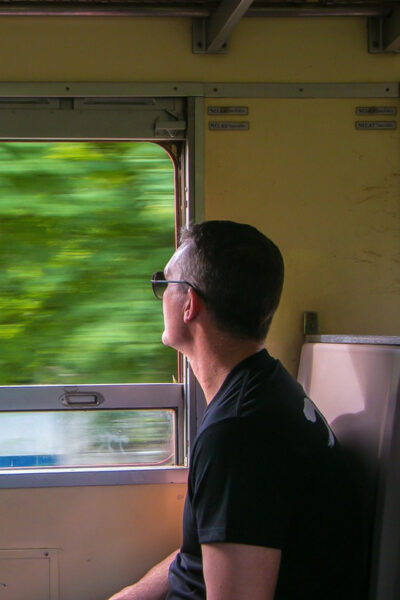
One practical note from real-world experience: the drive can be very bumpy at times. If you get carsick, pack what you need (meds, ginger, or anything that helps you tolerate motion). And if you’re going with kids, plan for the fact that the day’s “work” starts before you ever see the elephants—getting out of Bangkok.
Arrival at Living Green: Mo Hom Clothing and the Safety Briefing
When you arrive, the day doesn’t jump straight into contact. You start with a briefing and a short setup moment that helps you understand how to act around elephants without turning the experience into chaos.
Then comes one of the more memorable touches: changing into traditional Mo Hom clothing. It’s not there just for photos—it also helps the day feel grounded and “local,” and it gives you that sense you’re entering the sanctuary’s rhythm rather than barging into someone else’s space.
After that, the guides set expectations for the interactions. They emphasize safety and animal welfare, which matters because elephants are powerful and calm at the same time. You’ll also learn the sanctuary’s conservation mission and why rescued elephants need stable care, not entertainment.
Feeding and Trekking with Rescued Elephants
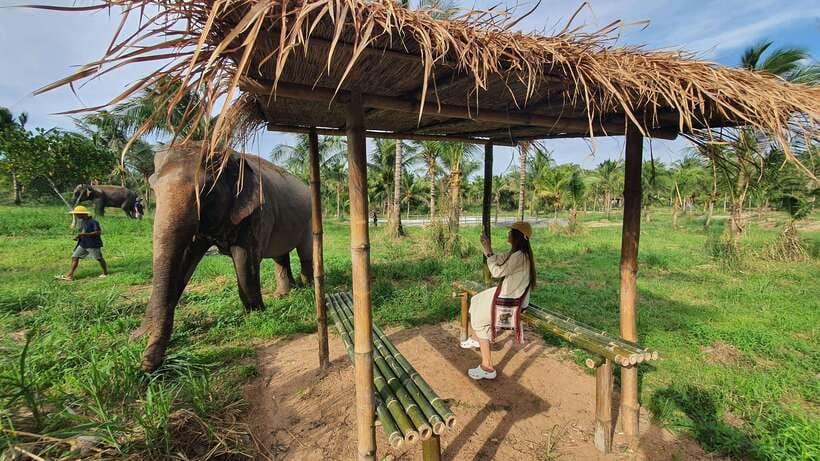
The elephant time is hands-on, but it’s not frantic. The core activities include hand-feeding, observing elephants roam freely, and a small trek where you walk alongside them on forest paths. You’ll see them forage naturally, and you’ll also get explanations about social behavior—how elephants move together, communicate, and settle as a group.
Feeding typically means you’re offering approved foods while guides supervise closely. People often mention bananas, sugar cane, and bamboo as part of what you may hand-feed. Even if you’ve seen elephant videos before, seeing them at this close range (and watching them use their trunks like skilled hands) tends to make the whole thing feel real.
The trekking portion is usually where you get the “this is a habitat” feeling. You’re not touring cages. You’re moving through the sanctuary grounds while elephants decide where they want to go. That’s also a good time to watch their pace. When you slow down, they slow down. When you rush, you’ll just feel rushed too—so follow guide cues.
Two things I’d put high on your “do this well” list:
- Wear comfortable clothes you can move in without fuss.
- Keep your attention on the elephant, not on your phone screen.
Because you’re learning their behavior, you’ll enjoy the experience more.
Bath Time, Mud Rolling, and the Rules Around Water
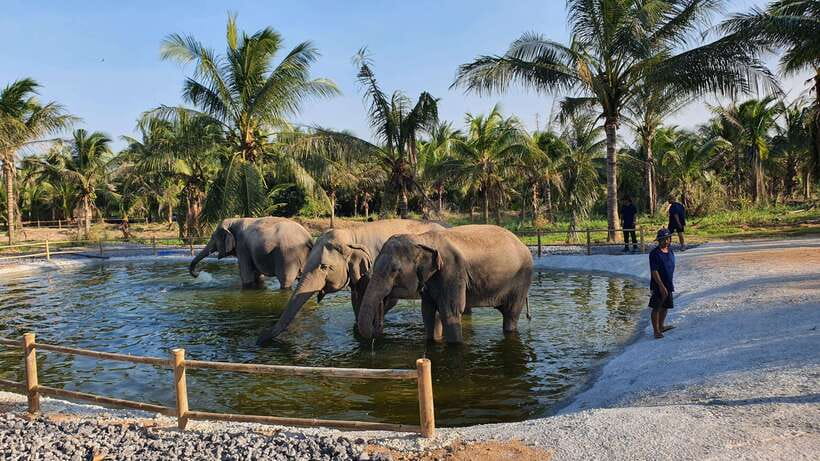
If you like “only the real stuff” experiences, this is usually the highlight. Many elephants cool off with mud—and you can often see them roll in it to protect their skin and regulate their temperature. It’s not a trick; it’s how elephants manage their day.
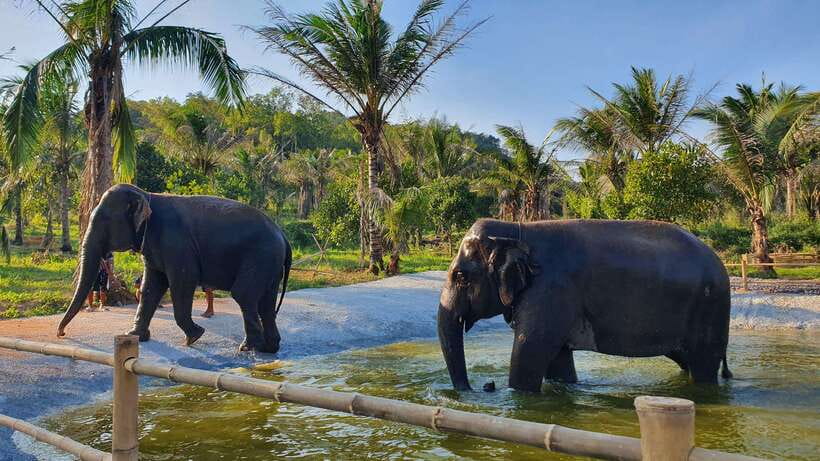
Then comes the bathing part. You may be invited to join them in the water, and the sanctuary’s approach includes a key safety detail: elephants won’t be forced into water if the weather is cold. That’s important, because it means you’re not controlling the animals’ environment just to satisfy a schedule.
Expect natural behavior rather than forced splashing. Some people love the water time because it feels intimate and joyful. Others are happy watching from the edge and letting the elephants do their thing at their own pace.
One reality check: water time can mean more water on you than you planned for, plus the smell and mess that comes with animals. Bring the basics you’ll need (towel, sandals, change of clothes). If you’re squeamish about what happens in nature, you’ll want to manage your expectations before you enter the pond area.





Lunch Break and Mountain Views: The Part People Forget to Plan For
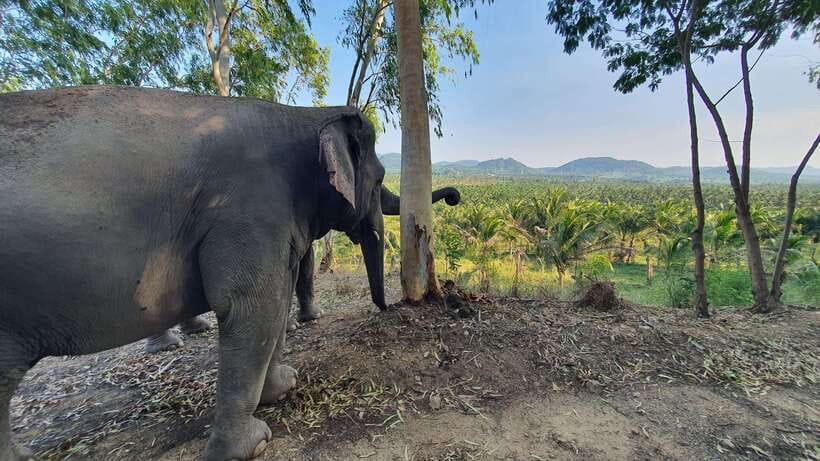
After the elephant interactions and bathing, you get a breather. This is when the day turns from “animal time” into “you time,” and that transition matters because it stops the experience from feeling like a nonstop event.
Lunch is included, and the featured dish is Ancient Pad Thai made with local ingredients. Some days may include extra items like fruit, but the consistent anchor is that Pad Thai is served as part of the package. It’s a welcome moment because you’re likely hungry after walking and being out in the open air.
Then you’ll often have shaded seating and views of the surrounding mountains. It’s not just scenery; it’s also a chance to process what you saw. When the elephants are the center, quiet time afterward helps the day land in your memory instead of slipping by like a fast tour.
Guides Make the Difference: What to Expect from the Human Team
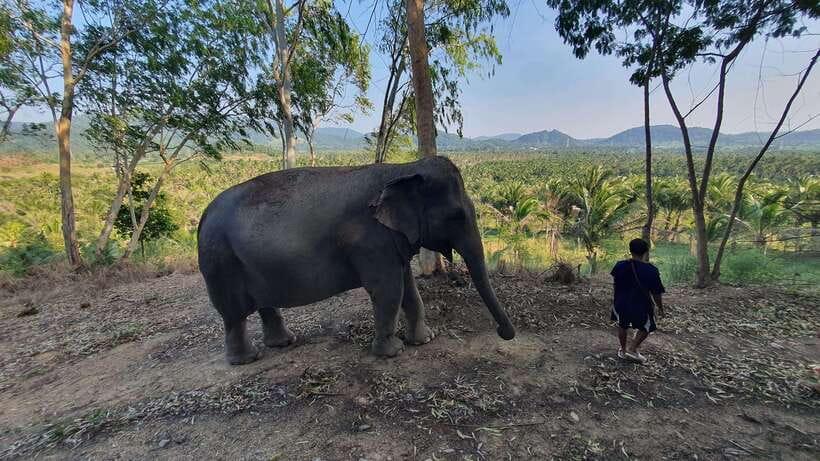
The sanctuary experience depends on people who can handle close contact calmly and explain what you’re seeing. Your trip includes a live English tour guide, and guide names can vary by group. People have reported guides such as Lulu, Mo, Mod, Jumbo, Crazy Man, and Handsome Man, and the common theme is strong instruction plus humor.
The best guides do two jobs at once. They keep you safe around elephants, and they translate elephant behavior into something you can actually notice. That’s why people leave talking about different elephant personalities—because a guide pointed out the small cues.
If you want to make the most of this, ask simple questions during the briefing: what should you watch for, how do elephants show comfort or stress, and what does the sanctuary consider the biggest welfare priorities. You’ll get more out of the day when you know what you’re looking for.
Price and Value: Is $57 a Good Deal from Bangkok?
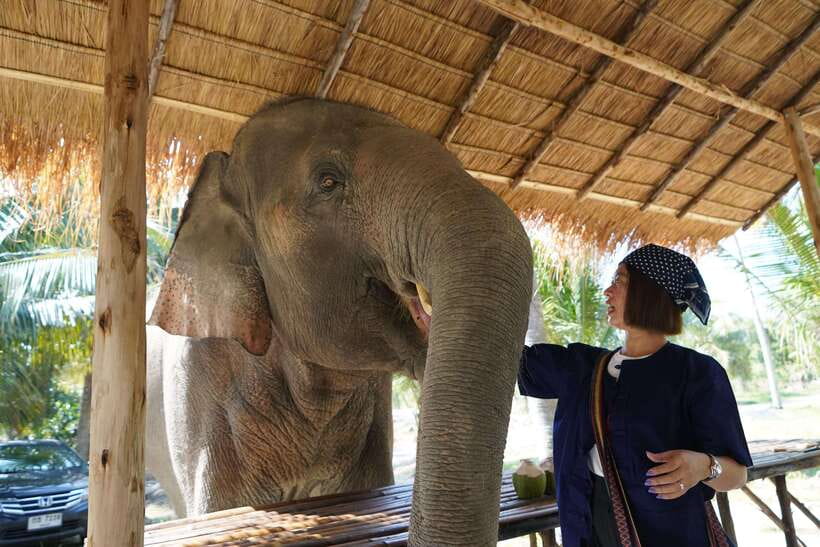
At around $57 per person, this day trip isn’t the cheapest option you’ll find, but it also isn’t paying for “elephant tricks.” Your payment is buying several real components:
- transport from Bangkok or a set meeting point
- a structured, guided sanctuary visit
- hand-feeding and guided trekking
- bathing time (when conditions allow)
- lunch plus briefing
- traditional clothing and included equipment
If your alternative is a cheaper elephant encounter that includes riding or shows, the value calculus changes fast. With this model, you’re supporting a sanctuary approach that focuses on welfare and natural behavior, and you’re getting real interaction time rather than a quick walk-by.
The only “value” risk is the transfer time. If traffic delays your schedule and you end up spending more time in transit than planned, you’ll feel it. But once you’re inside the sanctuary flow, most people decide the day was still worth it.
Who This Trip Fits Best (and Who Might Want Another Option)
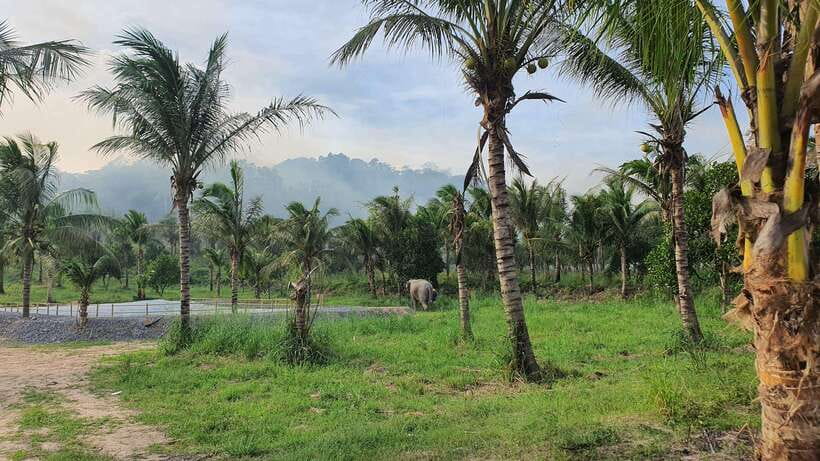
This tour works well for people who want close contact without controlling the elephants like props. It’s suitable for all ages and fitness levels on paper, but it’s not for everyone in practice because it involves walking, bathing areas, and active outdoor time.
You should skip it if any of the following apply:
- children under 2
- pregnant women
- people with back problems
If you love animal welfare and want an experience built around conservation and rescue care, you’ll likely enjoy the day a lot. Families often like it because it’s structured, guided, and not chaotic. Adventure seekers sometimes love it too, especially for water time—though it’s not an extreme hike or a sports-style activity.
You might also appreciate that this is a small group experience. Smaller groups tend to make instructions easier and ensure time with elephants feels more personal, not like a factory line.
Should You Book This Ethical Elephant Sanctuary Day Trip from Bangkok?
If you want an elephant experience you can feel good about, this is an easy yes. The sanctuary’s clear rules—no riding, no chains, and no performances—plus the structured feeding, trekking, and bath opportunities make it match what most people actually hope for when they book.
Book it if:
- you’re okay with a half-day trip that includes real travel time
- you want interaction and learning, not a quick photo stop
- you’re bringing the right gear for outdoor play and water time
Consider skipping or switching options if:
- you’re sensitive to rough van rides and long traffic windows
- you strongly dislike any chance of messy nature during pond time
If you do book, pack for comfort and plan your expectations around the drive. Once you’re at the sanctuary, the whole day shifts—quiet, guided, and centered on the elephants as animals, not attractions.
FAQ
Where is the Living Green Elephant Sanctuary day trip from Bangkok located?
It’s in Chonburi Province, Thailand, in the mountains, about 1.5 hours from Bangkok.
How long is the experience?
You’ll choose a morning or afternoon program. The listed session times run about 6–7 hours and include transportation time.
What time options are available?
There are two main options: a morning program (07:00–14:30) and an afternoon program (11:00–18:30).
What is the meeting point in Bangkok?
Depending on your package, you may start from Eakkamai Wat That Thong. Other options may include meeting directly at the sanctuary with no transfer.
Is elephant riding allowed?
No. The sanctuary operates with a strict no-riding policy.
Are chains or elephant performances part of the visit?
No. The program follows a no-chains and no-performances policy.
Can I bathe with the elephants?
You may be able to join them in the water, but elephants won’t be forced into water if weather is cold.
What’s included in the price?
The experience includes a local meal, briefing, elephant interaction, trekking with elephants, and elephant bathing (if conditions allow), plus hotel pick-up and drop-off depending on the selected package. Traditional clothing and included equipment are also part of the experience.
What should I bring?
Bring a change of clothes, towel, sandals, water, and comfortable clothes.
Who should not join this trip?
It’s not suitable for children under 2, pregnant women, or people with back problems. Smoking and alcohol/drugs are also not allowed.