REVIEW · SEOUL
Best Seoul City Tour (Gyeongbokgung Palace,Insadong,Namsan Tower)
Book on Viator →Operated by VIP TRAVEL Co.Ltd · Bookable on Viator
Palaces and skyline views in one long day. This tour strings together Seoul’s must-sees—temples, markets, classic palaces, and N Seoul Tower—so you get your bearings fast even if you’re short on time.
I like the free hotel pickup and the clear downtown meeting points (Myeongdong Subway Exit 9 and Seoul City Hall Subway Station), because it cuts down on the morning scramble. I also like that you travel with an English- or Chinese-speaking guide who helps you connect the dots between each stop, not just drop you off for photos.
The main drawback is pace. With a 7-hour-30-minute schedule, you’ll be moving through top sites quickly, and weather or city disruptions can squeeze things even more.
In This Review
- Key things that make this tour worth your time
- Price and Logistics: what $58.65 really buys you
- Start Point Strategy: pickup from your hotel area
- Cheonggyecheon: a calm reset before the big sights
- Jogyesa Temple: Zen Buddhism in the middle of the city
- Gwanghwamun Gate and Gyeongbokgung Palace: the classic Seoul core
- Tuesday note: what changes if Gyeongbokgung is closed
- National Folk Museum (or the Tuesday swap) and what it’s for
- Cheongha Korea Ginseng Museum: learn, but keep expectations realistic
- Insadong: crafts, calligraphy vibes, and easy souvenir hunting
- Markets: Kwangjang Market, street food, and a little chaos (planned)
- Namsangol Hanok Village: traditional houses near the mountain
- Namsan Cable Car and N Seoul Tower: the view you’ll remember
- Drop-off choices: end near shopping or transit
- How the guides can change your day (and why that matters)
- Who should book this tour, and who might not love it
- Should you book this Seoul City Tour?
Key things that make this tour worth your time
- Hotel pickup + central meeting points keep the day smooth from the start
- Gyeongbokgung Palace (except Tuesdays) plus the palace-area sights set the tone for classic Seoul
- A Tuesday swap plan trades in Changdeokgung and Bukchon-style experiences when Gyeongbokgung is closed
- Insadong and major markets give you real Seoul shopping and street-food energy
- Namsan Cable Car + N Seoul Tower are included, so you avoid the biggest planning guesswork
Price and Logistics: what $58.65 really buys you
At about $58.65 per person, this isn’t a “private car and your own pace” situation. You’re paying for three things that matter on a first visit: transportation support (air-conditioned vehicle), a guide who can explain what you’re seeing (English or Chinese), and ticketing help for the big-ticket sites like Gyeongbokgung/Changdeokgung and the N Seoul Tower cable car.
The value calculation is simple: if you tried to do this DIY, you’d spend time figuring out routes, timing palace entry windows, and coordinating multiple areas across the city. Here, the schedule does that heavy lifting. Plus, you’re not asked to buy everything on your own—some admissions are included, and others are free stops.
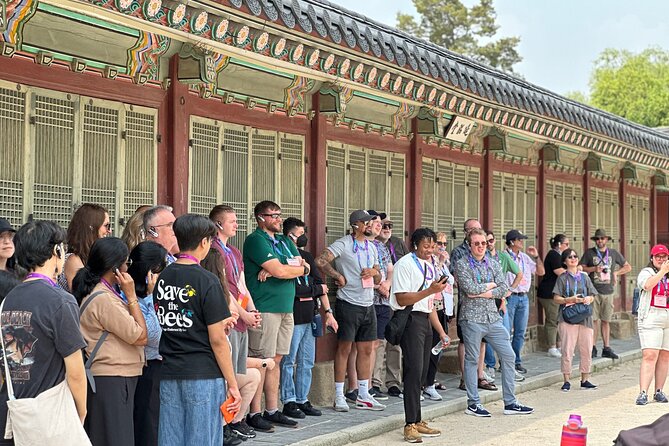
Group size is capped at 45 travelers, which usually keeps the tour from turning into a moving crowd of ten buses. Still, you should expect “organized but busy,” especially around major palace gates and market streets.
You can also read our reviews of more tours and experiences in Seoul.
Start Point Strategy: pickup from your hotel area
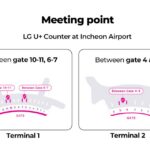
One of the easiest wins in this tour is the way it starts. You get either free pickup from a list of selected downtown hotels or you meet the group at convenient transit hubs—Myeongdong Subway Station (Exit 9) and Seoul City Hall Subway Station.
Why this matters: Myeongdong and City Hall are good hubs for first-time visitors. If you’re staying near the center, pickup can save you the hassle of transfers before the day even begins. If you’re not, the meeting points still keep you close to the subway network.
The tour starts at 9:00 am, so you get moving early enough to see the places that tend to get crowded later.
Cheonggyecheon: a calm reset before the big sights
The day includes a stop at Cheonggyecheon, a restored urban stream that runs through central Seoul. Even if you only spend a short time there, it works as a mental reset—quiet footing between temple/palace zones and the louder shopping areas later.
This is also one of those places that helps you understand Seoul’s layout: major sights aren’t isolated islands. The city connects them with corridors, parks, and transit, and Cheonggyecheon is a nice example of that.
Jogyesa Temple: Zen Buddhism in the middle of the city
You start your sightseeing with Jogyesa Temple, often described as the heart of Korean Zen Buddhism since 1395. The key thing here isn’t just the temple buildings—it’s the feeling of stepping into a slower rhythm while the city hum stays just outside.
You’ll typically have about 30 minutes at Jogyesa, and the admission is listed as free. That’s a good length for photos and a basic orientation, without turning it into a rushed “look and leave” moment.
If you like temples but hate long lines, this timing is smart. If you’re the type who wants time to read every sign and follow every ritual, you might wish the stop were longer—but for a one-day highlights tour, it’s a decent balance.
Gwanghwamun Gate and Gyeongbokgung Palace: the classic Seoul core
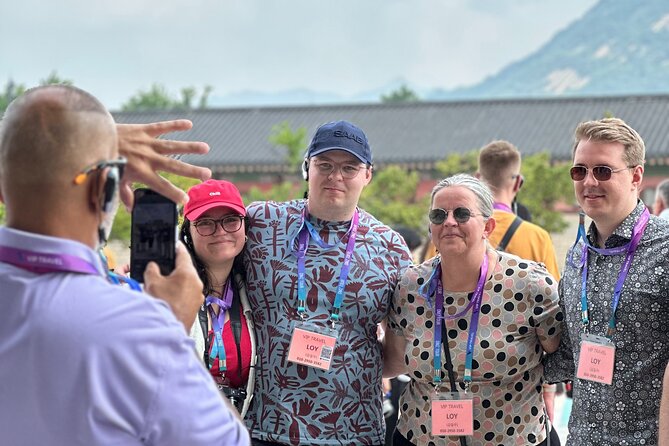
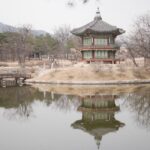
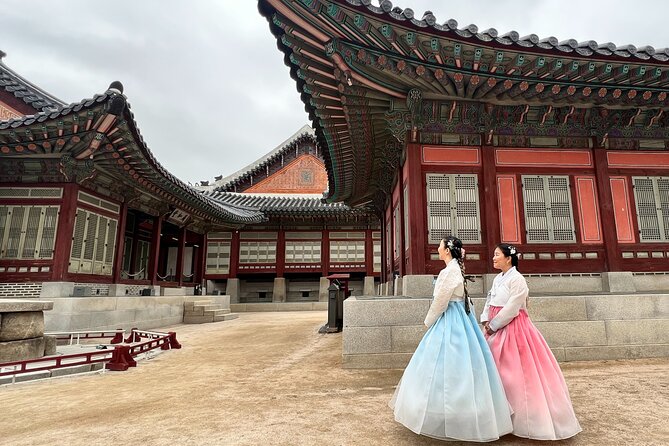
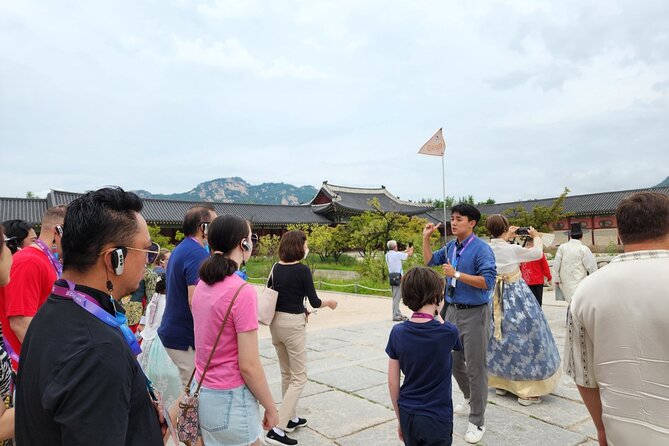
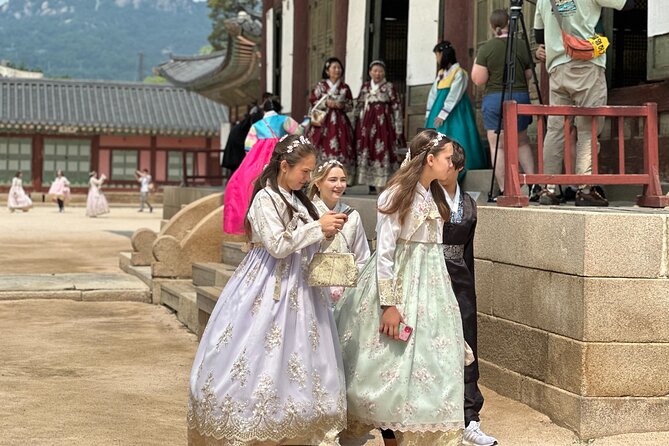
The centerpiece is Gyeongbokgung Palace—Seoul’s grand Joseon-era palace—set at the heart of the palace district. You pass through the Gwanghwamun Gate area (with a note that the Changing of the Guard ceremony is not on Tuesdays), then you get your about 1 hour inside the palace complex, with admission included.
This is the section that most directly delivers the “wow, I’m really in Seoul” feeling. The palace scale, the courtyard layout, and the way the city’s modern energy frames the old walls all click together here.
Tuesday note: what changes if Gyeongbokgung is closed
You need to plan around one calendar rule. Every Tuesday, Gyeongbokgung Palace is closed, and the tour swaps in a different palace experience.
If your day is Tuesday, you won’t see Gyeongbokgung. Instead, you’ll go to Changdeokgung Palace (included, about 1 hour). It’s UNESCO-listed and known for a palace layout that feels more in harmony with its surroundings—so you still get “Joseon court” energy, just in a different setting.
One more Tuesday shift: the palace area experience differs because the Gwanghwamun Changing of the Guard isn’t part of the plan on that day.
National Folk Museum (or the Tuesday swap) and what it’s for
On non-Tuesdays, the tour includes the National Folk Museum of Korea for about 20 minutes. That short slot is designed for context: you get basic grounding in everyday Korean life across time, which helps the palace visits feel less like random buildings and more like an actual story.
On Tuesdays, that museum stop is replaced with Bukchon Hanok Village (about 30 minutes, free). This swap matters because it changes the flavor of your learning. Instead of museum interpretation, you’re walking a traditional neighborhood-adjacent area with preserved hanok houses.
If you prefer learning indoors, the non-Tuesday option may suit you more. If you’re more into walking streets and architecture, the Tuesday swap may feel more satisfying.
Cheongha Korea Ginseng Museum: learn, but keep expectations realistic
The tour includes Cheongha Korea Ginseng Museum for about 20 minutes, and it’s listed as free. Here’s the practical heads-up: some visitors feel this stop is more like a sales-focused shop than a museum you’d spend a deep amount of time in.
So treat it as a quick cultural stop where you can browse and learn the basics of ginseng’s role in Korean medicine, but don’t plan your day around it being a traditional museum experience with lots of time to read everything.
If you’re sensitive to shopping pressure, you can still enjoy it by keeping it short on purpose—look around, decide fast, and move on.
Insadong: crafts, calligraphy vibes, and easy souvenir hunting
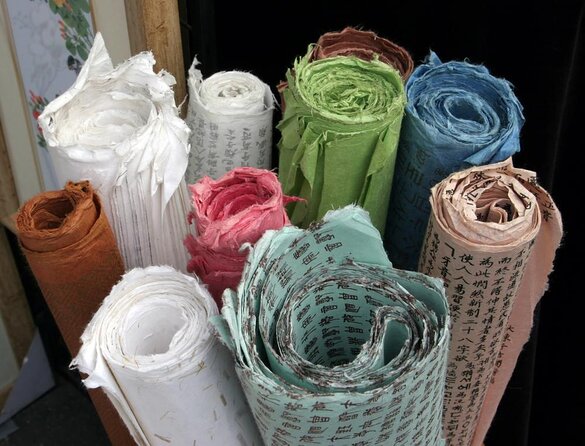
Next is Insadong for about 1 hour, with admission listed as free. This is a great stop for people who want Seoul’s “handmade Korea” feel: craft items, paper goods, and the kind of streets where you can browse without needing a reservation.
What I like about putting Insadong after the palace/temple side of the day: it shifts you from history into modern culture you can touch. You’ll leave with options for small gifts and personal keepsakes—without having to commit to a single store.
This is also where you’ll likely feel hungry. Even if lunch isn’t included, your guide is there to recommend places.
Markets: Kwangjang Market, street food, and a little chaos (planned)
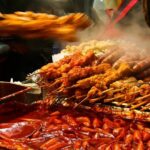
The tour includes Kwangjang Market for about 30 minutes. It’s an older, major market area, and the format is classic Seoul: lots of stalls, lots of smells, and enough people to make you walk like you’ve joined a school of fish.
What’s smart about the market stop is that it makes “food culture” part of the day, not an afterthought. If you’re the type who wants to try a few signature snacks but you don’t want to research everything, this is one of the most efficient ways to do it.
That said, market time can be sensitive to the day’s conditions. If there are demonstrations or heavy traffic, the group may need to adjust and some market time might shorten.
If you want full control over what you eat, think of this as “try a few things with the group,” not “finish every stall.”
Namsangol Hanok Village: traditional houses near the mountain
You’ll also visit Namsangol Hanok Village for about 40 minutes. It’s a preserved area with restored hanok homes from the 19th century, at the foot of Namsan Mountain.
This stop works as a bridge between old Seoul and the “Seoul at night” energy. After palace architecture and market chaos, Namsangol gives you calmer lanes to slow down, take photos, and appreciate how hanok spaces are laid out.
If your legs need a break, it can feel easier than some palace walking distances, though it’s still outdoor walking.
Namsan Cable Car and N Seoul Tower: the view you’ll remember
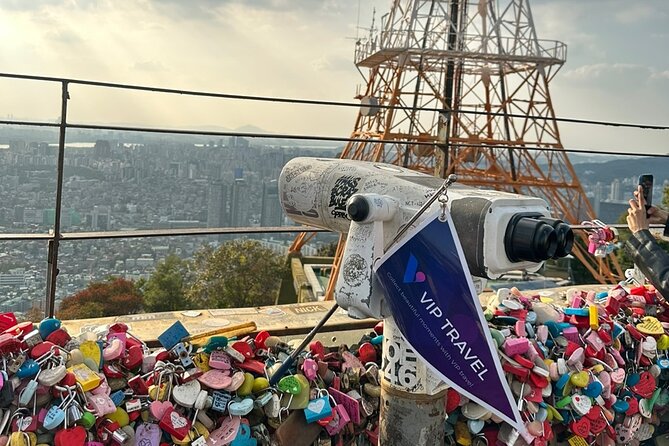
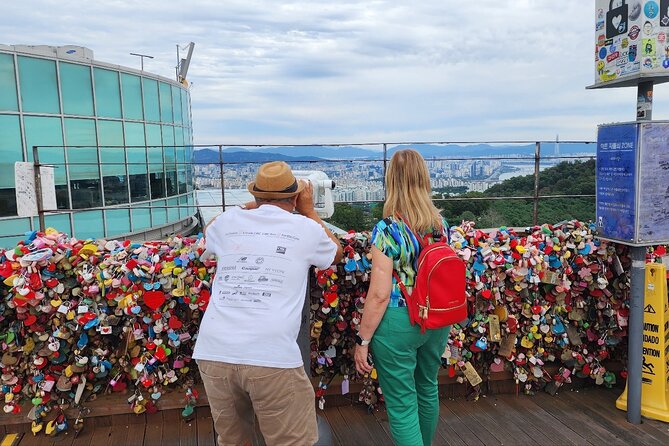
The tour ends with Namsan Cable Car and N Seoul Tower, with the plan including round-trip cable car and about 1 hour at the tower area.
This is the part you’re probably picturing already: Seoul from above. The included cable car is a big deal for value because it saves you from dealing with ticketing queues and route decisions on a tight schedule.
Practical note from real-world experience: the timing at the tower can feel like it’s split between the base area and top views. If your priority is the skyline, you’ll want to use your hour efficiently—check the schedule and move toward the main viewpoints early so you don’t lose time waiting around.
Drop-off choices: end near shopping or transit
This tour has a different ending point than most day tours. Instead of returning everyone to the same hotel, you’ll disembark in central areas such as Myeongdong, Namdaemun Market, or Seoul City Hall.
That’s actually useful: you can decide where you want to continue your evening. Want beauty shops and casual bites? Myeongdong is a logical pick. Prefer a bigger open-air market atmosphere? Namdaemun is the move. Want a blend of city sights and nearby palace options? City Hall is a solid anchor.
How the guides can change your day (and why that matters)
This is one of those tours where the guide really affects the vibe. Across the guides named in the provided feedback—people like Gabby, Bella, K, Hana, Lynn, Kelly, Ray, Moon, and Joo-Ee—the strongest pattern is clear: good guides keep the group organized and explain what you’re seeing in a way that sticks.
Some highlights from the guide-related notes that you should care about:
- If you need help with stairs, K was described as accommodating stair limitations.
- Bella (Mandarin-speaking) emphasized safety and explanation.
- Sunny Yang and others were noted for connecting history with practical shopping/food tips.
- Lynn was praised for matching the pace to group needs and giving strong local recommendations.
Even if you don’t get those exact guides, the fact that guides are actively helping with safety, explanations, and on-the-ground decisions is a reason the tour can work better than a generic bus circuit.
Who should book this tour, and who might not love it
This tour is a good fit if:
- You’re on a first trip and want the major anchors of Seoul in one day
- You care about seeing palace architecture plus traditional markets
- You want a guide to handle the “what is this and why does it matter” part
- You like having an organized plan, but still want time to browse
You might hesitate if:
- You hate a fast pace and prefer slower, neighborhood-style exploring
- You expect every stop to feel like a deep museum experience (some are short by design)
- You’re very sensitive to weather or city disruptions—because with a full-day route, timing can shift
Should you book this Seoul City Tour?
If your priority is seeing a lot of Seoul without wrestling logistics, I think this one is worth it. The mix of palace time, Insadong shopping, major market food energy, and a guaranteed skyline payoff from N Seoul Tower is a strong one-day package.
Just go in with the right mindset: it’s a structured highlights loop, not a slow stroll with endless optional detours. If you want one unforgettable “first Seoul” day with strong value for the effort, this tour can deliver.