REVIEW · SEOUL
DMZ Tour w/ North Korea Experience Hall & Opt. Suspension Bridge
Book on Viator →Operated by Seoul N Tour · Bookable on Viator
A day in the DMZ changes your perspective fast. This guided route is one of the only ways you can safely visit the border zone, with set stops like the Third Tunnel and Dora Observatory, and an optional add-on for the Gamaksan Chulleong Suspension Bridge. I love that the hard-to-plan parts are handled for you: pickup in central Seoul and admission/entry included for the core sights. I also love the human factor—when a guide is sharp and clear (like Junie), the day feels understandable instead of overwhelming.
The catch is that the DMZ runs on government timing. If sites close due to weather or security, the itinerary can adjust, and that means not everything will happen exactly as you expect. The tunnel section in particular is a consideration if you feel uncomfortable in tight spaces or struggle with steep climbs.
In This Review
- Quick hits before you go
- DMZ access that stays safe and on schedule
- Price and value: what $55 buys in real terms
- Stop 1: Imjingak Park first—why that warm-up matters
- Stop 2: North Korea Experience Hall—information before the restricted area
- Stop 3: Dora Observatory—seeing division through telescopes
- Stop 4: The Third Tunnel—500 meters you earn the hard way
- Stop 5: Imjingak-ro to Unification Village area—small signs of the larger story
- Optional upgrade: Gamaksan Chulleong Suspension Bridge
- What happens when DMZ sites close due to weather or security
- Guides make or break the day (and you can see that in the names)
- Walking, comfort, and the real schedule reality
- Who this DMZ tour suits best
- Should you book this DMZ Tour with the Suspension Bridge option?
- FAQ
- Do I need a passport for the DMZ tour?
- What’s included in the tour price?
- Where do I meet and where does the tour end?
- How long is the tour?
- Is the suspension bridge part of every tour?
- What if the Third Tunnel or Dora Observatory are closed?
Quick hits before you go
- It’s a controlled, guided DMZ visit: you’re not winging it, and that’s the point.
- Third Tunnel + Dora Observatory are the big emotional beats of the day, especially with the telescopes at Dora.
- Imjingak Park and the North Korea Experience Hall add context before you enter the restricted area.
- Gamaksan Chulleong Suspension Bridge is the optional thrill: longer than most mountain bridges in South Korea.
- Small group size (max 40) helps the day feel organized rather than chaotic—though you’ll still share the road with other tour buses.
DMZ access that stays safe and on schedule
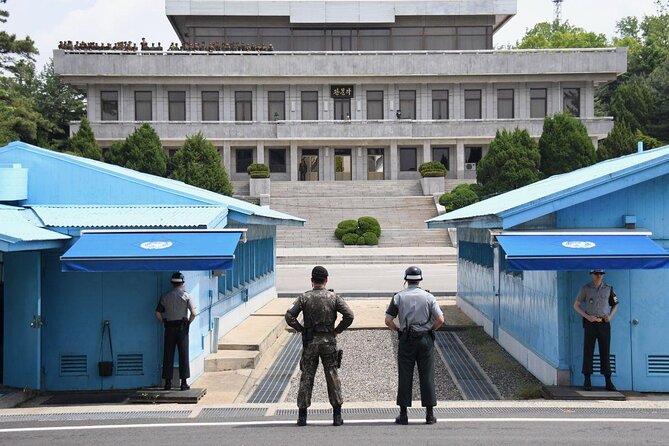
The DMZ is one of those places where doing it wrong isn’t really an option. Visiting independently isn’t allowed, so a guided tour is how you get official permission to go inside the restricted zone. That guide-led structure matters: you’ll follow the rules, get the safety gear you need, and move as a group between checkpoints.
This specific tour keeps the focus tight. You’re not just driving past landmarks—you’re stopping at key sites tied to how the Korean War and Cold War tension still shapes daily life. The day is built around clear “anchor moments,” and that’s why it works even if you’ve only got one day in Seoul.
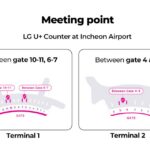
A practical plus: your ticket is a mobile ticket, and the tour uses set meeting points and tour windows. The start location is City Hall Station, and the tour finishes back at City Hall Station. If you like knowing where you’ll be next, this style fits.
You can also read our reviews of more tours and experiences in Seoul.
Price and value: what $55 buys in real terms
At $55 per person, this tour is priced like a solid “one-and-done” day. The value isn’t just the ticket cost—it’s what’s included versus what you’ll pay separately.
Here’s what you get that usually costs extra when you book fragmented transport and admissions:
- Professional guide
- Entry fees for the main DMZ sights (and Dora/Third Tunnel are not usually cheap)
- Round-trip travel from central Seoul (pickup/drop-off is from the city center, not a random neighborhood)
What’s not included:
- Food and drinks (no lunch is provided)
- Hotel pickup and hotel drop-off (you meet at City Hall Station instead)
Also, this day is weather-dependent in a very real way. If the tunnel or Dora Observatory can’t operate, the tour can switch to alternative stops. That flexibility protects your day, but it’s not the same as guaranteeing every headline stop.
Bottom line: for one guided DMZ day with the Third Tunnel and Dora Observatory in the mix, $55 is a reasonable deal—especially because the “logistics tax” is handled for you.
Stop 1: Imjingak Park first—why that warm-up matters
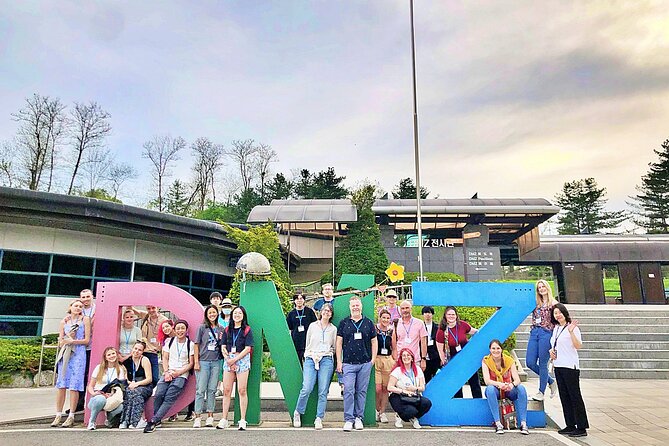
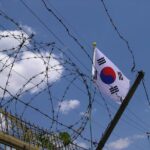
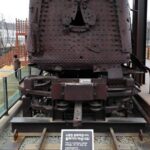
Before you’re put into the high-control DMZ setting, you start with context at Imjingak Pyeonghoa-Nuri Park. This is where the Korean War’s human story turns into physical landmarks you can walk around: the Freedom Bridge and the Monument of Soldiers are part of what you’ll see.
This stop is short—about 30 minutes—but it does something important. It shifts you from “tour mode” into “meaning mode.” You’re reminded that this border isn’t a concept. It’s families, displacement, and a landscape shaped by loss and separation.
Then you move into the DMZ-specific flow—where the day becomes tighter, more structured, and more focused on the division itself.
Stop 2: North Korea Experience Hall—information before the restricted area
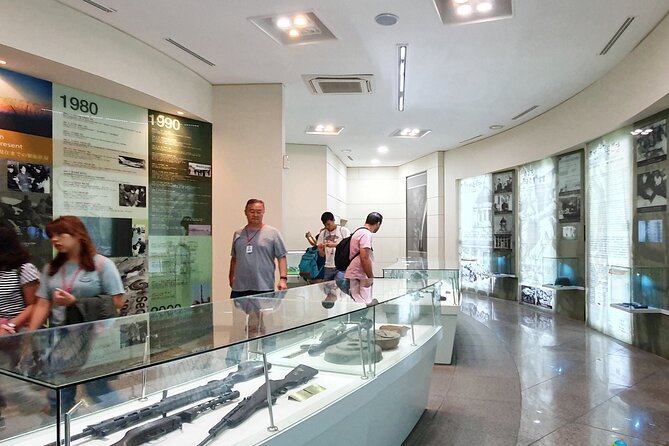
One of the more useful add-ons on this itinerary is the North Korea Experience Hall, also called the Imjingak-ro hall. It’s built for people who want more than surface-level descriptions.
What you’re looking for here is educational layering. Instead of jumping straight from monuments into propaganda viewing, this hall gives you a framework that helps the rest of the day make sense. Admission is free on this tour, and the hall stop is about 30 minutes.
If you tend to ask why something matters, this is a good step. It can reduce that feeling of walking through “random scary stuff” and replace it with a clearer map of what you’re seeing.
Stop 3: Dora Observatory—seeing division through telescopes
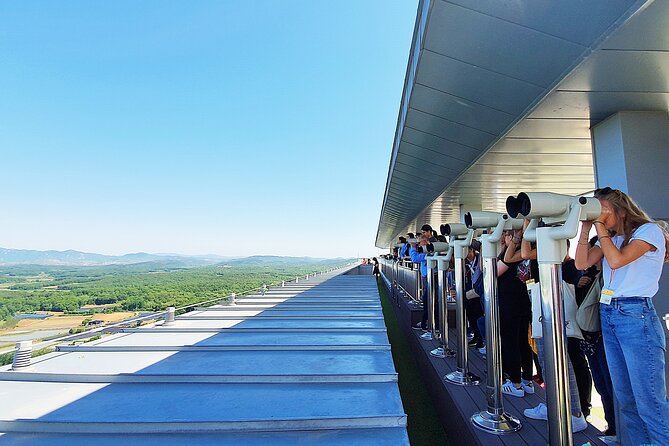
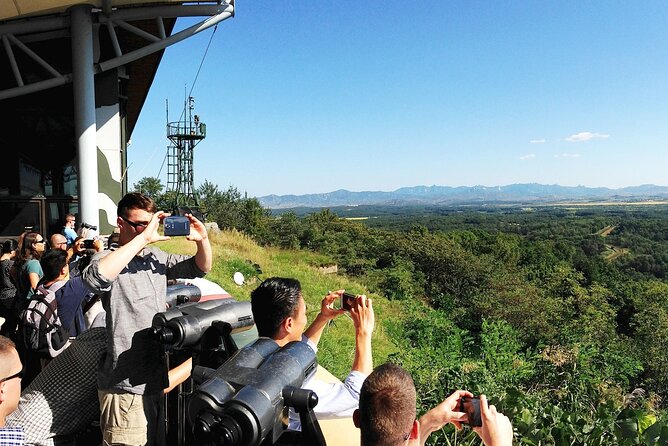
Dora Observatory is one of those stops where you can feel the tension in the air, even though you’re not doing anything dramatic. It’s designed for observation: telescopes, designated viewing points, and controlled viewing of the southernmost and northern-adjacent village areas the tour references.
On clear days, the tour notes that the flagpole in Kijŏng-dong can be seen from Dora Observatory. That detail matters because it’s the difference between “I looked” and “I actually saw something specific.” So if the sky cooperates, your viewing time tends to feel more rewarding.
Timing-wise, expect about 40 minutes here, including viewing and the guide’s interpretation. This stop often hits a different emotional register than the tunnel. The tunnel is physical and claustrophobic. Dora is visual and geopolitical—quiet, but heavy.

Stop 4: The Third Tunnel—500 meters you earn the hard way
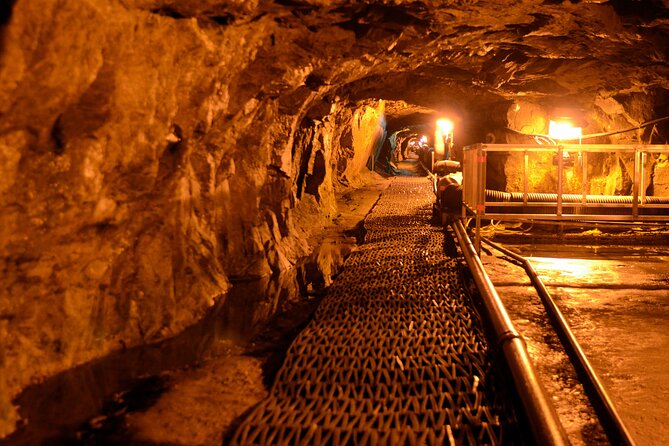
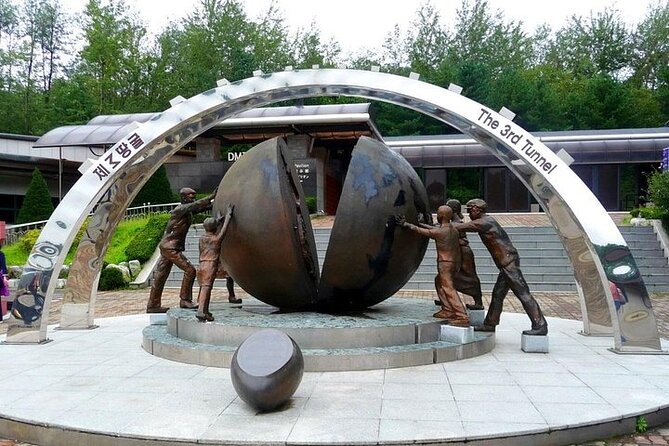
The star stop for many people is the Third Tunnel. It’s a secret infiltration tunnel built by North Korea in the 1970s, discovered in 1978, and it’s located about 52 kilometers from Seoul.
What to expect on the ground:
- You receive a safety helmet.
- You walk about 500 meters (and it’s not a flat, easy stroll).
- It’s physically challenging. The itinerary specifically warns against it for people with claustrophobia, and it also notes the slope back up can be hard for elderly visitors.
What I like about this stop is that it explains something you can’t really grasp from photos. The tunnel makes the strategy feel real—cold, calculated, and built for control. Even though your guide gives the historical background, what sticks is the bodily experience: the narrow feel, the movement limits, and the climb back up.
If you want to go, pack for walking and breathing comfortably. Wear shoes you’d trust on steps and uneven ground. And if you know tight spaces bother you, consider asking to wait outside rather than forcing it. Your comfort affects how much you’ll absorb.
Stop 5: Imjingak-ro to Unification Village area—small signs of the larger story
Within the DMZ portion, the tour mentions visiting the Unification Village area as part of the overall DMZ experience. Even if you don’t get a “wow” moment at every single point, the value is the way the day connects themes: war remnants, observation, and the human attempt to bridge two realities that still don’t meet.
This is also why the order of stops works. You begin with war context at Imjingak, then learn more via the Experience Hall, then view division from Dora, then go underground with the tunnel. The narrative tightens step by step.
Optional upgrade: Gamaksan Chulleong Suspension Bridge
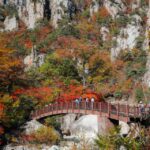
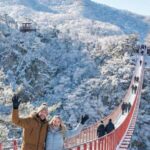
If you choose the Gamaksan Chulleong Suspension Bridge option, you’ll add a full 1-hour stop for the bridge experience. The tour describes it as the longest suspension bridge in South Korea, and also as the longest mountain suspension bridge in South Korea (opened in 2016). Either way, the point is the same: this isn’t just a bridge photo stop. You walk it.
Important practical notes:
- If you have a fear of height, the tour says it’s not recommended, and you may instead wait at the viewpoint.
- Weather matters. If conditions are rough (including heavy rain or snow), the suspension bridge may be closed, and the itinerary will shift.
The bridge stop often feels like a release valve after the intensity of the DMZ. It gives your eyes a different kind of “open space” moment, even though the political day is still on your mind.
What happens when DMZ sites close due to weather or security
This is one of the reasons this tour gets such strong scores overall: it’s built with contingency plans. The tour notes that if heavy rain, snow, or security control affects operations, the suspension bridge can close, and instead you’ll visit Odusan Unification Observatory.
It also explains that on Mondays, public holidays, or days when the Third Tunnel and Dora Observatory are closed, you’ll get a special DMZ course that swaps in other observatories and memorial-style stops. The alternatives listed include things like the DMZ Peace Gondola, Gloster Hill Memorial Park, and the North Korea Experience Center, with the suspension bridge still potentially in the mix depending on access rules.
So yes, the day can change. But the changes aren’t random, and you’re not left stranded with nothing to do. Still, if your heart is set on a specific headline moment, keep your expectations flexible and plan on the tour doing what it can with access that day.
Guides make or break the day (and you can see that in the names)
The strongest praise in feedback ties directly to the guides. Names that come up include Sookhee, Junie, Mr. Young, Brian, and Veronica—and the common thread is clear communication and solid historical context.
Even with a good itinerary, a DMZ day can feel intense fast: security procedures, walking distances, and the emotional weight of what you’re seeing. When your guide has smooth English and a calm way of keeping you on track, the day feels manageable.
One practical point: the tour can run across multiple vehicles during the day depending on how groups are organized inside the DMZ area. That doesn’t have to be a problem, but it’s one more reason to listen closely at each stop and follow the guide’s instructions for where to meet.
The good news? The tour sets you up with reminders and clear scheduling, and many people highlight that the whole day runs on time without wasting huge chunks waiting around.
Walking, comfort, and the real schedule reality
This tour lasts about 7 hours 30 minutes (approx.), so you should treat it like a full-day hike with checkpoints—not a quick half-day sight trip. You’ll be on your feet, including the tunnel part and other walking segments.
Here are the comfort basics you can count on:
- Moderate physical fitness is required.
- The Third Tunnel portion involves a descent and a climb back up; it’s not recommended for people who get uncomfortable with tight spaces.
- The suspension bridge option can be uncomfortable for people with height anxiety, and the tour notes you may instead observe from the viewpoint.
Also, bring a current valid passport. DMZ entry requires passport checks on the day of travel.
Finally, remember that food and drinks aren’t included. Depending on the timing, you’ll want to carry water and plan a snack strategy around the stops you’ll have time for.
Who this DMZ tour suits best
This is a good fit if you:
- Want the official, guided DMZ access you can’t legally do on your own.
- Are drawn to Cold War and Korean War context and want it explained in a structured way.
- Like being with a small group (maximum 40) instead of a never-ending crowd train.
- Want an optional adrenaline moment with the suspension bridge upgrade.
It’s less ideal if you:
- Know you react strongly to enclosed spaces (Third Tunnel is explicitly not recommended for claustrophobia).
- Have trouble with slopes or steep, physical sections.
- Have a fear of heights and plan to do the suspension bridge portion (viewpoint waiting is an option, but it changes the experience).
For families: children must be accompanied by an adult. For anyone with health concerns, you’ll want to think hard about the tunnel and the walking.
Should you book this DMZ Tour with the Suspension Bridge option?
I’d book it if you want a packed, guided DMZ day that’s built around the main “you came all this way for this” stops: Imjingak, Dora Observatory, and the Third Tunnel—plus the option to add the Gamaksan Chulleong Suspension Bridge for a totally different kind of moment.
Choose it with clear expectations:
- The DMZ can shift day-to-day because of security and weather.
- The tunnel is real and physical, not a cinematic experience.
- A strong guide helps you get more out of every stop, so aim for a time slot that matches your pace and plan on comfort items like good shoes and a snack strategy.
If you want to see the DMZ in a way that’s allowed, organized, and meaningful without months of planning, this is a practical way to do it from Seoul.
FAQ
Do I need a passport for the DMZ tour?
Yes. A current valid passport is required on the day of travel.
What’s included in the tour price?
The tour includes a professional guide, and it includes entry fees for the core DMZ sights. Round-trip travel from central Seoul and pickup at the listed meeting point area are also included. Food and drinks are not included.
Where do I meet and where does the tour end?
The tour starts and ends at City Hall Station in Seoul. The meeting point is listed as City Hall Station, and the tour finishes back there.
How long is the tour?
The duration is listed as about 7 hours 30 minutes (approx.).
Is the suspension bridge part of every tour?
No. The suspension bridge (Gamaksan Chulleong Suspension Bridge) is an optional upgrade. If it’s closed due to heavy rain, snow, or security, you’ll visit a different observatory instead.
What if the Third Tunnel or Dora Observatory are closed?
On Mondays, public holidays, or days when the Third Tunnel and Dora Observatory are closed, the tour switches to a special DMZ course with different stops, which can include the North Korea Experience Center, Imjingak Pyeonghwa-Nuri Park, DMZ Peace Gondola, and Gloster Hill Memorial Park (it can vary by access rules).