A real border briefing feels different. You get history taught by retired officers, not just a script. I particularly like the retired-military guides (I’m seeing names like Agent SJ, Captain Eddie, Julie, Dylan, and Jay), and I also like how the tour uses live conditions to pick the best observatory view into North Korea.
The possible drawback is simple: it’s labeled half-day, but the schedule runs about 6–7 hours including bus time, and the sites are weather-dependent. If air visibility is poor (smog or haze), your view across the DMZ can be less sharp.
In This Review
- Key highlights before you go
- Retired DMZ officers, real stories, and a classroom vibe
- Odusan vs Dora: how the tour picks the best North Korea view
- Entering the DMZ area: ID checks, Bridge of Freedom, and the morning history sweep
- The 3rd Tunnel walk: short distance, big physical reality
- Dora Observatory: what you can see, and why the guide matters
- Mangbaedan again: a pause for the human cost of separation
- Jangdan Station’s steam locomotive: a war-blocking symbol you can stand near
- Bridge of Freedom: why the day returns to symbolism
- Timing, bus time, and what to expect on a “half-day” schedule
- Value check: is $45 worth it?
- Who should book, and who should think twice
- Should you book this Half-Day DMZ Tour with PLK Travel?
- FAQ
- How long is the DMZ tour?
- How much does it cost?
- Does the tour include transportation and admission fees?
- Which observatory do I visit, Odusan or Dora?
- What documents do I need?
- What if the weather is poor?
Key highlights before you go
- Retired DMZ officers lead the group, including Special Forces backgrounds, artillery command experience, and tunnel expertise
- Odusan vs Dora Observatory is chosen on the spot using weather, visibility, and live CCTV
- ID checks and DMZ entry are part of the real process, so it feels like more than sightseeing
- The 3rd Tunnel walk is short but physical, with a listed narrow height and real scale
- No shopping focus helps the day stay tight and meaningful
- You get major historical stops without turning the trip into a museum tour marathon
Retired DMZ officers, real stories, and a classroom vibe
This tour’s main strength is the way it’s taught. Instead of a guide who only repeats facts from a brochure, you’re with people who have worked inside the DMZ world. The operator highlights retired officers with specific backgrounds: Agent SJ (a Special Forces major and Iraq war veteran), Agent Tiger (a former artillery commander), and Agent Eddie (a briefer to U.S. and Korean brass, plus an infiltration tunnel expert). Even when the guide name changes (I’ve seen Julie, Dylan, Jay, and others in the same program), the “real officer experience” idea stays consistent.
What I like about that for you is how quickly the day becomes useful. You’re not just hearing dates. You’re hearing terms explained in plain language, with context like why certain areas matter, how the DMZ functions, and what the physical layout means for both sides. It’s the difference between “watching” and “understanding.”
You’ll also get room for questions. Many guides in this program are praised for answering in depth, and for using humor to keep the tone human. That matters on a topic that can get heavy fast. You want factual, not preachy.
You can also read our reviews of more tours and experiences in Seoul.
Odusan vs Dora: how the tour picks the best North Korea view
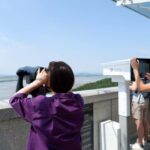
One smart detail here is that the big view is not guaranteed to be the same every day. The day’s route includes a choice between Odusan Unification Observation Deck and Dora Observatory, based on the morning’s weather, visibility, and live CCTV.
Here’s how to think about it:
- If you visit Odusan, you get the angle from a point described as about 2 km from North Korea, noted as the closest viewing spot from Seoul where you can clearly see North Korea with your own eyes.
- If you visit Dora, you get a high-impact, northern-front perspective. The view is described as covering Gaeseong Industrial Complex and Songhaksan Mountain in a single sightline.
From the review pattern, people like when the guide points out what you should look for once you’re at the observatory—especially when visibility is not perfect. One review specifically points to seeing people and bikes from the observatory, which tells you the guides don’t just park you at a railing and disappear. They guide your eyes.
Entering the DMZ area: ID checks, Bridge of Freedom, and the morning history sweep
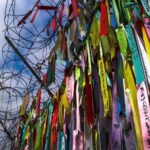
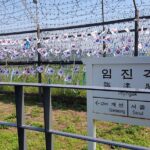
The first DMZ segment sets the tone. Before you go deeper, you’ll do an ID check, which is the part that makes the day feel real and regulated instead of touristy. From there, you look at key Korean War-era sites such as the Bridge of Freedom and the Mangbaedan Altar (a historical site tied to the war and division).
This section matters because it gives you a baseline before the day gets more intense. You’re learning what you’re looking at, not just where to stand for photos. And the bridge stop isn’t random. Symbolic sites like this help you understand how division is expressed not only in military terms, but in geography and memory.
The practical consideration: checkpoint days can feel a bit “by the book.” The program is strict on schedule, and you should expect the group pace to be controlled. If you like wandering on your own after hours, this tour will feel more structured than that.
The 3rd Tunnel walk: short distance, big physical reality
The most intense stop is usually the Third Tunnel. You’ll walk into the tunnel as part of the DMZ experience, with a described scale that’s meant to make the threat tangible. The listing notes it as thrilling and gives dimensions: about 1.95 meters high and 2.1 meters wide, plus a listed length figure (about 1,635 meters).
Even if you’re expecting history, your body reacts here. The tunnel is narrow enough that posture changes. Your pace changes. Sound changes. It’s one of those experiences where “thinking about it” doesn’t replace “feeling it.”
Practical tips that follow from that reality:
- Wear comfortable closed-toe shoes.
- Bring a layer you can stand to wear even if conditions feel cooler or more enclosed.
- Don’t plan to take photos constantly. When you’re in tight spaces, focus first on moving and listening to the guide.
This tour also asks for moderate physical fitness, so if you know tunnels and tight interiors affect you, it’s worth taking that seriously in advance.
Dora Observatory: what you can see, and why the guide matters
If your day is assigned to Dora Observatory, it’s pitched as the northern-most point of the western front, with a view that can include Gaeseong Industrial Complex and Songhaksan Mountain. That combination is useful because it ties together industry, terrain, and the idea of a divided region you can almost understand at a glance.
The other reason Dora works well is what guides tend to do at the railing. The stronger officer-style guides don’t just say “look north.” They explain what the structures and distances mean. In at least one review pattern, people mention seeing activity like people and bikes in North Korea, which suggests the tour includes real guidance to help you notice details when they’re visible.
If visibility is limited (smog, haze), your view may be less crisp. The key is that the tour tries to reduce that problem by making the observatory choice early and adjusting based on live visibility conditions. So Dora is not the “default.” It’s chosen.



Mangbaedan again: a pause for the human cost of separation
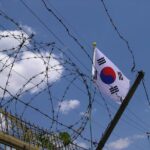
There’s a second stop related to Mangbaedan (the symbolic altar where separated families pay tribute to ancestors facing north across the DMZ). Even if you saw it at the earlier DMZ/history segment, the day keeps this human element on the route.
What I like here is that it avoids turning everything into pure military hardware. You get a reminder that the DMZ isn’t only about strategies; it’s also about families and loss that still has a direction—north.
This short segment is brief, but it changes your mood. It can also help explain why so many guides talk about “unification hope” in a careful, respectful way without making it sentimental.
Jangdan Station’s steam locomotive: a war-blocking symbol you can stand near
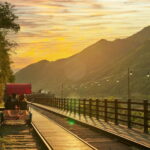
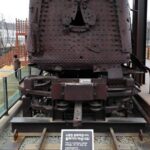
The route includes the steam locomotive at Jangdan Station of the Gyeongui Line. It’s described as destroyed by U.S. forces in 1950 to block the Chinese advance while transporting UN supplies northward. The locomotive is treated as a lasting symbol of war and division.
This stop is worth it because it’s not a big, theatrical monument. It’s a tangible artifact connected to a specific wartime purpose. It makes the war logistics feel real: trains, supply lines, and the idea that movement itself was contested.
The tradeoff is time. It’s a short photo-and-look stop, so don’t come expecting a museum-level interpretation. The officer guide style helps here too—if you ask questions, you’ll likely get more than basic explanation.
Bridge of Freedom: why the day returns to symbolism
The Bridge of Freedom shows up as a key site more than once in the described route. Even if you only spend a few minutes at each stop, the repetition works. It reinforces that this place is treated as a turning-point symbol in Korean War storytelling, not just a scenic bridge.
This also helps you understand why officers and military-focused guides gravitate toward these sites: symbols are part of deterrence and public memory. They show how nations communicate stakes to each other and to their people.
If you’re a detail person, take advantage of the guide’s pacing here. Ask what aspects matter visually (the orientation, proximity, and how the bridge fits into the DMZ narrative). That kind of question is exactly what the reviews say these guides are great at answering.
Timing, bus time, and what to expect on a “half-day” schedule
Despite the half-day label, the tour’s total duration is about 6–7 hours, including traffic time on the bus. That’s important for planning, especially if you’ve got dinner reservations or a tight flight schedule later.
Also keep in mind:
- The schedule can change due to military training schedule changes and traffic.
- It depends on good weather. If weather is poor, the tour may be moved or adjusted.
- You need a current valid passport on the day of travel.
The good news is that the program is described as no shopping and focused on the key sites, so the time stays packed with meaning rather than sales stops. Many people like this because it keeps the day from feeling like a long transfer to a gift shop.
What to bring mentally: expect a strict rhythm. You won’t be able to linger too long at every point, and you’ll move as a group through ID checks and observatory time slots.
Value check: is $45 worth it?
At $45 per person, the biggest value factor is that the ticket includes a lot of what costs extra on other tours: roundtrip transfer from Seoul, DMZ admission fees, and admission tickets to the tunnel and the observatory (either Odusan or Dora, depending on the day).
For your money, you’re not paying for a long bus ride to a casual viewpoint. You’re paying for:
- a regulated DMZ entry process,
- a structured set of high-signal stops,
- and the tunnel experience plus a North Korea view.
The other value angle is guide quality. In the reviews, the standout theme is that retired officer guides make the day feel like a guided briefing, with humor and lots of Q&A. That kind of teaching takes the trip from “photos and names” into “understanding what you saw.”
Two considerations for value:
- Lunch is not included, so you’ll want to plan food timing around the 6–7 hour window.
- If weather reduces visibility, the tour can still be educational, but your “across the line” view may be less dramatic than a clear day.
Who should book, and who should think twice
This tour is a strong match if you want:
- a military-structured way of understanding division history,
- a day that skips shopping and stays focused,
- and guides who can answer questions in depth (names you might see include SJ, Eddie, Julie, Dylan, and Jay).
You might think twice if:
- tight indoor spaces (the tunnel) make you uncomfortable,
- you need a lot of unstructured free time,
- or your schedule is extremely sensitive to weather and checkpoint pacing.
If you’re a first-time visitor to Seoul and you only want one big outside-the-city day, this fits well. If you’re already a history buff who’s done other border experiences, you may still enjoy it for the officer-led framing and the specific tunnel stop.
Should you book this Half-Day DMZ Tour with PLK Travel?
My take: if your goal is to learn while you see, and you don’t want the day turned into shopping time, book it. The $45 price makes sense because admission-heavy elements and transfers are included, and the guide format is repeatedly praised as “real stories” with lots of answers.
Before you lock it in, do two practical checks:
- Make sure you’re comfortable with the tunnel’s listed size and the moderate physical fitness requirement.
- Have a flexible attitude about visibility. This tour tries to improve it by choosing Odusan or Dora based on live conditions, but the DMZ is still weather and air-quality dependent.
If you want an experience that feels like a briefing from people who know the border world, this one fits the bill.
FAQ
How long is the DMZ tour?
It runs about 6 to 7 hours total, including bus/traffic time, even though it’s marketed as a half-day tour.
How much does it cost?
The price is $45.00 per person.
Does the tour include transportation and admission fees?
Yes. It includes roundtrip transfer from Seoul and admission fees for the DMZ area, the tunnel, and the observatory (Odusan or Dora).
Which observatory do I visit, Odusan or Dora?
You’ll visit one observatory based on the day’s weather and visibility. The tour decides between Odusan Unification Observation Deck and Dora Observatory.
What documents do I need?
You need a current valid passport on the day of travel.
What if the weather is poor?
The tour requires good weather. If it’s canceled due to poor weather, you’ll be offered a different date or a full refund.